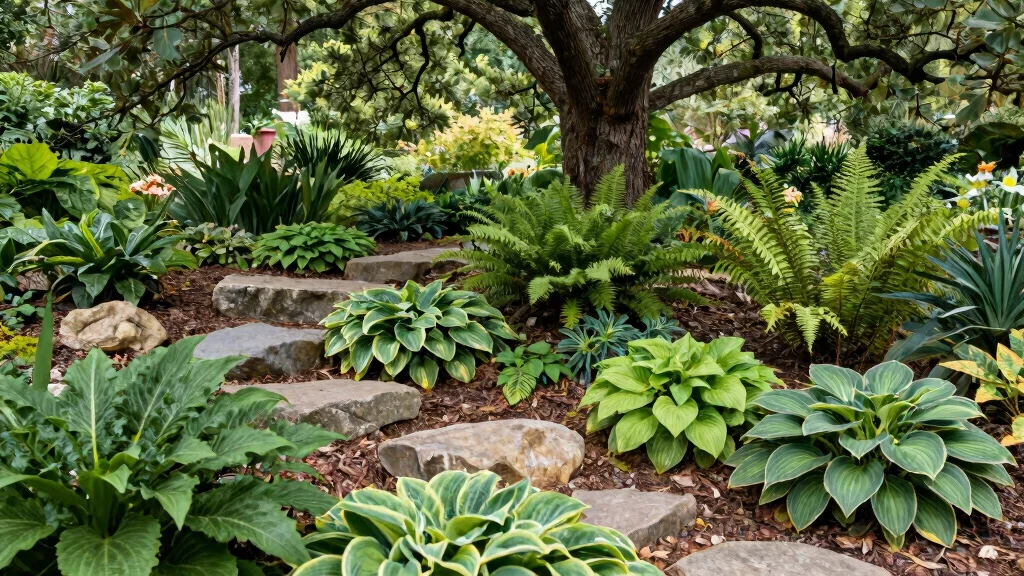
If you’ve been staring at that tricky, shady spot in your yard under a tree, you’re not alone. Many homeowners face the same challenge of figuring out how to make the most of these dim areas. With limited sunlight, finding the right plants and design elements can feel overwhelming. That’s why I created this guide on landscaping under trees. It’s all about transforming those shadowy corners into beautiful, inviting spaces where you can relax and enjoy nature.
This post is for you if you’re a gardening enthusiast, a homeowner looking to brighten up your landscape, or even if you’re simply trying to solve the mystery of what to do under that big ol’ tree in your yard. You care about aesthetics, functionality, and perhaps even creating a small haven for yourself and local wildlife. You want solutions that are easy to implement and fit naturally into your outdoor space.
In this article, you’ll find eight creative landscaping ideas that cater specifically to shady spots. From choosing the right ground covers to adding decorative features like pathways and ponds, these tips will help you design a lush shade garden. Let’s dive in and unlock the potential of your yard’s most challenging area!
Key Takeaways
– Understand Shade Requirements: Different plants have varying tolerances to shade. Research which ones thrive under your tree’s specific conditions, like soil type and moisture levels.
– Ground Covers Galore: Low-growing plants like creeping thyme or hostas can create a beautiful carpet under your tree. They reduce weeds and keep the soil healthy.
– Incorporate Mulch: Using mulch not only improves aesthetics but also helps retain moisture and suppress weeds. It’s a simple yet effective solution.
– Add Pathways: Consider using decorative stones or gravel to create pathways through the shaded area. This can improve accessibility while adding visual interest.
– Consider Water Features: A small pond or fountain can bring life to your shady garden. Water features attract wildlife and create a soothing atmosphere perfect for relaxation.
Recommended Products

No Stratification Needed: Forget me not seeds for planting germinate in 10–21 days at 65–72°F; direct sow heirloom seeds just below the surface and keep soil consistently moist for reliable sprouting.

【2-3 Years Service Life】Refuse to use recycled materials, tear resistant, high temperature resistance, glossy, safe and odorless, lightweight and durable.

PLANT SHADE CLOTH DIMENSIONS: Each plant shade cover open size measures L28X W28X H32 Inch . It can be easily folded, A 15 inch Round handbag is included for easy storage and carriage ,weight is 3.5 lbs ,Plant Sun Shade Net for Flower UV Resistant Cover for Outdoor Gardens Sunblock Shade Cover with Carry bag and 16 Stakes.
1. Ground Cover Galore: The Beauty of Low-Growing Plants
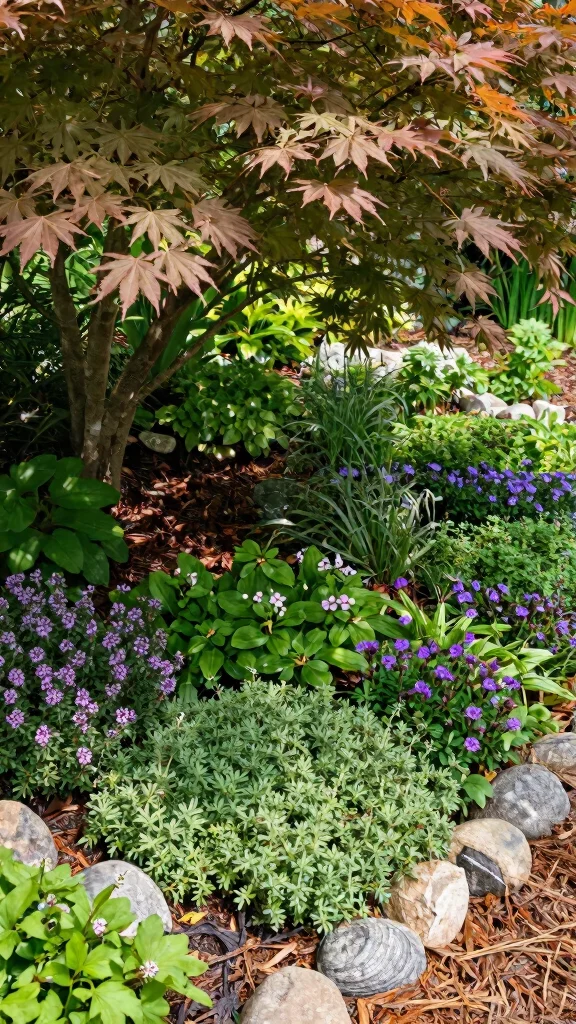
Are you looking to spruce up those tricky shaded spots in your yard? Ground covers are the perfect solution, offering a lush green carpet that not only looks great but also suppresses weeds and retains soil moisture. Think about varieties like creeping thyme, Pachysandra, and Ajuga, which thrive in low light and add intriguing textures and colors to your landscape.
To get the most out of your ground cover, carefully consider how each plant will enhance your space. For instance, creeping thyme not only brings delightful aromas but also blooms with tiny flowers, making it an ideal choice for pathways. Mixing different colors and textures can create a layered effect that’s visually stunning.
Key considerations for planting ground covers:
– Choose plants that thrive in shade.
– Prepare the soil adequately for optimal growth.
– Mix varieties for a dynamic and colorful landscape.
Adding ground covers elevates your garden’s aesthetics while transforming dull areas into vibrant green retreats, making them a gardener’s best friend.
Ground covers turn shady yard spots into living carpets for landscaping under trees. Start with sturdy choices like creeping thyme or Ajuga to curb weeds, retain soil moisture, and add texture—then layer mulch where needed for extra polish.
Recommended Products

Strong fragrance: Creeping thyme has a unique and strong aroma, with a minty cool fragrance, mixed with a hint of sweetness, a rich flavor, and the aroma of broken leaves after being trampled also has the effect of repelling mosquitoes
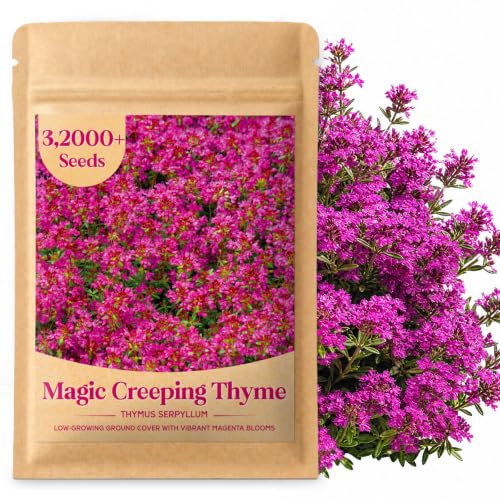
32000+ Seeds For Large Planting Areas: Over 32,000 Magic Creeping Thyme seeds provide generous coverage for pathways, garden borders, rock gardens, slopes and landscape projects. A great choice for creating a fuller planting area with a single packet

🌱 10000+ Lemon Thyme Seeds for Planting Includes 10000+ lemon thyme seeds for planting, ideal for herb gardens, borders, containers, and outdoor landscaping projects with long-lasting aromatic foliage.
Ground Cover Galore: The Beauty of Low-Growing …
Editor’s Choice

Pachysandra Terminalis Japanese Spurge Groundcover – 100 Bare Root Plants


20000+Creeping Thyme Seeds for Planting Outdoor-Heirloom Thymus Serpyllu…

GORILLA GRIP Heavy Duty Sun Shade, UV Protection Fade Tear and Rust Resi…
2. Fern Finesse: Embracing Lush Greenery
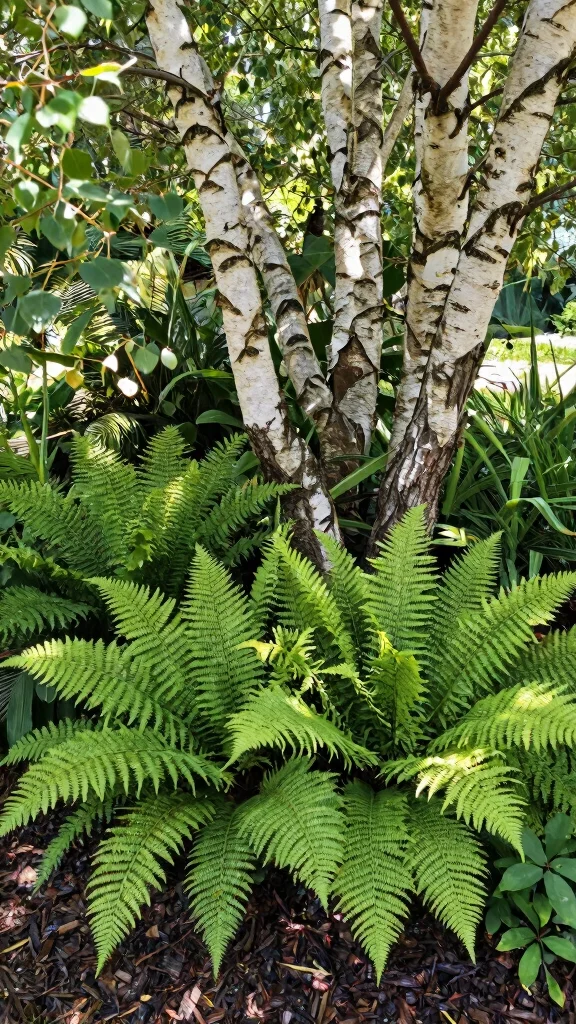
Do you want to create a serene atmosphere in your garden? Ferns can bring a lush, enchanting vibe to your shaded areas. They thrive in low light and add a touch of elegance, with stunning varieties like Japanese Painted Ferns and Ostrich Ferns that brighten up darker corners.
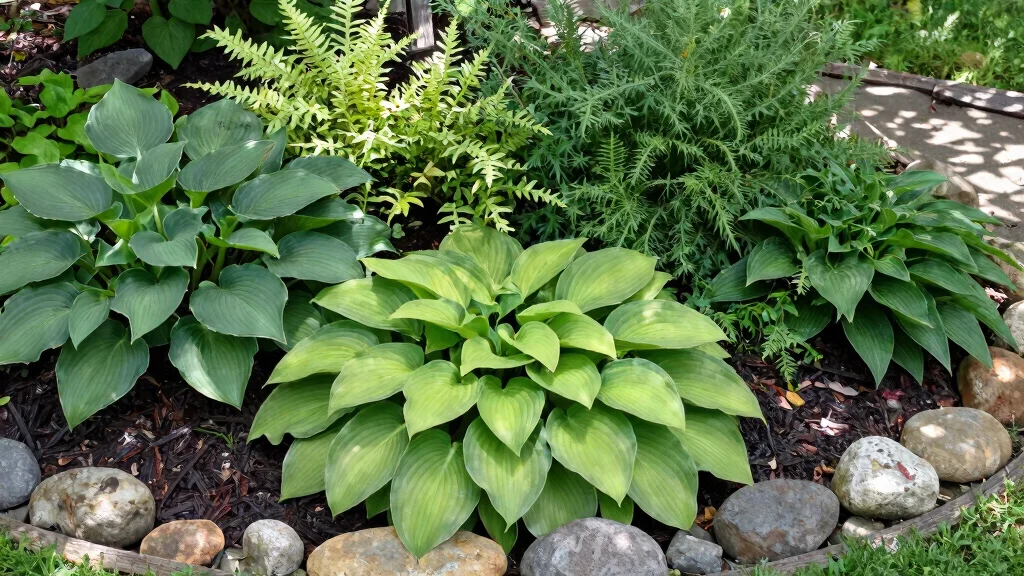
For a more captivating look, consider mixing various fern types. Plant them in clusters for a woodland feel and pair them with contrasting plants like hostas for added depth. Using mulch around ferns can also help retain moisture and keep their roots happy.
Essential tips for successful fern gardening:
– Ensure proper drainage to avoid soggy roots.
– Amend soil with organic matter for optimal growth.
– Cluster ferns to create a natural, inviting look.
With the right care, your ferns will flourish, crafting a beautiful under-tree sanctuary that feels like a peaceful escape.
Fun fact: Ferns thrive in shade and prove that landscaping under trees can feel lush with as little as 2-4 hours of indirect light daily. Plant them in clusters under trees to craft a woodland vibe, pairing Japanese Painted Ferns with Ostrich Ferns for contrast.
Recommended Products

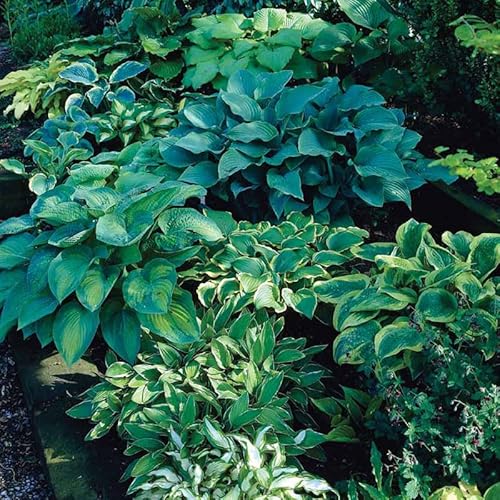
Giant Blue Green Hosta: Grow Blue Angel Hosta for exceptionally large blue green foliage and impressive perennial garden color. This giant shade plant develops broad textured leaves and a substantial rounded mound that adds lush foliage to shade gardens borders woodland landscapes and foundation plantings
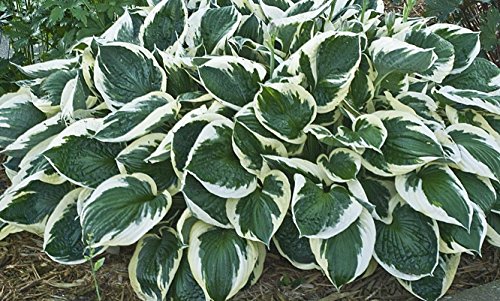
6 Fresh, Healthy Bare Root Starts
Fern Finesse: Embracing Lush Greenery
Editor’s Choice

American Plant Exchange Live Autumn Fern – 6-Inch Pot – Hardy Shade-…

10 Ostrich Ferns Live Plants Outdoor, Well-Rooted Rhizome Starters, Cold…
3. The Magic of Mulch: A Functional Aesthetic
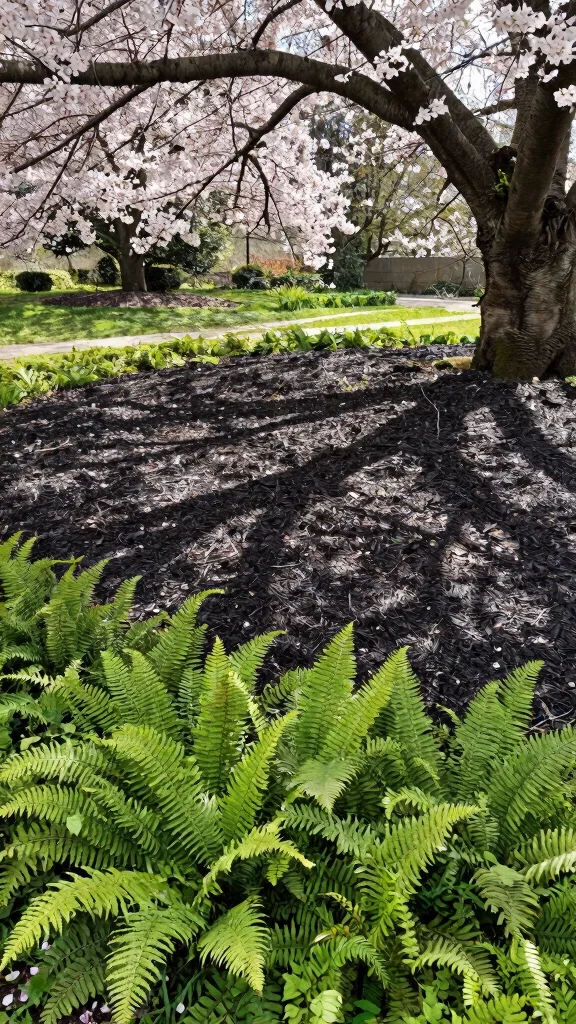
Are you tired of weeds taking over your shaded garden? Mulch can be your secret weapon! Not only does it keep moisture in and weeds out, but it also adds a polished look to your landscape. Organic mulches like cedar or pine bark improve soil quality as they decompose over time.
Choose darker mulch to contrast beautifully with bright green plants, or a lighter shade for an airy feel. A thick layer of mulch also keeps the soil cool during hot months, benefiting your shade-loving plants.
Tips for applying mulch effectively:
– Aim for a depth of 2-4 inches around plants.
– Keep mulch from touching plant stems to prevent rot.
– Regularly replenish mulch for sustained benefits.
This simple addition enhances your garden’s beauty while providing essential support for plants, creating an inviting retreat in your shaded areas.
Recommended Products
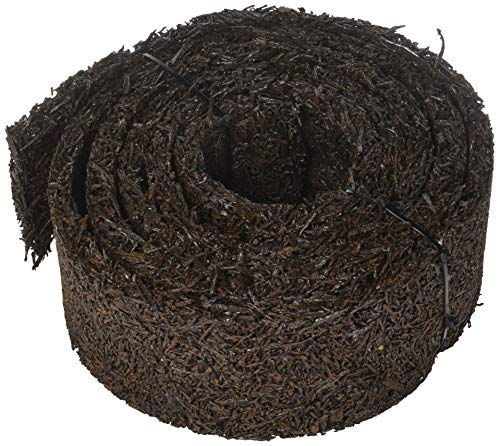
WEED CONTROL & NUTRIENT FLOW: Our Permanent Mulch Recycled Rubber Pathway deters weeds while allowing air, nutrients, and water to reach your plants, simplifying your landscaping efforts.

Lock Rocks & Mulch in Place: Stop shifting, scattering, and endless maintenance. This professional mulch glue for landscaping locks decorative rocks and mulch firmly in place across walkways, garden beds, and patios. Stronger than ordinary mulch glue, it delivers a clean, polished look that lasts without the constant cleanup.

72 bags cover a 588 square foot area at 1.5 inch depth for landscaping
The Magic of Mulch: A Functional Aesthetic
Editor’s Choice

Back to the Roots 25.7qt (1 Cubic ft) Organic Premium Mulch
Back to the Roots 25.7qt (1 Cubic ft) Organic Premium Mulch
4. Pathway Perfection: Designing with Rocks and Stones
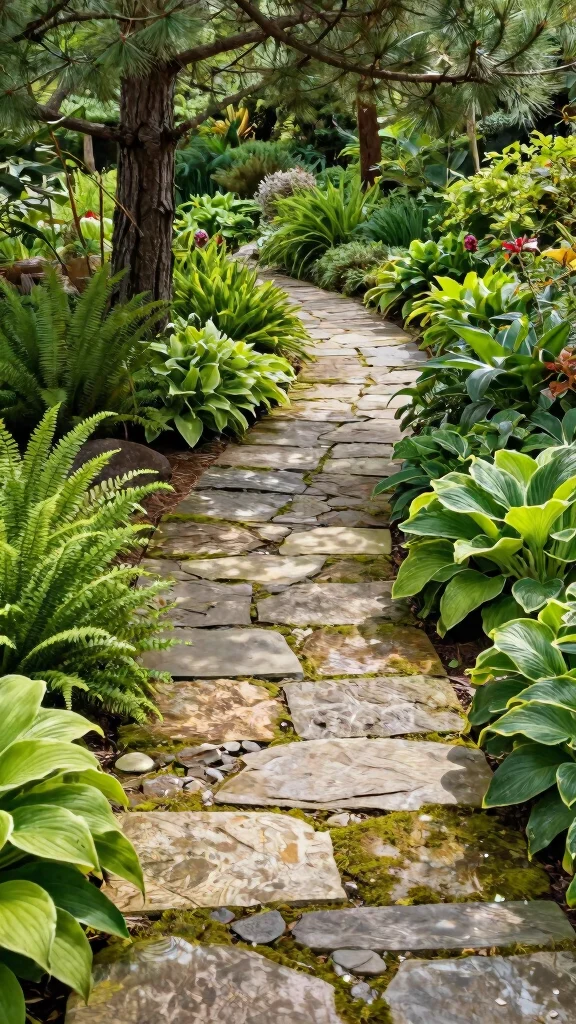
Want to guide visitors through your garden in style? Pathways can transform your landscaping under trees. Use decorative stones or pebbles to create charming paths that navigate your lush greenery, offering both structure and functionality.
For a natural feel, opt for irregularly shaped stones that echo the lines of nature. Incorporating stepping stones can add whimsy, while surrounding paths with shade-loving plants like ferns and hostas creates a lively experience.
Steps to design your perfect pathway:
– Choose stones that complement your garden’s aesthetic.
– Use stepping stones for a whimsical touch.
– Surround paths with vibrant plants for added beauty.
With thoughtful design, your pathways not only enhance the beauty of your shaded yard but also make it easier to enjoy and explore, creating a delightful space for everyone.
Pathways for landscaping under trees are more about inviting touch and flow than perfect symmetry. Use irregular stones and stepping slabs to guide visitors, then edge with ferns and hostas for a natural, shade-loving frame. Practical, attractive, and easy to replicate today.
Recommended Products

Made of quality resin stone

Durable & Easy: These 15.5" stepping stones are made of weatherproof resin, so they can withstand rain, hail, UV rays, and cold temperatures. They also feature four ground stakes for secure installation, making them perfect for patios, walkways, and gardens.

MEMORIAL STONE - Rooted in Love, Always in Our Hearts
You might also like

Pathway Perfection: Designing with Rocks and St…
Editor’s Choice

Cinnvoice 3 Pack Garden Stepping Stone Outdoor, Decorative Dimensional R…

Votaniki Tennessee Ostrich Fern Roots – Perennial Fern Root for Planting…

6 Pcs River Rock Stepping Stones, 16″ L x 5.5″ W Rectangles Natural Outd…
5. Containers Under Trees: Adding Height Variation
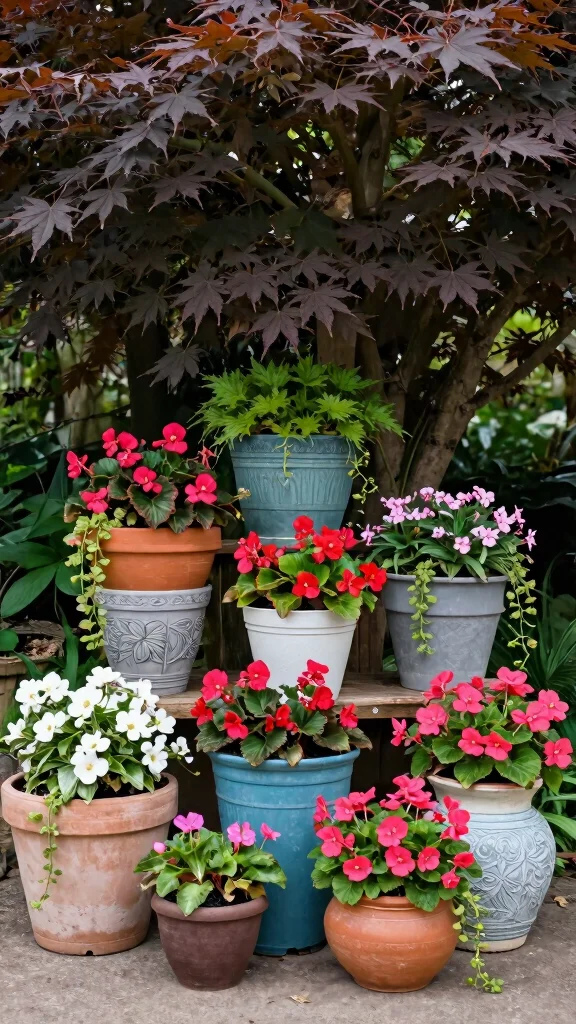
Looking to add dimension to your shade garden? Container gardening allows you to introduce height and variety in a fun way. With pots and planters, you can showcase shade-tolerant plants like begonias, fuchsia, and even unique succulents.
Select containers in different sizes, shapes, and colors to create a dynamic display. Group pots together or stagger them at varying heights to keep things lively. Large decorative containers can serve as stunning focal points, while smaller ones fill in the edges beautifully.
Key tips for successful container gardening:
– Ensure pots have drainage holes to prevent waterlogging.
– Use quality potting mix tailored to your plants.
– Refresh container arrangements seasonally for variety.
With the right care, your container plants will thrive, adding beauty and character to the often-overlooked shady areas of your yard.
Recommended Products

Full Spectrum White Light Refraction: Our shade cloth for garden can not only effectively block strong direct sunlight, prevent extreme high temperature and sun damage to plants, but also meet the sunlight needed by plants, refraction full spectrum white light, so that your plants get balanced daylight.

1100+ PREMIUM SEEDS: Each pack contains over 1100 non-GMO periwinkle flower seeds, giving you an abundant supply for filling garden borders, beds, pots, and more.

Fast becoming a customer favorite, Berry Smoothie Heuchera boasts 4 – 5 inch, cheerful, purple-veined leaves that start as a rosy-pink, darkening to hot purple-pink, but retaining vibrant color all season long.
Containers Under Trees: Adding Height Variation
Editor’s Choice

Linpla 5-Pack Decent Metal Plant Stands, Heavy Duty Flower Pot Stands fo…

8/10/12 Inch Self Watering Pots for Indoor/Outdoor Plants – Large Plasti…

Classic Home and Garden Honeysuckle Resin Planters – Lightweight Indoor …
6. Creative Edging: Defining Your Space
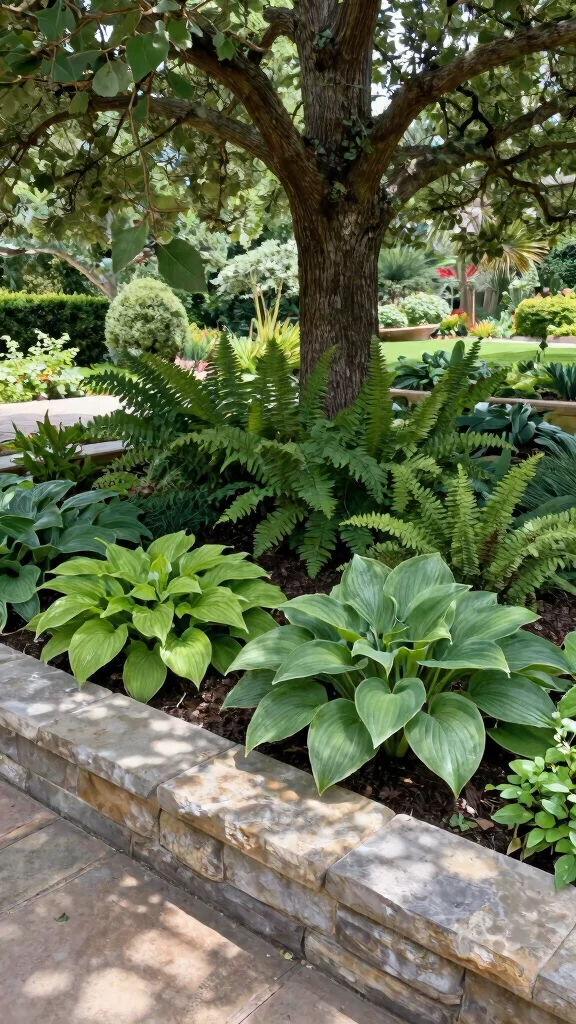
Want to elevate your garden’s look? Garden edging can significantly enhance the visual appeal of your landscaping under trees. It acts as a boundary for plants, keeping grass and weeds at bay while adding a polished finish to your beds.
Natural materials like stone or wood create a rustic feel, perfectly blending into shady areas. Alternatively, metal edging offers a sleek, modern touch that contrasts beautifully with rich greenery.
Consider these edging options:
– Choose low edging for subtle definition.
– Opt for taller borders for a dramatic effect.
– Ensure the style complements your yard’s overall aesthetic.
Edging not only enhances beauty but also keeps your shade-loving plants organized, helping you maintain a tidy and appealing landscape.
Recommended Products

Creeping Thyme: A Versatile and Vibrant Groundcover

Commercial Quantity of Thyme Seeds: Create extensive aromatic landscapes with this bulk pack of 14,000 premium thyme seeds. Perfect for large-scale ground cover, herb lawns, decorative garden borders
ECOSEED ALTERNATIVE LAWN SEED: Organic cool-season fine fescue blend designed as a no mow alternative lawn with a soft, natural look. Grows low and dense with minimal mowing and no routine fertilization once established
📹 Related Video: Tree Edging and Mulching Mastery | Tips for Picture-Perfect Circles
Creative Edging: Defining Your Space
Editor’s Choice

Greenes Fence 10 ft. Cedar Lawn Edging (6-Pack, 60 ft. Total)

33ft. Galvanized Steel Landscape Edging (10-Pack) – 40″ Metal Edging f…

EasyFlex No-Dig Landscape Edging with Anchoring Spikes, 2.7 in Tall Deco…
7. Seasonal Blooms: Adding Color Variety
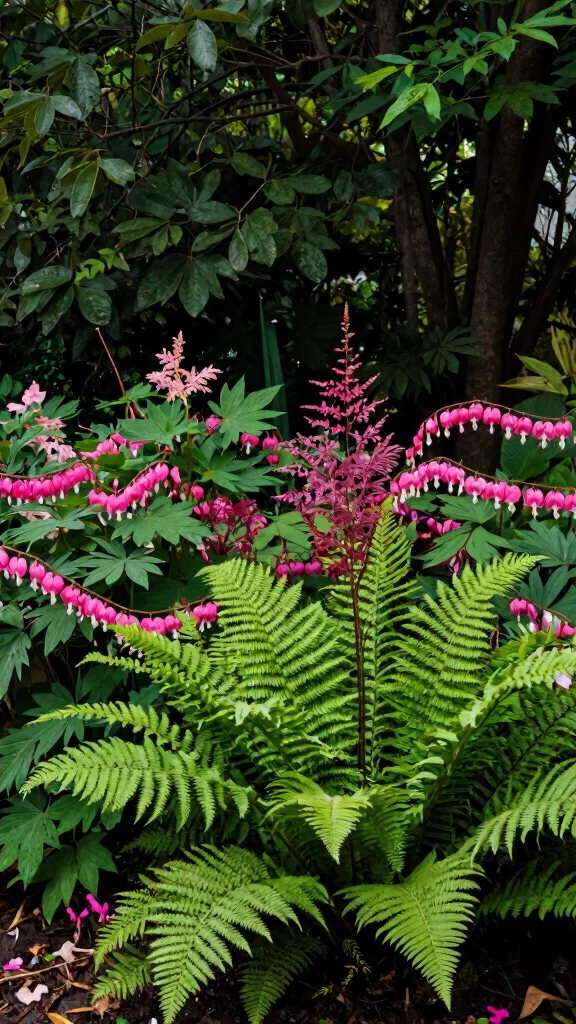
Do you want to bring your garden to life? Seasonal blooms can infuse your under-tree landscaping with vibrant color all year round. While many shade-loving plants are green, adding spring and summer flowers creates exciting visual interest and dynamism.
Choose plants like Astilbe, Bleeding Heart, and Cardinal Flower for colorful additions. Plan your planting so there’s always something in bloom, creating a rotating palette of colors and textures that keeps your garden captivating.
Important considerations for bloom planning:
– Stagger bloom times for continuous color throughout the seasons.
– Regularly deadhead spent flowers to encourage more blooms.
– Mix seasonal flowers with existing greenery for a lush look.
By incorporating seasonal blooms, you create a lively landscape that enhances the beauty of your shaded areas, making your garden a true showstopper.
Recommended Products
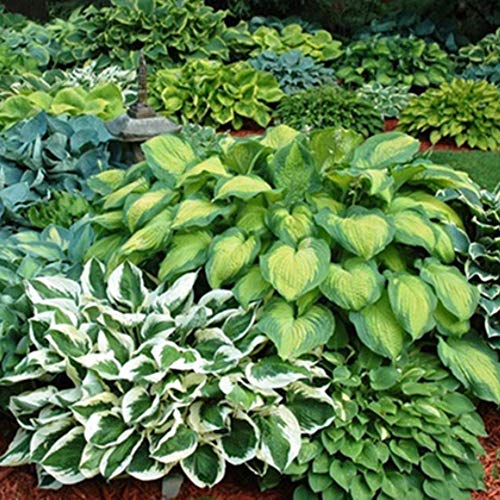
Mix of perennial, hosta plants with heart-shaped leaves


【High Quality ,More sizes, Give you more choices】- Our Shade Cloth can resist rays and most sunlight while air can still flow through so as to create a comfortable cool and shaded place for people or plants.
You Might Also Like


Top Varieties for Different Conditions
When it comes to landscaping under trees, you need plants that can thrive in shade. Here are some great options based on various conditions you might face in your yard.
1. Creeping Thyme
– Best conditions: Well-drained soil in temperate climates. Great for dry shade areas.
– Key features: This low-growing plant is fragrant, drought-tolerant, and forms a beautiful mat of tiny purple flowers in summer. It adds visual interest and is tough enough to handle foot traffic.
– Considerations: While it does well in dry conditions, ensure it gets sunlight for a few hours daily to flourish.
2. Hostas
– Best conditions: Moist, rich soil in partial to full shade, ideal for humid regions.
– Key features: Hostas are known for their lush foliage. They come in various sizes and colors, from green to blue to variegated. They can also provide a dramatic backdrop for other plants.
– Considerations: Slugs love Hostas, so keep an eye out for these pests and consider using barriers or natural repellents.
3. Ferns (Japanese Painted Fern)
– Best conditions: Thrives in moist, shady areas, especially in coastal climates.
– Key features: The Japanese Painted Fern displays stunning silver and purple foliage, bringing a unique flair to your shady spots. They add elegance and work well in combination with other shade plants.
– Considerations: These ferns prefer consistently moist soil, so avoid letting them dry out, especially in hotter months.
4. Astilbe
– Best conditions: Rich, moist soil with partial to full shade. Perfect for humid environments where water retention is high.
– Key features: This perennial produces feathery plumes of colorful flowers in summer. They can add height and texture to your under-tree planting areas, creating a lovely visual layer.
– Considerations: Astilbe needs adequate moisture, so it’s crucial to plant them in well-drained areas that stay damp.
5. Creeping Jenny
– Best conditions: Thrives in a variety of conditions, including shade and partial sun. Ideal in temperate zones.
– Key features: Known for its golden foliage, Creeping Jenny turns a rich green in the fall. It provides excellent ground cover and can spread quickly to fill empty spaces.
– Considerations: While it is hardy, it can become invasive if not managed, so keep an eye on its growth.
6. Brunnera macrophylla (False Forget-Me-Not)
– Best conditions: Prefers rich, well-drained, moisture-retentive soil in semi-shaded areas.
– Key features: This plant has large leaves and produces tiny, bright blue flowers in spring, making it an eye-catching addition to any shady area.
– Considerations: It can be slow to establish, so patience is key for the first season.
7. Epimedium (Bishop’s Hat)
– Best conditions: Thrives in dry to moist, shaded areas in temperate regions.
– Key features: Epimedium is a rugged perennial that has heart-shaped leaves and delicate flowers that bloom in spring. It’s a great choice for under trees as it tolerates drier soil.
– Considerations: It may take a season or two to fully establish, so ensure it has enough time to spread.
Climate/Condition Guide:
– Temperate Climates: Focus on moisture-loving plants like Hostas and Astilbe that can handle a bit of cold.
– Coastal Areas: Choose ferns and Brunnera that can thrive in high humidity and well-draining soil.
– Hot/Dry Areas: Opt for plants like Creeping Thyme that can tolerate drought and require less moisture.
– Humid Zones: Look for options like Japanese Painted Ferns that love moisture and can flourish in shaded spots.
Growing Tips:
– Water your plants regularly, especially during dry spells, to ensure they establish well.
– Mulch around your plants to retain moisture and suppress weeds, making maintenance easier.
Avoid:
– Don’t plant varieties that require full sun in shaded areas, as they will struggle or die.
– Avoid over-watering plants that thrive in dryer conditions, as this can cause root rot and other issues.
Recommended Products

INHIBITING WEED GROWTH: Our rubber mulch for landscaping has a dense weed control layer and rubber film, which can effectively prevent weed growth to a certain extent and help protect plant growth. Meanwhile, the black mulch is suitable for green tree shelters in parks, street green belts, and various places, muddy areas, swimming pool surroundings, amusement areas, etc.

Sold on Amazon

COVERS UP TO 2,400 SQ. FT. – 32 oz super-concentrate makes up to 5 gallons of ready-to-spray solution, ideal for large beds and professional jobs.
Seasonal Blooms: Adding Color Variety
Editor’s Choice

Garden State Bulb Bleeding Heart Dicentra Spectabilis, Bare Roots, Sprin…
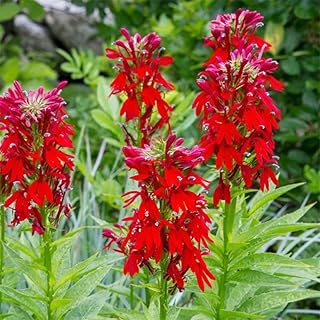
210+ Red Cardinal Flower Lobelia Cardinalis Seeds for Planting-Non-GMO H…

Sprite Pink Astilbe Flower Root – Attracts Butterflies and Hummingbirds …
8. The Peaceful Pond: Adding Water Features
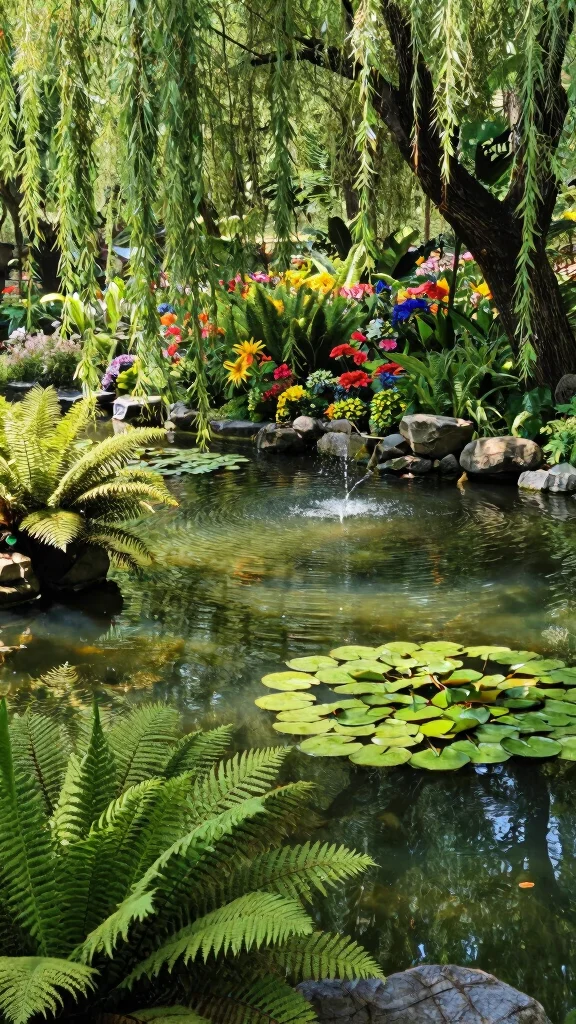
Are you dreaming of tranquility in your garden? Adding a water feature can elevate your landscape, creating a serene ambiance while attracting wildlife. Whether it’s a small pond, fountain, or bird bath, the sound of trickling water adds a peaceful backdrop to your shade garden.
When planning your water feature, choose a style that complements your landscape. A natural pond can blend in beautifully, while a sleek fountain adds a modern flair. Incorporating aquatic plants like water lilies or lotus flowers enhances beauty and invites pollinators.
Key considerations for your water feature:
– Ensure proper placement for harmony with surrounding vegetation.
– Consider light availability for aquatic plants.
– Regular maintenance keeps the feature clean and inviting.
A well-designed water feature becomes the heart of your shade garden, drawing in both nature and visitors, creating a refreshing oasis in your yard.


The Peaceful Pond: Adding Water Features
Editor’s Choice

Summit Clear-Water Barley Straw Pond Treatment, 2-Pack, Treats upto 2000…

Virginalis Live Perennial Water Lily Perfect Pond Plant Pre Grown Bare R…

Biling Solar Fountain for Bird Bath, Solar Panel Kit Outdoor Solar Water…
Conclusion
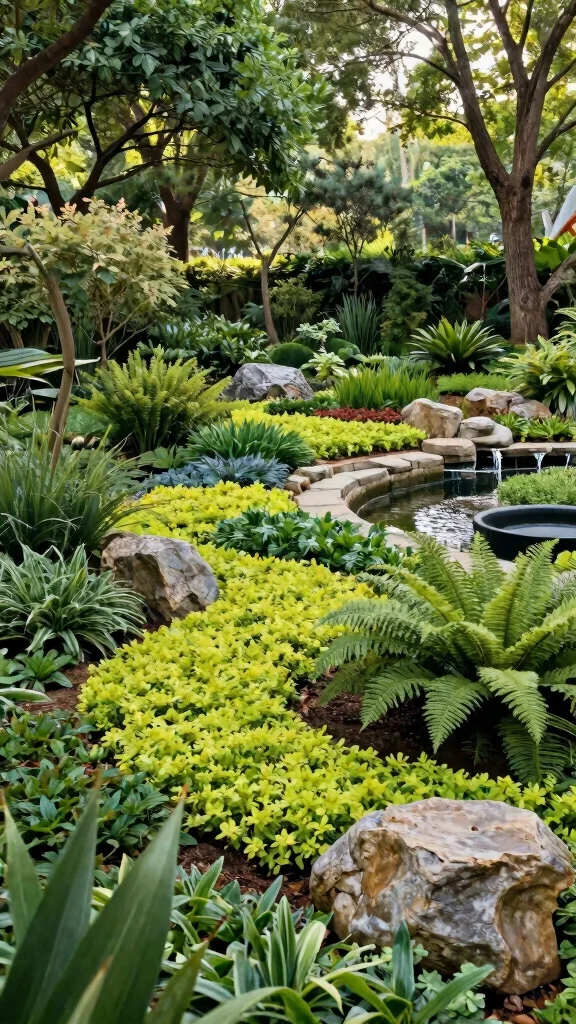
Transforming the shaded areas under your trees into beautiful, functional landscapes is not just a dream—it’s totally achievable with the right ideas and planning. By incorporating diverse plants, creative features, and consistent maintenance, you can cultivate vibrant spaces that thrive in low light.
Explore these strategies, experiment with combinations, and watch your shady yard bloom into a stunning retreat that beckons you to relax and enjoy the beauty of nature.
Note: We aim to provide accurate product links, but some may occasionally expire or become unavailable. If this happens, please search directly on Amazon for the product or a suitable alternative.
This post contains Amazon affiliate links, meaning we may earn a small commission if you purchase through our links, at no extra cost to you.
Frequently Asked Questions
What are the best shade-tolerant ground covers for landscaping under trees?
Under a tree canopy, you want ground covers that tolerate low light and won’t fight the roots. Great options include Ajuga (bugleweed) for color, Pachysandra for evergreen carpet, Epimedium for delicate texture and early blooms, Hosta for bold foliage, and Carex grasses for movement. Start with a loose, well-drained soil mix and plant about 12–18 inches apart to avoid crowding the trunk. Water deeply the first season, mulch to conserve moisture, and keep mulch away from the base of the tree to protect the root flare. These choices fit well with under tree planting options and shady yard solutions in a garden design under trees.
How can I design a low-maintenance shade garden under trees that still looks vibrant?
Begin with a quick light map: note where the sun drips through, then pick a few shade-loving stars like Heuchera (coral bells), (lungwort), and Helleborus (christmas rose) for color across seasons. Layer with evergreen ground covers such as Pachysandra or Carex for year-round structure. Add a few focal plants for texture, then mulch generously and install a simple drip irrigation line. Keep maintenance light: annual division of perennials, tidy edges, and a seasonal mulch refresh. This approach embraces shade garden ideas and creates garden design under trees that remains inviting year after year.
What soil and moisture considerations should I know for landscaping under trees?
Trees compete with nearby planting for water and nutrients, so start with a soil test to gauge pH and fertility. Incorporate plenty of organic matter to improve texture and drainage, but avoid heavy amendments that can compact soil. Mulch the root zone in a wide ring, but keep at least a few inches away from the trunk to prevent rot. For moisture, install a drip system and water deeply but infrequently to encourage deep roots. Choose shade-tolerant ground covers and plants according to your moisture level—dry shade lovers for sun-dappled spots, moister varieties where soil stays damp after rain. This aligns with practical tree landscaping tips and shady yard solutions for landscaping under trees.
How do I choose under tree planting options that won’t harm the tree?
Protect the tree’s health by avoiding deep digging in the critical root zone and opting for shallow-rooted plants. Consider raised beds or container plantings near the edge of the canopy instead of directly under heavy root zones. Use a wide mulch ring to cool and feed the soil, but don’t pile mulch up against the trunk. When fertilizing, choose slow-release formulas and avoid nitrogen-heavy feeds near trunks. Space plants to allow air flow and reduce competition for nutrients. These steps are classic under tree planting options that keep your trees thriving while you enjoy a beautiful ground cover garden.
What are some practical, ready-to-implement shady yard solutions from the 8 ideas in the article?
Think of a layered approach that’s easy to start this season: 1) establish a carpet of shade-tolerant ground covers, 2) create a stepping-stone path to showcase the area, 3) add a small woodland bed with ferns and hostas, 4) place containers along the edge for seasonal color, 5) introduce a mossy or lush green lawn alternative, 6) fold in a few evergreen accents for winter structure, 7) use natural mulch colors to soften the shade, and 8) ensure a simple irrigation plan for reliability. Each idea supports landscaping under trees with practical, actionable steps that respect the tree roots while delivering year-round interest. Try combining two or three ideas for a cohesive, shade garden ideas that enhances any yard design under trees.
Related Topics
landscaping under trees
shade garden ideas
tree landscaping tips
under tree planting
shady yard solutions
shade-tolerant plants
garden design under trees
easy landscaping
beginner gardening
outdoor aesthetics
eco-friendly gardening
seasonal planting