
Creating a tranquil backyard retreat where you can connect with nature is an aspiration for many gardening enthusiasts. With the rising interest in sustainable practices and wildlife-friendly spaces, I felt inspired to share some impactful ideas that revolve around *natural pond landscaping*. This post will guide you on how to design an inviting pond that not only enhances the beauty of your garden but also fosters a serene environment for both you and local wildlife.
If you’re someone who dreams of a peaceful outdoor space filled with the soothing sounds of water and the vibrant life of various creatures, this article is tailored just for you. Whether you’re an experienced gardener or a beginner, you’ll find tips that resonate with your love for nature and its preservation. I’ve compiled seven thoughtful ideas that will help you create a stunning, wildlife-friendly pond, ensuring your backyard becomes a thriving habitat for frogs, birds, and beneficial insects.
Get ready to explore various creative approaches, from incorporating native aquatic plants to designing gentle water flows. These ideas are not just practical; they are designed to bring joy and tranquility to your outdoor space. By the end of this post, you will have a clear understanding of how to build a harmonious pond that brings serenity and supports wildlife, allowing you to enjoy your backyard like never before.
Key Takeaways
– Incorporate native aquatic plants to enhance biodiversity and provide essential habitats for wildlife.
– Create habitat shelters with natural materials like rocks and logs to attract beneficial creatures.
– Design a gentle water flow to maintain a healthy ecosystem and add soothing sounds to your backyard.
– Vary water depths to accommodate different species of fish and plant life, promoting a balanced pond environment.
– Implement sustainable practices that minimize maintenance and support local ecosystems, ensuring long-lasting beauty and functionality.
Recommended Products

Specialized Aquatic Plant Soil – Formulated to promote healthy root establishment and robust growth for pond plants.

Used Book in Good Condition

1. Incorporate Native Aquatic Plants
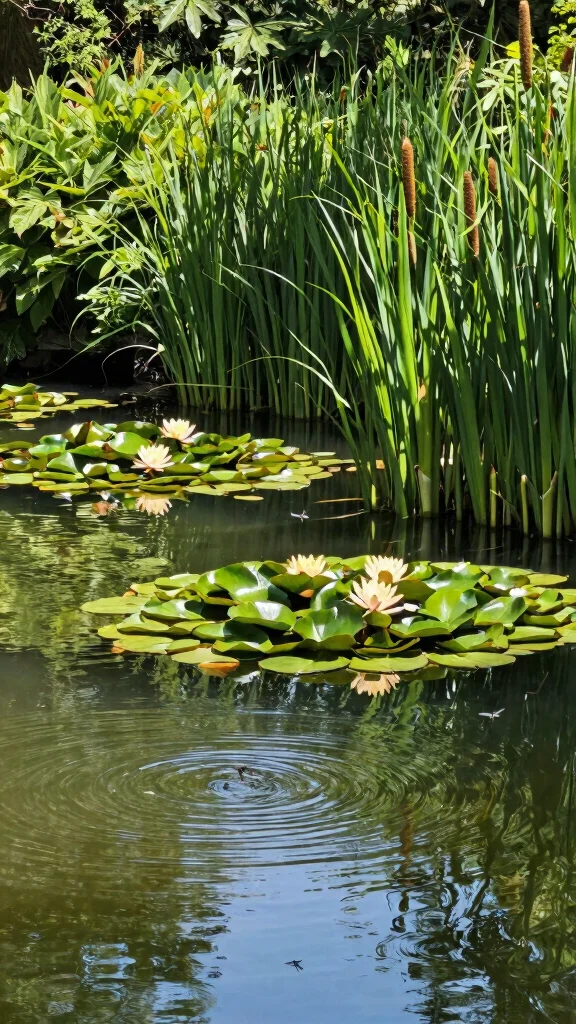
If you want to enrich your pond’s beauty and support local wildlife, native aquatic plants are essential. These plants, like water lilies, cattails, and duckweed, do more than just look good; they create habitats for animals and help maintain the ecosystem’s balance. Their natural adaptability means they thrive in your local climate, requiring less upkeep while attracting a variety of beneficial insects and birds.
Choose a diverse mix of floating, submerged, and emergent plants to create depth and visual interest. Make sure to position deeper waters in the center and shallower areas around the edges to allow easy access for visiting wildlife. Regularly check on your plants to keep them healthy, and enjoy the vibrant life they bring to your pond.
Key benefits of native aquatic plants:
– Enhance beauty and biodiversity with vibrant colors
– Provide essential habitats for local wildlife
– Require less maintenance compared to non-native species
– Attract beneficial insects and birds, supporting your ecosystem
Your pond will flourish with life, transforming into a colorful haven for both you and local wildlife.
Fun fact: Native aquatic plants can reduce algae blooms by up to 40% and boost wildlife visits by 2–3x. Water lilies, cattails, and duckweed create habitats and bring natural pond landscaping to life with less upkeep.
Recommended Products

CattPlex Pro, the aquatic herbicide formerly known as CattPlex, delivers targeted cattail control and tackles both submerged and floating weeds ensuring the restoration of...
Incorporate Native Aquatic Plants
Editor’s Choice

60 PCS Lotus Seeds for Planting in Water – Mixed Color Bowl Lotus Seeds,…

2. Create Habitat Shelters with Natural Materials
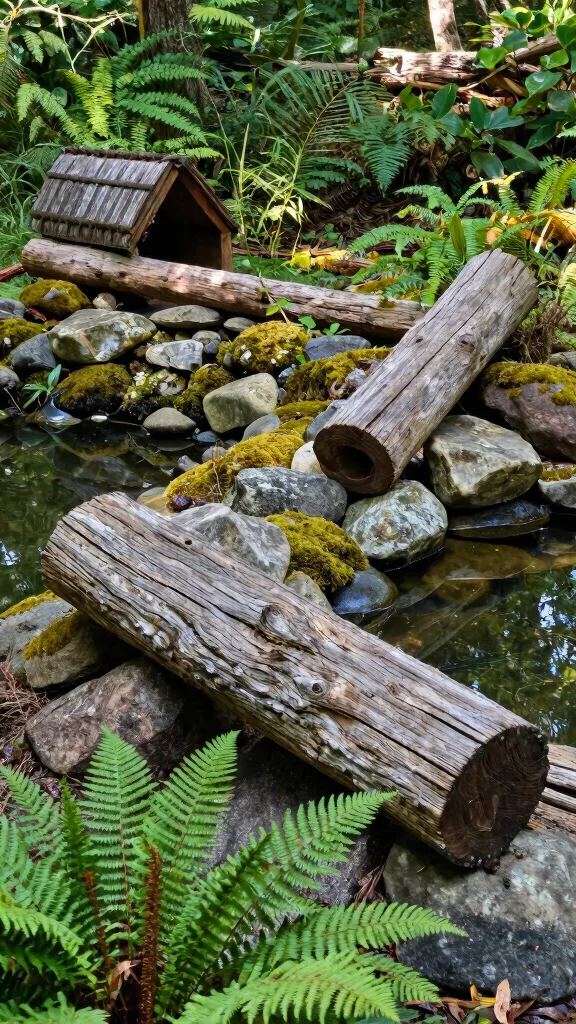
To make your garden more inviting for wildlife, think about adding shelters made from natural materials. Logs, stones, and brush piles provide essential hiding spots and nesting areas for frogs, turtles, and beneficial insects. These shelters create a lively hub of activity around your pond, enhancing its natural charm.
When building these shelters, vary the sizes and shapes to cater to different species’ needs. A sunken log can become a shady retreat for turtles, while a stone pile offers a cozy home for frogs. Place these natural shelters thoughtfully to blend beautifully with your landscape, enriching both wildlife habitats and your backyard design.
Benefits of habitat shelters:
– Create essential hiding spots for various wildlife
– Use natural materials for an organic look
– Enhance the visual interest of your garden
– Support a diverse ecosystem around your pond
Your pond will buzz with life as diverse creatures find refuge and thrive in their new homes.
Give wildlife a shelter, and your backyard becomes a lively, welcoming retreat. Simple logs, stones, and brush piles invite frogs, turtles, and helpful insects to stay—boosting your sense of calm in natural pond landscaping every day.
Recommended Products

Provides pond fish shelter from predators such as herons

Effective Predator Protection: Provides a safe shelter for pond fish like koi and goldfish, shielding them from predators such as herons and raccoons, ensuring their safety and peace of mind

Create Habitat Shelters with Natural Materials
Editor’s Choice

Newhouse Specialty Silk Spotting Brush #72, White Hog Bristle, Ideal for…

Orchid Valley Reptile Hide, Fish Tank Accessories. Medium 10″ Hollow Log…

Free Soldier Waterproof Portable Tarp Multifunctional Outdoor Camping Tr…
3. Design a Gentle Water Flow
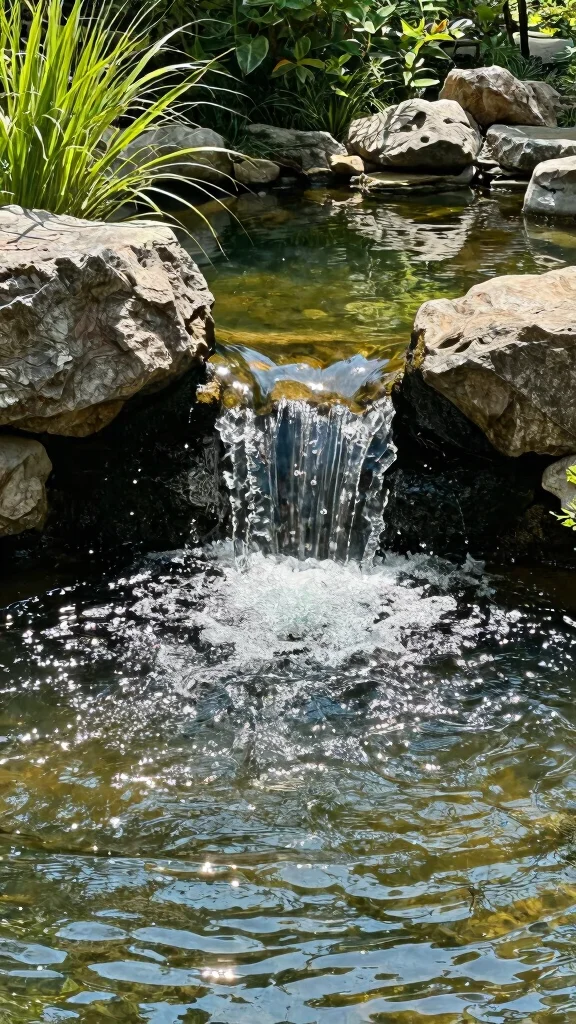
Adding gentle water flow to your pond can create a serene atmosphere perfect for relaxation. Consider installing a small waterfall or stream that softly cascades into your pond, creating soothing sounds that mimic nature. This flowing water not only enhances visual appeal but also oxygenates the pond, promoting a healthier environment for fish and plants.
Use natural stones and pebbles to craft a water feature that seamlessly integrates into your landscape. Ensure the flow is gentle enough to avoid disturbing wildlife, while still producing a calming auditory backdrop. This feature can become a focal point, inviting visitors to pause and soak in the tranquility.
Key aspects of a gentle water flow:
– Install a small waterfall or stream for soothing sounds
– Ensure the design blends naturally with the landscape
– Promote healthy water conditions for aquatic life
– Create a focal point that invites relaxation
Your pond will transform into a peaceful retreat, where the gentle sounds of water enhance the overall experience.
Recommended Products

EASY WATERFALL — easily create a waterfall or a disappearing water feature and enjoy the soothing sounds of moving water. Can be added to an existing pond for the simple addition of a waterfall.

ROTOMOLDED WATERFALL SPILLWAY 12" wide one piece weir built for excellent strength and a clean even sheet of water

ProLine Waterfall Boxes are ideal for creating the perfect waterfall in your pond or water garden. Featuring a sleek design that enhances the tranquil sound and beauty of free-flowing water day or night.
📹 Related Video: How to Build on Gentle Slopes | Pondless Waterfall Guide!
How To Choose the Right Aquatic Plants for Your Natural Pond Landscaping
When selecting aquatic plants for your natural pond landscaping, it’s essential to consider a few key factors that will enhance both the beauty and ecology of your backyard retreat. Choosing the right plants not only creates a serene outdoor space but also supports the wildlife in your garden. Here’s how to get started:
1. Consider Native Species
Native aquatic plants are a great choice because they are well-adapted to your local environment. They require less maintenance and provide food and habitat for local wildlife. Research the native species that thrive in your region and look for varieties that suit your pond’s size and water conditions.
2. Determine the Sunlight Requirements
Different aquatic plants have varying sunlight needs. Some thrive in full sun, while others prefer partial shade. Observe the sunlight patterns in your pond area to determine which plants will flourish best. Aim for a diverse selection that can enjoy both sunny and shaded spots in your pond.
3. Assess Water Depth
Aquatic plants need to be placed at the right depth to thrive. Floating plants like water lilies prefer deeper areas, while marginal plants like cattails do well in shallow water. Measure the depths of your pond ahead of time to ensure that you select plants that match the water levels.
4. Look for Varieties that Attract Wildlife
Select plants that are known to attract various wildlife, such as frogs, birds, and beneficial insects. Plants like arrowhead and pickerel weed not only beautify your pond but also provide essential food and shelter for local species. Creating a wildlife-friendly garden enhances your pond’s ecosystem.
5. Evaluate Maintenance Needs
Some aquatic plants require more maintenance than others. For example, water hyacinth can grow rapidly and may need regular thinning. On the other hand, plants like lotus might need less attention once established. Balance your desire for beauty with the amount of time you can commit to maintenance.
6. Consider Seasonal Interest
Choose a mix of aquatic plants that bloom at different times of the year. This creates visual interest in your pond throughout the seasons. For instance, add early bloomers like marsh marigold for spring, and consider water lilies that thrive in summer. This variety ensures that your pond looks lively year-round.
Pro Tip: Visit a local nursery specializing in aquatic plants to get advice tailored to your specific pond conditions. They can provide insights on the best species for your area, as well as how to care for them effectively.
Selecting the right aquatic plants is a crucial step in achieving a beautiful and wildlife-friendly pond. By considering these factors, you can create a serene space that benefits both you and the local environment. Happy planting!
Recommended Products

✅ DURABLE & KINK-RESISTANT – Made from high-quality, non-toxic, phthalate-free PVC with a reinforced helical design, our pond tubing remains flexible even around sharp bends. It resists kinking, cracking, and aging, ensuring uninterrupted water flow in ponds, fountains, and irrigation systems.

Eradicates yellow and black algae

Versatile Submersible Fountain Pump for Tight Spaces: This compact submersible water pump is perfect for tabletop water fountains, small ponds, aquariums, hydroponics systems, and indoor water features. It's ideal for anyone needing a quiet water pump that delivers strong, steady flow in tight spaces.
Design a Gentle Water Flow
Editor’s Choice

Aquascape 75000 Pond Air 2 (Double Outlet Aeration Kit)

FANTIAN 20 lbs Large River Rocks for Outdoor Landscaping, 3-4 Inch Decor…

AquaMiracle Submersible Water Pump Aquarium Water Pump with Flow Control…
4. Create Paths with Natural Stone
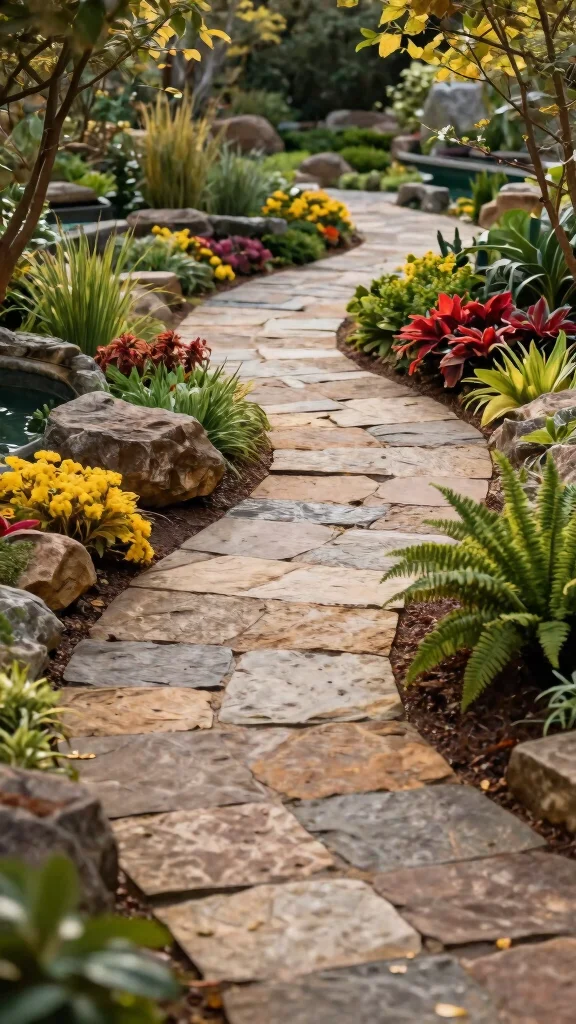
Creating paths around your pond with natural stone enhances both accessibility and rustic charm. These paths not only keep your area neat but also encourage exploration, allowing you to observe the wildlife that visits. Using materials like flagstone or river rock blends beautifully with the environment while providing sturdy walking surfaces.
Design winding paths to spark curiosity, guiding guests through your garden to discover various plants and wildlife. Adding small benches along the way offers a cozy spot to sit and appreciate the surroundings, enhancing the serene atmosphere. Surrounding plants can create a sense of enclosure, making the area feel like a peaceful retreat.
Benefits of natural stone paths:
– Enhance accessibility with stable walking surfaces
– Encourage exploration of your garden area
– Add rustic charm that blends with nature
– Provide seating areas for relaxation and observation
Your pond area will become a delightful journey, inviting visitors to enjoy every aspect of your natural paradise.
Recommended Products

✅STRIKING FLOWERS! Sure to turn heads with graceful & bold, lizard tail shaped spikes of white flowers which are followed by an eye-catching fruit! Perfect choice even for shady locations!

✅ FLOATING BEAUTY! Most popular floating pond plant; perfect for beginners! Glossy, succulent green leaves float beautifully on the water’s surface! Experience sporadic bursts of gorgeous lilac blooms!

You might also like


Create Paths with Natural Stone
Editor’s Choice

Arcadia Garden Products Set of 4, 16×17” Dark Gray Stepping Stone Fibe…

Garden Bench,Outdoor Benches,Iron Steel Frame Patio Bench with Mesh Patt…
5. Add a Variety of Water Depths
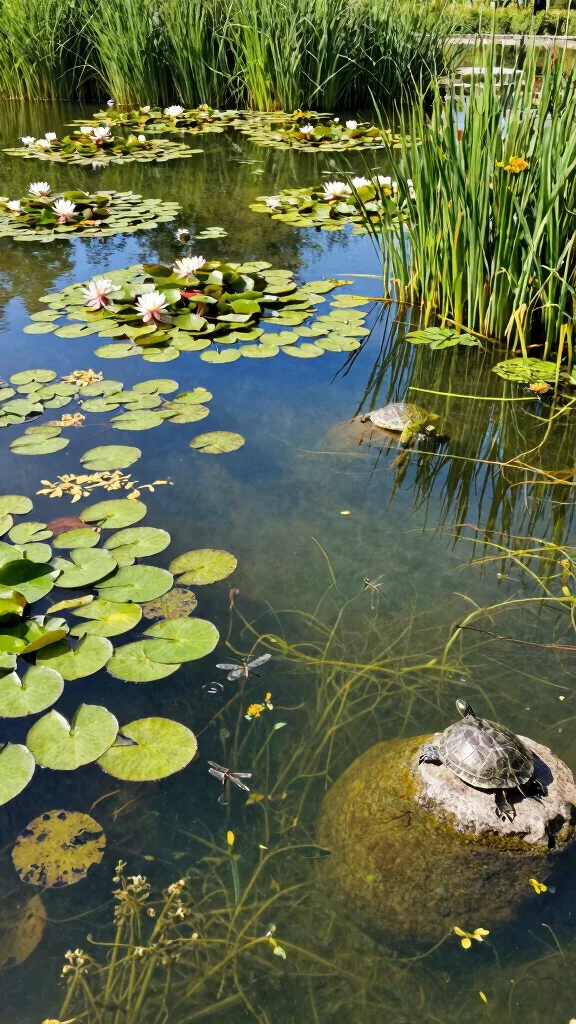
Incorporating varying water depths in your pond creates diverse habitats that attract different species. Shallow areas encourage the growth of vital plants and offer feeding grounds for birds and insects, while deeper sections provide shelter for fish and amphibians.
Consider sloping the sides or creating tiered shelves in your pond to facilitate this diversity. These features not only improve the ecological value of your pond but also contribute to an intriguing visual landscape. Regularly check the water quality and maintain plant life in both shallow and deep areas to ensure a thriving ecosystem.
Advantages of varied water depths:
– Support diverse plant and animal life
– Create visually interesting landscapes
– Enhance the ecological balance of your pond
– Attract a wider range of wildlife to your garden
Your pond will thrive as a dynamic ecosystem, inviting an array of wildlife to enjoy its rich habitats.
Add a Variety of Water Depths
Editor’s Choice

PAS20 Pond & Lake Aeration System for Up to 3 Acre, 3/4 HP Compressor + …

VINEVIDA | Water Lily | Reed Diffuser for Home & Bathroom | Long-Lasting…

UWIOFF Pond Liner, 20 Mil 7 x 10 Feet Pond Liners for Outdoor Ponds, Bla…
6. Implement Sustainable Practices

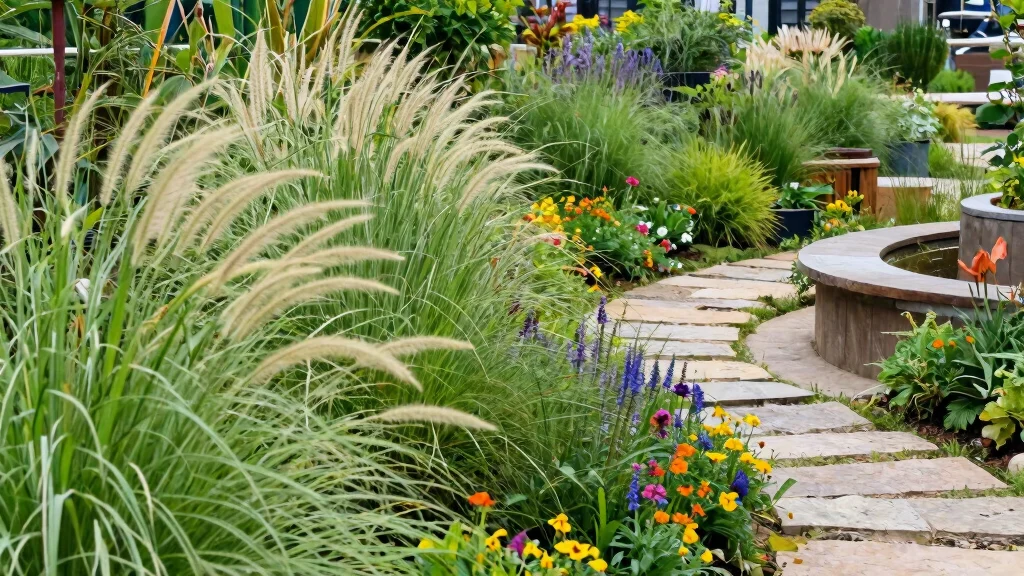
Incorporating sustainable practices is essential for nurturing a flourishing pond ecosystem. Using organic fertilizers and steering clear of chemical pesticides keeps your water clean and safe for wildlife. Composting yard waste enriches the soil around your pond, promoting healthy plant growth in an eco-friendly way.
Collecting rainwater for pond refills minimizes water usage and ensures the water stays free from harmful chemicals. By planting a diverse array of flora, you not only enhance visual appeal but also support a variety of wildlife.
Benefits of sustainable practices:
– Keep water clean and wildlife safe
– Enrich soil naturally for healthy plants
– Minimize water usage with rainwater collection
– Support diverse wildlife with varied planting
Your commitment to sustainability will result in a beautiful, thriving outdoor space that nurtures both nature and your enjoyment.
Recommended Products

Creates a Comfortable Fish Retreat: Provides koi and other pond fish with a dedicated underwater shelter, helping create a more natural and comfortable pond environment while adding functional coverage beneath the water’s surface.

Extra Large & Versatile Hideout: This faux log fish cave provides ample space for koi, fish, reptiles, and small wildlife, serving as a safe shelter in ponds, aquariums, and terrariums.

REALISTIC FAUX LOG DESIGN: Mimics a natural hollow log to blend seamlessly into ponds, aquariums, and terrariums
You Might Also Like
Implement Sustainable Practices
Editor’s Choice


FCMP Outdoor Raincatcher 4000 Rain Barrel, Flat-Back Rainwater Catcher w…

Geobin Compost Bin – 246 Gallon, Expandable, Easy Assembly, Made in the …
7. Incorporate Fish and Wildlife
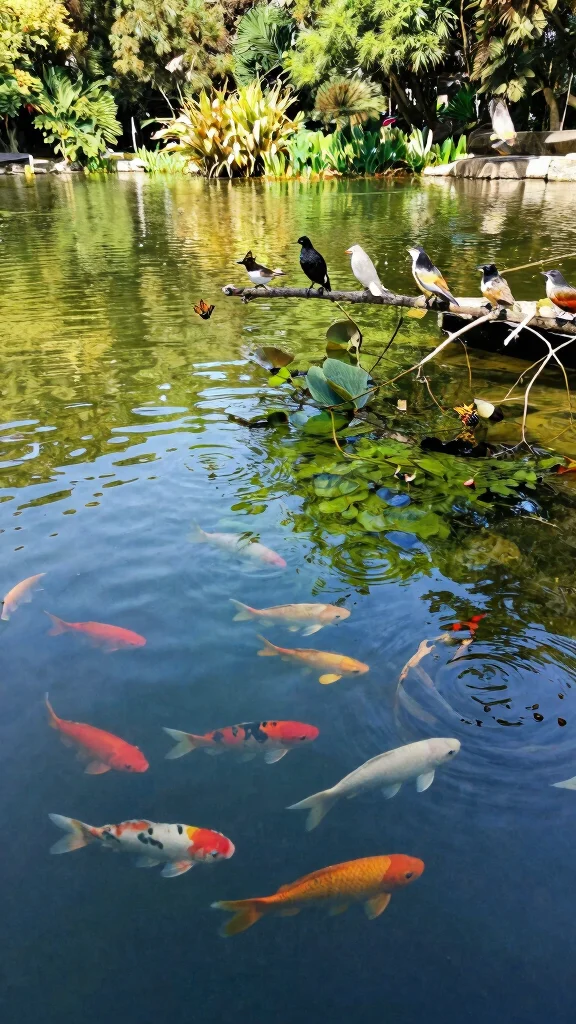
Bringing wildlife into your pond can elevate its charm and energy. Introducing native fish species can help maintain water clarity while coexisting with aquatic plants. Fish like minnows and goldfish are great options that contribute to the ecosystem.
To attract birds and butterflies, add perches and allow some plants to flourish along the edges. Providing food sources like seed feeders or native flowers invites even more wildlife, creating a lively environment. Features like logs for landing and shaded areas for rest encourage various creatures to call your pond home.
Benefits of incorporating fish and wildlife:
– Enhance water clarity and ecosystem balance
– Attract birds and butterflies for a vibrant scene
– Create inviting habitats with logs and plants
– Support local biodiversity in your backyard
Your pond will transform into a vibrant sanctuary, buzzing with life and energy from diverse wildlife.
Fun fact: A well-planned natural pond landscaping can attract 5–10 bird species and host 20+ native aquatic plants in a single season. This small change creates a thriving wildlife-friendly habitat with minimal upkeep.


Incorporate Fish and Wildlife
Editor’s Choice

Golden Water Poppies (Hydrocleys Nymphoides) – Easy Live Pond Plants

YINGYM 6-Hook Bird Feeding Station Kit, Wild Bird Feeder Stand Pole, Mul…

(4 Pack) TetraPond Vacation Food Slow Release Feeder Block, 3.45 Ounce Each
Conclusion
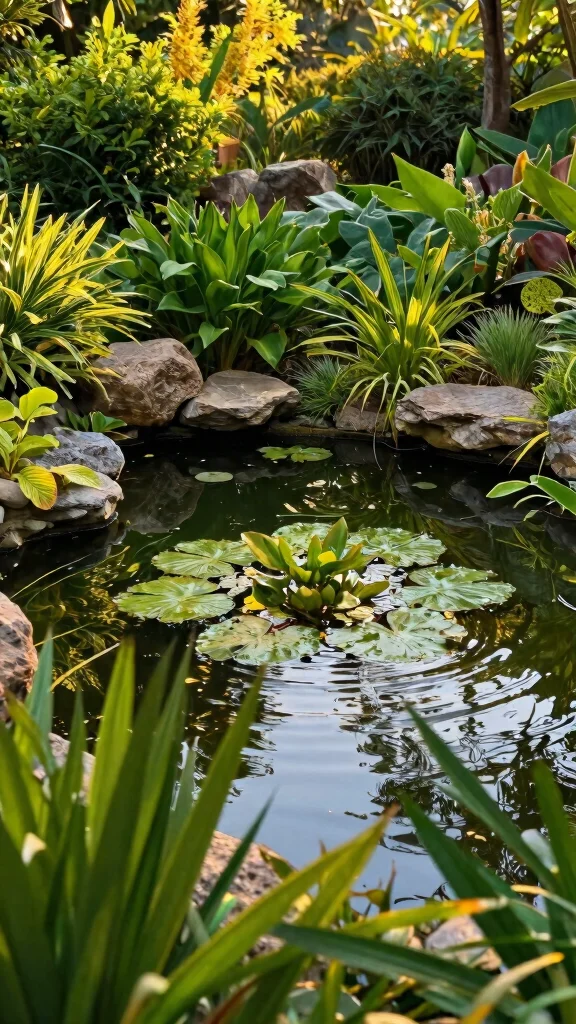
Creating a serene and wildlife-friendly pond in your backyard is a rewarding journey filled with beauty and biodiversity.
By incorporating the ideas discussed, you invite nature into your space while crafting a peaceful retreat.
Whether it’s the gentle sound of flowing water or watching wildlife thrive, your pond can become a cherished sanctuary for both you and local creatures.
Note: We aim to provide accurate product links, but some may occasionally expire or become unavailable. If this happens, please search directly on Amazon for the product or a suitable alternative.
This post contains Amazon affiliate links, meaning we may earn a small commission if you purchase through our links, at no extra cost to you.
Recommended Products

Versatile Submersible Fountain Pump for Tight Spaces: This compact submersible water pump is perfect for tabletop water fountains, small ponds, aquariums, hydroponics systems, and indoor water features. It's ideal for anyone needing a quiet water pump that delivers strong, steady flow in tight spaces.
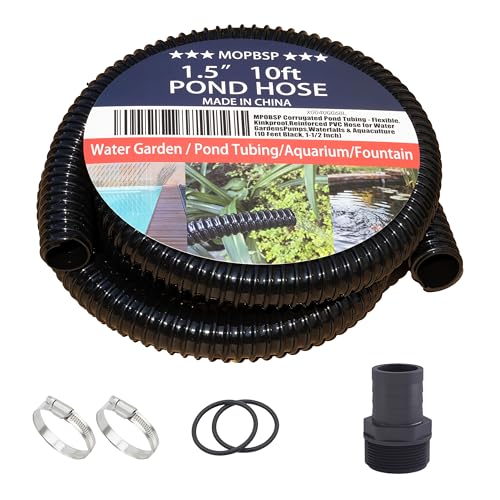
✅ DURABLE & KINK-RESISTANT – Made from high-quality, non-toxic, phthalate-free PVC with a reinforced helical design, our pond tubing remains flexible even around sharp bends. It resists kinking, cracking, and aging, ensuring uninterrupted water flow in ponds, fountains, and irrigation systems.

✅ DURABLE & KINK-RESISTANT – Made from high-quality, non-toxic, phthalate-free PVC with a reinforced helical design, our pond tubing remains flexible even around sharp bends. It resists kinking, cracking, and aging, ensuring uninterrupted water flow in ponds, fountains, and irrigation systems.
Frequently Asked Questions
What is natural pond landscaping and how does it create serene, wildlife-friendly backyard spaces?
Natural pond landscaping is designing a pond that works with nature—native plants, gentle slopes, and natural edges rather than hard concrete features. It helps create serene outdoor spaces and a thriving habitat for birds, frogs, and beneficial insects, turning your yard into a wildlife-friendly garden. A well-planned backyard pond design provides food, shelter, and water for wildlife while keeping maintenance simple. Start by choosing native aquatic plants for ponds, minimizing chemical use, and selecting energy-efficient features like a solar pump to keep noise and upkeep low.
What are practical steps to start a wildlife-friendly pond in a small backyard?
First, assess sun exposure, space, and soil type to pick a size that fits your yard and supports plant diversity. Then design gentle slopes and shallow margins so toads, frogs, and insects can use the edges. Decide on a liner or preformed pond and fill with rainwater when possible to keep it sustainable. Plant a mix of aquatic plants for ponds (marginals, floating, and submerged) to provide shade and oxygen. Add habitat features like logs, rocks, and brush piles, and avoid chemicals; a small solar pump can keep the water moving without adding noise or heat. Finally, plan a simple maintenance routine to protect wildlife while keeping the pond healthy.
Which aquatic plants for ponds would help create a serene outdoor space and support wildlife?
Great choices include hardy aquatic plants for ponds like water lilies for shade and habitat, iris and cattails for shelter, and floating plants such as water lettuce or duckweed to reduce algae. Submerged oxygenators like hornwort and elodea keep water clear and healthy for fish and invertebrates. Use a layered approach: place deep-water plants away from the edge, margins with grasses and rushes, and floating or rosette plants near the surface. Regularly prune dead leaves and avoid overplanting to maintain balance and wildlife benefits.
How can I design my pond to be part of a larger sustainable landscaping idea?
Think of the pond as a centerpiece of your sustainable landscaping ideas. Collect rainwater to fill it, or connect to a rain garden to slow runoff. Use native, drought-tolerant plants around the pond to support pollinators and create a natural buffer. Choose a low-energy, solar-powered pump and avoid synthetic pesticides to protect wildlife. Create wildlife corridors with hedgerows and native shrubs that connect your pond to other habitats, increasing biodiversity.
What maintenance routines help keep a natural pond healthy without harming wildlife?
Keep it simple and wildlife-friendly: skim debris weekly, remove dead vegetation, and monitor water quality for pH and clarity. Avoid overfeeding fish and never use pesticides or algaecides that can harm aquatic life; rely on natural balance and beneficial bacteria. Maintain generous margins with undisturbed vegetation to provide cover for amphibians and insects. Perform seasonal tasks: spring cleanup, fall leaf removal, and check pumps and filters for efficient operation; a well-timed checkup helps prevent problems before they arise.
Related Topics
natural pond landscaping
wildlife-friendly gardens
backyard pond design
serene outdoor spaces
sustainable landscaping
aquatic plants
eco-friendly gardening
backyard retreats
beginner-friendly gardening
DIY pond ideas
seasonal landscaping
wildlife habitat creation