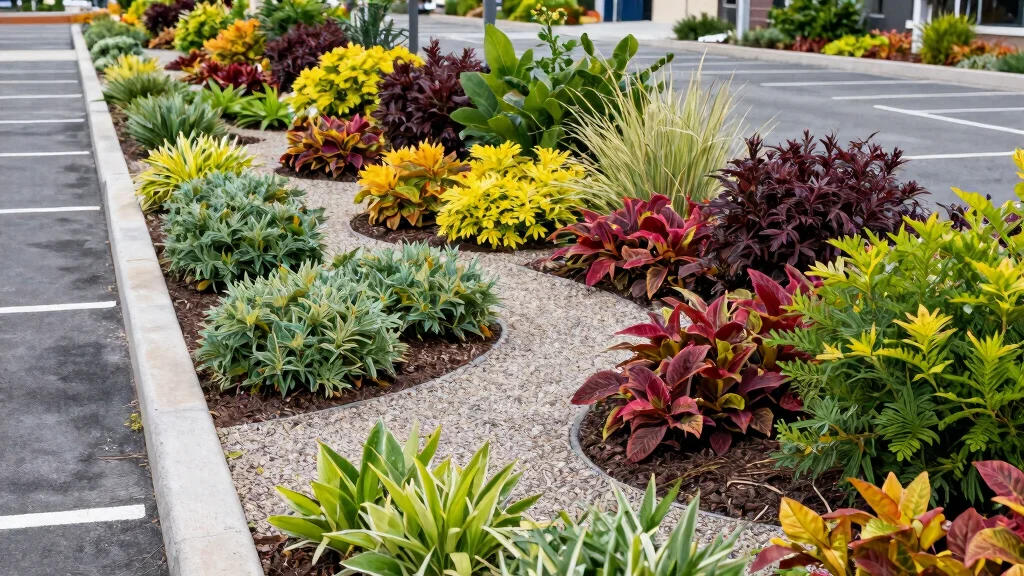
Transforming your parking strip into a stunning garden can feel overwhelming. After all, these narrow strips of land often become neglected patches in urban settings. But they hold incredible potential! With the right ideas and a bit of creativity, you can turn these often-ignored spaces into vibrant areas that enhance your home’s curb appeal. That’s why I created this post—to inspire you with nine innovative parking strip landscaping ideas.
If you’re a city dweller with a passion for gardening, or if you simply want to boost your property’s appeal, this guide is for you. Whether you’re working with a small space, looking for drought-resistant options, or seeking low-maintenance solutions, these landscaping ideas cater to various tastes and lifestyles. You’ll find practical tips that can help you create a beautiful outdoor space without breaking the bank or requiring too much upkeep.
Get ready to dive into this treasure trove of landscaping inspiration! From colorful ground covers to vertical gardens, each idea is designed to fit your unique needs and preferences. By the end of this post, you’ll have a clear vision of how to make your parking strip a stunning focal point, showcasing your personal style while embracing the beauty of urban gardening.
Key Takeaways
– Discover nine creative parking strip landscaping ideas that can enhance your home’s curb appeal and make the most of small spaces.
– Learn about drought-resistant plants that thrive with minimal watering, perfect for saving time and resources.
– Explore low-maintenance landscaping options that allow you to enjoy a beautiful garden without the hassle of heavy upkeep.
– Get inspired by edible landscaping ideas that enable you to grow fresh herbs and vegetables right in your urban setting.
– Uncover tips for incorporating native plants and artistic elements to create a unique and sustainable garden that reflects your personality.
1. Drought-Resistant Delight

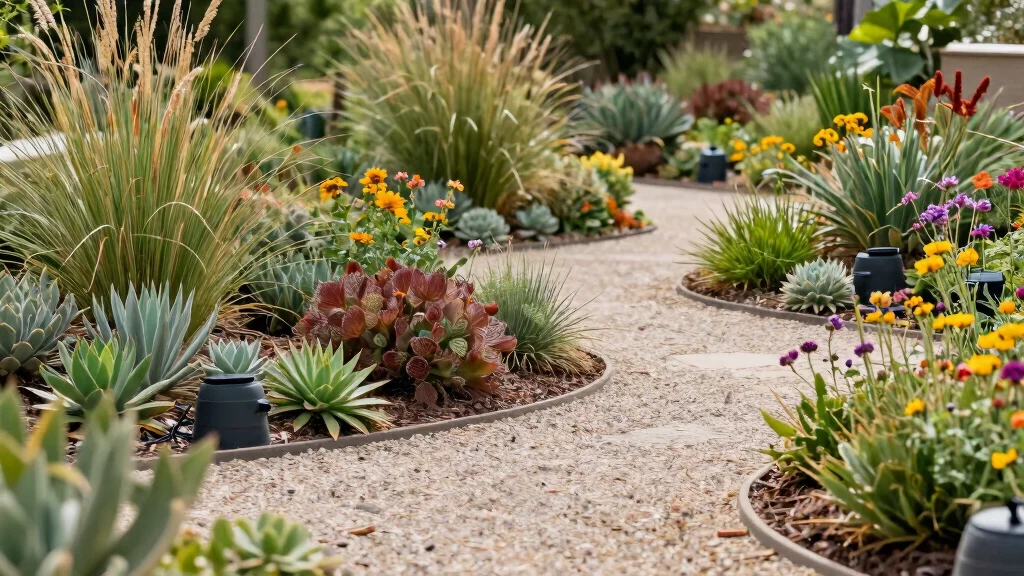
Looking for a way to beautify your urban parking strip without constant watering? Drought-resistant plants are perfect for this! These resilient plants thrive even in tough urban conditions, offering vibrant colors and unique shapes. Imagine a landscape filled with striking succulents like agave and jade plants, paired with lively ornamental grasses for an eye-catching contrast. They’re not just pretty; they require minimal maintenance, which is ideal for busy city life.
Begin by selecting plants that fit your local climate and soil type. Group similar plants together to create a cohesive look and ease your watering routine. Using quality soil with good drainage is essential for their success.
Key steps to get started:
– Choose the Right Plants: Select varieties suited to your climate.
– Group Similar Plants: This creates a cohesive look and simplifies watering.
– Use Quality Soil: Ensure good drainage for optimal growth.
Transform your parking strip into a stunning and sustainable space, enhancing both beauty and environmental health.
📹 Related Video: Big Park Strip Xeriscape! Save Water and Add Beauty. I planted over 100 plants. //FlowerFanatic
Drought-Resistant Delight
Editor’s Choice

Succulent Success Potting Mix – Fast-Draining Soil for Succulents, Cac…

2. Vertical Gardening Wonders
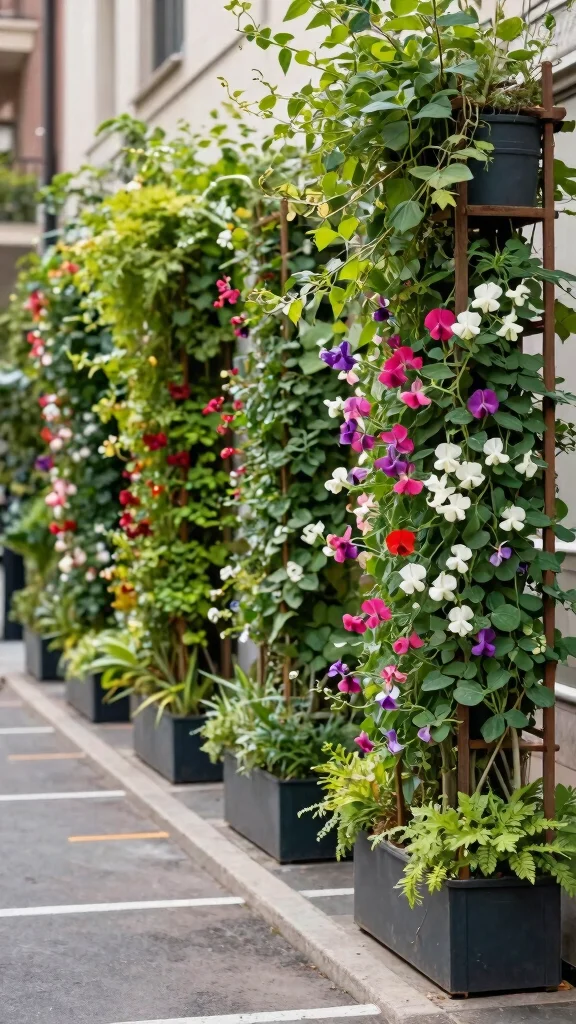
Is your parking strip feeling cramped? Vertical gardening can maximize your space and add lush greenery to your urban area. Using trellises, wall planters, or even recycled materials like ladders, you can create a captivating vertical garden. Imagine vibrant climbing plants such as sweet peas and flowering vines wrapping around your space, providing color and charm.
To start, select fast-growing climbing plants that produce beautiful blooms. Make sure your trellises are sturdy enough to support the weight of your plants and withstand wind. Regular maintenance is key to keep everything tidy and prevent tangling.
Here are some tips for success:
– Choose Climbing Plants: Opt for fast-growing species that bloom beautifully.
– Sturdy Support Systems: Ensure your trellises can withstand the wind and weight of the plants.
– Regular Maintenance: Monitor growth to prevent overgrowth or tangling.
By incorporating vertical gardening, you’ll transform your parking strip into a charming oasis that maximizes your urban gardening experience.
3. Rock Gardens for Low-Maintenance Love
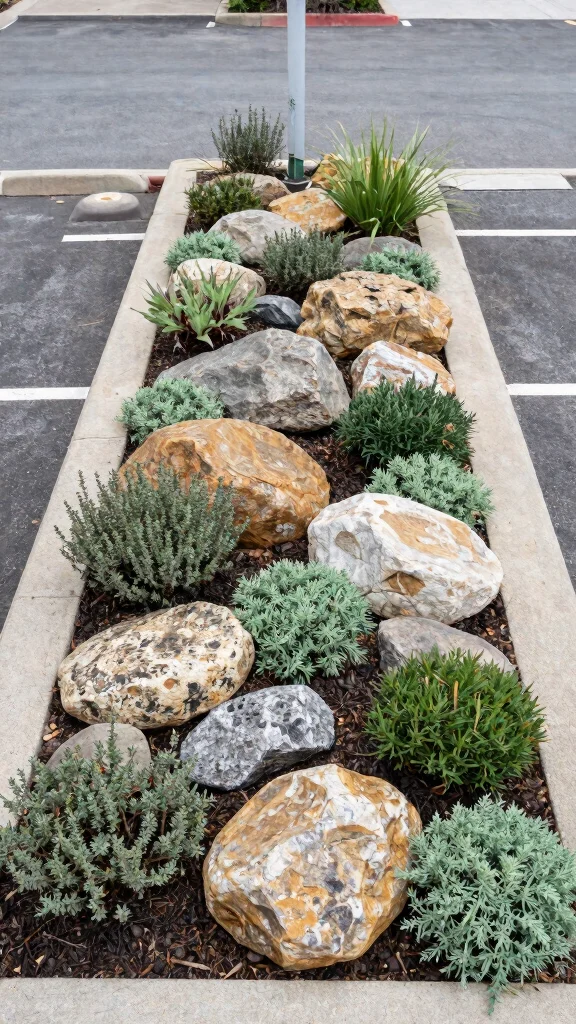
Want to add elegance to your parking strip without a lot of upkeep? Rock gardens are a stunning solution. By combining beautiful stones with drought-tolerant plants, you create a visually striking display that requires little maintenance. Picture a landscape adorned with various rocks and boulders, accented by low-growing plants like creeping thyme or sedum that thrive in rocky conditions.
Start designing your rock garden by selecting a base of sand and gravel for excellent drainage. Arrange your rocks in interesting patterns and clusters to enhance visual appeal. Choose plants that complement your rocks and need minimal water to thrive.
To design your rock garden:
– Select a Base: Start with a mix of sand and gravel for good drainage.
– Lay Out Your Rocks: Create interesting patterns and clusters.
– Choose Plants Wisely: Opt for plants that complement the rocks and require minimal water.
The result is a beautiful blend of nature and hardscape that flourishes with minimal effort.
Rock Gardens for Low-Maintenance Love
Editor’s Choice

Earthwise Thyme for a Change Wild Creeping Thyme Seeds – Fragrant Ground…

Perennial Farm Marketplace Sedum ternatum (Woodland Stonecrop) Groundcov…

Votaniki Sedum Night Embers #1 Size Root for Planting – Hardy Perennial,…

Large River Rocks for Landscaping, 3-4 Inch Mixed Colors Pebbles for Pla…

Quibbay 45 LB Mexican Beach Pebbles, 0.4-1 Inch Natural Unpolished Bulk …
4. Colorful Ground Covers
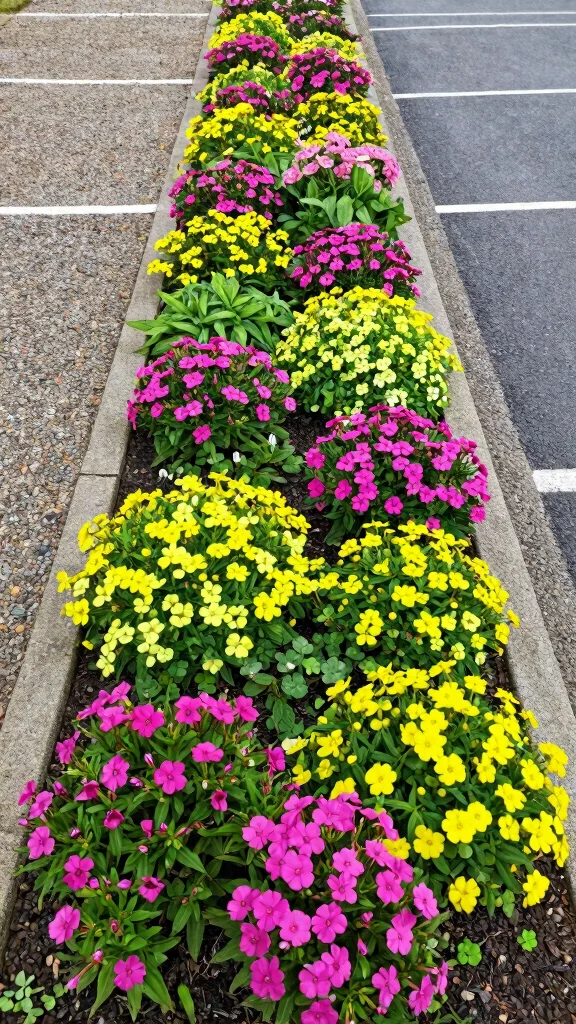
Elevate your parking strip by introducing vibrant ground covers! These plants spread quickly, filling in empty spaces with lush greenery and a burst of color. Imagine a tapestry of creeping phlox, clover, and even colorful moss thriving in your urban landscape. They not only beautify your space but also help with erosion and improve soil health.
For a stunning design, mix and match different colors and types for visual interest. Layer taller plants in the back to create depth and make sure to water them well during their establishment phase.
To enhance your ground cover design:
– Mix and Match: Combine different colors and types for visual interest.
– Layering: Create depth by layering taller plants toward the back.
– Regular Watering: Ensure they are established with proper watering initially.
By embracing colorful ground covers, you’ll cultivate a thriving, eco-friendly landscape that adds vibrancy to your urban environment.
Colorful Ground Covers
Editor’s Choice

Tri-Clover by Eretz – Three Part Blend of Clovers Providing Beauty, Cove…

1500+ Twinkle Star Phlox Seeds for Planting – Perennial Bright Phlox Gro…

Mosser Lee ML0560 Spanish Moss, 250 Cubic Inches
5. Planter Boxes: The Urban Oasis
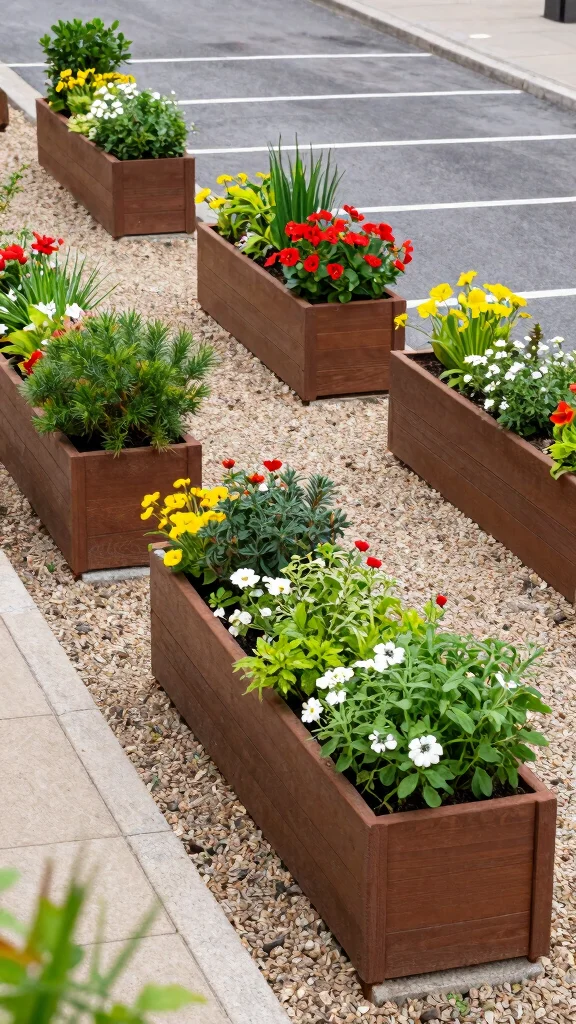
Dreaming of a garden but short on space? Planter boxes are your answer! They allow you to create a mini oasis within your parking strip. Customize your planter boxes with your favorite plants, whether they be vegetables, herbs, or flowering plants that attract pollinators. These structures add height and dimension while making plant care easy and accessible.
Choose rot-resistant woods or durable metals for your planter boxes, ensuring they withstand the elements. Layer a mix of quality soil and compost to promote healthy growth, and position them to capture optimal sunlight.
Here are some tips to create your planter box garden:
– Choose Suitable Materials: Use rot-resistant woods or metals for durability.
– Layering Soil: Add a mix of quality soil and compost for healthy growth.
– Place Strategically: Position them to maximize sun while considering the layout.
With planter boxes, your parking strip can transform into a lush garden filled with beauty and fresh produce!
Did you know a single planter box can increase usable growing space by up to 60% in a parking strip, a win for parking strip landscaping? Pack them with vegetables, herbs, or pollinator flowers, and watch your urban oasis thrive with height, color, and easy care.
You might also like

Planter Boxes: The Urban Oasis
Editor’s Choice

Yaheetech 43.5″ L×16″ W×14″ H Wooden Raised Garden Bed, Horticul…

Arcadia Garden Products PSW U45CT Plastic/Stone/Wood Composite Simplicit…

Miracle-Gro Organic Outdoor Potting Mix – Plant Soil for Outdoor Contain…
6. Edible Landscaping Ideas
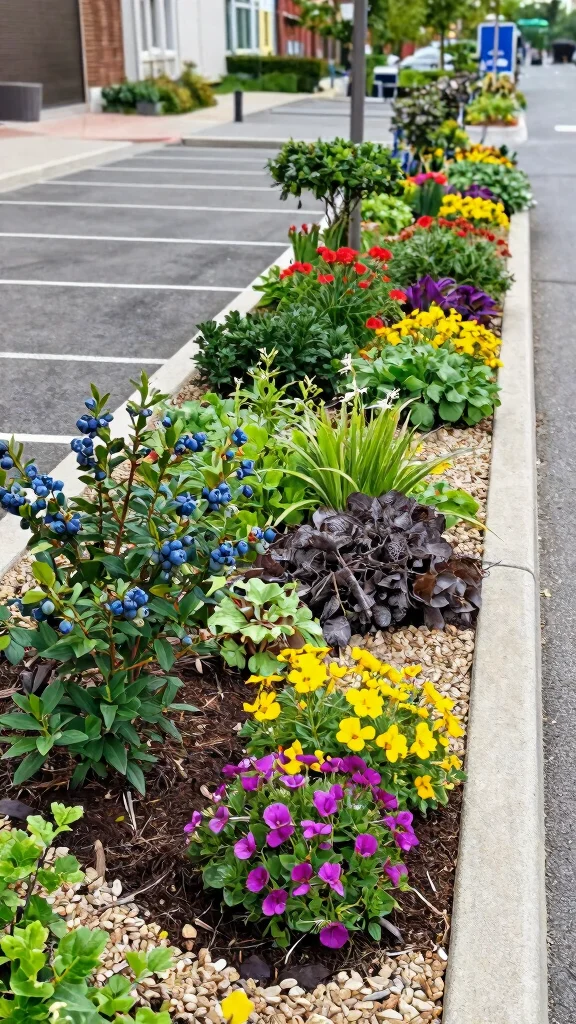
Why not blend beauty and functionality by incorporating edible plants into your parking strip? Edible landscaping offers the joy of growing your own food while enhancing the visual appeal of your space. Imagine fruit-bearing shrubs like blueberries and compact vegetables flourishing alongside fragrant herbs like basil and mint.
Choose compact varieties that fit well within your parking strip without overcrowding. Ensure these edible plants receive plenty of sunlight and consider mixing them with ornamental plants for an appealing look.
Key points to consider:
– Select Compact Varieties: Choose plants that won’t take over the space.
– Plan for Sunlight: Ensure your edibles get ample sunlight.
– Mix with Ornamental Plants: Create a beautiful balance between food and aesthetics.
By incorporating edible plants, you can enjoy fresh produce while elevating the beauty of your urban landscape.
Even a tiny 18-square-foot parking strip can yield 15–25 pounds of fresh herbs and compact veggies each season. Pair blueberries with basil and mint, and this parking strip landscaping becomes edible beauty—practical, compact, and harvest-ready.
Edible Landscaping Ideas
Editor’s Choice

Landscaping with Fruit: Strawberry ground covers, blueberry hedges, grap…

Zen Basil Seeds | edible basil seeds, kosher, non-gmo, lectin free, glut…

Coferset Small Fake Plants Mint Artificial Potted Plants for Home Office…
7. Native Plant Landscaping
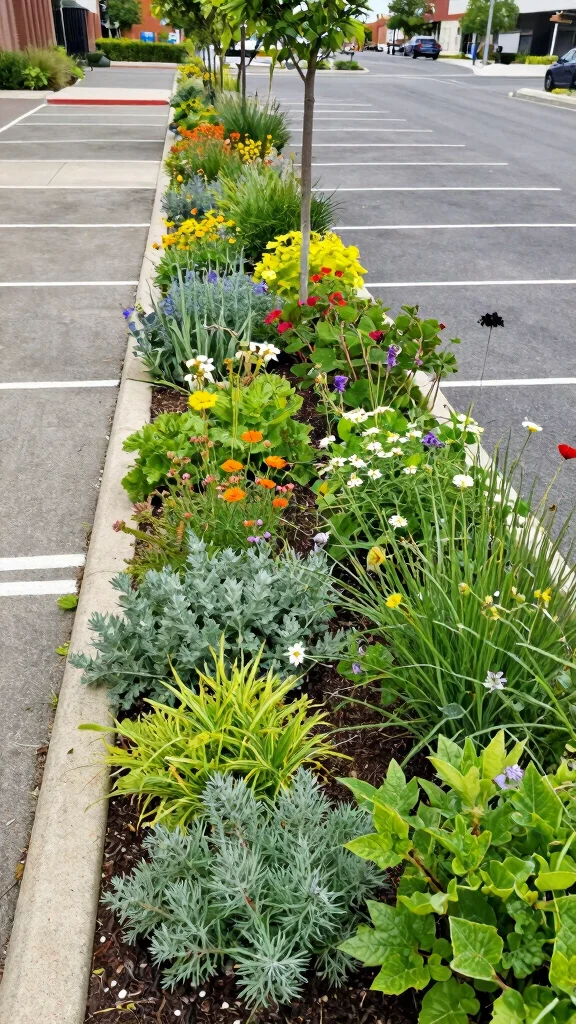
Celebrate the beauty of your local environment by incorporating native plants into your parking strip! These plants are naturally suited to your region’s climate and soil, making them easy to maintain and beneficial for local wildlife. Picture a landscape that attracts pollinators and provides habitat for birds, enhancing urban biodiversity.
Research native species that thrive in your area, clustering them together for a natural look. Using natural mulch that resembles the local landscape can further enhance your garden’s appeal.
Here’s how to get started:
– Research Local Flora: Identify native plants suitable for your area.
– Group Plants: Cluster them together to create natural-looking arrangements.
– Use Natural Mulch: Consider mulch that mimics the local landscape for added benefits.
Incorporating native plants not only beautifies your parking strip but also fosters a connection with the natural environment.
Fun fact: Native plants cut irrigation needs by up to 50% in urban parking strips. They attract more pollinators and birds, turning a tough strip into a thriving, low-maintenance garden you can actually enjoy.
How To Choose the Right Plants for Your Parking Strip Landscaping
When it comes to parking strip landscaping, picking the right plants can make a huge difference. You want to create a beautiful and inviting space while ensuring that it is easy to maintain. Here’s a guide to help you select the best plants for your urban gardening project.
1. Assess Your Space
Before selecting plants, take a good look at your parking strip. Measure the width and length so you know how much space you have. Consider how much sunlight your strip receives throughout the day. Some plants thrive in full sun, while others prefer shade. This will help you narrow down your options.
2. Consider Drought-Resistant Options
Choosing drought-resistant plants is a smart move for low-maintenance landscaping. These plants require less water, making them perfect for urban areas where water conservation is often necessary. Look for native species or succulents, which are known for their resilience. This not only keeps your strip beautiful but also helps save on water bills.
3. Choose Low-Maintenance Plants
Opt for plants that don’t require frequent trimming or special care. Perennials like sedums, daylilies, or ornamental grasses can provide color without needing constant attention. This is especially important for small space gardening where your time may be limited.
4. Think About Curb Appeal
Your parking strip is the first thing people see when they approach your home. Choose plants that will enhance your property’s curb appeal. Colorful flowers or attractive foliage can make a significant impact. Aim for a mix of heights and textures to create a visually appealing arrangement.
5. Understand Plant Size and Growth
Keep in mind how large your chosen plants will grow. A small strip may not be suitable for large bushes or trees that can overshadow your space. Read the plant labels for growth expectations. If a plant gets too big, it can obstruct views or become unmanageable.
6. Factor in Seasonal Changes
To keep your parking strip looking good year-round, consider plants that bloom in different seasons. For example, spring flowers can give way to summer perennials, followed by fall foliage. This strategy allows you to enjoy a vibrant garden throughout the year without constant replanting.
Pro Tip:
Before planting, sketch out your ideas on paper. This will help you visualize your space and make adjustments easily. Take a trip to your local nursery to see the plants in person; seeing them up close can help you choose the right options for your parking strip landscaping.
Native Plant Landscaping
Editor’s Choice

The Texas Native Plant Primer: 225 Plants for an Earth-Friendly Garden
Back to the Roots 100% Organic Mulch, 58 Quart, Expanding Coconut Husk B…

Burpee Wildflower Seed Mix for Pollinators, Hummingbirds and Butterflies…
8. Artistic Decorative Elements
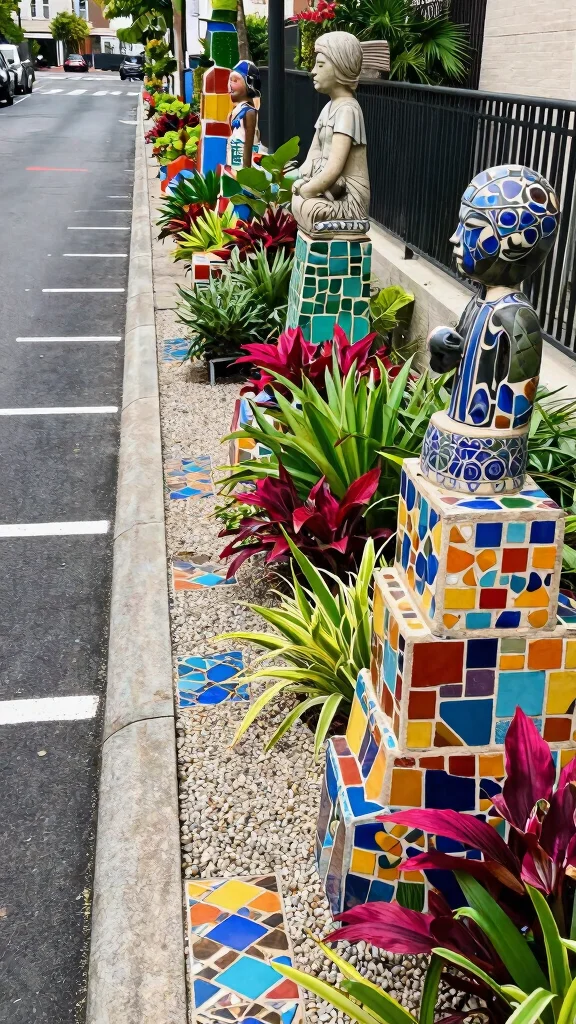
Bring creativity to your parking strip with artistic decorative elements! Unique sculptures, colorful tiles, and whimsical garden stakes can enhance visual interest and reflect your personal style. These features create focal points that draw the eye and complement your plants’ natural beauty.
Consider using repurposed items or DIY projects to make your garden more personal. To integrate art seamlessly, select a theme that matches your plant choices and distribute art pieces evenly throughout the space.
To integrate art seamlessly:
– Choose a Theme: Ensure your decorative elements complement your plant selection.
– Create Balance: Distribute art pieces evenly throughout the space.
– Vary Heights: Use items of different heights to create visual interest.
Infusing artistic elements into your parking strip will not only enhance its beauty but also create a unique urban garden that truly stands out.
You Might Also Like

Artistic Decorative Elements
Editor’s Choice

Broken Mexican Talavera Tiles Handmade Mix Designs 10 Pounds

3 Pcs Metal Flower Garden Stakes, 24″ H Flower Pot Shape Decorative Gard…
Solar Garden Snail Statue,Lawn Decor Statue for Patio, Balcony, Yard Orn…
9. Sustainable Practices for Long-Lasting Beauty
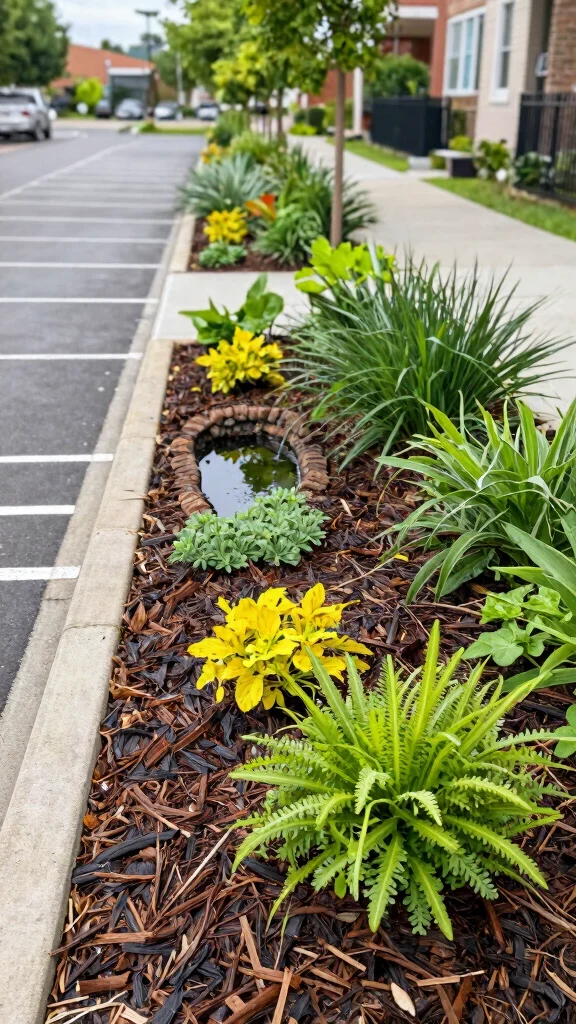
Consider adopting sustainable practices to keep your parking strip beautiful for years to come. Using compost, harvesting rainwater, and choosing organic pest control methods can help your garden thrive while benefiting the environment. These approaches support healthier plants and contribute to a sustainable urban landscape.
To maintain sustainability, use mulch to retain moisture and suppress weeds. Implementing a rain garden can capture runoff to nourish your plants naturally, while organic practices keep harmful chemicals away.
To keep your garden sustainable:
– Use Mulch: Helps retain moisture and suppress weeds.
– Implement a Rain Garden: Capture rainwater runoff to nourish your plants naturally.
– Embrace Organic Practices: Keep chemicals at bay for a healthier ecosystem.
By focusing on sustainability, you create a beautiful landscape that supports a healthier urban environment for everyone.
Sustainable Practices for Long-Lasting Beauty
Editor’s Choice

Babyganics Insect Spray, 2oz, 1 pack, Made with Plant and Essential Oils…
Back to the Roots 100% Organic Mulch, 58 Quart, Expanding Coconut Husk B…

Rain Barrel Spigot Kit, Brass Water Barrel Faucet for Bucket, Water Tank…
Conclusion

Transforming your parking strip into a beautiful landscape is not only possible but can also be a fun and rewarding project. By incorporating ideas like drought-resistant plants, vertical gardens, and artistic elements, you can create a stunning space that enhances your urban environment.
With a focus on sustainability and low-maintenance designs, your garden will thrive while contributing to a greener city. Take the plunge and let your parking strip shine with beauty and creativity!
Note: We aim to provide accurate product links, but some may occasionally expire or become unavailable. If this happens, please search directly on Amazon for the product or a suitable alternative.
This post contains Amazon affiliate links, meaning we may earn a small commission if you purchase through our links, at no extra cost to you.
Frequently Asked Questions
What are the best drought-resistant plants for parking strip landscaping in small urban spaces?
Parking strip landscaping in small urban spaces benefits from drought-resistant plants that withstand sun and foot traffic. In an urban gardening setting, start with a tough evergreen backbone and mix in seasonal color with low-maintenance options like native grasses, sedums, lavender, and compact succulents. Steps: 1) assess sun, soil, and drainage; 2) design a layered bed with a back row of taller plants and a front of groundcovers; 3) top with mulch to conserve moisture and suppress weeds; 4) install a simple drip irrigation line for efficient watering; 5) keep a narrow clearance near the curb to maintain safety and visibility. This approach boosts curb appeal and keeps maintenance light, ideal for small space gardening and parking strip landscaping.
How can I boost curb appeal with parking strip landscaping in a tight urban setting?
Boost curb appeal with a cohesive, repeatable palette in parking strip landscaping. In an urban gardening context, choose 2-3 anchor plants for structure, add texture with grasses or groundcovers, and sprinkle in seasonal color with drought-tolerant blooms. Use low-profile edging to create crisp lines, mulch to keep beds neat, and a simple drip irrigation system to cut water and maintenance. Repetition and clean lines help your curb appeal grow even in a compact space, making parking strip landscaping a standout feature of small space gardening.
What are low-maintenance parking strip landscaping ideas that still look great all year?
Keep things simple with evergreen and drought-tolerant choices. For parking strip landscaping, select a backbone of hardy evergreens or grasses, then fill with a few reliable perennials that bloom in different seasons. Use groundcovers like creeping thyme or sedum to reduce mowing and watering, and mulch to suppress weeds. A basic drip irrigation keeps things healthy without daily care. This approach aligns with low-maintenance landscaping and small space gardening goals while staying attractive year-round.
How can I design a small-space parking strip that maximizes plant health and safety?
Prioritize safety and health in parking strip landscaping by keeping sightlines clear, avoiding tall plants directly at intersections, and placing taller specimens at the back. Use a three-layer approach: back row of taller urban gardening plants, middle row of mid-height shrubs, and front groundcovers to fill space without crowding the curb. Choose drought-resistant plants suited to your climate to reduce watering and maintenance. Install a simple edging and a drip irrigation line to deliver water efficiently, and mulch to protect roots and minimize weeds. This setup supports both a lively appearance and safe, small space gardening practices.
Do I need permits or approvals to convert a parking strip into landscaping?
Rules vary by city, but with parking strip landscaping you’ll often need permission if the strip sits in a public right-of-way or affects drainage, utilities, or sightlines. Check with your local urban gardening or public works department, and review any HOA guidelines. You may need a permit or written consent from neighbors to keep it courteous and lawful. Plan your layout first, keep sidewalks and driveways accessible, and ensure the design complies with curb appeal goals while staying within local regulations.
Related Topics
parking strip landscaping
urban gardening
curb appeal
drought-resistant plants
low-maintenance landscaping
small space gardening
easy landscaping
sustainable design
colorful blooms
xeriscaping
beginner friendly
landscaping tips