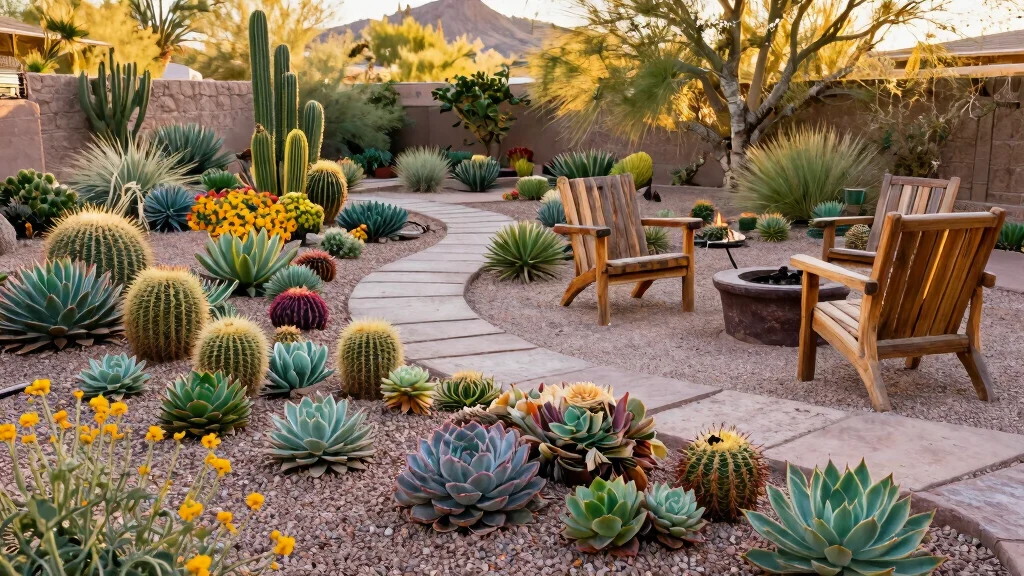
Creating a beautiful backyard in Arizona can be a challenge. The desert climate may have you scratching your head, wondering how to create a stunning space that thrives under the blazing sun. With the right ideas and planning, your outdoor area can become a lush retreat. I created this guide to spark your creativity and help you embrace Arizona’s natural beauty while ensuring your backyard remains low-maintenance and visually appealing year-round.
If you are a homeowner or garden enthusiast looking to transform your outdoor space, this post is crafted just for you. Whether you’re tired of high-maintenance gardens or simply want a stunning desert oasis, you’ll find inspiration here. From succulent gardens to creative patios, I’ve compiled ten amazing Arizona backyard landscaping ideas that will make your yard the envy of the neighborhood.
In this post, you will discover practical tips and tricks for designing a backyard that reflects the unique beauty of Arizona’s desert landscape. You’ll learn about drought-resistant plants, xeriscaping techniques, and how to create outdoor living spaces that invite relaxation and enjoyment. Get ready to embrace the desert with these stunning ideas that will help you love your backyard all year long.
Key Takeaways
– Discover low-maintenance options like succulent gardens that thrive in Arizona’s dry climate, saving you time and effort.
– Learn about xeriscaping techniques to create sustainable landscapes that reduce water usage while enhancing beauty.
– Find ideas for outdoor living spaces that combine comfort and style while embracing the natural surroundings.
– Explore the benefits of incorporating native Arizona flora to support local wildlife and create a vibrant ecosystem in your yard.
– Get inspired by creative elements like fire features and gravel pathways to add unique character and charm to your backyard design.
Recommended Products

Luminous Edges - Blue-green leaves accented with red and golden margins that appear to glow in sunlight.

Purslane plants are sun-loving succulents featuring lovely small flowers among trailing foliage. These real succulents are perfect for a raised garden bed, lawn edging, outdoor garden decor, garden edging, and planters for outdoor plants
1. Lush Succulent Gardens
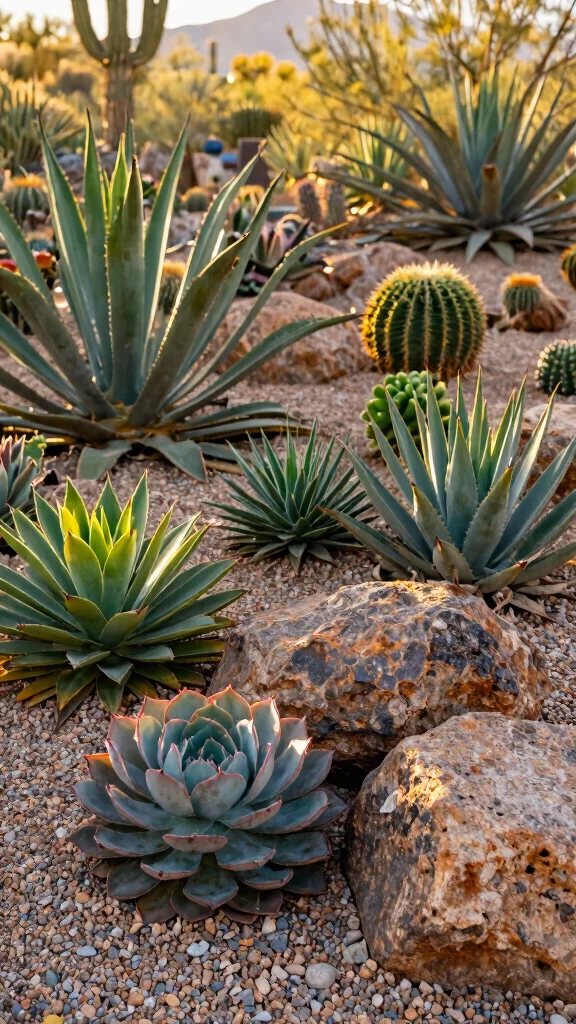
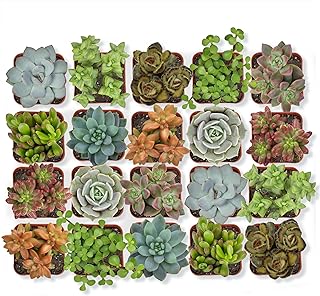
Elevate your Arizona backyard with vibrant succulent gardens that are both beautiful and practical. Succulents thrive in the desert heat, offering a variety of shapes and colors that can transform your outdoor space into a stunning oasis. By mixing plants like Agave, Echeveria, and Aloe, you create an eye-catching landscape that requires minimal upkeep, perfect for busy lifestyles.
To enhance your design, pair succulents with decorative rocks or gravel for a striking visual contrast. Consider larger boulders as focal points, surrounded by smaller plants for added depth. Be mindful of sun exposure; some succulents prefer full sunlight while others thrive in partial shade. A well-planned garden will remain vibrant year-round, ensuring your outdoor area is always picturesque.
Key steps to create your succulent garden:
– Select a diverse range of succulents for visual interest.
– Organize plants by sunlight and watering needs.
– Incorporate decorative stones for added texture.
– Position larger succulents as focal points.
– Install a drip irrigation system for easy maintenance.
This approach not only beautifies your space but also ensures a low-maintenance garden that flourishes throughout all seasons.
Recommended Products


📹 Related Video: How to Create a Succulent Pocket Garden, with Laura Eubanks
How To Choose Drought-Resistant Plants for Your Arizona Backyard
When planning your Arizona backyard landscaping, selecting the right drought-resistant plants is essential. These plants thrive in dry conditions and reduce water usage, making them perfect companions for your desert-inspired garden. Here’s how to choose the best options for your backyard.
1. Know Your Climate
Understanding your local climate is key to selecting the right plants. Arizona has a range of microclimates, from high deserts to low valleys. Research which plants thrive in your specific area. For example, plants native to the Sonoran Desert can often survive extreme heat and limited rainfall.
2. Consider Mature Size
Think about how much space you have. Some drought-resistant plants can grow quite large, while others stay small. Make sure to take into account their mature size when planting. For instance, a mature agave can take up several feet, while smaller succulents like sedum may only need a few inches of space.
3. Assess Sunlight Requirements
Different plants have varying sunlight needs. Some thrive in full sun, while others prefer partial shade. Determine how much sunlight your backyard receives throughout the day. If your space is primarily sunny, consider planting heat-loving species like desert marigold or red yucca.
4. Look for Native Species
Choosing native Arizona flora offers several benefits. Native plants are adapted to local conditions, making them more resilient to drought and pests. They also require less maintenance. Look for options like desert sage or palo verde, which not only add beauty but also support local wildlife.
5. Evaluate Soil Conditions
Different plants prefer different soil types. Test your soil to understand its composition and drainage capabilities. If you have sandy or rocky soil, many drought-resistant plants will flourish. Amending soil with organic matter can also help improve water retention where needed.
6. Plan for Seasonal Interest
Consider choosing plants that provide visual appeal throughout the year. Look for varieties that bloom in different seasons or have unique foliage. For example, consider incorporating succulents with colorful leaves or cacti that flower in spring.
Pro Tip: When in doubt, consult your local nursery or extension office. They can provide guidance on the best drought-resistant plants for your specific area. Additionally, always check for local plant sales or gardening groups that can offer insights and recommendations.
By following these guidelines, you can create a stunning and low-maintenance backyard that embraces the desert and thrives year-round. Happy planting!
Recommended Products

1/4 INCH IRRIGATION TUBING: Create a feeder line that supplies water to a low-flow, drip-watering device, or use as a main line in a small drip irrigation system; for trees, shrubs, flower beds, groundcover, vegetable gardens, and planters

1/2 INCH IRRIGATION TUBING :Use as a main supply line connected to a low-flow, drip-watering device or as a feeder line that branches off larger tubing or pipe
Rugged, flexible tubing that's easy to unroll and stake in garden, flower bed, ground cover or other landscaped areas
Lush Succulent Gardens
Editor’s Choice
Altman Plants, Live Succulent Plants (20 Pack) Assorted Potted Succulent…


YISZM 2LB Succulent and Cactus Gravel Pebbles, 1/5 Inch Natural Decorati…

Artificial Agave Succulent Plants Faux Snake Plant Fake Succulent Agave …
2. Rock Gardens That Shine
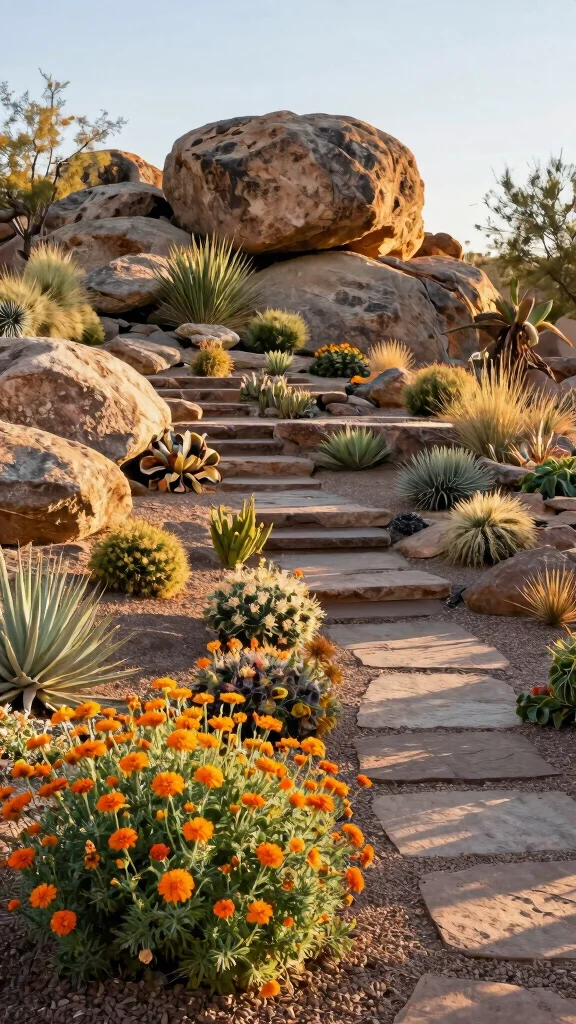
Rock gardens provide a unique touch to desert landscaping, adding a rugged elegance to your backyard. Using local stones not only creates a natural look but also helps conserve water. Arrange stones of different sizes for a more organic feel, and complement them with drought-resistant plants like Desert Marigold and Red Yucca for vibrant bursts of color.
Think about creating tiered levels in your design, placing larger boulders in the back and smaller stones in the front. This adds depth and visual appeal while making it easier to manage water usage by grouping plants with similar needs. Pathways made of flagstones can enhance accessibility and aesthetic appeal, allowing you to enjoy your garden to the fullest.
Start your rock garden journey with these ideas:
– Choose local stones for a natural look.
– Design tiers for added depth and interest.
– Group plants based on their water needs.
– Incorporate pathways for easy access.
– Add art pieces for a personal touch.
A rock garden not only beautifies your space but also offers a sustainable and low-maintenance landscaping solution.
Recommended Products

This gravel has a variety of uses including landscape and garden decoration, drainage, and building walkways.

【STYLISH & UNIQUE DESIGN】Grey color finished, more like the real stone. Made of high-quality resin, these solar pathway lights are stylish and environmentally friendly. Unique rock lights equpped with 4 bright LED lights are free to decorate your yard, garden, porch, walkway, grassland. The 20 lumens warm white lights can add a warm, comfortable atmosphere to your courtyard.

Product Specifications: MIGHTY109 Granite Gravel 3/4" Size, 40 LBS per Bag
Rock Gardens That Shine
Editor’s Choice

Garden Tools Set, Heavy Duty Stainless Steel Gardening Tools with Ergono…

Natural River Rocks-5 lbs of Pebbles and River Stones,2-3 Inch Plant Roc…
3. Xeriscaping Techniques for Sustainable Gardens
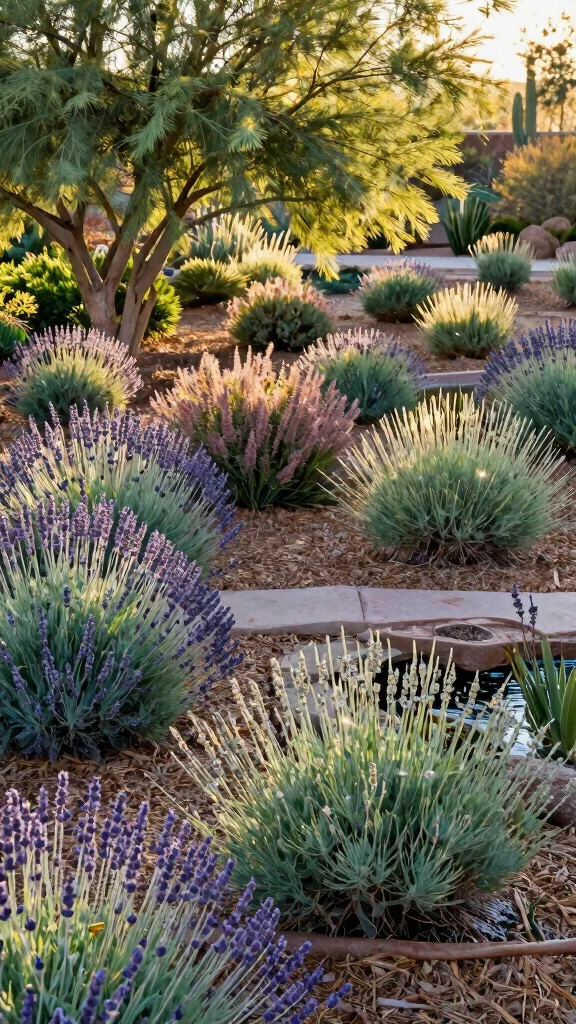
Xeriscaping is a smart way to garden in Arizona, focusing on water conservation while enhancing beauty. Begin by analyzing your yard’s natural features and incorporate them into your landscape design. Group plants with similar watering needs to create a self-sustaining garden that thrives with minimal effort.
Select native plants like Desert Lavender and Mesquite trees, which are not only visually appealing but also adapted to the local climate. Mulching is essential in this approach as it retains moisture and suppresses weeds, making your garden even more sustainable. Adding a rain garden where water accumulates can further boost your garden’s efficiency.
Important steps for successful xeriscaping:
– Analyze your yard’s natural features for effective planning.
– Opt for native plants suited to the climate.
– Group plants by their watering requirements.
– Use mulch to retain soil moisture.
– Create rain gardens to utilize natural water flow.
This method not only conserves water but also creates a beautiful, self-sufficient garden that flourishes with minimal intervention.
Recommended Products

[3 IN 1]: OutVue fire pit is equipped with 2 cooking grills, 1 lid and tabletop. When you fix grills and tabletop to the fire pit, you can enjoy the roast and bonfire. When it not make fire and cover the lid, you will get a 36 inch round table to have a meal or coffee for 6-8 persons. OutVue provide a wood fire pit has 3 functions: bonfire, barbecue and table, which can be used all year for your garden, yard, patio. This's also a very thoughtful gift to friends.

MAKE YOUR NEIGHBORS JEALOUS with this modern fire pit and fireplace accessory. Colorful fire glass blends are ultra-contemporary, providing a luxurious and dramatic statement.

Large-Size Design: BALI OUTDOORS 40 inch large fire pit is suitable for your family and friends to have a bonfire and barbecue outdoors. The deep bowl design of large fire pit effectively avoids sparks from flying. The fashion screen increases airflow and produces beautiful flames
Xeriscaping Techniques for Sustainable Gardens
Editor’s Choice
Back to the Roots 100% Organic Mulch, 58 Quart, Expanding Coconut Husk B…

The Self-Sufficiency Garden: Feed Your Family and Save Money: THE #1 SUN…

HOME GROWN Non GMO English Lavender Seeds 1,500+ Wildflower Seed for Pla…
4. Outdoor Living Spaces with a Desert Vibe
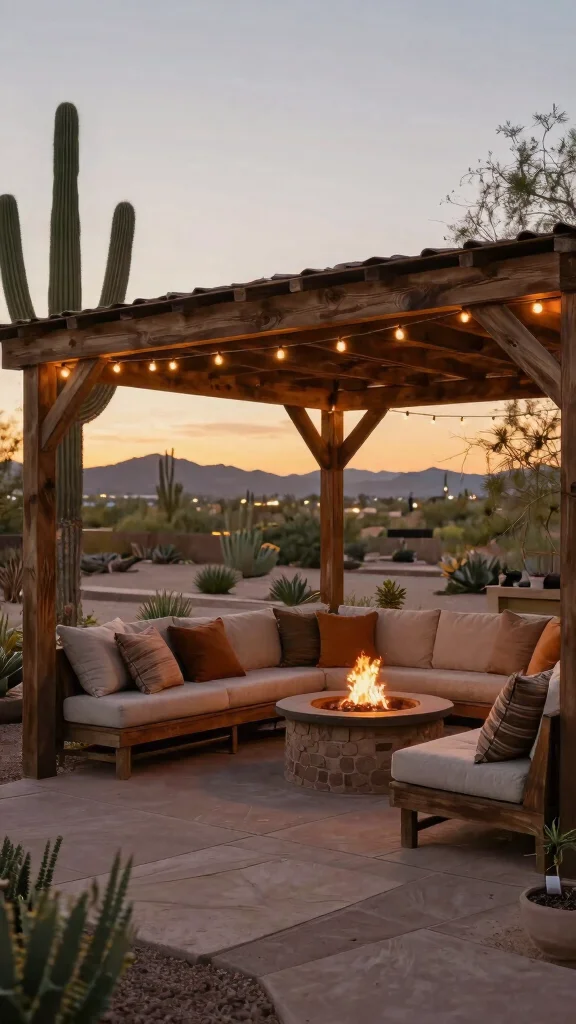
Enhancing your outdoor living space in Arizona allows you to fully enjoy the beauty of the desert. Consider adding a shaded patio or gazebo made from rustic wood for a cozy retreat. Surround this area with lush desert plants that offer privacy without overwhelming the space.
Incorporate comfortable seating with weather-resistant cushions in earthy tones, and include a fire pit for warmth and ambiance during cool evenings. String lights or lanterns can create a magical atmosphere as the sun sets, inviting relaxation and socializing. Blending natural materials like wood and stone will help your outdoor area harmonize with the landscape.
Steps to create your perfect outdoor space:
– Build a shaded area for comfort and relief.
– Select earthy tones for your furnishings.
– Include a fire pit to set the mood.
– Add lighting for evening ambiance.
– Use natural materials for a cohesive design.
This design approach makes your outdoor living space an inviting oasis, perfect for gatherings and personal relaxation.
Recommended Products

Superfood Edible Green: Purslane seeds for planting grow nutritious edible greens rich in Omega-3, Vitamins A, B & C. Ideal heirloom seeds for herb garden, kitchen gardens, and home garden beds in zones 5–11.

20 Desert Rose Seeds for Planting Mixed Color Ready to Grow Adenium Obesum Seeds Exotic Succulent Colorful Bonsai Plant Tropical Rose Flower Planting Non-GMO Heirloom
Outdoor Living Spaces with a Desert Vibe
Editor’s Choice

OutVue 36 Inch Fire Pit with 2 Grills, Wood Burning Fire Pits for Outsid…

Aoxun 10′ x 12′ Outdoor Wood Gazebo, Hardtop Gazebo Permanent Wooden Pav…

Outdoor Chair Cushions Set of 4: Waterproof & Fade Resistant Seat Cushio…
5. Native Plants for a Flourishing Landscape
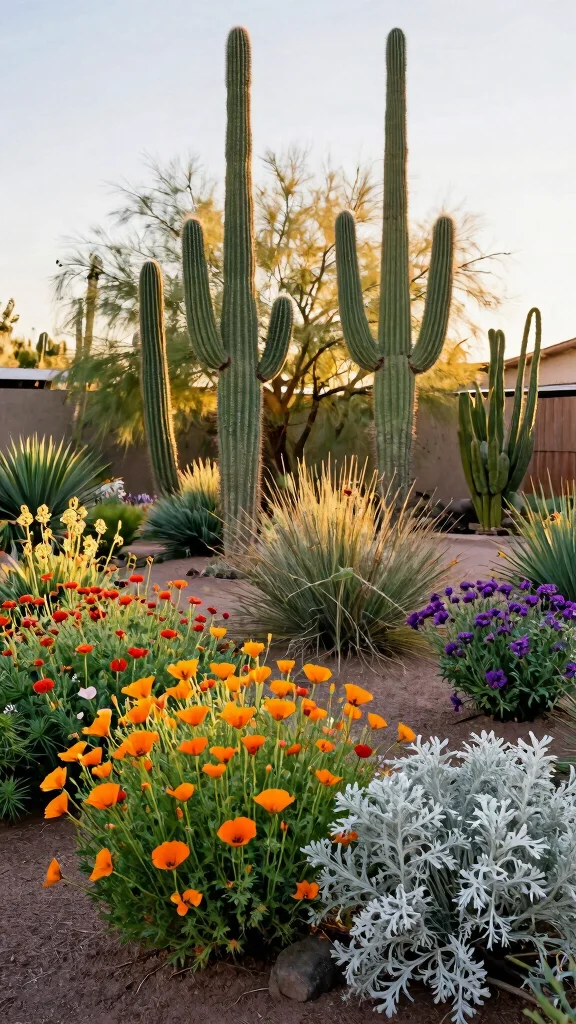
Incorporating native plants into your Arizona backyard is an excellent way to create a thriving landscape that requires little maintenance. These plants, such as Arizona Poppy, Saguaro Cactus, and Silverleaf Nightshade, are naturally adapted to the local climate, making them perfect for sustainable gardening.
Design your garden with a mix of heights and textures, placing taller plants at the back and shorter ones at the front for a layered look. Including seasonal bloomers ensures your garden boasts color throughout the year. A native plant garden not only enhances your space but also attracts local wildlife, creating a serene environment that reflects Arizona’s natural beauty.
Consider these tips for a flourishing native plant garden:
– Choose plants well-suited to local conditions.
– Mix heights and textures for visual diversity.
– Incorporate seasonal bloomers for year-round interest.
– Attract wildlife with native flora.
– Ensure minimal maintenance with careful plant selection.
This approach will create a beautiful, low-maintenance landscape that flourishes naturally.
Fun fact: Native Arizona plants like Saguaro and Arizona Poppy thrive on less water, cutting outdoor irrigation by up to 50%—perfect for arizona backyard landscaping. Plant them in layered heights for year-round texture, and enjoy seasonal blooms with minimal maintenance.
Recommended Products
Used Book in Good Condition
Good item for making many types of arts and crafts projects

Desert Southwest Wildlife design. This cool vintage desert landscape design with a roadrunner bird and cacti is the perfect gift idea for men and women from arizona, texas or nevada.
You might also like


Native Plants for a Flourishing Landscape
Editor’s Choice

Native Plant Gardening for Birds, Bees & Butterflies: Northeast (Nature-…
Back to the Roots 100% Organic Mulch, 58 Quart, Expanding Coconut Husk B…

Garden Tools Set, 3 Pack Heavy Duty Gardening Tools Set Include Garden S…
6. Desert-Inspired Patios
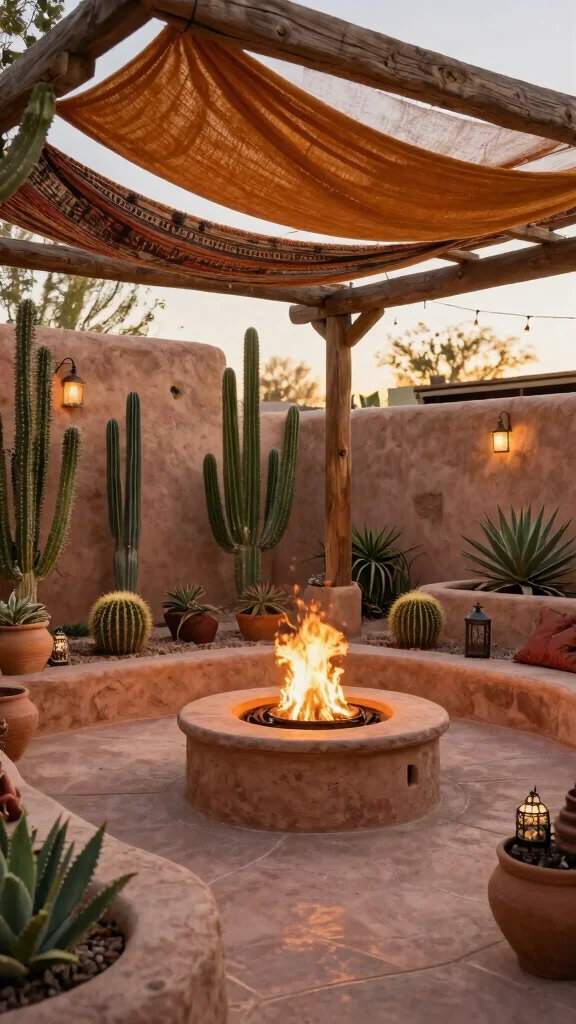
Designing desert-inspired patios blends functionality with aesthetic charm, providing an inviting space for gatherings. Utilize materials like adobe, stone, or concrete to create surfaces that resonate with the natural environment. Including features like a fire pit or built-in barbecue can transform your patio into a central hub for socializing.
Enhance your design with potted desert plants such as cacti and agaves along the edges, adding greenery while keeping maintenance low. A wood pergola can offer shade, making outdoor dining enjoyable even during hot days. Choose warm-toned furniture that complements your surroundings and add decorative elements to reflect your personal style.
Key features for your desert patio:
– Use natural materials for an authentic feel.
– Include functional features like a fire pit or barbecue.
– Line edges with potted desert plants for added texture.
– Install a pergola for shade and comfort.
– Personalize with decorations that highlight the desert theme.
This patio design enhances your outdoor experience, blending beauty and practicality seamlessly.
Fun fact: Desert-inspired patios can cut maintenance by up to 50% in arizona backyard landscaping. Choose adobe, stone, or concrete surfaces and edge with low-water desert plants like cacti and agaves to keep your space stunning year-round with minimal effort.
Recommended Products

1/4 INCH IRRIGATION TUBING: Create a feeder line that supplies water to a low-flow, drip-watering device, or use as a main line in a small drip irrigation system; for trees, shrubs, flower beds, groundcover, vegetable gardens, plants in pots, planter boxes, and hanging baskets
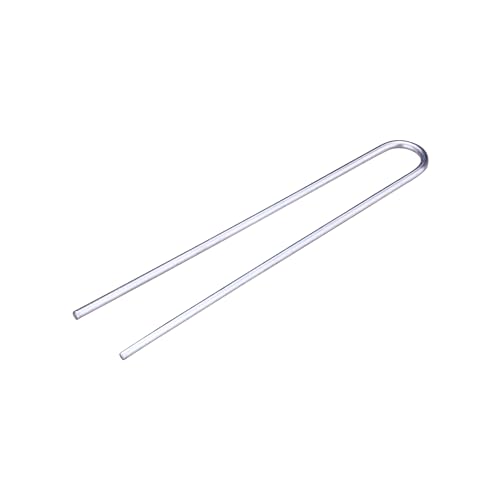
EASY TO USE STAKE: Secures supply tubing where you want them; keeps emitters near the root of plant for optimal growth and health; Ideal for use in flower and vegetable gardens; around trees and shrubs, and container plants

Works like soaker hose only better because it doesn’t clog and requires no maintenance
Desert-Inspired Patios
Editor’s Choice

9Pcs Acacia Wood Interlocking Patio Deck Tiles, 12 x 12 x 0.9 Inch Outdo…
OutVue 36 Inch Fire Pit with 2 Grills, Wood Burning Fire Pits for Outsid…

2pcs Metal Cactus Outdoor Decor,Metal Plants Prickly Pear Cactus,Desert …
7. Beautiful Gravel Pathways
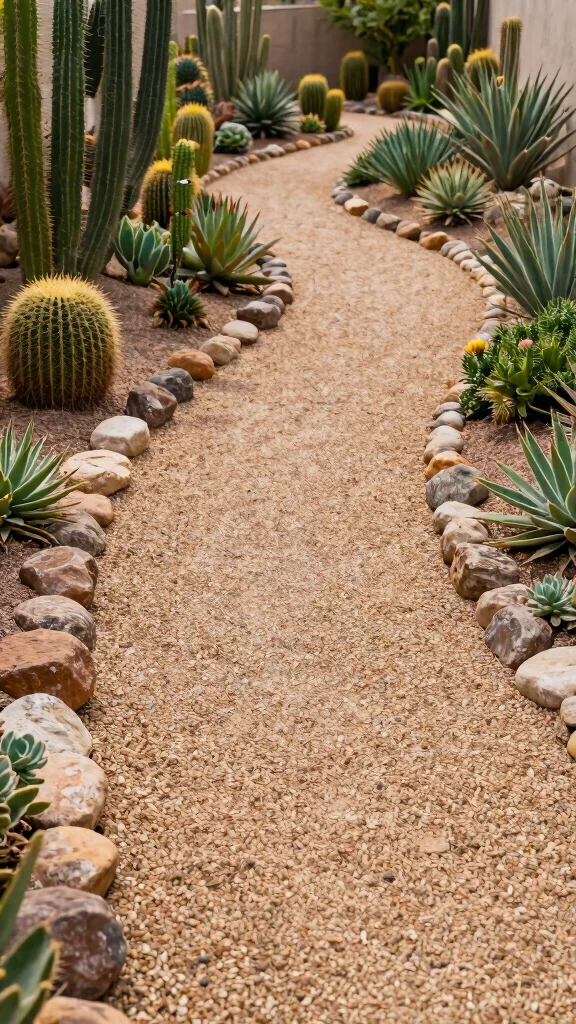
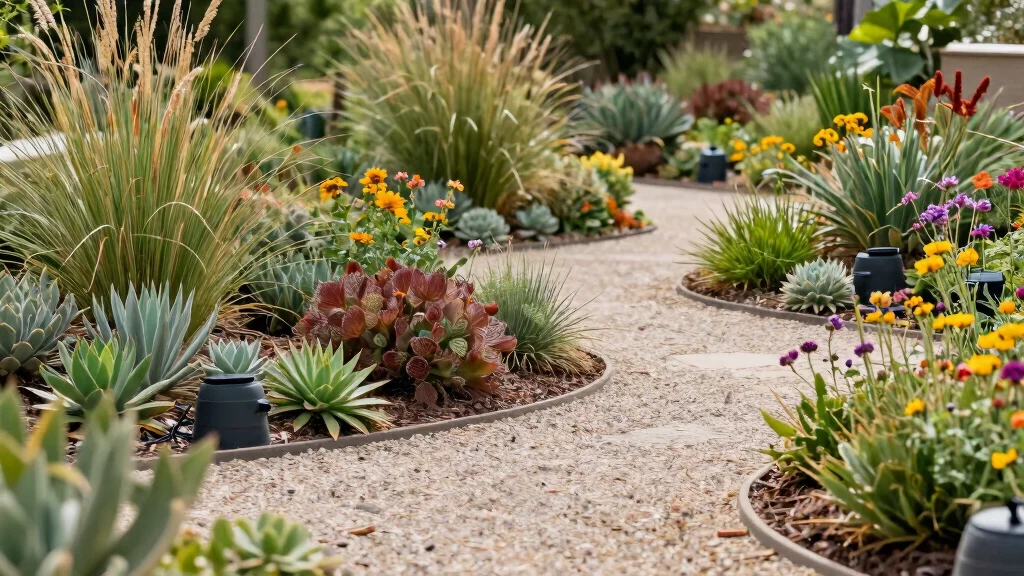
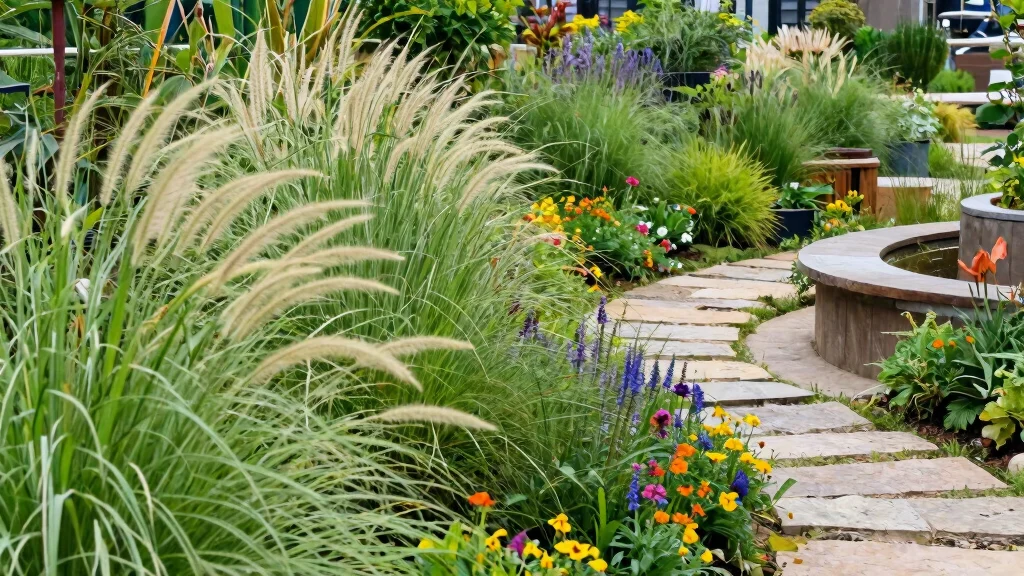
Gravel pathways add functional beauty to your landscape, offering charm and low maintenance. They are easy to install and can define the layout of your garden effectively. Choose landscape-grade gravel that complements the colors of your plants and hardscapes for a cohesive look.
Design winding paths that invite exploration, or opt for straight paths for a modern aesthetic. Incorporate larger stones or decorative elements along the edges to frame the path and enhance its visual appeal. Gravel pathways also improve drainage, minimizing mud and making them practical for rainy seasons.
Steps for creating beautiful gravel pathways:
– Use landscape-grade gravel that suits your design.
– Choose winding or straight paths based on your style.
– Integrate larger stones for elegant framing.
– Improve drainage to reduce mud.
– Include lighting to ensure safety in the evenings.
This approach not only beautifies your garden but also creates practical and inviting pathways for all to enjoy.
Recommended Products

【Gravel Pebbles Size】Premium 1/5-Inch Decorative Gravel (3 lbs Bag),Ideal Size for Delicate Plants: Perfectly sized at 1/5 inch (≈5mm) for succulents, cacti, and small terrariums, ensuring optimal airflow and root protection.

【Gravel Pebbles Size】Premium 1/4-Inch Decorative Gravel (18 lbs Bag),Ideal Size for Delicate Plants: Perfectly sized at 1/4 inch (≈6mm) for succulents, cacti, and small terrariums, ensuring optimal airflow and root protection.

【Gravel Pebbles Size】Premium 1/5-Inch Decorative Gravel (7 lbs Bag),Ideal Size for Delicate Plants: Perfectly sized at 1/5 inch (≈5mm) for succulents, cacti, and small terrariums, ensuring optimal airflow and root protection.
Beautiful Gravel Pathways
Editor’s Choice

EasyFlex No-Dig Landscape Edging with Anchoring Spikes, 2.7 in Tall Deco…

40 LBS Grey Pea Gravel – Landscape Rocks – Drainage Rock – Gardening – A…

Mancra Solar Pathway Lights, 8 Pack LED Solar Lights Outdoor Waterproof,…
8. Creative Use of Containers
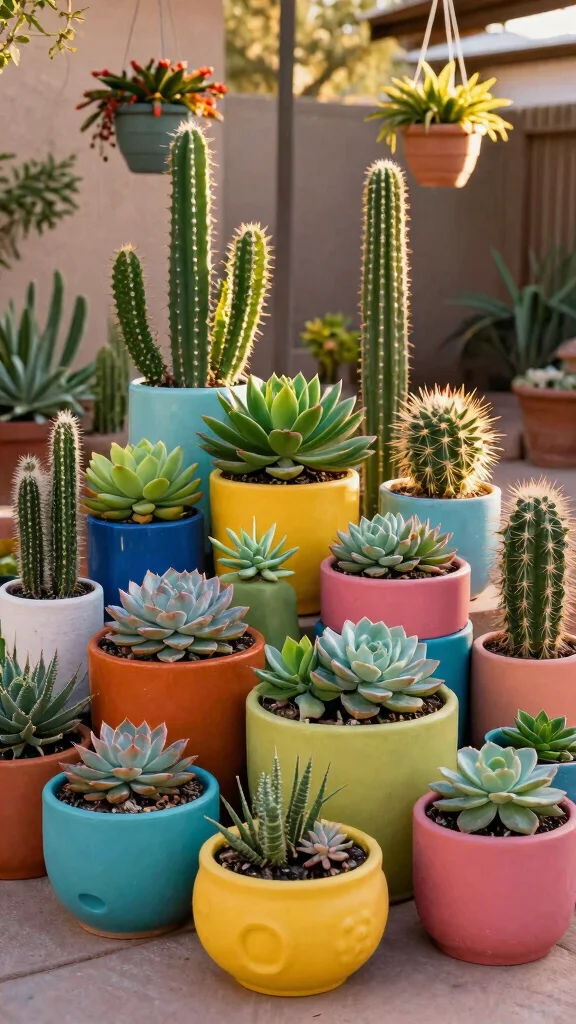
Using containers in your landscaping offers flexibility and creativity, especially in small spaces. They can house a variety of drought-resistant plants like succulents, cacti, and herbs, allowing for lush gardens without extensive ground preparation.
Select colorful or uniquely shaped pots for added visual interest, and mix different plant types within each container for dynamic displays. Hanging planters can maximize vertical space, adding layers of beauty to your garden. Ensure your containers have proper drainage to keep plants healthy while retaining moisture.
Ideas for incorporating containers into your garden:
– Use colorful or unique pots to enhance visual appeal.
– Mix various plants within containers for diversity.
– Utilize hanging planters to maximize space.
– Ensure proper drainage for plant health.
– Strategically place planters to improve layout.
This approach brings life to your outdoor areas and allows for personalized, beautiful arrangements that can be easily maintained.
Recommended Products

3-in-1 Fire Pit:Panovue outdoor fire pit can provide inviting warmth for your patio, yard, or garden, also be used as an outdoor BBQ to cook food or as an ice bucket to keep beverages cold. When you enjoy the bonfire, you also get a 32-inch fire pit table to have a coffee for 4-6 people at same time,bigger than others.Panovue wood burning fire pit is also a practical gift for friends and family. Note:BBQ grate not included.Store assembled fire pit in a cool, dry location.

Wanting a Great Patio Party?: Having a patio party is different from an indoor party. Outdoors you need to consider the coldness and a center of attention to gather everyone. A propane fire pit table can provide the atmosphere needed for a great time!(note:1:use soapy water to check for leaks before use 2:The reminder card contains interface size instructions and interface inspection instructions)

STRONG PERFORMANCE: This outdoor wood-burning fire pit features a deep cauldron bowl that promotes natural airflow, creating vibrant flames and long-lasting heat for gatherings of 4 to 6 people. The round fire pit for outside wood burning offers ample firewood capacity for cozy intimate evenings or larger backyard gatherings, and at 26 pounds, it repositions easily across the patio or yard.
You Might Also Like
Creative Use of Containers
Editor’s Choice

Ton Sin Pink Gold Ceramic Flower Pots, 4″+5″+6″ Inch Small Glazed Succul…

SOUJOY 6 Pack Hanging Succulent Planters, 4” Mini Ceramic Wall or Ceili…

Drought Tolerant Wildflower Mix – 20,000+ Seeds – 1 oz Bulk Extra La…
9. Fire Features for Evening Ambiance
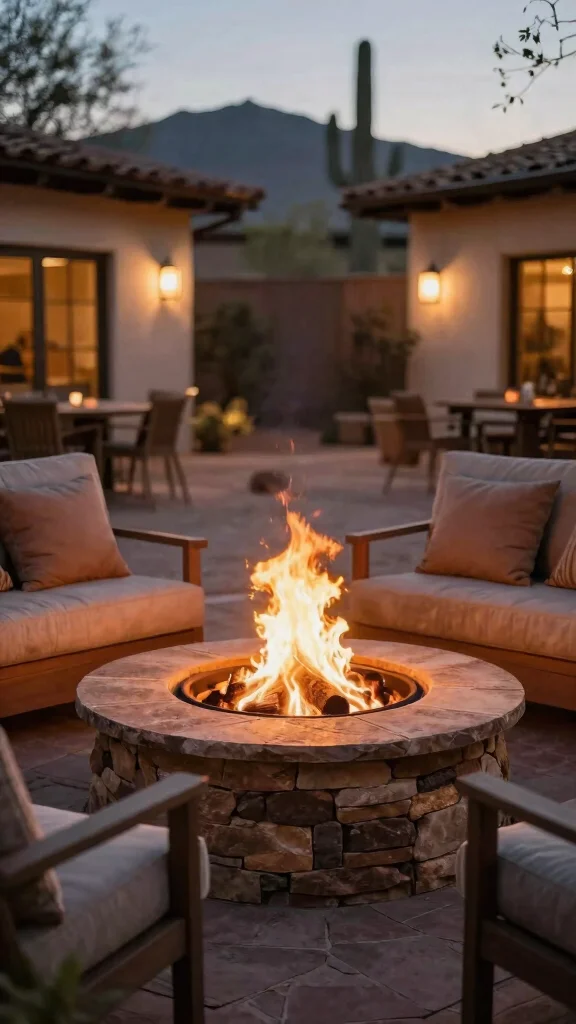
Fire features, such as fire pits or outdoor fireplaces, transform your backyard into a cozy gathering spot. They provide warmth and create a welcoming atmosphere for family gatherings or quiet nights under the stars.
When placing a fire feature, consider the layout of your space and surround it with comfortable seating to encourage social interaction. Using natural stone for the fire pit ensures it blends seamlessly with your landscape. Soft lighting from string lights or lanterns will enhance the ambiance, making evenings magical.
Key points for your fire feature design:
– Choose a fire feature that complements your landscape.
– Surround with comfortable seating for a social vibe.
– Use natural materials for a cohesive appearance.
– Enhance the setting with soft lighting for evening charm.
This design creates a warm and inviting space, perfect for enjoying evenings outdoors.
Fire Features for Evening Ambiance
Editor’s Choice

Stanbroil Natural Gas Fire Pit Stainless Steel Burner Ring Installation …

GIGALUMI Garden Decor Outdoor Lights 120LED 2Pack, Solar Garden Lights O…

Yaheetech Zero Gravity Chair, Folding Reclining Lounge Recliner with Rem…
10. The Beauty of Minimalism
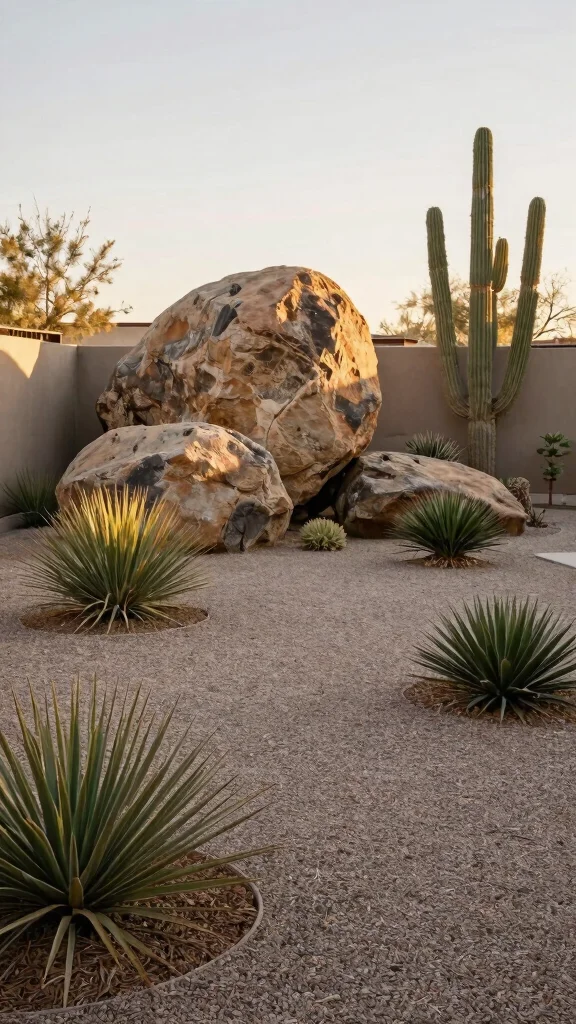
Minimalism in desert landscaping emphasizes simplicity and balance, creating serene spaces that highlight natural beauty. By limiting plant varieties and decorative elements, you allow each feature to shine without cluttering the landscape.
Utilize large boulders or unique plants as focal points, contrasting beautifully with the surrounding simplicity. Incorporate a few native plants that thrive in minimal conditions, ensuring they require little maintenance while still providing stunning visuals. This approach conserves water by reducing the need for irrigation.
Tips for achieving a minimalist garden:
– Limit plant varieties to maintain simplicity.
– Use large focal points for striking impact.
– Embrace clean lines and open spaces for breathing room.
– Select plants that thrive with minimal care.
– Conserve water with fewer plants needing irrigation.
This design philosophy creates a peaceful oasis that invites reflection and tranquility in the beautiful desert landscape.
Did you know that choosing just a few native plants can cut maintenance by up to 50% in arizona backyard landscaping? Minimalism lets boulders and focal points stand out, creating serene spaces you can enjoy year-round with less effort.
The Beauty of Minimalism
Editor’s Choice

Deckorators 17 in. x 10-1/2 in. x 8 in. Tan Small Landscape Rock
Month-By-Month Gardening in the Deserts of Arizona: What to Do Each Mont…

KODIBO 5-Pack Black Dandelion Metal Garden Stakes Outdoor Decor, Matte P…
Conclusion
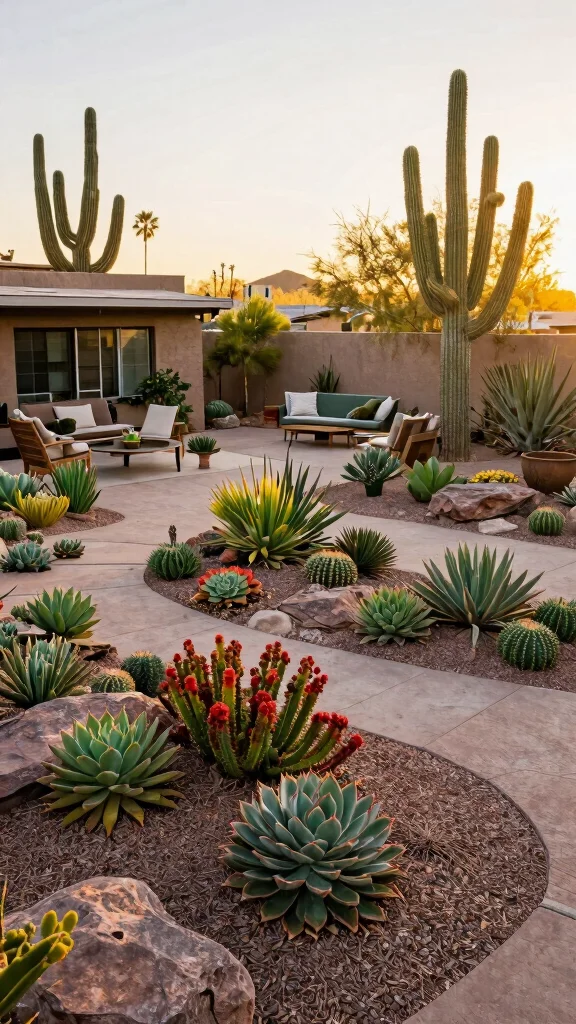
Creating a stunning Arizona backyard landscape that embraces the beauty of the desert is both achievable and rewarding. By incorporating the diverse elements discussed, you can design an outdoor space that is low-maintenance, visually appealing, and sustainable. Each idea reflects the unique charm of the desert while ensuring your garden thrives throughout the year.
With a little creativity and attention to detail, your backyard can become a tranquil retreat that invites connection with nature and enjoyment of outdoor living.
Consider which of these ideas resonates most with your vision and start your desert landscaping journey today!
Note: We aim to provide accurate product links, but some may occasionally expire or become unavailable. If this happens, please search directly on Amazon for the product or a suitable alternative.
This post contains Amazon affiliate links, meaning we may earn a small commission if you purchase through our links, at no extra cost to you.
Frequently Asked Questions
Question: What are the key elements of arizona backyard landscaping that embrace the desert all year long?
To master arizona backyard landscaping, blend desert landscaping ideas with practical xeriscaping techniques and plenty of native Arizona flora that thrive in sun. Start by evaluating sun exposure, soil, and shade patterns.
Choose drought-resistant plants that fit different microclimates, then group them by water needs to simplify maintenance. Use gravel or decomposed granite for low-water ground cover and mulch to conserve moisture. Install a drip irrigation system with a smart controller to reduce waste, and incorporate comfortable outdoor living spaces like shaded seating areas and a sitting wall. With thoughtful hardscaping and a water-wise plant palette, your yard stays stunning year-round with minimal fuss.
Question: Which drought-resistant plants are best for arizona backyard landscaping?
Choosing drought-resistant plants is the heart of arizona backyard landscaping. Great options include agave, yucca, and prickly pear cactus for architectural shapes; ocotillo for dramatic color; desert willow and desert ironwood for trees; and desert marigold, brittlebush, and sage for seasonal blooms. For ground cover, try ice plant or creeping thyme in sunny spots.
Group plants by water needs, plant in clusters to create microclimates, use mulch, and install a drip irrigation system to keep maintenance low.
Question: How can I implement xeriscaping techniques to create a stunning desert landscape in my backyard?
Xeriscaping is about water-wise design. Start by removing or reducing turf, replacing it with xeriscaping techniques such as gravel, decomposed granite, and mulch.
Choose drought-resistant plants tuned to your sun/shade pattern and soil. Install a drip irrigation with a smart controller to irrigate deeply and less often. Create soil that retains moisture with organic compost or amendments. Use high-contrast textures and colors from desert flora to keep it visually interesting. Finally, plan for maintenance: prune low and avoid frequent feeding to keep plants healthy in the heat.
Question: How can I design outdoor living spaces in a desert landscape that stay beautiful with minimal maintenance?
Designing outdoor living spaces in a desert landscape means comfort and practicality. Start with shade: covered patios, pergolas, or shade sails to reduce sun exposure. Use durable, low-water hardscapes like pavers and gravel. Choose seating in neutral tones with weatherproof cushions. Add a small fire pit or a water feature that suits your climate but not high maintenance. For functionality, install an outdoor kitchen with efficient lighting. Finally, pair your spaces with a drip irrigation plan and proper mulch to reduce chores and keep everything looking fresh all year.
Question: What native Arizona flora should I consider for a year-round, low-maintenance look?
Native Arizona flora are built for the heat, sun, and drought. Great picks include creosote bush for year-round greenery and aroma, desert willow for shade and structure, ocotillo for dramatic red blooms, brittlebush and desert marigold for bright seasonal color, and desert spoon and yucca or agave for architectural silhouettes. By choosing native Arizona flora, you benefit from plants adapted to local conditions, which means less water and less maintenance. Remember to match selections to your sun exposure and irrigation, and group them by water needs for easy care.
Related Topics
arizona backyard landscaping
desert landscaping ideas
xeriscaping techniques
drought-resistant plants
native Arizona flora
outdoor living spaces
low-maintenance gardens
succulent arrangements
landscaping on a budget
beginner friendly
year-round beauty
eco-friendly gardening