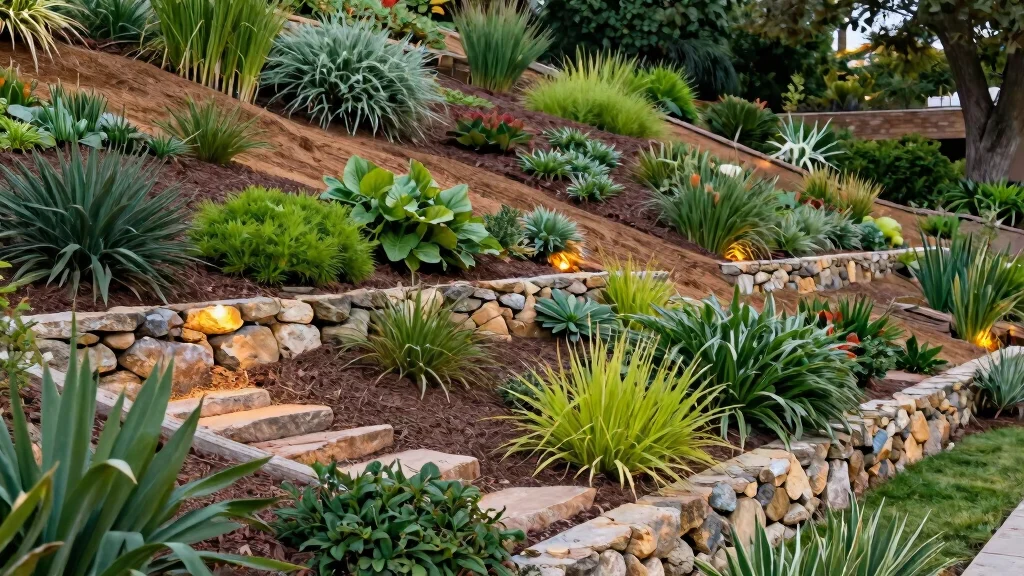
Creating a garden on a slope can seem daunting. The challenges of erosion, drainage, and soil stability can leave many homeowners feeling stuck. I made this post because I believe that every yard, no matter how steep, deserves to be beautiful and functional. With the right slope landscaping ideas, you can turn a tricky terrain into a stunning hillside garden that thrives.
If you’re a gardener who loves working with the land, or just someone looking to enhance your home’s outdoor space, this guide is for you. You’ll find practical tips and creative solutions that cater to various tastes and environmental needs. Whether you’re battling erosion or seeking to create a cozy retreat in your yard, you’ll discover simple ways to make your sloped garden feel like it was always meant to be.
Get ready to explore seven slope landscaping ideas that not only work with your grade but also contribute to the health of your garden. Each idea is designed to blend beauty with sustainability, ensuring your yard remains vibrant while controlling erosion. By the end of this post, you’ll have actionable insights to transform your sloped space into a lush and inviting area that reflects your personal style.
Key Takeaways
– Terraced Garden Solutions: Create levels in your garden to reduce erosion and add visual interest. This method helps with soil retention and water distribution.
– Rock Gardens for Erosion Control: Use rocks and gravel to stabilize soil on slopes. Rock gardens not only look great but also prevent runoff.
– Native Planting Schemes: Choose plants native to your area. They require less water and care, making them perfect for sloped gardens while promoting local biodiversity.
– Pathways and Stepping Stones: Design paths to guide movement through your garden. Stepping stones can prevent soil compaction and create a natural flow.
– Water Features for Natural Drainage: Incorporate ponds or streams to manage water flow. These features can enhance your landscape while helping to prevent erosion.
Recommended Products

Stepping Stone - Spoontiques’ stepping stones and decorative plaques are a lovely way to brighten up your indoor or outdoor space.

Get a Carefully Trimmed Garden Appearance: 8-piece set with artificial stone edges provides you with the charm of a natural garden view; You no longer need physical labor because the garden no longer requires digging or shoveling, experiencing the ultimate combination of convenience and beauty, maintaining the attractiveness of the garden
1. Terraced Garden Solutions
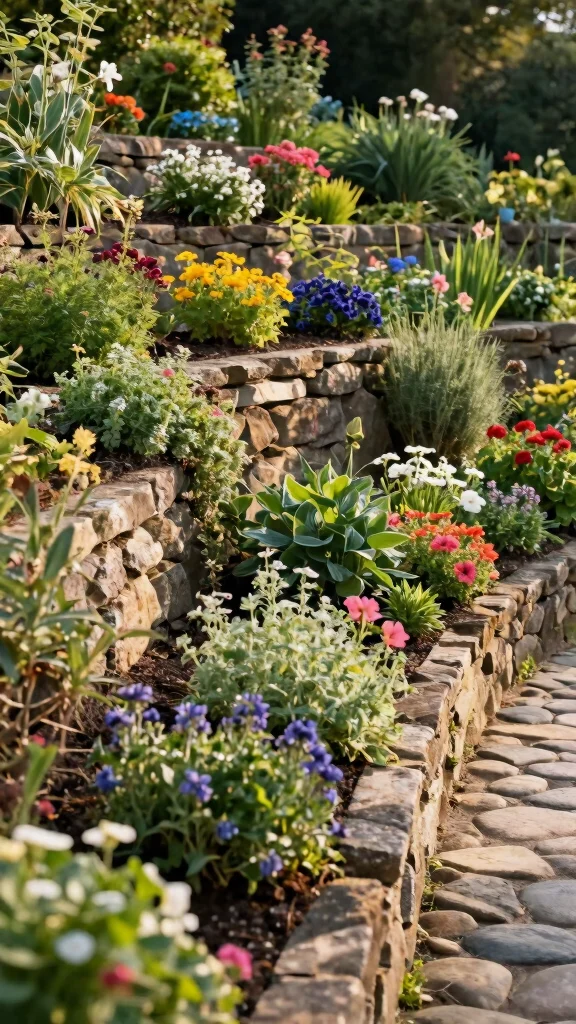
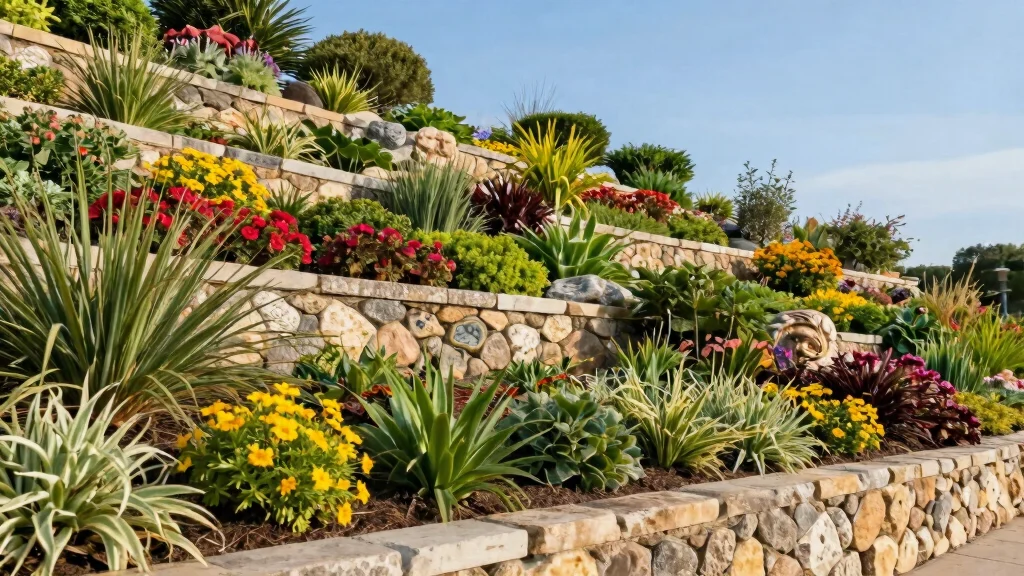
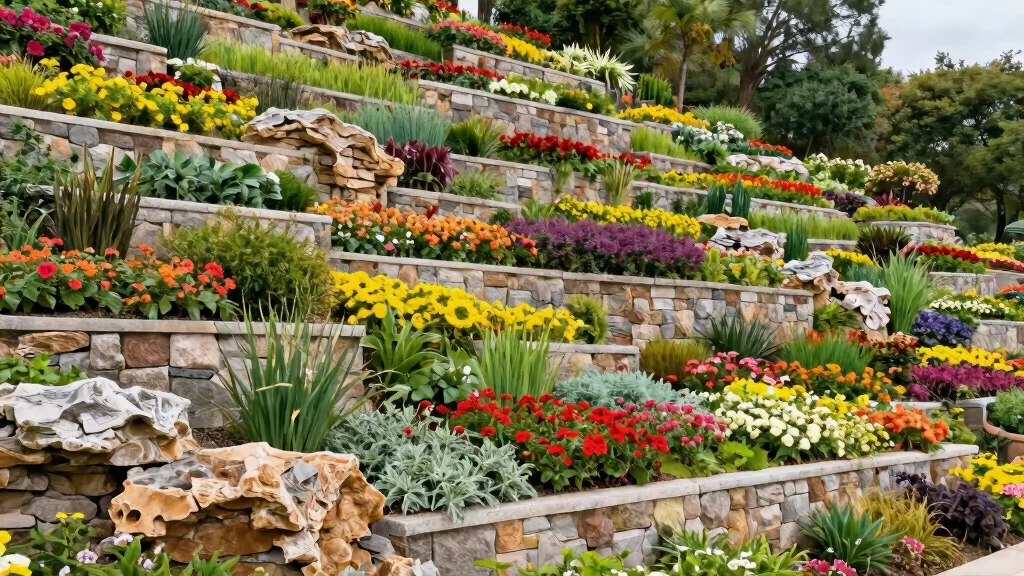
If you’re looking to make the most of a sloped yard, terraced gardens offer an eye-catching solution. They provide flat areas for planting, allowing you to showcase a beautiful mix of colors and textures that will draw attention. By using natural materials like stone or wood for retaining walls, you can enhance the overall look while keeping the soil in place.
To create a stunning terrace, start by selecting plants that thrive at various heights. This will not only offer visual depth but also attract beneficial wildlife. Consider incorporating herbs or vegetables into the design to add functionality to your garden space.
Tips for creating a terraced garden:
– Choose native plants that thrive in your local climate for lower maintenance.
– Ensure good drainage between tiers to prevent water buildup.
– Mix in hardscaping elements like steps to enhance accessibility.
– Use terrace spaces to plant herbs or vegetables for added functionality.
This method creates a stunning visual appeal while supporting a diverse ecosystem and improving soil health.
Recommended Products

【All-in-One Kit 】:(1Gallon Rock Glue+1Gallon Sprayer)Comes with landscape rock glue gallon+ a heavy-duty sprayer bundle. This is the ultimate rock glue with sprayer for landscape glue—no more leaks or flimsy bottles. No fuss—Simple as mix, spray, and bond. Effortlessly locks gravel, stones, and pebbles in place

Premium Landscape Fabric: The weed barrier is crafted from high-quality and durable material. made of woven polypropylene material, it's a strong and reliable barrier that's resistant to UV rays, water, and other outdoor elements. This means that you can trust it to provide long-lasting protection against weeds in your garden

【💰 4𝗚𝗔𝗟𝗟𝗢𝗡𝗦, 𝟮𝗫 𝗧𝗛𝗘 𝗖𝗢𝗩𝗘𝗥𝗔𝗚𝗘 – 𝗦𝗔𝗩𝗘𝗦 𝗬𝗢𝗨 $𝟳𝟬】Shabebe Mulch Glue covers twice the area of standard binders – saving you $70 while locking mulch, wood chips, and pea gravel firmly in place. The super-concentrated formula stretches further without sacrificing strength—perfect for big yards, long walkways, multiple garden beds, or entire driveway edges. You get professional-grade hold at a fraction of the cost, making large-scale landscaping projects surprisingly affordable.
Terraced Garden Solutions
Editor’s Choice
DECKO Flexistone 3D Stone Wall Panels – Box of 6 Panels (47.2″x23.6″) 46…


Wood Garden Edging, Wooden Fence Border Decorative Small Picket Panels f…

2PCS 12x3x1ft Galvanized Raised Garden Bed,Outdoor Planter Box Metal Pat…
2. Rock Gardens for Erosion Control
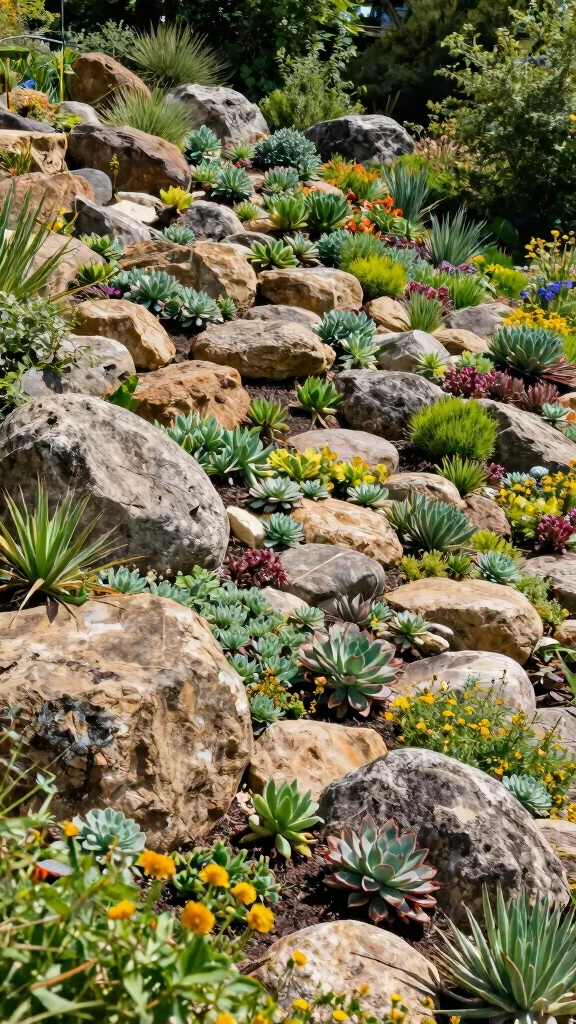
Rock gardens not only beautify sloped areas but also serve as effective erosion control. Strategically placed stones can slow water runoff, stabilizing your slope and keeping soil where it belongs. This natural barrier helps retain moisture for plants, ensuring they thrive in a rocky environment.
To design your rock garden, select a variety of stones that match your landscape style. Pair these with drought-resistant plants like succulents and ornamental grasses to create a vibrant yet low-maintenance garden.
Key benefits of rock gardens:
– Require minimal maintenance once established.
– Create microhabitats for local wildlife and insects.
– Provide a natural aesthetic that fits rugged landscapes.
– Offer excellent drainage capabilities to prevent erosion.
Implementing a rock garden enhances your landscape’s beauty while promoting sustainable gardening practices.
Rock gardens on slopes can slow water runoff by up to 40%, cutting erosion and keeping soil where it belongs. Pair drought-tolerant plants with sturdy stones for practical slope landscaping ideas that are low-maintenance and beautiful.
Recommended Products
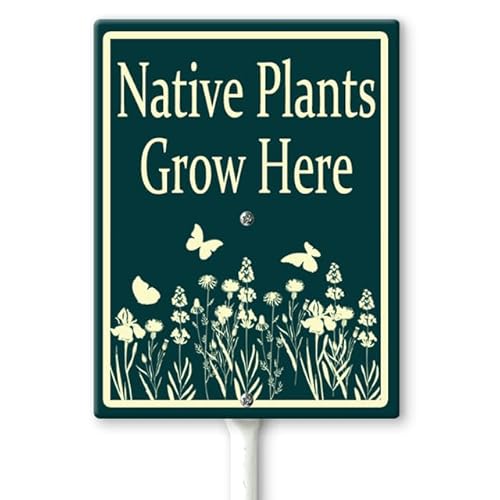

Sturdy and Durable Metal Material: native plants grow here sign with stake native plants yard sign wildflower lawn garden sign is durable ,Weather and Fade Resistant. Kit includes one and one aluminum sign, plus the necessary hardware for mounting.
Rock Gardens for Erosion Control
Editor’s Choice

DeWitt DuPont GroundGrid Geotextile Stabilization System – Heavy-Duty Gr…

Grasses: Versatile Partners for Uncommon Garden Design

Large River Rock – Gravel Company 2-3” River Rock for Drainage, Erosi…
3. Native Planting Schemes
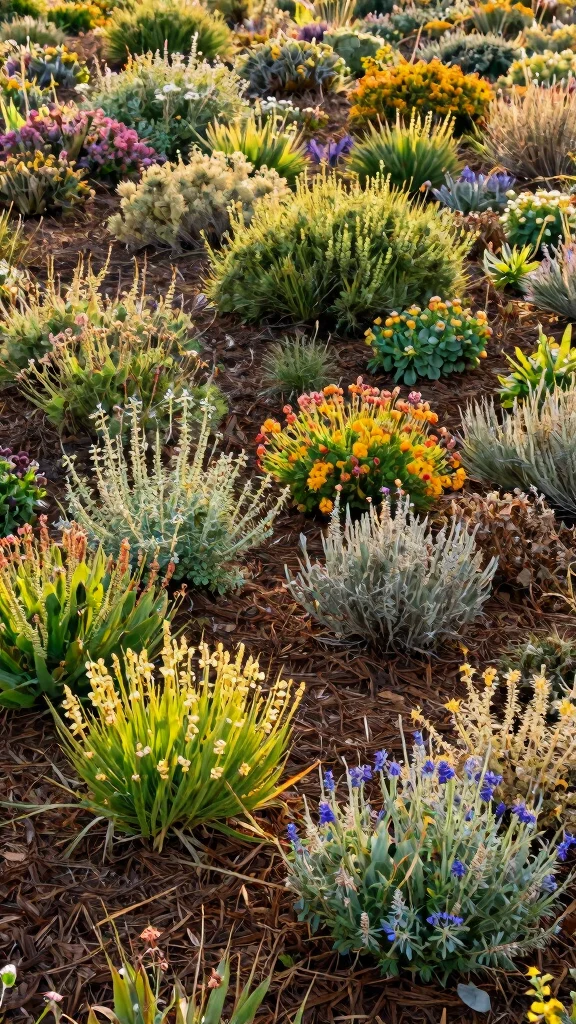
Opting for native plants in your slope landscaping is not only eco-friendly but also practical. These plants are naturally suited to your area, typically requiring less water and care compared to non-natives. Plus, they support local wildlife by providing food and habitat.
When planning your planting scheme, group plants with similar light and water needs to create a healthy environment. A mix of shrubs, perennials, and ground covers will stabilize the soil and provide year-round color.
Best practices for native planting:
– Research local native plants suitable for your soil and climate.
– Use mulch to retain moisture and suppress weeds.
– Design for diversity by mixing plant heights and textures.
By embracing native planting schemes, you’ll enhance the beauty of your slope while fostering a thriving local ecosystem.
Recommended Products

Durable & Easy: These 15.5" stepping stones are made of weatherproof resin, so they can withstand rain, hail, UV rays, and cold temperatures. They also feature four ground stakes for secure installation, making them perfect for patios, walkways, and gardens.
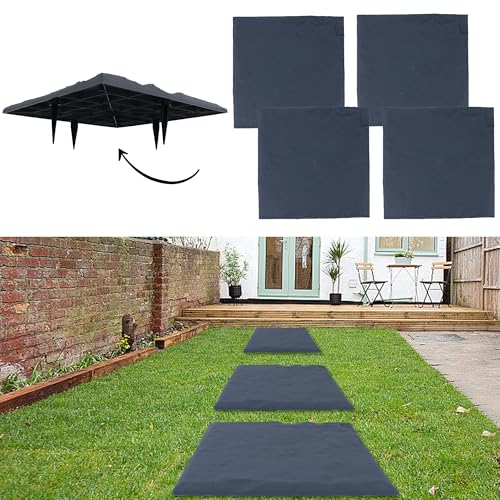
Durable & Easy: These 15.5" stepping stones are made of weatherproof resin, so they can withstand rain, hail, UV rays, and cold temperatures. They also feature four ground stakes for secure installation, making them perfect for patios, walkways, and gardens.

RUBBER STEPPING STONES: Elevate your outdoor space with these lightweight simulated flagstone rubber pavers that offer the timeless beauty of real stone without the heavy lifting.
📹 Related Video: Planting Bulbs and California Natives 🌱 Slope Plants ideas 🌱 zone 9b
Native Planting Schemes
Editor’s Choice

Burpee Wildflower 25,000 Bulk, 1 Bag | 18 Varieties of Non-GMO Flower Se…

Back to the Roots 25.7qt (1 Cubic ft) Organic Premium Mulch

Jute Erosion Control, Soil Saver Mesh Blanket – 48″ Wide x 20 Yards (60 …
4. Pathways and Stepping Stones
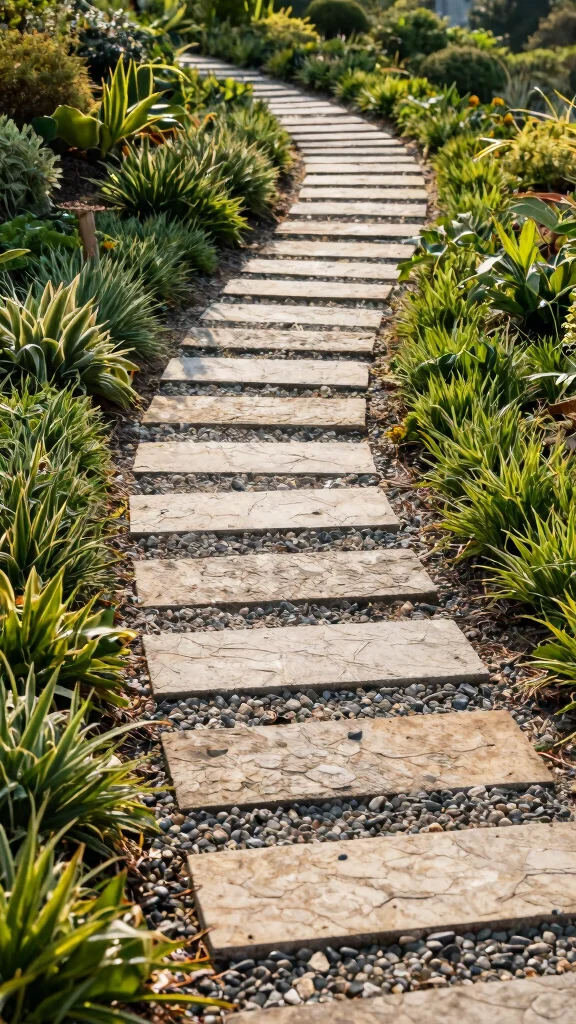
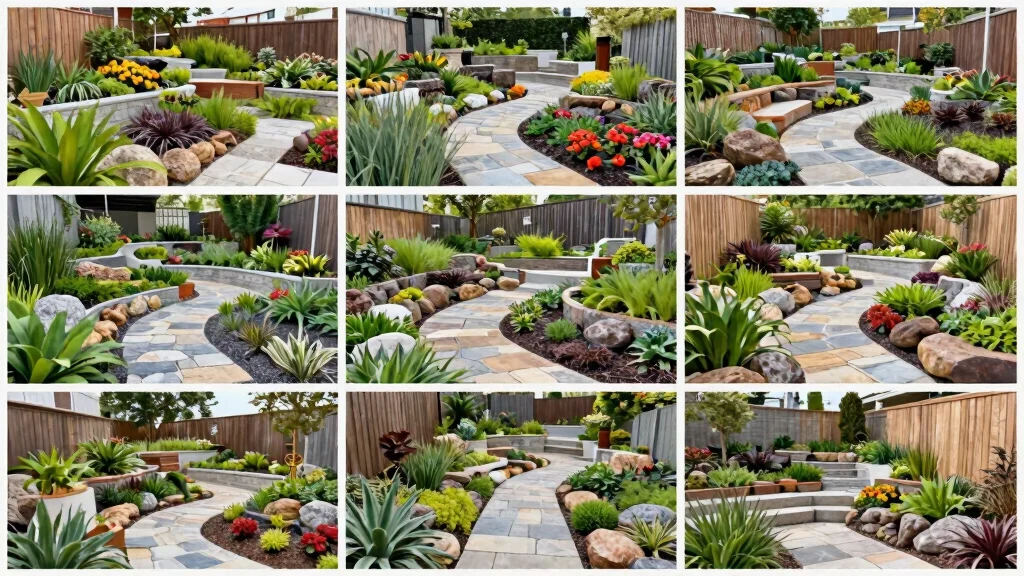
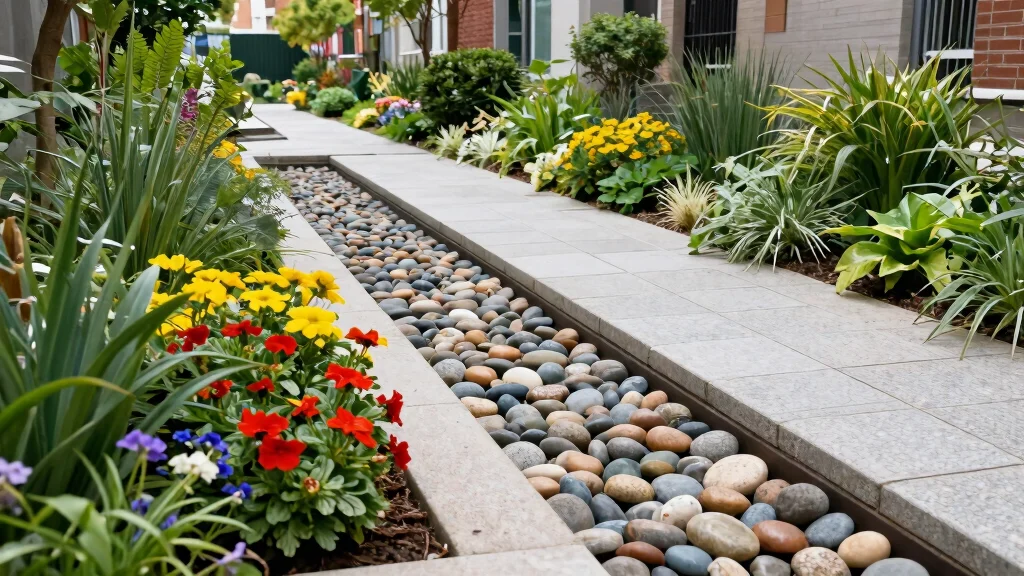
Adding pathways to your slope not only improves accessibility but also adds charm to your garden. Stepping stones or winding paths can guide visitors through your landscape while controlling erosion effectively.
Select materials that harmonize with your surroundings, such as stone or gravel, which promote effective drainage. Incorporating plants along the path softens the hardscaping and invites exploration.
Design tips for pathways:
– Create a winding path that follows the slope’s natural contours.
– Use a mix of materials for added texture and interest.
– Line the path with low-growing plants for a seamless transition.
A well-designed pathway not only beautifies your landscape but also encourages you to enjoy every corner of your outdoor space.
Recommended Products

A simple, easy, and fun way to add the sights and sounds of a water garden to any location

NO DIG NATURE POOL - Easy to build, parts click and fit together easily to set up in under an hour!

RELAXING WATER FLOW: Enhance your outdoor space with the Alpine Corporation 2 Tier Barrel and Pump Water Fountain. Water gently cascades from the pump spout into the rustic barrel tiers, creating a soothing and peaceful ambiance. Perfect for relaxing in your garden, patio, or yard, this fountain adds a tranquil touch to your outdoor oasis, helping you unwind and enjoy nature’s calming sounds.
You might also like
Pathways and Stepping Stones
Editor’s Choice

EasyFlex No-Dig Landscape Edging with Anchoring Spikes, 2.7 in Tall Deco…

1 Pc Natural Stepping Stone Outdoor, Irregular Garden Stepping Stone, 12…

Voulosimi 12 LBS River Rock Stones, Natural Decorative Polished Mixed Pe…
5. Using Erosion Control Fabrics
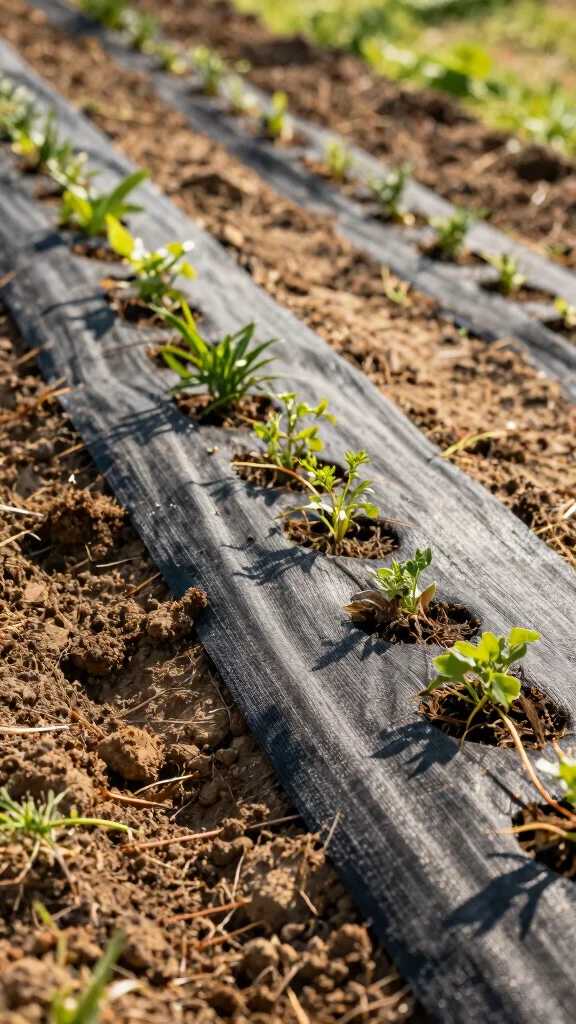
For slopes prone to erosion, erosion control fabrics can be a lifesaver. These materials hold the soil in place while allowing water to flow through, preventing soil loss and fostering healthy plant growth.
When installing, choose biodegradable fabrics that will integrate into the soil over time. You can plant directly through the fabric, creating a living barrier that helps combat erosion.
Steps for effective installation:
– Clear the slope of debris and weeds before laying the fabric.
– Secure the fabric tightly using stakes or pegs for stability.
– Plant native species through the fabric to enhance erosion control.
This approach not only protects your slope but also supports a sustainable garden.
Fun fact: Erosion control fabrics can reduce soil loss by up to 70% on slopes. They still let water flow through, keeping roots happy and plants thriving. Slope landscaping ideas become practical with a simple, fabric-backed install.
Recommended Products

Made of quality resin stone

Landscape Design, Stone, Illustrated

AESTHETIC DESIGN: Benefiting from a natural looking stylish design in a slate grey color, these rubber stepping stones look fantastic placed throughout the garden.
Using Erosion Control Fabrics
Editor’s Choice
Jute Erosion Control, Soil Saver Mesh Blanket – 48″ Wide x 20 Yards (60 …

100 ct. Contractor Grade 4 Inch Biodegradable Stakes, Sod staples For Se…

20000+Creeping Thyme Seeds for Planting Outdoor-Heirloom Thymus Serpyllu…
6. Water Features for Natural Drainage
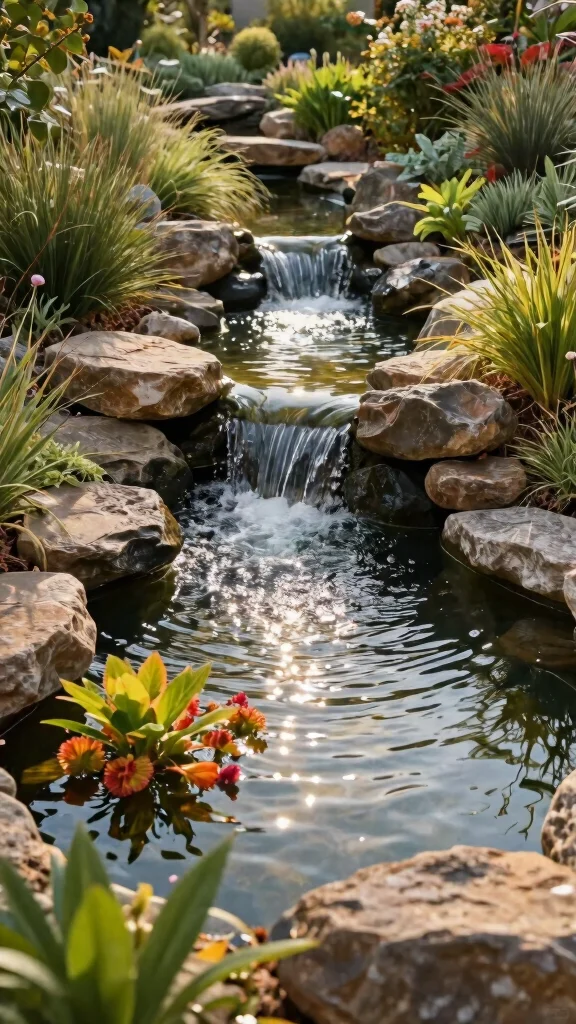
Adding a water feature to your sloped landscape enhances both beauty and functionality. A small pond, fountain, or stream can create a peaceful ambiance while improving drainage and reducing erosion.
When designing your water feature, ensure it complements the slope’s gradient. Surround it with native plants to filter water naturally and provide a habitat for wildlife.
Ideas for integrating water features:
– Create a terrazzo pond that flows down the slope for a cascading effect.
– Use natural stone to line your water feature for an organic look.
– Incorporate aquatic plants that thrive in shallow water.
A well-placed water feature can elevate your garden’s tranquility while addressing drainage needs.
Recommended Products

MAX STRENGTH ROCK & MULCH STABILIZER: Securely locks pea gravel, decorative stones, wood mulch, pebbles, and rocks in place. Create clean, organized garden paths, patios, courtyards, and landscape areas without shifting. Say goodbye to messy pathways and constant maintenance, making it perfect for homeowners, landscapers, and DIY yard landscaping enthusiasts.

TOUGHEST MATERIAL: Our woven polypropylene sand bags are built to endure the elements. All DURASACK Heavy Duty Sand Bags and tie strings are treated with a UV inhibitor so they can stay intact after prolonged sun exposure — ideal for long-term outdoor storage, job sites, and any application where bags must hold up to sun, rain, and wind.

NO MORE MESSY MULCH & PEBBLES - Our mulch glue offers a strong bonding effect, effectively securing mulch in place and preventing displacement or erosion caused by wind, washouts from heavy rain, or foot traffic. By forming a strong bond with the mulch, guaranteeing a landscape that lasts long and requires minimal upkeep.
You Might Also Like
Water Features for Natural Drainage
Editor’s Choice

Biling Pond Filter with Fountain Pump Kits, 660GPH Koi Pond Filter with …

Chalily Native Lizard’s Tail, a Great Live Pond Plant for Your Water Gar…
7. Create Zones with Different Plant Types
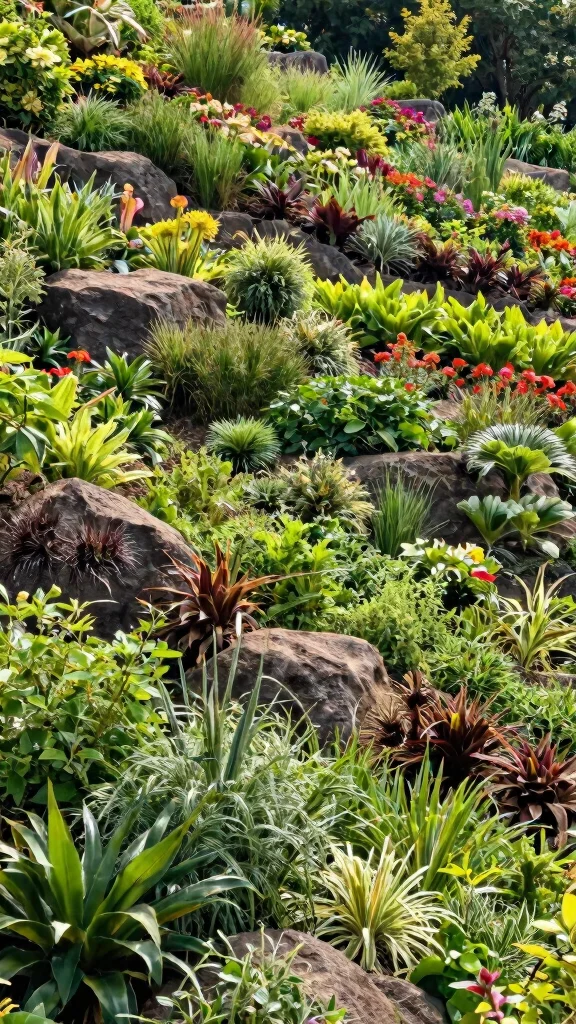
Zoning your slope with various plants based on their water and sunlight needs can enhance both structure and beauty. Position drought-tolerant varieties at the top and moisture-loving plants lower down for optimal growth.
This approach adds visual interest and diversity to your landscape. Use boulders or hardscape elements to define zones and layer taller plants in the back for a polished look.
What to keep in mind:
– Research the growth habits of plants before placement.
– Use organic mulch between zones to retain moisture.
– Embrace seasonal changes for a dynamic landscape throughout the year.
Zoning your slope not only enhances its functionality but also promotes a sustainable garden design.
Zoning your slope is like arranging a living recipe: put drought-tolerant plants at the top and moisture-lovers at the bottom. Define each zone with a few boulders, then layer taller plants in back for depth and easy maintenance. Your slope will look intentional and sustainable.
How To Choose Slope Landscaping Ideas That Work For You
1. Assess the Grade of Your Slope
Before starting any landscaping project, it’s vital to evaluate the grade of your slope. Measure the steepness using a level or a slope calculator. A gentle slope (1-3 degrees) might need different plants than a steep slope (over 10 degrees). Understanding this will help you select the right plants and design elements that can thrive and stabilize the soil.
2. Consider Your Climate
Your local climate plays a significant role in what plants will flourish on your slope. Research native plants that naturally grow in your area. Native plants often require less water and are more resistant to pests. This choice also enhances local biodiversity, making your slope more eco-friendly.
3. Focus on Erosion Control
Erosion can be a major concern for sloped areas. When choosing landscaping ideas, look for options that promote erosion control. This can include using ground covers, terracing, or installing rock gardens. These features can anchor the soil and prevent runoff during heavy rains, ensuring your garden remains intact.
4. Plan for Drainage
Proper drainage is essential for sloped landscaping. Evaluate how water flows on your slope and where it collects. Consider adding pathways, terraces, or even a small water feature that directs water away from vulnerable areas. This not only protects your plants but also enhances the overall look of your garden.
5. Create Visual Interest
The best slope landscaping ideas combine beauty with function. Think about how various heights and textures can create a stunning visual appeal. Use a mix of tall and short plants, along with rocks and mulch, to add depth. Consider pathways or stepping stones that guide visitors through your garden while showcasing its beauty.
6. Set a Budget
Before diving into your landscaping project, set a realistic budget. Some options, like native plants or simple rock gardens, can be budget-friendly. Others, like terraced gardens or intricate water features, may require more investment. Look for ways to save, such as DIY methods for installation or choosing plants that are readily available in your area.
Pro Tip: Always start small. Experiment with a few plants and designs before committing to larger changes. This way, you can see what works best for your slope and make adjustments as needed without breaking the bank!


Create Zones with Different Plant Types
Editor’s Choice

FANTIAN 20 lbs Large River Rocks for Outdoor Landscaping, 3-4 Inch Decor…

Outsidepride Mix Ice Plant Seeds – 5000 Pcs Perennial, Drought Tolerant …

Survival Garden Seeds Blue Vervain Seeds for Planting (Verbena Hastata) …
Conclusion
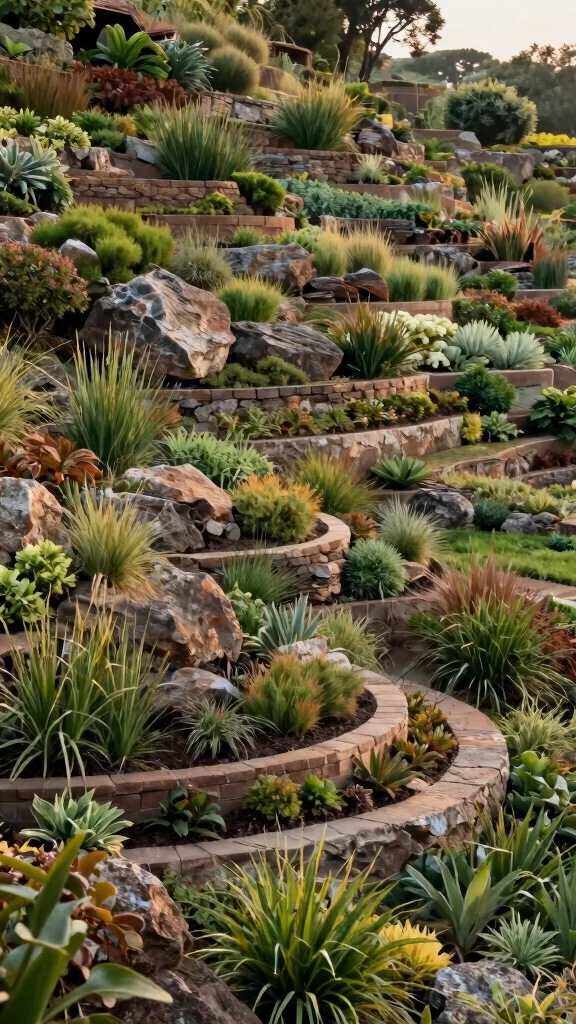
Transforming a sloped yard into a beautiful and sustainable landscape is not only possible but enjoyable. By incorporating these slope landscaping ideas, you can create a thriving garden that harmonizes with the natural topography while combating erosion.
Whether you opt for terraced gardens, rock formations, or carefully chosen native plants, the focus should always remain on sustainability and functionality. Embrace the beauty of your slope and let it inspire your landscaping dreams!
Note: We aim to provide accurate product links, but some may occasionally expire or become unavailable. If this happens, please search directly on Amazon for the product or a suitable alternative.
This post contains Amazon affiliate links, meaning we may earn a small commission if you purchase through our links, at no extra cost to you.
Recommended Products

Buzzlett waterfall spillway designed to create a beautiful, natural - looking waterfall effect, adding a soothing visual and auditory element to gardens, ponds, or backyards. The built-in water baffle, paired with the 8-inch wide spillway’s extended bill, guarantees a gentle, seamless flow of water

This kids’ water table will create a mini water park right in your backyard! Use the large bucket to scoop up water from the pond and pour into the top waterfall tray. Watch as the rainfall effect is activated as the water splashes into the pond!

If you need the pump to work in a low water level environment (the water level does not exceed the pump), the float switch need to be locked on the pump
Frequently Asked Questions
What are the best slope landscaping ideas for erosion control that still look natural?
Start by assessing your slope and drainage.
For slow, natural erosion control, combine terraced garden solutions with landscape design for slopes and erosion control landscaping.
Build shallow terraces or steps to break the fall and create flat planting benches.
Add contour swales to catch runoff, then plant deep-rooted perennials and groundcovers that stabilize soil.
Use native plants for low maintenance and water-wise care.
Mulch generously to reduce surface flow, and route downspouts and irrigation so water flows along the slope, not straight down.
Finish with a cohesive plant palette that echoes the hillside and blends into the yard.
How do I design a terraced garden on a slope that looks intentional and prevents erosion?
Start with a careful slope map and a simple contour plan to identify where terraces belong.
Design shallow, evenly spaced terraces or steps to create flat planting benches that reduce erosion and look intentional. This approach embodies terraced garden solutions for slopes.
Use a retaining edge or sturdy wall and proper drainage to prevent water from pooling behind the terrace.
Incorporate contour swales along each terrace to catch runoff and guide it into a drainage route.
Choose plants with strong root systems for the edges and comfortable groundcovers to stabilize soil between benches.
Keep the overall look cohesive with a consistent palette and natural materials that suit your space.
Which plants work best for hillside garden ideas to reduce erosion and require low maintenance?
Look for native, deep-rooted perennials and groundcovers that stabilize soil and tolerate sun or shade. For hillside garden ideas, think erosion control landscaping with options like creeping thyme, sedum, vinca minor, and native grasses. These plants form dense mats or shallow root systems that hold soil on slopes while needing minimal maintenance. Combine them with mulch and a simple drip irrigation system to keep soil evenly moist without washing away.
How can I manage water on a sloped yard to prevent erosion and runoff?
Start with a simple water plan that follows the slope rather than fighting gravity.
Use contour planting and shallow swales to slow and direct runoff toward a safe drainage area or a rain garden.
Layer mulch and groundcovers to soak up moisture and minimize surface flow.
Install a drip irrigation system with emitters at the base of plants to reduce erosion-causing runoff.
Position a rain garden at the downhill end to capture excess water and create a natural landscape feature.
What common mistakes should I avoid with slope landscaping ideas?
Common mistakes include skipping a proper drainage assessment, ignoring soil stability, and turning a slope into a sheer water funnel with heavy hardscape. Another pitfall is choosing plants or soils that struggle to establish, leading to bare, eroding patches. Over- or under-watering, neglecting maintenance, and not planning for seasonal changes can ruin slopes. Start with a clear plan that uses slope landscaping ideas that honor landscape design for slopes and erosion control landscaping, and set up a maintenance routine from day one.
Related Topics
slope landscaping
erosion control
hillside garden
terraced gardens
landscape design
sustainable gardening
easy landscaping
garden aesthetics
sloped yard tips
DIY slope solutions
beginner friendly
seasonal landscaping