
Creating a beautiful outdoor space can feel overwhelming, especially when you have a sloped yard. I know what it’s like to look at that hill in your backyard and think, “What on earth can I do with this?” That’s why I put together this guide. I want to help you see the potential in your sloped yard and turn it into a stunning oasis.
If you’re someone who loves gardening or just wants to maximize your outdoor space, this guide is for you. Whether you’re an experienced gardener or a weekend warrior, you’ll find something here that sparks your creativity. I pulled together ten backyard hill landscaping ideas that are stylish, functional, and perfect for transforming your uneven terrain into a beautiful landscape that feels intentional.
Get ready to explore various hillside garden ideas that can enhance your outdoor living. From terraced garden beds to unique water features, you’ll learn practical tips and tricks to make your sloped yard a visual delight. By the end of this post, you’ll have a range of inspiring ideas to create the backyard of your dreams.
Key Takeaways
– Discover terraced garden beds that create a structured look while maximizing planting space on your slope.
– Learn about the benefits of native plant landscaping that thrives in your area and requires less maintenance.
– Explore rock gardens as a beautiful way to add texture and interest to your sloped yard.
– Get ideas for creating steps and pathways that enhance both aesthetics and accessibility in your outdoor space.
– Understand the importance of seasonal color schemes, allowing you to enjoy vibrant blooms and foliage throughout the year.
Recommended Products
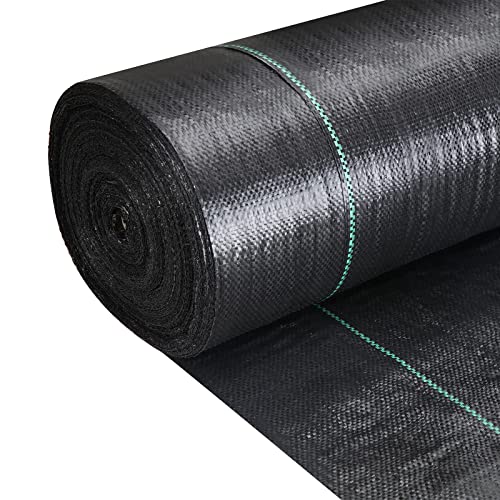
【Note 】- Our products are folded packaging,( folded packaging for 3FT width, the product itself size is 6FT wide), you need to open the product and spread out.
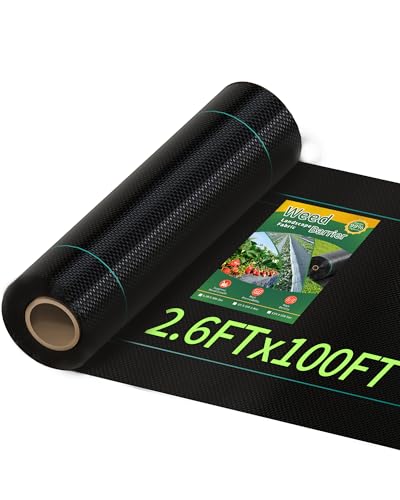
Weed Control: Woven polypropylene physically blocks sunlight to prevent weed seed germination, keeps flower beds, vegetable gardens, and landscaping weed-free without chemical herbicides.
1. Terraced Garden Beds

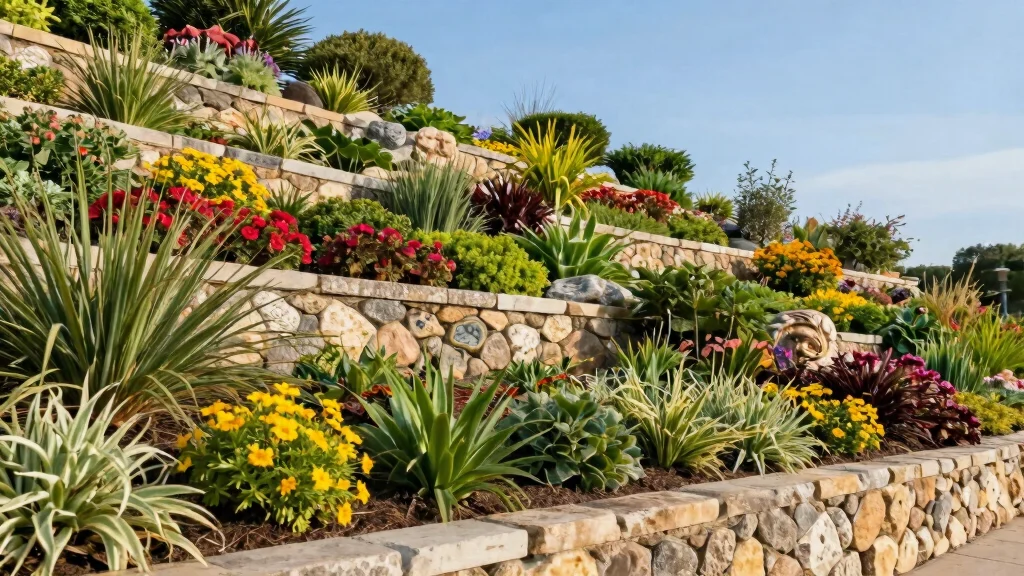
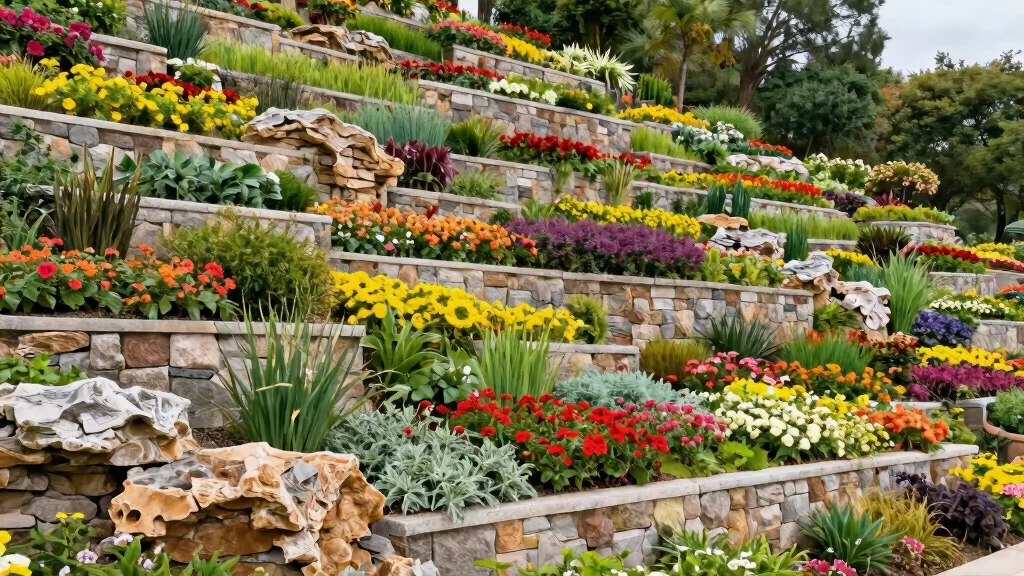
If you’re looking to make the most of your sloped yard, terraced garden beds are a fantastic choice. They not only prevent soil erosion but also add beautiful layers of greenery to your landscape. With retaining walls made from materials like stone or reclaimed wood, you can create flat areas that hold moisture, allowing a variety of plants to flourish.
Start by selecting plants that suit your climate and soil type. Deep-rooted varieties help stabilize the soil, while colorful flowers or vegetables can turn your terraces into a productive garden. Don’t forget to include pathways for easy access and maintenance.
Key steps to consider:
– Choose a mix of plants for seasonal interest.
– Use deep-rooted plants for better soil retention.
– Create pathways for easy maintenance.
– Add mulch to keep weeds down and moisture in.
Terraced gardens not only enhance your yard’s beauty but also create functional spaces for growing food and enjoying nature.
Recommended Products
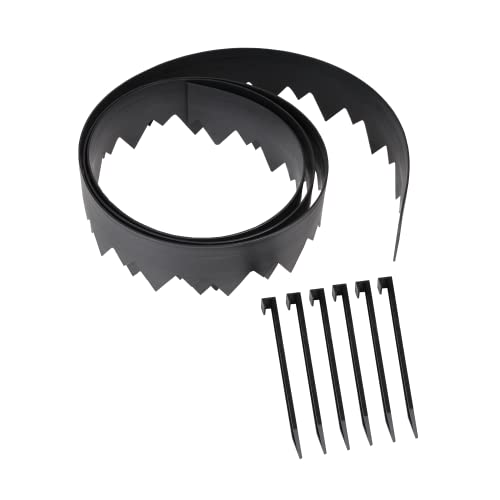
Pound‑In Lawn Edging – Create clean, defined garden borders without hiring a professional; installs with minimal ground preparation.

【HEAVY-DUTY GALVANIZED STEEL】Say goodbye to flimsy aluminum. LAVEVE Garden Edging is built with a reinforced, thickened galvanized steel core, offering superior strength and durability while remaining flexible for custom-shaped borders.

No Digging: These landscape edgings are simple to install. Just hammer these spikes into the ground to reinforce the shape to prevent warping. It's easy to create a beautiful garden by yourself without hiring a professional.
Terraced Garden Beds
Editor’s Choice

Dirt Locker (MILD Slope; 10°-24° Detached Row – Erosion Control for Hi…


Miracle-Gro Moisture Control Potting Mix – Plant Soil For Container Plan…

GameXcel Vertical Planter Tower – 5 Tier Stackable Garden Planters with …
2. Native Plant Landscaping

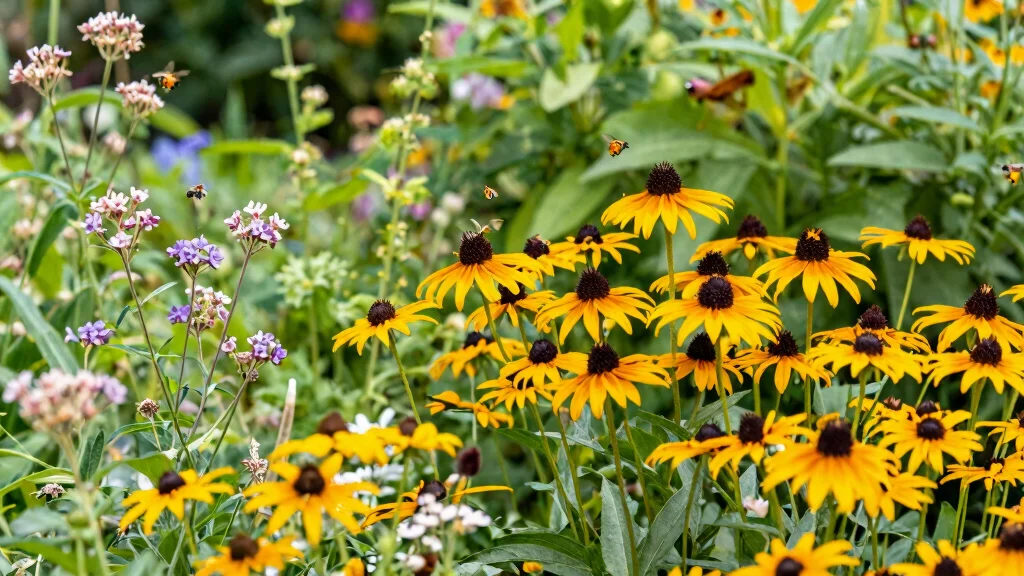
Using native plants in your sloped yard is a brilliant way to create beauty while supporting local wildlife. These plants thrive in your local climate, needing less water and maintenance compared to non-native species. A garden filled with native wildflowers, grasses, and shrubs can be vibrant and full of life throughout the seasons.
Consider grouping plants based on their water needs to create a sustainable garden. You might also create a wildflower meadow for a low-maintenance area bursting with color. Adding natural features like boulders can enhance the garden’s aesthetic.
Unique insights to get started:
– Research local native species for the best results.
– Group plants by water needs for efficiency.
– Design a wildflower meadow for stunning seasonal displays.
– Use natural elements to add structure and interest.
A native plant garden showcases the beauty of your area while promoting sustainability and supporting local ecosystems.
Recommended Products

RUBBER STEPPING STONES: Elevate your outdoor space with these lightweight simulated flagstone rubber pavers that offer the timeless beauty of real stone without the heavy lifting.

Easy DIY Landscape Upgrade: Create garden paths, backyard walkways, patio access, and outdoor play areas with lightweight stepping stones that install quickly without digging or special tools.

Instantly Upgrade Your Landscape - Transform muddy or bare areas into a charming rustic scene with this versatile garden pathway. Perfect for creating a clean garden walkway over dirt, gravel, or grass, it serves as functional garden decor for outside spaces. Simply unroll it to create an inviting entry to your patio, vegetable patch, or beach area
How To Choose the Right Retaining Wall for Your Sloped Yard
When it comes to backyard hill landscaping, selecting the right retaining wall is crucial for both function and aesthetics. A good retaining wall can prevent soil erosion, create level areas for planting, and add visual interest to your sloped yard. Here’s how to make the best choice for your space.
1. Material Selection
Choosing the right material is a key factor. Common options include natural stone, concrete blocks, and timber. Each material offers different looks and durability. For a natural feel, go with stone. If you’re looking for something more modern, concrete blocks might be the way to go. Consider the look you want and how it fits with your home’s style.
2. Wall Height
The height of your retaining wall will affect its effectiveness and design. Typically, walls can be up to 4 feet tall without requiring extensive engineering. Measure the slope of your yard to determine how high your wall needs to be to control soil movement effectively. Higher walls may need professional installation to ensure safety and stability.
3. Drainage Solutions
Proper drainage is vital to prevent water buildup behind your wall, which could cause it to fail. Look for walls that incorporate drainage systems, like gravel backfill or weep holes, to allow water to escape. If you’re unsure about drainage, consult with a landscaping professional to ensure your wall can handle water flow.
4. Aesthetic Appeal
Your retaining wall should blend seamlessly with your overall backyard hill landscaping. Think about colors, textures, and styles that complement your garden. For a rustic look, choose stone or wood. For a sleek modern design, consider concrete or metal panels. This will enhance the beauty of your sloped yard and make it feel intentional.
5. Budget Considerations
Building a retaining wall can be an investment. Prices vary significantly based on materials, height, and complexity of the design. Set a budget before you start shopping around. Always get multiple quotes from contractors if you plan to hire professionals. This will give you a better idea of what you can afford while making sure you get a quality wall.
6. Maintenance Requirements
Some materials require more upkeep than others. Wood, for example, may need staining or sealing periodically to prevent rot. Stone and concrete walls are usually lower maintenance but may need occasional cleaning. Think about how much time and effort you’re willing to put into maintaining your wall.
Pro Tip: Consider combining materials for a unique look! For instance, you can use stone for the base and add wooden accents on top. This not only enhances visual appeal but can also improve functionality, giving you the best of both worlds in your backyard hill landscaping.
With these criteria in mind, you can confidently choose the right retaining wall for your sloped yard. This choice will not only enhance the beauty of your garden but also help you manage the challenges that come with a hillside landscape.
Recommended Products
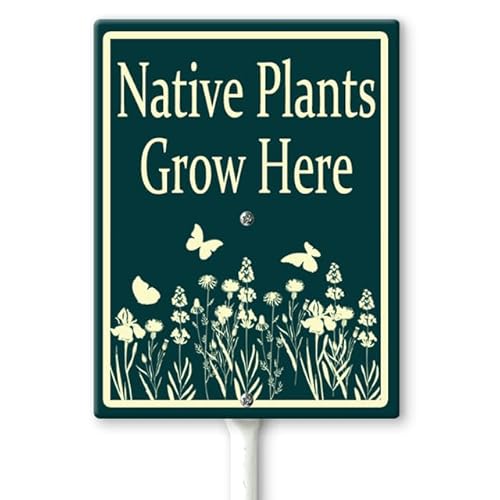

Sturdy and Durable Metal Material: native plants grow here sign with stake native plants yard sign wildflower lawn garden sign is durable ,Weather and Fade Resistant. Kit includes one and one aluminum sign, plus the necessary hardware for mounting.
Native Plant Landscaping
Editor’s Choice

Automatic Drip Irrigation System for Indoor Plants, 2026 Auto Plant Wate…

Jute Erosion Control, Soil Saver Mesh Blanket – 48″ Wide x 20 Yards (60 …
![200,000+ Wildflower Seeds [4oz] 16 Variety Perennial Mix - Heirloom Seed...](https://m.media-amazon.com/images/I/81tsPu8J2NL._AC_UL320_.jpg)
200,000+ Wildflower Seeds [4oz] 16 Variety Perennial Mix – Heirloom Seed…
3. Rock Gardens

Rock gardens introduce a rugged charm to sloped yards while requiring minimal upkeep. By integrating various sizes and shapes of rocks, you create a striking contrast with plants, adding depth and texture to your landscape. This style works beautifully with drought-resistant plants that thrive in rocky soils, making it ideal for eco-conscious gardeners.
To create the perfect rock garden, choose a mix of rock sizes and arrange them organically. Fill the gaps with resilient plants like succulents and ornamental grasses for a stunning display. Incorporating small boulders can serve as focal points.
Tips for creating a rock garden:
– Select a variety of rock shapes for visual appeal.
– Include plants that thrive in rocky conditions.
– Arrange rocks to mimic natural landscapes.
– Add focal points with larger stones.
A well-crafted rock garden enhances your sloped yard’s beauty, supports biodiversity, and reduces maintenance needs.
Did you know rock gardens can cut water use by up to 40% in sloped yards? This mix of rocks and drought-smart plants adds depth for backyard hill landscaping sloped yard ideas, keeping maintenance low and results stunning.
Recommended Products

Abundant to Choose: you will receive 3 rolls of burlap erosion control blanket, suitable for beach erosion, shoreline protection, to address erosion near oceans, rivers, streams or lakes, sufficing your daily needs and replacement demands

【EXTREMELY DURABLE】- Engineered for long-term use, Winisok 3.2oz heavy-duty weed barrier fabric saves you time and effort by effectively suppressing weed growth, keeping your garden and flower beds weed-free for extended periods.
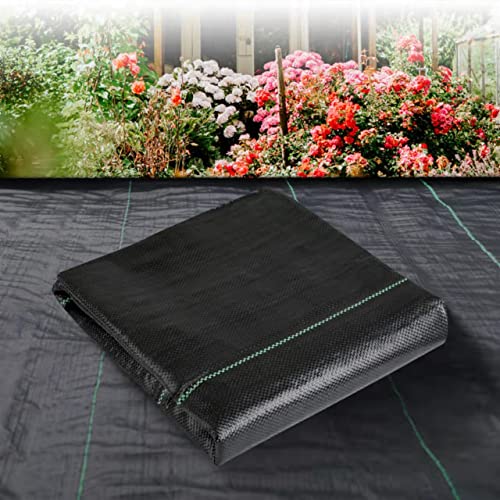
Premium Weed Barrier Fabric:Weed barrier landscape fabric is a type of geotextile fabric that is commonly used in landscaping and construction.With excellent weed control properties, providing a clean and tidy landscape.Very strong and durable,Pro landscape weed barrier will provide you with premium weed protection for a very long time.
Rock Gardens
Editor’s Choice

Drought Tolerant Wildflower Mix – 20,000+ Seeds – 1 oz Bulk Extra La…

Virekm River Rocks, Decorative Ornamental Pebbles,Garden Landscaping Sto…
4. Steps and Pathways
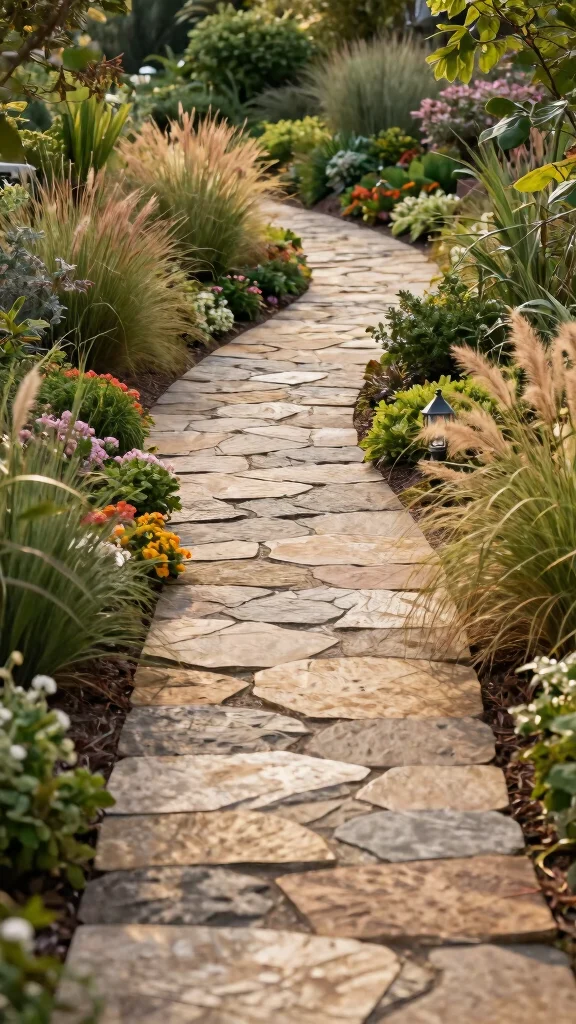
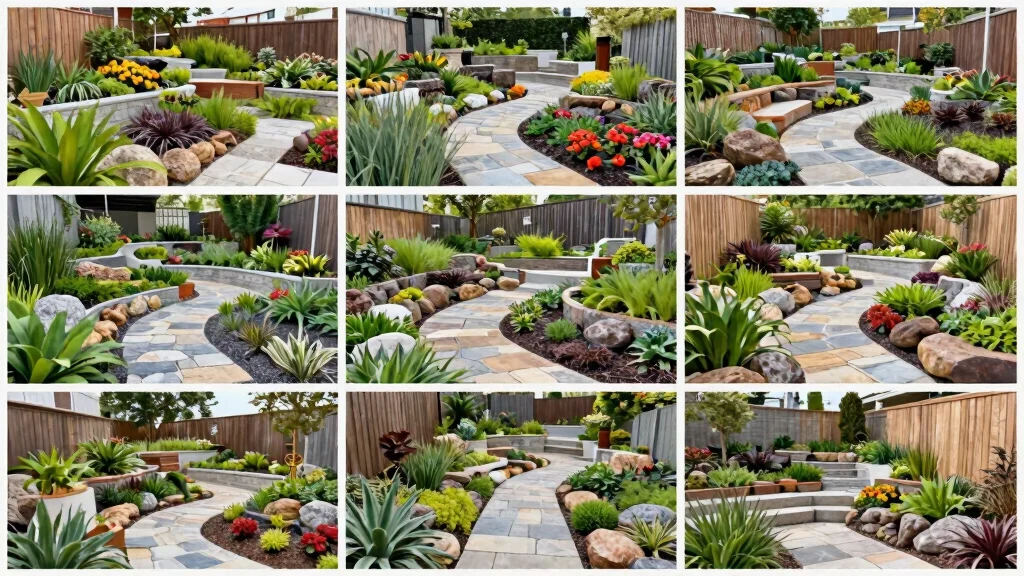
Creating functional pathways in your sloped yard is essential for ease of movement. Using natural materials like stone or wood not only provides access but also adds to the visual appeal of your landscape. A pathway that meanders along the slope can frame beautiful views and guide guests through your garden.
Consider making steps that follow the land’s contours for a more natural feel. Adding plants along the edges creates a seamless transition between the path and garden, enhancing the overall aesthetic.
Suggestions for design:
– Choose materials that are eco-friendly and durable.
– Plant along pathways for a lush look.
– Include wider steps for resting spots.
– Install lighting for safety and ambiance.
Thoughtfully designed pathways and steps elevate your backyard’s beauty while ensuring easy access throughout your garden.
Recommended Products


Quality Metal Material: Our galvanized garden edge is processed using high-precision CNC technology, ensuring accuracy down to every millimeter. Innovative 3D ripple design not only enhances the aesthetic appeal of the fence but also strengthens its structural integrity.

PRODUCT DIMENSIONS:1200*1.5 *1.5 inches,lawn edging kit suitable for landscape edging,flower garden and grass lawn for the yard
Steps and Pathways
Editor’s Choice

Amazon Basics Flexible Landscape Edging Coil for Garden Border, Flower B…

GIGALUMI 6 Pack Solar Lights Outdoor Waterproof, LED Solar Garden Lights…

FANTIAN 20 lbs Large River Rocks for Outdoor Landscaping, 3-4 Inch Decor…
5. Water Features

Incorporating a water feature into your sloped yard can create a stunning focal point and a serene atmosphere. Whether you opt for a small pond or a cascading waterfall, water features add charm and help with drainage. Surrounding these features with native plants can enhance the ecosystem, attracting wildlife and adding beauty.
Consider placing a pond at the base of the slope to collect rainwater or creating a gentle stream that flows down. Using natural boulders can enhance the visual interest of waterfalls while providing seating areas nearby for relaxation.
Ideas for water feature incorporation:
– Install a pond to collect rainwater.
– Create a meandering stream for soothing sounds.
– Use boulders to craft natural-looking waterfalls.
– Add seating areas for enjoyment and relaxation.
A carefully designed water feature transforms your sloped yard into a tranquil retreat, perfect for unwinding and enjoying nature.
Recommended Products

Practical 8FT Wooden Pathway: The pathway measures 8ft(L)17inch(W), to be a nice rustic paver decoration of your garden, and flexible enough to fit any ground, such as sandy beaches, gravel roads, grassy lawn etc. It can help keep your feet clean and dry away from dirt, grass, and sands

【Multi-Scene Use & Weather-Resistant Durability】Built with durable metal ropes and reinforced rubber spacers, this wooden walkway stands up to damp, muddy conditions. Lay it straight or curved — Perfect for yards, vegetable gardens, lawns, beaches and various event venues
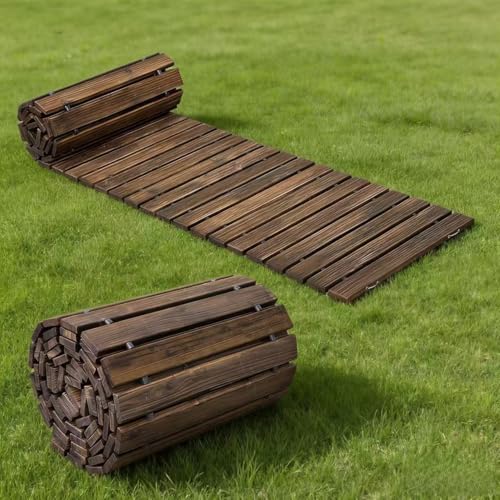
【Multi-Scene Use & Weather-Resistant Durability】Built with durable metal ropes and reinforced rubber spacers, this wooden walkway stands up to damp, muddy conditions. Lay it straight or curved — Perfect for yards, vegetable gardens, lawns, beaches and various event venues
You might also like
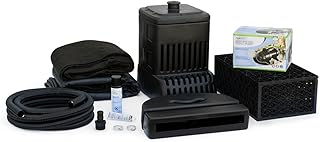
Water Features
Editor’s Choice

UWIOFF Pond Liner, 20 Mil 7 x 10 Feet Pond Liners for Outdoor Ponds, Bla…
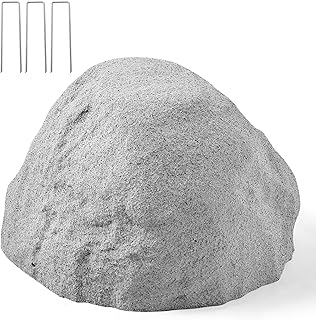
VEVOR Faux Rock Cover, Outdoor Fake Rock Well Pump Cover, Realistic Natu…
6. Raised Planters
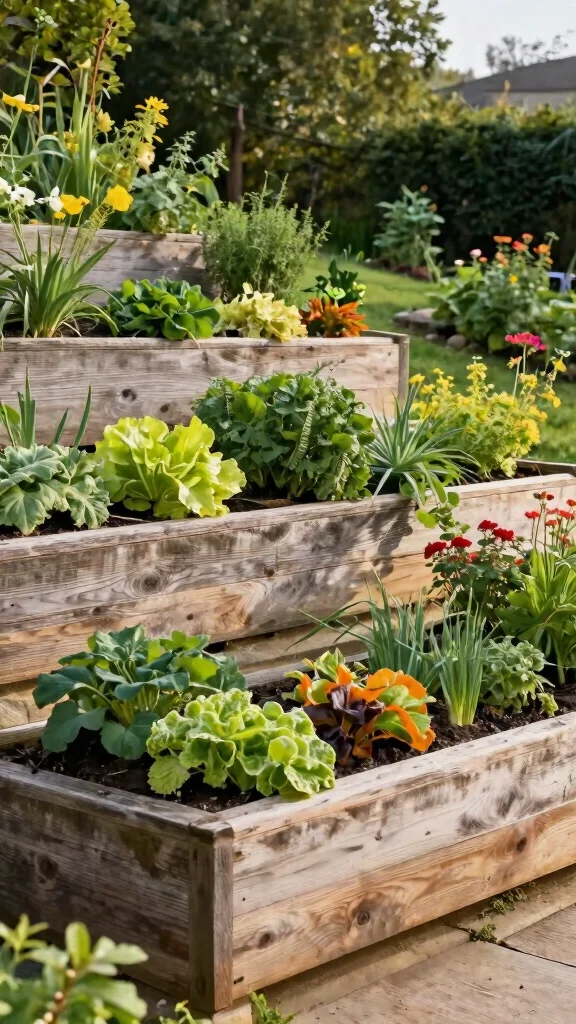
Raised planters are a smart solution for sloped yards, managing soil erosion while maximizing planting space. Made from materials like wood or stone, these planters elevate your gardening experience and create visual interest in your landscape. They’re perfect for growing flowers, herbs, or vegetables while improving drainage and keeping pests at bay.
When designing raised planters, consider varying heights for added appeal. Incorporating drip irrigation systems can enhance water efficiency, and using a mix of soil types ensures optimal growth for your plants.
Considerations when designing raised planters:
– Choose materials that complement your landscape.
– Vary heights for visual diversity.
– Include drip irrigation for smart watering.
– Mix soil types for best results.
Raised planters can beautifully transform your yard into a functional and attractive garden space.
Fun fact: Raised planters can reduce soil erosion on a sloped yard by up to 50% and double usable growing space. In a backyard hill landscaping sloped yard, varied heights and drip irrigation turn slopes into thriving, low-maintenance gardens.
📹 Related Video: How to Build a Raised Planter Box – Easy DIY Outdoor Project That Lasts
Raised Planters
Editor’s Choice

LEETOLLA Elevate 32″ Tall Raised Garden Bed Outdoor with Wheels & Shelf …

Rain Bird LNDDRIPKIT Drip Irrigation Landscape/Garden Watering Kit with …

Arcadia Garden Products PSW U45CT Plastic/Stone/Wood Composite Simplicit…
7. Erosion Control Techniques

Erosion can be a challenge in sloped yards, but with effective techniques, you can protect your landscape while enhancing its beauty. Techniques such as planting ground covers and using erosion control blankets can help stabilize the soil and prevent runoff. Ground covers like clover or creeping thyme not only combat erosion but also introduce lush greenery to your garden.
Combining these with deep-rooted plants creates a stable ecosystem, ensuring your plants thrive. Assessing your slope and layering plantings can further improve your garden’s resilience.
Tips for effective erosion control:
– Evaluate your slope to select appropriate plants.
– Use terracing to reduce steepness.
– Implement erosion control blankets on steep areas.
– Layer plants for better soil stability.
With thoughtful erosion control measures, you can enhance the beauty of your landscape while ensuring its stability and sustainability.
Try using ground covers like clover or creeping thyme to anchor slopes in your backyard hill landscaping sloped yard. Add erosion control blankets on steeper sections and mulch to slow runoff; you’ll protect soil and enjoy lush greenery. Start with a small patch, monitor, and expand as roots take hold.
Recommended Products

【5OZ Driveway Fabric】-Our 5 Ounce Heavy Duty Geotextile made from High-Quality Polyethylene Material,tear-resistant, sturdy and durable.

Keep Your Landscape Clean and Tidy: Our premium weed barrier landscape fabric is designed to provide excellent weed control properties, ensuring a clean and tidy landscape for a long time.

50x3-foot heavy-duty weed control fabric for helping prevent unwanted weed growth
Erosion Control Techniques
Editor’s Choice
Jute Erosion Control, Soil Saver Mesh Blanket – 48″ Wide x 20 Yards (60 …

2pk White Feather Hosta Bare Roots – Rare & Unique Perennial Hosta Plant…

20000+Creeping Thyme Seeds for Planting Outdoor-Heirloom Thymus Serpyllu…
8. Outdoor Living Spaces

Creating outdoor living spaces in your sloped yard can elevate your enjoyment of the area. Whether it’s a cozy seating area, a dining spot, or a fire pit, these features invite relaxation and entertainment. Choose a flat area or terrace for placing furniture and fire pits, using natural materials to maintain a connection to nature.
Incorporating shade structures like pergolas can enhance comfort, while adding lighting creates a warm ambiance for evening gatherings. Surrounding the space with plants or decorative stones adds to the harmonious feel of your landscape.
Design considerations:
– Select durable outdoor furniture.
– Include shade options for comfort.
– Add lighting for ambiance.
– Surround the area with plants for a natural look.
A well-designed outdoor living space can transform your sloped yard into a delightful retreat for family and friends.
Recommended Products

𝐅𝐥𝐞𝐱𝐢𝐛𝐥𝐞 & 𝐄𝐚𝐬𝐲 𝐭𝐨 𝐈𝐧𝐬𝐭𝐚𝐥𝐥: Each panel measures 40" (L) × 5" (H), including 3" underground stakes for strong anchoring, leaving 2" visible above ground for a clean, low-profile border. The hammer-in design makes installation fast and effortless—perfect for creating neat, professional-looking edges without digging.
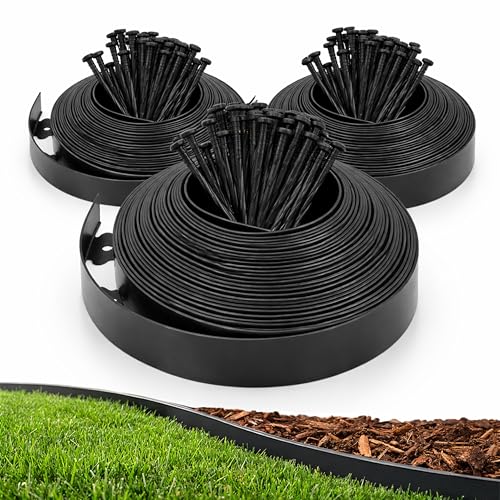
Dimension - Each landscape edging height is 1.5 inch and 33 ft length. Comes with 3 pack. The spiral spike is 6 inches height. Great for flower beds, pathways, tree rings and garden.

Durable & Flexible Material GTSABWAY garden edging is Made from high-quality metal, ensuring superior durability and flexibility. Easily shape it into straight lines,curves, circles, or unique contours ,without cracking,Can withstand all kinds of weather conditions, ensuring long-term durability and reliability. providing reliable Garden Border solutions.
You Might Also Like
Outdoor Living Spaces
Editor’s Choice

addlon LED Outdoor String Lights 48FT with Edison Vintage Shatterproof B…

Aoxun 8’x 5’ Premium Gazebo with Aluminum Top Frame & Polycarbonate …

OutVue 36 Inch Fire Pit with 2 Grills, Wood Burning Fire Pits for Outsid…
9. Creative Hardscaping

Incorporating hardscaping elements like patios, pathways, and retaining walls can significantly enhance your sloped yard’s beauty and functionality. Using materials such as stone or gravel allows you to create visually appealing patterns while providing durable surfaces for navigating your landscape. A thoughtful hardscape design defines different areas in your yard for gardening, recreation, or relaxation.
Mixing hardscape elements with plants creates a balanced environment. Varying height and texture in your hardscape can add visual interest and charm.
Suggestions for creative hardscaping:
– Use patterned pavers for unique pathways.
– Combine materials for a layered look.
– Create seating walls that function as garden beds.
– Vary heights for added visual appeal.
Creative hardscaping solutions will make your sloped yard stand out while providing practical benefits.
Creative Hardscaping
Editor’s Choice

TierraVerde 4-Pack 18”x22” Natural Rock Rubber Stepping Stones, Grey…

Upgrade Imitation Stone Garden Fence DIY Garden Edging Border, 2026 New …

40 LBS Grey Pea Gravel – Landscape Rocks – Drainage Rock – Gardening – A…
10. Seasonal Color Schemes

Designing seasonal color schemes can greatly enhance your sloped garden’s appeal throughout the year. By carefully selecting plants that bloom in different seasons, you can ensure your landscape remains dynamic and engaging. Incorporate spring bulbs, summer perennials, autumn foliage, and winter evergreens to maintain visual interest year-round.
This strategy not only beautifies your landscape but also provides habitat and food for wildlife. Think about staggering bloom times to create continuous color and mixing in ornamental grasses for texture and movement.
Tips for seasonal color schemes:
– Select plants with varied bloom times for ongoing color.
– Use ornamental grasses for texture and movement.
– Combine deciduous and evergreen plants for year-round interest.
– Choose colors that complement your home’s exterior.
Seasonal color schemes can transform your sloped yard into a vibrant landscape that evolves beautifully with every season.
Seasonal Color Schemes
Editor’s Choice
Rapitest Soil Test Kit for Gardens, Vegetables, Flowers and Lawns. USA d…

Plant Ruler by Snurfado – Wooden Seed Spacing Tool for Vegetable Garde…
Conclusion

Transforming a sloped yard into a stunning landscape is an exciting journey filled with endless possibilities. From terraced garden beds to vibrant native plantings, each idea not only enhances the beauty of your yard but also supports sustainable gardening practices.
With creativity and planning, you can embrace the challenges of a sloped space and turn it into a breathtaking retreat that you and your family can enjoy for years to come.
Note: We aim to provide accurate product links, but some may occasionally expire or become unavailable. If this happens, please search directly on Amazon for the product or a suitable alternative.
This post contains Amazon affiliate links, meaning we may earn a small commission if you purchase through our links, at no extra cost to you.
Frequently Asked Questions
What are the most effective techniques for backyard hill landscaping sloped yard to look intentional and stunning?
To make a backyard hill landscaping sloped yard feel intentional, start with level terraces or stepping stones that follow the slope. Terracing creates usable space and helps control erosion.
Use repeatable materials for a cohesive look—stone risers with timber edging or durable concrete steps work well for sloped yard design. Plant in layered tiers with evergreen grasses, perennials, and groundcovers like creeping thyme or sedum that stabilize soil and reduce maintenance.
Incorporate smart drainage, such as French drains or dry creek beds, and install an efficient drip irrigation system. A few thoughtful paths and seating spots can transform a slope into a functional, stunning landscape.
What are your best retaining wall options for hillside landscaping?
Retaining wall options for hillside landscaping range from timber sleepers and gabions to reinforced concrete blocks and natural stone. For any wall, plan for height, load, drainage, and budget.
Timber sleepers are quick and affordable but may rot; gabions offer a modern look and good drainage; concrete or modular block walls are durable and customizable. Include drainage behind walls and cap the top with a planter or seating ledge to blend with the rest of your landscaping for uneven terrain.
How can I design a hillside garden that is sustainable and low maintenance?
Go for hillside garden ideas that emphasize native, drought-tolerant plants, deep mulch, and efficient irrigation.
Groundcovers like creeping thyme or sedum reduce erosion, while deep-rooted grasses anchor soil. Mulch heavily to conserve moisture, and install a drip irrigation system with a smart timer. For a sustainable sloped yard design, group plants by water needs, capture runoff with gentle swales, and keep maintenance simple with mulch and low-fuss beds.
How can I design for uneven terrain to maximize usable space in a sloped yard?
Start with a plan that maps zones for seating, dining, play, and planting. Create micro terraces with stable retaining wall options and use raised beds that tuck into shelves. Add wide, gentle steps or switchback paths for safe access. Drainage is essential, so grade slopes toward drainage channels or a dry creek bed. With these steps, you transform uneven terrain into cozy, functional spaces.
What are common mistakes in slope landscaping and how can I avoid them?
Common mistakes include ignoring drainage behind walls, choosing plants that aren’t suited to slopes, and using irrigation that causes runoff. Avoid them by assessing slope drainage, selecting plants with strong root systems for stability, and installing an efficient drip system. Consider a creative slope landscaping approach that blends hardscape and plantings, and study landscaping for uneven terrain before digging. A thoughtful plan keeps your hillside yard looking stunning year after year.
Related Topics
backyard landscaping
sloped yard design
hillside garden
creative slope landscaping
sustainable gardening
retaining wall options
easy slope solutions
landscaping tips
beginner friendly
seasonal gardening
uneven terrain
aesthetic yards