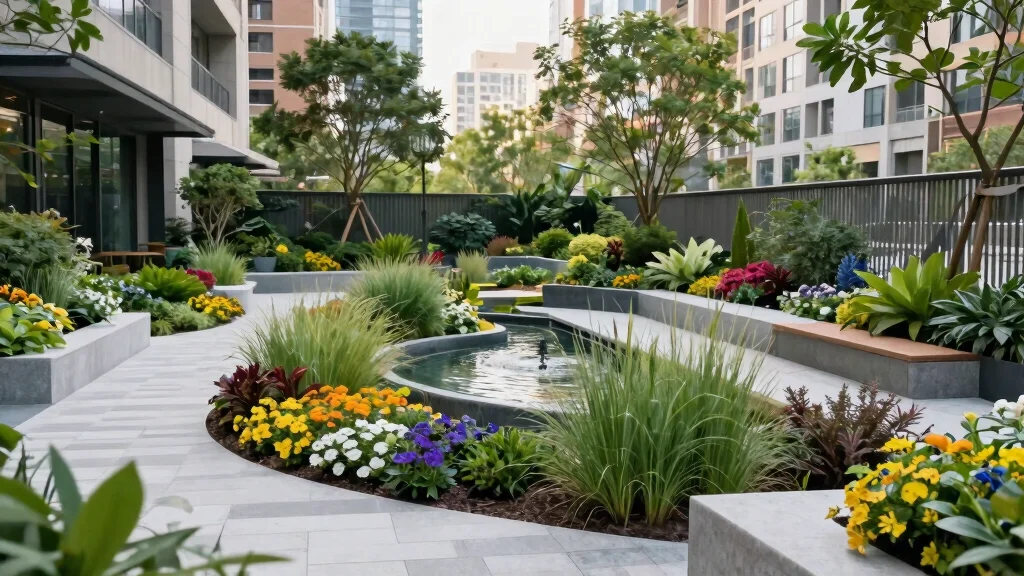
Creating an inviting outdoor space can be a daunting task. You might find yourself wondering how to turn your urban space into a haven of greenery and relaxation. That’s why I put this post together—to share landscaping design ideas that showcase how thoughtful planning can truly make a difference. Whether you have a small balcony, a rooftop, or a backyard, you can create a beautiful outdoor area that meets your needs and enhances your quality of life.
If you’re someone who loves gardening or simply wants to improve your outdoor space, this guide is for you. You’ll discover practical ideas that resonate with those who appreciate sustainable landscaping design. You’ll learn how to incorporate elements like vertical gardens, edible landscaping, and community gardens into your plans. These ideas not only beautify your surroundings but also contribute to your well-being and the health of the planet.
In the following sections, you’ll find ten inspiring landscaping design ideas that are thoughtful, innovative, and simple to implement. Each idea is carefully crafted to provide you with a blend of style and functionality, making your outdoor area a true extension of your home. Get ready to roll up your sleeves and transform your urban space into a green oasis!
Key Takeaways
– Vertical Gardens: These green walls make use of limited space by bringing nature upwards, adding beauty and improving air quality.
– Rooftop Gardens: Utilize every inch of your urban home by creating a lush retreat above, perfect for relaxation and growing plants.
– Hardscape Elements: Incorporate paths, patios, and walls to create structure and aesthetic appeal in your outdoor design.
– Edible Landscaping: Combine beauty and practicality by integrating fruits and vegetables into your garden for a feast that delights the senses.
– Sustainable Materials: Use eco-friendly materials to construct your outdoor spaces, ensuring your designs are kind to the environment and durable over time.
Recommended Products

【36 Pocket Vertical Garden】Features 36 individual planting pockets, allowing you to grow herbs, flowers, succulents, strawberries, vegetables, and other plants while maximizing vertical space.
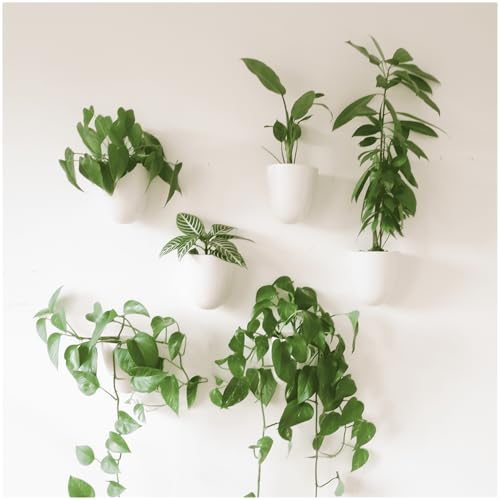
Self-watering system means you can often go weeks without watering plants
1. Vertical Gardens: Transforming Walls into Green Spaces

Vertical gardens offer a brilliant solution for incorporating nature into urban settings, where space is often at a premium. Imagine walls adorned with vibrant greenery that not only beautifies surroundings but also aids in air purification. You can choose from a variety of plants, such as lush ferns or colorful flowering vines, creating a stunning living tapestry.
To create a thriving vertical garden, assess the sunlight your chosen wall receives and plan for a suitable watering system. This design not only enhances the urban landscape but also invites community interest in gardening and sustainability.
Key features to consider:
– Select native plants to minimize upkeep.
– Implement a drip irrigation system for efficient watering.
– Choose lightweight planting structures to ensure stability.
By embracing vertical gardens, you can transform lifeless walls into lush green spaces that inspire and engage your community.
Fun fact: urban walls outfitted with vertical gardens can increase usable green surface by up to 50%. Pair bright sun with a simple drip irrigation plan to keep ferns and flowering vines thriving—air purification and beauty in one sustainable landscaping design.
Recommended Products
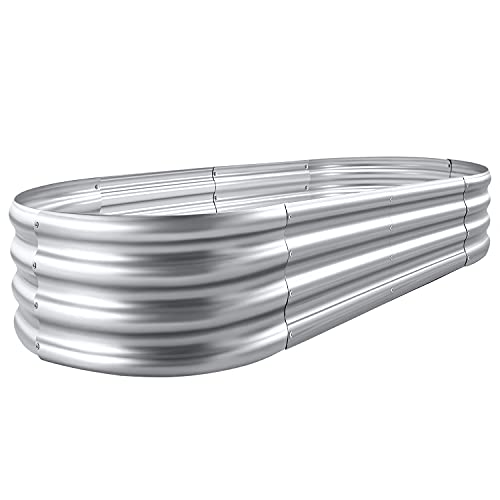
Each raised metal garden bed size: 4×2×1ft ,7.14Cu

4X2X1FT GROWING SPACE: This oval raised garden bed measures 4 x 2 x 1 ft, providing 7+ cu. ft. of organized growing space for vegetables, herbs, flowers, strawberries and selected root crops. Its compact footprint fits naturally into backyards, lawns and small outdoor gardens while keeping plants easy to reach and maintain.

📹 Related Video: How to create a vertical wall garden to maximise space | Garden Design | Gardening Australia
Vertical Gardens: Transforming Walls into Green…
Editor’s Choice

Automatic Drip Irrigation System for Indoor Plants, 2026 Auto Plant Wate…


TOREVSIOR 5-Tier Vertical Raised Garden Bed, Vertical Garden Planter wit…

Miracle-Gro Indoor Plant Food for All Plants, Liquid Plant Food for Hous…
2. Rooftop Gardens: Making the Most of Every Inch
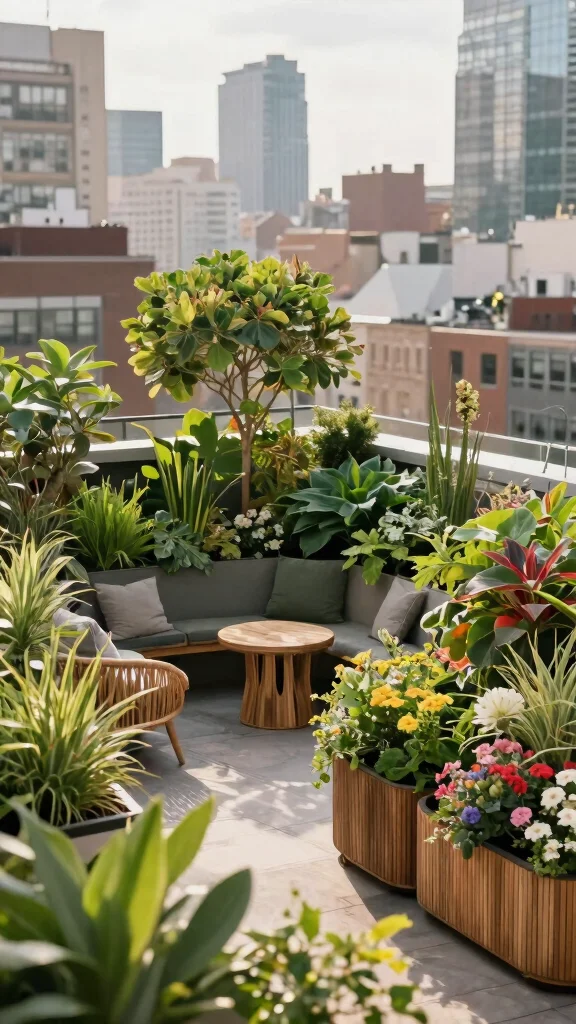
Rooftop gardens are becoming a popular escape for city dwellers eager to reclaim outdoor spaces. These green oases not only offer a peaceful retreat but also help in reducing energy consumption by insulating buildings. Picture yourself enjoying a cup of coffee surrounded by blooming flowers and greenery, all set against a stunning skyline.
When designing a rooftop garden, prioritize lightweight soil and select drought-resistant plants to ensure sustainability. You can create sections for lounging, dining, or even small-scale gardening, maximizing every inch of space.
Essential design elements:
– Include comfortable seating areas for gatherings.
– Utilize built-in planters to save space.
– Set up a rainwater collection system for irrigation.
A rooftop garden not only beautifies your home but also fosters a sense of community and sustainability among neighbors.
Did you know that a lightweight rooftop garden can cut cooling costs by up to 25% in hot months? Even small, drought-tolerant plantings—a sustainable landscaping design approach—turn inches of space into a high-impact oasis that cools the building and walls.
Recommended Products

Convenient and portable storage kit contains 102 professional grade universal Drip irrigation parts

Be a Gardening Master with the help of our superior and complete Drip Irrigation Kit: 10 Drip Irrigation Emitters Vortex + 20 Drip Emitters Spray + 50ft flexible & durable 5/16 irrigation tubing + 50ft 1/4 inch Drip Irrigation Tubing + 12 tubing coupler + 5 ¼ Tubing Tee Splitter + Tubing End Plugs + Water Connector + 1 x Complete Instructions Guide Hard Copy + 2 Grow your Own Vegetables & Fruits Guide full with pieces of advice and practical tips Digital Format.

✔Comprehensive Drip Irrigation Kit:MIXC drip irrigation system, equipped with a versatile range of components, caters to all your garden watering needs.Includes essential parts such as 197ft 1/4'' irrigation tube, 33ft 1/2'' irrigation tube, 1/2‘’ Lock Barbed Tee connectors, drip emitter streams, vortex emitters, Blue Mist Nozzles, Quick connection tees, Faucet Connector, and more.
Rooftop Gardens: Making the Most of Every Inch
Editor’s Choice

Burpee, 9 Quarts | Premium Organic Potting Natural Soil Mix Food Ideal f…
Drought Tolerant Wildflowers Mix – Extra Large Packet – Over 7,500 O…

VEVOR 30 inch Tall Planters for Outdoor Plants Set of 2, Black Tall Plan…
3. Hardscape Elements: Creating Structure with Style
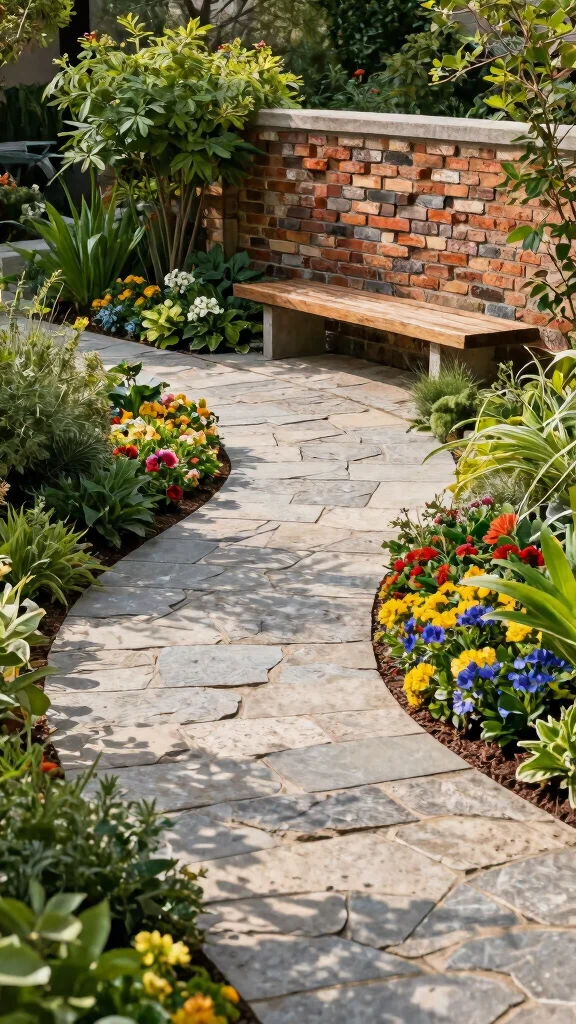
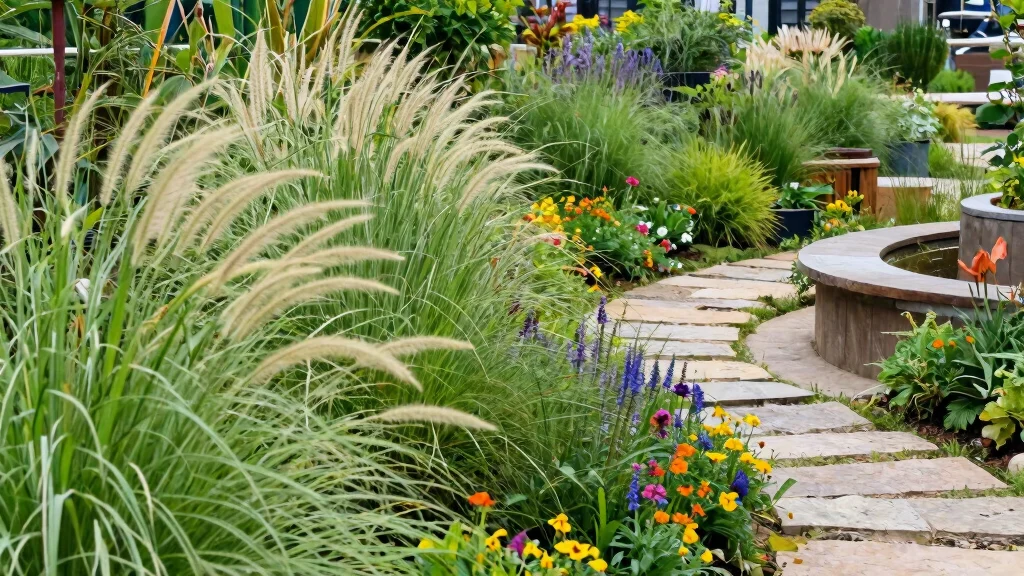
Hardscape elements are crucial in landscaping, providing structure and functionality. Using materials like stone, wood, and recycled components for paths, patios, and walls enhances both durability and beauty. These features complement plant life while enriching the overall aesthetic of your outdoor space.
When designing hardscapes, think about how they interact with the surrounding greenery. Incorporate curves to mimic nature and choose permeable materials to improve water drainage.
Key considerations:
– Opt for local materials to minimize environmental impact.
– Design integrated seating areas for relaxation.
– Get creative with recycled materials like reclaimed wood.
Hardscape elements can elevate your garden’s functionality and appearance, turning your outdoor space into a work of art.
Recommended Products


Hardscape Elements: Creating Structure with Style
Editor’s Choice

Standartpark Vodaland Permeable Pavers – EasyPave Grass & Gravel Drivewa…

Arcadia Garden Products Set of 4, 16×17” Dark Gray Stepping Stone Fibe…

Commomy Sample Kit – 6 Pcs Large Brick & Stone 3D Wall Tiles, Size 9.05 …
4. Water Features: Adding Serenity and Biodiversity
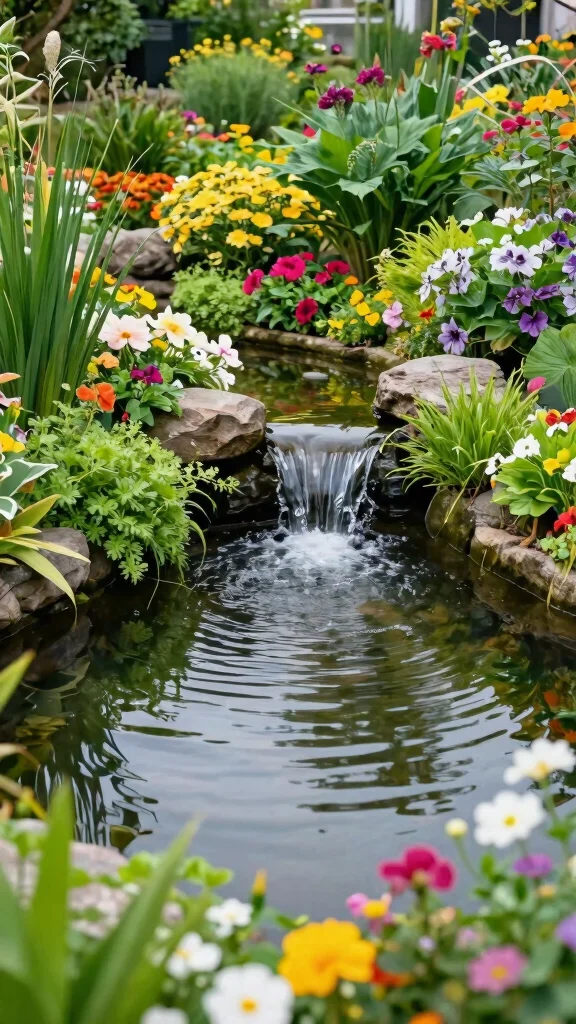
Incorporating water features into your landscaping design not only creates a soothing atmosphere but also supports local wildlife. From tranquil ponds to lively fountains, these elements attract birds and beneficial insects while producing calming sounds that enhance your outdoor experience.
When planning your water feature, consider its size and placement to ensure it complements your garden’s overall design. Using native aquatic plants can further enrich the ecosystem and promote biodiversity.
Key features to implement:
– Install energy-efficient pumps to save on electricity.
– Utilize natural filtration methods to maintain water clarity.
– Add seating areas nearby for relaxation and enjoyment.
Water features can create a serene focal point in your garden, inviting tranquility and connection with nature.
Water Features: Adding Serenity and Biodiversity
Editor’s Choice

Aquascape 22008 Installation Kit for Pond, Waterfall, Landscape, and Gar…

AISITIN DIY Solar Water Pump Kit for Water Feature Outdoor, Solar Powere…

Floating Plants for Water Gardens and Ponds (Water Lettuce)
5. Edible Landscaping: A Feast for the Eyes and the Palate
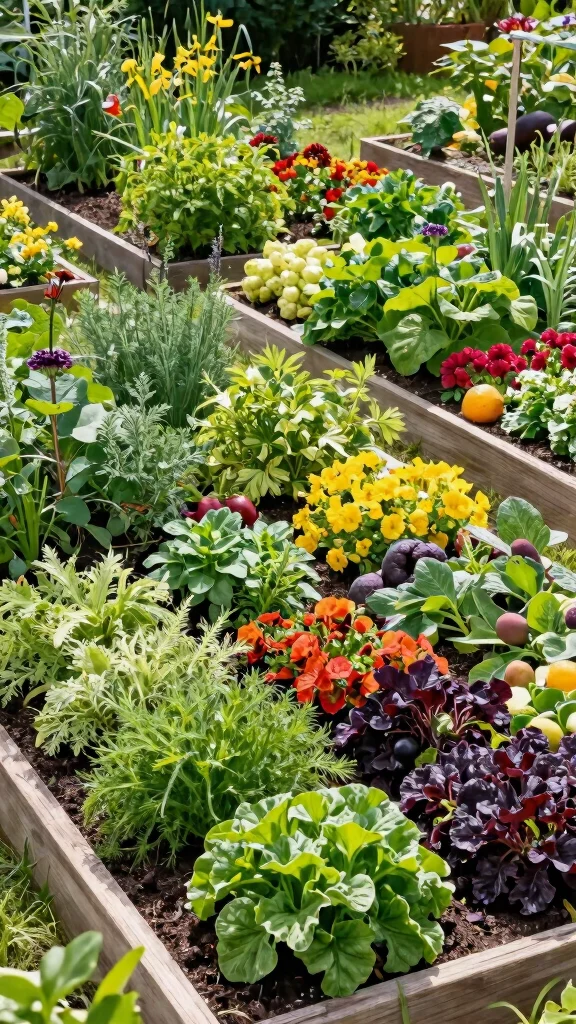
Imagine stepping into your garden to pick fresh tomatoes or aromatic herbs! Edible landscaping blends fruits, vegetables, and herbs into your ornamental designs, providing both beauty and practicality. This approach allows you to enjoy the aesthetics of a garden while reaping the rewards of homegrown produce.
In planning your edible garden, design a layout that allows easy access for harvesting while ensuring visual appeal. Companion planting can help maximize both space and plant health.
Essential tips to consider:
– Choose seasonal crops for continuous harvests.
– Arrange plants for visual interest with various textures and colors.
– Utilize vertical gardening techniques to save space.
Edible landscaping nurtures a deeper connection to food sources, promoting sustainable practices in your urban environment.
Think of your garden as a dinner plate you can stroll through. Edible landscaping design blends vibrant ornamentals with herbs and veggies, so beauty meets practicality. Pick tomatoes on your way to admiring the roses—smart design makes harvests a habit.
Recommended Products

Innovative Space-saving Design: maximize your gardening potential with our stackable wall planter system; Each piece measures 9.45" x 5.71" x 5.51" and features two pockets, The overall dimensions are 47.5"x33"x5.5" offering ample growth space for a variety of plants; Nice for Fence Balcony Wall Decor, these vertical wall planters change limited spaces into gardens effortlessly

PACKAGE: 8 pack 13 inch dark green vertical planter with screw for wall mount and S hook for rail hanging. Choose the right size for your plant to prevent unpleasant experiences and potential wastage of resources. Flowers and plants are not included.

PREMIUM MATERIAL & WATER-PRESERVING REAR DESIGN - The hanging garden growth bag is made of high-quality and environmentally friendly felt. Practically, this growing bag retain a moderate water level for perfect growing conditions for your plants, such as herbs, strawberries, flowers, vegetables and so on. The rear water-preserving layer of the growing bag effectively protects the wall without stains, and the leakproof design of the bottom does not make your floor dirty.
You might also like


Edible Landscaping: A Feast for the Eyes and th…
Editor’s Choice

Land Guard Galvanized Raised Garden Bed Kit, Galvanized Planter Garden B…

Companion Planting: The Beginner’s Guide to Companion Gardening (The Org…

Garden Tools Set, 3 Pack Heavy Duty Gardening Tools Set Include Garden S…
6. Native Plant Gardens: Embracing Local Flora
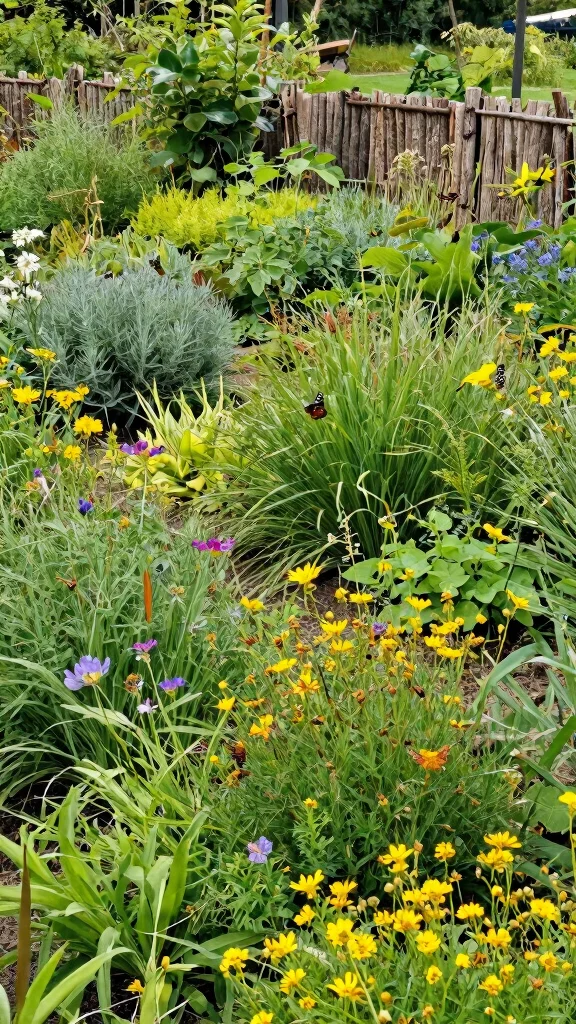
Native plant gardens are vital for sustainable landscaping as they thrive in local conditions and require less water. These gardens attract wildlife and help restore local ecosystems, bringing the beauty of nature right into urban spaces.
When planning your native garden, research which plants are best suited for your region’s climate and soil. Grouping plants in clusters can create a more natural appearance and enhance their growth and resilience.
Key aspects to focus on:
– Group plants by water and sunlight needs for efficiency.
– Avoid invasive species that threaten local ecosystems.
– Consider seasonal diversity for continuous blooms and interest.
Native gardens not only beautify your landscape but also reflect the unique heritage of your region, celebrating its natural history.
Recommended Products

SIZE: The plant bed measure is 23.6"L x 23.6"W x 11.8"H. This round planter box provide ample growing space to raise vegetables, flowers and plants.

【Raised Garden Beds Outdoor】: GRASQUILINE’s galvanized raised garden bed features enhanced rust and corrosion resistance, ensuring years of durable use even in harsh outdoor environments and humid climates — so you never have to worry about premature wear.

Raised Garden Bed - Add a new level of convenience to your gardening experience with the Galvanized Raised Garden Bed. Enjoy expanded yield and a more assembled garden layout with this garden accessory, each sized at 120 cm X 60 cm x 30 cm.
Native Plant Gardens: Embracing Local Flora
Editor’s Choice

Rapitest Soil Test Kit for Gardens, Vegetables, Flowers and Lawns. USA d…
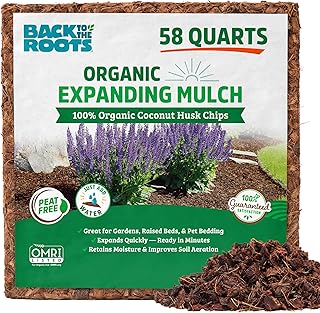
Back to the Roots 100% Organic Mulch, 58 Quart, Expanding Coconut Husk B…

North Carolina Trees & Wildflowers (Nature Observation North America)
7. Sustainable Materials: Building for the Future
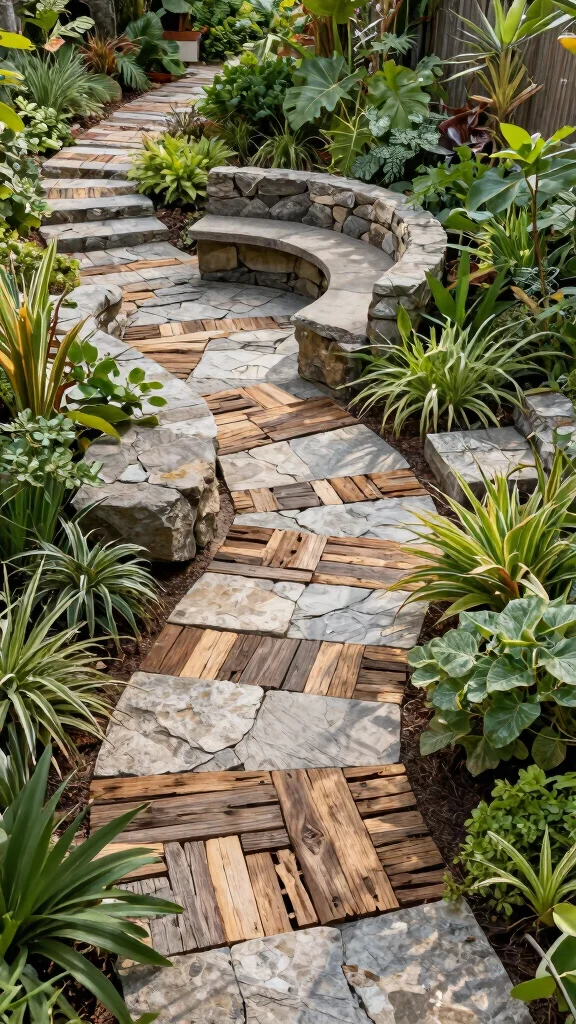
Choosing sustainable materials for your landscaping design can significantly impact urban environments. From recycled pavers to responsibly sourced wood, these materials reduce environmental footprints while adding unique character to your garden.
When selecting materials, consider their life cycle and maintenance requirements. Creative use of recycled components can lead to striking hardscape designs that stand out.
Important considerations include:
– Research local suppliers for sustainable options.
– Mix different materials for an eclectic look.
– Incorporate natural stone for durability and elegance.
By opting for sustainable materials, you can create a landscape that tells a story and respects the environment.
Recommended Products

Quick Connect Design: Newly Upgraded Quick Connect Irrigation System Say Goodbye to Complicated Settings! Our upgraded 4-way connectors, tees, and nozzles can now be easily connected directly to 1/4 "irrigation pipes. No more trouble with heating or softening - just plug and play!
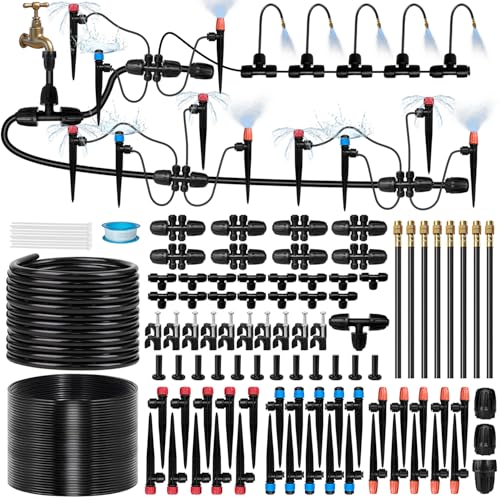
【Upgraded Tube Design & Water Saving】 Our garden watering system is upgraded to 1/2” diameter to support high water pressure. The 1/2” tee connector allows seamless splitting into 2 independent zones for customized watering schedules. By delivering moisture directly to root zones, this drip Irrigation system significantly reduces evaporation and runoff—saving more water compared to conventional sprinklers while eliminating the need for manual watering.

NO MORE HARD INSTALLATION - SET UP IN MINUTES. Tired of struggling with stiff barbed fittings? This drip irrigation system features quick-connect fittings that let you push, lock, and secure tubing effortlessly. No tools, no leaks, just a smooth setup experience. Enjoy a frustration-free installation and get your garden watering system running in minutes.
Sustainable Materials: Building for the Future
Editor’s Choice

Wood Garden Edging, Wooden Fence Border Decorative Small Picket Panels f…

Sekcen 3 Pack Rubber Stepping Stones Outdoor Garden Rubber Pavers Pathwa…

All-in-One 10in Stepping Stone Kit – Includes Cement Mix, Concrete & Let…
8. Community Gardens: Fostering Connection Through Nature
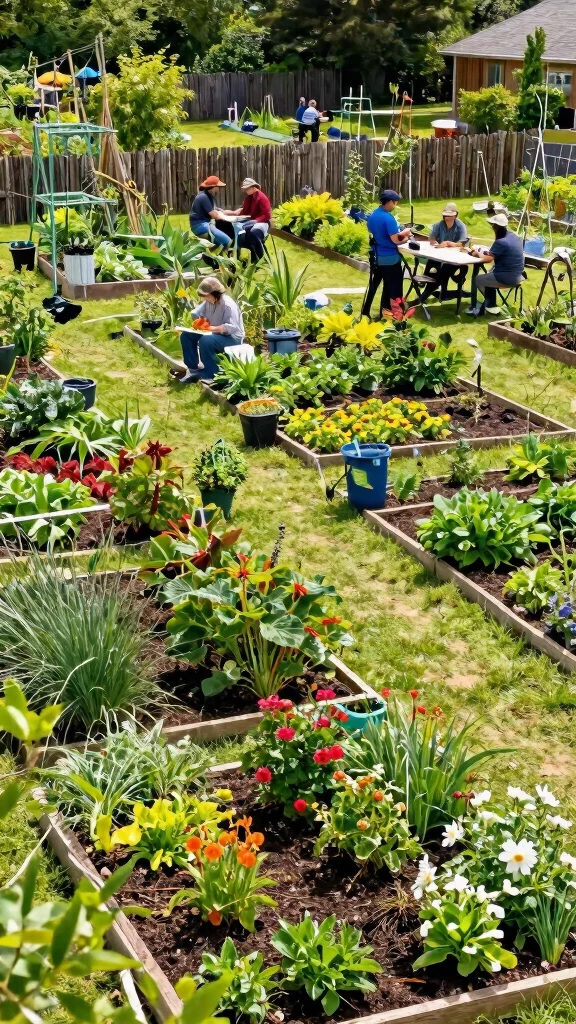
Community gardens offer a wonderful opportunity to unite neighborhoods while promoting sustainable gardening practices. These shared spaces allow residents to cultivate their plots, fostering a sense of ownership and collaboration among community members.
When planning a community garden, ensure paths are accessible and create communal areas for gatherings. Engaging the community from the start can help tailor the garden to their needs, ensuring vibrant and well-maintained spaces.
Key elements to implement:
– Host gardening workshops to build skills.
– Create a maintenance schedule for shared responsibilities.
– Include pollinator-friendly flower beds to attract beneficial insects.
Community gardens can become hubs of learning and friendship, weaving together the fabric of urban life through gardening.
Recommended Products


You Might Also Like
Community Gardens: Fostering Connection Through…
Editor’s Choice

Gardening Tools Set of 10 – Complete Heavy Duty Garden Tools Set with Fa…


LEETOLLA Elevate 32″ Tall Raised Garden Bed Outdoor with Wheels & Shelf …
9. Outdoor Living Spaces: Expanding Your Home’s Footprint
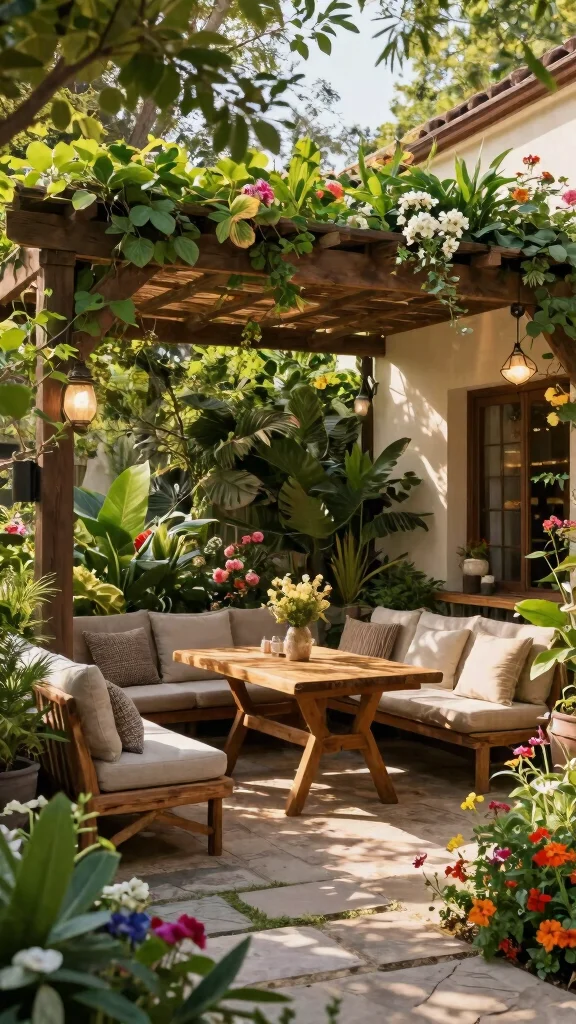
Designing outdoor living spaces is a fantastic way to extend your home while immersing yourself in nature. These areas can be tailored for dining, relaxing, or entertaining, often incorporating sustainable materials for longevity.
Consider how to blend these spaces with your surrounding landscape, ensuring a seamless transition between indoors and outdoors. Thoughtful choices in furniture and decor can enhance your garden’s natural beauty while prioritizing comfort.
Key design tips:
– Use weather-resistant materials for durability.
– Integrate lighting for evening enjoyment.
– Add planters to soften hardscape elements.
Outdoor living spaces foster a connection with nature, providing practical areas for leisure and enhancing the overall enjoyment of your home.
Recommended Products

TRANSFORM ANY SURFACE: Bind pebble and gravel into a solid, upscale, permeable finish on driveways, patios, pool decks, front stairways, porches, pathways, and tree wells.

quikrete companies 1175-45 HardScapes, .5 CUFT, Paver Base Sand

RUBBER STEPPING STONES: Elevate your outdoor space with these lightweight simulated flagstone rubber pavers that offer the timeless beauty of real stone without the heavy lifting.
Key Trade-offs & Our Top Pick
Option Comparison
1. Vertical Gardens
– Pros:
– Maximizes small spaces by utilizing vertical surfaces.
– Improves air quality and provides natural insulation.
– Aesthetic appeal adds a unique touch to urban settings.
– Cons:
– Requires more maintenance, including consistent watering and pruning.
– Initial setup can be costly, especially with a plumbing system.
– Limited plant selection may not suit all climates.
– Best for: City dwellers looking to enhance their limited outdoor areas with greenery.
2. Rooftop Gardens
– Pros:
– Offers additional outdoor space for relaxation or gardening.
– Can help reduce energy costs by insulating your home.
– Supports biodiversity by creating habitats for birds and insects.
– Cons:
– Structural reinforcements may be needed to support the weight.
– Access can be challenging, especially in multi-story buildings.
– Higher cost for installation and maintenance than traditional gardens.
– Best for: Homeowners with flat roofs who want to create a green oasis above the hustle and bustle of city life.
3. Hardscape Elements
– Pros:
– Provides structure and organization to your outdoor space.
– Low maintenance compared to plant-based solutions.
– Increases property value by enhancing curb appeal.
– Cons:
– Can be expensive to install, depending on materials used.
– Limited flexibility for changing garden designs or themes.
– May create heat islands in urban areas, affecting local climate.
– Best for: Those looking to create a stylish, modern outdoor space with a focus on durability.
4. Edible Landscaping
– Pros:
– Combines beauty and functionality by producing food.
– Encourages healthier eating habits by providing easy access to fresh produce.
– Supports sustainability by reducing the need for store-bought produce.
– Cons:
– Requires knowledge of gardening and seasonal planting.
– May attract pests and wildlife, necessitating additional management.
– Limited variety of plants in smaller urban gardens.
– Best for: Families and individuals interested in gardening while growing their own food.
5. Native Plant Gardens
– Pros:
– Low maintenance since native plants are adapted to local conditions.
– Supports local wildlife, including pollinators and birds.
– Preserves local ecosystems and promotes biodiversity.
– Cons:
– May not provide the colorful blooms that exotic plants do.
– Limited to what is available in your local area.
– Can take time to establish and reach full maturity.
– Best for: Environmentally conscious gardeners wanting to support their local ecosystem.
Expert Recommendation:
Best Overall: Vertical Gardens
Vertical gardens are our top pick because they offer a unique solution for urban spaces with limited gardening options. They not only beautify your environment but also improve air quality and provide insulation for your home. While setup costs can be higher, the long-term benefits of aesthetics, sustainability, and enhanced living conditions make vertical gardens a great value for your investment.
Why We Picked This:
While vertical gardens are an excellent choice for many, homeowners with larger spaces might prefer alternative options like rooftop gardens or edible landscaping for broader gardening experiences. Those focused more on structure and organization may lean towards hardscape elements. Ultimately, your decision should be based on your specific needs, space, and personal preferences. Consider how much maintenance you’re willing to commit to and what you hope to achieve with your outdoor space.
Outdoor Living Spaces: Expanding Your Home’s Fo…
Editor’s Choice

JAMFLY Patio Furniture Sets, 5-Piece Outdoor Patio Furniture with Thick …
MELLCOM Louvered Pergola 10×12, Outdoor Rustproof Shelter with Adjustabl…

Devoko Outdoor Patio Loveseat Modern Rattan 2-Seat Patio Conversation Se…
10. Seasonal Gardens: Celebrating Nature’s Cycles
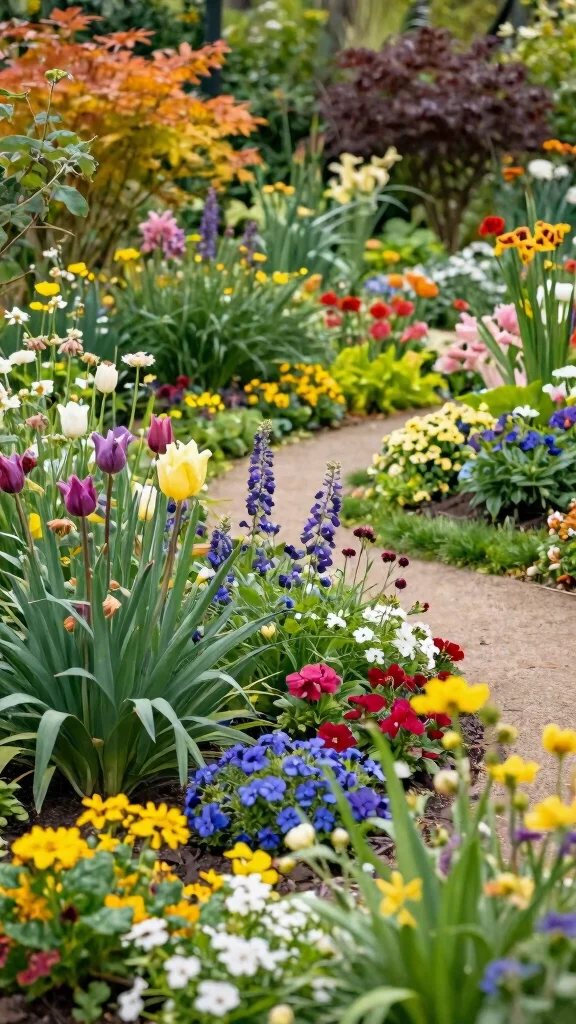
Creating seasonal gardens allows you to embrace the beauty of changing seasons, each offering its unique charm. By selecting plants that bloom at different times, you can maintain a colorful and vibrant garden year-round.
Planning a seasonal garden involves choosing plants suited to your climate and arranging them for staggered blooms. This approach can attract various wildlife and keep your garden visually engaging.
Essential elements to consider:
– Implement bulbs for early spring color.
– Include fall foliage plants for seasonal interest.
– Utilize evergreens for year-round structure.
Seasonal gardens provide a canvas for creativity, allowing you to express your gardening artistry while connecting with nature’s rhythms.
Seasonal Gardens: Celebrating Nature’s Cycles
Editor’s Choice

Seasonal Gardening – A complete Guide for Beginners: A complete Guide, t…

FLORA GUARD Bulb Planter with Depth Markers – Automatic Soil Releasing S…
Rapitest Soil Test Kit for Gardens, Vegetables, Flowers and Lawns. USA d…
Conclusion: Bringing It All Together
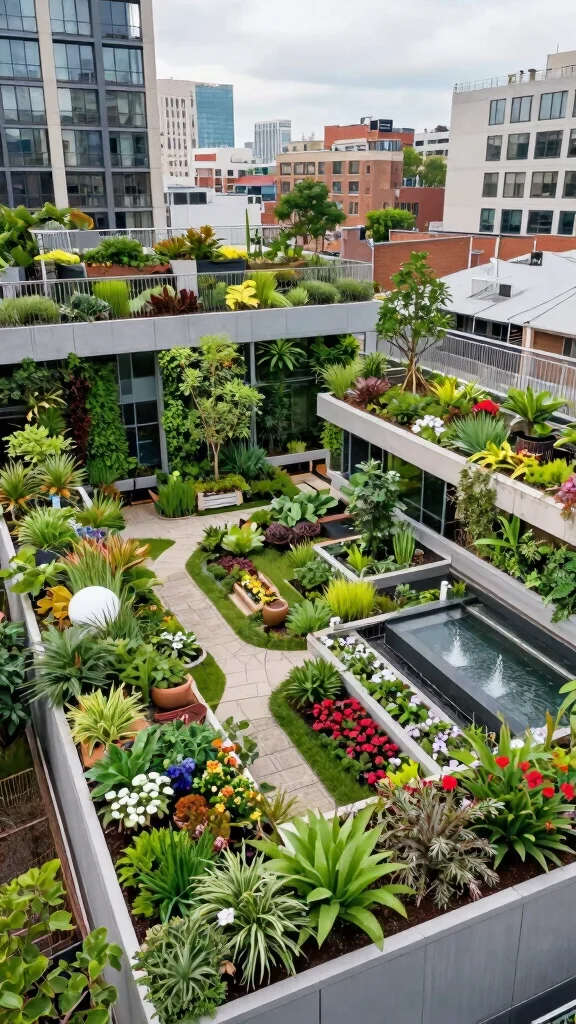
Thoughtful landscaping design can turn urban spaces into vibrant, sustainable havens that enrich both the environment and our lives. By integrating innovative ideas and sustainable practices, we can transform our concrete jungles into lush gardens full of life. The possibilities are endless, from vertical gardens to community spaces, each serving a purpose while showcasing the beauty of nature. It’s time to embrace these ideas and rethink our approach to urban gardening, paving the way for greener, more inviting cities that prioritize sustainability and well-being.
Note: We aim to provide accurate product links, but some may occasionally expire or become unavailable. If this happens, please search directly on Amazon for the product or a suitable alternative.
This post contains Amazon affiliate links, meaning we may earn a small commission if you purchase through our links, at no extra cost to you.
Frequently Asked Questions
What are the essential steps for creating a sustainable landscaping design in a small urban space?
Start with a quick site analysis—sun exposure, shade, drainage, and soil health.
Define your goals for landscaping design in an urban setting and how sustainable landscaping fits.
Then sketch a simple garden planning layout that layers height, texture, and access, and plan hardscape elements like a permeable patio or rain garden.
Choose native, drought-tolerant plants and group them by water needs to reduce irrigation; install a drip system and mulch to conserve moisture.
Finally, create a practical maintenance schedule that keeps the space beautiful year-round.
How can landscape architecture principles improve an urban yard’s efficiency and beauty?
Landscape architecture helps you design for proportion, rhythm, and function even in tight spaces.
Start with a space plan that defines zones for growing, seating, and stormwater management.
Use landscape architecture principles to guide layout, accessibility, and the choice of resilient outdoor design elements that reduce upkeep.
Emphasize sustainable landscaping through native plants, soil health, and water-wise irrigation, and add vertical gardening or modular planters to expand usable area.
End with a simple, repeatable maintenance routine that keeps the design thriving.
What hardscape elements are most practical for sustainable landscaping in cities?
Look for hardscape elements that tame water, reduce heat, and keep surfaces permeable.
Permeable pavers and gravel paths let rain soak in while creating texture and access.
A small raised bed with a seating wall or a gabion feature can add structure without crowding the space.
Rain gardens, bioswales, and properly sloped drainage protect foundations and help manage run-off.
Choose finishes and materials that resist weather and age gracefully so your outdoor design stays low maintenance.
How do I plan a garden that supports biodiversity in a compact city garden?
Prioritize plant selections that are native and pollinator-friendly, with a layered canopy from groundcovers to shrubs and small trees.
Use a mix of bloom times to provide food for bees, butterflies, and birds year-round.
Add habitat features like a shallow water dish, bee hotel, and a log pile for shelter.
Apply thoughtful garden planning to group by water needs (sustainable landscaping) to minimize irrigation.
Minimize chemical use and favor compost and mulch to boost soil health.
What common mistakes should I avoid when designing an urban outdoor space for easy maintenance?
Overplanting and choosing high-maintenance species can turn a small space into a chores list.
Ignore drainage and soil quality, which lead to standing water or stressed plants.
Don’t skip sun/shade analysis or mismatch plants to their light conditions.
Skipping a water-wise plan means higher irrigation costs—use outdoor design and landscaping design thinking to keep maintenance manageable.
Finally, neglecting a clear seasonal plan and tool storage can make upkeep feel overwhelming.
Related Topics
landscaping design
sustainable landscaping
urban gardening
hardscape elements
garden planning
outdoor design
eco-friendly practices
minimalist landscaping
beginner friendly
smart irrigation
seasonal planting
functional gardens