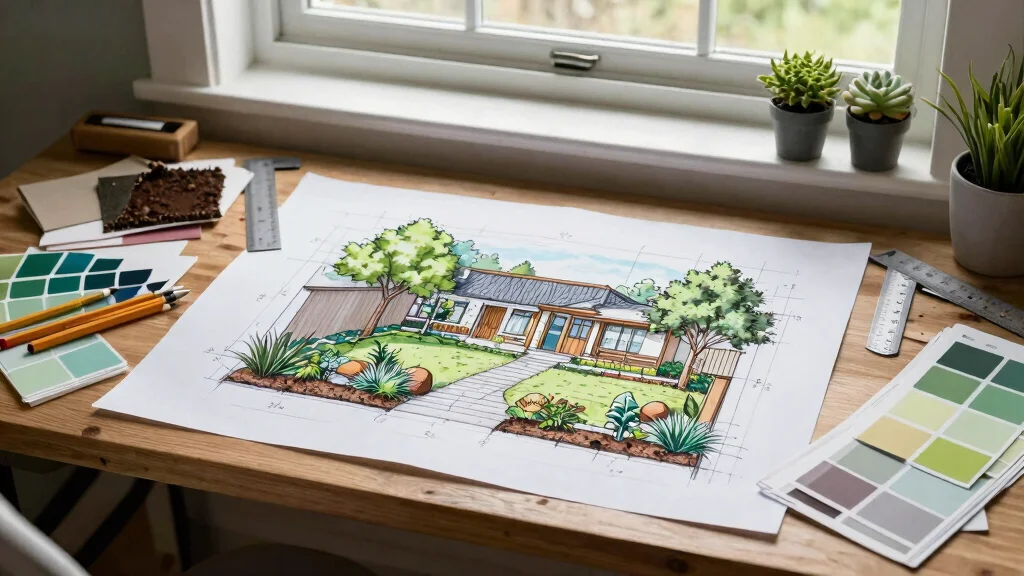
Are you dreaming of a front yard that not only enhances your home’s curb appeal but also respects the environment? If you’re ready to transform your outdoor space into a sustainable oasis, you’re in the right place. This post is all about creating stunning front yard landscaping plans that blend beauty with eco-friendly practices. Whether you’re a seasoned gardener or a beginner, I’ve gathered nine incredible plans that map out every detail before you even plant a single flower.
This guide is for homeowners who care about making smart choices for their gardens. If you’ve ever found yourself overwhelmed by the options in front yard design, don’t worry. You’re not alone. You’ll discover unique landscaping ideas that prioritize native plants, edible gardens, and more. Each plan is designed to be both practical and visually appealing, ensuring you can create a welcoming space that reflects your values while inviting nature into your home.
In these nine plans, you’ll find inspiration for transforming your front yard into a sustainable masterpiece. Each plan includes tips to enhance your home’s aesthetic and practical strategies for garden planning. Ready to dive in? Let’s explore how you can create a stunning outdoor space that’s both beautiful and beneficial for the environment.
Key Takeaways
– Discover nine diverse front yard landscaping plans that cater to various tastes and eco-friendly practices to enhance your home.
– Learn how to incorporate native plants in your garden for a sustainable and low-maintenance landscape that thrives in your local environment.
– Explore the concept of edible landscaping, transforming your yard into a productive space that offers both beauty and fresh produce.
– Gain insights into xeriscaping, focusing on water-efficient designs that save resources and still provide vibrant outdoor aesthetics.
– Find practical tips on integrating wildlife-friendly elements to create a welcoming habitat for local fauna, improving biodiversity in your neighborhood.
Recommended Products

100% Pure, Non-GMO Seeds – No fillers, favorites only! Includes 11 easy-to-grow species: Cornflower Dwarf Blue, Candytuft, Sweet William, Indian Blanket, Prairie Coneflower, Mexican Hat, Tall Cornflower/Bachelor Button, Lance Leaf Coreopsis, Mixed Wild Cosmos, Blanket Flower, Black Eyed Susan, and others, subject to change.
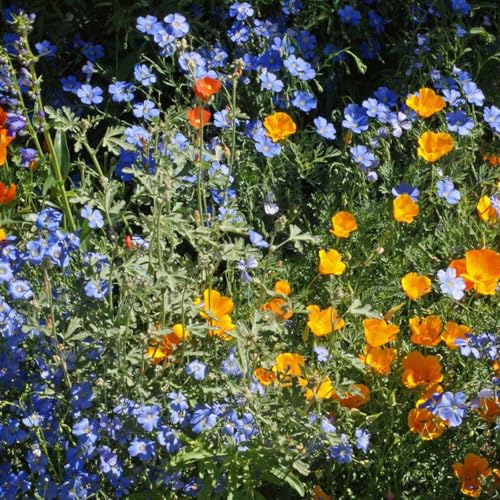
16 Western Native Wildflower Seeds - This premium wildflower seed mix features California Poppy, Arroyo Lupine, Palmer Penstemon, Blazing Star, Blue Flax, Tidy Tips, and more drought-tolerant native flower seeds built for sunny Western landscapes.

This gorgeous selection of 18 annual and perennial flower seeds provides easy-to-grow Rocky Mountain Wildflower Seeds . Wildflower seeds bulk for planting in your garden, farm, or field. Our "Rocky Mountain" region wildflower mix also attracts bees and other pollinators to support a healthy, sustainable ecosystem.
1. Native Plant Haven
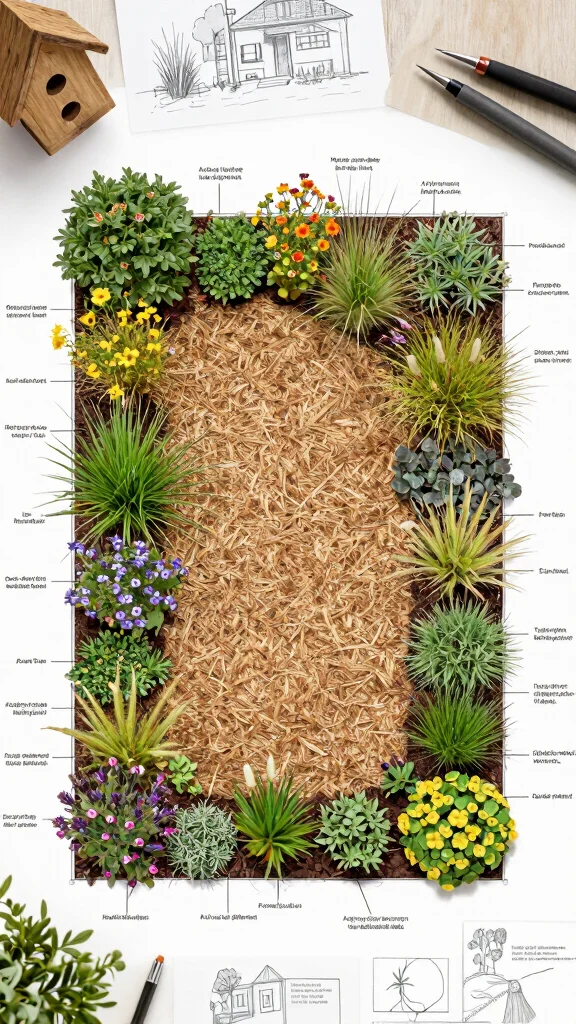
Creating a native plant haven invites the beauty of local wildlife right to your doorstep. By using plants that naturally thrive in your area, you’ll enjoy vibrant blooms and lush greenery while saving on water and maintenance. Imagine a landscape filled with colorful wildflowers, sturdy grasses, and shrubs that change with the seasons, offering a lively backdrop throughout the year.
To get started, choose a mix of plants that bloom at various times for year-round beauty. Adding natural features like rocks or logs can provide habitats for local wildlife. Also, consider using organic mulch to keep moisture in the soil and weeds at bay.
Key elements for your native plant haven:
– Select plants that attract butterflies and bees
– Incorporate local stone for a natural look
– Create layered plant heights for visual interest
This approach not only enhances your landscape but also fosters a deeper connection to nature right outside your door.
Recommended Products


This gorgeous selection of 19 annual and perennial wildflower seeds provides easy-to-grow bee friendly flowers . Wildflower seeds bulk for planting in your garden, farm, or field. With every purchase of "Save the Bees" pollinator wildflower seeds, we make a special donation to the Bee Conservancy, a nonprofit organization that puts bees first.
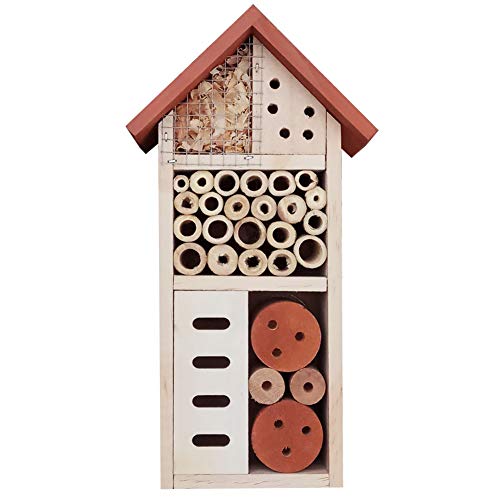
Shelter for Insect: Lulu Home wooden insect house attracts insects to your garden, and provides them with a safe environment to live, lay eggs, pass the winter or just take shelter from the rain.
📹 Related Video: Native Plant Landscape Design Full Example Including Plant Detail
How To Choose Front Yard Landscaping Plans
When planning your front yard, the right landscaping plan can enhance your home’s curb appeal and create a welcoming environment. Here are some key factors to consider when selecting front yard landscaping plans that suit your needs.
1. Define Your Purpose
Start by identifying how you want to use your front yard. Do you want a place for relaxation, entertaining guests, or showcasing beautiful plants? Understanding your goals will guide your design choices. For instance, if you love gardening, you might opt for a plan that includes flower beds and vegetable patches.
2. Consider Your Climate
Your local climate plays a significant role in plant selection and overall design. Some plants thrive in hot, dry conditions, while others prefer moist, cooler environments. Research native plants that flourish in your area, as these require less water and maintenance. If you live in a drought-prone area, consider xeriscaping, which uses drought-resistant plants to minimize water use.
3. Evaluate Available Space
Measure your front yard to understand the space you have to work with. Make note of any existing structures like fences, driveways, or walkways. A smaller yard may benefit from vertical gardens or containers, while larger spaces can accommodate more elaborate designs. Always consider how much sunlight different areas of your yard receive, as this will affect plant selection.
4. Set a Budget
Determine how much you are willing to spend on your landscaping project. Consider costs for plants, materials, and any professional help you might need. It’s wise to create a budget that allows for some flexibility, as unexpected expenses can arise. Don’t forget to factor in ongoing maintenance costs, too, like watering and fertilizing.
5. Choose Your Aesthetic
Think about the style that appeals to you. Do you prefer a traditional garden with lush flower beds, or are you drawn to a more modern, minimalist look? Research different design ideas to find inspiration that resonates with your taste. This will help you create a cohesive look that enhances your outdoor aesthetic.
6. Plan for Sustainability
As you design your front yard, consider incorporating sustainable practices. This could include using native plants, installing rain gardens to manage stormwater, or using permeable materials for walkways. Sustainable landscaping not only benefits the environment but can also lower your water and maintenance costs over time.
Pro Tip: Before committing to a design, sketch out your ideas or use landscaping software to visualize your plan. This will help you make adjustments and ensure everything fits together nicely before you start planting.
By considering these factors, you’ll be well on your way to selecting front yard landscaping plans that not only beautify your home but also create a functional and enjoyable outdoor space.
Recommended Products


COMPACT & VIBRANT BLOOMS: Elevate your garden with Outsidepride Bright Lights Cosmos Sulphureus Seeds for planting flowers, featuring an abundance of 2 inch orange, yellow and red blooms. Reaching up to 30-40 inches, our flower seeds are perfect for creating dramatic garden borders, vivid flower beds, and charming container arrangements.

Native Plant Haven
Editor’s Choice

Rapitest Soil Test Kit for Gardens, Vegetables, Flowers and Lawns. USA d…


Wildflowers of Ohio Field Guide (Wildflower Identification Guides)

Back to the Roots 25.7qt (1 Cubic ft) Organic Premium Mulch
2. Edible Landscape
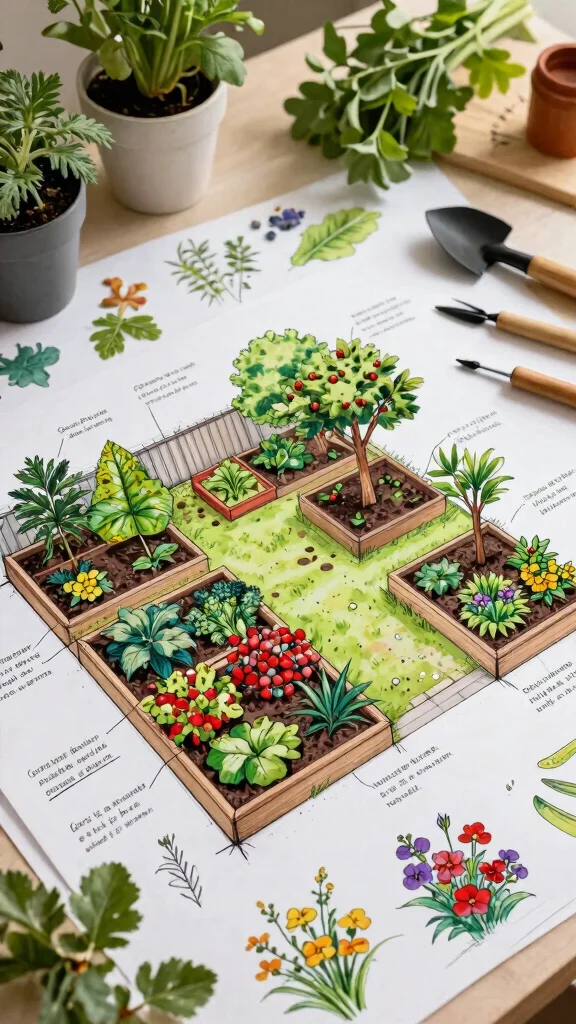
Picture stepping outside to harvest fresh herbs and vegetables right from your front yard. An edible landscape combines beauty with practicality, allowing you to grow food in a visually appealing way. Including fruit trees, berry bushes, and colorful flowers creates a stunning and productive garden that’s both functional and delightful.
Begin by planting companion crops that can help deter pests naturally while enriching your soil. Dwarf fruit trees work well in smaller spaces, offering both beauty and delicious produce. Adding aromatic herbs like basil or mint not only enhances your cooking but brings vibrant scents to your yard.
Steps to create your edible landscape:
– Mix decorative plants with food-producing varieties
– Use vertical space with trellises for climbing vegetables
– Incorporate seasonal flowers for added color
An edible landscape transforms your front yard into a bountiful and beautiful space, showcasing your commitment to sustainability.
Recommended Products


Feed your raised bed for up to 3 months

Edible Landscape
Editor’s Choice

Companion Planting for Beginners: Pair Your Plants for a Bountiful, Chem…
Rolling Metal Citrus Tree Planter Pot, 21″ Round Planter Box for Porch…

LEETOLLA Elevate 32″ Tall Raised Garden Bed Outdoor with Wheels & Shelf …
3. Xeriscape Oasis
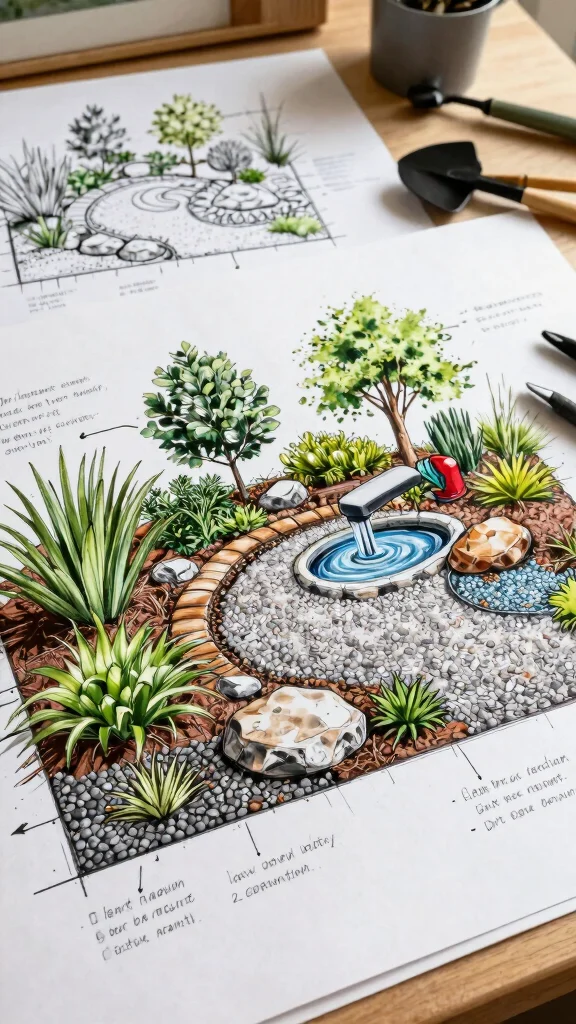
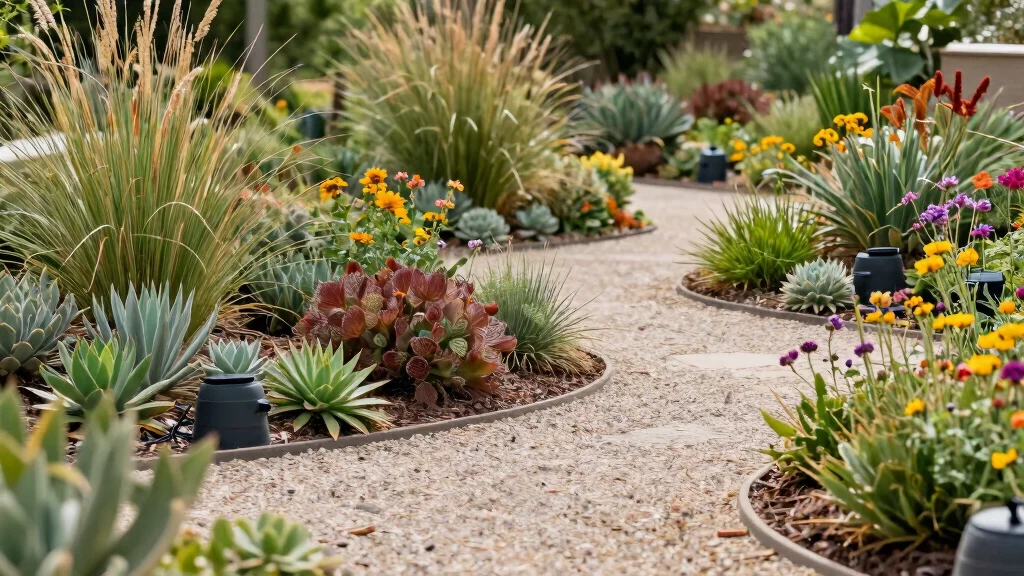
If you live in a dry climate, a xeriscape oasis is your solution for a stunning front yard that conserves water. This plan features drought-resistant plants that thrive without constant irrigation, showcasing succulent gardens, ornamental grasses, and vibrant stones. By layering different heights and textures, you’ll create a visually appealing outdoor space that flourishes with minimal effort.
Start by using gravel or rocks as ground cover instead of traditional grass. Opt for native succulents and cacti for a water-wise aesthetic that still looks beautiful. Implementing rainwater collection systems can help you make the most of natural rainfall.
Essential tips for your xeriscape:
– Choose native plants suited for your climate
– Create rock gardens for stunning focal points
– Use mulch to retain soil moisture
This environmentally friendly approach allows you to enjoy a thriving landscape, even in challenging conditions.
Fun fact: A xeriscape oasis can slash outdoor water use by up to 50-70% in dry climates. With drought-resistant plants, gravel ground cover, and layered textures, front yard landscaping plans become both stunning and sustainable.
Recommended Products

Used Book in Good Condition

PREMIUM WILDFLOWER SEED MIX: Contains 24 prairie wildflower varieties; High germination rate with non-GMO USA-sourced seeds; Perfect for midwest regions including Indiana, Missouri, Michigan, and Pennsylvania; Creates stunning flower mix for all gardens

🌼 “American Meadow Magic” Wildflower Seed Mix: Our signature PlantMe blend features 25 diverse wildflower varieties, specially curated to create a stunning, natural meadow right in your own backyard. Experience the magic of a flourishing, colorful ecosystem.
Xeriscape Oasis
Editor’s Choice

Outsidepride Mix Ice Plant Seeds – 5000 Pcs Perennial, Drought Tolerant …
Best Downspout Diverter Rainwater Harvesting & Collection, Self-Flushing…

Mulctun 45LB Natural White Rocks, 1/4″-3/4″ Garden River Rock,Decorative…
4. Modern Minimalism

If you appreciate a sleek, uncluttered look, modern minimalism could be the perfect landscaping style for you. This approach highlights simplicity, focusing on a limited color palette and structural elements that enhance your home’s architecture. Think concrete pathways, geometric planters, and strategically placed native plants that create a striking visual contrast.
To achieve this design, incorporate straight lines and geometric shapes throughout your yard for a cohesive appearance. Choose a few larger plants instead of many smaller ones to maintain an open feel. Adding hardscaping materials like stone or wood can elevate the overall aesthetic without overwhelming the space.
Key features of modern minimalism:
– Limit color choices to create a unified look
– Use bold shapes in planters and pathways
– Implement low-maintenance materials for ease
This style not only looks chic but also reduces upkeep, offering a stylish and functional front yard.
Less clutter, more impact—modern minimalism proves your front yard landscaping plans can wow with fewer elements. Stick to straight lines, geometric shapes, and native plants for easy maintenance and striking contrast that fits your home’s architecture.
Recommended Products


Modern Minimalism
Editor’s Choice

SvitMolds Set of 4 Plastic Concrete Curb Molds – Reusable Garden Edgin…

Japanese Weeding Sickle Very Sharp Edge Quick Work (Full Size)

Kante Tall Round Planter Set of 2, 13 Inch Tall Decorative Planter Pots …
5. Wildlife-Friendly Garden
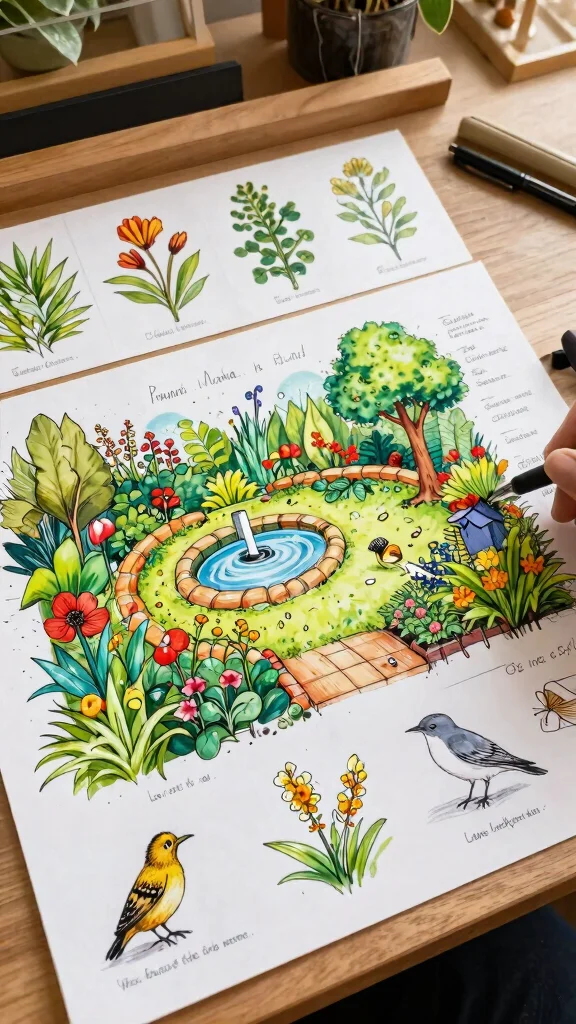
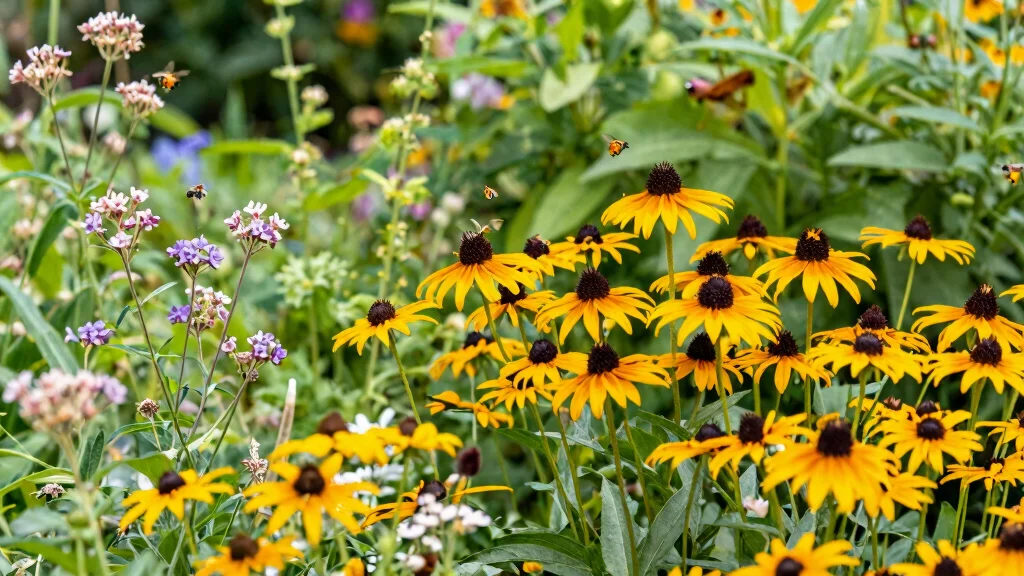
Designing a wildlife-friendly garden enriches your front yard while promoting biodiversity. This landscaping plan focuses on attracting pollinators like bees and butterflies, creating a sanctuary for birds and beneficial insects. By incorporating native plants, water features, and birdhouses, you can significantly enhance the ecological value of your outdoor space.
To attract wildlife, plant a variety of blooms that provide food throughout the growing season. Adding a small water feature, such as a birdbath, creates a refreshing spot for wildlife to drink and bathe. Allowing some areas to grow wild with native grasses and wildflowers can offer natural habitats.
Tips for a wildlife-friendly garden:
– Select diverse plants to support various species
– Add shelter options like birdhouses and insect hotels
– Create natural textures with stones and logs
This approach not only supports local wildlife but also brings life and movement to your front yard, creating a vibrant outdoor experience.
Recommended Products

COMPACT & VIBRANT DOUBLE BLOOMS: Elevate your garden with Outsidepride Orange Cosmos Sulphureus Seeds for planting flowers, featuring an abundance of 2 inch semi-double and double brilliant orange blooms. Reaching up to 24 inches, our flower seeds are perfect for creating dramatic garden borders, vivid flower beds, and charming container arrangements.

You might also like

Wildlife-Friendly Garden
Editor’s Choice

Making Birdhouses: Easy and Advanced Projects (Dover Crafts: Woodworking)

Wildflower Seeds Bulk Mix – 10,000+ Perennial & Annual Seeds – Texas, Ca…

Solar Fountain Water Pump for Bird Bath, New Upgraded Mini Solar Powered…
6. Seasonal Interest Design
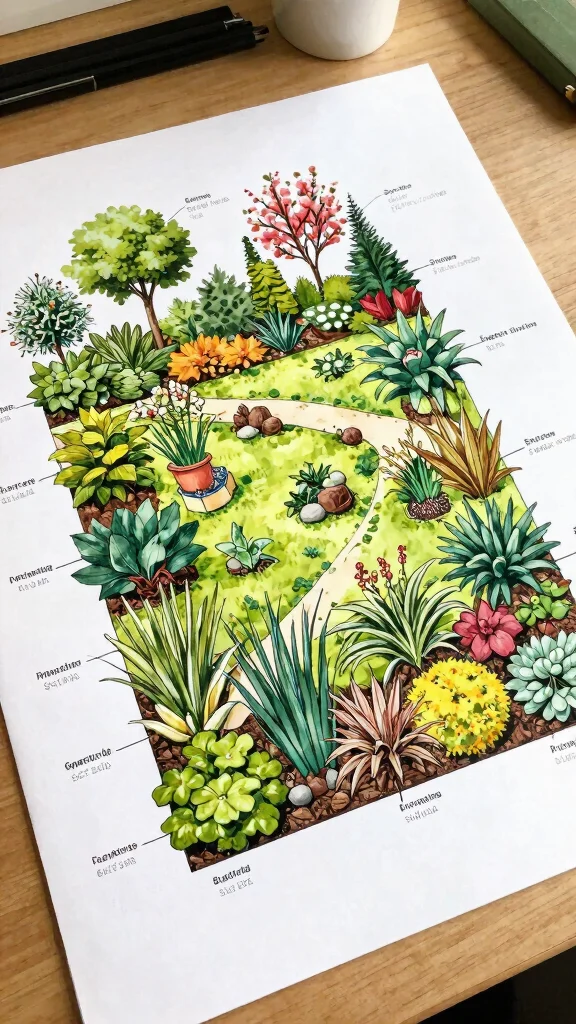
A front yard designed for seasonal interest keeps your home inviting all year long. By selecting plants that bloom or change color with the seasons, you can create a dynamic landscape. Picture winter evergreens, spring blooms, summer foliage, and fall colors, all carefully arranged for year-round visual delight.
To ensure seasonal beauty, mix deciduous and evergreen plants for constant greenery. Choose perennials that bloom at staggered times to guarantee something is always in flower. Incorporating seasonal decorations can enhance the festive spirit throughout the year.
Steps for seasonal interest:
– Mix plants for diverse seasonal colors
– Use ornamental grasses for texture and movement
– Change decorations with the seasons for added charm
This thoughtful design strategy turns your front yard into a captivating landscape that continually attracts attention and admiration.
Recommended Products
Use Miracle-Gro performance organics raised bed plant nutrition granules to feed vegetables, fruits, herbs, and flowers grown in raised beds

Optimized for Raised Beds: True Organic Raised Bed Food is specially designed to support abundant growth of herbs, flowers, vegetables, and fruits in raised beds and large containers.
Seasonal Interest Design
Editor’s Choice

Garden Tutor Multiscale Garden & Landscape Design Kit – 2 Translucent …

Essential Perennials for Every Garden: Selection, Care, and Profiles for…
7. Sustainable Hardscaping

Sustainable hardscaping emphasizes eco-friendly materials for pathways, patios, and other structures in your front yard. This plan highlights options that reduce environmental impact while still achieving a stylish look. Imagine permeable pavers, recycled materials, and thoughtfully placed stones that serve both aesthetic and ecological purposes.
To implement sustainable hardscaping, choose permeable materials for driveways and pathways to minimize runoff. Incorporate reclaimed wood or recycled stone for a rustic yet modern touch. Planning for natural drainage ensures effective water flow away from your home.
Ways to achieve sustainable hardscaping:
– Use eco-friendly materials that blend with nature
– Design paths that promote water absorption
– Focus on low-impact installations for easy maintenance
Investing in sustainable hardscaping enhances your yard’s function while contributing to environmental preservation.
Fun fact: Permeable pavers can cut runoff by up to 50% in front yards. Sustainable hardscaping proves eco-friendly doesn’t have to be dull—reclaimed wood, recycled stones, and porous paths bring function and beauty to your curb appeal, a key part of front yard landscaping plans.
Recommended Products

LARGE 1 OUNCE PACKET: Embark on a wildflower journey with our generous 1 ounce packet, bursting with over 15,000 pure live seeds! Transform 250 square feet into a vibrant haven for nature.

TENNESSEE WILDFLOWER SEEDS: Specially selected to thrive in Tennessee’s climate and elevation, this wildflower mix includes a vibrant variety of annuals, perennials, and biennials. Contains a hand-selected blend of 18 varieties, including shasta daisy, purple coneflower, black eyed susan, lupine, and more.

Pack of California Wild Flower mix containing 10,000 seeds of 17 varieties of beautiful perennial and annual flowers.
Sustainable Hardscaping
Editor’s Choice

Prestantious Low Profile Catch Basin Drain Kit Downspout Extender, 12″×…

Rockin’ Wood Real Wood Nail Up Application Rustic Reclaimed Naturally We…

Flat Rock Rain Barrel and AC Unit Paver Patio Pad 24”x24” Natural Gr…
8. Community Garden Integration
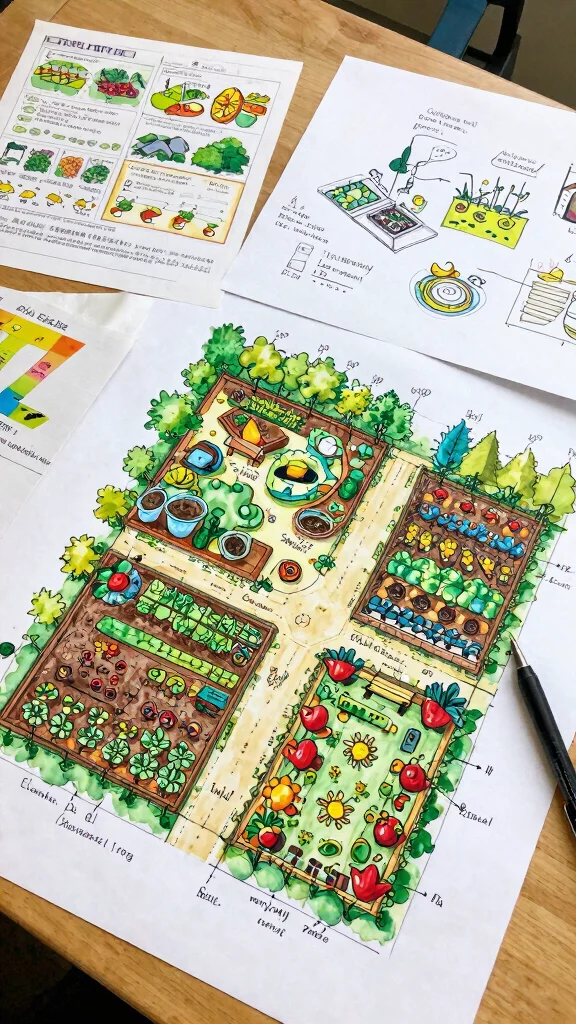
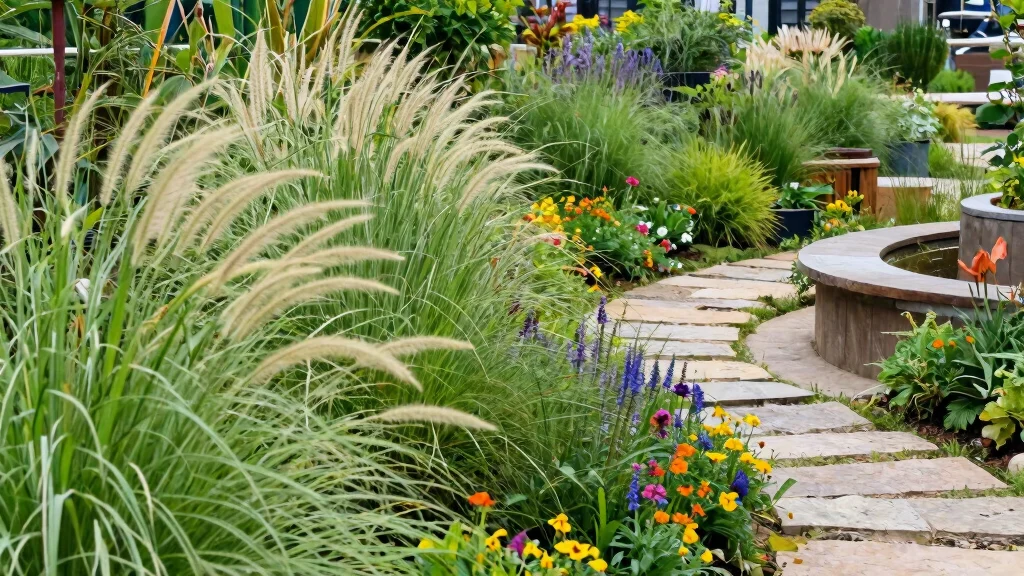
Feeling a sense of community? Consider integrating a community garden into your front yard! This landscaping approach fosters connections with neighbors and promotes sustainability through shared gardening efforts. Imagine a vibrant collection of raised beds filled with vegetables and flowers, inviting everyone to participate in the harvest.
When designing your community garden, create designated spaces for individual plots, allowing neighbors to grow their plants. Incorporate benches and pathways to encourage social interaction. Adding signage that promotes sustainable practices can inspire more community involvement.
Key aspects of community garden integration:
– Designate areas for individual gardening plots
– Create gathering spaces for socializing
– Use signage to share gardening tips and practices
This plan transforms your front yard into a lively hub of activity, inspiring others to engage with gardening and enhancing your home’s beauty.
Recommended Products

524 PREMIUM SEEDS – BRILLIANT COLOR, FAST GROWTH: This large pack includes 524 USA-packed, high-germination Zinnia Dahlia seeds that bloom into stunning double flowers in red, pink, orange, white, and more. Easy to grow, beginner-friendly, and perfect for bouquets, borders, and containers. Blooms in just weeks and lasts all summer!

High Quality Seeds & Expert Guidance: Experience the BBB Seed (Beauty Beyond Belief Seed) difference. We provide premium open-pollinated, non-GMO/non-GE wildflower seeds with no fillers. Every seed lot is tested for germination and weed seed quality. A trusted source of quality seed since 1985.

You Might Also Like
Community Garden Integration
Editor’s Choice

Grenebo Gardening Tools 9-Piece Heavy Duty Garden Hand Tools with Fashio…

zunatu 10x2x1ft(2 Pack) Galvanized Raised Garden Bed,Outdoor Planter Box…

Garden Bench,Outdoor Benches,Iron Steel Frame Patio Bench with Mesh Patt…
9. Zen Garden Retreat
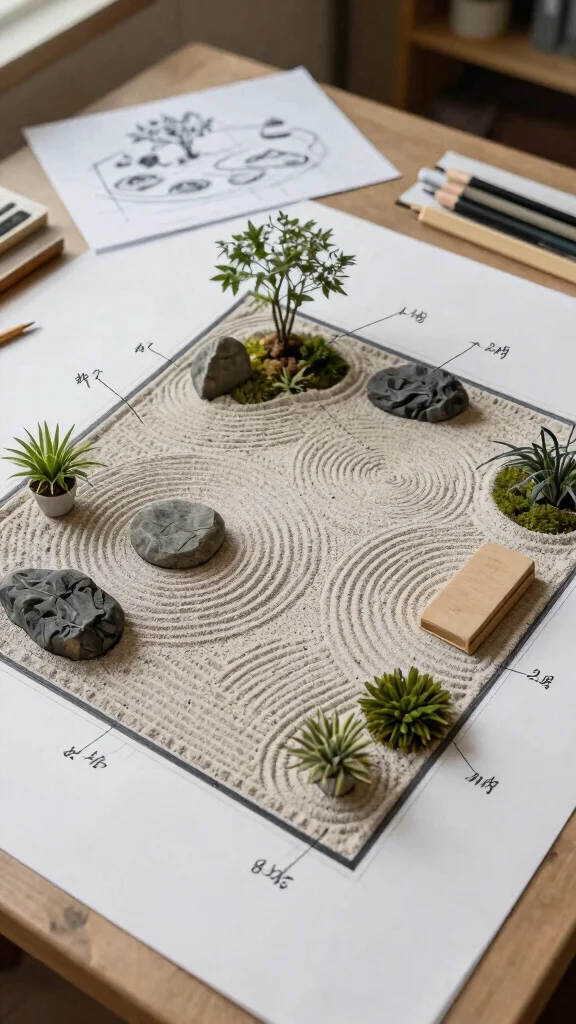
For a calming presence in your front yard, consider creating a Zen garden retreat. This landscaping plan emphasizes simplicity and tranquility, featuring elements like gravel, stones, and carefully placed plants that encourage mindfulness. Imagine a serene space where you can relax, meditate, and reconnect with nature, all from your front yard.
To create your Zen garden, use raked gravel to symbolize waves and create a peaceful visual effect. Select a few well-placed stones and plants to maintain simplicity while adding interest. Integrating a small seating area can provide a perfect spot for reflection and enjoyment.
Steps to create a Zen garden:
– Use gravel to create calming patterns
– Include a few carefully chosen plants for simplicity
– Add a seating area for personal reflection
A Zen garden retreat enhances your front yard and supports your overall well-being, offering a peaceful escape from daily life.
Zen Garden Retreat
Editor’s Choice

Spoontiques – Garden Décor – Scatter Kindness Stepping Stone – Decorati…

VEVOR Landscape Rake, 36″ Head Aluminum Lake Weed Rake with 75″ Long Han…

Ollas Plant Watering Globes – Terracotta Self Watering Planter Insert – …
Conclusion
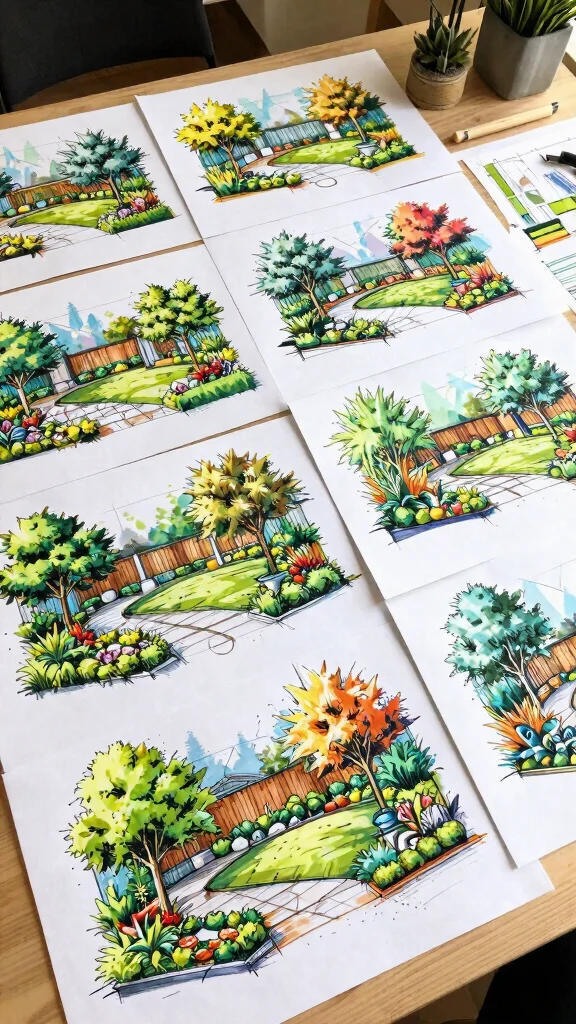
Creating a beautiful front yard is a journey that involves thoughtful planning and a commitment to sustainability. By considering these nine landscaping plans, you can enhance your home’s curb appeal while making a positive impact on the environment. Whether you choose a native plant haven, an edible landscape, or a Zen garden retreat, each option offers unique benefits that enrich your outdoor experience. As you embark on your landscaping adventure, remember that every detail counts, and careful planning leads to stunning results.
Incorporate your favorite ideas, and watch your front yard transform into a beautiful and eco-friendly oasis.
Note: We aim to provide accurate product links, but some may occasionally expire or become unavailable. If this happens, please search directly on Amazon for the product or a suitable alternative.
This post contains Amazon affiliate links, meaning we may earn a small commission if you purchase through our links, at no extra cost to you.
Frequently Asked Questions
What are the essential elements of front yard landscaping plans for eco-friendly homes?
The essential elements of front yard landscaping plans for eco-friendly homes start with a clear site assessment and a practical layout. Identify sun/shade patterns, soil type, drainage, and existing features. Choose drought-tolerant natives and other low-water plants to reduce maintenance and water use. Incorporate permeable hardscapes and efficient drainage. Plan smart irrigation, soil-building mulch, and ongoing garden planning strategies to keep things manageable. Use cohesive materials and thoughtful focal points to deliver strong curb appeal enhancement and noticeable outdoor aesthetic improvement over time.
How can I map out a front yard layout before planting to guarantee beautiful curb appeal?
Begin with a simple sketch that becomes your front yard landscaping plans. Measure boundaries, setback rules, and utility lines, then translate them onto a scaled diagram (for example 1/4 inch = 1 foot). Map sun and shade patterns, drainage, and existing features. Place a focal point such as a tree or bench, and design paths that direct the eye and traffic toward the entry. Group plants by water needs and native status to follow garden planning strategies and front yard design ideas. Add irrigation lines, mulch zones, and sustainable details. Review the layout for curb appeal enhancement and outdoor aesthetic improvement before planting.
Which front yard design ideas best support sustainable water use and outdoor aesthetic improvement?
Focus on front yard design ideas that cut water use and boost outdoor aesthetic improvement. Choose native, drought-tolerant plants that match your site’s sun and soil. Add a rain garden or swale to handle runoff and capture rain where appropriate. Install permeable hardscapes (pavers, gravel) and an efficient drip irrigation system with a smart controller. Mulch deeply to conserve moisture. Plan layered plantings for year-round interest and curb appeal enhancement via color and texture that still respects the eco-friendly approach.
What landscaping tips boost curb appeal enhancement without compromising sustainability?
Invest in a simple, durable framework: native backbone shrubs for year-round outdoor aesthetic improvement, evergreen structure for winter curb appeal, and a handful of seasonal blooms for color. Use curb appeal enhancement elements like a clear focal point, cohesive materials, and well-lit entry. Choose sustainable materials: low-water plants, permeable paving, and energy-efficient lighting. Keep maintenance manageable with proper mulch, spacing, and irrigation tuning. Your landscaping tips will pay off in less work and more beauty.
How should I plan ongoing maintenance for my front yard landscaping plans?
After implementing front yard landscaping plans, set up a lightweight maintenance schedule aligned with seasons. Revisit garden planning strategies monthly: prune to maintain shape, refresh mulch to retain moisture, and replenish native plantings as needed. Check the drip irrigation for leaks and adjust for weather. Add organic compost and soil amendments to support soil biology. Keep an eye on drainage and curb appeal enhancement through occasional pruning to maintain sightlines and symmetry. The goal is sustainable upkeep that protects front yard design ideas and outdoor aesthetic improvement year-round.
Related Topics
front yard landscaping
sustainable gardening
curb appeal
garden planning
eco-friendly design
landscaping tips
outdoor aesthetics
beginner friendly
detailed plans
landscaping styles
seasonal planting
easy landscaping