
Landscaping on a hill can be a challenge, but it also opens up a world of creativity and beauty. If you’ve ever looked at a sloped garden and thought it was a lost cause, think again! This post is here to inspire you with ideas that will make those rises and falls in your yard truly shine. Whether you’re dealing with soil erosion issues or simply want to create a stunning outdoor space, I’ve got the solutions you need.
This guide is perfect for homeowners, garden enthusiasts, and anyone who loves the idea of transforming their outdoor space. If you care about enhancing your yard’s aesthetics while addressing practical concerns like erosion control, you’re in the right place. Get ready to discover eight unique landscaping ideas that will not only beautify your hill but also make it functional and sustainable.
By the end of this post, you’ll have a collection of innovative and practical strategies for sloped garden design. From terraced garden beds to cozy seating areas with breathtaking views, these ideas are designed to help you make the most of your hill. Let’s dive in and explore how to turn your challenging terrain into a picturesque paradise!
Key Takeaways
– Terraced Garden Beds: Create multi-level garden beds that not only add beauty but also reduce soil erosion by holding moisture in place.
– Erosion Control: Use native plants that are well-suited to your region. They can help stabilize soil and provide a natural habitat for wildlife.
– Rock Gardens: Incorporate boulders and stones to create visually appealing rock gardens. They also help prevent soil loss and add an interesting texture.
– Accessible Pathways: Design sloped pathways that ensure easy movement throughout your garden. This can enhance the overall accessibility of your outdoor space.
– Year-Round Interest: Plan for seasonal planting to ensure that your garden remains vibrant and lively throughout the year, attracting visitors and pollinators alike.
Recommended Products

Perfect For Adding Plants/Trees On A Steep Hillside: Measuring 40in wide by 14in high. Each set includes 3 oval-shaped Plastic sheets and 6 ground stakes, allowing you to easily plant flowers, vegetables, or trees on slopes to meet your DIY landscaping and gardening needs.

Effortless Hillside Planting: engineered for planting on sloped and uneven ground that conforms to slopes from 10°to 24°, these innovative hillside planters create terraces that hold soil firmly in place; These planters make hill planting safer, more stable, and visually appealing, suitable for homeowners struggling with erosion

Great For Edging - This Roll is great for growing grass on the edging of a sidewalk, in between houses, backyards, front yards and many other areas.
1. Terraced Garden Beds for a Multi-Level Landscape

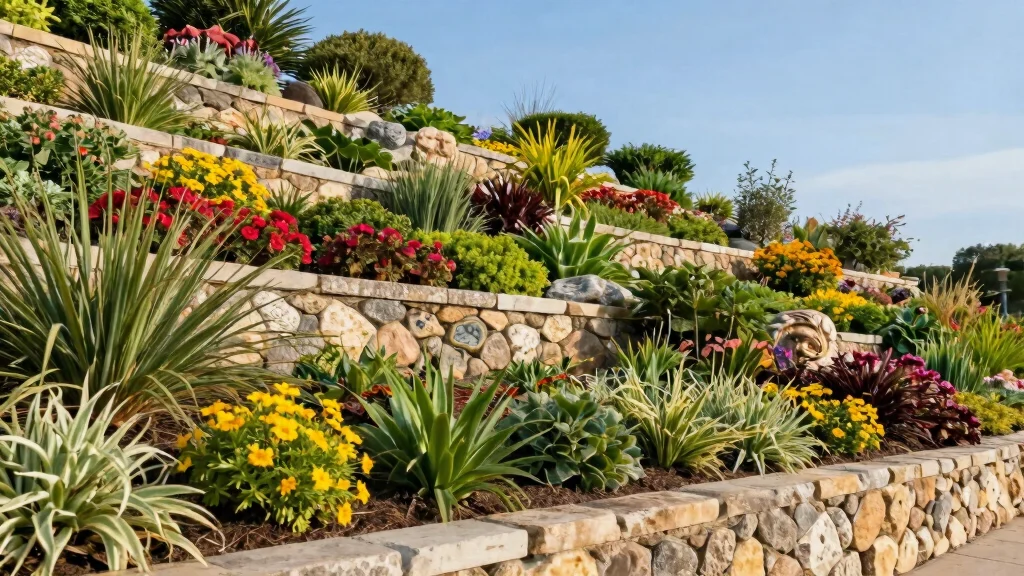
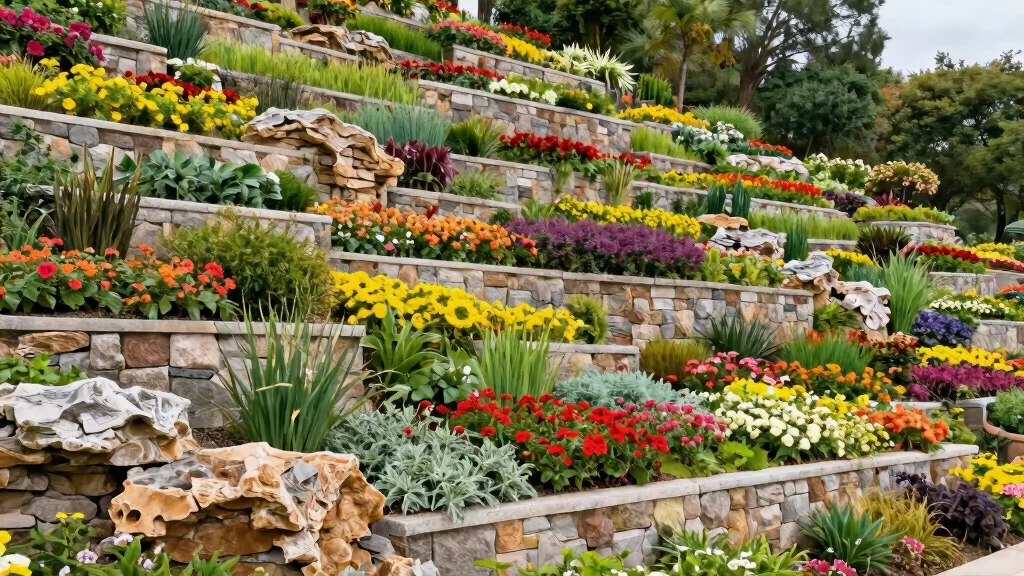
Terraced garden beds are a brilliant way to turn a sloped yard into a beautiful, functional landscape. These multi-level structures not only prevent erosion but also create unique zones for diverse plantings. Imagine vibrant flowers, fresh herbs, and even vegetables flourishing in defined spaces, all while enhancing the visual appeal of your yard.
Start by building sturdy retaining walls to form your terraces. This method allows you to create distinct planting areas where you can experiment with a mix of plants. Consider using native species for a sustainable and low-maintenance garden that thrives in your local climate.
Tips for Creating Terraced Garden Beds:
– Choose Durable Materials: Opt for stones, bricks, or timber that suit your style.
– Select a Variety of Plants: Use perennials and annuals for year-round color.
– Ensure Proper Drainage: Install drainage solutions to prevent water buildup.
– Design Access Paths: Create small paths between terraces for easy maintenance.
With thoughtful planning, terraced garden beds can transform your hillside into a stunning and productive space.
Recommended Products
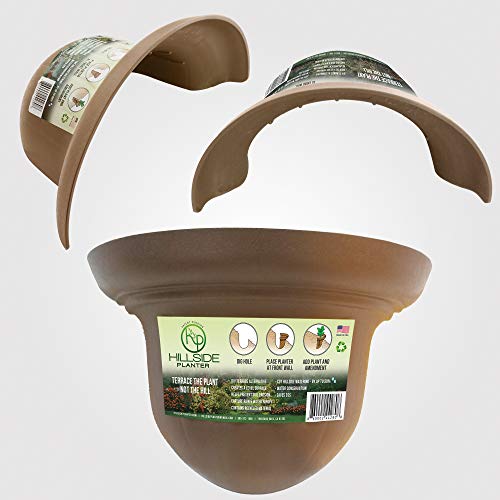
TRANSFORM SLOPES INTO PLANTABLE GARDEN SPACE – Designed specifically for hillsides and sloped landscapes, the Hillside Planter creates a stable, level planting pocket so you can successfully grow flowers, herbs, vegetables, and shrubs where traditional planting fails.

NATIVE BEAUTY – New England Aster, Smooth Blue Aster, Purple Coneflower, Narrow-Leaved Coneflower, Black-Eyed Susan, Dense Blazing Star (Gayfeather), Bee Balm (Wild Bergamot), Lanceleaf and Plains Coreopsis (Tickseed), Showy, Common, and Swamp Milkweed, Purple Prairie Clover, Joe Pye Weed, Spiderwort, Common, Prairie, and Maximilian Sunflowers, Little Bluestem, Switchgrass, Indian Grass, Blue Vervain, Canada Wild Rye, and White Yarrow.

Terraced Garden Beds for a Multi-Level Landscape
Editor’s Choice

4 Pack Universal Retaining Wall Blocks with French Drain Pipe for Proper…


Michigan Peat 40 Pound Bag Garden Magic Organic Planting Potting Top Soi…

LAVEVE 4FT x 100FT Weed Barrier Landscape Fabric, 3.2oz Premium Heavy Du…
2. Erosion Control with Native Plants
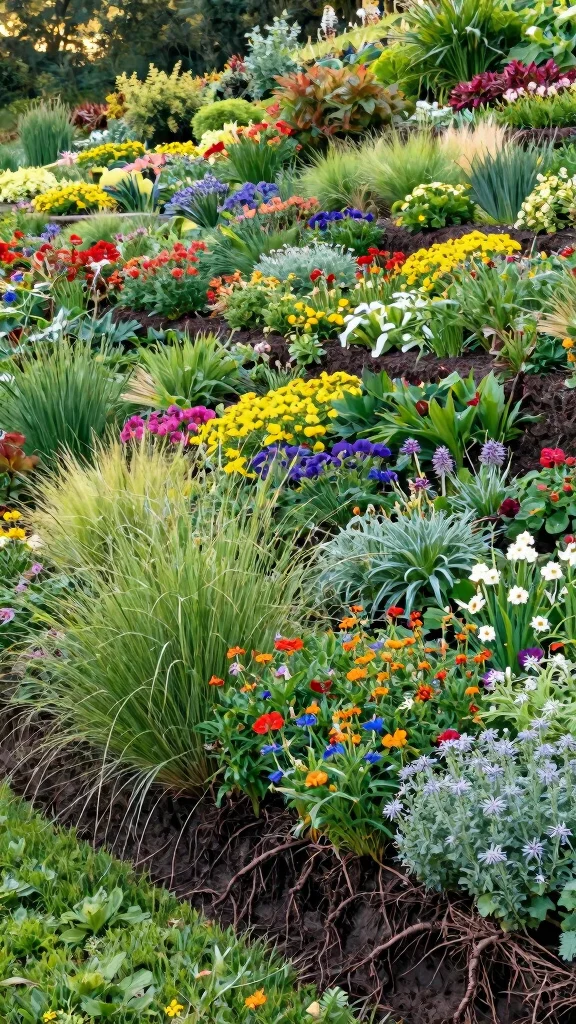
To combat erosion in your sloped garden, incorporating native plants is an excellent strategy. These plants are naturally suited to local conditions, which helps them thrive while stabilizing the soil. Their deep root systems not only prevent erosion but also provide habitats for local wildlife.
Native plants typically require less water and maintenance, making them a smart choice for sustainable gardening. By selecting a variety of flowers, shrubs, and grasses found in your area, you’ll create a resilient landscape that flourishes year-round.
Benefits of Using Native Plants:
– Stabilize Soil: Deep roots reduce erosion during heavy rainfall.
– Enhance Biodiversity: Attract pollinators, supporting a healthier ecosystem.
– Provide Seasonal Beauty: Enjoy diverse blooms and foliage throughout the year.
By integrating native plants into your hillside design, you’ll cultivate a thriving and eco-friendly garden.
Recommended Products

【Weight & Size】Weight: 20 pounds, Size:3-4 inches. The rock is natural not man made. So the stones are heavy and 20 lbs is not a lot, please refer to the picture for the amount of area to be covered
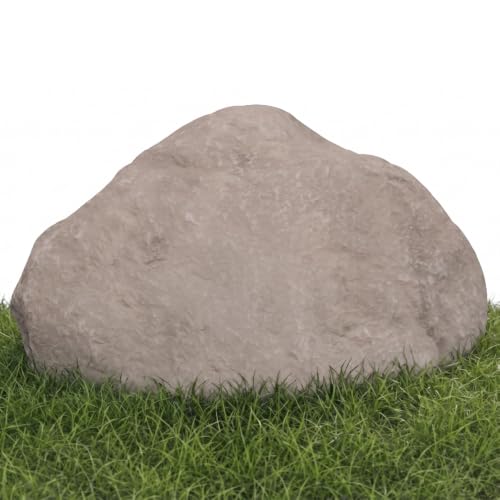
Faux rock shells hide, cover, and protect unsightly pond equipment, such as pumps, aerators, pipes, wells, and outdoor plumbing, helping protect them from harsh, unpredictable weather

【Specifications】Weight: 10 lbs package. The rocks sizes are screened through a machine's sieve. The size range is 1-2 inch. These stones are not artificially standardized products and therefore vary in shape. Most rocks are between 1.2 and 1.6 inches in size
Erosion Control with Native Plants
Editor’s Choice

Farm Plastic Supply – American Excelsior QuickGrass Pro – Green Erosion …
3. Rock Gardens with a Purpose
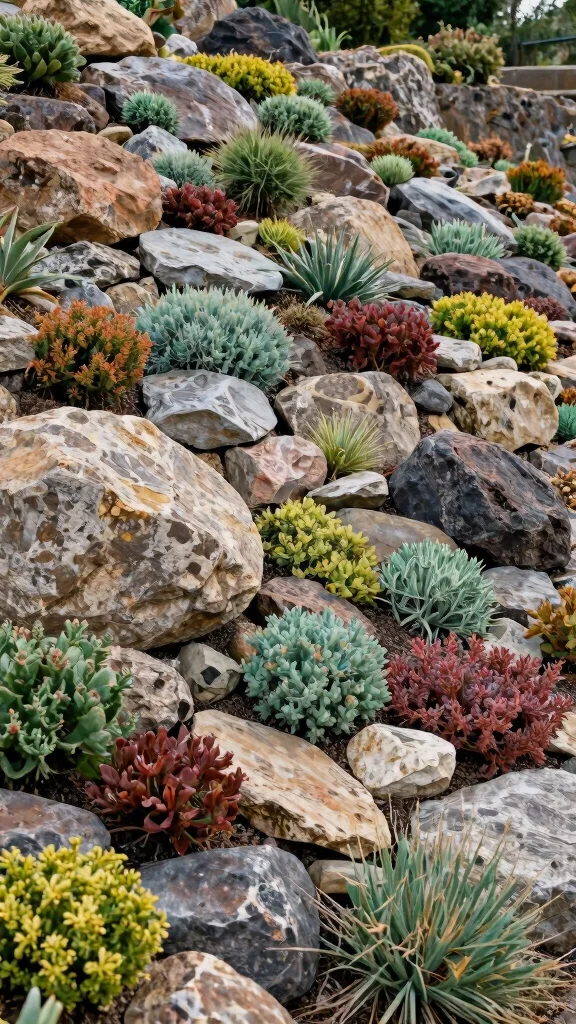
Rock gardens offer both beauty and functionality on sloped landscapes, helping prevent soil erosion while creating a stunning visual display. By arranging rocks and stones thoughtfully, you can achieve a natural look that also supports various plant life. The diversity in stone sizes and shapes can create unique microclimates ideal for drought-resistant plants.
Succulents and other resilient plants thrive in rock gardens, making them low-maintenance solutions for challenging slopes. With a little creativity, you can design a garden that’s both captivating and practical.
Designing a Rock Garden:
– Select Local Stones: Use rocks that harmonize with your landscape.
– Layer Strategically: Place larger boulders at the bottom and smaller rocks as you go up.
– Choose Resilient Plants: Mix in drought-tolerant species like sedums and alpine flowers.
With proper planning, rock gardens enhance your hillside while serving an essential purpose.
Recommended Products

Designed for homeowners, gardeners, and landscaping enthusiasts, this corrugated metal garden edging features durable steel construction with a rust-colored finish. The reinforced corrugated structure provides excellent strength and stability while creating clean borders for lawns, flower beds, and outdoor landscaping areas.

【Landscape Edging Kit】 -- Includes 3 rolls of landscaping edging (33ft each) and 150 spikes, offering flexible layout options for various landscaping length needs,instead of having to take out long and heavy edging and cut it

𝐅𝐥𝐞𝐱𝐢𝐛𝐥𝐞 & 𝐄𝐚𝐬𝐲 𝐭𝐨 𝐈𝐧𝐬𝐭𝐚𝐥𝐥: Each panel measures 40" (L) × 5" (H), including 3" underground stakes for strong anchoring, leaving 2" visible above ground for a clean, low-profile border. The hammer-in design makes installation fast and effortless—perfect for creating neat, professional-looking edges without digging.
Rock Gardens with a Purpose
Editor’s Choice

Jute Erosion Control, Soil Saver Mesh Blanket – 48″ Wide x 20 Yards (60 …

Virekm River Rocks, Decorative Ornamental Pebbles,Garden Landscaping Sto…

Altman Plants Deluxe Live Succulents (6 Pack), No Duplicates, Assorted V…
4. Sloped Pathways to Enhance Accessibility
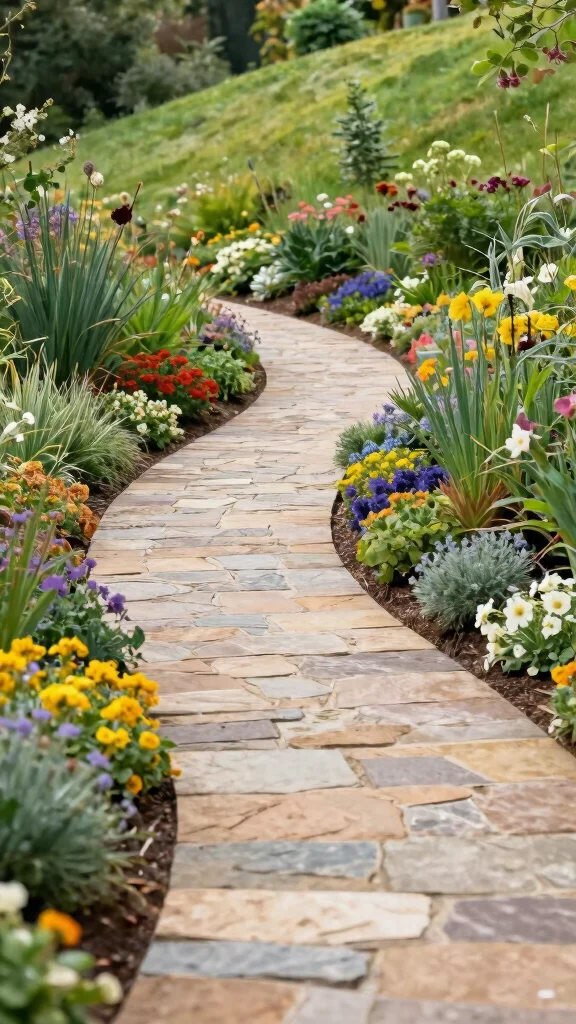
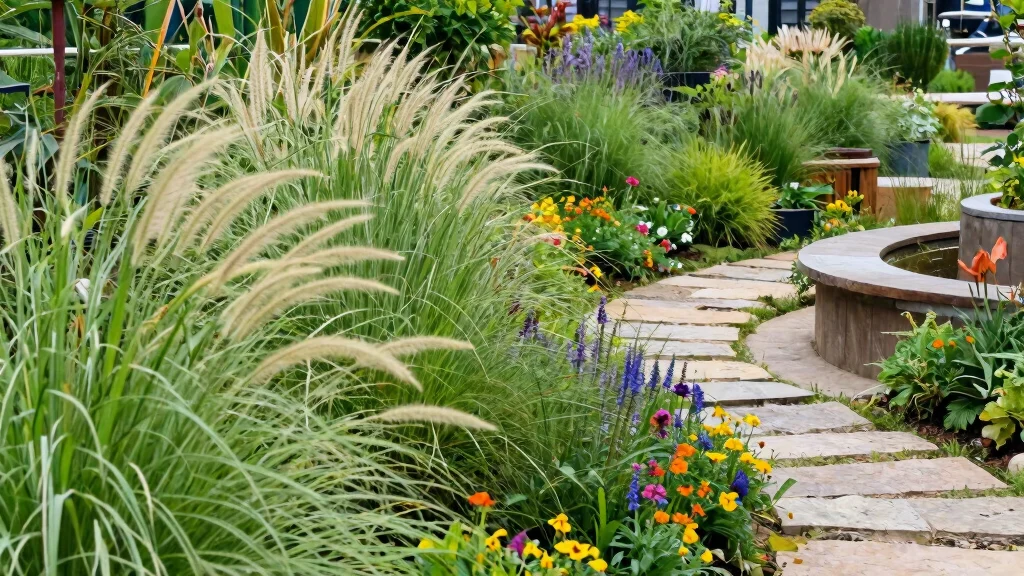
Creating pathways on a hillside not only adds charm but also improves accessibility in your garden. A well-designed path can guide visitors through your landscape, making the experience more enjoyable. Using materials like gravel or natural stone will enhance the visual coherence of your garden while ensuring durability.
Integrating gentle curves and slopes into your pathways creates a warm and inviting feel. This approach encourages exploration and provides easy navigation throughout your outdoor space.
Pathway Design Tips:
– Material Selection: Choose sturdy materials that match your garden’s aesthetic.
– Path Width: Ensure paths are wide enough for comfortable navigation.
– Plant Along Edges: Add low-growing flowers to create a lush border.
Thoughtfully designed pathways can significantly enhance the beauty and accessibility of your hillside garden.
❝ A well-designed slope-path is your garden’s conversation starter—sloping routes invite exploration while staying accessible. Use gravel or natural stone for durability, and add gentle curves to guide visitors through landscaping on a hill with ease and beauty. ❞
Recommended Products

Perfect For Adding Plants/Trees On A Steep Hillside: Measuring 40in wide by 16in high. Each set includes 3 oval-shaped Plastic sheets and 6 ground stakes, allowing you to easily plant flowers, vegetables, or trees on slopes to meet your DIY landscaping and gardening needs.
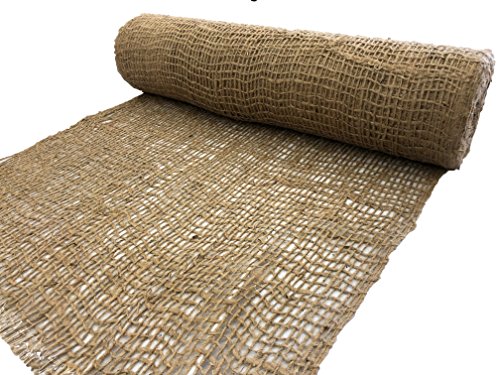
Premium Jute Construction: Our Soil Saver Erosion Control Fabric is made from premium-quality jute, a natural and biodegradable material renowned for its superior erosion control capabilities. Crafted with meticulous attention to detail, this 48-inch wide and 20-yard long fabric ensures a sturdy, reliable solution for preventing soil erosion.
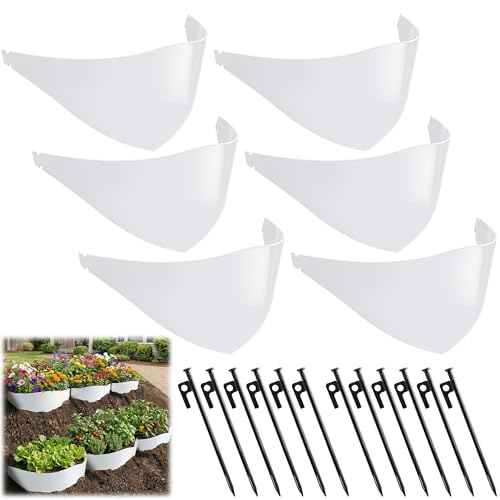
Perfect For Adding Plants/Trees On A Steep Hillside: Measuring 40in wide by 16in high. Each set includes 6 oval-shaped Plastic sheets and 12 ground stakes, allowing you to easily plant flowers, vegetables, or trees on slopes to meet your DIY landscaping and gardening needs.
You might also like
How To Choose the Right Landscaping Ideas for Your Hill Garden
Choosing the right landscaping ideas for your hill garden can make all the difference in creating a stunning outdoor space. Here are some key points to consider when planning your sloped yard landscaping:
1. Assess Your Space
Take some time to evaluate your hill’s slope. Measure the degree of the incline and the overall size of the area you want to landscape. A steep slope may require different techniques, like terracing, compared to a gentle hill. Knowing your space helps determine the most suitable planting techniques and features.
2. Select Your Plants Wisely
Choosing the right plants is essential for a successful hill garden design. Opt for plants that are native to your area, as they generally require less maintenance and are more resistant to local pests. Consider options with deep roots to help prevent erosion and plants that bloom at different times to ensure year-round interest.
3. Plan for Erosion Control
Erosion is a common issue in sloped gardens. Incorporate erosion control measures, such as using ground cover plants, retaining walls, or terraced beds. These features not only help stabilize the soil but also add visual interest to your landscape. Check local regulations or consult with a landscape professional for the best practices in your area.
4. Maximize Accessibility
When landscaping on a hill, think about how you will navigate the space. Elevated garden ideas, such as sloped pathways, can enhance accessibility. Use materials like gravel or stepping stones for pathways that blend with your natural surroundings. Ensure that your paths are wide enough for comfortable walking and consider adding handrails if necessary.
5. Incorporate Water Features
Water features can be both stunning and functional in a hillside garden. Consider adding a small pond or a waterfall that cascades down the slope. Not only do these features create a peaceful atmosphere, but they also help with drainage issues. Make sure to plan the water features’ placement to complement your garden layout.
6. Budget for Your Project
Establishing a budget is crucial when choosing landscaping ideas. Determine how much you are willing to invest in your hill garden design. Remember to include costs for plants, materials, and any professional help you might need for installation. It helps to compare prices at local nurseries and home improvement stores for the best deals.
Pro Tip: Always overestimate your budget by about 10-20%. Unexpected expenses can arise, so it’s wise to have a little extra set aside to cover them.
Selecting the right landscaping ideas for your hill garden requires careful thought and planning. By assessing your space, choosing plants wisely, managing erosion, ensuring accessibility, incorporating water features, and sticking to a budget, you can create a beautiful and functional outdoor space that enhances your home’s landscape.
Recommended Products

CALIFORNIA MUGWORT SEED - Perennial shrub native to California highly valued in traditional/herbal medicine practices. Plants have low water and fertility requirements and can be used to prevent erosion on hillsides. Blossoms attract pollinators such as bees and other beneficial insects.

COLORFUL BLOOMS: Stunning pink flowers bloom for months

COLORFUL BLOOMS: Stunning bright-red flowers bloom for months
Sloped Pathways to Enhance Accessibility
Editor’s Choice

EasyFlex No-Dig Landscape Edging with Anchoring Spikes, 2.7 in Tall Deco…

40 LBS Grey Pea Gravel – Landscape Rocks – Drainage Rock – Gardening – A…

TierraVerde 4-Pack 18”x22” Natural Rock Rubber Stepping Stones, Grey…
5. Water Features for Serenity and Function
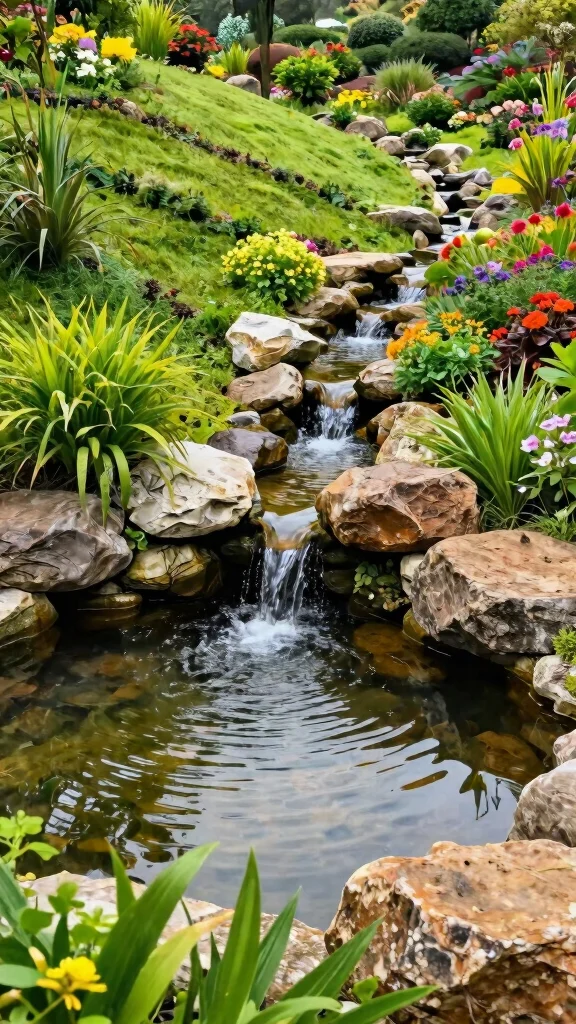
Incorporating a water feature into your hillside landscape elevates both its beauty and functionality. Whether it’s a tranquil pond, a bubbling fountain, or a gentle stream, water features add a serene atmosphere to your garden while aiding in erosion control. The soothing sound of flowing water invites relaxation and attracts local wildlife.
These features can serve as stunning focal points, enhancing the overall aesthetic of your outdoor space. Consider the size and style that best fits your landscape for an effective design.
Types of Water Features to Consider:
– Fountains: A small fountain can add visual interest and soothing sounds.
– Ponds: Create a pond with aquatic plants to promote biodiversity.
– Cascading Streams: A flowing stream can reduce erosion and enhance natural beauty.
Adding a water feature transforms your hillside into a peaceful oasis, enriching both your garden and the surrounding ecosystem.
Recommended Products


Landscape Design, Stone, Illustrated
DON’T LET WEEDS RUIN YOUR HARD WORK - Keep your landscape looking great year-round.
Water Features for Serenity and Function
Editor’s Choice

Jocoevol 60″ Long Cascading Outdoor Rock Water Fountain, 5-Tier Tranquil…

AISITIN DIY Solar Water Pump Kit for Water Feature Outdoor, Solar Powere…

AquaTough Pond Liner with J-Test Protection 10 ft x 12 ft 45 mil Epdm
6. Vertical Gardening Solutions for Limited Space
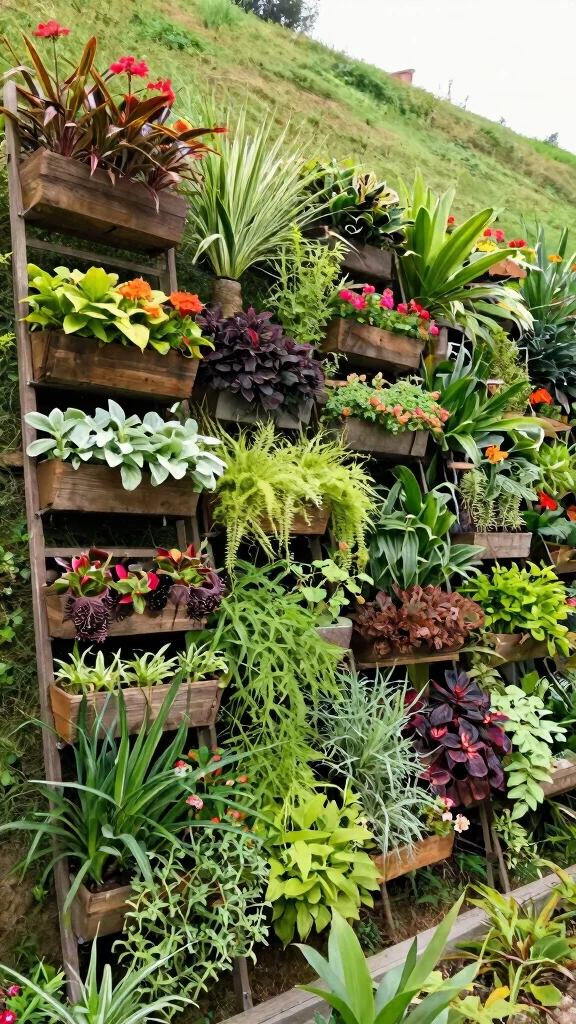
In sloped gardens where space is at a premium, vertical gardening offers a smart solution. By utilizing vertical space, you can grow more plants and create eye-catching displays. Structures like trellises, wall planters, and hanging baskets are perfect for maximizing your planting area.
This approach not only saves ground space but also makes maintenance easier and adds visual layers to your landscape. You might choose colorful flowers or herbs to enhance both beauty and functionality.
Vertical Gardening Tips:
– Choose Sturdy Structures: Use trellises or frames that complement your garden style.
– Select Suitable Plants: Opt for lightweight, thriving options like climbing vines.
– Ensure Proper Watering: Install adequate systems to keep vertical plants healthy.
With vertical gardening, you can transform slopes into stunning green displays while optimizing your space.
Did you know vertical gardening can add up to 50% more planting space on a small slope? With trellises, wall planters, and hanging baskets, your landscaping on a hill becomes easier to maintain and incredibly layered.
Recommended Products

【HEAVY-DUTY GALVANIZED STEEL】Say goodbye to flimsy aluminum. LAVEVE Garden Edging is built with a reinforced, thickened galvanized steel core, offering superior strength and durability while remaining flexible for custom-shaped borders.

SUPERIOR WEATHER RESISTANT: Made from premium galvanized steel with a powder-coated surface, this garden edging resists fading and rust. Its superior weather resistance ensures maximum durability in harsh weather conditions

No Digging Installation: Our Landscape Edgings Garden Border Edging Kit is designed for easy setup—simply hammer the included spikes into the ground to reinforce the shape and prevent warping. Transform your garden effortlessly without the need for professional help!
📹 Related Video: VERTICAL GARDENING TIPS & IDEAS: Why and how to add VERTICAL SPACE to your garden for EVERY BUDGET
Vertical Gardening Solutions for Limited Space
Editor’s Choice

English Inviting Horse Trough Balcony Planter With Coconut LinerMetal Wa…

Keter Resin Rattan Set of 2 Round Hanging Planter Baskets for Indoor and…

SUNNYPARK Antique Garden Iron Trellis with Decorative Hummingbirds Detac…
7. Creating a Cozy Seating Area with Views
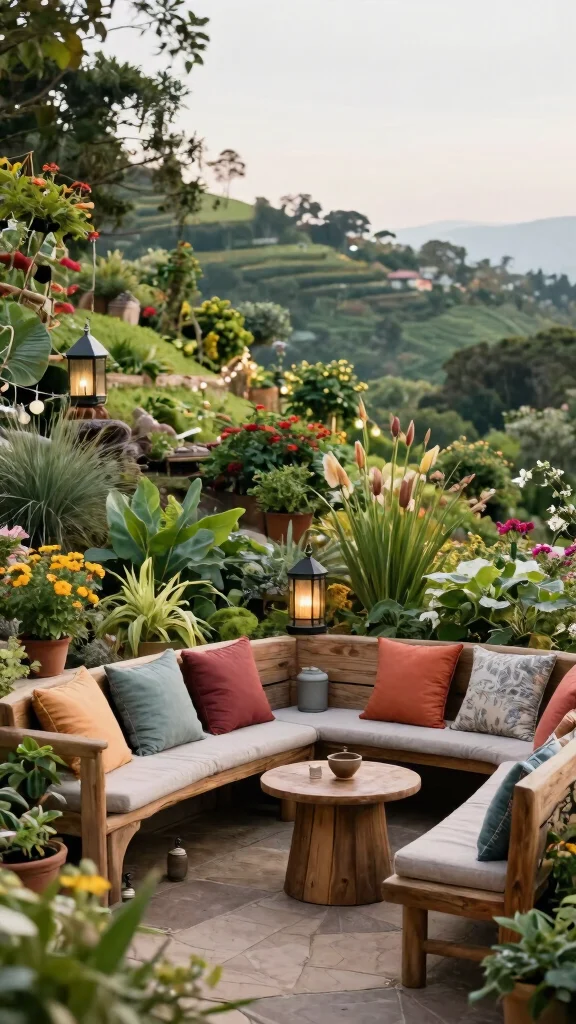
A cozy seating area on your hillside can turn your garden into a peaceful retreat. Positioning comfortable seating to enjoy beautiful views enhances the inviting atmosphere of your space. Use natural materials like wood or stone for a harmonious blend with the landscape.
Adding soft cushions and decorative touches like lanterns or string lights creates a warm ambiance for relaxation. You might even consider a small fire pit for added charm.
Tips for Designing Your Seating Area:
– Optimize Location: Place seating to capture the best views, such as sunsets or garden vistas.
– Surround with Plants: Incorporate fragrant or flowering plants for a lovely backdrop.
– Add Privacy Elements: Use trellises or dense plantings for a secluded feel.
Designing a cozy seating area invites you to unwind and enjoy the beauty of your hillside garden.
Recommended Products
Durable: Curlex II Erosion Control Fabric features extruded plastic netting on both sides, providing exceptional durability in high-water areas.

LONG-LASTING EROSION CONTROL WITH COIR FIBERS: Made from dense coconut coir fibers, this erosion control mat offers 2–5 years of soil retention on steep slopes, water edges, and environmentally sensitive zones.

PREMIUM QUALITY CLOVER SEED: This high-quality white clover seed is perfect for erosion control, creating a lush lawn alternative, enriching pasture mixtures, and supporting seasonal food plot preparation. Ideal for homeowners, gardeners, landscapers, farmers, and wildlife managers, it works well for deer food plots, green manure crops, ground cover, lawns, gardens, and backyards.
You Might Also Like

Creating a Cozy Seating Area with Views
Editor’s Choice

Lantern Decorative Indoor & Outdoor, Large Hanging Candle Lanterns Home …

Psilvam 2-Person Outdoor Bench with 700 Lbs Weight Capacity, Poly Lumber…

Portable Outdoor Fire Pit 22 Inch – New Upgraded Camping Fire Pit Collap…
8. Seasonal Planting for Year-Round Interest
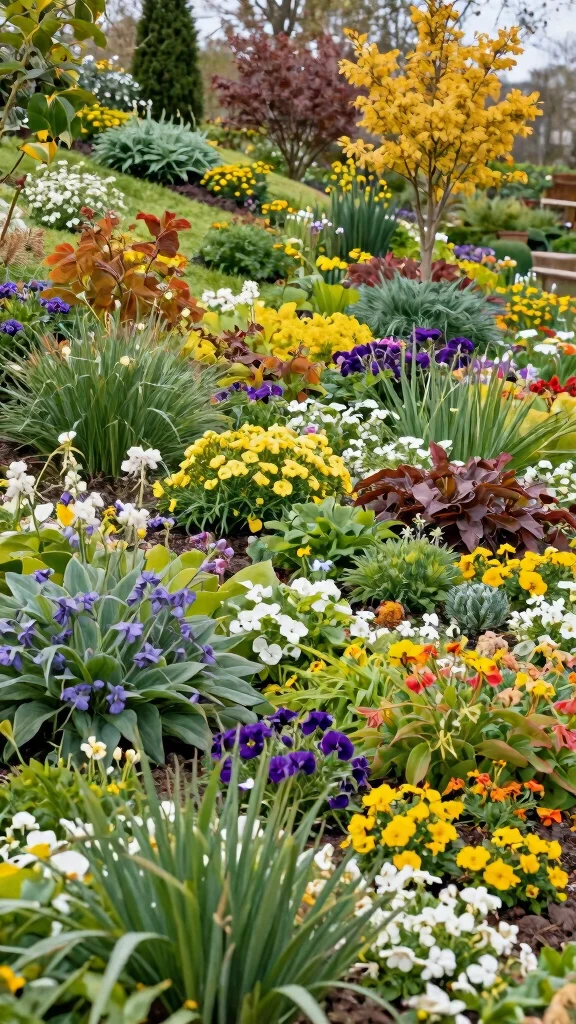
To keep your hillside garden vibrant all year, consider seasonal planting strategies. By mixing plants that bloom in different seasons, you can create a dynamic landscape that evolves with time. Incorporate spring bulbs, summer perennials, fall foliage, and winter evergreens for a continuous display of color and life.
This method not only enhances aesthetic appeal but also supports local wildlife throughout the year. A thoughtful selection of plants can make your garden a thriving ecosystem.
Seasonal Planting Tips:
– Layer Blooms: Place early bloomers in the front and later ones behind for ongoing color.
– Choose Complementary Colors: Select plants that harmonize with each other throughout the seasons.
– Simplify Maintenance: Opt for plants with similar care needs.
By implementing seasonal planting, your hillside garden will always be a beautiful and engaging space.
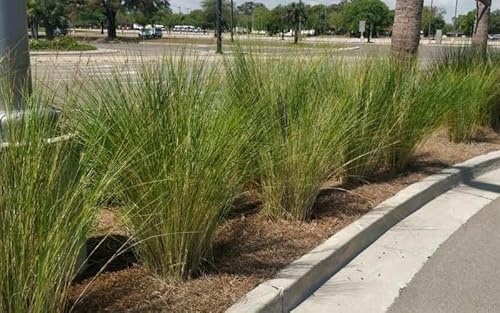
Seasonal planting turns landscaping on a hill into four gardens in one year, delivering year-round interest. Mix spring bulbs, summer perennials, fall foliage, and winter evergreens, and watch your hillside come alive—while your local wildlife keeps visiting. It’s practical, beautiful, and practically maintenance-light.


Seasonal Planting for Year-Round Interest
Editor’s Choice

XLUX Long Probe Deep Use Soil Moisture Meter, Water Monitor Indicator Se…

Legend Gardening Journal – 5-Year Garden Journal Planner & Log Book wi…

Miracle-Gro Water Soluble All Purpose Plant Food – Fertilizer For All In…
Conclusion
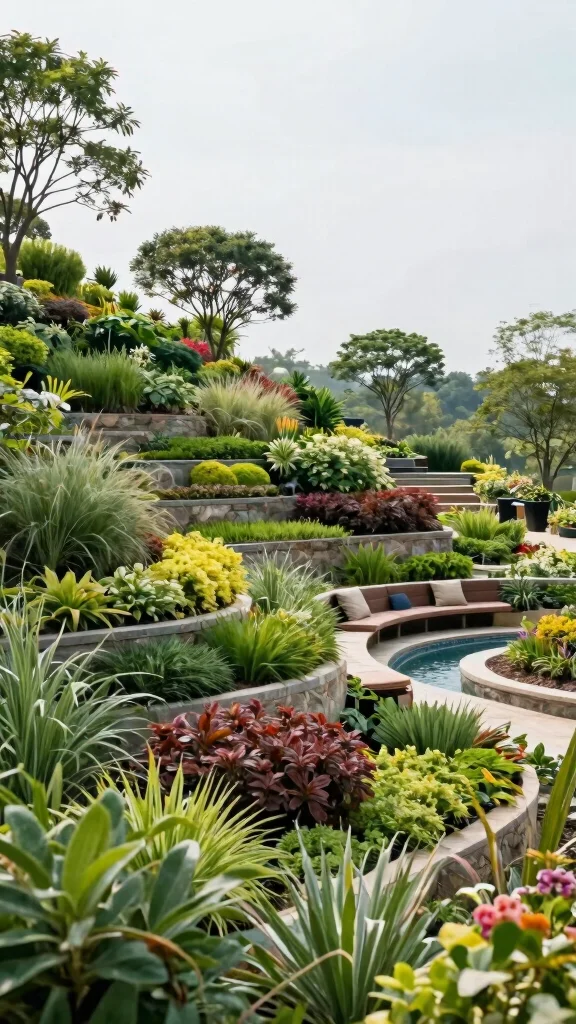
Landscaping on a hill might seem daunting, but with these eight creative ideas, you can transform every rise and fall into a beautiful, functional space that enhances your property. From terraced gardens to cozy seating areas, every element plays a role in making your hillside garden a captivating retreat.
Embrace the beauty of your landscape, and let your creativity flow as you develop your perfect sloped garden. Happy gardening!
Note: We aim to provide accurate product links, but some may occasionally expire or become unavailable. If this happens, please search directly on Amazon for the product or a suitable alternative.
This post contains Amazon affiliate links, meaning we may earn a small commission if you purchase through our links, at no extra cost to you.
Frequently Asked Questions
Question: What Are the Most Effective Strategies for Landscaping on a Hill to Prevent Erosion and Create Beauty?
Start with a solid plan that respects the hill’s rise and fall. For landscaping on a hill, use terraced landscaping solutions or stepped planting beds to slow water flow and create flat zones.
Install proper drainage—think French drains or perforated pipes—so water moves away from the roots.
Choose plants with strong root systems for hill garden design and sloped yard landscaping, such as native grasses, creeping groundcovers, and hardy perennials that stabilize soil.
Apply a thick mulch layer and use drip irrigation to minimize runoff. With thoughtful placement and irrigation, you’ll get multi-level interest that’s both beautiful and erosion-aware.
Question: How Can I Use hillside planting techniques to boost color, texture, and resilience in a sloped yard landscaping plan?
Use hillside planting techniques by layering for depth and resilience. Start with groundcovers or creeping grasses on the lowest shelves, add mid-height perennials in the middle, and tuck a few sun-loving shrubs at the top for structure.
Choose plants suited to your sun exposure and soil, favor native species with good root systems that hold soil. Add color with seasonal bloomers and maintain texture with diverse foliage. Capture runoff with shallow swales and keep irrigation targeted with a drip system to avoid washing soil away. This approach aligns with hill garden design and keeps slopes vibrant year-round.
Question: What Elevated Garden Ideas Work Best on Steep Slopes Without Heavy Construction?
Elevated elevated garden ideas that require minimal digging include freestanding planters on posts, stone or timber steps, and raised beds that sit above grade. Use gabions or prebuilt retaining walls to hold soil without deep excavation. Install stepping-stone pathways that weave between levels and add a small seating nook on a terrace. This keeps the slope accessible and safe, fitting neatly into a cohesive hill garden design and terraced landscaping solutions approach.
Question: How Should I Choose Materials for Terraced Landscaping Solutions on a Hill to Balance Durability and Aesthetics?
Material choices for terraced landscaping solutions should balance durability with looks. For hillside work, opt for natural stone, concrete blocks, weather-resistant timber, or gabions. Consider weight, drainage behind walls, frost resilience, and maintenance needs. Use permeable backfill and plant along the wall to stabilize, creating a cohesive look that blends with the landscape. This supports both aesthetics and erosion control in the hill garden design.
Question: What Maintenance Practices Keep a Hill Garden Design Healthy and Erosion-Free Through the Seasons?
Maintenance is key. Perform regular inspections of walls and drainage, prune to keep root systems strong, and replace stressed plants promptly. Mulch generously to protect soil and reduce runoff, and refresh groundcovers when needed. Use a drip irrigation system to avoid overwatering and add seasonal color with evergreen anchors for year-round stability. With consistent sloped yard landscaping care, your hill garden design stays beautiful and erosion-free.
Related Topics
landscaping on a hill
hill garden design
sloped yard landscaping
elevated garden ideas
hillside planting techniques
terraced landscaping solutions
erosion control
beginner friendly
DIY landscaping
sustainable gardening
seasonal planting
advanced techniques