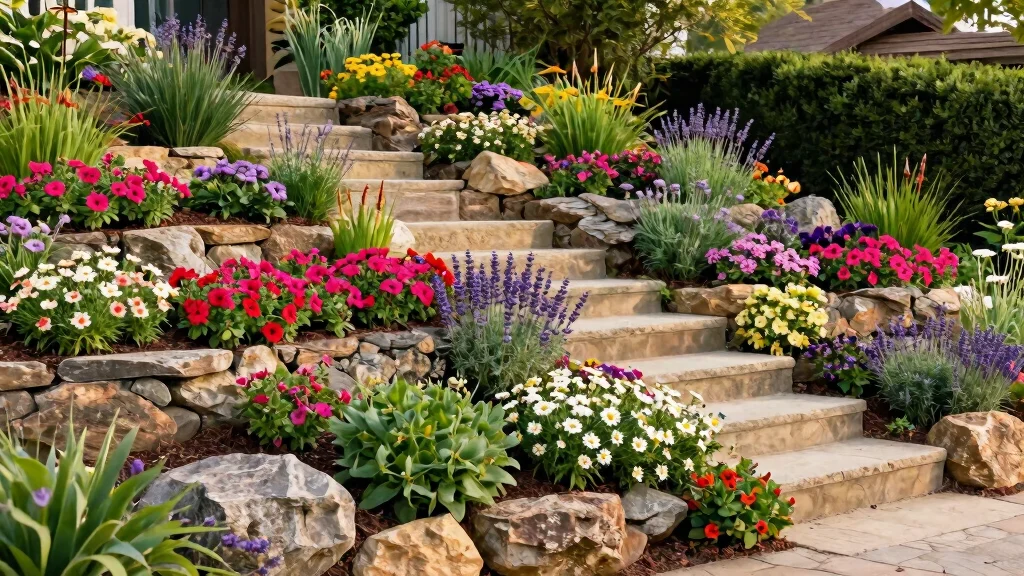
Transforming a sloped front yard into an eye-catching masterpiece can feel like a daunting task. Many homeowners struggle with the challenge of making the most out of an incline. That’s why I created this guide: to inspire you with fresh ideas for sloped front yard landscaping. You may often wonder how to tackle these tricky spaces, and I’m here to show you that it’s entirely possible to turn them into something beautiful and practical.
If you’re someone who loves gardening or simply wants to improve your home’s curb appeal, this post is for you. Whether you’re an experienced gardener or just beginning your journey, you’ll find something valuable here. From tiered flower beds to decorative elements, I’ve pulled together 9 stunning ideas that will transform your slope into a tiered landscaping masterpiece. These ideas are not only visually appealing but also functional, making your outdoor space a joy to spend time in.
In this post, you will discover practical tips and creative solutions that suit various styles and budgets. Each idea is designed to help you embrace your front yard’s natural incline, making it a unique feature of your home. Get ready to explore ways to incorporate pathways, plants, and even water features that add charm and character to your landscape. Your sloped yard will no longer feel like a burden but rather a canvas for your gardening creativity!
Key Takeaways
– Embrace Tiered Flower Beds: Create levels using flower beds to add depth and visual interest to your slope. This technique not only enhances aesthetics but also makes maintenance easier.
– Install a Retaining Wall: Consider building a retaining wall to prevent erosion and support your garden. This functional element can also serve as a planting area for flowers or herbs.
– Incorporate Pathways: Design inviting pathways that guide visitors through your yard. Use materials like gravel or stepping stones to create easy access while enhancing your landscape.
– Layered Planting for Visual Impact: Mix different plant heights and textures to make your yard feel more alive. Tall plants at the back and shorter ones in front create a stunning layered effect.
– Use Color Wisely: Choose plants with various colors and bloom times to ensure your yard remains vibrant throughout the seasons. This adds continual interest and charm to your front yard design.
Recommended Products
Thickened biodegradable material, durable:Thickened eco-friendly material designed to provide superior strength and longevity while minimizing environmental impact. It...
1. Embrace Tiered Flower Beds
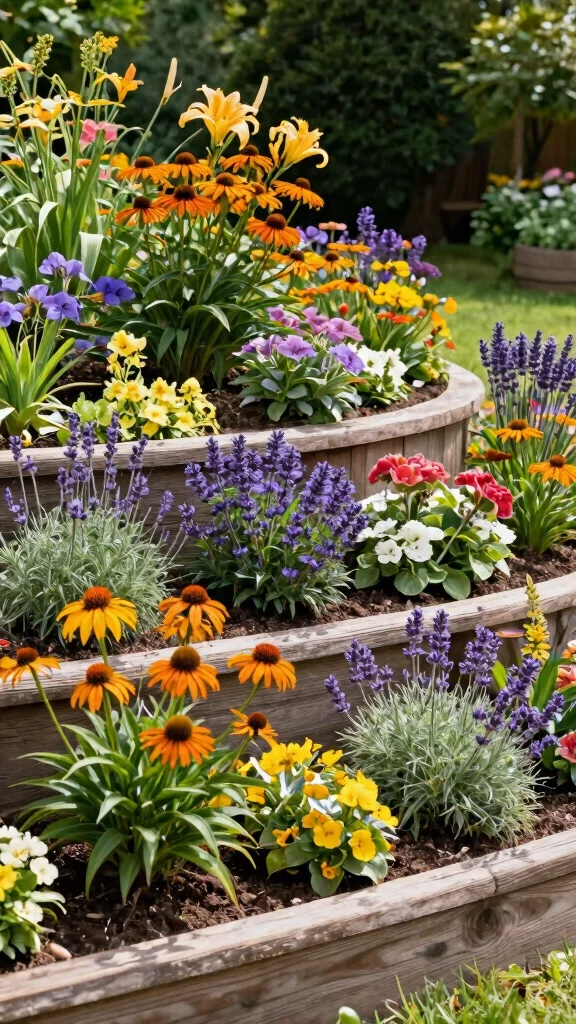
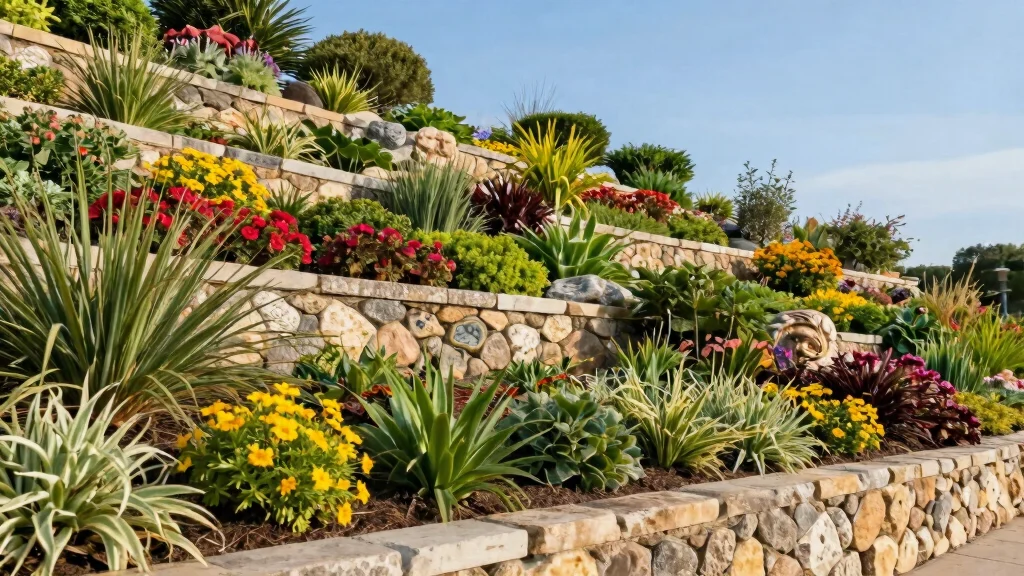
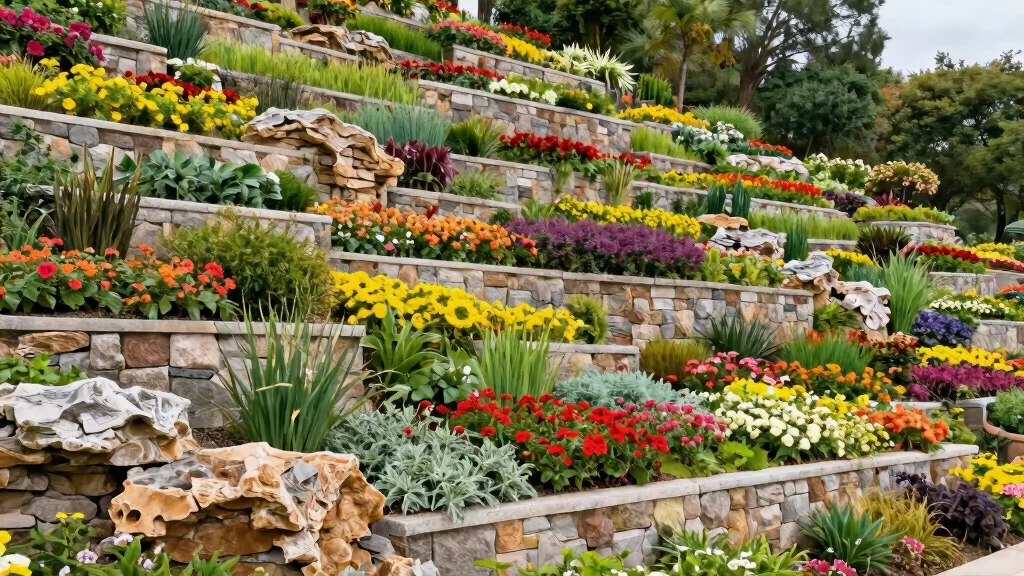
Transform your sloped yard with tiered flower beds that add depth and character. These multi-level gardens allow you to showcase an array of plants suited for various light and moisture levels. By using materials like timber or natural stone for edging, you can create stunning displays of vibrant blooms that catch the eye.
Begin by mapping out your tiers, ensuring each level is distinct and filled with colorful perennials like coneflowers or daylilies. They will reward you with beautiful flowers year after year.
Tips for success with tiered flower beds:
– Choose plants of varying heights for a dynamic look.
– Mix colors and textures for a lively display.
– Amend soil for proper drainage on each tier.
Tiered beds not only enhance visual appeal but also help combat erosion, making them a smart choice for sloped landscapes.
Recommended Products

✅【Retaining Wall Fiberglass Geogrid】The Retaining Wall Fiberglass Geogrid boasts a reliable tensile strength of 50 KN, whereas plastic geogrids fail to provide tensile...
Embrace Tiered Flower Beds
Editor’s Choice

FOREVER BAMBOO Natural Eucalyptus Wood Solid Log for Garden Edging Lawn …


Espoma Organic Vegetable & Flower Garden Soil Natural and Organic in Gro…

Stella D’oro Yellow Daylilies – 10 Bare Root Perennials Re-Bloomer
2. Create a Rock Garden Delight

Rock gardens are an excellent choice for sloped areas, combining beauty with low maintenance. By arranging stones and drought-tolerant plants, you can establish a picturesque space that feels naturally inviting. Start with larger boulders to anchor your garden, then fill gaps with smaller stones and gravel.
Incorporate hardy plants like sedum, thyme, or ornamental grasses to add softness and movement to the rocky landscape.
Consider these aspects when designing a rock garden:
– Opt for drought-resistant plants to save water.
– Place rocks in a natural arrangement, mimicking the wild.
– Design pathways with stepping stones or gravel for easy access.
A rock garden not only adds visual texture but also serves as a sanctuary for wildlife, attracting butterflies and beneficial insects.
Rock gardens anchor sloped front yard landscaping with style: place a bold boulder first, then layer smaller stones to create texture. Pair sedum, thyme, and ornamental grasses for drought-smart color and movement—easy, low-maintenance beauty you can plant this weekend.
Recommended Products

Durable & Easy: These 15.5" stepping stones are made of weatherproof resin, so they can withstand rain, hail, UV rays, and cold temperatures. They also feature four ground stakes for secure installation, making them perfect for patios, walkways, and gardens.
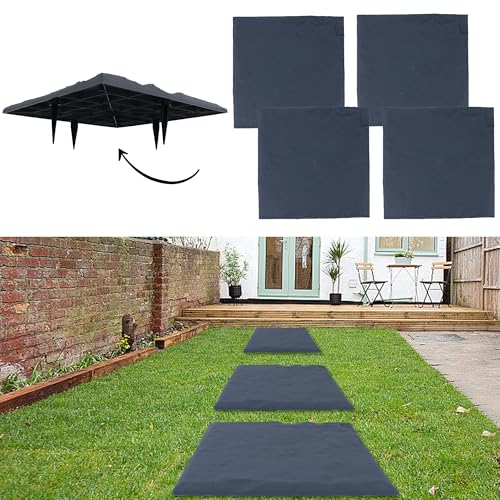
Durable & Easy: These 15.5" stepping stones are made of weatherproof resin, so they can withstand rain, hail, UV rays, and cold temperatures. They also feature four ground stakes for secure installation, making them perfect for patios, walkways, and gardens.

MASSAGE YOUR FEET: Put the stepping stones outdoor together with pieces on a flat proper place and walk on it. It will massage your feet and keep you fit.
Create a Rock Garden Delight
Editor’s Choice

Live Succulent Sedum adolphii Shooting Stars, 2 Inch Fully Rooted Potted…

YISZM 2LB Succulent and Cactus Gravel Pebbles, 1/5 Inch Natural Decorati…

Virekm River Rocks, Decorative Ornamental Pebbles,Garden Landscaping Sto…
3. Install a Retaining Wall
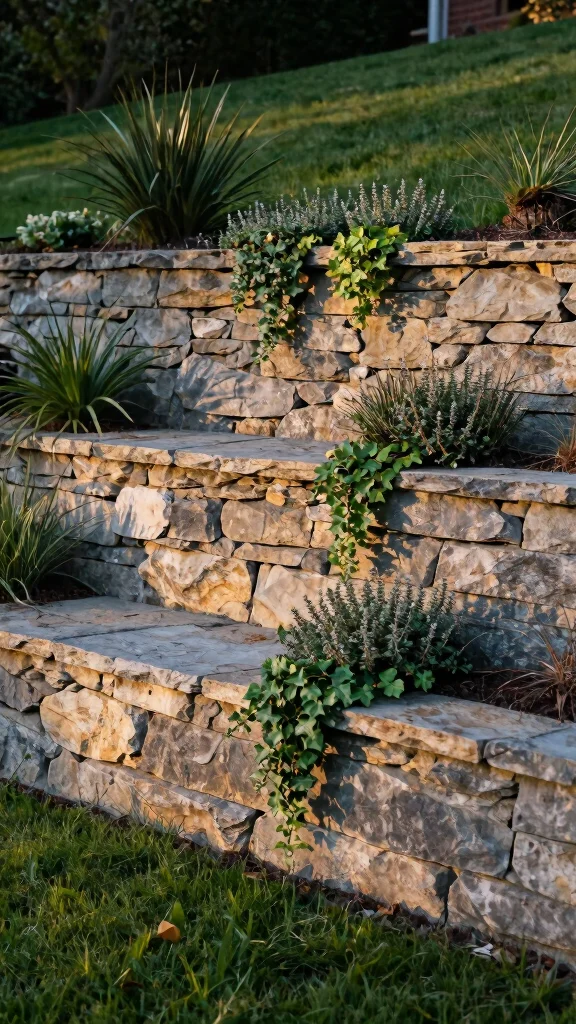
Retaining walls serve a dual purpose—they stabilize sloped yards while adding a striking feature to your landscape. Using materials like natural stone, brick, or timber, you can build a wall that enhances your home’s style.
Integrate plants into the design to soften hard edges and introduce color. Trailing plants like creeping thyme or ivy can crown your wall for an elegant finish.
Tips for designing a retaining wall:
– Check local codes and consider drainage options.
– Use landscaping fabric behind the wall to prevent soil loss.
– Add lighting to illuminate the wall at night, creating a captivating atmosphere.
A well-crafted retaining wall beautifully balances form and function, providing a barrier against erosion while enhancing your yard’s aesthetic.
Recommended Products
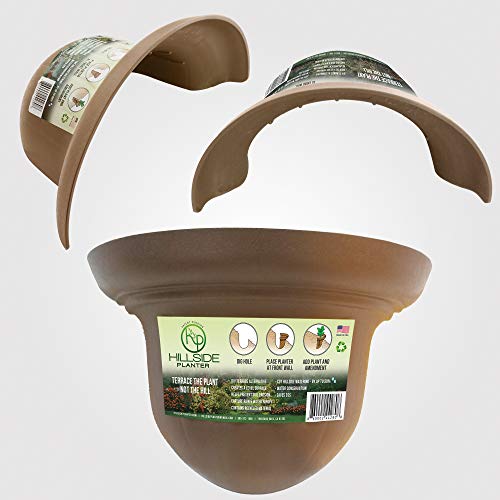
TRANSFORM SLOPES INTO PLANTABLE GARDEN SPACE – Designed specifically for hillsides and sloped landscapes, the Hillside Planter creates a stable, level planting pocket so you can successfully grow flowers, herbs, vegetables, and shrubs where traditional planting fails.

This semi-dwarf evergreen is known for its dazzling gold foliage that is brightest in summer with bright green foliage underneath. Its spreading growth habit reaches 3-4 feet tall. Best performs as groundcover, medium-sized shrub, and foundation planting. Adapts well to banks and slopes.
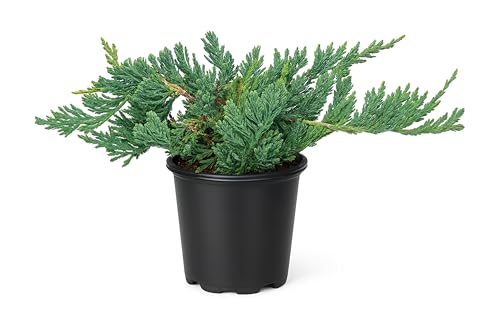
Stunning Blue Rug Juniper Wiltonii features striking silvery-blue foliage, perfect for adding color and texture to your garden
Install a Retaining Wall
Editor’s Choice

Gray Granite Cobblestone (Belgian Block) – 5x5x9” Average Nominal +/…

Live Pothos Plants (4PK) Indoor Plants Live Houseplants, Pothos Live Pla…

Pattiumo Weed Barrier Fabric 3x300FT Landscape Fabric 3.2oz Weed Barrier…
4. Pathways to Serenity
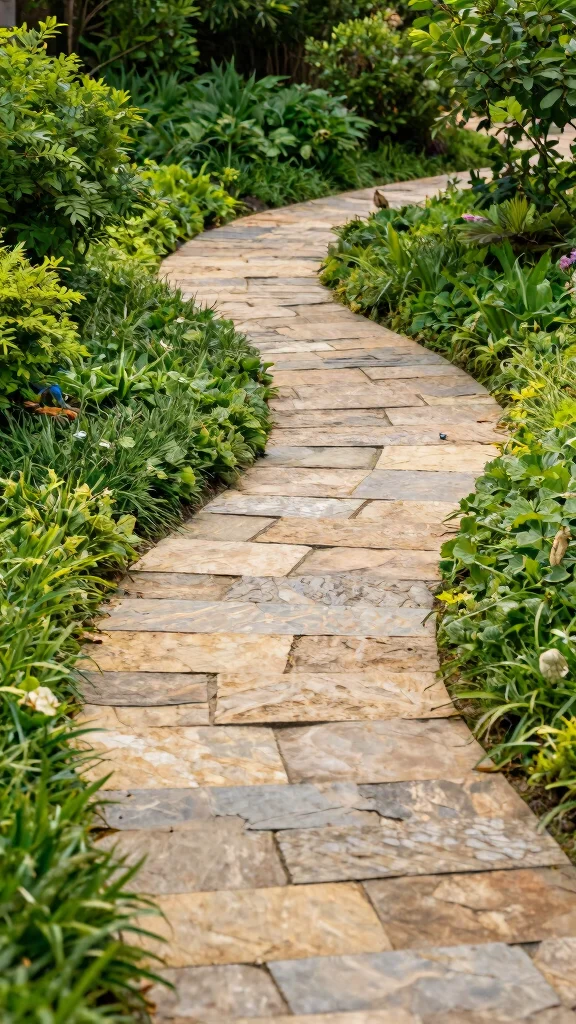
Creating pathways in your sloped yard not only improves accessibility but also leads visitors through your lush garden. Use materials like paving stones, gravel, or mulch to craft inviting paths that connect different areas.
Curved pathways can soften the slope’s appearance and create a sense of openness. Consider adding steps in steeper areas to ensure safe navigation.
Pathway design tips:
– Mix materials for added visual interest.
– Plant ground cover along edges to soften the look.
– Ensure pathways are wide enough for comfortable movement.
A thoughtfully designed pathway transforms your slope into an enchanting journey, inviting exploration and enjoyment.
Fun fact: In sloped front yard landscaping, curved pathways can reduce erosion and visually soften the incline, guiding visitors through your garden. Use a mix of paving stones, gravel, and mulch to add texture, and add steps where the slope is steep.
Recommended Products
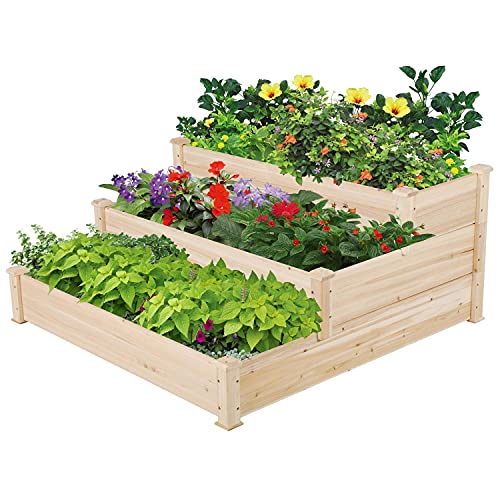
【Selected Materials】Made of natural fir wood without painting, this garden bed for horticulture is well sanded to ensure safe use. The 0.6" thick solid wood boards fixed by metal hardware are ready for long-term use.

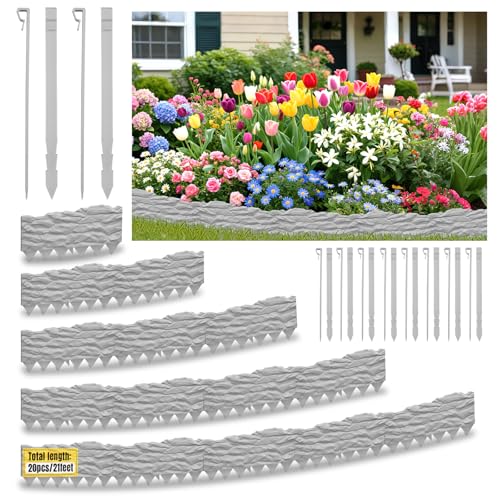
Decorative Garden Edging Border Stone:Stone gray garden edging border simple to install with 8inch plastic spikes that secure firmly into the ground, keeping the edging stable and properly aligned get a beautifully landscaped yard without all the work of no dig lawn edging

Long-Lasting Use: Made of high-quality, weather-resistant plastic, this landscape edging is both sturdy and flexible enough to hold pebbles, mulch, and other materials in place
📹 Related Video: This Modern Walkway Looks Designer, But Was So Easy to Build
Pathways to Serenity
Editor’s Choice
Back to the Roots 100% Organic Mulch, 58 Quart, Expanding Coconut Husk B…

Sekcen 3 Pack Rubber Stepping Stones Outdoor Garden Rubber Pavers Pathwa…
Virekm River Rocks, Decorative Ornamental Pebbles,Garden Landscaping Sto…
5. Emphasize with Edible Landscaping
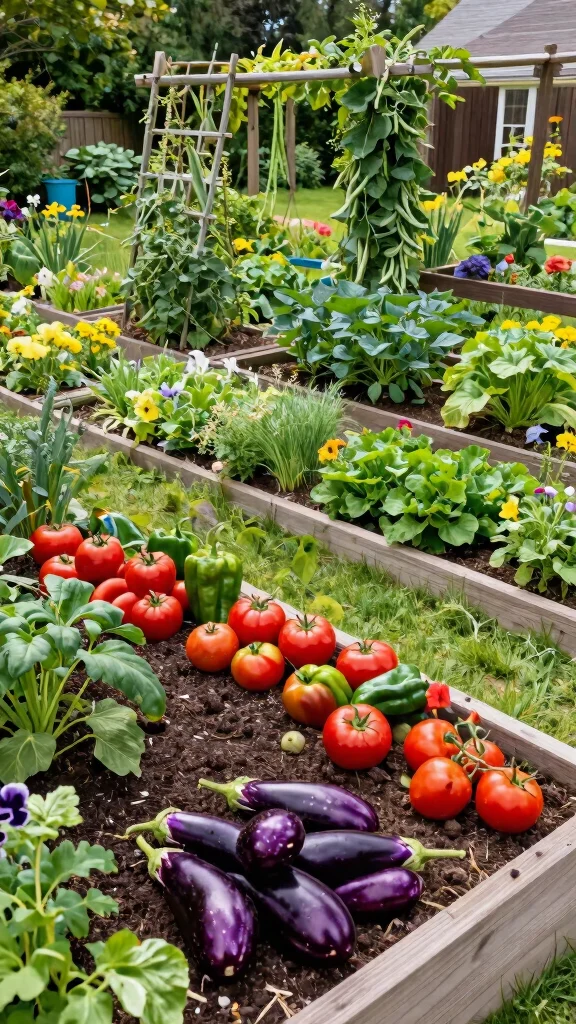
Integrating edible plants into your sloped front yard is a delightful way to combine beauty and function. Imagine raised beds brimming with colorful herbs, vegetables, and fruits that enhance traditional landscaping.
Consider creating terraced gardens where each layer accommodates different crops based on their sunlight and moisture needs, maximizing space while simplifying harvesting.
Edible landscaping tips:
– Select a mix of perennial herbs and seasonal vegetables for variety.
– Use attractive containers or raised beds to boost visual appeal.
– Pair companion plants to enhance growth and deter pests.
Edible landscaping turns your yard into a feast for the senses, allowing you to savor the fruits of your labor.
You might also like
Emphasize with Edible Landscaping
Editor’s Choice

Land Guard Galvanized Raised Garden Bed Kit, Galvanized Planter Garden B…

YAMRON 4-in-1 Soil Moisture Meter, Digital Plant Temperature/Soil Moistu…

Melphoe 25Pcs Mini Garden Hand Transplanting Succulent Tools Set, 39.4″ …
6. Incorporate Water Features
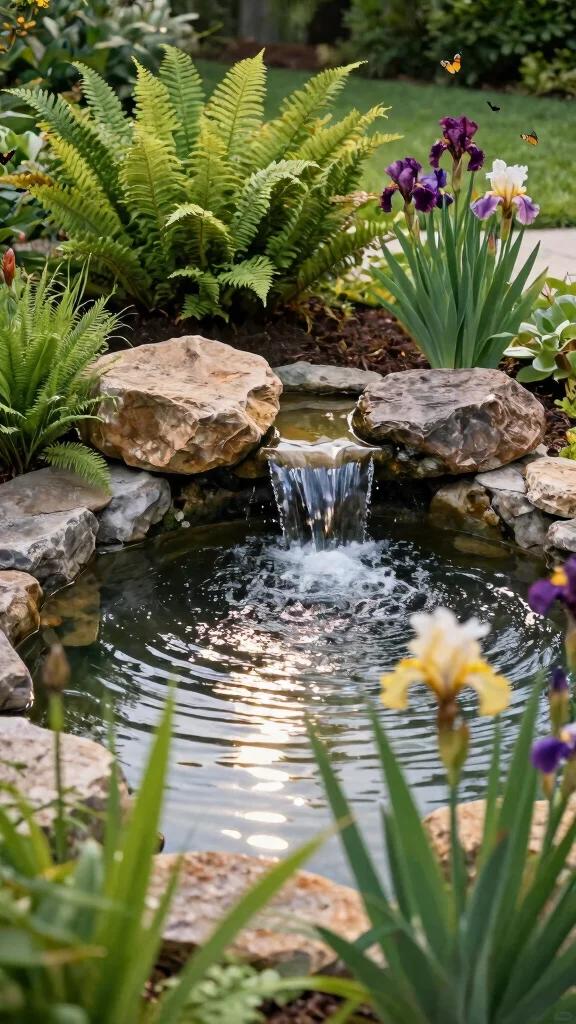
Water features introduce tranquility to your sloped yard, creating a calming oasis. Consider a small pond, a waterfall, or a simple fountain that fits seamlessly into your landscape.
These elements not only provide habitat for wildlife but also aid with drainage, reducing soil erosion. Surround your water feature with moisture-loving plants like ferns and irises to enhance the lush, natural feel.
Water feature tips:
– Place features for maximum visibility and enjoyment.
– Integrate rocks and plants around the feature for a cohesive look.
– Ensure the sound of water creates a relaxing ambiance.
A well-positioned water feature can become the heart of your garden, inviting relaxation and peace.
Recommended Products

Vintage Charm: Natural gray finish features subtle color variation that replicates the look of weathered stone, adding visual texture to gardens, pathways, and outdoor spaces

Sturdy Cast Iron Construction: Lawei turtle stepping stone is made of heavy-duty cast iron with genuine verdigris finish, this metal stepping stone withstands all weather extremes—perfect for year-round outdoor use in gardens, lawns and patios without rusting or cracking.

Extra Large--12 inch Wide diameter for Secure Footing: Our oversized 12-inch design offers ample space for adult feet,delivering stable,perfect for American-style private garden walkways.
Incorporate Water Features
Editor’s Choice

VIVOSUN 800GPH Submersible Pump(3000L/H, 24W), Ultra Quiet Water Fountai…

Aquascape AquaGarden Pond Kit, Container Water Garden | 78325
7. Layered Planting for Visual Impact
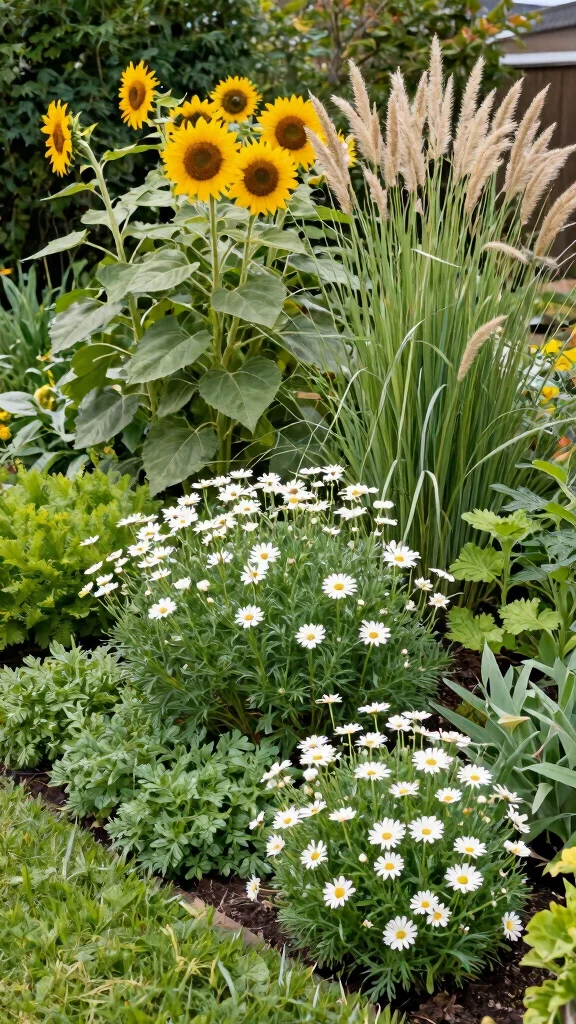
Layered planting creates stunning visual effects in your sloped garden. By arranging plants by height, you can achieve a natural look that adds depth and appeal.
Start with taller plants at the back and gradually transition to shorter varieties in the front. This enhances visibility, ensuring every plant gets its moment to shine.
Layering tips include:
– Use a combination of deciduous and evergreen plants for year-round appeal.
– Include seasonal blooms to keep your landscape dynamic.
– Add ground covers to fill gaps and prevent erosion.
Layered planting beautifies your yard while fostering a cohesive, organized design.
Did you know layered planting boosts perceived height by up to 30% in sloped front yard landscaping, making the incline feel gentler? By arranging taller plants at the back and shorter ones at the front, you not only improve visibility but also cut pruning time.
Recommended Products

COVERS UP TO 240 SQ FT – Ideal size for flower beds, shrubs, walkways, and small landscaping projects. Provides consistent, attractive ground coverage.

Brilliant Golden Foliage – Features soft, feathery golden-yellow foliage that intensifies in color with cooler temperatures, adding contrast and texture to landscapes.
Layered Planting for Visual Impact
Editor’s Choice

Spring Planting Design Guide: A Beginner’s Spring Planting Journey to cr…

Garden Tools Set, 8 Piece Gardening Tools Set with Non Slip Ergonomic Ha…

Farmer’s Secret Soil Revitalizer (32oz) – Organic (OMRI Listed) Dirt H…
8. Add Decorative Elements
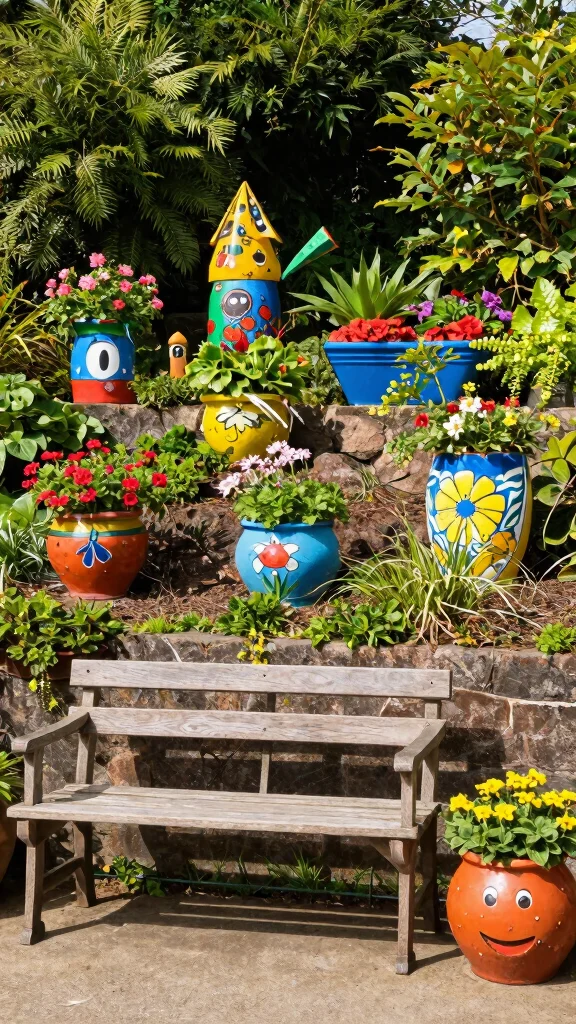
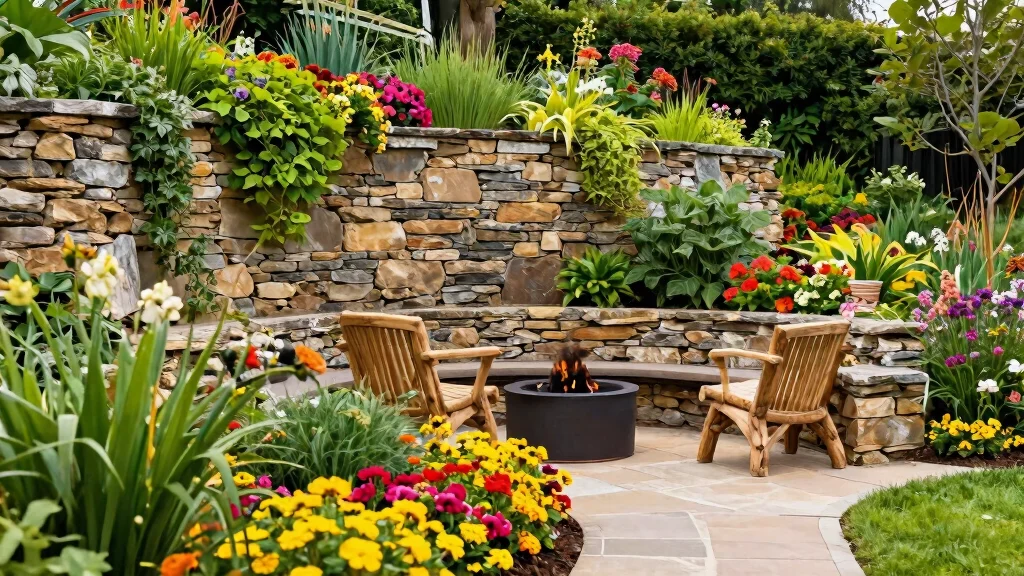
Incorporating decorative elements like sculptures and unique planters can infuse personality into your sloped yard. These features act as focal points, drawing the eye and enhancing the natural beauty of your garden.
Consider adding quirky garden statues or handmade benches that invite relaxation. Decorative rocks or distinctive planters can further enhance tiered beds or pathways.
Tips for adding decorative elements:
– Select items that reflect your personal style.
– Ensure they are proportionate to your yard’s size.
– Make sure they harmonize with surrounding plants and structures.
Adding these elements creates a whimsical touch, making your garden feel like a personal retreat.
Recommended Products

Set of 2 Decorative Stepping Stones: Includes two 12” square concrete stones featuring a raised butterfly figure—perfect for creating charming garden pathways or accents.

【Handcrafted from Real Cement – Built to Last a Lifetime】Unlike resin or plastic alternatives, each Daisy Stepping Stone is made from real artisan cement, hand-mixed with the strongest ratio for extra hardness and durability. Each piece naturally strengthens over time, just like stone.

8 Pcs Rubber Stepping Stones for Outdoor Walkways:Create a beautiful, reliable garden pathway with our 8-piece set of rubber stepping stones; Each 12" x 12" heavy-duty paver is designed to withstand all outdoor conditions, providing an elegant and functional walkway for your garden, lawn, or yard; Ideal for crafting landscaped paths or decorative walkways that enhance your outdoor space
You Might Also Like

Add Decorative Elements
Editor’s Choice

Garden Bench,Outdoor Benches,Iron Steel Frame Patio Bench with Mesh Patt…

LEGIFO Garden Decor for Outside,Funny Metal & Glass Bird Decor for Indoo…

Midogaigai Abstract Face Planters Pots Head,Unique Head Planter for Indo…
9. Use Color Wisely
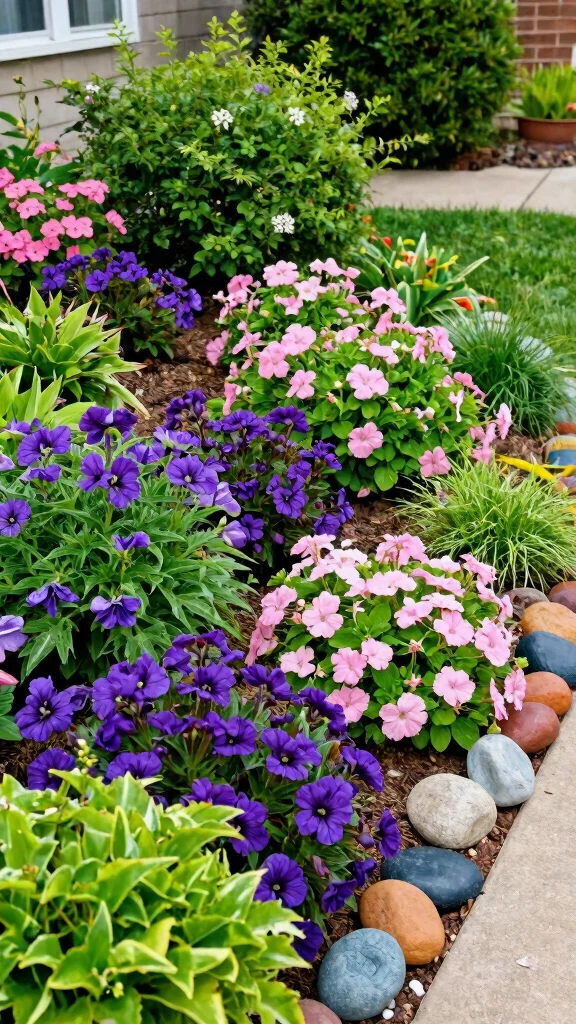
Color plays a vital role in shaping the mood and aesthetic of your sloped front yard. Select a palette that resonates with your style while complementing your home for a cohesive look.
Think about colors that harmonize with the existing landscape. Bold shades can highlight features, while softer tones can evoke calmness.
Tips for using color effectively:
– Use contrasting colors to emphasize pathways or focal points.
– Incorporate seasonal color changes for year-round interest.
– Blend flowering plants, foliage, and hardscape materials to enrich the palette.
A thoughtful color approach unifies your design, elevating the beauty of your sloped yard.
How To Choose the Right Plants for Your Sloped Front Yard Landscaping
When it comes to sloped front yard landscaping, selecting the right plants is crucial. You want plants that not only look good but also thrive in the conditions your yard offers. Here are some essential criteria to help you make the best choices.
1. Climate Adaptability
Choose plants that can tolerate your local climate. Some plants thrive in hot, dry conditions, while others prefer cooler, wet environments. Check your USDA Plant Hardiness Zone to find which plants are best suited for your area. This will help you avoid disappointment when trying to grow plants that can’t survive the weather conditions.
2. Soil Type
Different plants have different soil preferences. Some love sandy soils, while others thrive in clay or loamy soils. Test your soil to understand its composition and pH level. Based on these findings, you can choose plants that will prosper in your specific soil type, ensuring a lush and healthy garden.
3. Sunlight Requirements
Observe how much sunlight your sloped area receives throughout the day. Some plants need full sun (at least 6 hours of direct sunlight), while others do well in partial shade. Make a note of the sun exposure in your yard so you can choose plants that match those conditions for optimal growth.
4. Erosion Control
Consider plants that help prevent soil erosion, especially on slopes. Ground-cover plants like creeping thyme or sedum can help stabilize the soil with their root systems. These plants can also help hold moisture, reducing the need for constant watering. This is especially important on inclines where rainwater can wash away topsoil.
5. Aesthetic Appeal
Select plants that not only serve a purpose but also enhance the beauty of your yard. Consider flowers, shrubs, and ornamental grasses that provide different colors, heights, and textures. Mixing plants will create visual interest and can turn your sloped front yard into a stunning display.
6. Maintenance Level
Different plants require different levels of care. Some need regular watering, pruning, and pest control, while others are more low-maintenance. If you have a busy lifestyle or are new to gardening, look for hardy plants that require less upkeep. This choice will help you enjoy your garden without feeling overwhelmed by chores.
Pro Tip: Create a mood board or Pinterest board with plant images and group them by themes like color, size, and maintenance levels. This visual aid can help you decide which plants will work together harmoniously in your unique sloped front yard.
Choosing the right plants is the foundation of successful sloped front yard landscaping. By considering climate, soil type, sunlight, erosion control, aesthetic appeal, and maintenance levels, you can create a beautiful and functional landscape that thrives on your incline. Happy gardening!
Use Color Wisely
Editor’s Choice

Sow Right Seeds – Rainbow Mix Coleus Seeds for Planting – Non-GMO Heirlo…

Colorscape: An Around-The-World Guide to Color
Conclusion
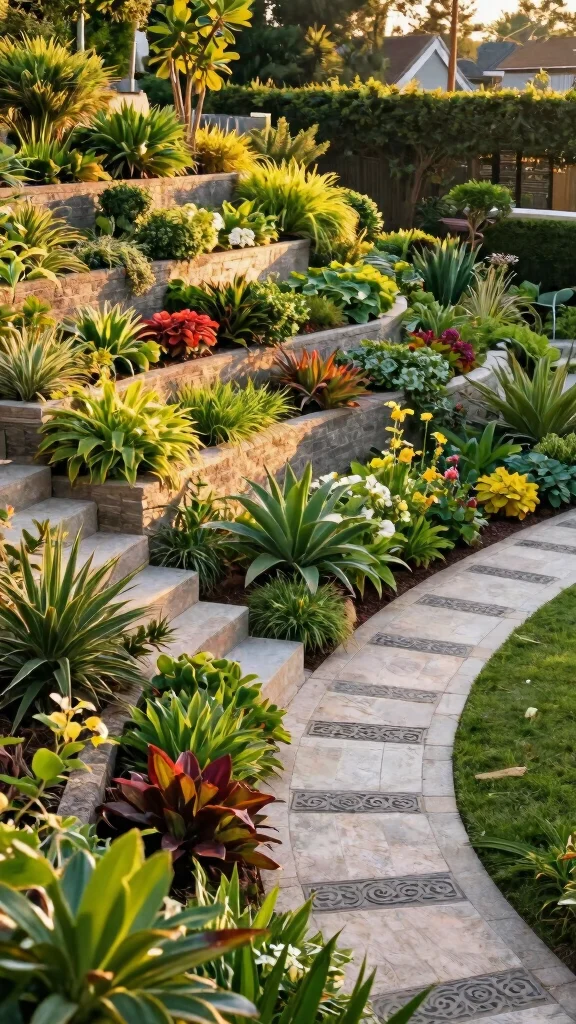
Transforming a sloped front yard into a stunning landscape is entirely possible with thoughtful planning and creativity. The ideas discussed offer a variety of solutions that not only enhance the beauty of your home but also make your outdoor space more functional. Whether you choose tiered gardens, decorative elements, or edible plants, your sloped yard can become a masterpiece that reflects your unique style. Happy gardening!
Feel free to share your favorite ideas or experiences with sloped yard landscaping in the comments below!
Note: We aim to provide accurate product links, but some may occasionally expire or become unavailable. If this happens, please search directly on Amazon for the product or a suitable alternative.
This post contains Amazon affiliate links, meaning we may earn a small commission if you purchase through our links, at no extra cost to you.
Frequently Asked Questions
What are the best strategies for sloped front yard landscaping to create a tiered look?
Start with a clear plan for your sloped front yard landscaping to create a tiered look. Map the slope, set zones for each tier, and sketch how tiered landscaping will sit with your front yard design. Build low retaining edges with timber, stone, or concrete blocks to form level platforms, then fill with well-draining soil and mulch. Choose plants that provide texture and color at each level—think grasses for movement, perennials for year-round interest, and evergreen shrubs for structure—while ensuring proper drainage to prevent erosion. This approach turns the incline into a durable, beautiful sloped yard solution you can maintain with ease.
How can I choose plants for incline garden ideas that prevent erosion and thrive on a slope?
Selecting plants for incline garden ideas starts with sun and soil understanding. Favor deep-rooted perennials and groundcovers that stabilize soil, such as creeping thyme, sedum, and ornamental grasses. Mix evergreen structure with seasonal color so each terrace feels alive year round. Place taller specimens toward the back of each tier and trailing varieties at the edges to soften edges and hide edging. Pair plant choices with a simple drip irrigation plan to deliver water where roots need it most, reducing erosion and waste.
What practical steps can I take to start landscaping on a slope without heavy grading?
To begin landscaping on a slope without heavy grading, first measure the site, note drainage patterns, and draft a rough plan. Then create lightweight, modular terraces using timber sleepers, stone, or preformed retaining systems to form multiple levels of your sloped front yard landscaping. Backfill with clean soil, add a generous layer of mulch, and install a simple drainage detail (like a French drain or overflow) to move water away from the house. Finally, populate each tier with plants grouped by sun needs and maintain accessibility for future care.
How do I maintain a sloped front yard landscaping to keep the tiered look attractive year after year?
Maintenance for a sloped front yard landscaping revolves around keeping the tiers stable and the look cohesive. Inspect retaining edges after heavy rain and tighten any loose components. Refresh mulch annually to suppress weeds and conserve moisture. Prune and divide perennials to keep bed edges clear and neat, and check irrigation coverage to avoid dry patches or overwatering. With regular care, your tiered landscape remains attractive and resilient as part of your front yard design.
Are vertical gardening options effective on a sloped front yard, and how can I implement them?
Yes—vertical gardening can be a fantastic solution on a slope, using trellises, pocket planters, or living walls along retaining walls or fence lines. Choose sturdy supports, lightweight yet well-draining soil, and plants that suit your sun exposure. Install the system on the most stable surface first, ensure proper drainage, and water with a gentle grid to avoid washing soil down the incline. This vertical gardening approach complements your sloped yard solutions while maximizing space and curb appeal.
Related Topics
sloped front yard landscaping
tiered landscaping
incline garden ideas
landscaping on a slope
sloped yard solutions
front yard design
vertical gardening
easy landscaping
beginner friendly
outdoor decor
curb appeal
seasonal landscaping