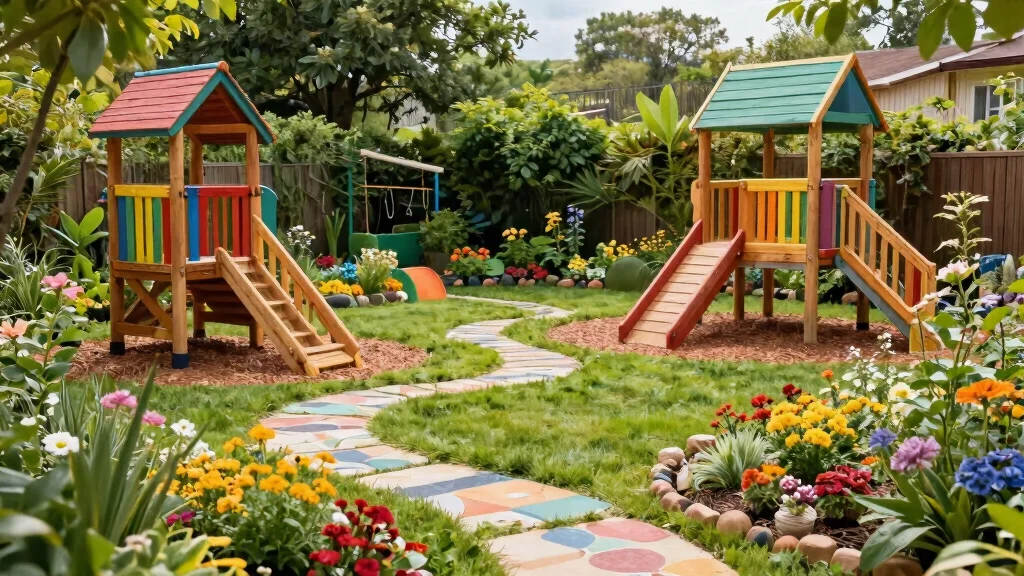
Creating a beautiful and inviting outdoor play area for your kids can feel like a daunting task, especially if you’re aiming for an eco-friendly design. As parents, we want our children to have a safe, engaging space that sparks their creativity and offers plenty of opportunities for outdoor play. This post is born out of the desire to help you achieve that dream. You’re not alone in your quest to create a backyard oasis for your little ones, and I want to guide you through some fantastic play set landscaping ideas that will transform that corner of your yard into a coordinated, welcoming experience.
If you’re someone who prioritizes family-friendly spaces, loves gardening, or simply wants your yard to look intentional and inviting, this post is tailor-made for you. Whether you have a small yard or a sprawling backyard, you’ll find inspiration here that suits your needs. The ideas I’ve gathered focus on eco-friendly materials and design principles that support sustainable outdoor play. You’ll also discover how to integrate creative garden features that make your children’s play area not just a spot for fun, but also a beautiful part of your home.
In this guide, you’ll uncover eight unique play set landscaping ideas that are not only charming but also practical. From whimsical pathways to sensory gardens, each idea is designed to enhance your backyard while ensuring it remains a safe and stimulating environment for your children. Get ready to learn how to create a space where your kids can explore, imagine, and grow.
Key Takeaways
– Whimsical Pathways: Create charming stone pathways that guide kids to their play areas while adding visual interest to your yard.
– Natural Wood Structures: Incorporate play structures made from natural wood to blend seamlessly with the environment and provide a rustic look.
– Eco-Friendly Sensory Gardens: Design sensory gardens filled with plants that engage the senses, promoting exploration and learning through touch, smell, and sight.
– Themed Adventure Zones: Create themed sections within the play area that encourage imaginative play, such as pirate ships or fairy gardens.
– Wildlife-Friendly Spaces: Designate areas for native plants and pollinators to encourage wildlife interactions, making outdoor play even more exciting for children.
Recommended Products

SmartYeen stepping stones super value pack,include 8-pack high quality balance stones in bright colors,designed for kids coordination play.

Promote Balance and Coordination – This 12-piece stepping stones set promotes physical activity and active play, inspiring your child to jump, stretch, climb, and balance for full-body exercise.

READY-TO-PAINT 7x7 GARDEN STONE: No plaster, no messy molding! Hop right into a world of creative fun as you paint a mosaic sun garden stone to life!
1. Whimsical Pathways of Stone
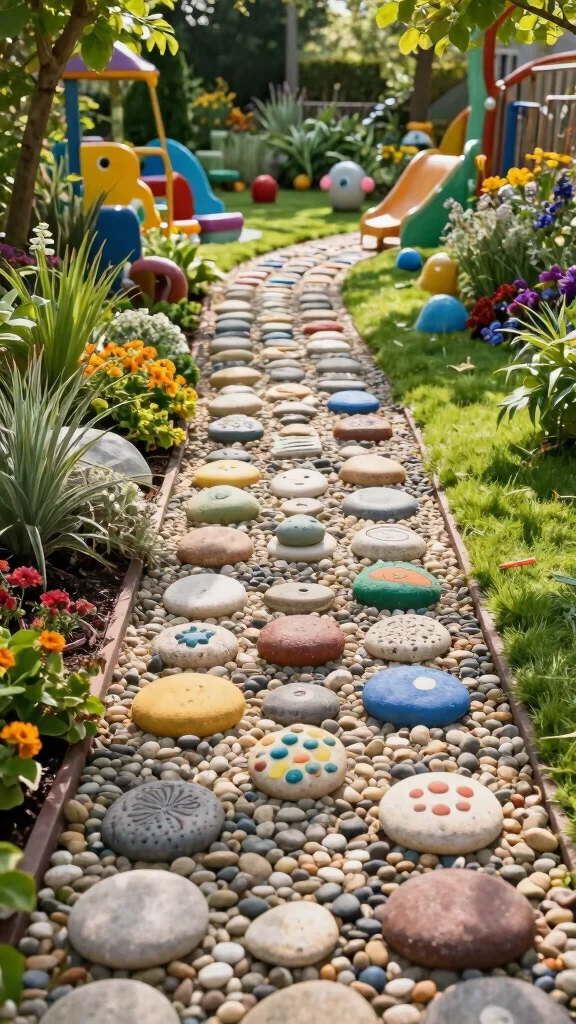
If you want to create a magical play area, whimsical stone pathways are a fantastic choice. These enchanting paths can guide children through different sections of your yard, sparking their imagination as they explore. By using a mix of natural stones, you can craft a flow that feels integrated into the landscape, turning the ordinary into an extraordinary adventure.
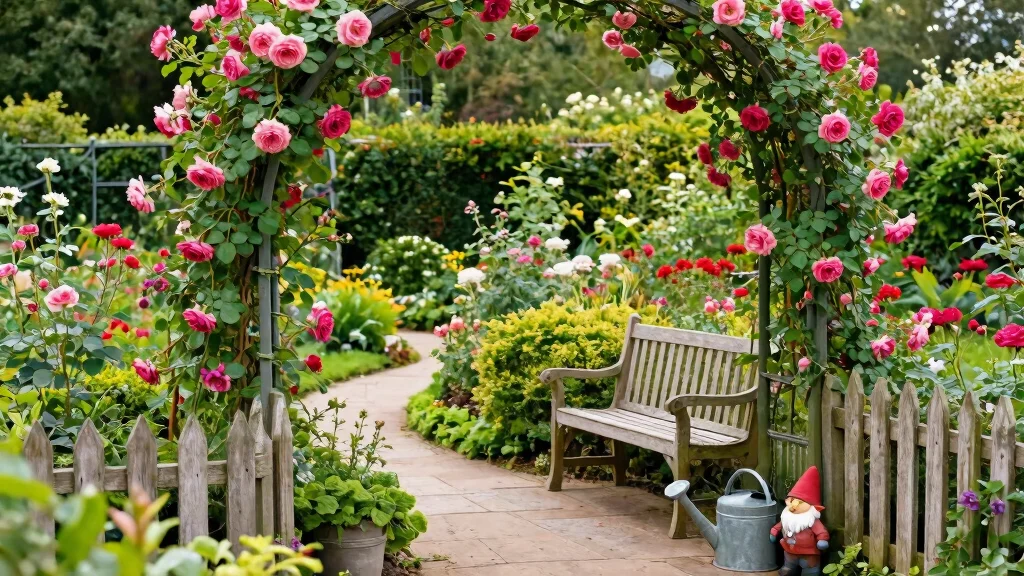
Think about framing your pathways with colorful flower beds that not only attract butterflies but are also easy to care for. As kids wander along these delightful trails, they’ll be surrounded by nature’s beauty, enhancing their outdoor experience. Adding textures like smooth pebbles or soft grass along the way can further engage their senses, making every step a new discovery.
To elevate the magic, sprinkle in some vibrant tiles or painted stones. This adds a playful touch, encouraging kids to appreciate art in nature and unleash their creativity.
Steps to create a whimsical pathway:
– Select stones that harmonize with your garden’s aesthetics.
– Choose plants suited to your local climate for easy maintenance.
– Add fun elements like decorative rocks or whimsical sculptures for extra joy.
These charming pathways not only beautify your outdoor space but also inspire creativity and adventure in your children’s playtime.
Recommended Products

PROMOTES HEALTHIER PLANTS – Feeds plants with natural nutrients from neem and peppermint oils. Supports strong stems, vibrant leaves, and robust root development.

Excellent Quality: Fluorite tumbled chips is of natural raw crystal stones. Sturdy and durable, environmentally friendly, non toxic and odorless

WATCH THE VIDEO ON THE LEFT - TRY THE AMAZING TickleMe Plant – Grow the famous plant whose leaves instantly fold when touched. Perfect for anyone who has never experienced this incredible interactive plant!
Whimsical Pathways of Stone
Editor’s Choice

6 Pcs Rainbow Wooden Garden Fence 15.7″ H x 72″ L Landscape Edging Borde…


5pcs Cute Insect Umbrella Play Acrylic Garden Decor Outdoor Suitable for…

Arcadia Garden Products Set of 4, 16×17” Dark Gray Stepping Stone Fibe…
2. Natural Wood Play Structures

Natural wood play structures can transform your yard into a welcoming playground. These eco-friendly options blend seamlessly with the environment while promoting imaginative play. Think treehouses, climbing frames, or even logs arranged creatively to invite kids to explore.
The timeless appeal of wood enhances the overall charm of your yard as it ages beautifully over time. Opting for reclaimed wood adds a sustainable touch while being cost-effective. This decision not only benefits the environment but also creates a unique outdoor experience for your kids.
To ensure safety, lay down soft mulch or grass beneath these structures. This not only cushions falls but also contributes to the visual appeal of your space. Surrounding the area with native plants will create a lively backdrop, encouraging wildlife and enriching your children’s playtime with nature’s lessons.
Key considerations for wood structures:
– Choose untreated wood to avoid harmful chemicals.
– Implement slides or ramps for varied play experiences.
– Create cozy reading spots nearby with natural seating.
These natural play structures inspire exploration and creativity, making your yard a delightful adventure for your children.
Recommended Products
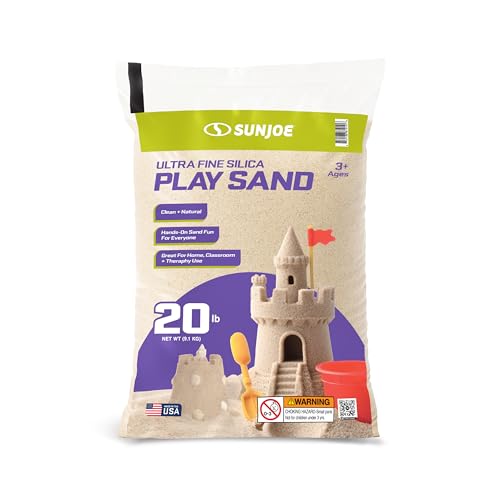
Premium Quality: Ultra-clean, natural white silica sand with a soft, smooth texture ideal for molding, digging, sculpting, and creative play

Premium Material: Constructed by sturdy cedar and fir wood, the sand box will not fade and crack easily for long-term outdoor use. Besides, it has ASTM and CPSIA certification to ensure the safety for kids. The clear wood grain brings a natural feeling without maintenance.

Large Sand Pit for Kids: Their unique sandbox is sure to become a favorite hangout for the neighborhood kids. It features 48” large space so there's plenty of room for several kids to dig, build and explore together. This sandbox is really interesting for children.
Natural Wood Play Structures
Editor’s Choice

Pikler Triangle Set, 7 in 1 Foldable Climbing Toys Set for Kids, Baby Ju…

Schleich Farm World – 60PC Adventure Tree House Playset with 2 Child Fig…

Guidecraft Branch Blocks – 36 Piece Kid’s Natural Wooden Unit Building S…
3. Eco-Friendly Sensory Gardens
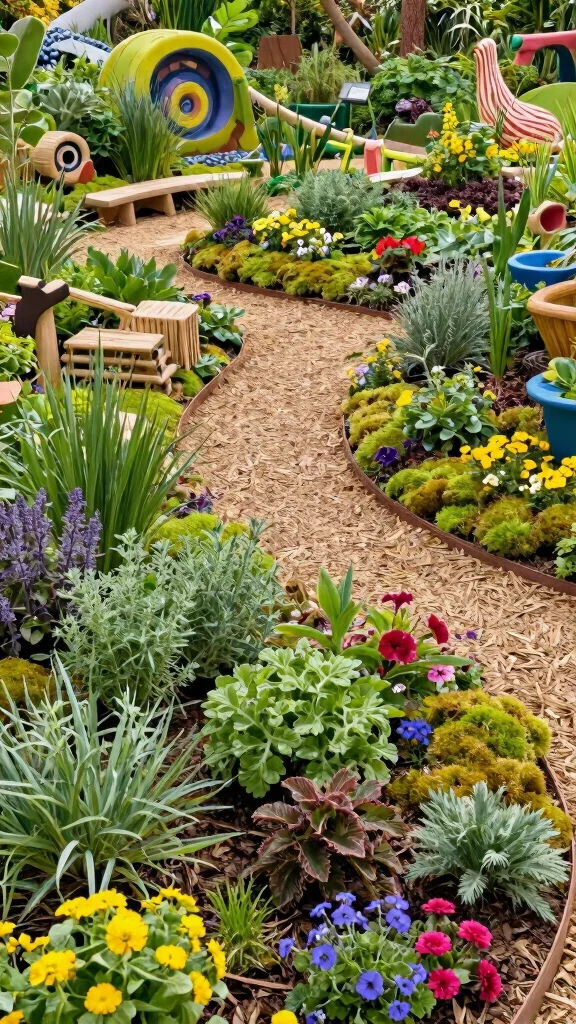
Sensory gardens are a wonderful way to engage children’s senses while teaching them about the beauty of nature. By incorporating a variety of plants with different textures, colors, and scents, you create an inviting outdoor space that encourages exploration. From aromatic herbs to vibrant flowers, sensory gardens offer limitless opportunities for discovery.
Begin by selecting plants that provide diverse sensory experiences. Consider including fragrant herbs like lavender, soft plants like lamb’s ear, and colorful blooms such as sunflowers. These elements not only appeal to children’s senses but also invite them to interact with the natural world actively.
Enhance the garden with interactive features like bamboo chimes or stones that create sounds when struck. Natural pathways made of wood or mulch can guide children through this exciting environment, making their adventure even more immersive.
Tips for designing a sensory garden:
– Incorporate a variety of plant species to stimulate all five senses.
– Add quirky garden art that encourages touch and interaction.
– Designate quiet spots with benches for relaxation and reflection.
Creating a sensory garden invites children to engage with nature, promoting creativity and learning through exploration.
Recommended Products

HOP'S HIDEAWAY: Welcome to Hop's Hideaway, where Hop and his fairy friend Rae can play and explore while exploring and tending to their magical garden through planters and play!
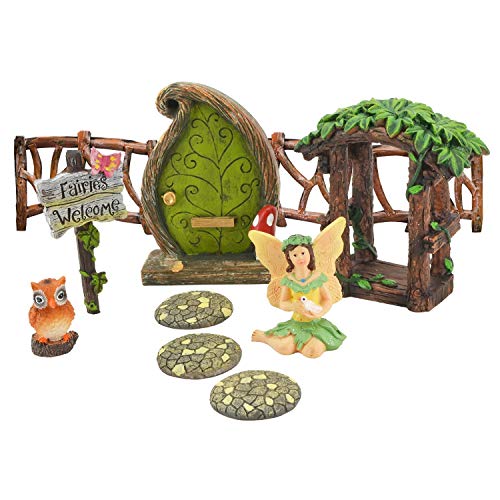
Fairy gardens inspire creativity! Easily design a miniature garden scene and step into a world of fantasy with Arcadia Garden Products Forest Fairy Garden Kit

Collector’s Item: Part of the Woodland Knoll Collection, featuring nature-themed fantasy concepts.
Eco-Friendly Sensory Gardens
Editor’s Choice

Herbs for Children’s Health, 3rd Edition: How to Make and Use Gentle Her…

Mini Gardening Tools Set for Kids – 3 Pieces Garden Hand Tool Kit with…
4. Playful Edible Landscapes
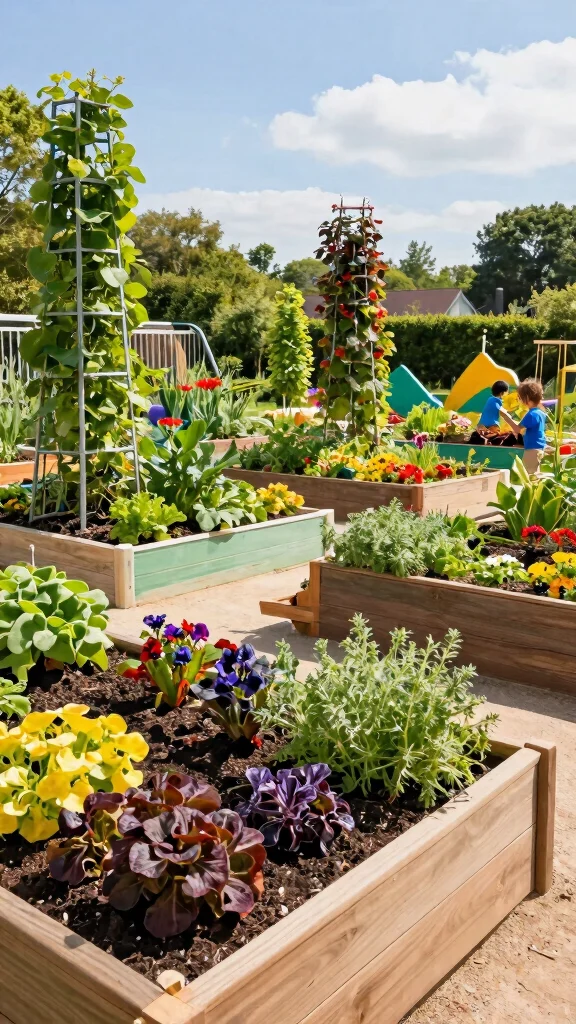
Imagine a garden where kids can play and pick fresh fruits and veggies! Playful edible landscapes enhance your yard’s beauty while teaching children the joys of gardening. By adding raised garden beds filled with nutritious soil, kids can dig in and learn about growing their own food.
Mix colorful vegetables like carrots, radishes, and cherry tomatoes with bright flowers to create a visually appealing garden. This approach not only makes healthy eating fun but also helps kids understand the importance of nature. Consider vertical gardening options like trellises for climbing plants, turning garden chores into exciting adventures.
Don’t forget to set up a small herb garden where kids can explore various scents and flavors. This can spark their interest in cooking as they experiment with fresh herbs. Plan seasonal harvest days for kids to collect their produce, making mealtime a fun family activity.
Essential tips for edible landscapes:
– Choose colorful and easy-to-grow plants for maximum engagement.
– Utilize vertical gardening techniques to save space and add interest.
– Create themed areas like a pizza garden with all the ingredients.
Creating an edible landscape fosters a connection between kids and their food, all while enjoying the fun of gardening.
Recommended Products

6 DURABLE, NON-SLIP STONES - Includes 6 durable plastic stepping stones in 6 bright colors! Perfect for kids 3+ and up to 150 lbs., they can be used indoors or for kids outdoor play. These active sensory toys promote coordination skills & balance!

Rugged Construction: With reinforced design, our balance stepping stones ensure durability and stability, catering to children's active play.

10 DURABLE, NON-SLIP STONES - Includes 10 durable plastic stepping stones in 6 bright colors! Perfect for kids 3+ and up to 150 lbs., they can be used indoors or for kids outdoor play. These active sensory toys promote coordination skills & balance!
You might also like


Playful Edible Landscapes
Editor’s Choice

zunatu 10x2x1ft(2 Pack) Galvanized Raised Garden Bed,Outdoor Planter Box…

Kids Gardening Tool Set, 6PCS Gardening Tools for Kids Metal with Sturdy…

Craft911 Moss Pole Monstera Plant Support – 2 Pack 28” Bendable Moss…
5. Themed Adventure Zones
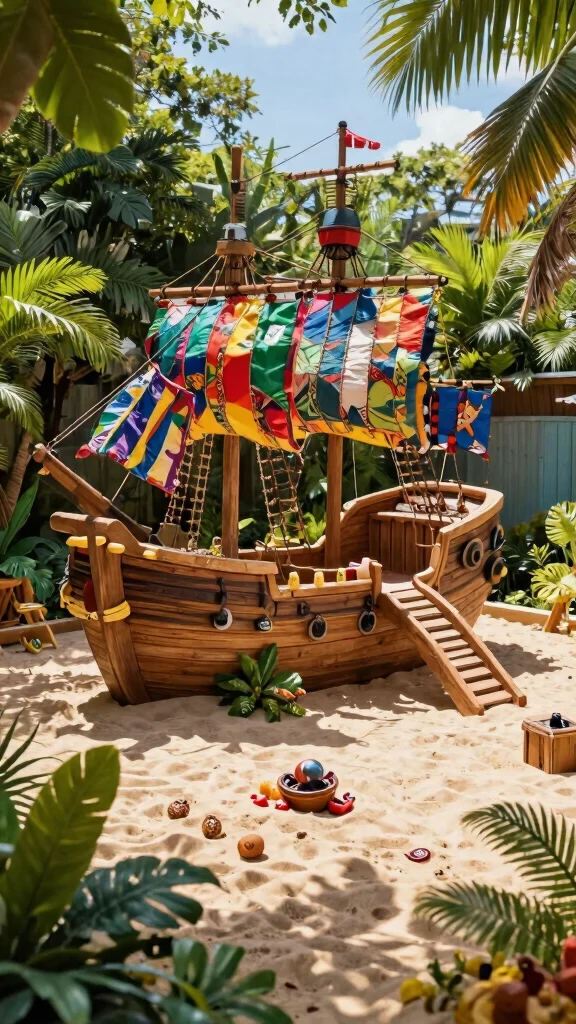
Transform your outdoor space into a world of imagination with themed adventure zones. Whether it’s a pirate ship, a fairy garden, or a jungle hideaway, these themes spark creativity and provide the backdrop for countless adventures. Choose a theme that resonates with your child’s interests and start building!
For a pirate ship theme, consider wooden structures that mimic a ship’s hull, complete with sails made from recycled fabric. Add sandboxes to create a beach-like atmosphere, hiding treasures for kids to discover. In a jungle oasis, tall grasses and climbing structures can resemble trees, inviting exploration and discovery.
Include props like binoculars or magnifying glasses to encourage kids to interact with their surroundings. Comfortable seating areas can turn into story corners, enhancing imaginative play while providing a cozy space to relax.
Ideas for creating themed zones:
– Use natural materials to build structures that fit the theme.
– Incorporate interactive features like treasure hunts or nature trails.
– Involve the family in maintaining and enhancing the themed spaces.
Themed adventure zones ignite creativity and make outdoor spaces magical realms for exploration.
Fun fact: well-designed themed adventure zones can boost outdoor play by 30% and make play set landscaping feel intentional. Start with a favorite theme—pirate ship, fairy garden, or jungle hideaway—and build with reclaimed materials for sustainable, imaginative fun.
Recommended Products

How to Choice: Beta fish rocks are 6-9mm (0.25”-0.35”), 0.93LB/Pack, about 0.3 liter capacity. For example, if your tank size is 6.3* 6.3", it will needed 1 bags for about 0.4” of depth.

Luxurious, Plant-Based Laundry Care: Experience elevated everyday washing with this artisan-made laundry detergent crafted in the traditional Provence method. Designed as an all-purpose laundry soap, it gently yet effectively cleans most fabrics while helping maintain softness and vibrancy. Perfect for daily loads, delicate pieces, and linens you want to keep looking their best.

[MODERN. SCULPTURAL. ICONIC]: Inspired by contemporary art and architectural geometry, our 3D Printed Planter Pots transform ordinary greenery into a statement of style. Each Flower Planter features bold lines, futuristic curves, and minimalist silhouettes — a true geometric planter designed for those who see plants as living art, not just décor.
Themed Adventure Zones
Editor’s Choice

25Pcs Fairy Garden Accessories, Miniature Garden Ornaments Landscape Dec…

Best Choice Products Large Outdoor Octagon Wooden Sand Box for Kids, San…

Le Toy Van Barbarossa Pirate Ship Set Premium Wooden Toys for Kids Ages …
6. Nature-Inspired Art Installations
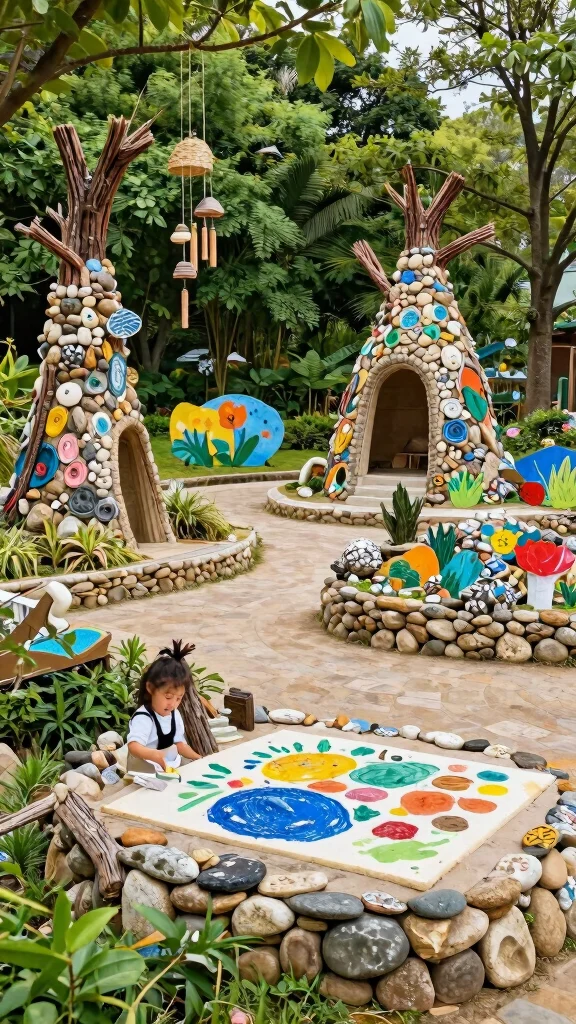
Integrating nature-inspired art installations can elevate your children’s outdoor play area, inspiring creativity and imagination. These unique art pieces blend with the landscape, enhancing the play experience rather than just serving as decorations. Use natural materials like stones and branches to create sculptures that reflect the beauty of the environment.
Encourage children to join in by creating their own art using recycled materials. This ongoing project fosters a sense of ownership and creativity as they add to the installations over time. Setting up an outdoor canvas for painting with natural pigments can also provide an engaging art experience.
Consider creating a section for wind chimes made from crafted items that add both art and movement to the space. Rotate installations seasonally to keep the area fresh and exciting, introducing new themes that resonate with the changing seasons.
Key thoughts for incorporating art:
– Use sustainable materials for creating unique art pieces.
– Involve kids in updating installations to foster growth and creativity.
– Create interactive art experiences to encourage expression.
Nature-inspired art installations create a vibrant atmosphere in outdoor play areas, allowing children to explore their creativity while celebrating the beauty around them.
Nature-inspired art installations fuel imagination in play set landscaping—use stones, branches, and recycled scraps to create sculptures that blend with the yard. Invite kids to contribute: the ongoing art project teaches ownership, creativity, and eco-friendly play every day.
Recommended Products

This 50 Pound bag of sand is original Quikrete branded sand. This item is not sold by an authorized dealer or distributor.
![Kids Large Wooden SandBoxes with Roof, Pipleo Outdoor Sand Box Play w/Canopy for Backyard Garden Beach, Sand Pit for Beach Patio Outdoor, [Adjustable Cover & Funnel & Drawing Board] - Brown Oak](https://m.media-amazon.com/images/I/51e+IuU2z3L._SL500_.jpg)
KIDS OUTDOOR SANDBOX: All pieces of natural fir wood are specially designed to be splinter-less and are coated with non-toxic water-based paint that’s eco-friendly and safe. Each wood sandbox is heat treated to withstand harsh weather conditions, a great outdoor play area for your children. ASTM and CPSIA certification sandbox let you rest assured.

Premium-Grade Play Sand – Soft and easy to mold wet this kid’s play sand has been carefully grated, washed, and dried to ensure it’s 100% safe, non-toxic, and great for early learning during indoor and outdoor play sessions.
📹 Related Video: Woodland Garden makeover: diy natural playground for kids, montessori vibes
Nature-Inspired Art Installations
Editor’s Choice

HOWAF 24 Pack Happy Earth Day DIY Craft Ornaments,Make Your Own Earth Da…

Bits and Pieces – 10” (25.5 cm) Glow-in-The-Dark Celtic Compass Decora…
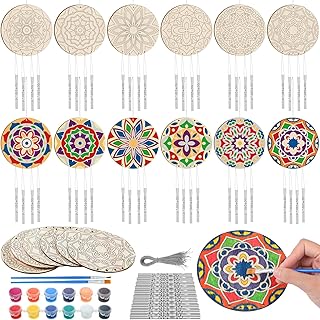
Silipull 24 Sets Mandala Wood Wind Chimes Craft for Kids Color Your Own …
7. Cozy Gathering Spaces
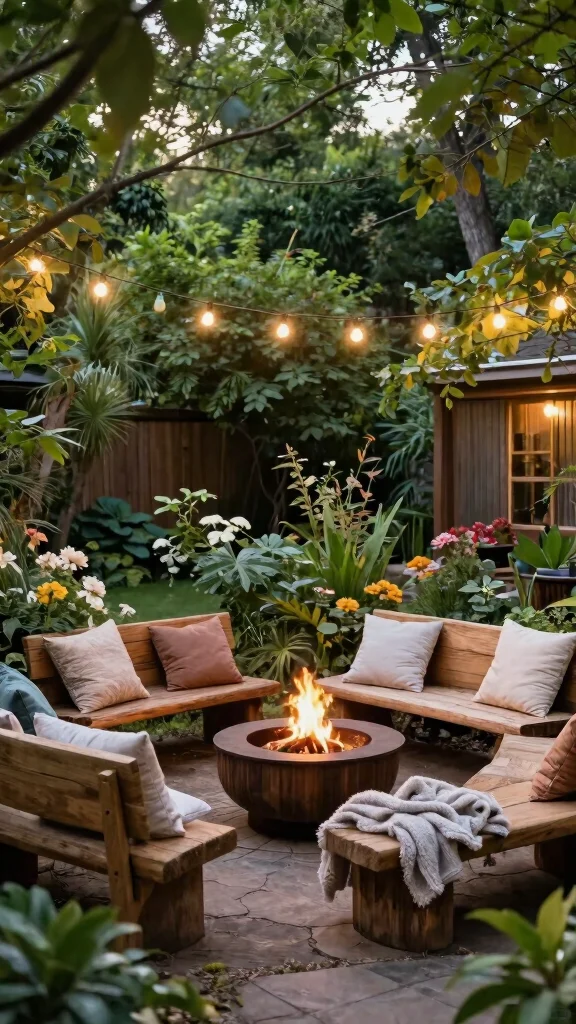
Designing cozy gathering spaces in your outdoor play area encourages family connection and relaxation. Using natural materials like wood and stone, these spaces can fit beautifully into your landscape. Imagine benches or log seating arranged around a fire pit, perfect for family storytelling or roasting marshmallows together.
Adding cushions or blankets can enhance comfort, inviting everyone to snuggle up for fun family activities. Surround the area with plants to create a natural privacy screen, promoting a tranquil atmosphere for unwinding after play.
Consider integrating outdoor games like giant Jenga or cornhole to keep the fun alive! Adding fairy lights or lanterns can create a magical ambiance, making evening gatherings unforgettable family traditions.
Tips for creating cozy gathering spaces:
– Use weather-resistant materials to ensure durability.
– Incorporate informal seating options for relaxation.
– Personalize the area with family photos or nature-inspired decorations.
Cozy gathering spots in your children’s garden design invite connection, laughter, and cherished moments amidst nature’s beauty.
Cozy gathering spaces turn ordinary yards into memories in the making. With play set landscaping using natural wood, stone, and a simple fire pit, families linger for stories and s’mores. Add cushions and plants for a comfy, inviting retreat right outside your door.
You Might Also Like
How To Choose the Right Play Set Landscaping for Your Yard
Creating a beautiful and functional play area for your kids involves thoughtful planning. Selecting the right play set landscaping will enhance the outdoor space while ensuring it’s safe and inviting. Consider these criteria to find the best fit for your yard:
1. Size of the Play Area
Before diving into designs, measure the available space. You want enough room for both the play set and surrounding features. A small yard may benefit from compact play structures and minimal landscaping, while larger spaces can accommodate more elaborate features. Ensure there’s at least six feet of clearance around the play set to maintain safety and ease of movement.
2. Material Selection
Choose materials that are eco-friendly and durable. Natural wood is a popular choice for play sets due to its aesthetic appeal and sturdiness. Consider composite materials that are low-maintenance and weather-resistant. Look for organic mulches or eco-friendly grass for landscaping. This not only preserves the environment but also enriches the play area’s visual appeal.
3. Safety Features
Safety is paramount in children’s play areas. Ensure that any landscaping features do not pose a risk to children. Soft surfaces, such as rubber mats or grass, can cushion falls. Avoid sharp edges and toxic plants around the play set. Inspect the area regularly for any hazards to keep it a safe haven for play.
4. Theme and Aesthetics
Consider a theme that resonates with your children’s interests. A pirate ship play set can be complemented with sandy areas and nautical decor. If they love nature, integrating sensory gardens with fragrant plants and textured pathways can create an engaging experience. A well-thought-out theme will make the space more inviting and enjoyable for your kids.
5. Maintenance Requirements
Evaluate how much time you can commit to maintaining the landscaping. Some plants may require more care, while others are low-maintenance and perfect for busy families. Choose native plants that thrive in your climate without needing excessive water or care. This will save time and help you enjoy the space without constant upkeep.
6. Budget Considerations
Set a budget before starting your landscaping project. Costs can vary significantly based on materials and features. Be realistic about what you can afford, and consider DIY options to save money. Look for local plants or second-hand materials to reduce expenses while still creating an attractive play area.
Pro Tip: Start with a simple sketch of your ideal play area layout. This will help you visualize the space and make adjustments as needed before committing to any designs or purchases. Also, involve your children in the planning process to ensure the space reflects their interests and needs.
By carefully considering these criteria, you’ll be able to create a play set landscaping that is not only functional but also a delightful retreat for your family.
Recommended Products

6 COLORFUL STEPPING STONES: Includes bright modern colors to keep kids engaged and moving.

TECKMICO 10PCS Stepping Stones are crafted to be textured stepping surface and non-slip rubber base,which ensure safety while encouraging active play, making them ideal for both indoor and outdoor use.

Designed for Safety: Each balance stones features an anti-slip ring on the bottom and textured surface for added stability during play. With a 220 lb weight capacity, these stones are built for both kids and adults, making them perfect for indoor or outdoor fun
Cozy Gathering Spaces
Editor’s Choice

Garden Bench,Outdoor Benches,Iron Steel Frame Patio Bench with Mesh Patt…

DII 100% Cotton Basket Weave Throw for Indoor/Outdoor Use Camping Bbq’s …

OutVue 36 Inch Fire Pit with 2 Grills, Wood Burning Fire Pits for Outsid…
8. Wildlife-Friendly Spaces
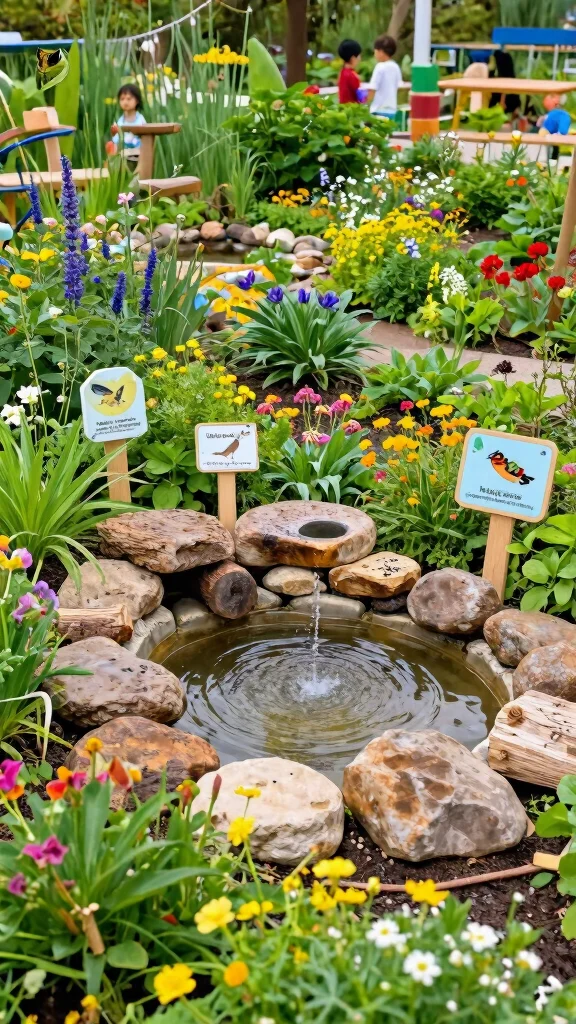
Designing wildlife-friendly spaces in your children’s garden not only invites kids to play but also supports local ecosystems. By encouraging biodiversity, you can create engaging outdoor areas where children can learn about various species in their own backyard. Start by planting native flowers that attract birds, butterflies, and beneficial insects, adding color and life to your garden.
Creating wildflower patches can provide essential habitats for pollinators while adding a vibrant touch. Setting up bird feeders and butterfly houses encourages kids to observe and appreciate wildlife, making playtime educational.
Adding small water features like birdbaths or ponds can enhance biodiversity, giving animals a place to drink and children a fun area to explore. Incorporating logs or rocks creates natural habitats for small creatures, sparking curiosity and learning.
Consider educational signage to label different plants or animals, turning playtime into an adventure in environmental awareness.
Key elements for wildlife-friendly spaces:
– Choose native plants that benefit local wildlife.
– Incorporate water features for hydration and interaction.
– Create natural habitats to support biodiversity.
Wildlife-friendly zones in your outdoor area inspire curiosity and awareness, making it a dynamic space for exploration and interaction with nature.


Wildlife-Friendly Spaces
Editor’s Choice

Burpee Wildflower 25,000 Bulk, 1 Bag, 18 Varieties of Non-GMO Flower See…

Funny Garden Signs, Vintage Garden Gift, Garden Decor for Outside, You A…

Small Metal Bird Bath for Outdoors, 10″ Dia Bowl with Stake Birdbaths Ga…
Conclusion
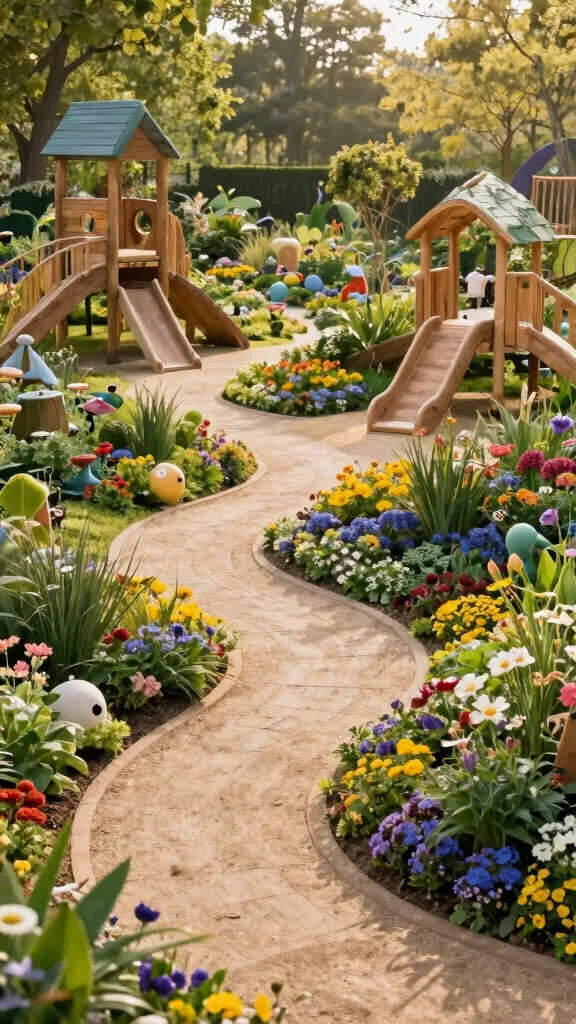
Designing a play area that is both intentional and inviting can transform your yard into a haven for creativity and exploration. Each of these landscaping ideas not only enhances the beauty of your outdoor space but also fosters a connection between children and nature.
By incorporating elements like whimsical pathways, natural wood structures, and wildlife-friendly spaces, you create a sustainable environment that supports endless outdoor adventures. Embrace the joy of play and the beauty of gardening, and you’ll create a space that your family will cherish for years to come.
Note: We aim to provide accurate product links, but some may occasionally expire or become unavailable. If this happens, please search directly on Amazon for the product or a suitable alternative.
This post contains Amazon affiliate links, meaning we may earn a small commission if you purchase through our links, at no extra cost to you.
Frequently Asked Questions
What is play set landscaping and how can I start making the kids’ corner intentional and inviting?
Play set landscaping means designing the area around a kids’ play set to feel intentional and inviting, not an afterthought. For a practical start, consider: a safe, eco-friendly surface (certified playground mulch or porous pavers) that reduces mud and runoff; native, low-water plants to create color and privacy; a defined path using reclaimed timber or stepping stones; and a few creative garden features that kids can use, like a small chalkboard wall or a sensory planter; shade and storage solutions. This approach combines children’s garden design with outdoor play area ideas to create a backyard play space that your family will love.
How can I incorporate sustainable materials and elements around a backyard play space?
Eco-friendly play set landscaping around your backyard play space starts with durable, non-toxic materials and smart layout. Choose surfaces like recycled rubber tiles or certified wood with non-toxic finishes, and use porous surfaces to manage rainwater. Fill nearby beds with native, drought-tolerant plants to cut irrigation needs. Add upcycled features such as cedar planters, a rain barrel for watering, and a small compost area to teach sustainability. This approach blends children’s garden design with family-friendly landscaping ideas for a cohesive backyard play space that lasts season after season.
What outdoor play area ideas help keep kids active and safe while staying low-maintenance for busy families?
Focus on kid-tested safety without sacrificing fun. Use a soft fall surface and keep the play set away from hard edges, walls, or driveways. Choose low-maintenance plantings that won’t shed debris and keep a tidy edge with natural borders. Install simple storage for toys at kid height and a designated path to reduce mud tracking. Incorporate shade with deciduous trees or shade sails so the space stays comfortable in heat. This is all part of smart outdoor play area ideas for family-friendly landscaping and a well-used backyard play space.
What creative garden features can I add around a play set to enhance the space without clutter?
Creativity pays off here.
Try a chalkboard wall or slate panel for drawing, a sand-and-water sensory station, and a small mud kitchen made from repurposed containers. Add a vertical herb garden, a bug hotel, and a butterfly-friendly perennial border to bring color with minimal upkeep. Use a natural stepping-stone path to guide kids through different zones around the play set, and tuck in a compact seating area for grownups. These creative garden features elevate your children’s garden design and complement your outdoor play area ideas while staying kid-friendly and eco-conscious.
What maintenance and upkeep tips help keep play set landscaping durable, kid-friendly, and environmentally friendly?
Keep your eco-friendly play set landscaping in great shape with a simple routine: inspect the play set and surface monthly for loose screws or wear, replenish mulch to the recommended depth, prune and weed sparingly, and refresh watering schedules with a drip system or rain barrel.
Clean and rotate toys, and refresh chalkboard surfaces as needed.
Choosing durable, low-maintenance plants and native species reduces work while supporting biodiversity. With these steps, your backyard play space stays welcoming and sustainable year after year.
Related Topics
play set landscaping
children's garden design
eco-friendly landscaping
backyard play space
family-friendly landscaping
outdoor play area
creative garden features
sustainable gardening
easy landscaping ideas
kids outdoor activities
nature play
playful gardens