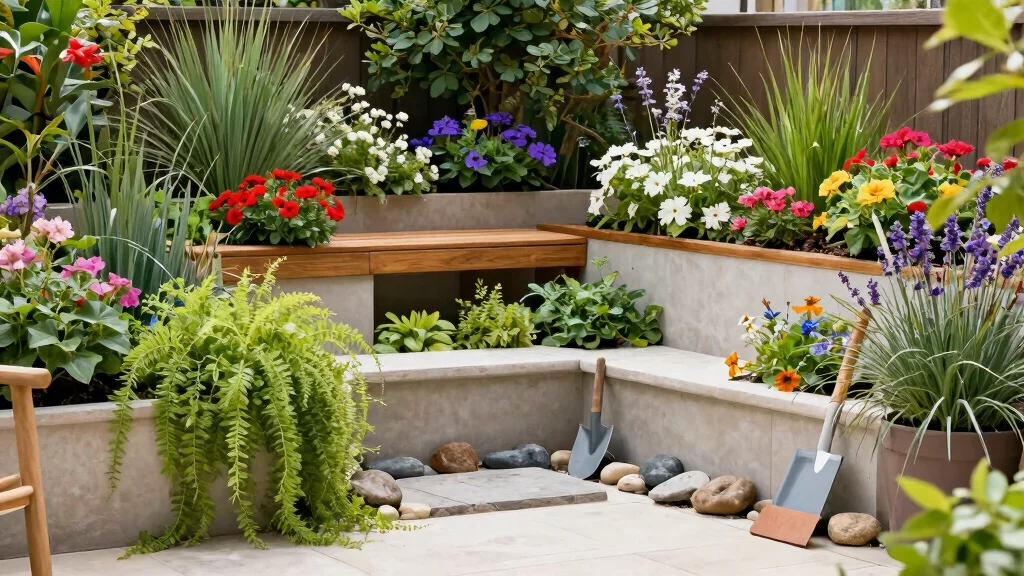
Creating a beautiful terrace is not just about aesthetics; it’s about maximizing your outdoor space. If you’ve ever looked at your small terrace and thought it could be so much more, you’re in the right place. I created this post to inspire you with stunning terrace landscaping ideas that are not only visually appealing but also practical for smaller spaces.
If you’re someone who loves gardening or just enjoys spending time outdoors, this collection of ideas will spark your creativity. You’ll find options that cater to both beginners and seasoned gardeners. Each suggestion combines style with functionality, helping you turn your terrace into a delightful green retreat.
In this guide, you’ll discover eight landscaping ideas that stack beauty level by level. Each idea is designed to make the most of your terrace while enhancing its charm. From tiered herb gardens to cozy seating corners, you’ll get practical tips that will encourage you to embrace the art of terrace gardening. Get ready to transform your outdoor space into a lush oasis, one layer at a time!
Key Takeaways
– Tiered Herb Garden: Create a multi-level herb garden to easily access fresh herbs while adding greenery to your terrace.
– Vertical Succulent Wall: Use a vertical wall to display a variety of succulents, providing texture and color without taking up much space.
– Multi-Level Flower Bed: Design a flower bed that features varying heights to create depth and visual interest throughout the season.
– Hanging Planters: Utilize hanging planters to free up floor space and draw the eye upward, adding dimension to your terrace.
– Cozy Corner Seating: Incorporate comfortable seating arrangements in your terrace layout to encourage relaxation and gatherings.
Recommended Products

Space-Saving : This strawberry planter maximizes your gardening space by stacking 5 layers to grow more plants in a compact area. The strawberry tower planter is ideal for patios, balconies, or indoor use

MADE IN THE USA – SUPPORTS 3 SMALL BUSINESSES Proudly manufactured in the United States. Every Smart Spring planter purchased directly supports three small U.S. businesses, helping keep jobs and production local.

【Indoor Herb Garden】Experience the joy of gardening with our specialized indoor herb planter. This set includes a planter with a tray but does not come with plants and seeds. Designed specifically for herb cultivation, these planters can be used both indoors and outdoors. Crafted from durable metal with a sleek, glossy white finish, they blend functionality with a farmhouse style to enhance your living space.
1. Tiered Herb Garden
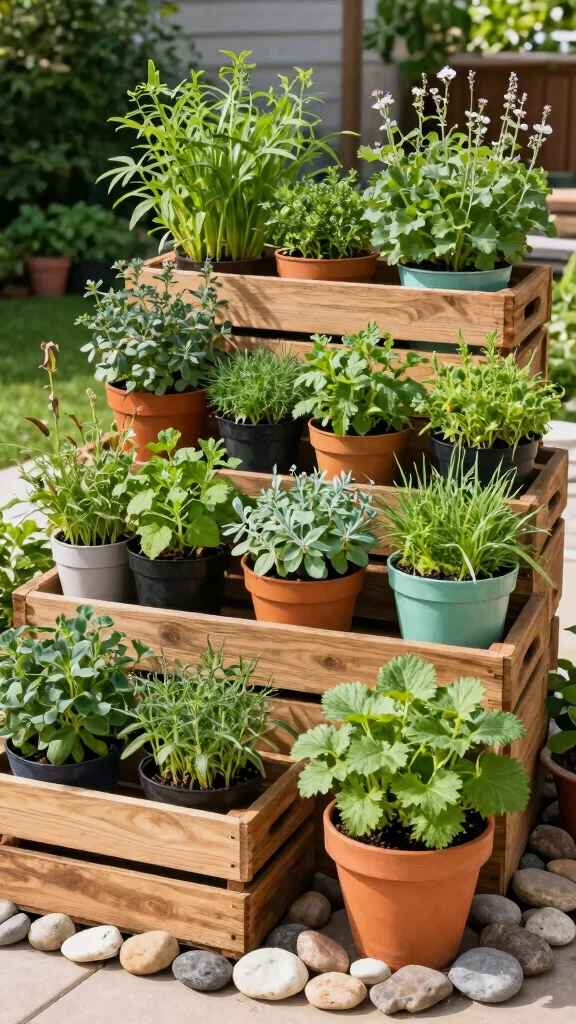
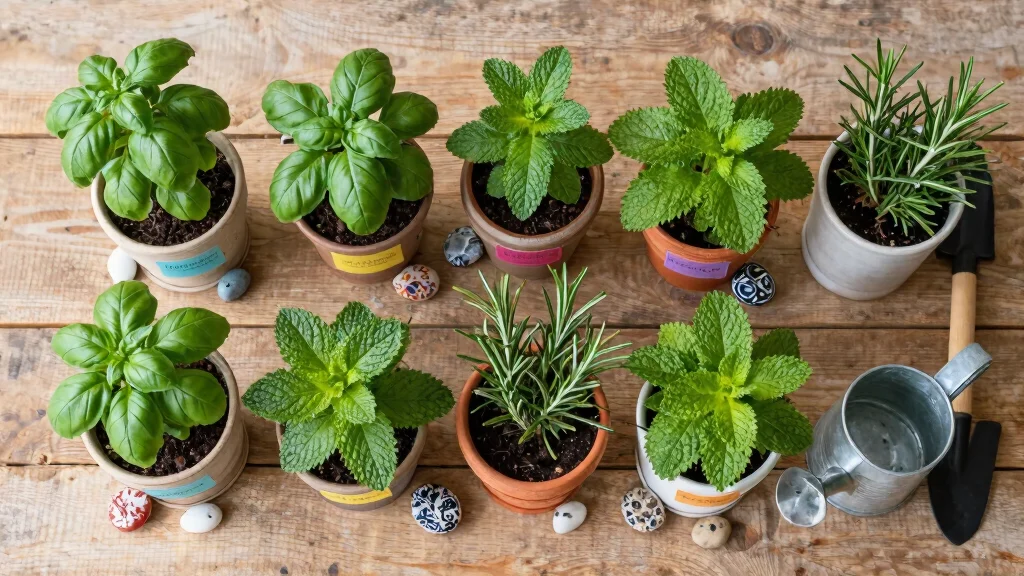
Imagine stepping onto your terrace and being greeted by the fresh scents of a tiered herb garden. This delightful setup is not only visually appealing but also incredibly useful for those who love to cook. Using stacked planters or reclaimed wooden crates, you can create a vertical herb garden that saves space and places fresh herbs right at your fingertips. Fill each layer with aromatic favorites like basil, rosemary, and mint, ensuring they bask in the sunlight for optimal growth.
Start by choosing a sunny spot for your planters to thrive. Consider installing a drip irrigation system for easy watering and to keep your herbs hydrated. Pair complementary herbs, such as chives alongside garlic chives, for a culinary boost.
Key steps to create your herb garden:
– Select a sunny location for your planters
– Use a drip irrigation system for convenience
– Choose herbs that enhance each other’s flavors
This tiered herb garden not only beautifies your space but also elevates your cooking with fresh ingredients right at hand!
Recommended Products

29x29cm (11.4" x 11.4") x 2 pcs. Plants, flowers, pots, decorations are NOT included

INSTANT VERTICAL GARDEN: Transform any space into a lush vertical garden with this ready-to-use wall-mounted planter. Enjoy fresh herbs, vibrant succulents, or beautiful flowers effortlessly – no assembly required! Perfect for small apartments, patios, balconies, or any area where floor space is limited. This sleek indoor wall planter lets you maximize your greenery vertically.

【36 Pocket Vertical Garden】Features 36 individual planting pockets, allowing you to grow herbs, flowers, succulents, strawberries, vegetables, and other plants while maximizing vertical space.
Tiered Herb Garden
Editor’s Choice

homenote Nursery Pots 30 Pack,3/4/5 Inch Plant Pot for Planting, Clear N…


Yaheetech 43.5″ L×16″ W×14″ H Wooden Raised Garden Bed, Horticul…

Seed Needs Rosemary Seeds & Basil Seeds for Planting Italian Herbs – Non…
2. Vertical Succulent Wall
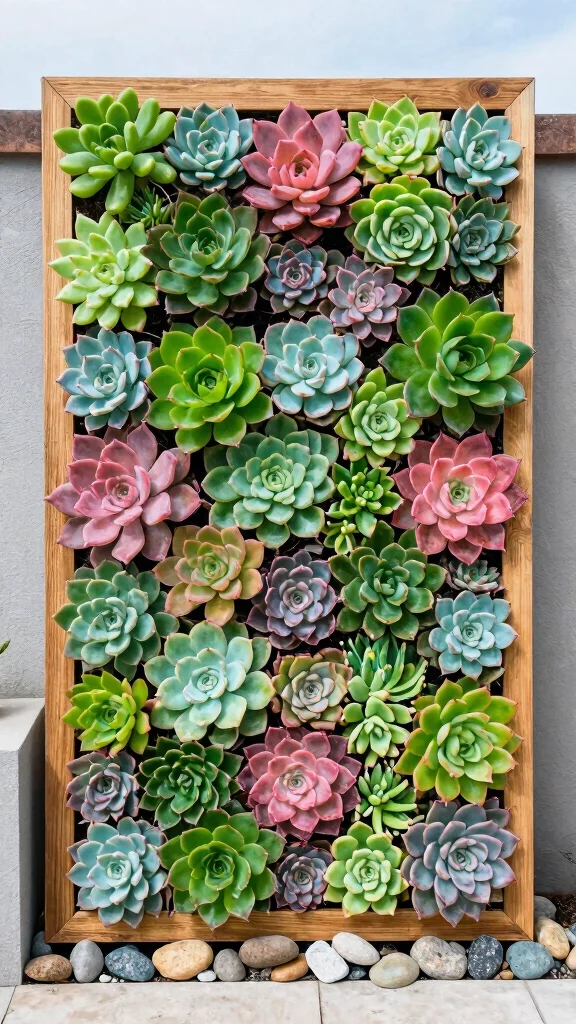
Looking for a stunning yet low-maintenance option for your terrace? A vertical succulent wall is your answer! Picture a living art piece filled with vibrant succulents, creating a breathtaking backdrop for your outdoor oasis. Using wall-mounted planters or a wooden frame, you can showcase a variety of succulent types, adding texture and color to your space.
To get started, choose a sunny wall that can support your design. Mix and match different succulent varieties for a dynamic look. This setup is perfect for small spaces, allowing you to maximize your vertical garden area.
Benefits of a vertical succulent wall:
– Requires minimal watering and care
– Perfect for small areas, maximizing your garden’s vertical space
– Showcases your creativity through plant arrangement
This unique garden feature not only enhances your terrace’s appeal but also serves as a stunning conversation starter!
Fun fact: A vertical succulent wall on a sunny terrace can boost color and texture with just 3-5 varieties. Pro tip: use wall-mounted planters or a simple frame and rotate colors seasonally for a low-maintenance, high-impact terrace landscaping feature.
Recommended Products

【Spacious and Versatile Growing Space】The CATMANOR raised garden beds outdoor offer plenty of room for growing vegetables, herbs, and flowers. The raised bed design helps make better use of planting space and works well for medium to deep-rooted plants like broccoli, beans, and similar crops.
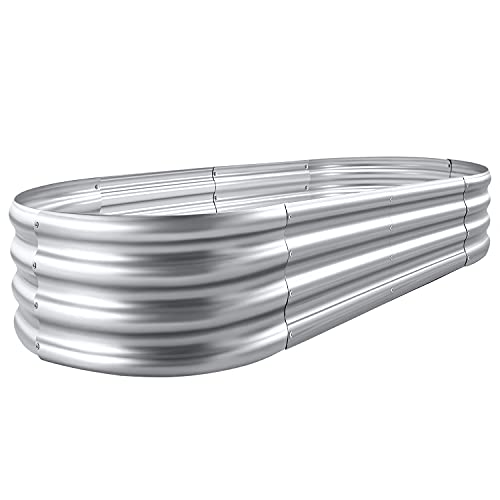
Each raised metal garden bed size: 4×2×1ft ,7.14Cu

Raised Garden Bed - Add a new level of convenience to your gardening experience with the Galvanized Raised Garden Bed. Enjoy expanded yield and a more assembled garden layout with this garden accessory, each sized at 120 cm X 60 cm x 30 cm.
Vertical Succulent Wall
Editor’s Choice

Make Good PlantPod Luxe – Self-Watering Wall Planters (Set of 6) – Easy …

Miracle-Gro Succulent Potting Mix – Potting Soil Mix for Indoor Succulen…

Yaheetech 8×2ft Wooden Horticulture Raised Garden Bed Divisible Elevate…
3. Multi-Level Flower Bed
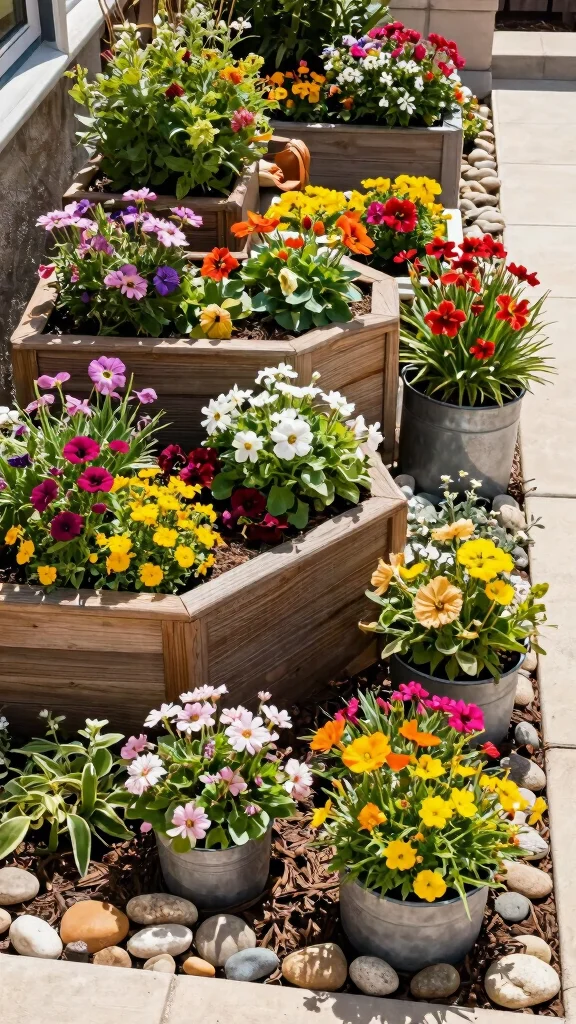
A multi-level flower bed adds exciting depth and dimension to your terrace garden. Layering flowers of varying heights creates a captivating visual effect that draws the eye upwards. Use wooden or metal planters to create distinct levels for your blooms, choosing a vibrant mix of annuals and perennials for year-round color.
When planning, remember to position taller flowers at the back or the highest tier. Combine colors and varieties that complement each other for a harmonious look. Ensure good drainage with quality soil to keep your plants thriving.
Key considerations for your flower bed:
– Position taller flowers at the back for visibility
– Pair colors that enhance each other
– Use well-draining soil to promote plant health
This multi-level flower bed will not only brighten your terrace but also attract butterflies and bees, turning your garden into a lively sanctuary.
Recommended Products

Material: Hanging fence planter made of metal iron. Durable and lightweight. Balcony flower pots are not easy to rust or damage, and have a long service life

LARGE HANGING PLANTERS - Set of 2 hanging planters for outdoor plants, featuring spacious size (13.1"(Upper D) *6.2" H) and large capacity (2 gallons) per planter, guaranteeing sufficient space for your pothos, ivy, and spider plants to grow.

SET OF 2 attractive hanging spheres make a great addition to any part of your home - indoors or outdoors
Multi-Level Flower Bed
Editor’s Choice

Classic Home & Garden Wood Window Box – Handled Buffalo Brown

Galvanized Raised Garden Bed Outdoor, 4x2x1ft(2Pack) Metal Heavy Duty Pl…
4. Hanging Planters
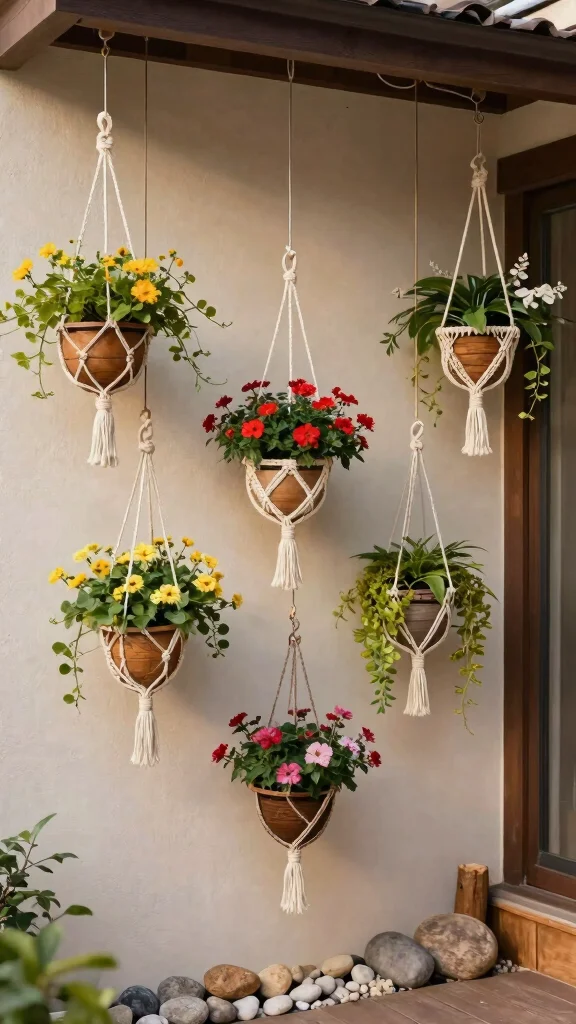
Hanging planters are a creative way to elevate your terrace landscaping. By suspending plants at varying heights, you can create a vibrant and dynamic outdoor area. Opt for macramé hangers for a bohemian touch or sleek metal hooks for a contemporary look. Fill these planters with cascading flowers like petunias or ivy to add a lush feel to your space.
To maximize the benefits, hang your planters in different spots to create unique visual perspectives. These planters not only save floor space but also enhance air circulation, promoting healthy plant growth.
Advantages of using hanging planters:
– Frees up floor space for movement
– Offers interesting views from various angles
– Encourages better air circulation for plants
With the addition of fairy lights, your hanging planters can transform into a magical evening feature, making your terrace a charming getaway!
Recommended Products

【About Size】Including 4 outdoor chair cushions measuring 19”W x 19”D x 3”T (Measure the seating area of your furniture to make sure the size of cushions is right). Our outdoor chair seat cushions are available in different colours and sizes suitable for outdoor chairs, dining chairs, sofas, and other different chairs. Ideal decoration for garden, patio, balcony, beach, and other indoor and outdoor scenes.

【Size Detail】Zonamat outdoor chair cushions measuring 19"x19"x3". (Please measure your furniture first to ensure the perfect fit for your outdoor seating space.) Out patio furniture cushions offering a perfect fit for most patio, garden and lawn chairs; ideal for lawn, deck, balcony, beach, or even indoor use.

【HIGH-QUALITY】 The round floor cushion is made of Natural eco-friendly material, Corduroy for cover and EPE Pearl cotton for filler. And this solid outdoor floor pillow is designed with nine stitching position to prevent deformation. Overstuffed construction for extra comfort and longevity is good for long time sitting.
📹 Related Video: How to Make a Luxury Hanging Basket at Home – Step by Step Walkthrough
You might also like

Hanging Planters
Editor’s Choice

Galood Plant Hanger Indoor with 6 Hanging Chains Hanging Planters for In…

Mkono Macrame Plant Hanger Indoor Hanging Planter Basket with Wood Beads…

50PCS English Ivy Seeds for Planting Easy to Grow Ivy Vine Seeds
5. Modular Raised Beds
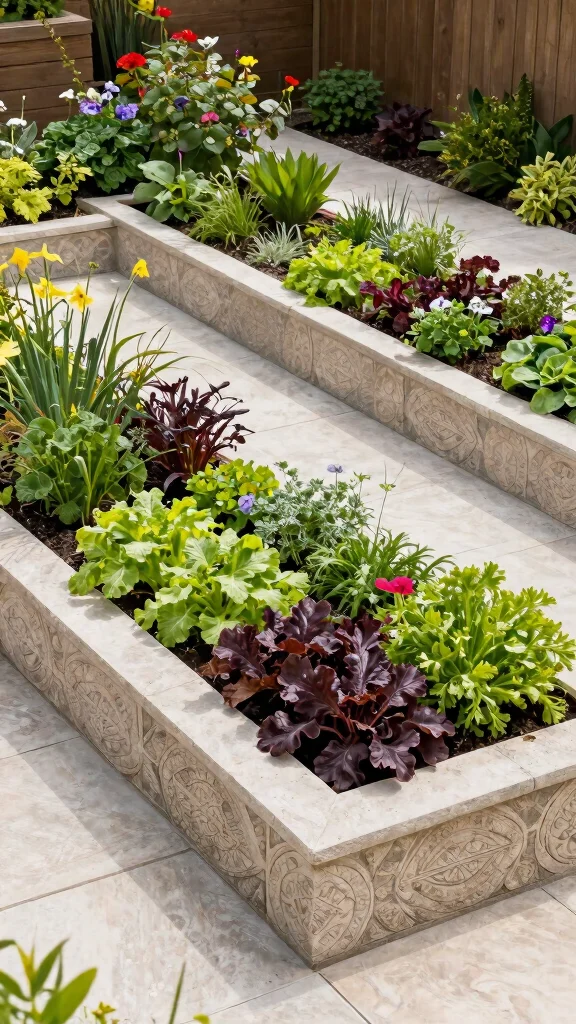
For a more organized approach, consider modular raised beds to elevate your terrace landscaping. These versatile beds can be tailored to fit your space and provide ample room for different plants. Designate separate sections for vegetables, herbs, and flowers, making your gardening experience more manageable.
When building your raised beds, choose rot-resistant materials for durability. Ensure they have drainage holes to keep your plants healthy, and plan your layout to maximize sunlight for each plant type.
Key considerations for modular raised beds:
– Use rot-resistant wood for longevity
– Ensure proper drainage holes are included
– Optimize sunlight exposure in your layout
These raised beds merge functionality with beauty, turning your terrace into a productive gardening haven.
Fun fact: Modular raised beds can slash weeding time by up to 40% on small terraces. Design them in zones for vegetables, herbs, and flowers to maximize sunlight and airflow—terrace landscaping becomes organized, durable, and surprisingly doable.
Recommended Products
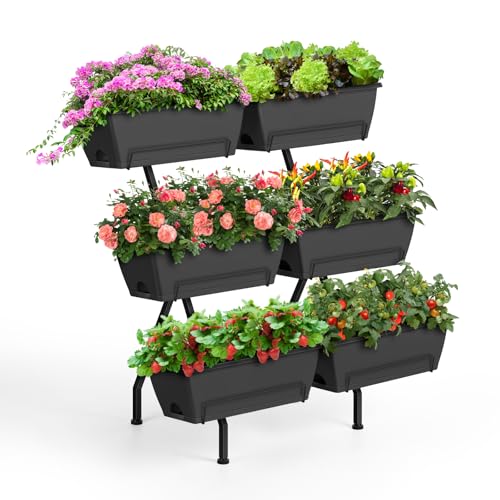
【Space-Saving Vertical Garden System】 Six stackable planters transform tight spaces into lush gardens – perfect for urban balconies, small patios, or indoor greenery. Strategically alternate herbs, flowers and vegetables across tiers to create your perfect mini ecosystem.

Sturdy and Durable-The vertical garden planter is made with a sturdy all-metal frame to ensure durability and longevity. The stable triangular design provides reliable support for your herbs, flowers, vegetables and more

HERB PLANTER INDOOR - Create your own indoor herb garden for your windowsill or counter. These spacious square herb planters are the perfect size for your herbs and spices.
How To Choose the Right Vertical Garden Design for Your Terrace
When planning your terrace landscaping, selecting the right vertical garden design is key to creating an appealing and functional outdoor space. Here are some important criteria to consider:
1. Space Availability
Assess the dimensions of your terrace. Measure the length, width, and height of the areas where you want to install your vertical garden. This will help you determine how many levels or planters you can fit. A compact terrace might benefit from slim, wall-mounted designs, while a spacious terrace can accommodate larger, freestanding units.
2. Plant Selection
Choose plants that thrive in vertical conditions. Herbs, succulents, and flowering plants can add color and fragrance to your space. Consider your local climate and sunlight availability when selecting plants. For instance, sun-loving plants will flourish on sunnier walls, while shade-tolerant options are better for less sunny spots.
3. Material and Style
The material of your vertical garden can influence both aesthetics and durability. Wood, metal, and fabric are popular choices. Wooden planters offer a rustic charm, while metal designs provide a modern touch. Ensure that the materials you choose are weather-resistant and suitable for outdoor use.
4. Watering and Maintenance
Consider how you will maintain your vertical garden. Drip irrigation systems can make watering easier, especially for larger setups. If you prefer a low-maintenance option, select drought-tolerant plants that require less frequent watering. Always think about how to access your plants for pruning and harvesting.
5. Budget
Establish a budget for your vertical garden project. Prices can vary widely based on size, materials, and plant types. Determine what you are willing to invest and explore options that fit within that range. DIY projects can help save money while allowing for customization.
Pro Tip: Before committing to a design, visualize your vertical garden by sketching it out or using design software. This will help you see how everything will fit together and ensure that you’re happy with your choice before you start.
Creating a stunning and functional vertical garden can transform your terrace into a beautiful oasis. By carefully considering space, plant selection, materials, maintenance, and budget, you can choose a design that enhances your outdoor space and brings joy for years to come.
Recommended Products

【Save Time & Space with Self-Watering Wall Planters】Transform any space into a lush vertical garden with this ready-to-use wall-mounted planter. Enjoy fresh herbs, vibrant succulents, or beautiful flowers effortlessly. Keep your indoor plants thriving with this self-watering wall planter featuring a 1L water reservoir. Includes four 4'' pots, self watering pots ideal for small plants, succulents, or herbs, turning cluttered floors into a tidy vertical garden
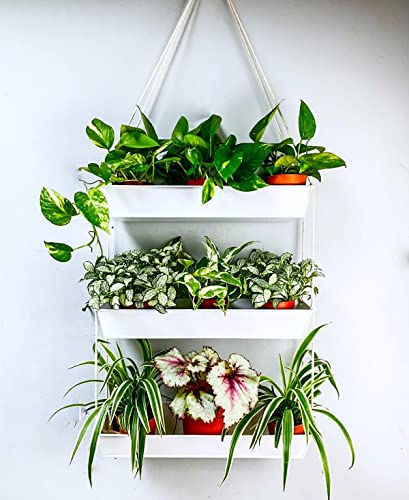
3 TIER HANGING PLANTER: 1 set of metal wall hanging planter with 3 rectangular planters, ready to hang, no special assembly needed. Check and pick the right size for your plant to prevent unpleasant experience and potential wastage on resources, plants not included

【You will get】Size: 11.4"W x 47.24"H (1 Pack)丨(Plants, flowers, pots & decor not included.) Material & Color: Premium solid wood (no particle board), carbonized for a rich dark brown finish, enhanced durability, and striking natural grain.
Modular Raised Beds
Editor’s Choice

Rockin’ Wood Rustic Weathered Reclaimed Wood Planks for DIY Crafts, Proj…

K-Brands Auger Drill Bit for Planting – 4 x 12 Inch – Garden Spiral Ho…

Kesfitt Raised Garden Bed, Metal Galvanized Steel Oval Garden Bed 8x2x1….
6. Colorful Patio Tiles
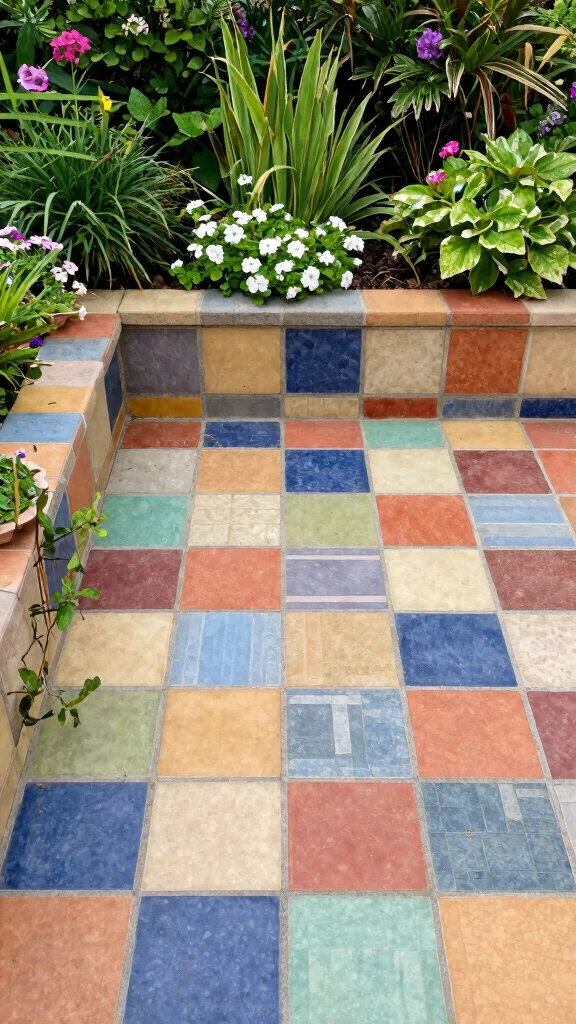
Transform your terrace with colorful patio tiles that enhance your garden’s design. These tiles provide a vibrant foundation for your multi-level gardening, beautifully showcasing your plants and flowers. Select tiles in earthy tones or bright shades to complement the greenery surrounding them.
Tiles are easy to clean and maintain, making them ideal for outdoor settings. Their versatility allows for various shapes and sizes, enabling you to create unique patterns that add character to your terrace.
Key features of colorful patio tiles:
– Easy to clean, perfect for outdoor use
– Available in numerous designs and sizes
– Can be arranged in creative patterns
Incorporating tiles not only beautifies your area but also designates spaces for different plants, creating a stunning outdoor retreat.
Recommended Products

Upgraded Durability and Structure: The thickness of this galvanized corrugated steel garden bed reaches 0.67 mm, and the thickest part can reach 1.2 mm, Multi-screw reinforcement prevents deformation and can be reused for many years

SIZE: The plant bed measure is 23.6"L x 23.6"W x 11.8"H. This round planter box provide ample growing space to raise vegetables, flowers and plants.
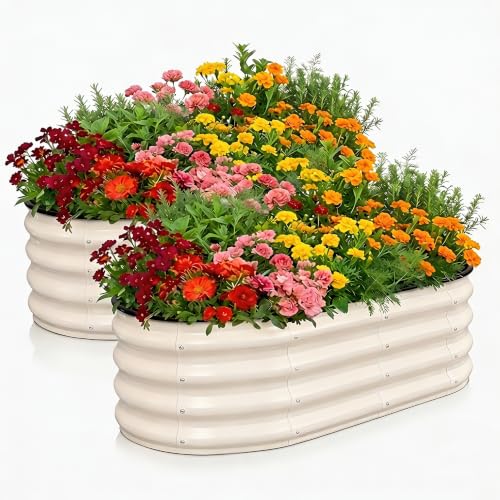
【Raised Garden Beds Outdoor】: GRASQUILINE’s galvanized raised garden bed features enhanced rust and corrosion resistance, ensuring years of durable use even in harsh outdoor environments and humid climates — so you never have to worry about premature wear.
Colorful Patio Tiles
Editor’s Choice

Interlocking Deck Tiles, EchoDeck Patio Deck Tiles, 44 Pack Deck Tiles I…

Yeardera Heavy Duty Construction Adhesive, 7.4 Ounce Cement Glue Squeeze…
7. Edible Vertical Garden
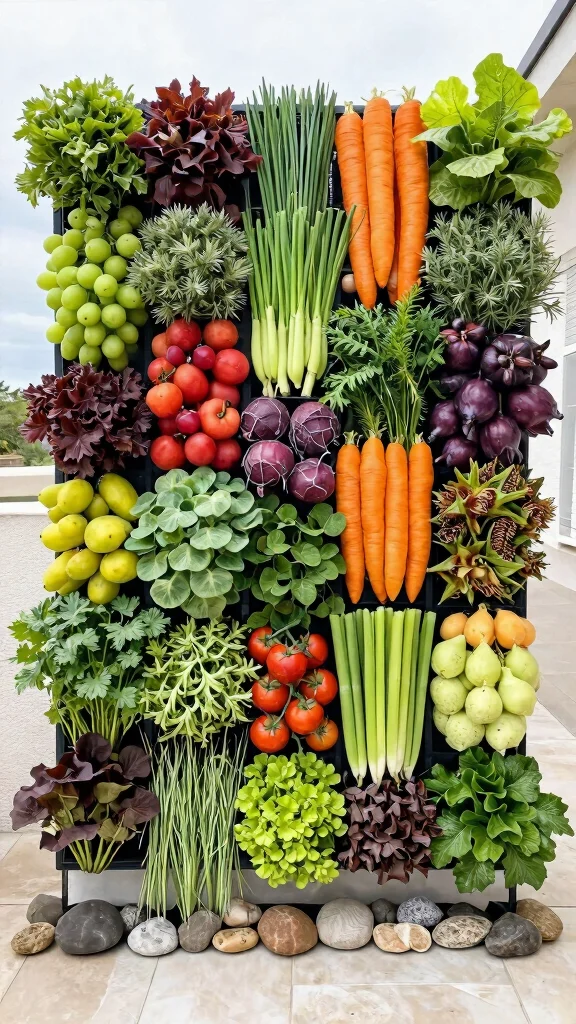
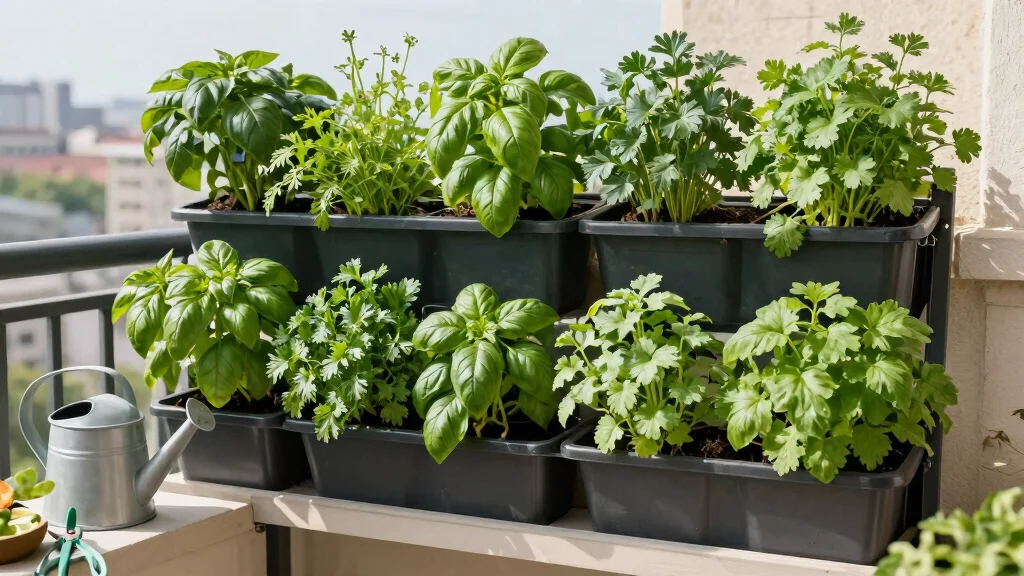
Combine aesthetics with practicality by creating an edible vertical garden on your terrace. This setup allows you to grow fruits and vegetables without compromising on beauty. Utilize vertical planters or wall-mounted systems to display your favorite edibles, such as strawberries, cherry tomatoes, and peppers.
With fresh produce at your fingertips, you can promote healthy eating while enjoying a splash of color and texture in your garden. This approach encourages sustainability and reduces your carbon footprint by enabling you to grow your own food.
Advantages of an edible vertical garden:
– Access fresh produce directly from your garden
– Adds vibrant colors and textures to your space
– Supports sustainable living practices
An edible vertical garden is not just a project; it’s a rewarding experience that enriches your terrace with both beauty and functionality!
Did you know that a 4×8 foot edible vertical garden on a small terrace can yield as much produce as a traditional ground plot? In terrace landscaping, vertical planters boost edible output by about 40% while preserving beauty and space.
Recommended Products
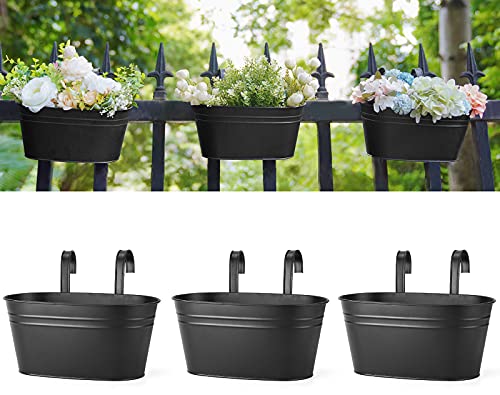
BALCONY RAIL PLANTER:Rectangular Planter was designed to maximize inside growing space allowing dirt and roots to grow strong and deep.This special design can be hung on the balcony, window, garden,railing, anywhere in the room,also can be used as desktop

【Full 4-Pack】Our hanging flower bundle comes in a set of four. Each bundle has five stems, and the entire bouquet measures about 30 in (76 cm) long and 10 in (26 cm) wide. The bouquet is filled with lush leaves and numerous flowers. The more sets you add, the stronger the fragrance of flowers in your garden and home will be.

Balcony Rail Planter: Rectangular outdoor planters was designed to maximize inside growing space allowing dirt and roots to grow strong and deep.This special design can be hung on the balcony, window, garden,railing, anywhere in the room,also can be used as desktop.
You Might Also Like
Edible Vertical Garden
Editor’s Choice

Set of 43 Assorted Vegetable & Herb Seed Packets – Over 10,000 Seeds! – …

TOREVSIOR 5-Tier Vertical Raised Garden Bed, Vertical Garden Planter wit…

Carpathen Hydroponic Tower Growing System – Indoor Vertical Gardening Sy…
8. Cozy Corner Seating
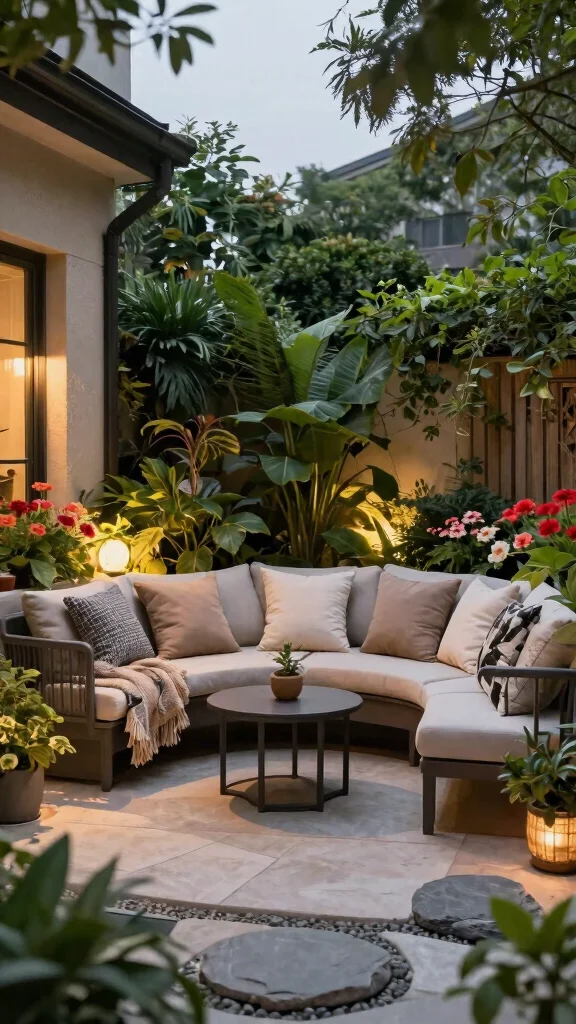
After all your landscaping efforts, a cozy corner to relax is essential. Create a comfortable seating area amidst your garden for a peaceful retreat. Choose outdoor furniture that reflects your style, whether bohemian, modern, or rustic, and add cushions and throws for extra comfort.
Position the seating to offer the best view of your garden, and consider using outdoor rugs to define the space and add warmth. A small table can be perfect for drinks or snacks during your outdoor moments.
Key tips for your cozy corner:
– Position seating strategically for garden views
– Use outdoor rugs to enhance comfort
– Add a small table for convenience
Your cozy corner will become the ideal spot to unwind, reflect, or entertain while enjoying the beauty of your terrace garden.


Cozy Corner Seating
Editor’s Choice
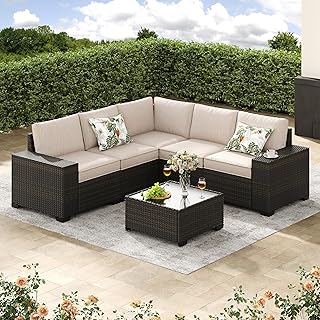
6-Piece Patio Furniture Set, All-Weather Outdoor Wicker Sectional Sofa w…

Outdoor Chair Cushions Set of 4: Waterproof & Fade Resistant Seat Cushio…

HUGEAR Outdoor Rug for Patios Clearance,Waterproof Mat,Large Outside Car…
Conclusion
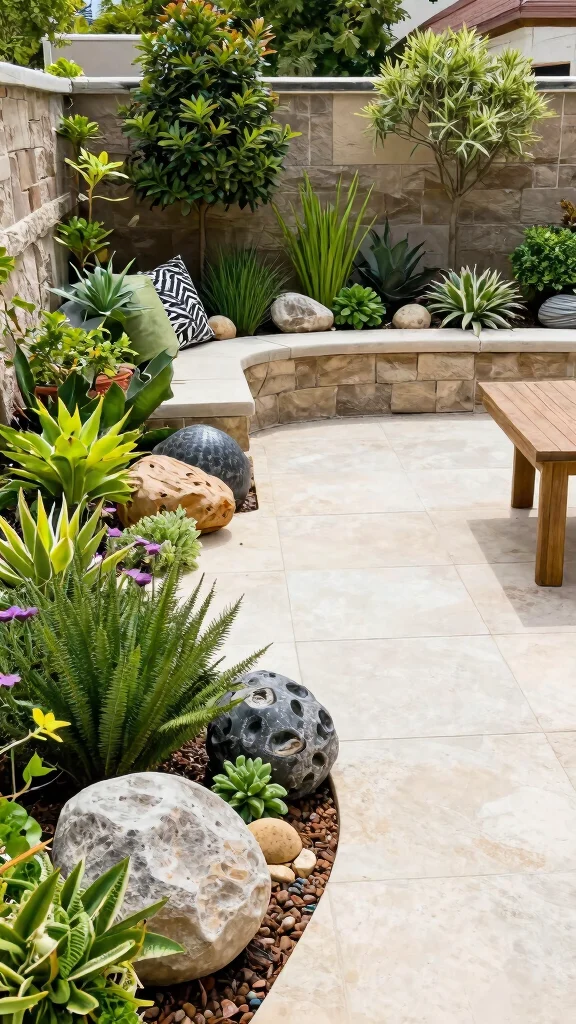
As you embark on your terrace landscaping journey, remember that every small detail adds to the overall beauty of your outdoor space. Embracing vertical garden designs, multi-level planters, and sustainable solutions not only enhances your surroundings but also provides a fulfilling gardening experience.
Let these ideas inspire you to create a terrace that’s not just beautiful, but also a reflection of your personal style and passion for gardening. Your little green sanctuary awaits!
Note: We aim to provide accurate product links, but some may occasionally expire or become unavailable. If this happens, please search directly on Amazon for the product or a suitable alternative.
This post contains Amazon affiliate links, meaning we may earn a small commission if you purchase through our links, at no extra cost to you.
Frequently Asked Questions
What exactly is terrace landscaping and how do I get started on a small terrace?
Terrace landscaping is about turning a compact outdoor space into a layered, usable garden that looks deliberate and feels comfortable. To start on a small terrace, first assess sun, wind, and weight limits. Then sketch a simple three-zone plan: a base where you can grow herbs or compact plants, a mid-level area with multi-level planters, and a top or vertical feature that adds height without crowding the floor. Choose lightweight, weatherproof planters with good drainage, and consider a small watering system to keep maintenance easy. Finish with a focal planting that draws the eye and sets the color palette for your terrace landscaping project.
What are the best vertical garden design ideas for a tiny terrace without causing clutter?
For a tiny terrace, embrace vertical garden design that maxes out height while keeping pathways clear. Think wall-mounted planters or modular panels, a trellis with climbers, railing planters, and stacked planter towers. Pick compact or dwarf varieties that suit your light, balcony weight, and climate. Use built-in drainage and self-watering inserts to minimize spills. By layering greenery up the wall, you achieve a lush look with outdoor space optimization and vertical garden design that feels expansive, not crowded.
How can I optimize my outdoor space on a terrace using multi-level planters?
Start by planning three vertical levels: floor-level beds for herbs, mid-height multi-level planters for color and texture, and a high focal element like a trellis or wall garden. Choose planters with uniform drainage and lightweight materials to protect the terrace surface. Group plants by sun needs and water requirements to reduce maintenance. Use color-coordinated greenery and seasonal blooms to create a cohesive look that maximizes terrace landscaping impact while keeping the space functional for seating or dining.
What sustainable landscaping solutions work well for terrace gardening?
Sustainable terrace gardening means smart water use and recycled materials. Consider rainwater harvesting with a simple barrel system, drip irrigation, and composting for on-site soil enrichment. Choose native or drought-tolerant plants to reduce water needs, and use recycled or upcycled containers when possible. Mulch to retain moisture, and select durable, weather-resistant materials for planters and furniture. These sustainable landscaping solutions keep your terrace green and low-maintenance year-round.
What are practical terrace gardening tips for maintaining and enjoying a tiered garden?
Maintain a tiered garden with a simple routine: water early in the day to reduce evaporation, prune regularly to keep plants tidy, and refresh soil or top up compost every season. Check drainage and the weight load on railings or supports, especially after heavy rain. Rotate seasonal plants to prevent disease and keep color coming all year. A quick monthly check for pests and a light grooming session will help your terrace gardening tips stay on track and keep your space looking satisfying and alive.
Related Topics
terrace landscaping
vertical garden design
outdoor space optimization
multi-level planters
sustainable landscaping
small terrace ideas
easy gardening tips
urban gardening
compact gardens
beginner friendly
seasonal plants
DIY terrace projects