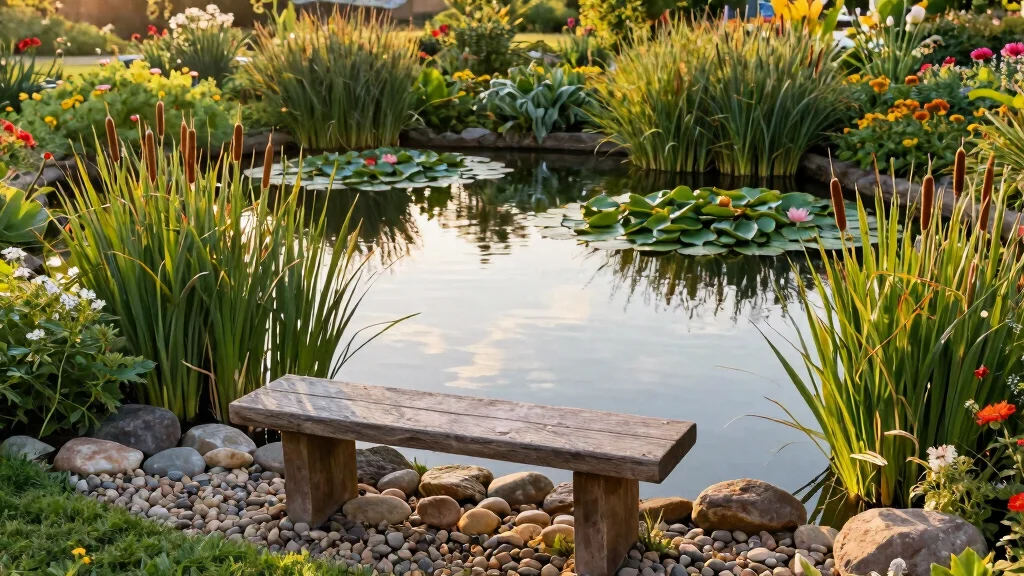
Creating a peaceful and complete property often starts with a stunning farm pond. As the seasons change, these little bodies of water can serve as serene sanctuaries that not only offer beauty but also enhance wildlife habitats. If you’ve been thinking about ways to elevate your outdoor space, you’re in the right place. This blog post is dedicated to sharing practical ideas that will inspire you to transform your farm pond into a lush oasis brimming with life.
This guide is for anyone passionate about gardening, landscaping, or simply enjoying nature’s beauty. Whether you’re an experienced gardener or just starting your journey into eco-friendly practices, you’ll find something here that resonates with you. We understand the desire to create a tranquil environment that benefits both you and local wildlife. With the right pond landscaping ideas, you can enrich your backyard and encourage the presence of birds, butterflies, and other beneficial creatures.
In the following sections, we’ll explore eight unique farm pond landscaping ideas that are not only aesthetically pleasing but also practical and environmentally friendly. You’ll learn how to incorporate native plants, create cozy seating areas, and implement effective water features. By the end of this article, you’ll have actionable tips to make every inch of your property feel peaceful and complete.
Key Takeaways
– Native Plant Gardens Around the Pond: Use plants that are local to your area to support wildlife and create natural beauty around your pond. These plants require less maintenance and fit seamlessly into the environment.
– Natural Stone Pathways: Build charming pathways using natural stones. They add character and provide easy access to your pond without disturbing the surrounding habitat.
– Eco-Friendly Water Features: Consider adding water features like small waterfalls or fountains. These can enhance the sound and sight of water, creating a soothing atmosphere while benefiting local ecosystems.
– Wildlife-Friendly Shelters: Create shelters using logs or rocks to give critters a safe place to rest. This can attract beneficial wildlife, enhancing the pond’s ecological value.
– Seasonal Color with Aquatic Plants: Choose aquatic plants that bloom in different seasons. This will ensure your pond remains visually appealing throughout the year while supporting diverse wildlife.
Recommended Products

✅ FLOATING BEAUTY! Most popular floating pond plant; perfect for beginners! Glossy, succulent green leaves float beautifully on the water’s surface! Experience sporadic bursts of gorgeous lilac blooms!


First Quality Native Grass Seeds – Current Lab Test Data Shown on Packet
1. Native Plant Gardens Around the Pond
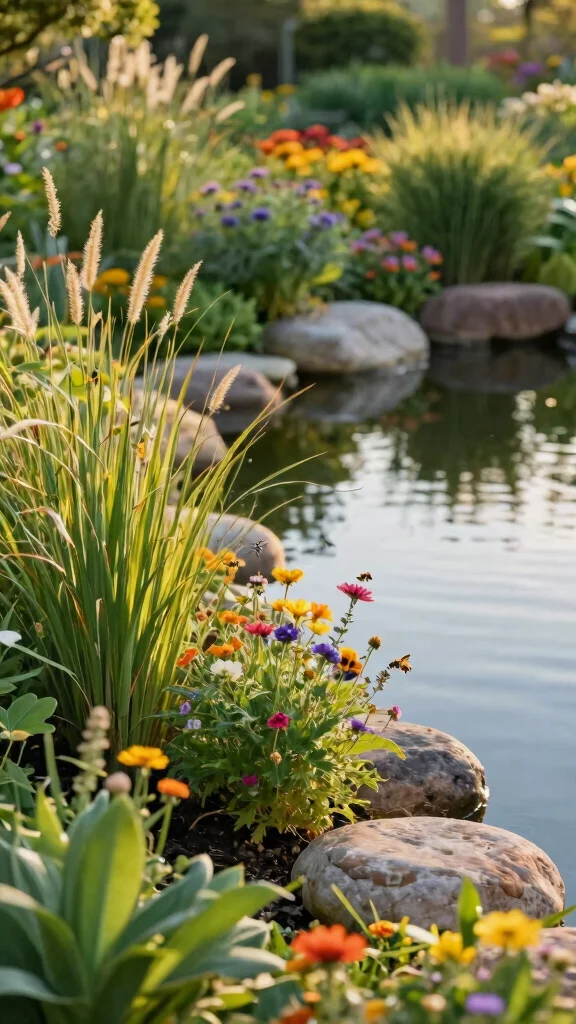
Enhancing your farm pond with native plant gardens is a fantastic way to create a vibrant ecosystem. These plants not only look stunning but also attract local wildlife, adding life and color to your outdoor space. Choose plants that naturally flourish in your region to ensure a beautiful, low-maintenance landscape that benefits both you and the environment.
Start by researching native species that appeal to you and your surroundings. Group plants based on their height for visual interest, with taller varieties in the back and shorter ones in the front. Incorporating rocks and gravel will enrich the natural look, providing homes for small creatures. A native plant garden not only enhances the aesthetics of your pond but also fosters a lively habitat for local wildlife.
Key benefits of native plant gardens:
– Attract pollinators and birds for a thriving ecosystem.
– Improve soil quality while reducing erosion.
– Filter pollutants to keep pond water clean.
Your native plant garden will be a beautiful haven that nurtures both you and the local wildlife.
Recommended Products

Specialized Aquatic Plant Soil – Formulated to promote healthy root establishment and robust growth for pond plants.

Used Book in Good Condition
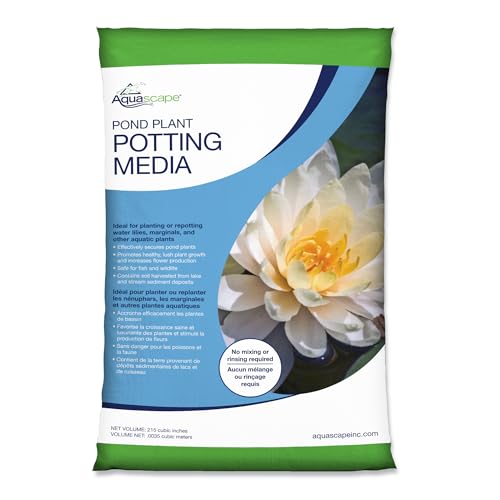
Specialized Aquatic Plant Soil – Formulated to promote healthy root establishment and robust growth for pond plants.
Native Plant Gardens Around the Pond
Editor’s Choice

The Backyard Bird Feeder’s Bible: The A-to-Z Guide To Feeders, Seed Mixe…


Wildflower Seeds Bulk Mix – 10,000+ Perennial & Annual Seeds – Texas, Ca…
2. Natural Stone Pathways
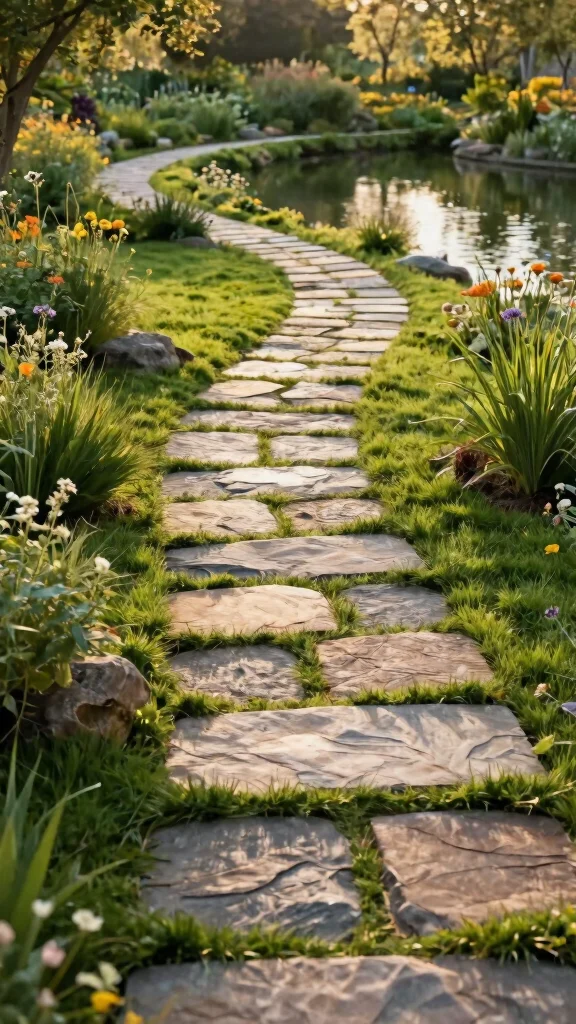
Creating a natural stone pathway around your farm pond adds a rustic charm that enriches your landscape. These pathways not only guide visitors but also provide a sturdy surface to enjoy the area. Choose irregular stones to blend seamlessly with the natural surroundings, enhancing the organic feel of your outdoor space.
To craft an appealing pathway, lay stones in a flowing pattern that weaves around the pond. Fill in the spaces with gravel or native plants to soften the edges and create a harmonious transition with the landscape. This pathway will not only beautify the pond area but also invite you to stroll through your serene natural retreat.
Benefits of natural stone pathways:
– Provide durability against weather conditions.
– Maintain a natural look that complements the landscape.
– Allow for wildlife access closer to the pond.
Your stone pathway will enhance both the beauty and tranquility of your outdoor space.
Recommended Products

【INSTANT GARDEN PATHWAY】Create a beautiful, natural stone walkway in seconds without the hard work. These pre-assembled mats require no digging, mixing cement, or heavy lifting. Simply lay them down on grass, mulch, gravel, or soil to instantly define a path and keep your shoes clean and mud-free.

Realistic Faux Stone Texture: Our landscape edging boasts a lifelike stone texture with detailed surface patterns that add depth and a polished look to your outdoor space. It beautifully enhances garden beds, lawns, pathways and flower beds, bringing a natural, decorative touch to any yard.
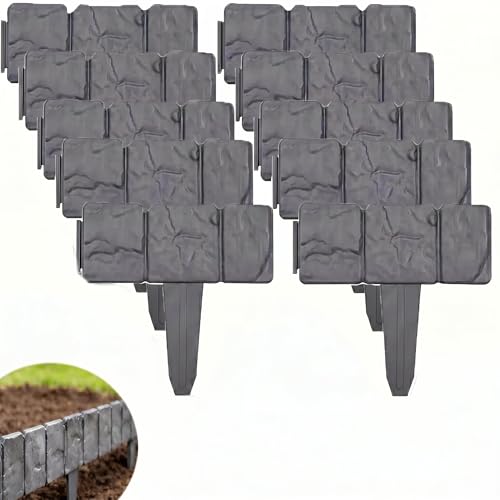
【1. Natural Stone Appearance】Realistic faux stone edging for landscaping adds a decorative landscape border to flower beds, lawns, trees, and garden spaces while enhancing curb appeal.
📹 Related Video: Build a Stepping Stone Walkway from Scratch | DIY Paver Pathway | Yard Transformation Pt. III #diy
Natural Stone Pathways
Editor’s Choice

Sekcen 3 Pack Rubber Stepping Stones Outdoor Garden Rubber Pavers Pathwa…

Native Plants for Wildlife Habitat and Conservation Landscaping (Color P…

YISZM 2LB Succulent and Cactus Gravel Pebbles, 1/5 Inch Natural Decorati…
3. Eco-Friendly Water Features
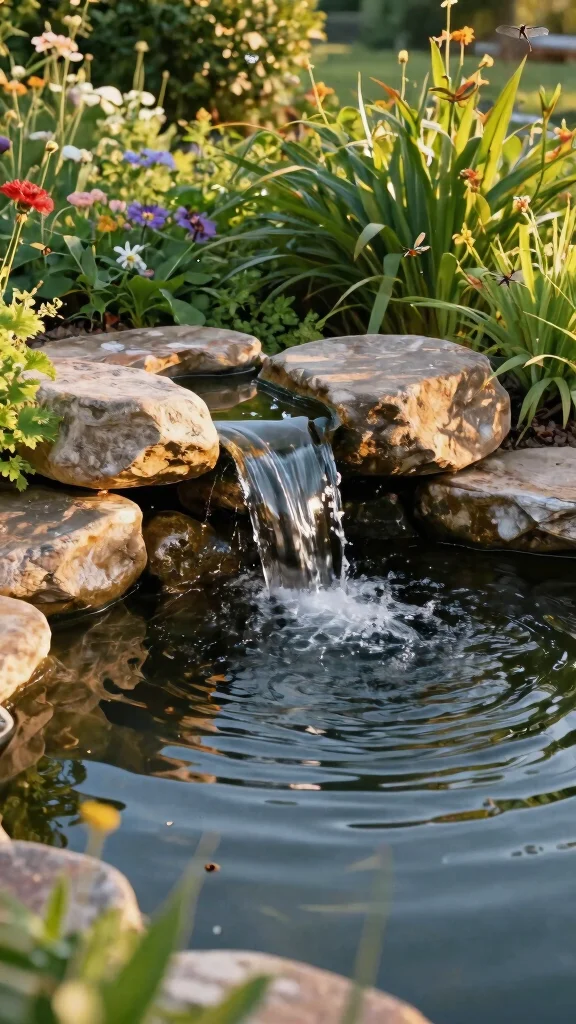
Incorporating eco-friendly water features into your farm pond landscaping can elevate its beauty and serenity. Think of adding a small waterfall or a bubbling rock, which not only produces soothing sounds but also enriches the oxygen levels in the water, supporting aquatic life.
When considering water features, ensure they blend naturally with the landscape using local stones and plants. This harmony creates a unified look around the pond, making it an inviting spot for relaxation and wildlife.
Types of eco-friendly water features:
– Install bubbling rocks for gentle water sounds.
– Create small waterfalls for visual and auditory appeal.
– Use solar-powered fountains for sustainable energy use.
Your eco-friendly water feature will transform your pond into a peaceful retreat, attracting both wildlife and visitors.
Eco-friendly water features boost farm pond landscaping into a living heartbeat. A small waterfall or bubbling rock can boost oxygen by up to 20%, inviting more aquatic life and wildlife. Blend these features with local stones and plants for a serene, natural sanctuary.
Recommended Products
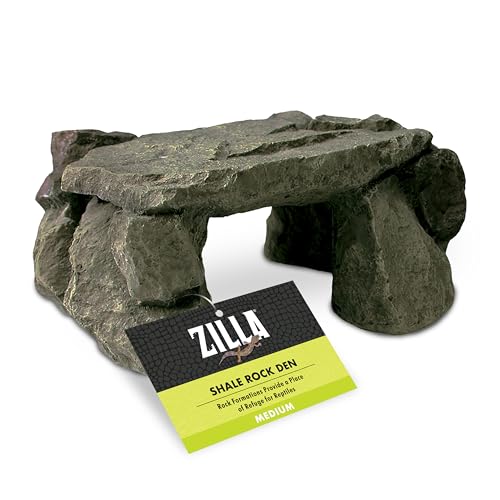
This item is 9” Long x 6.5” wide x 3.5” high and weighs 2.4 lbs


A perfect addition to your natural terrarium design
How To Choose The Right Plants for Farm Pond Landscaping
Choosing the right plants for your farm pond landscaping is crucial for creating a peaceful and sustainable environment. These plants enhance the beauty of your pond and contribute to the ecosystem by attracting wildlife. Here are some key factors to consider:
1. Native Species
Opt for plants native to your region. Native species are better adapted to the local climate and soil conditions, leading to lower maintenance needs. They also provide essential habitats for local wildlife, including birds, insects, and amphibians. Research local nurseries or extension services to find out which native plants thrive near your pond.
2. Water Depth Requirements
Different plants thrive at varying water depths. Some plants need to be fully submerged, while others prefer shallow areas. For instance, water lilies and lotus enjoy deeper waters, while cattails and sedges do well in shallower zones. Measure the depth of your pond and choose plants that suit those specific conditions.
3. Sunlight Exposure
Consider how much sunlight your pond receives throughout the day. Some plants, like rushes and reeds, can tolerate partial shade, while others, like water lilies and floating heart, thrive in full sun. Observe your pond at different times of the day to determine the best planting locations.
4. Aesthetic Appeal
Select plants that provide visual interest. Incorporate a mix of colors, textures, and heights. For example, tall grasses can provide vertical interest, while colorful flowering plants add vibrancy. Create layers by placing taller plants at the back and shorter ones in the front. This design approach enhances the overall beauty of your pond area.
5. Maintenance Level
Some plants require more effort to maintain than others. Consider how much time you’re willing to spend on upkeep. Low-maintenance plants, like water lettuce and hornwort, are great choices for busy individuals. If you enjoy gardening, you might opt for more demanding species that require regular pruning or dividing.
6. Wildlife Attraction
Choose plants that will attract beneficial wildlife to your pond. Pollinators like bees and butterflies love flowering plants, while certain grasses provide shelter for frogs and fish. By carefully selecting plants, you can create a lively ecosystem that thrives alongside your pond.
Pro Tip: Before planting, sketch a rough layout of your pond and the surrounding area. This will help you visualize the arrangement and ensure a balanced look. Consider visiting nearby ponds for inspiration on how plants are arranged in a natural setting. This will guide your choices and create a tranquil garden that feels complete.
Recommended Products

Complete pond, waterfall, and watergarden kit includes everything needed
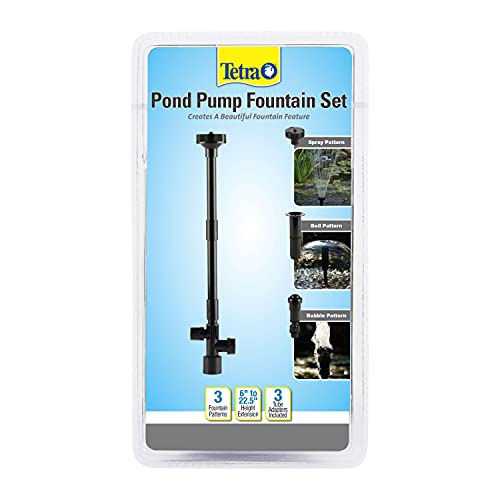
FOUNTAIN SET: Adds a beautiful fountain feature to any garden pond

⛲[High-quality 304 Stainless Steel ] Pond Waterfall box Adopts 304 stainless steel is carefully crafted to be corrosion-resistant and oxidation-resistant to ensure that it doesn't rust or deform in long-term use, and it is fearless of erosion by wind and rain and lasts for a long time. Its strong and durable characteristics, so that the waterfall bucket can work in the outdoor in a durable and stable, enhance the overall decorative effect.
Eco-Friendly Water Features
Editor’s Choice

Update Drip Irrigation Kit, 98FT Automatic Watering System with 25 Repla…
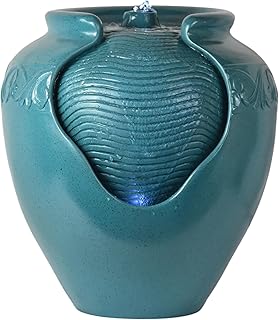
Teamson Home Floor Glazed Pot Water Fountain with Built-in LED Light and…

Rainforest Decorations Waterfall Landscaping Kit Blue Shiny Tinsel Curta…
4. Wildlife-Friendly Shelters
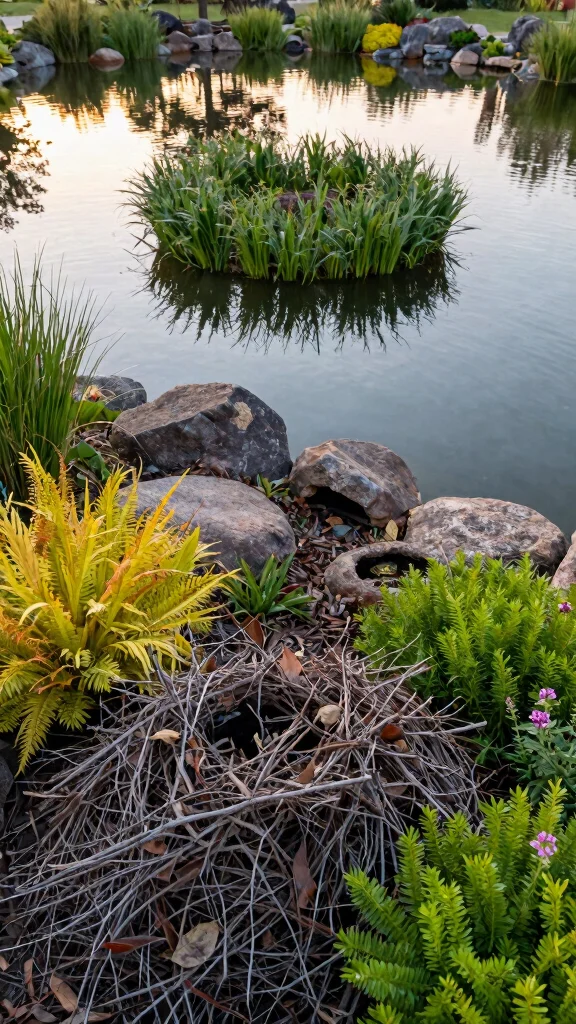
Building wildlife-friendly shelters near your pond is vital for nurturing a healthy ecosystem. These shelters provide safe havens for birds, frogs, and other small creatures, encouraging biodiversity on your property.
To create effective shelters, position them near plants and water sources to help wildlife feel secure. This thoughtful placement ensures that animals have access to food and shelter while enjoying the pond area.
Effective wildlife shelters include:
– Build brush piles for hiding spots and nesting materials.
– Create rock piles for frogs and insects to thrive.
– Design floating islands with native plants for aquatic wildlife.
These shelters will enhance the aesthetics of your pond while supporting local wildlife and biodiversity.
Fun fact: In farm pond landscaping, wildlife-friendly shelters placed near plants and water can boost bird and frog visits by up to 40%. Place small shelters near food and water sources to create safe havens and boost biodiversity around your pond.
Recommended Products

Showy Summer Blooms – Produces large, fragrant white flowers in summer, adding beauty and seasonal interest to landscapes and naturalized plantings.

You get 1 Water Lettuce 3-5" in diameter ready to float on your pond
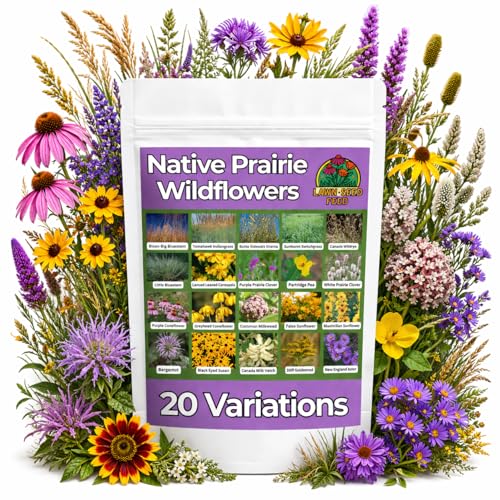
RESEALABLE POUCH FOR MAXIMUM SEED FRESHNESS: Wildflower seeds are packaged in a durable, resealable pouch designed to protect against moisture, air, and light exposure. This prevents mold, premature germination, and seed damage-ensuring long-lasting viability, higher germination rates, and reliable planting results
You might also like


Wildlife-Friendly Shelters
Editor’s Choice

Bearded Dragon Basking Platform, 11.8×5.9×2.4inch Slate Rocks for Rept…

ShelterLogic 8′ x 10′ x 5′ Small Round Livestock and Agricultural Storag…

Wildflower Seeds Bulk 10000+, 1.06oz Butterfly Hummingbird Mix, 21 Varie…
5. Decorative Edging with Natural Materials
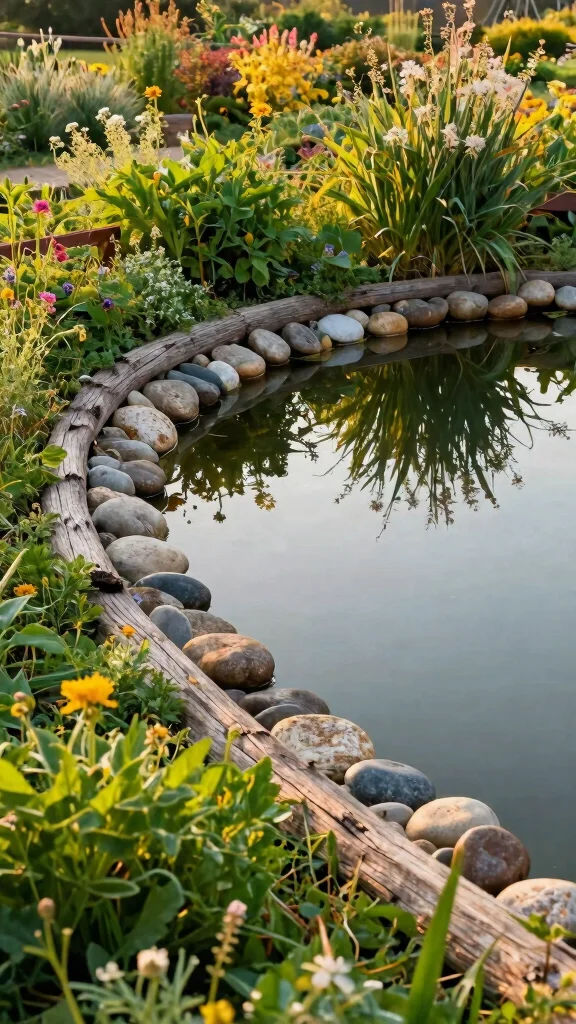
Decorative edging around your pond defines the area while boosting its overall beauty. Using natural materials like stones, wood, or logs creates a charming border that seamlessly integrates into the landscape.
When choosing materials, consider what is locally available to add unique character to your landscaping. Shape the edging with gentle curves along the pond’s perimeter, allowing plants to spill over for a natural appearance.
Benefits of decorative edging:
– Enhance visual appeal for a polished look.
– Prevent soil erosion and keep mulch in place.
– Provide hiding spots for small animals and insects.
Your decorative edging will beautifully complement your pond, creating a tranquil garden environment that feels complete.
Recommended Products

【Natural Perlite Floating Particles】 White floating particles may appear after soaking—this is pure natural perlite, a lightweight mineral material commonly used in planting media. It is safe for plants and fish when used as directed, and may gradually settle, disperse, or break down into smaller inert particles over time. This is normal and not dirt or contamination, so you can use it with confidence
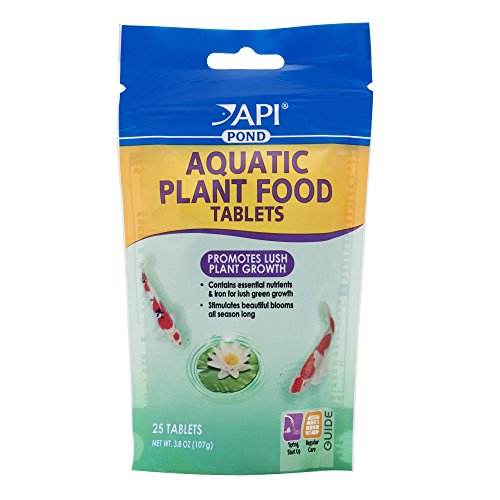
Contains one (1) PONDCARE AQUATIC PLANT FOOD TABLETS Potted Plant Fertilizer 3.8-ounce

Water Hyacinth - Eichhornia crassipes
Decorative Edging with Natural Materials
Editor’s Choice

FANTIAN 20 lbs Large River Rocks for Outdoor Landscaping, 3-4 Inch Decor…

Wooden Garden Edging – 13.1ft x 11.8in Pine Landscape Border, Flexible W…
6. Floating Plant Islands
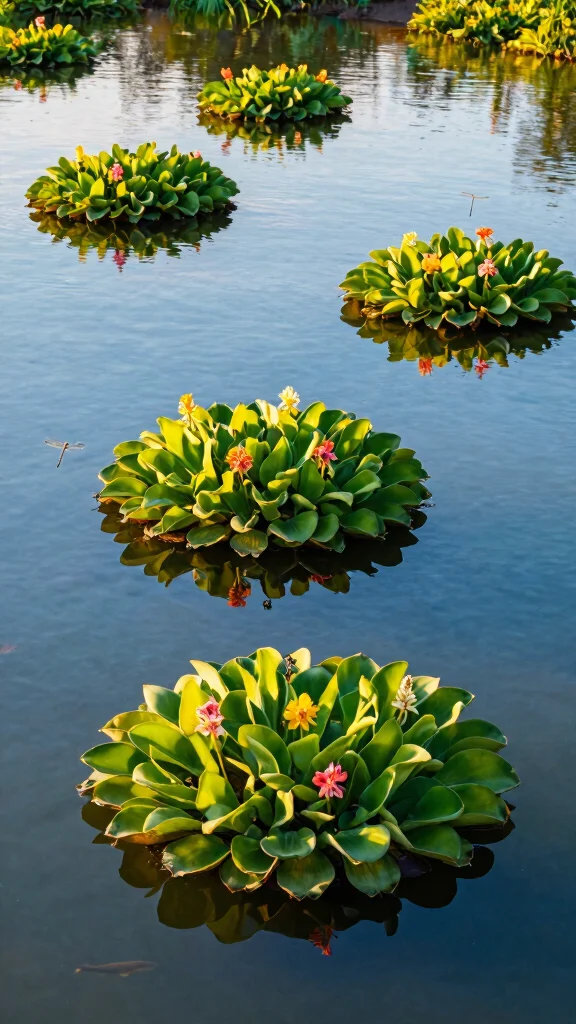
Floating plant islands are a unique and stunning way to enhance your farm pond while promoting a healthy ecosystem. Made from native aquatic plants, these islands not only beautify the pond but also provide habitats for fish and other aquatic life.
To create floating islands, use buoyant materials like netting or styrofoam, layered with soil and planted with native species. Over time, these islands will flourish, creating a lush environment that attracts diverse wildlife.
Advantages of floating plant islands:
– Offer natural filtration for clean, clear water.
– Provide shelter and food for fish and frogs.
– Add visual impact to the pond area.
Your floating plant islands will create a vibrant habitat that enhances the beauty and health of your pond.
Recommended Products
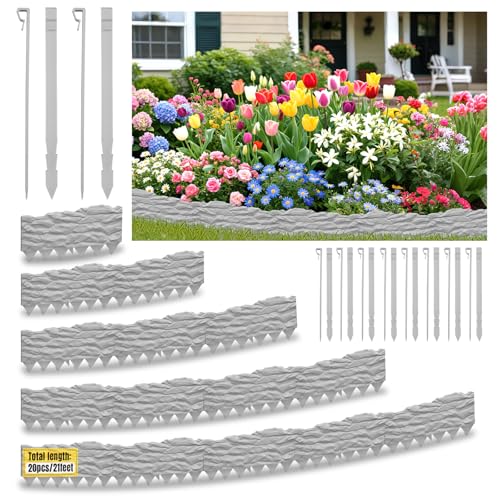
Thickened biodegradable material, durable:Thickened eco-friendly material designed to provide superior strength and longevity while minimizing environmental impact. It exhibits excellent resistance to wear and tear, making it ideal for outdoor use.

【Lawn Boundary】– This stone garden fence creates a clearly visible boundary, keeping your lawn where it should be. No need for manual weeding.

Vintage Charm: Natural gray finish features subtle color variation that replicates the look of weathered stone, adding visual texture to gardens, pathways, and outdoor spaces
Floating Plant Islands
Editor’s Choice

Aquascape Pond Plant Potting Media, Nutrient-Rich Aquatic Soil for Water…

PondScape Floating Water Hyacinth (Eichhornia crassipes) Live Pond and W…

Roselywed Artificial Bird of Paradise Tree 9FT with 25 Leaves Realistic …
7. Cozy Seating Areas
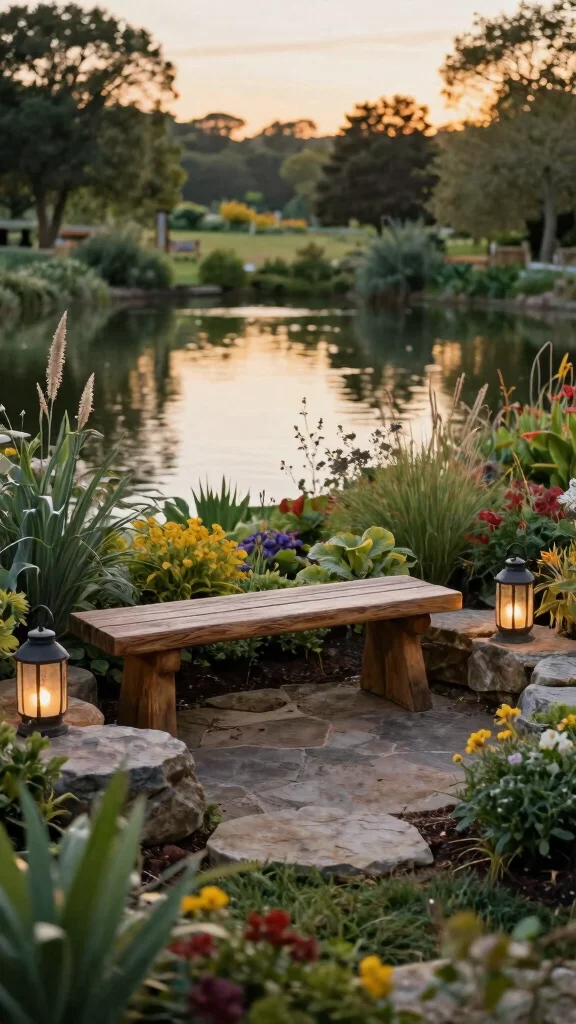
Designing cozy seating areas around your farm pond turns it into an ideal relaxation spot. By using eco-friendly materials and natural designs, you can create inviting spaces for you and your guests to enjoy nature’s beauty.
Position your seating area to maximize views of the pond while ensuring comfort and accessibility. Add cushions made from outdoor fabrics and consider incorporating lanterns or solar lights for a charming evening ambiance.
Ideas for cozy seating areas:
– Use wooden benches made from reclaimed wood.
– Arrange natural stones for functional seating.
– Add shade structures like a pergola for extra charm.
Your cozy seating areas will transform your pond into a peaceful oasis where you can unwind and connect with nature.
Fun fact: Cozy seating areas around a farm pond can boost wildlife viewing by 40% when you position seating to face water and add native plants. Use eco-friendly cushions and solar lights for a relaxing, accessible retreat—perfect for sustainable farm pond landscaping.
Recommended Products

The hide cave provides a perfect hideout and resting place for reptiles and amphibians, making little guys feel safe and help them relieve stress.


You Might Also Like


Cozy Seating Areas
Editor’s Choice

HOKYHOKY Reclaimed Solid Wood Bench-43.3″ Farmhouse Entryway Bench with …

IPYNBAP Outdoor Chair Cushions Set of 4 -Waterproof Outdoor Seat Cushion…
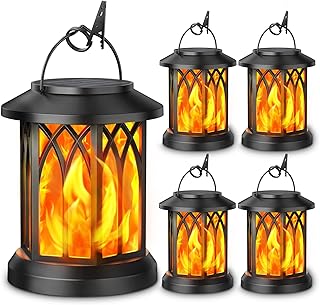
KOOPER 4 Pack Solar Lantern Outdoor Lights, Upgraded Flickering Flame So…
8. Seasonal Color with Aquatic Plants
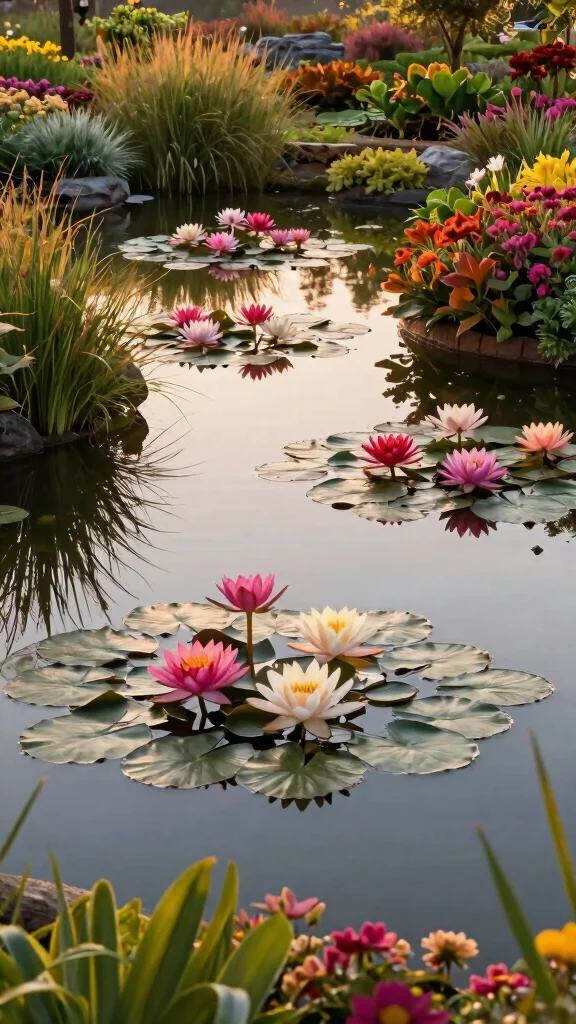
Integrating aquatic plants into your pond landscaping introduces vibrant seasonal colors and textures. These plants not only enhance the visual appeal but also contribute to the ecological balance of your pond.
Select a variety of plants that bloom at different times of the year to maintain seasonal interest. This approach ensures your pond remains visually captivating throughout the seasons while supporting local wildlife.
Popular aquatic plants to consider:
– Plant water lilies for striking colors and fish shade.
– Use lotus flowers for stunning blooms and large leaves.
– Incorporate marginal plants for habitat and beauty.
Your aquatic plants will keep your farm pond a vibrant spectacle of nature all year round.


Seasonal Color with Aquatic Plants
Editor’s Choice

TotalPond Aquatic Plant Basket, 10-inch | Pack of 2

Chalily Water Lily Aquatic Plants Live Lilies Real Small or Big Pond Pla…

CrystalClear Thrive Aquatic Pond Plant Food, Fish Safe Water Garden Fert…
Conclusion
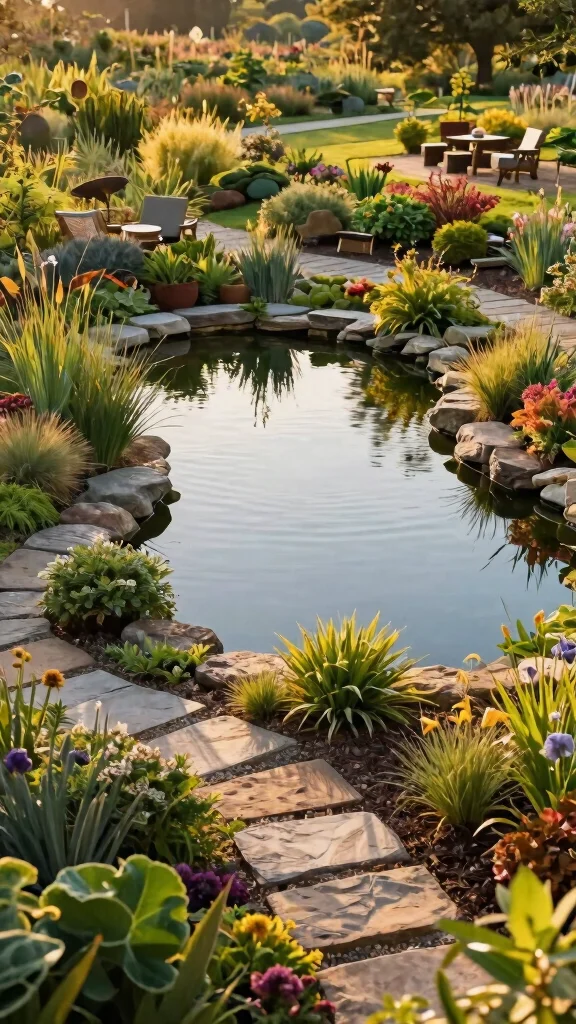
Transforming your farm pond into a peaceful oasis is an achievable dream with thoughtful landscaping. By embracing eco-friendly techniques and enhancing wildlife habitats, you not only beautify your property but also contribute to local ecosystems. Each of these ideas will help you create a tranquil garden space that invites relaxation and joy, making every visit to your pond a delightful experience. So grab your gardening gloves and get started on crafting your serene sanctuary today!
Note: We aim to provide accurate product links, but some may occasionally expire or become unavailable. If this happens, please search directly on Amazon for the product or a suitable alternative.
This post contains Amazon affiliate links, meaning we may earn a small commission if you purchase through our links, at no extra cost to you.
Frequently Asked Questions
What are practical eco-friendly farm pond landscaping ideas to make my pond peaceful and wildlife-friendly?
Absolutely. For farm pond landscaping that feels peaceful and supports wildlife, start with a natural shoreline and gentle slopes that invite birds, frogs, and beneficial insects. Focus on pond landscaping ideas that prioritize native, eco-friendly pond plants and low-maintenance features. Create a shallow margin for amphibians, add a simple, solar-powered aerator, and plant a mix of submerged, emergent, and floating plants to shade the water and reduce algae. Use natural stone and mulch to blend edges into the landscape for tranquil garden designs. With these moves, your acre becomes calm, inviting, and sustainable.
Which native plants are best for eco-friendly pond plants that still look serene in a backyard pond?
Choose natives that thrive in your climate and support wildlife. For eco-friendly pond plants, mix submerged species like hornwort or water milfoil with emergent natives such as pickerel weed and blue flag iris, and add floating options where allowed like duckweed. Native grasses and reeds along the edge help filter water and provide shelter. Space plants to avoid crowding, prune gently, and remove invasive species promptly. This careful selection creates a balanced, pond landscaping ideas that stay tidy and natural.
How can I make my farm pond more wildlife-friendly without sacrificing aesthetics or safety?
Think in layers. Start with shallow, gently graded banks so wildlife can enter easily, then layer in native eco-friendly pond plants around the edge. Use non-toxic materials and avoid chemical fertilizers near the water. Add habitat features like log piles, stacked stones, and a small brush pile for shelter. If you keep fish, choose a modest, native species mix and avoid overstocking to protect amphibians. Lighting should be minimal and shielded to reduce disturbance. For water feature landscaping that still looks inviting in backyard pond aesthetics, opt for solar-powered features and natural-looking finishes.
What are affordable, low-maintenance pond features for large acre properties?
Focus on natural, scalable features. Capture rainwater to fill the pond when possible, and install a low-cost solar fountain or aerator to keep oxygen levels up. Edge the pond with natural stone, driftwood, or timber to define space without heavy maintenance. Plant a dense border of eco-friendly pond plants to shade the water, reduce algae, and attract pollinators. Create gentle shelves or shelves along the bank to vary depth without complex plumbing. With pond landscaping ideas like these, you get farm pond landscaping that looks polished in tranquil garden designs across acres.
How do I plan seasonal maintenance for a sustainable eco-friendly pond landscaping plan?
Set up a simple seasonal schedule you can actually follow. In spring, clear debris, prune dead growth, and check banks for erosion. In summer, monitor water levels, trim emergent plants to keep a balanced edge, and run a solar aerator to maintain oxygen. In fall, remove fallen leaves promptly and mulch the banks to protect soil. In winter, keep access safe and shelter nearby for wildlife, and monitor ice conditions if you’re in a freezing climate. Regularly test water quality and adjust nutrients to keep the pond healthy. With this routine, your farm pond landscaping stays vibrant year-round and your pond landscaping ideas remain practical.
Related Topics
farm pond landscaping
eco-friendly techniques
tranquil garden designs
wildlife habitat
backyard pond aesthetics
pond landscaping ideas
water feature landscaping
sustainable gardening
native pond plants
beginner friendly
easy landscaping
seasonal plants