
California’s warm climate and beautiful scenery often inspire dreams of the perfect backyard. If you’re like many of us, you might find yourself craving a space that feels both stylish and functional. That’s why I’ve put together this guide on California backyard landscaping ideas. It’s all about creating outdoor spaces that are not only beautiful but also water-smart and sustainable. With California facing ongoing drought conditions, it’s crucial to consider how to make the most out of your backyard while conserving precious water resources.
This post is for homeowners, garden enthusiasts, and anyone passionate about creating an inviting outdoor oasis. If you care about sustainability and want to incorporate drought-tolerant plants, you’re in the right place. Whether you have a small space or a sprawling yard, you’ll find practical ideas that can help you design an eco-friendly garden. I’ve gathered ten innovative landscaping ideas that fit perfectly with California’s unique climate. They’re stylish, practical, and designed for enjoying the great outdoors.
In this guide, you’ll discover how to make the most of your backyard with layered planting, gravel pathways, cozy fire pits, and much more. Each idea is tailored to help you create a stunning outdoor living space that’s aligned with California’s beautiful, yet sometimes challenging environment. So, grab a drink and let’s dive into these ten fabulous landscaping ideas that will transform your backyard into a smart, stylish, and sustainable haven.
Key Takeaways
– Layered Planting creates texture and depth, making your garden visually appealing while using less water.
– Gravel Pathways are an eco-friendly design choice, offering a stylish way to navigate your backyard without requiring irrigation.
– Fire Pits turn your outdoor space into a cozy gathering spot, perfect for entertaining friends and family year-round.
– Native California Flora supports local biodiversity, attracting pollinators while thriving in the dry climate.
– Vertical Gardens maximize small spaces, providing greenery and fresh air without taking up too much room or water.
Recommended Products
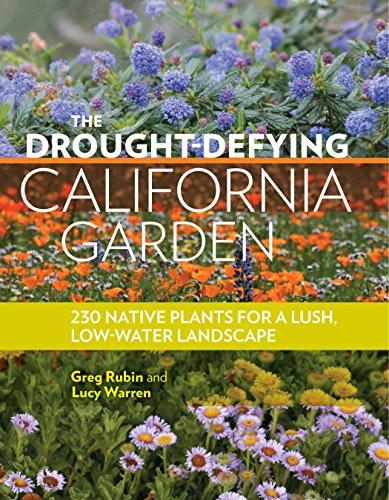

3,500 PREMIUM SEEDS: Revitalize your landscape with 3,500 high-quality wildflower seeds specially selected to thrive in California’s diverse climate zones—from coastal areas to inland valleys.

1. Layered Planting for Texture and Depth
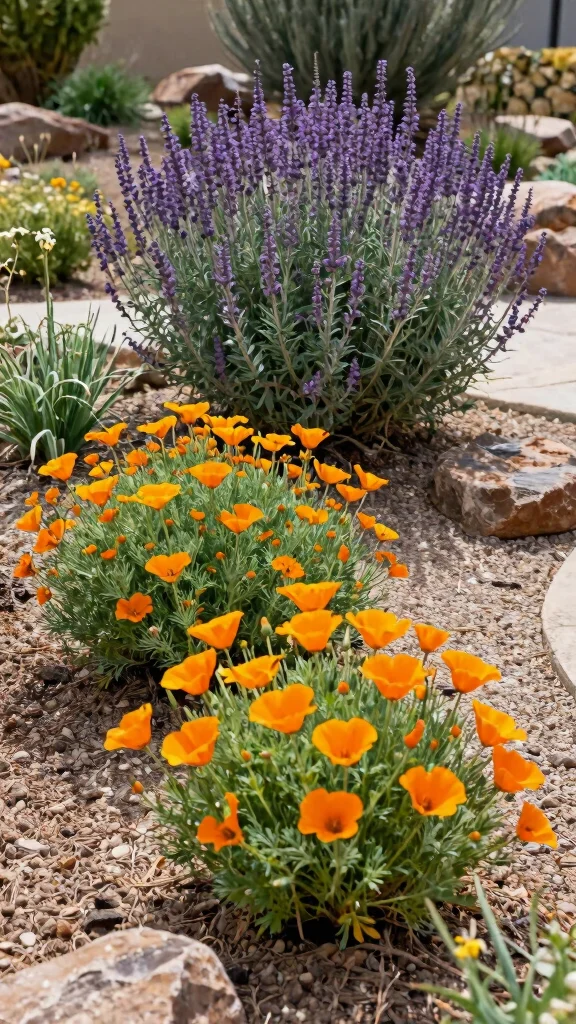
Are you looking to create a backyard that captivates with its beauty? Layered planting is an excellent way to enhance your garden’s visual appeal while conserving water. By arranging plants of varying heights and textures, you can establish a stunning backdrop that draws the eye. Start with taller plants like vibrant California lilac and purple sage, then fill in with mid-height desert marigolds and cheerful California poppies at the front.
To achieve the best results, consider mixing evergreen varieties with seasonal blooms for year-round color. Opt for contrasting colors and textures to elevate the overall look. Group plants with similar watering needs together to make irrigation more efficient.
Key steps for layered planting:
– Select a mix of heights for visual interest
– Incorporate contrasting colors for drama
– Cluster plants with similar water requirements
– Add mulch to retain moisture and suppress weeds
This method not only conserves water but also transforms your outdoor space into a lush, inviting oasis that feels abundant and vibrant.
Recommended Products

𝐅𝐥𝐞𝐱𝐢𝐛𝐥𝐞 & 𝐄𝐚𝐬𝐲 𝐭𝐨 𝐈𝐧𝐬𝐭𝐚𝐥𝐥: Each panel measures 40" (L) × 5" (H), including 3" underground stakes for strong anchoring, leaving 2" visible above ground for a clean, low-profile border. The hammer-in design makes installation fast and effortless—perfect for creating neat, professional-looking edges without digging.

Ready-to-Use, Time- and Money-Saving: No mixing with water required—perfect for DIY landscaping projects, garden edging, and yard maintenance, helping you save time, money, and keep your outdoor surfaces neat and stress-free.

Instantly Upgrade Your Landscape - Transform muddy or bare areas into a charming rustic scene with this versatile garden pathway. Perfect for creating a clean garden walkway over dirt, gravel, or grass, it serves as functional garden decor for outside spaces. Simply unroll it to create an inviting entry to your patio, vegetable patch, or beach area
Layered Planting for Texture and Depth
Editor’s Choice

Pulovin 20 lbs River Rocks for Plants, 2-3 Inch Decorative Garden Rocks …


50 California Lilac Seeds Bloom Perennial Flowers Fragrant Seed Flower S…
2. Gravel Pathways for Eco-Friendly Design
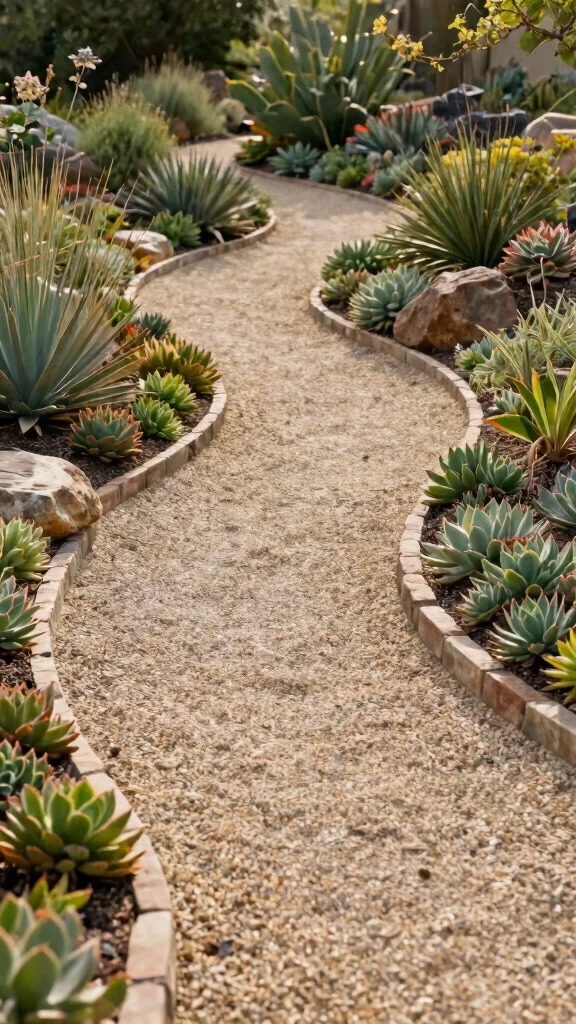
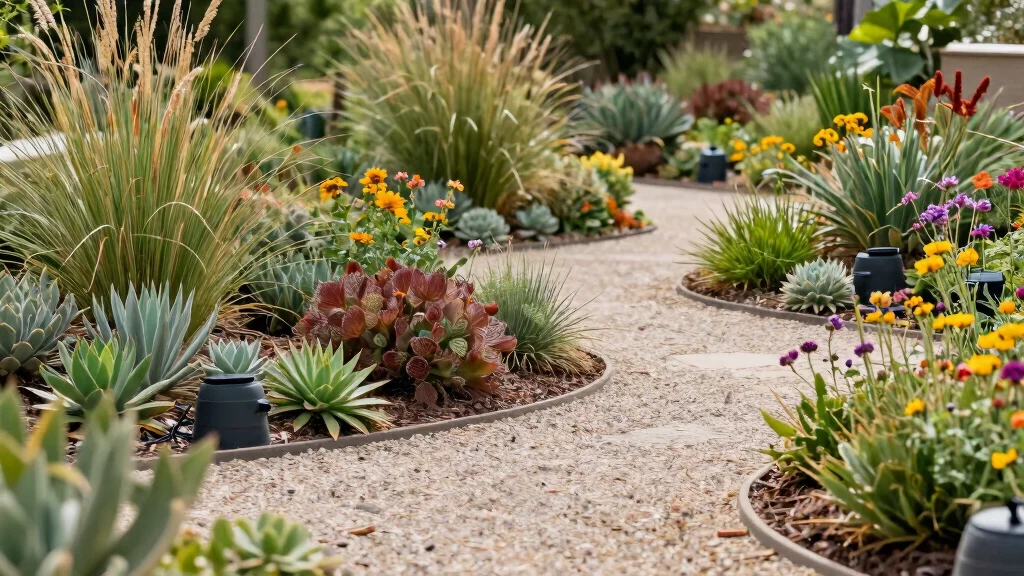
Looking for a practical yet stylish path for your backyard? Gravel pathways are the perfect eco-friendly choice. They allow water to seep through, reducing runoff and promoting groundwater replenishment. Plus, they add a rustic charm that complements drought-tolerant landscaping beautifully. You can edge your paths with native stones or plant low-growing succulents to create a seamless blend with the surrounding environment.
Consider using different sizes and colors of gravel to define areas and enhance aesthetics. You might also add stepping stones for a more structured look. This design not only promotes sustainability but also encourages exploration throughout your garden.
Benefits of gravel pathways:
– Simple and cost-effective installation
– Enhances drainage to minimize erosion
– Attracts beneficial insects and wildlife
– Provides a flexible layout for your landscape
By incorporating gravel pathways, you create a welcoming atmosphere while ensuring your garden thrives sustainably.
Recommended Products

All-in-one kit. Everything you need to build your fire pit using natural gas.

[Durable Material] OutVue fire table are made with iron, rust-proof paint and 304 stainless steel burner which are heat-resistant, water-proof and easy to clean. OutVue fire pit is suit for heating in the garden, having bonfires in yard, entertaining guests and enjoying outdoor living at its finest.

Versatile Magnetic LED Lighting: Equipped with 2 detachable magnetic LED bars, our fire pit offers endless lighting possibilities; Snap them inside to light up the "starry hillside" patterns from within, or use the included magnetic accessories to mount them on patio walls, pillars, or fences; Experience a truly customizable backyard setup that goes beyond just a fire pit table
Gravel Pathways for Eco-Friendly Design
Editor’s Choice

Altman Plants Deluxe Live Succulents (6 Pack), No Duplicates, Assorted V…

Arqlite Smart Gravel | Eco-Friendly Plant Drainage for Healthy Roots | P…

EasyFlex No-Dig Landscape Edging with Anchoring Spikes, 2.7 in Tall Deco…
3. Fire Pits for Cozy Outdoor Gatherings
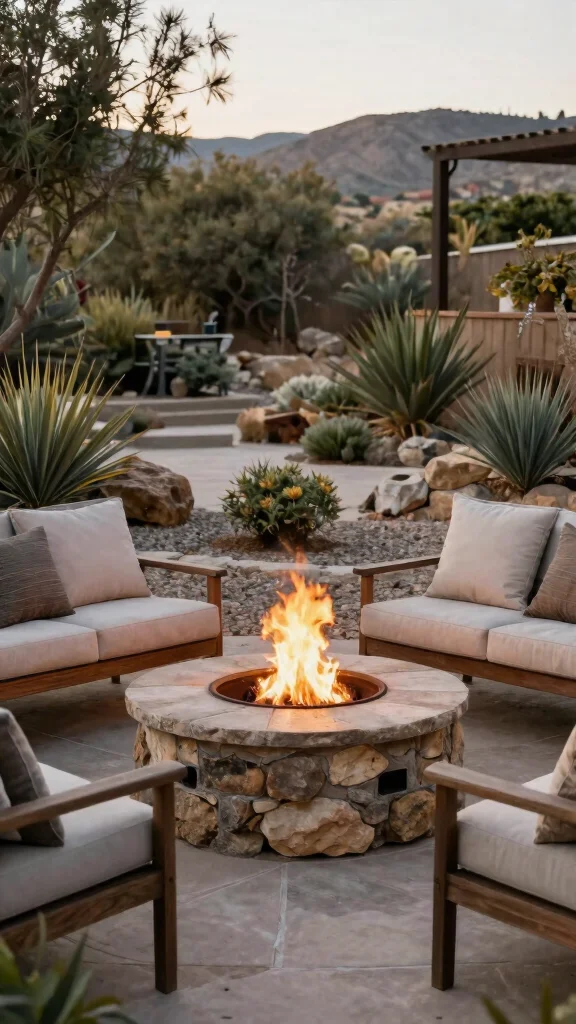
Want to elevate your backyard gatherings? An outdoor fire pit serves as the perfect centerpiece for cozy evenings. It creates a warm atmosphere, inviting friends and family to gather around. Fire pits come in various materials such as stone, metal, or even recycled components, making them a sustainable addition to your space. Surround your fire pit with comfy seating to create an ideal spot for roasting marshmallows or enjoying the stars.
Choose the style that fits your backyard best, whether it’s a rustic stone pit or a sleek metal bowl. You can even create a seating area with reclaimed wood for a more eco-friendly touch. This addition not only enhances outdoor living but also fosters a sense of community.
Styles of fire pits:
– Natural stone designs for a rustic feel
– Sleek metal bowls for modern aesthetics
– Eco-friendly options using reclaimed materials
– Portable fire pits for flexibility in use
With a fire pit, your backyard becomes a year-round entertainment hub, enhancing your outdoor experience while being mindful of sustainability.
Recommended Products

【Vertical Garden Planter】 Elevate your gardening game with Taleco Gear's 5-tier vertical garden planter made of robust powder-coated metal.

【 Vertical Planter Raised Beds with Trellis】Perfect for home gardening lovers, this vertical herb garden planter indoor kit with 4 rectangular planter boxes outdoor let you plant vegetables, herbs, and flowers in separate flower pots while the 11-inch trellis supports climbing plants like tomatoes, strawberries, vines, and peppers. The raised flower beds outdoor create an optimal environment for your plants to thrive.

High-quality Product: Thick, high-quality PP materials can be used repeatedly without fading, not easy to crack even in summer; Suitable for garden or indoor use
Fire Pits for Cozy Outdoor Gatherings
Editor’s Choice

GasOne 23 in Outdoor– Wood Burning Fire Pit – Durable Alloy Steel Fi…

Christopher Knight Home Pickerel Fire Pit, Stone

THOEOE Stackable Adirondack Chair Set of 4, HDPE All-Weather Adirondack …
4. Native California Flora for Biodiversity
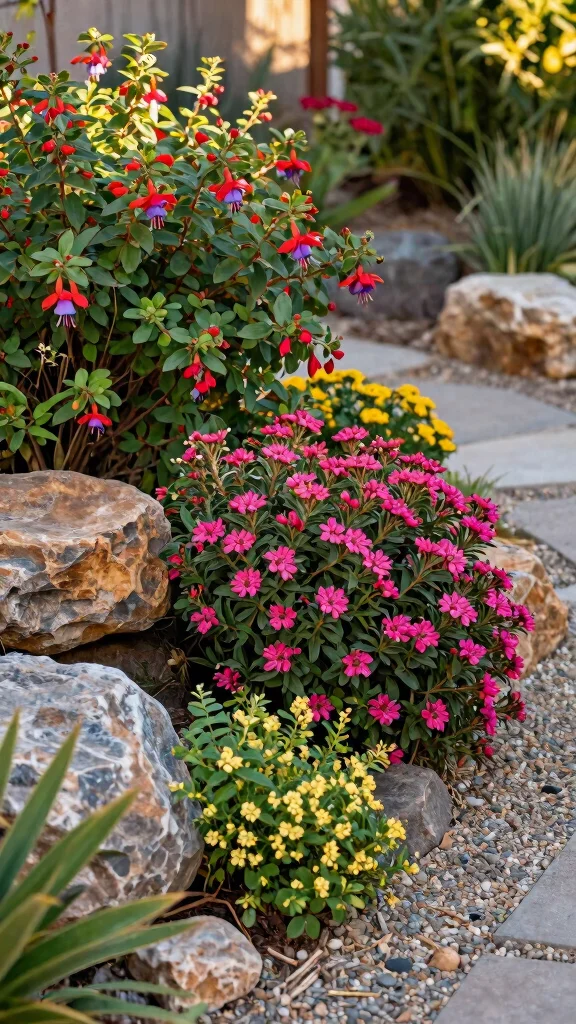
Are you interested in creating a garden that thrives on minimal water? Embracing native California plants is your best bet. Varieties like California fuchsia, yarrow, and manzanita are not only drought-resistant but also attract local wildlife, including birds and pollinators. By incorporating these plants into your landscaping, you’ll promote biodiversity and create a flourishing ecosystem right in your backyard.
Consider grouping native plants based on their blooming seasons to ensure visual interest year-round. This approach requires less maintenance, allowing you to enjoy your garden without constant upkeep. Plus, you’ll contribute to the local environment by providing essential habitats.
Reasons to choose native plants:
– Adapted to local conditions for low maintenance
– Provide food and shelter for wildlife
– Showcase unique colors and textures
– Support sustainable landscaping efforts
Creating a garden with native plants not only enhances your outdoor beauty but also connects you to the local environment in a meaningful way.
Recommended Products

Be a Gardening Master with the help of our superior and complete Drip Irrigation Kit: 10 Drip Irrigation Emitters Vortex + 20 Drip Emitters Spray + 50ft flexible & durable 5/16 irrigation tubing + 50ft 1/4 inch Drip Irrigation Tubing + 12 tubing coupler + 5 ¼ Tubing Tee Splitter + Tubing End Plugs + Water Connector + 1 x Complete Instructions Guide Hard Copy + 2 Grow your Own Vegetables & Fruits Guide full with pieces of advice and practical tips Digital Format.

【High Quality】Our Drip Irrigation Emitters are made of durable plastic. Rugged nylon construction helps keep the project placed and lasting performance for longer life in any weather.

Unique Design: 1/4" drip emitter ensures wide water passages, large deep and wide cross-section that improves clogging resistance for Garden Pots, Trees and Shrubs
How To Choose Drought-Tolerant Plants for Your California Backyard
Choosing the right drought-tolerant plants is essential for creating an eco-friendly garden that thrives in California’s unique climate. Here are key points to consider when selecting plants that will not only save water but also enhance your outdoor living spaces.
1. Climate Compatibility
Consider the specific climate of your area in California. The state has diverse climate zones, from coastal to desert. Research which plants thrive in your zone. Native flora often has the best chance of success, as they have adapted to local weather patterns and soil types. Look for resources or local nurseries that specialize in native plants.
2. Soil Type
Different plants prefer different soil types. Test your soil to see if it’s sandy, clay, or loamy. Most drought-tolerant plants do well in well-drained soil. You may need to amend your soil with organic material or compost to improve drainage and nutrient content. A simple soil test kit can guide you in making the right choices.
3. Sun Exposure
Assess how much sunlight your garden receives at different times of the day. Some plants thrive in full sun, while others prefer partial shade. Make observations throughout the day to determine the sun’s path and adjust your plant selection accordingly. Placing sun-loving plants in the brightest spots will help them flourish.
4. Maintenance Level
Think about how much time and effort you want to invest in maintaining your garden. Some drought-tolerant plants require less maintenance than others. For example, succulents and cacti need minimal care, while flowering plants might need periodic pruning. Choose plants that fit your lifestyle and desired level of upkeep.
5. Aesthetic Appeal
Don’t forget about style! Choose plants that will create a visually appealing space. Mixing textures, colors, and heights can add depth and interest. Look for plants with vibrant blooms or unique foliage to make your backyard an inviting outdoor living area. Visualize how the plants will complement your overall design.
6. Pollinator-Friendly Options
Select plants that attract pollinators like bees and butterflies. These creatures are vital for a healthy garden ecosystem. Drought-tolerant plants such as California poppy or lavender not only thrive in dry conditions but also provide food and habitat for pollinators. Creating a pollinator-friendly garden can be rewarding and beneficial for the environment.
Pro Tip: Start small. If you’re new to gardening or drought-tolerant plants, begin with a few varieties. Observe how they fare in your space before expanding. This allows you to adjust your choices based on what works best in your specific conditions. Happy gardening! 🌿
Recommended Products


19,000 PREMIUM SEEDS: Revitalize your landscape with 19,000 high-quality wildflower seeds specially selected to thrive in California’s diverse climate zones—from coastal areas to inland valleys.

COLORFUL BLOOMS: Stunning bright-red flowers bloom for months
Native California Flora for Biodiversity
Editor’s Choice

XLUX Long Probe Deep Use Soil Moisture Meter, Water Monitor Indicator Se…


Back to the Roots 25.7qt (1 Cubic ft) Organic Premium Mulch
5. Vertical Gardens for Small Spaces
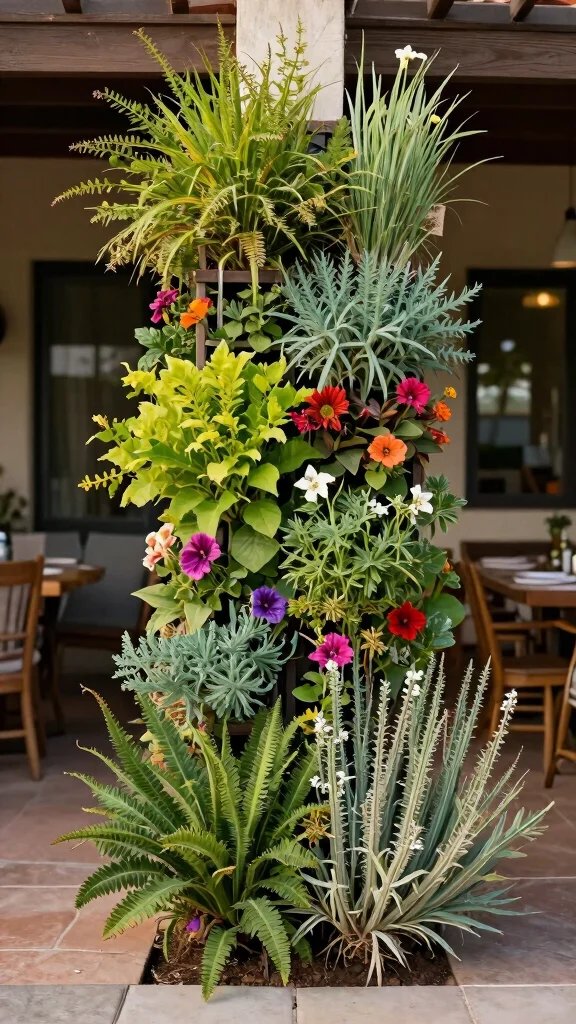
Struggling with limited outdoor space? Vertical gardens offer a fantastic solution by utilizing vertical surfaces to grow diverse drought-tolerant plants. Using trellises, wall-mounted planters, or repurposed pallets, you can create a stunning living wall that serves as both a focal point and a space saver. This type of garden is perfect for small patios or balconies, allowing you to enjoy outdoor living without compromising on style.
Consider mixing herbs, flowers, and succulents for a colorful display. This design not only maximizes space but also adds privacy and a lush feel to your area. When designed thoughtfully, vertical gardens can require less water than traditional gardens.
Benefits of vertical gardens:
– Efficient use of vertical space for small yards
– Acts as a natural privacy screen
– Requires minimal water when planned well
– Adds visual interest to plain walls
With a vertical garden, you can transform your outdoor area into a vibrant green retreat, making your backyard feel more spacious and inviting.
Did you know vertical gardens double your planting area in california backyard landscaping? With trellises and wall-mounted planters, you can grow drought-tolerant herbs and succulents on small patios without sacrificing style.
Recommended Products

Ready-to-Use, Time- and Money-Saving: No mixing with water required—perfect for DIY landscaping projects, garden edging, and yard maintenance, helping you save time, money, and keep your outdoor surfaces neat and stress-free.

Size:Quibbay flexible landscape edging is 3.15 inch height and 100 ft length, with 150pcs 6.5 inch spiral edging stakes. Garden edging is great for landscape edging,flower beds, garden pathways, tree rings and grass.

No Digging: These lawn edgings are simple to install. Just hammer these spikes into the ground to reinforce the shape to prevent warping. It's easy to create a beautiful garden by yourself without hiring a professional.
You might also like
Vertical Gardens for Small Spaces
Editor’s Choice
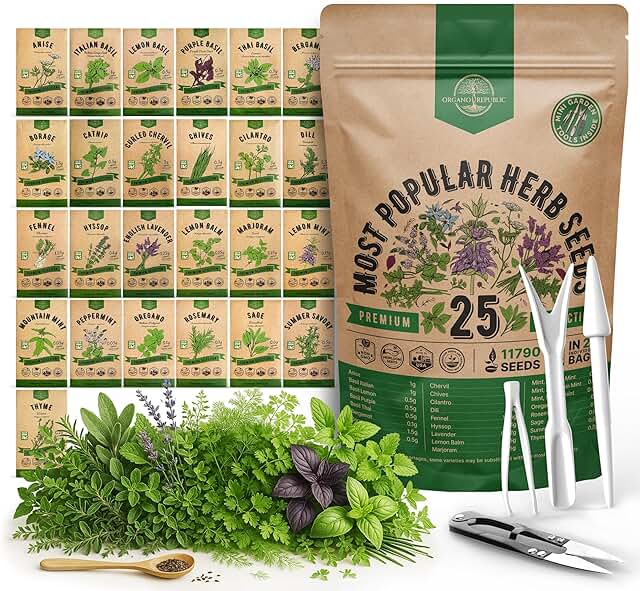
25 Most Popular Herb Seeds Variety Pack – 11,700 Non-GMO Heirloom Seeds …

2 Pack Cucumber Trellis, 34″×48″ Garden Trellis for Climbing Plants Out…

TOREVSIOR 5-Tier Vertical Raised Garden Bed, Vertical Garden Planter wit…
6. Sustainable Mulching Techniques
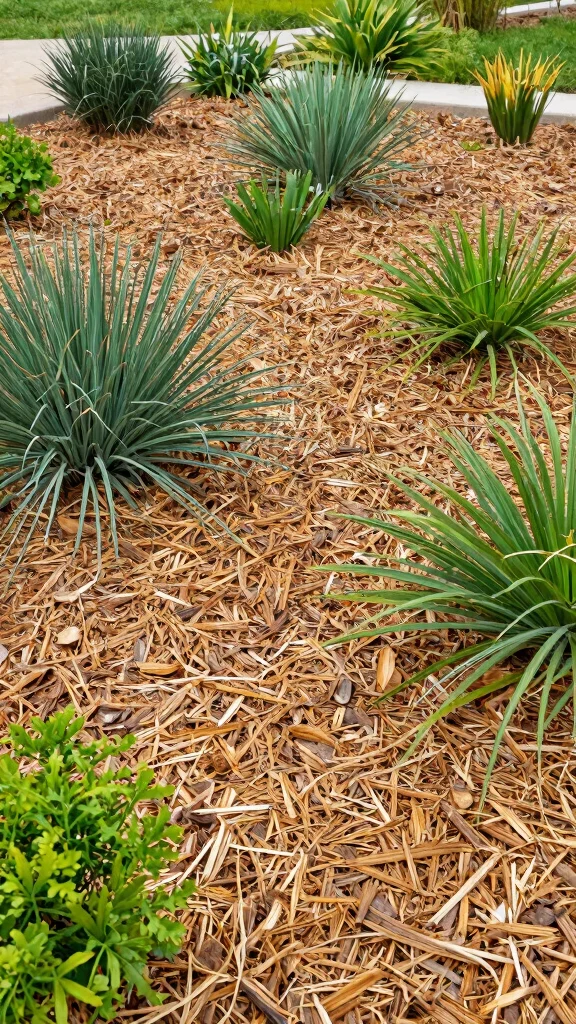
Want to keep your garden looking great while conserving water? Mulching is an effective technique that helps maintain soil moisture, suppress weeds, and enhance your garden’s appearance. Using organic materials like wood chips, straw, or shredded leaves not only improves soil health but also minimizes the need for frequent watering. Plus, a well-mulched garden looks polished and inviting.
Apply a layer of mulch around your plants to retain moisture, but be careful not to let it touch the stems. Consider mixing different textures and colors of mulch for added interest. Make sure to refresh your mulch regularly for optimal effectiveness.
Tips for effective mulching:
– Use a 2-4 inch layer around plants
– Combine textures and colors for visual appeal
– Refresh mulch to maintain its benefits
– Consider using recycled materials for sustainability
Incorporating sustainable mulching techniques will keep your backyard beautiful while promoting water-smart landscaping practices.
Recommended Products

One-Piece & Seamless Outlook: Unlike traditional fire pits that require complicated assembly, this firepit features a one-piece construction that arrives fully assembled—simply unbox and enjoy; The seamless design creates a sleek, modern look while ensuring exceptional durability and stability; (Only the included propane tank table requires minimal assembly, with clear instructions and guidance provided for a hassle-free setup)

Fire Pit Burner Ring Diameter 24-inch

Fire Pit Burner Ring Diameter 12-inch
📹 Related Video: Conserving Water With Sustainable Mulch
Sustainable Mulching Techniques
Editor’s Choice
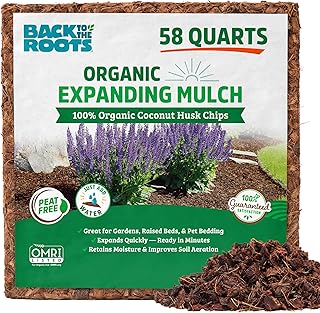
Back to the Roots 100% Organic Mulch, 58 Quart, Expanding Coconut Husk B…

HealthiStraw GardenStraw, 3 cu ft (20 lbs) All-Natural Mulch for Gardens…
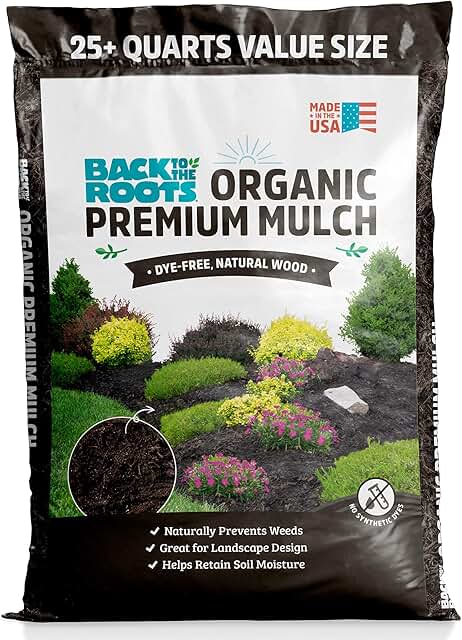
Back to the Roots 25.7qt (1 Cubic ft) Organic Premium Mulch
7. Edible Landscaping for a Functional Garden
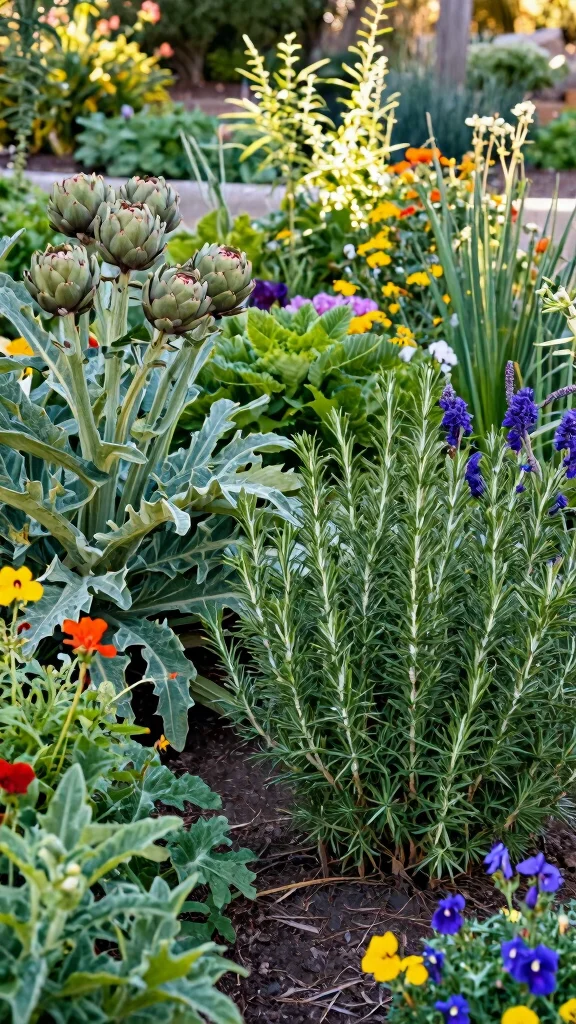
Looking to blend beauty with practicality in your garden? Edible landscaping allows you to grow fruits, vegetables, and herbs alongside ornamental plants, creating a rich and diverse environment. Consider planting drought-tolerant options like artichokes, rosemary, and citrus trees, which thrive in California’s climate and add delightful flavors to your dishes.
Mixing edibles with flowers not only provides fresh produce but also attracts pollinators to your garden. This approach encourages a sustainable lifestyle by minimizing food miles and promoting local biodiversity. You’ll enjoy the benefits of both beauty and utility in your outdoor space.
Advantages of edible landscaping:
– Enjoy fresh produce from your garden
– Reduce your carbon footprint by growing your own food
– Attract beneficial pollinators to enhance growth
– Create an aesthetically pleasing garden
This approach transforms your backyard into a functional oasis, making outdoor living even more enjoyable and rewarding.
Recommended Products

SAVE FLOOR SPACE - Stackable vertical planter tower

The GreenStalk system is proud to be designed and manufactured completely in East TN. Made with high quality, BPA-free, UV-resistant plastic with a 5 year warranty

Edible Landscaping for a Functional Garden
Editor’s Choice

Purslane Seeds for Planting – 1 Gram Packet, 2000+ Non-GMO Heirloom Seed…

Miracle-Gro Performance Organics Edibles Plant Nutrition – Organic Plant…

16PCS Plant Self Watering Insert Spikes Device, Automatic Water Control …
8. Rain Gardens for Effective Water Management
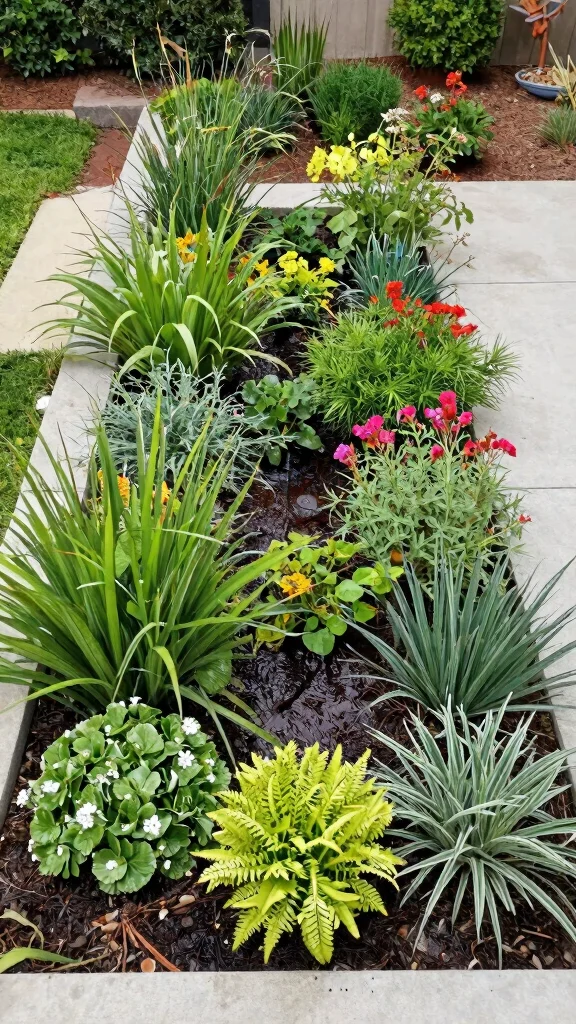
Are you looking for a stylish way to manage excess water in your yard? Rain gardens are designed to absorb runoff and utilize rainwater effectively. These gardens filter excess rainwater back into the ground while creating a lush habitat for various plants. By incorporating native species that thrive in wet conditions, you can establish a beautiful and functional space that enhances your landscape.
Design your rain garden in a low area to capture runoff effectively. Choose plants that flourish in both wet and dry conditions to ensure resilience. This approach not only helps manage stormwater but also promotes biodiversity in your backyard.
Advantages of rain gardens:
– Improve water quality by filtering pollutants
– Reduce stormwater runoff and erosion
– Increase biodiversity and support local wildlife
– Add a unique visual element to your landscape
By creating a rain garden, you can turn a potential problem into a beautiful feature, all while supporting sustainable landscaping practices.
Fun fact: Rain gardens can reduce runoff by up to 30-50% during a storm, protecting your California backyard landscaping from erosion. Plant native species that love wet conditions, and you create a stylish, water-smart oasis for outdoor living.
Recommended Products
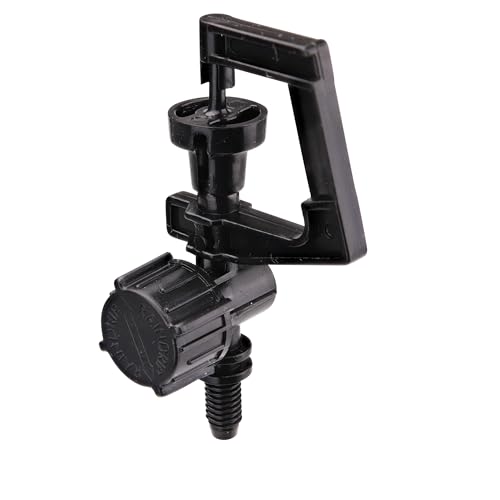
Releases water with a rotary spray in a uniform, full-circle pattern; amount of water flow is adjusted by turning the dial on the sprinkler; Ideal for watering groundcover, flower beds, planting beds, vegetable gardens, and new plantings for germination

【Universal 1/4 Inch Size Set】- Designed for US market compatibility, Bluepro new drip irrigation system set uses 1/4 inch (6mm) components to address potential mismatches with standard hoses, unlike some 5/16 inch systems(No 1/4 pipe, only 12pcs Adjustable Copper Nobbles and Quick Connectors)
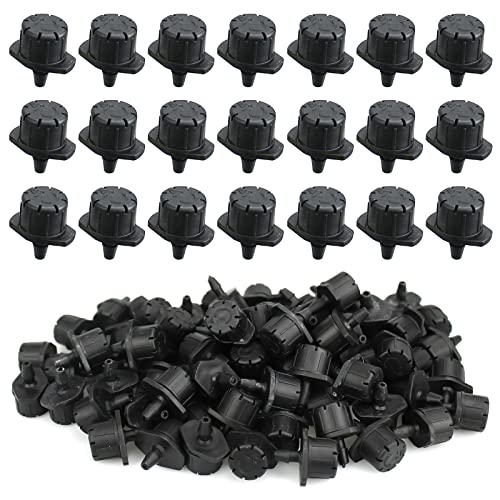
Package Include:You will receive 100pcs adjustable irrigation drippers sprinklers
You Might Also Like
Rain Gardens for Effective Water Management
Editor’s Choice
Miracle-Gro Houseplant Potting Mix – Fertilized Indoor Plant Soil for Co…

Rain Gardens: Sustainable Landscaping for a Beautiful Yard and a Healthy…

California Wildflower Mixture – Bulk 1 Ounce Packet – Over 7,000 Native …
9. Stylish Outdoor Seating Areas
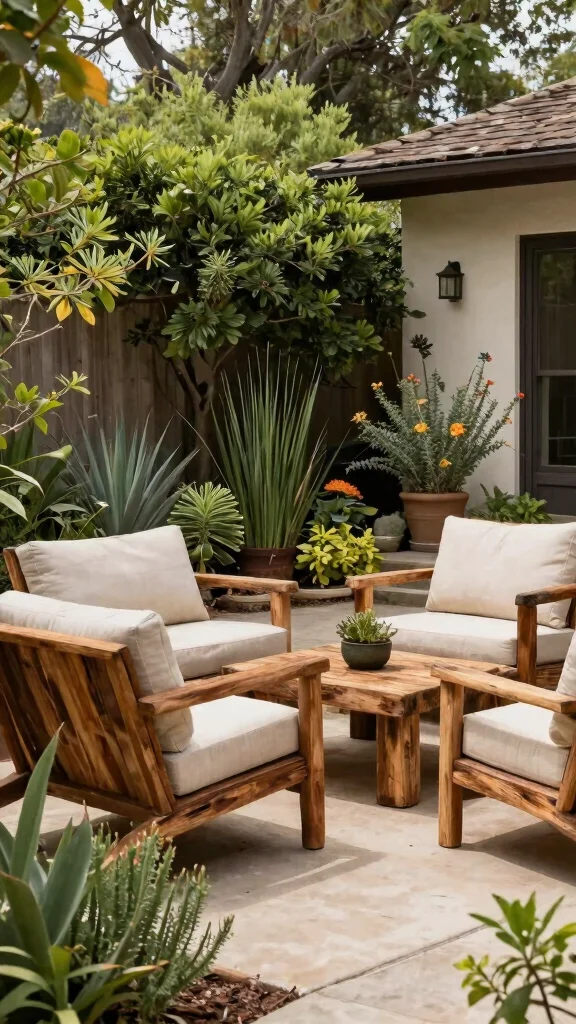
Looking to enhance your outdoor living experience? Creating inviting outdoor seating areas encourages you to enjoy the beauty of your California backyard. Use sustainable materials like reclaimed wood or bamboo to build benches or tables that complement your landscape. Add comfy cushions made from eco-friendly fabrics and surround the space with drought-tolerant plants for a cozy, private retreat.
Choose locations that provide shade and comfort during sunny days. Incorporate natural materials like wood and stone to create a cohesive look that blends with nature. Using plants to define the area adds a warm and inviting atmosphere.
Design tips for outdoor seating:
– Select shaded spots for comfort
– Incorporate natural elements for harmony
– Use plants to create privacy and charm
– Opt for multi-functional furniture for versatility
Stylish outdoor seating areas turn your backyard into a perfect retreat, ideal for gatherings or quiet moments spent enjoying the fresh air.
Stylish Outdoor Seating Areas
Editor’s Choice

Drought Tolerant Wildflower Mix – 20,000+ Seeds – 1 oz Bulk Extra La…

Arden 2-Pack earthFIBER Outdoor Patio Dining Chair Cushion, 20×44, Rain-…

vidaXL Bench Solid Reclaimed Wood Dining Seats Outdoor Home Hall Chair L…
10. Eco-Friendly Water Features
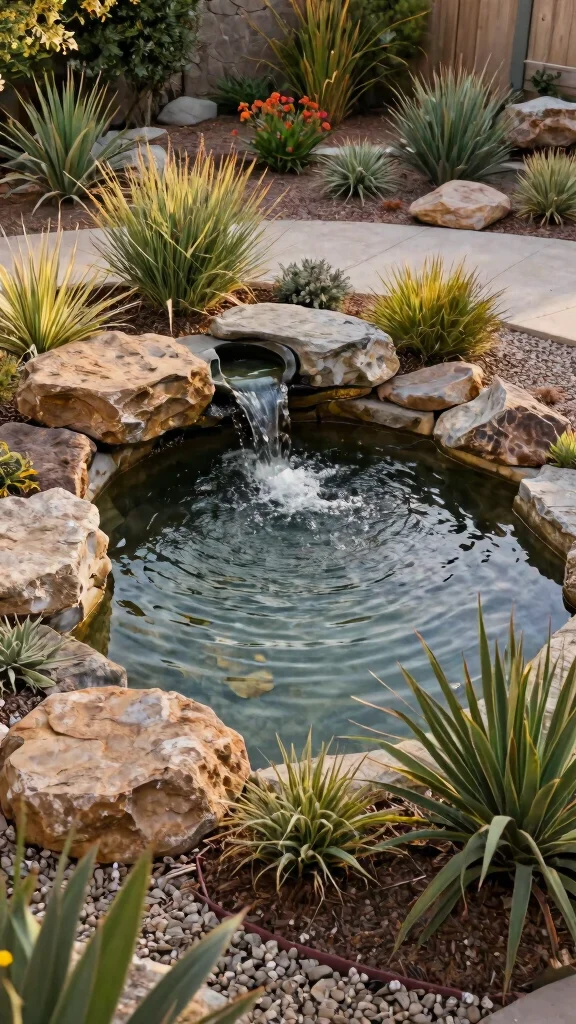
Want to add a touch of tranquility to your backyard? Eco-friendly water features like ponds or fountains not only enhance beauty but also promote ecological health. Choose designs that utilize solar power or recycle rainwater to minimize resource use. Surrounding these features with local plants not only beautifies your space but also provides habitats for wildlife like frogs and birds.
Consider incorporating natural materials for a more organic look. Water features can create calming atmospheres, making your outdoor area more enjoyable for relaxation or social gatherings. They also contribute positively to your landscape’s ecosystem.
Benefits of eco-friendly water features:
– Create soothing sounds for relaxation
– Serve as natural cooling elements in hot weather
– Attract beneficial wildlife to your garden
– Add a unique focal point to your landscape
Integrating an eco-friendly water feature into your design enhances both beauty and functionality, allowing you to enjoy nature while keeping your environmental impact low.
Pro Tip: In california backyard landscaping for small spaces, eco-friendly water features use solar-powered pumps and rainwater recycling—keeping compact gardens thriving while saving water. Surround them with drought-tolerant natives to create habitat for frogs and birds, and enjoy calming, natural vibes.
Eco-Friendly Water Features
Editor’s Choice
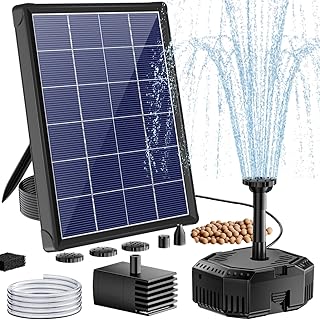
Antfraer Solar Pond Filter with Fountain Pump, 4W Solar Fountain Pump wi…
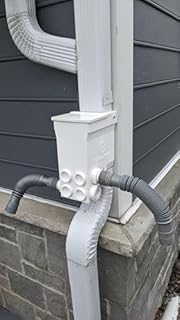
Best Downspout Diverter Rainwater Harvesting & Collection, Self-Flushing…

GASPRO 15lb Natural River Rocks Decorative Rocks for Plants and Garden L…
Conclusion
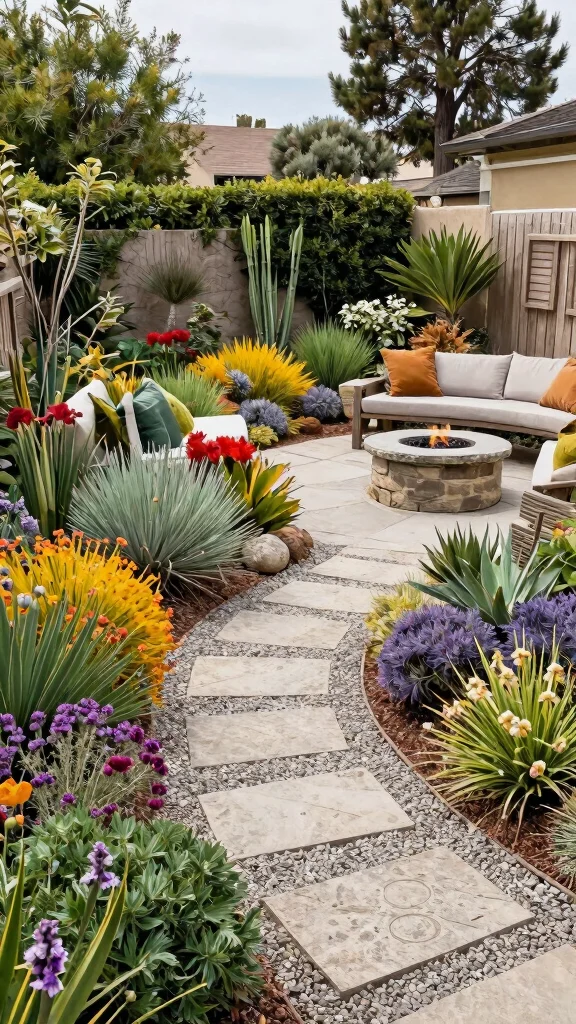
Transforming your California backyard into a stylish, water-smart haven is not only possible but also rewarding. By embracing sustainable landscaping practices and incorporating beautiful drought-tolerant plants, you can create a vibrant outdoor living space that reflects your personality while respecting nature. From layered planting to cozy seating areas, each idea contributes to a more eco-friendly lifestyle, making your backyard a true oasis.
Explore these ideas, gather inspiration, and start crafting a landscape that’s both stunning and sustainable.
Note: We aim to provide accurate product links, but some may occasionally expire or become unavailable. If this happens, please search directly on Amazon for the product or a suitable alternative.
This post contains Amazon affiliate links, meaning we may earn a small commission if you purchase through our links, at no extra cost to you.
Frequently Asked Questions
What are the best drought-tolerant plants for a small California backyard to keep water use low?
Choosing drought-tolerant plants is a cornerstone of california backyard landscaping that stays vibrant in a dry climate. Start with drought-tolerant plants that are well-suited to your sun exposure and soil.
For a compact yard, consider native California varieties like (California lilac), Manzanita, and Salvia (sage) for color and pollinator support. Architectural accents can come from agave, yucca, and other low-water succulents. Mix in groundcovers such as creeping thyme or sedum to fill gaps with minimal irrigation.
Practical steps: group plants by water needs and place high-water users near drip lines; apply a 2–4 inch mulch layer to reduce evaporation; install a simple drip irrigation system with a timer; choose plants suited to your microclimate; and use captured rainwater or recycled water where available. This approach supports sustainable landscaping and native California flora in your space.
How can I design stylish outdoor living spaces in a water-smart California backyard without overwhelming a small space?
Think in zones: define a compact dining nook, a shady seating area, and a small planting edge to keep the space organized. Use permeable surfaces like pavers or gravel to maintain airflow and water efficiency. Incorporate built-in seating, a slim fire pit, and container gardens with drought-tolerant plants to add texture without crowding the footprint. Add a shaded structure, solar lighting, and a water-smart feature such as a small rain garden or dry creek bed to manage runoff. All of these elements help create outdoor living spaces that feel expansive while staying true to eco-friendly gardens and sustainable landscaping goals in your california backyard landscaping.
What is sustainable landscaping in a California backyard, and what are simple steps to start?
Sustainable landscaping means designing with water efficiency, soil health, and local ecology in mind. It’s about using native California flora and low-water strategies to create beauty that lasts.
Begin with a water budget: measure your typical irrigation and reduce lawn area if possible. Choose drought-tolerant plants suited to your sun and soil, improve soil with compost, apply mulch to conserve moisture, and install a drip irrigation system with a timer. Collect rainwater where feasible and minimize chemical inputs to support sustainable landscaping practices in your california backyard landscaping.
How can I incorporate native California flora to create an eco-friendly garden in a small yard?
Start with a focused palette of native California flora that fits your sunlight and space. Group plants by water needs and create layered planting with groundcovers, low shrubs, and a small seasonal highlight tree. Use vertical space with trellises or living walls to maximize impact in a small footprint. Choose natives that attract pollinators and wildlife, and pair them with eco-friendly gardens features like mulch, compost, and minimal lawn. Sourcing from native plant nurseries helps ensure success in your california backyard landscaping while supporting local ecosystems.
What practical tips can help me maintain a drought-tolerant California backyard year-round?
Maintenance for a drought-tolerant yard is about smart scheduling and hands-off care. Regularly check your irrigation system and adjust timers with the seasons to avoid waste. Mulch deeply to retain moisture, prune lightly to encourage healthy growth, and deadhead blooms to keep plants tidy. Apply minimal, targeted fertilizer and control weeds with timely mulching. Monitor for pests using environmentally friendly methods, and be prepared to adapt plant choices as seasons shift. With these habits, your california backyard landscaping stays vibrant and sustainable landscaping remains achievable year-round.
Related Topics
california backyard landscaping
drought-tolerant plants
sustainable landscaping
eco-friendly gardens
outdoor living spaces
native California flora
small space design
water-smart landscaping
beginner friendly
landscape design tips
seasonal gardening
backyard makeovers