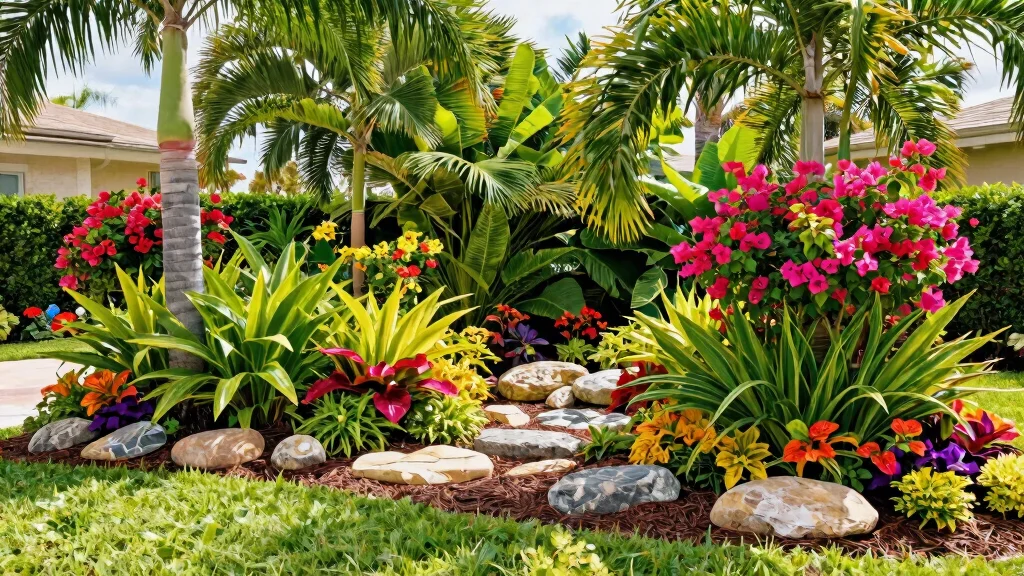
Creating a stunning front yard in Florida can feel like an overwhelming task, especially with the heat and humidity throwing a wrench into even the best-laid plans. I decided to dive into this because I know many homeowners are craving a lush, inviting outdoor space that not only thrives in the sun but also requires less maintenance. The good news? You can transform your front yard into a tropical paradise that makes your home stand out without constant upkeep.
If you’re a Florida homeowner who loves gardening or simply wants to boost your curb appeal, this post is made for you. You’ll discover a range of creative and practical ideas that cater to our unique climate. From selecting drought-resistant plants to designing cozy pathways, I’ve gathered eight front yard landscaping ideas that are both beautiful and functional. These tips will help you create a front yard that looks lush all year long while standing up to the harsh Florida heat.
Get ready to explore combinations of vibrant blooms, native plants, and unique design elements that can turn your front yard into a true reflection of your tropical style. You’ll walk away with a clear plan and inspiration to make your outdoor space thrive, no matter the season.
Key Takeaways
– Embrace Native Plants: Native plants are low maintenance and adapted to Florida’s climate, making them a great choice for your front yard.
– Colorful Bougainvillea: These hardy plants offer vibrant colors and can withstand the heat while adding a stunning look to your landscape.
– Drought-Resistant Succulents: Incorporating succulents brings unique textures and reduces water usage, perfect for Florida’s dry spells.
– Tropical Palms: Adding palms gives your yard that classic Florida feel while providing shade and visual interest throughout the year.
– Seasonal Flower Combinations: Mixing seasonal flowers ensures your yard blooms continuously, enhancing the overall appeal and beauty of your home.
Recommended Products
Used Book in Good Condition

IDEAL FOR FLORIDA & GULF COAST CLIMATES: This Florida wildflower seed mix is expertly formulated for the unique conditions of the Gulf Coast, Southern Florida, and Southern Texas. Designed for USDA Zones 8-10, it withstands high humidity and temperature extremes, bringing vibrant, long-lasting blooms to warm, southern gardens.

Used Book in Good Condition
1. Embrace Native Plants for Low Maintenance
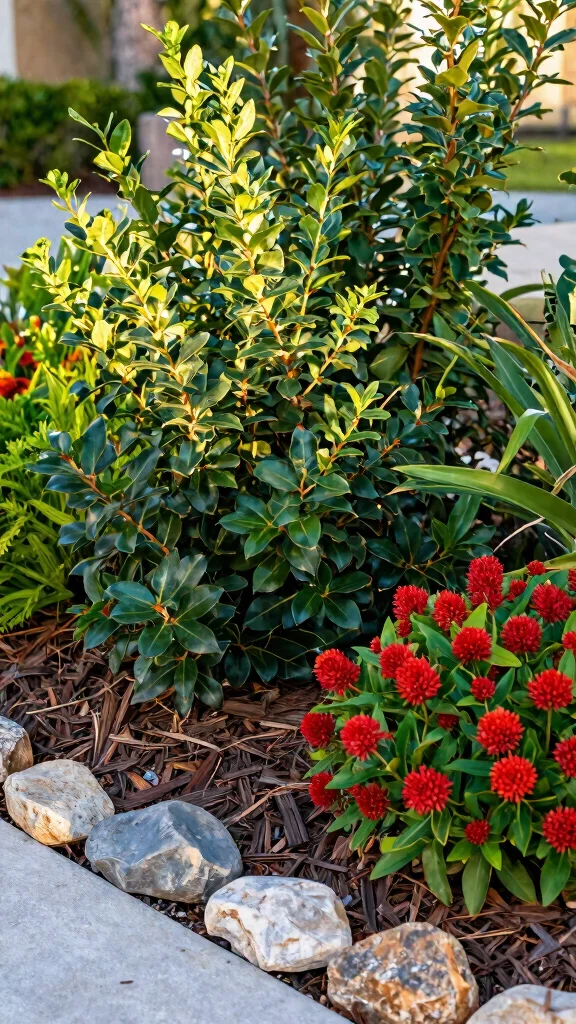
If you want a beautiful front yard without the fuss, native plants are your best bet. These plants thrive in Florida’s unique climate, requiring minimal water and care. By choosing native species, you not only create a lush environment but also support local wildlife. Think about including the resilient Yaupon Holly or the vibrant Firebush, both of which add stunning visuals year-round.
Start by grouping plants with similar watering needs to simplify irrigation. Use mulch to lock in moisture and control weeds. Keep in mind that native plants bloom at different times, ensuring your yard remains vibrant through the seasons.
Steps to implement native plants:
– Choose native plants suited for your location
– Arrange plants based on their light and water needs
– Incorporate seasonal varieties for year-round interest
With native plants, you’ll enjoy a thriving garden that enhances your home’s curb appeal effortlessly.
Recommended Products

Succulents plants artificial – SEEKO’s 28-pack of premium artificial succulents includes echeveria, aloe, and string of pearls in sizes from 2-7 inches. Perfect for diy, crafts, and home decor projects without the markup of craft stores.

GUARANTEE HEALTHY ARRIVAL: Healthy arrival of cuttings with no roots or soil. for Every order comes with THE SUCCULENT CULT GUARANTEE of live healthy succulent cuttings and our assurance that you will adore your succulent cuttings.
Top Varieties for Different Conditions
1. Firebush (Hamelia patens)
– Best conditions: Thrives in hot, humid climates and is perfect for sunny spots.
– Key features: This native plant attracts butterflies and hummingbirds, adding life to your front yard. It blooms bright orange-red flowers all summer long, creating a vivid display.
– Considerations: Firebush can grow quite large, so regular pruning might be necessary to keep it manageable.
2. Plumbago (Plumbago auriculata)
– Best conditions: Works well in full sun with well-drained soil, perfect for coastal areas.
– Key features: With its stunning blue flowers, Plumbago adds a splash of color and requires little maintenance. It’s drought-tolerant once established, making it a great choice for hot summers.
– Considerations: This plant may become leggy if not pruned regularly, so a little care goes a long way!
3. Lantana (Lantana camara)
– Best conditions: Ideal for sunny spots and is highly drought-resistant, suitable for sandy soils.
– Key features: Lantana produces clusters of colorful flowers and is known for attracting butterflies. It blooms throughout the year, ensuring your garden looks lively year-round.
– Considerations: While it’s hardy, some varieties can be invasive, so keep an eye on its spread.
4. Sabal Palm (Sabal palmetto)
– Best conditions: Grows well in coastal and inland areas, thriving in full sun and tolerating salt spray.
– Key features: The Sabal Palm is Florida’s state tree. Its fan-shaped leaves provide a tropical feel, and it is low-maintenance and drought-tolerant once established.
– Considerations: This palm can grow quite tall, so make sure you have enough space for it to flourish.
5. Agapanthus (Agapanthus africanus)
– Best conditions: Prefers full sun to partial shade, making it versatile for many front yard designs.
– Key features: Known for its stunning blue or white flower clusters, Agapanthus adds elegance to your garden. It thrives in well-drained soil and can handle dry spells once established.
– Considerations: This plant may need protection from frost in colder winters, so consider its placement carefully.
6. Gold Mound Duranta (Duranta erecta)
– Best conditions: Thrives best in full sun and is perfect for creating colorful borders or accents in your garden.
– Key features: With its golden-yellow foliage, it provides a striking contrast to other plants. It also produces small blue flowers that attract pollinators.
– Considerations: This plant can become quite large, so regular trimming is necessary to keep it neat.
7. Blue Daze (Evolvulus glomeratus)
– Best conditions: This ground cover loves full sun and well-draining soil, making it perfect for sunny front yards.
– Key features: The bright blue flowers bloom continuously, adding a cheerful touch to your garden. It’s also drought-resistant, requiring minimal water once established.
– Considerations: Blue Daze can spread quickly, so be prepared to manage its growth.
Climate/Condition Guide:
When choosing plants for your front yard, consider your local climate. Florida’s diverse conditions include humid subtropical and coastal zones. If you’re near the coast, choose salt-tolerant plants. For inland areas, drought-resistant options work best. Always assess sunlight exposure and soil type.
Growing Tips:
1. Water plants regularly during their first few weeks to establish roots, but then reduce watering to encourage drought resistance.
2. Use mulch around your plants to retain moisture and keep weeds at bay.
3. Plan for seasonal changes by incorporating a mix of perennials and annuals for continuous blooms.
Avoid:
1. Don’t overcrowd plants; give them enough space to grow and breathe.
2. Avoid heavy clay soils without proper amendments, as they can hinder root development.
Recommended Products

READY TO PLANT: Includes 6 Royal Purple Bougainvillea (Bougainvillea ‘Royal Purple’) live starter plants in 3.5-inch nursery cubes, fully rooted and ready for planting in containers, trellises, or landscape beds. Also known as Purple Queen Bougainvillea.

NOTICE TO AMAZON & CALIFORNIA CUSTOMERS: THE FOLLOWING INFORMATION IS ACCURATE AND PERTINENT TO THIS LISTING - - - - - WE CANNOT LEGALLY SHIP TO CALIFORNIA per 2010 California Code Food and Agricultural Code (Chapter 6 - Shipment Of Plants Food And Agricultural Code Section 80151-80152)
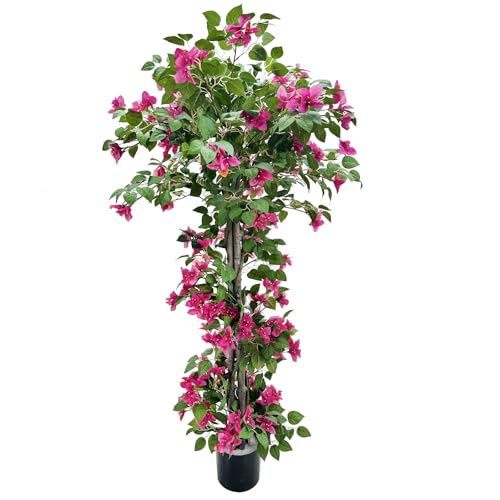
Realistic & Vibrant Design: Our 6-foot artificial bougainvillea tree features incredibly lifelike red blooms and green foliage. The “real-touch” leaves and dense, 35-inch wide cylindrical canopy create a luxuriously full appearance that brings lasting tropical beauty to any space—with zero maintenance.
Embrace Native Plants for Low Maintenance
Editor’s Choice

Miracle-Gro Organic All Natural Mulch for Landscaping – Bagged and Shred…


Florida Gardening Planner 2026: Florida month by month edible garden pla…

XLUX Long Probe Deep Use Soil Moisture Meter, Water Monitor Indicator Se…
2. Bright Bougainvillea for a Splash of Color
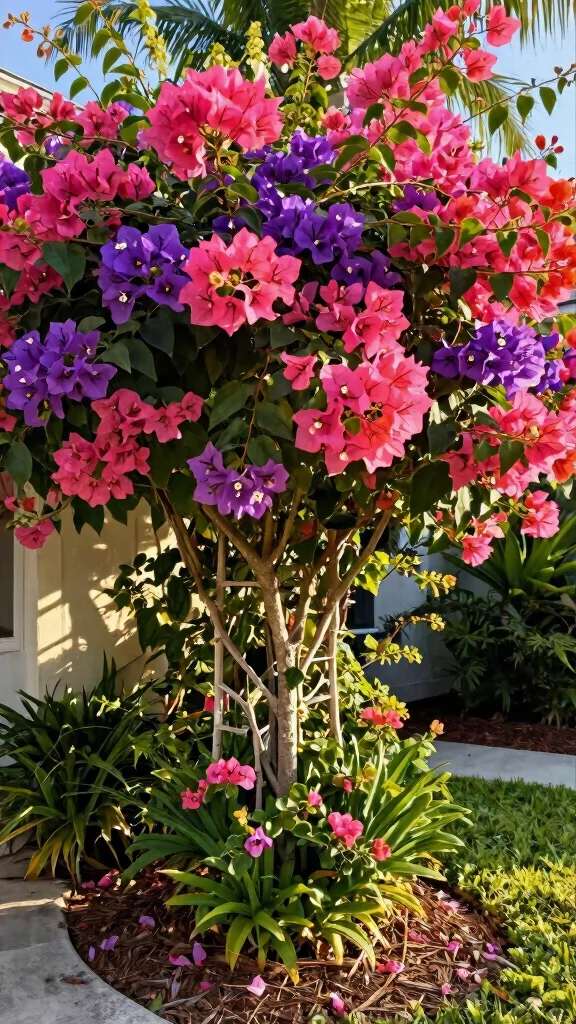
For a bold statement in your front yard, Bougainvillea is a must-have. Available in vibrant shades of pink, purple, red, and orange, this plant adds a tropical flair that brightens any space. Bougainvillea loves the sun and is drought-resistant, making it perfect for the Florida heat. Consider framing your entrance or allowing it to cascade over trellises for a dramatic effect.
To maximize the beauty of Bougainvillea, create a living wall as a stunning focal point. Pair them with light-colored furniture for a striking contrast. You can even use hanging containers or window boxes to showcase their beauty high above.
Ideas for using Bougainvillea:
– Create a vibrant living wall for a stunning view
– Use them alongside neutral tones for dramatic contrast
– Hang in containers for a vertical garden effect
This tropical beauty will keep your front yard eye-catching and lively all summer long.
Fun fact: Bougainvillea thrives in full sun and drought, making it perfect for Florida front yards. Plant it along entrances or on trellises to create a dramatic color splash that lasts year-round. With vibrant pink, purple, red, and orange, it’s a low-maintenance showstopper for front yard landscaping Florida.
Recommended Products
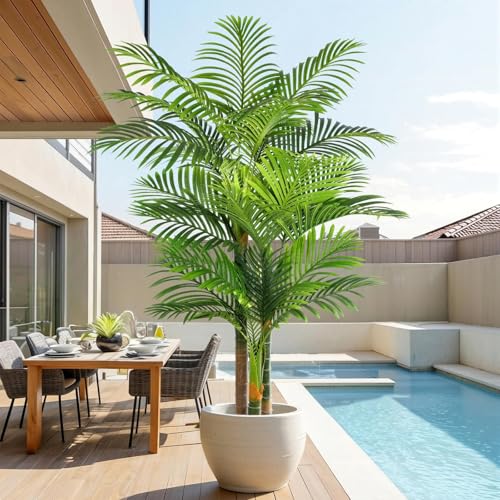
This 6 feet majestic triple tropical golden cane palm artificial tree has 24 large vivid fronds filled with countless arching feather-like leaves with realistic palm texture, three lifelike bamboo trunks are very strong, it looks so lush and great, it will create a tropical paradise atmosphere for you and those around you, now this extra tall triple cane palm tree is waiting to dance in the warm tropical breezes

Zipper Pockets for Secure Storage: This men's swimwear comes equipped with zippered side pockets to keep your phone, keys, or wallet safe while you're swimming, running, or just relaxing by the pool
You Will Get: the package comes with 1 piece of metal wall decoration, which is well packaged for keeping the product in a good situation during transportation, you can use with confidence. As a metal product, please handle with care to avoid accidental scratches
Bright Bougainvillea for a Splash of Color
Editor’s Choice

6ft Garden Obelisk Trellis for Climbing Plants-Rustproof Metal Pipe with…

2 Bougainvillea Live Plants, Tropical Bougainvillea Flowering Vine, Fast…
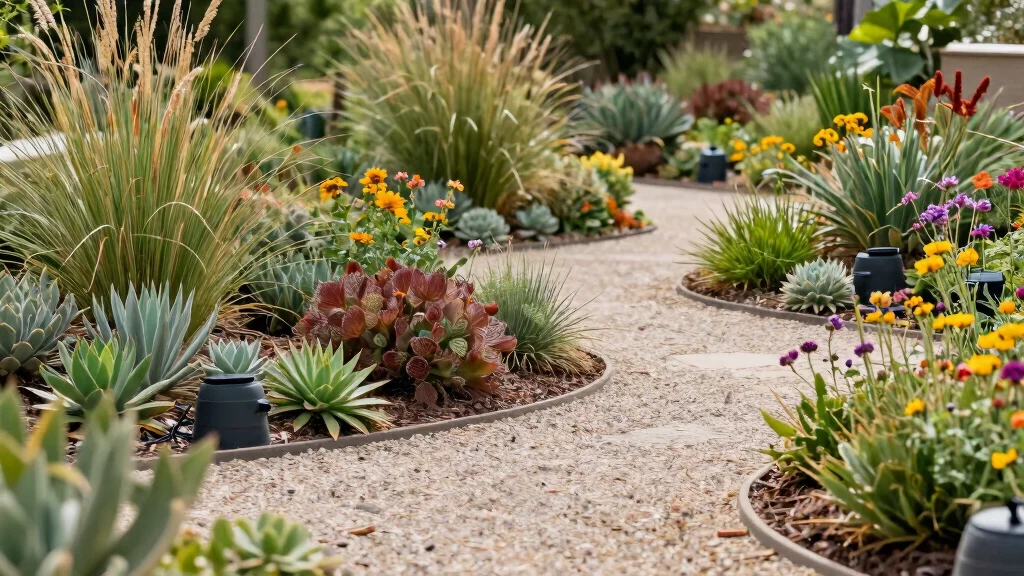
3. Drought-Resistant Succulents for Unique Texture
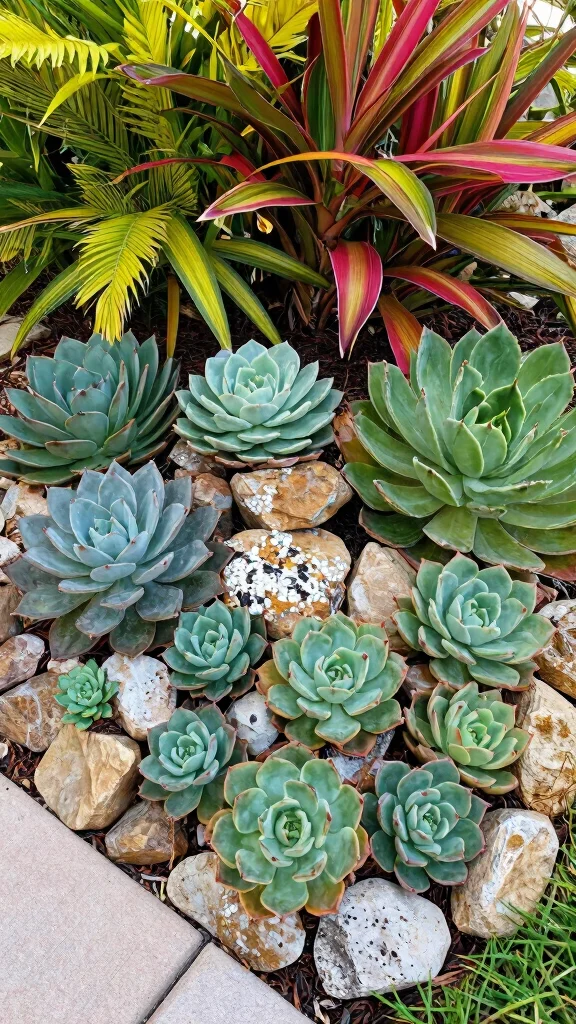
Succulents are an excellent choice for adding texture and color to your front yard while using very little water. Varieties like Agave, Aloe Vera, and Echeveria offer stunning visuals and require minimal maintenance. Perfect for busy homeowners, these plants thrive in the Florida sun and add unique shapes to your landscape.
When designing with succulents, think about creating a rock garden or using them as accents in flower beds. Mixing different shapes and sizes can create an eye-catching display. Decorative containers can also enhance their charm while keeping them organized.
Tips for incorporating succulents:
– Design rock gardens or use them as accents
– Mix various shapes and sizes for visual appeal
– Use decorative pots for added style
Blending succulents with other tropical plants will create a striking, low-maintenance landscape.
Recommended Products

Used Book in Good Condition

Compact form and dense foliage make it ideal for low hedges borders and privacy screens in formal or naturalistic landscapes

Drought-Resistant Succulents for Unique Texture
Editor’s Choice

Arcadia Garden Products Live Aloe Vera Succulent Easy Indoor Houseplant …

Live Echeveria Succulent Plant – Fully Rooted 4-Inch Echeveria Succule…

Agave Americana – Blue Agave – 2 Plants in Big Size
4. Tropical Palms for a Classic Look
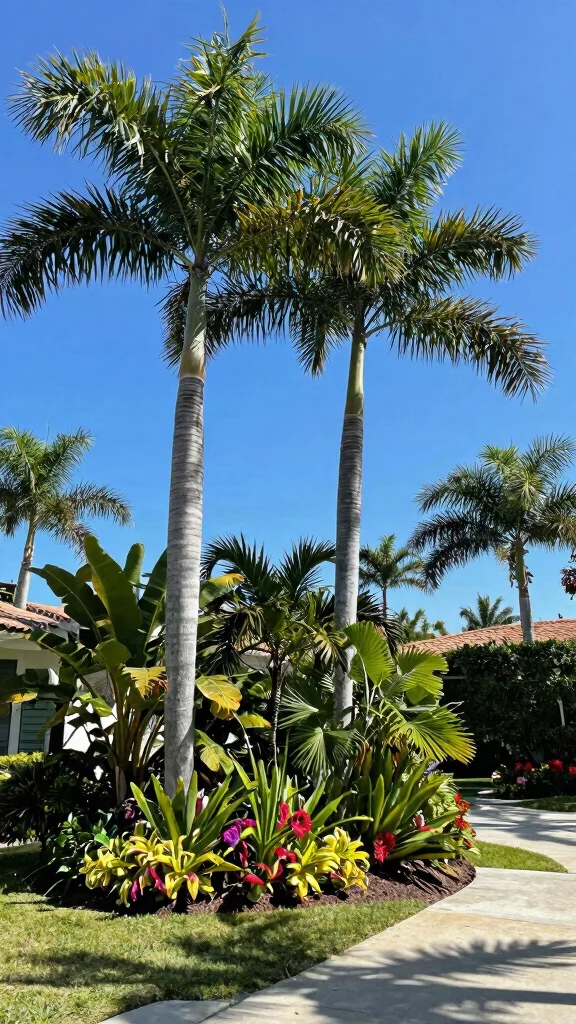
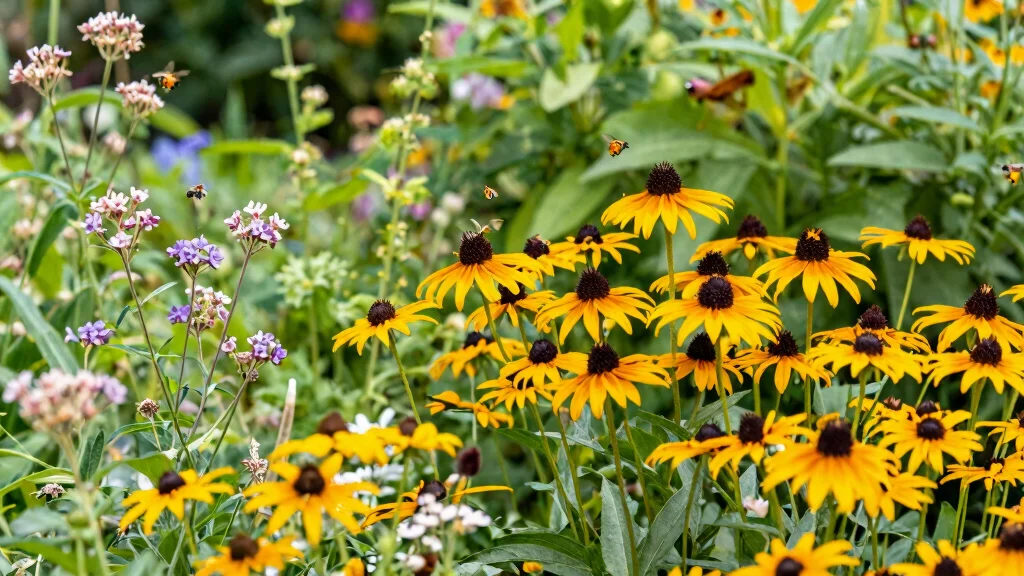
A classic Florida front yard wouldn’t be complete without palm trees. Iconic varieties like the Royal Palm and Coconut Palm not only add height but also evoke a quintessential tropical vibe. Strategically planting them can enhance your home’s silhouette while providing shade and comfort.
To create a diverse look, mix different types of palms together. Adding low-growing plants around their base creates a layered effect that is visually appealing. Make sure to space them appropriately to allow for growth and air circulation.
Landscaping ideas with palms:
– Combine different palm types for variety
– Use low plants at the base for contrast
– Ensure proper spacing for healthy growth
With their graceful fronds, palms create a serene atmosphere that welcomes guests to your home.
Recommended Products

【10 Rare Living Stones&Size】Hand-selected mix of 10 live Lithops with unique stone-like patterns and colors. Each plant is one-of-a-kind, turning your collection into a mini treasure hunt.
Realistic Design & Premium Material: This 20" tall artificial agave features ultra-realistic details with vibrant green hues and natural-looking texture, crafted from durable, UV-resistant plastic to maintain color and shape for over a year outdoors
15 succulent cuttings from our gardens in sunny California.
You might also like

Tropical Palms for a Classic Look
Editor’s Choice

Live Green Dwarf Malayan Coconut Plant Seedling 1 to 3 Feet Tall, Cocos …

Miracle-Gro Indoor Plant Food for Tropicals, Liquid Plant Food for Tropi…

Canary Island Date Palm Tree Seeds (Phoenix canariensis) – 15+ Non-GMO…
5. Seasonal Flower Combinations for Continuous Blooms
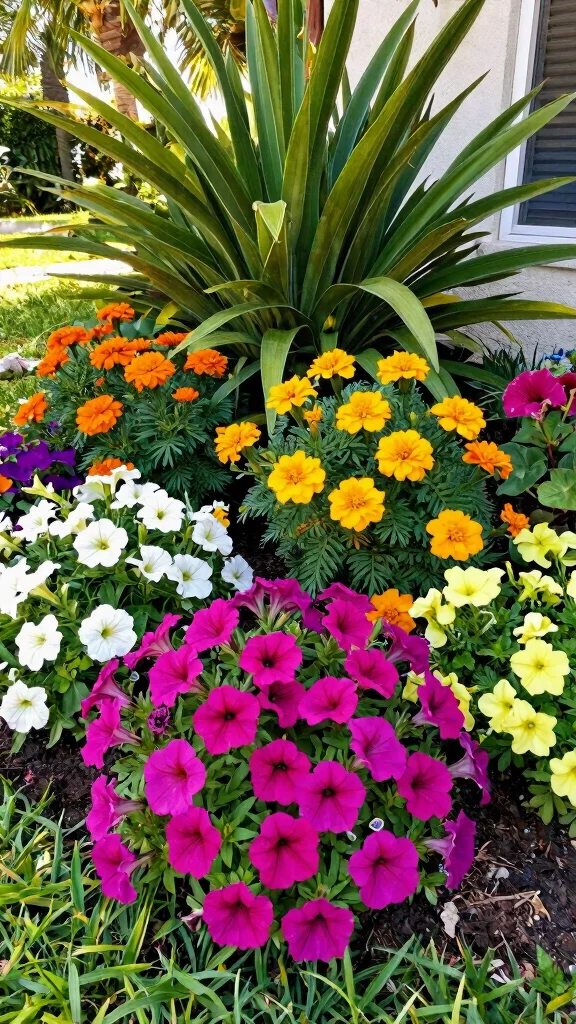
To keep your front yard bursting with color all year, seasonal flowers are essential. Mixing annuals and perennials will ensure your garden remains lively through every season. In the spring, think about planting petunias and marigolds, and transition to zinnias in the summer for a continuous display.
When planning your flower bed, choose varieties that bloom at overlapping times for ongoing color. Planting in clusters will enhance the visual impact, and including fragrant options can elevate the sensory experience.
Tips for seasonal flowers:
– Select flowers that bloom together for continuous color
– Cluster plants for a bold visual effect
– Add fragrant flowers for a sensory boost
With thoughtful planning, your front yard can become a beautiful showcase of blooms and fragrances throughout the year.
Did you know that mixing annuals and perennials with overlapping bloom times can extend color for 6–8 weeks in front yard landscaping florida? Plant petunias and marigolds in spring, then zinnias in summer for continuous blooms.
Recommended Products

STUNNING COLOR TRANSITION – Bracts bloom in rich bronze hues that gradually transform into vibrant fuchsia, bringing a bold, tropical flair to your space. Note: Bracts mature into this over time and may not initially appear as this color.

Seed Germination Method: Start your 102 Bougainvillea Seeds by soaking seeds in warm water for 24 hours to soften the hard seed coat. Maintain soil temperature at 75–85°F (24–29°C) and keep consistently moist but not waterlogged

SET OF 3 THRIVING BOUGAINVILLEA ‘LA JOLLA’ PLANTS – You will receive three healthy, live Bougainvillea ‘La Jolla’ plants, each growing in 2.5” nursery cubes, ready to be potted or planted in your garden.
📹 Related Video: From Fall to Winter: Florida-Friendly Flowers That Shine
6. Create Cozy Pathways with Decorative Stones
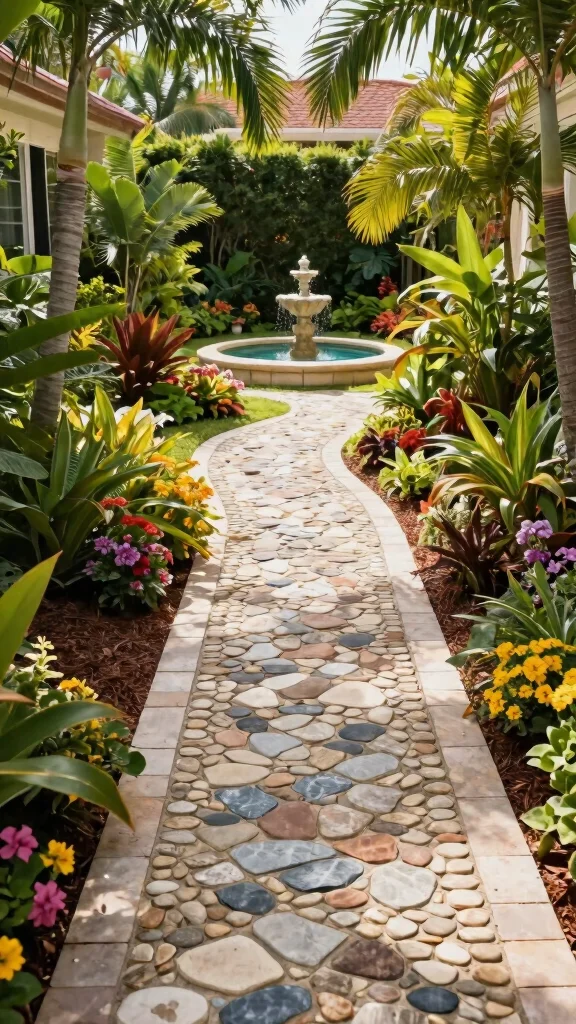
Pathways play a crucial role in enhancing the look of your front yard. Using decorative stones or pavers not only serves a purpose but also adds charm to your landscape. Winding pathways can lead to seating areas or focal points, such as a small fountain or sculpture, inviting exploration.
For a cooler path, choose light-colored stones that reflect heat. Adding plants along the edges creates a soft transition, while mixing textures adds visual interest.
Design recommendations for pathways:
– Select light stones to keep paths cool
– Edge with plants for a gentle transition
– Mix textures for added appeal
A well-designed pathway enhances your garden’s beauty while guiding visitors through your vibrant landscape.
Fun fact: Light-colored stones reflect heat, helping your front yard landscaping Florida pathways stay cooler—often 5–10°F on hot days. A winding stone path with edge plants invites exploration and adds texture without overheating the space.
Recommended Products

1. Home Garden Flag Size: 12.5x18 Inch ( 31x45 cm )

Unique Design: Our lighted palm tree has 3 trunks, which height is 7FT, 3.3FT, and 2FT, with 214 LED light, adopt flexible bendable branches, and lush green foliage, it’s will bring you a feeling of tropical trip to your Patio Pool Yard outdoor decor

Crafted with lifelike textures and natural color gradients, our artificial palm trees replicate the beauty of real palms—perfect for creating a tropical vibe without maintenance.
Create Cozy Pathways with Decorative Stones
Editor’s Choice

Sekcen 3 Pack Rubber Stepping Stones Outdoor Garden Rubber Pavers Pathwa…

River Rock Stepping Stones Outdoor for Garden Walkway, 10 inch Diameter …

EasyFlex No-Dig Landscape Edging with Anchoring Spikes, 2.7 in Tall Deco…
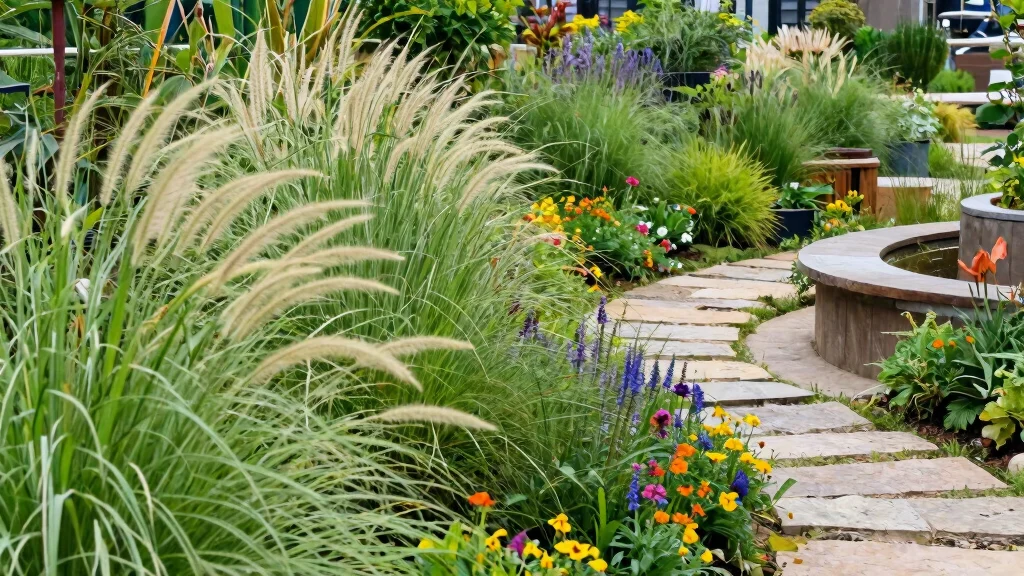
7. Water Features for Serenity and Appeal
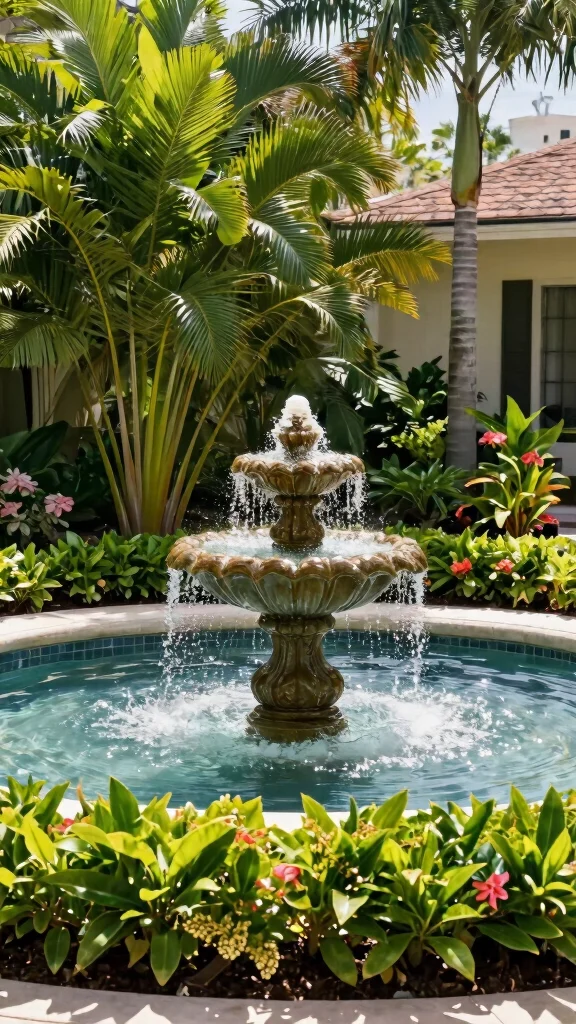
Adding a water feature can significantly enhance the tranquility of your front yard. Options like a small pond, fountain, or birdbath not only attract wildlife but also create a serene atmosphere. The gentle sound of trickling water can serve as a calming backdrop to your landscaping.
Position the water feature where it’s easily visible from your home to enjoy it fully. Surround it with lush plants for a natural look, and ensure it’s designed to thrive in Florida’s climate for minimal upkeep.
Water feature tips:
– Place it where it can be easily seen
– Surround it with greenery for a natural feel
– Design for Florida’s climate to reduce maintenance
Water features elevate your landscape while inviting local wildlife, making your front yard feel alive.
Recommended Products


You Might Also Like
Water Features for Serenity and Appeal
Editor’s Choice

Glitzhome Outdoor Water Fountain, 4-Tiered Flamingo Outdoor Fountain wit…

Aquascape DIY Backyard Pond Kit 8 x 11 feet – Complete Water Garden Ec…

3″ Deep Metal Bird Bath for Outdoors, Removable 13″ Dia Bowl with Stable…
8. Incorporate Edible Landscaping
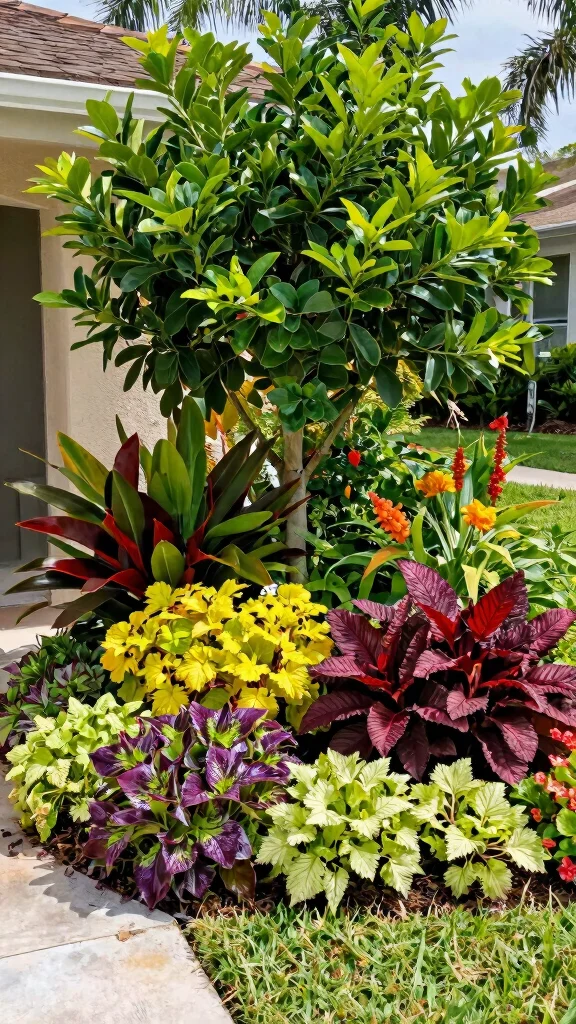
Why not spice up your front yard with edible landscaping? Incorporating fruit-bearing plants like citrus trees, pineapples, and herbs not only beautifies your garden but also provides fresh ingredients right at your doorstep. This approach adds functionality while promoting sustainability.
Consider dwarf fruit trees for smaller spaces, and mix herbs among flower beds for a colorful yet practical layout. Proper care is essential to maximize your yield and enjoy the fruits of your labor.
Edible landscaping tips:
– Use dwarf trees for compact areas
– Blend herbs into flower beds for color and function
– Ensure proper care for healthy plants
Incorporating edibles enhances your yard’s beauty while contributing to a sustainable lifestyle, making your garden truly rewarding.


Incorporate Edible Landscaping
Editor’s Choice

Calamondin Tree Live Plants 13″ – 22″ Tall Indoor Outdoor Fruit Tree Pla…

Ahopegarden Indoor Garden Hydroponics Growing System: 10 Pods Plant Germ…

Pineapple Plant Elite Gold (4 Pack) | Easy to Grow Plants | Edible Fruit…
Conclusion
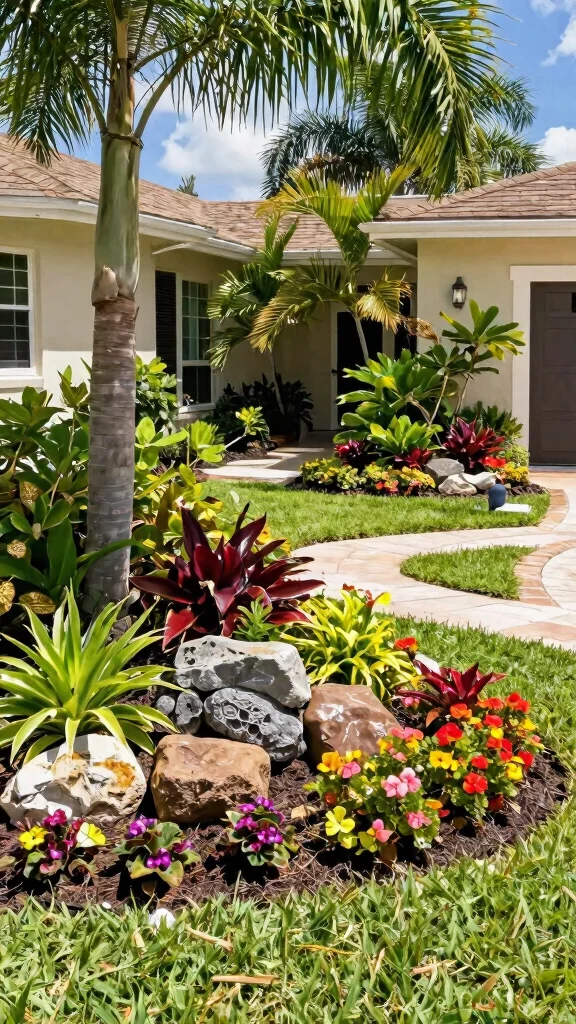
Transforming your front yard into a tropical paradise is entirely possible, even in the heat of Florida.
By selecting the right combinations of plants that thrive in the climate, you can achieve a beautiful outdoor space that offers both curb appeal and sustainability.
From native plants to colorful blooms and even edible options, your landscaping can be both visually stunning and practical all year long.
Embrace these ideas and start crafting your own lush oasis today!
Note: We aim to provide accurate product links, but some may occasionally expire or become unavailable. If this happens, please search directly on Amazon for the product or a suitable alternative.
This post contains Amazon affiliate links, meaning we may earn a small commission if you purchase through our links, at no extra cost to you.
Frequently Asked Questions
What are the best drought-resistant plants for front yard landscaping Florida?
For front yard landscaping florida, choose a smart mix of native Florida plants and drought-tolerant ornamentals. Great options include coontie, yucca, agave, lantana, bougainvillea, and hibiscus for reliable heat color. Add evergreen structure with dwarf palmetto or sabal minor for year-round greenery. Group plants by water needs, mulch beds with 2–3 inches of organic mulch, and install a drip irrigation system to minimize waste. This approach aligns with Florida landscaping tips and helps you keep curb appeal high while rotating seasonal flower choices in borders and containers.
Tip: plant taller specimens toward the back and keep smaller groundcovers in front to maintain a neat, lush look year-round.
How can I design a tropical garden that thrives in Florida heat and stays lush year-round?
Start with a layered, evergreen approach. Choose tropicals that tolerate sun and heat, like hibiscus, bougainvillea, croton, palms, and architectural grasses. Place sun-loving plants in exposed areas and use shade-loving understory near porches or walls. Build soil health with organic compost and a thick mulch layer, then water with a drip irrigation system divided into zones for sun and shade. Embrace Tropical garden design principles and couple with Florida landscaping tips to manage rain and dry spells. Keep color year-round with seasonal flower choices in containers and borders, and maintain with regular pruning and clean edges.
What are simple curb appeal ideas using tropical plants that fit Florida climate?
Create a strong first impression with a defined entry, bold focal plant, and tidy edges. Place a tall focal palm or cycad near the doorway, pair with flowering shrubs like hibiscus and lantana in raised beds, then soften with planters that mix tropicals and drought-tolerant fillers. Keep mulch fresh and edges sharp, and add warm-weather lighting to highlight the entry path. Stick to a cohesive color palette for instant curb appeal and lean on curb appeal ideas that work in Florida’s heat. This approach aligns with practical Florida landscaping tips for a lush, welcoming front yard.
Which seasonal flower choices perform well in Florida’s heat and humidity?
Florida’s heat and humidity support vibrant, long-lasting blooms. Try lantana, pentas (Egyptian starcluster), hibiscus, bougainvillea, verbenas, and colorful foliage accents with coleus in containers. For winter or milder spells, rotate in heat-tolerant options like vinca (Catharanthus roseus) and calibrachoa. Plan with staggered plantings so color persists across seasons, and always match choices to sun exposure and soil type for the best seasonal flower choices in Florida.
What quick tips boost curb appeal while keeping water use low in Florida yards?
Boost curb appeal with water-wise tweaks: prune and shape plants to maintain a neat silhouette, define clean edging, and install a drought-friendly border of native and tropical species. Reduce lawn area in favor of mulch or groundcovers, and set up a simple drip irrigation system with a smart timer. Choose drought-resistant plants for borders and containers, and add planters with bold tropical color that thrive in heat. Pair these with well-lit walkways and a clear focal point for inviting front yard landscaping florida that stays lush without wasting water.
Related Topics
front yard landscaping
Florida landscaping tips
drought-resistant plants
tropical garden design
curb appeal ideas
seasonal flowers
easy landscaping
low-maintenance gardens
heat-tolerant plants
colorful foliage
beginner gardener
outdoor aesthetics