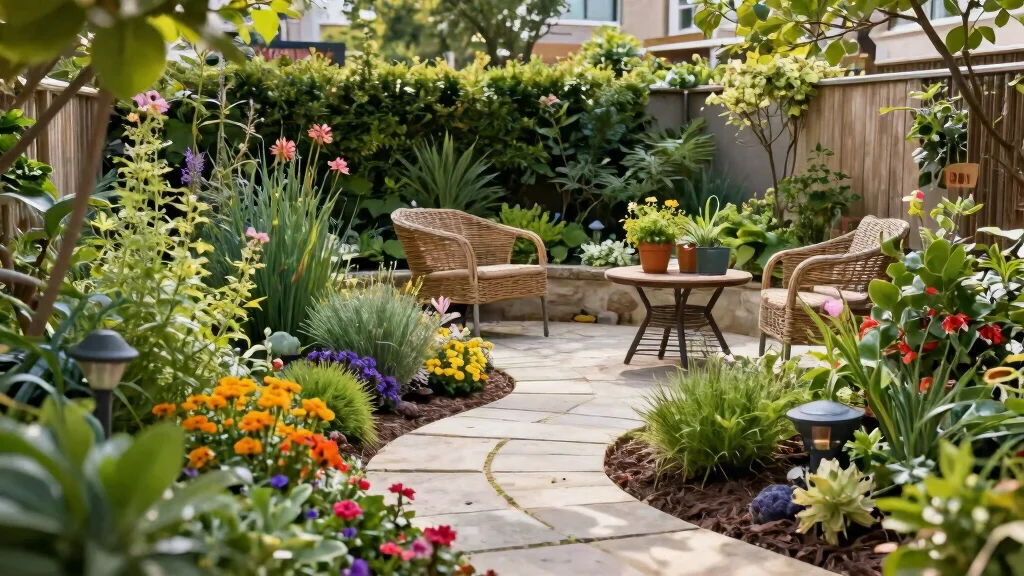
Transforming your back garden into a beautiful and functional space has never been more essential. With urban living on the rise, many of us find ourselves craving a peaceful oasis right outside our homes. You may be staring at a patch of dirt or an unkempt area, wondering how to turn it into a vibrant green sanctuary. This post is for those who want to breathe life into their back gardens, no matter the size.
If you’re someone who loves gardening, outdoor decor, and creating inviting spaces, you’re in the right place. You’ll discover ten innovative landscaping ideas that don’t just enhance your garden’s aesthetics, but also promote sustainability and biodiversity. This guide is packed with practical tips to turn every square foot behind your home into pure beauty. Whether you’re looking to add a cozy fire pit, introduce edible plants, or design colorful raised beds, there’s something here for everyone.
Let’s unlock the potential of your back garden together. You’ll gain fresh ideas that will inspire you to take action. By the end, you’ll be ready to transform your outdoor space into a beautiful haven that reflects your style and values.
Key Takeaways
– Explore the benefits of native plant gardens, which promote biodiversity and require less maintenance while attracting local wildlife.
– Discover vertical gardens as a space-saving solution perfect for urban areas, allowing you to add greenery without needing a lot of ground space.
– Learn about edible landscaping, where you can grow fruits, vegetables, and herbs among your flowers for a productive and beautiful garden.
– Find out how to create cozy fire pits that encourage gatherings and provide warmth, making your outdoor space usable year-round.
– Embrace eco-friendly practices for sustainable gardening, which not only beautifies your space but helps the environment by reducing waste and conserving resources.
Recommended Products

Durable Flag -- Material: 100% burlap. Weatherproof and non-fray durability, Dyrenson home garden's durable indoor, outdoor art flags and banners are made of machine washable polyester burlap material, fade resistant to keep them flying for many seasons

1. Native Plant Gardens for Biodiversity
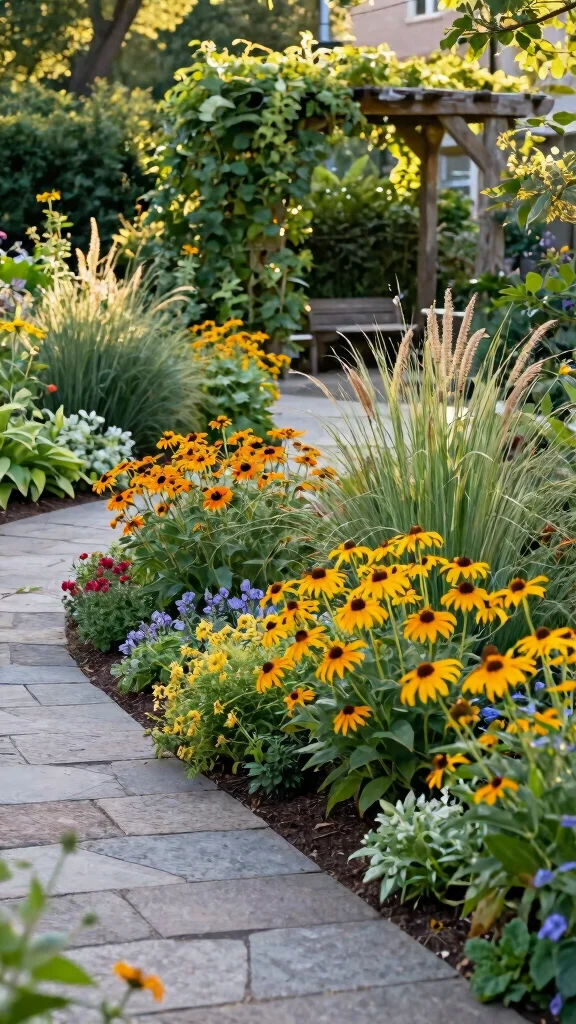
Are you looking to beautify your back garden while helping the environment? Creating a native plant garden is a fantastic way to do just that! By using plants that naturally thrive in your area, you’ll not only save on maintenance but also attract lovely pollinators like bees and butterflies. Imagine vibrant flowers and lush greenery, all perfectly suited to your local climate.
Start by exploring the variety of native plants that flourish in your region. Mix flowers, shrubs, and grasses to create a lively and diverse habitat. Popular choices include bright coneflowers, cheerful black-eyed Susans, and elegant ornamental grasses.
Landscape Tips:
– Research native plants that suit your space.
– Group plants with similar water needs to optimize irrigation.
– Mix different flowering times for continuous blooms.
– Add seating areas to enjoy the beauty up close.
This approach not only enhances your garden’s beauty but also boosts local biodiversity, creating a thriving ecosystem right in your backyard.
Did you know native plant gardens can attract 2–3x more pollinators than a typical lawn? By choosing regionally native flowers, shrubs, and grasses, you boost biodiversity, cut maintenance, and create lush, climate-friendly back garden landscaping that thrives with little effort.
Recommended Products

SAVE FLOOR SPACE - Stackable vertical planter tower

MADE IN THE USA – SUPPORTS 3 SMALL BUSINESSES Proudly manufactured in the United States. Every Smart Spring planter purchased directly supports three small U.S. businesses, helping keep jobs and production local.

SAVE FLOOR SPACE - Stackable vertical planter tower
How To Choose the Right Elements for Back Garden Landscaping
When it comes to back garden landscaping, you want to create a space that feels beautiful and functional. Choosing the right elements can be a bit tricky, but breaking it down into specific criteria can help you make better decisions. Here are some key points to consider:
1. Size and Space
Measure your garden to understand how much space you have to work with. Consider the layout and shape of your backyard. Think about how you want to use the space, whether for entertaining, relaxing, or gardening. This will help you choose features that fit well and don’t overcrowd the area.
2. Climate and Soil Type
Different plants thrive in different climates and soil conditions. Check whether your garden gets full sun, partial shade, or is mostly in the shade. Test your soil to see if it’s sandy, clay, or loamy. This knowledge will guide you in selecting the right plants and features that will flourish in your environment.
3. Desired Style and Aesthetic
Think about the look you want to achieve. Do you prefer a cozy cottage garden, a modern minimalist design, or maybe a vibrant edible landscape? Browse through garden design magazines or online platforms for inspiration. Choose elements that align with your personal style while enhancing the overall backyard aesthetics.
4. Budget Consideration
Set a clear budget before you start shopping. Landscaping can get expensive, so decide how much you’re willing to spend on plants, materials, and any professional help. Look for cost-effective solutions like native plants that require less maintenance and water. Planning ahead will keep you within your means.
5. Maintenance Level
Consider how much time and effort you are willing to put into garden maintenance. Some plants require more care than others. If you prefer a low-maintenance garden, choose hardy perennials and drought-resistant plants. Also, think about the features you want, like pathways or fire pits, and how much upkeep they will need over time.
6. Functionality
Think about how you want to use your garden. Do you need areas for dining, play, or relaxation? Adding functional features such as seating areas or raised garden beds can enhance your experience. Consider how each element will contribute to the overall usability of your space.
Pro Tip: Don’t rush the process. Take your time to research, visualize, and plan every detail of your back garden landscaping. It will pay off in the end when you create a stunning and enjoyable outdoor space tailored to your needs.
By considering these factors, you can make informed decisions that lead to a beautiful and functional back garden. Remember, your garden is an extension of your home and should reflect your personality and lifestyle!
Recommended Products
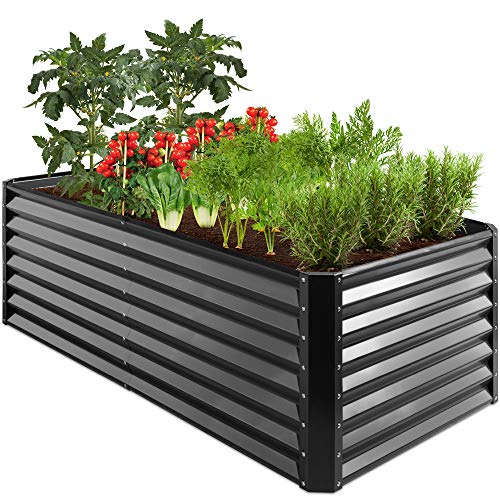
2FT GROWING DEPTH: 24 inches of depth holds up to 269 gallons of soil-great for medium to deep rooting plants and vegetables like broccoli, beans, and more; Note: This product does not include a bottom panel

ORGANIZED 10 GRID PLANTING: Modular raised garden bed planter with 10 individual growing compartments keeps herbs vegetables flowers separated for easier crop rotation gardening includes plant markers liners ideal for patio balcony backyard herb garden

DIMENSIONS: 32. 3 in. L x 14. 7 in. W x 30. 7 in. H
Native Plant Gardens for Biodiversity
Editor’s Choice

Back to the Roots 25.7qt (1 Cubic ft) Organic Premium Mulch


Eden Brothers All Perennial Wildflower Seed Mix for Planting, 1/4 lb, 13…

The Northeast Native Plant Primer: 235 Plants for an Earth-Friendly Garden
2. Vertical Gardens for Space-Saving Solutions
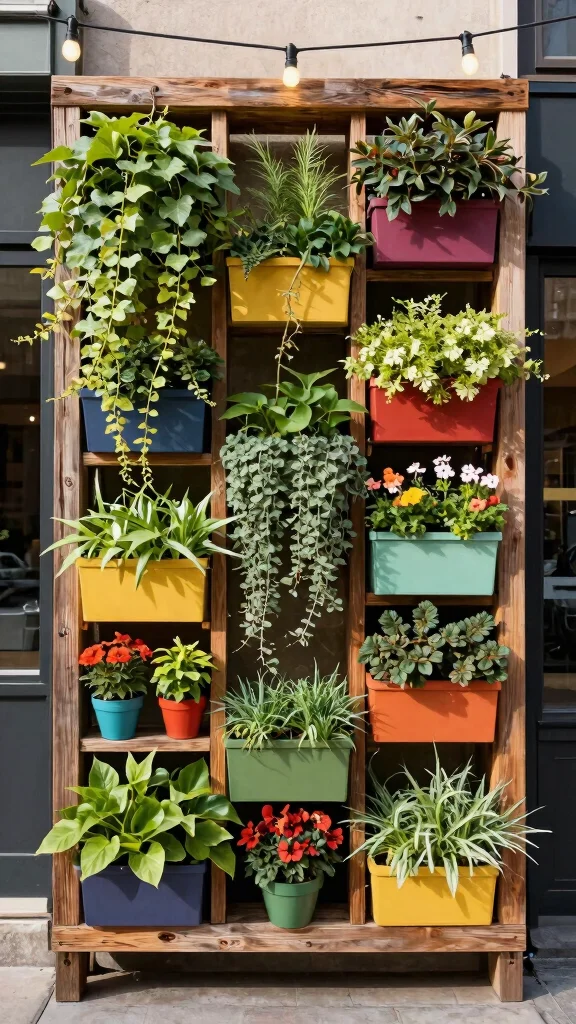
Do you feel limited by space but still want a vibrant garden? Vertical gardens are the perfect solution to maximize your growing area without sacrificing style. These gardens can be as simple as wall-mounted planters or as elaborate as green walls filled with a variety of plants. Picture cascading vines and fragrant herbs, all taking up minimal ground space.
Explore different vertical gardening options that suit your style and needs. Consider mixing trailing plants like ivy and colorful flowering vines with herbs such as basil or parsley for an aromatic experience.
Outdoor Decor Ideas:
– Use reclaimed wood or pallets to create a rustic vertical garden.
– Incorporate colorful pottery for added charm.
– Install a drip irrigation system for efficient watering.
– Hang fairy lights to illuminate your garden at night.
With a little creativity, your vertical garden can become a stunning focal point, offering beauty, fragrance, and even fresh herbs.
Recommended Products

【Built for the Outdoors】Crafted from powder-coated galvanized steel, this outdoor furniture set offers exceptional durability and excellent corrosion resistance, making it ideal for outdoor use. Its sturdy structure ensures stability and safety. Additionally, the PVC rattan used boasts high resilience, rain or shine - so you can enjoy the ultimate in outdoor relaxation with minimal upkeep.
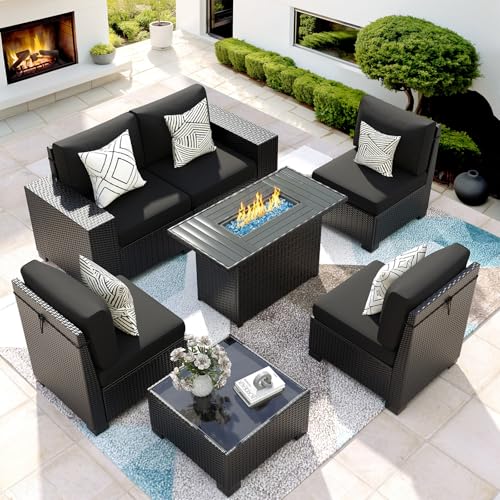
【Built for the Outdoors】Crafted from powder-coated galvanized steel, this outdoor furniture set offers exceptional durability and excellent corrosion resistance, making it ideal for outdoor use. Its sturdy structure ensures stability and safety. Additionally, the PVC rattan used boasts high resilience, rain or shine - so you can enjoy the ultimate in outdoor relaxation with minimal upkeep

Vertical Gardens for Space-Saving Solutions
Editor’s Choice

Metal Planter Box with Trellis,72″x47″x16″Galvanized Steel Outdoor Raise…

TOREVSIOR 5-Tier Vertical Raised Garden Bed, Vertical Garden Planter wit…

Gardyn Studio 1 Vertical Hydroponics Growing System Kit – 16 Non-GMO Pla…
3. Embracing Edible Landscaping
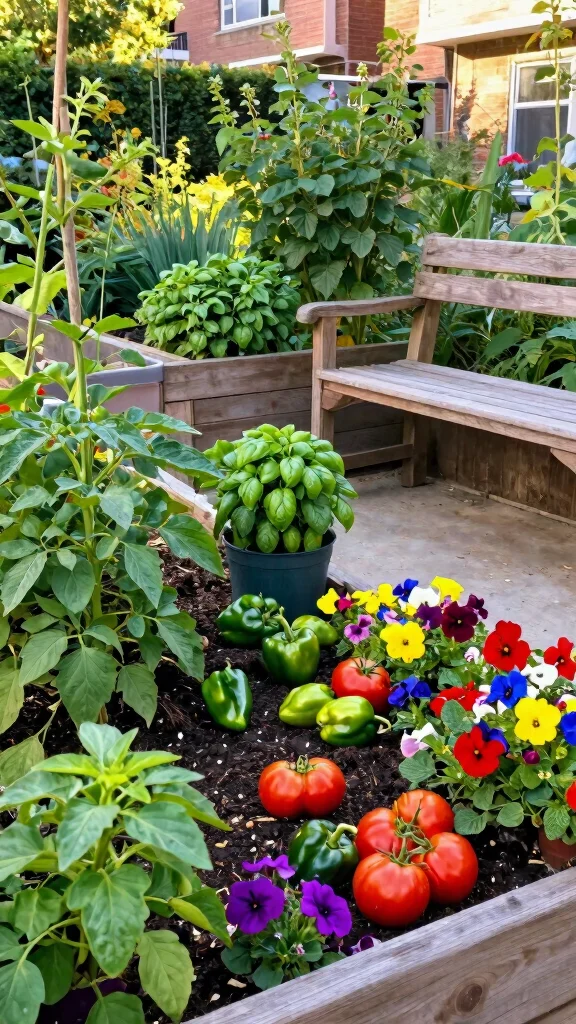
Why not turn your garden into a feast for the eyes and the table? Edible landscaping is a brilliant way to combine beauty with functionality, allowing you to grow fresh fruits, vegetables, and herbs right at home. Imagine colorful tomatoes, vibrant peppers, and sweet strawberries that not only look great but also taste amazing.
Plan your garden layout thoughtfully by placing taller plants like sunflowers at the back and shorter herbs at the front for a tiered effect. Mix in ornamental flowers to keep your garden visually appealing throughout the seasons.
Landscape Tips:
– Select heirloom varieties for unique flavors.
– Use companion plants to boost growth and deter pests.
– Consider raised beds or containers for easier access.
– Create attractive pathways to separate growing areas.
This strategy not only beautifies your outdoor space but also encourages healthier eating habits while making gardening a fun family activity.
Recommended Products

BPA Free Materials: The garden compost bin is made of BPA free materials for environmental protection and durability.All-weather frost and rainproof, can be used for composting all year round

Four-Sided Ventilation: Each side of our garden compost bin features ventilation, providing excellent airflow for composting. This allows for faster production of nutrient-rich compost.

Fast, Effortless Composting: This outdoor compost bin features a 360° rotating design with built-in mixing bars—just spin the drum for thorough mixing, no manual turning needed. Adjustable air vents let you control airflow, moisture, and temperature to reduce odors and accelerate decomposition, making this compost bin both efficient and low-maintenance.
Embracing Edible Landscaping
Editor’s Choice
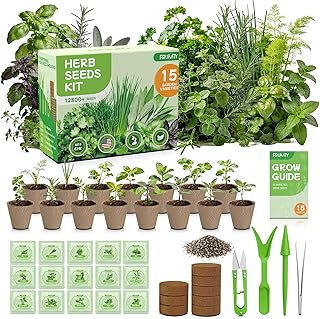
Herb Garden Starter Kit – Fruivity 12800+ 15 in 1 Herb Heirloom Seed K…

Yaheetech 8×2ft Wooden Horticulture Raised Garden Bed Divisible Elevate…

4 Pack 30 Inch Tall Metal Plant Trellis for Climbing Plants Indoor – Rus…
4. Cozy Fire Pits for Evening Gatherings
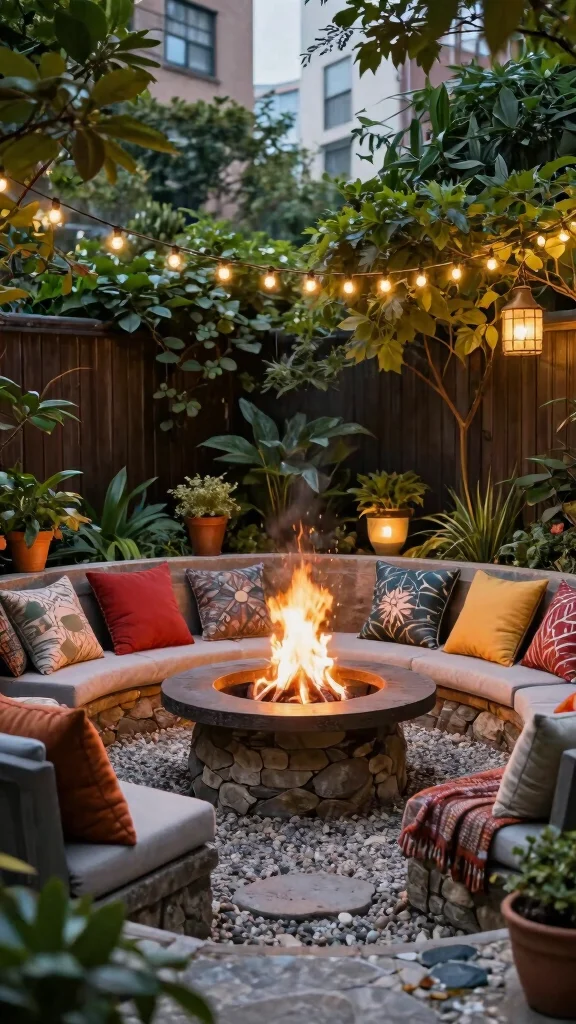
Picture cozy evenings spent around a crackling fire pit surrounded by the beauty of your garden. Fire pits extend your outdoor living season and serve as a charming gathering spot for friends and family. When designing your space, think about how a fire pit can add warmth and a welcoming atmosphere to your backyard.
Select materials that match your garden’s style, whether it’s rustic stone or sleek metal. Surround the fire pit with comfortable seating and add decorative gravel for a clean look. Enhance the ambiance with string lights or lanterns that create a magical glow at night.
Outdoor Decor Suggestions:
– Use cushions and throws for extra comfort.
– Arrange seating in a circle to encourage conversation.
– Include a table for snacks and drinks.
– Surround with plants for a natural touch.
With these elements, your garden becomes a special gathering place, turning every night into a memorable occasion.
Recommended Products

Perfect Size for Any Garden: Measuring 12.5 x 22 inches, this vibrant garden flag fits most standard flag stands (sold separately), making it easy to showcase your seasonal style. No guesswork—just hang and enjoy!

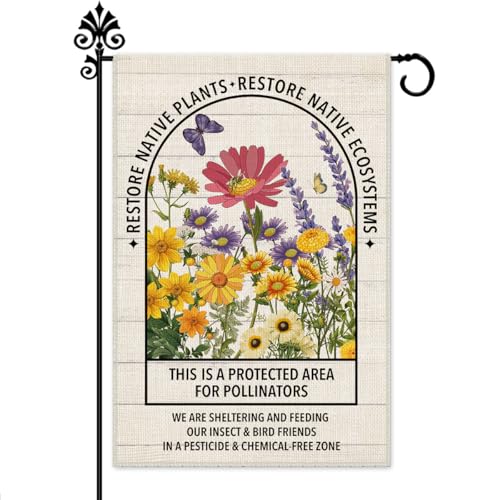
Size: 12.5 x 18 inches, perfectly fits various outdoor scenes such as patios, patios, porches, mailboxes, balconies, backyards, lawns, and flower beds; can be used for everyday home decoration, creating a festive atmosphere, or as a personalized sign for parties, events, and other occasions.
Cozy Fire Pits for Evening Gatherings
Editor’s Choice

YISZM 2LB Succulent and Cactus Gravel Pebbles, 1/5 Inch Natural Decorati…

Gas One 22 in Outdoor– Wood Burning Fire Pit with Mesh Lid and Fire Pi…

Garden Bench,Outdoor Benches,Iron Steel Frame Patio Bench with Mesh Patt…
5. Water Features for Tranquility
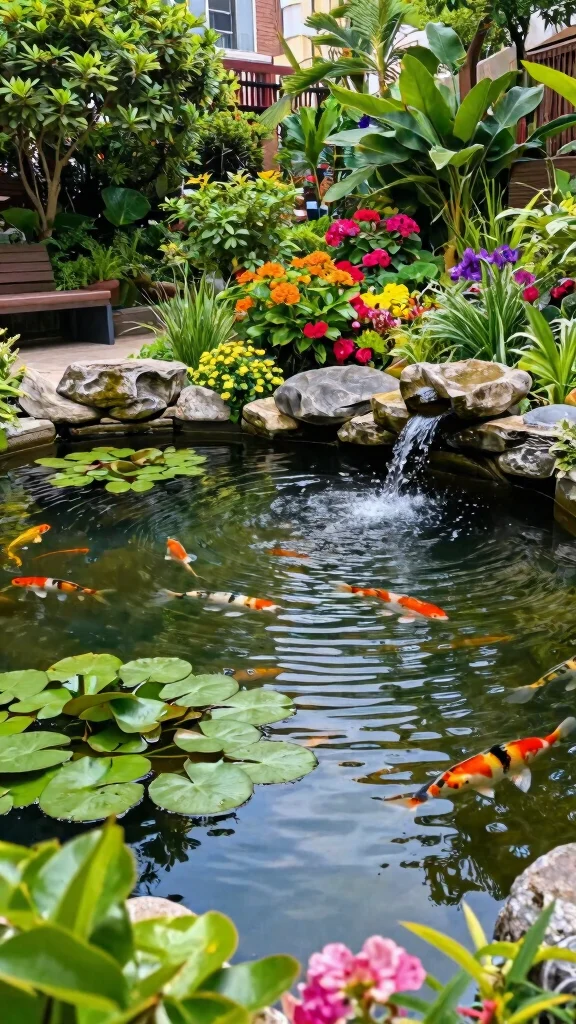
Want to create a peaceful retreat in your garden? Adding a water feature can transform your outdoor space into a serene haven. The soothing sound of flowing water provides a calming atmosphere, perfect for unwinding after a hectic day. Water features can range from simple bird baths to elaborate fountains or tranquil ponds, tailored to fit your space and budget.
Consider the level of maintenance you’re comfortable with. A pond with aquatic plants requires more care than a low-maintenance fountain. If you opt for a pond, think about adding native fish or plants to support local wildlife.
Landscape Tips:
– Choose materials that blend with your garden’s design.
– Surround with plants for a natural look.
– Add seating nearby for relaxation.
– Balance water features with other elements for visual harmony.
A water feature not only beautifies your garden but also creates a peaceful environment, making it a true retreat.
Fun fact: A tiny fountain that’s 1–2 feet tall can mask street noise by several decibels, turning a noisy back garden into a tranquil retreat. With back garden landscaping, you’ll enjoy calmer evenings and birdsong all season.
Recommended Products

【 Vertical Planter Raised Beds with Trellis】Perfect for home gardening lovers, this vertical herb garden planter indoor kit with 4 rectangular planter boxes outdoor let you plant vegetables, herbs, and flowers in separate flower pots while the 11-inch trellis supports climbing plants like tomatoes, strawberries, vines, and peppers. The raised flower beds outdoor create an optimal environment for your plants to thrive.


Space-Saving : This strawberry planter maximizes your gardening space by stacking 5 layers to grow more plants in a compact area. The strawberry tower planter is ideal for patios, balconies, or indoor use
You might also like

Water Features for Tranquility
Editor’s Choice

VIVOHOME Bird Bath for Outside, Polyresin Pedestal Bird Baths for Outdoo…

AISITIN DIY Solar Water Pump Kit for Water Feature Outdoor, Solar Powere…

UWIOFF 10 x 13 FT Pond Liner, 20 Mil Pond Liners for Outdoor Ponds, Blac…
6. Sustainable Pathways with Eco-Friendly Materials
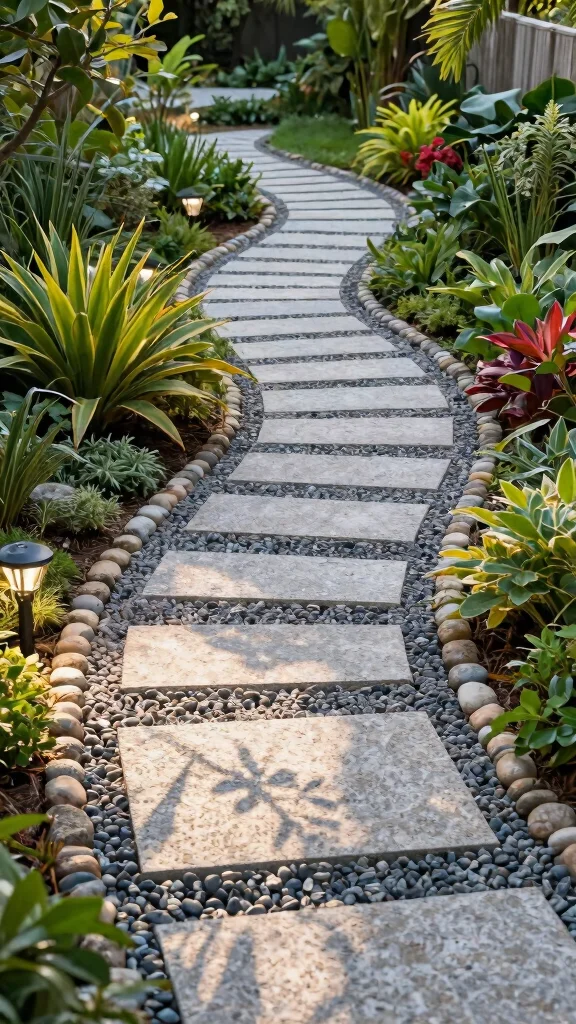
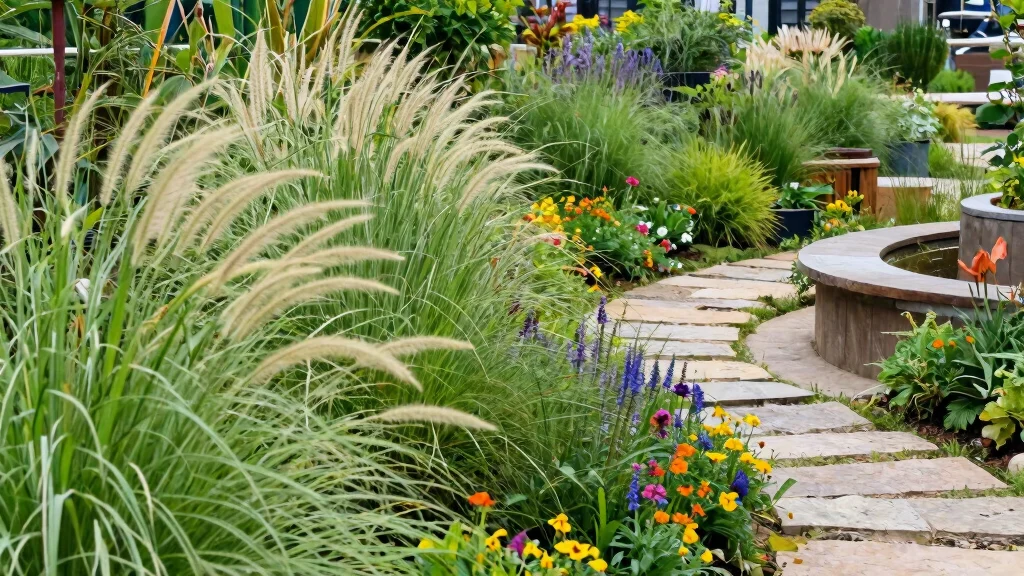
Pathways play a vital role in any garden, guiding visitors while enhancing the layout. With urban gardening, it’s crucial to consider eco-friendly options. You can create sustainable pathways using permeable pavers, gravel, or reclaimed wood, which promote drainage and reduce runoff.
These materials not only support a greener approach but also add texture and interest to your garden. Mixing different materials allows for unique designs that enhance aesthetics, while planting ground cover between stones creates a lush, natural feel.
Landscape Tips:
– Ensure pathways are wide enough for comfortable walking.
– Use edging stones to define your paths.
– Incorporate native plants along the edges for beauty.
– Add solar lights for safety and charm.
With sustainable pathways, you create functional routes that are visually pleasing, demonstrating that beauty and sustainability can go hand in hand.
Recommended Products


FOR USE: Ideal for raised garden beds and outdoor containers.
📹 Related Video: Small Rustic Garden Pathways How to Build Them with Upcycled Materials
7. Colorful Raised Garden Beds
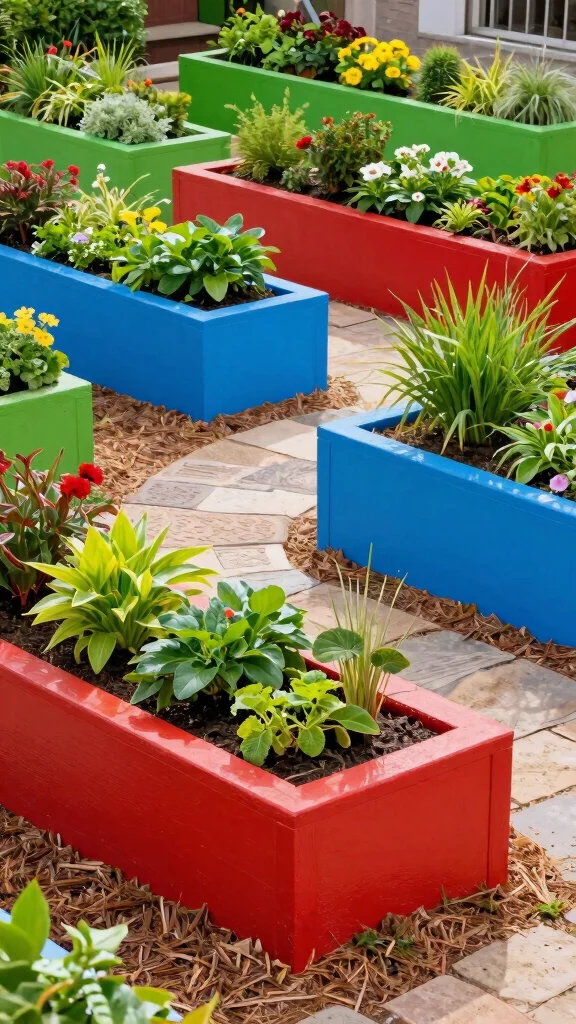
Looking to add structure and vibrancy to your back garden? Raised garden beds are an excellent way to achieve this while promoting healthier plant growth. They improve drainage and make gardening more accessible, especially in urban settings. You can build raised beds using materials like wood, brick, or concrete, allowing for a customized appearance.
Consider painting the exterior of your raised beds in bright colors for a playful touch. Imagine a series of cheerful red, blue, and green beds filled with colorful flowers and fresh vegetables. Arranging these beds at varying heights adds visual interest and maximizes your gardening space.
Garden Design Ideas:
– Combine companion planting within beds for better growth.
– Use colorful mulch for added visual appeal.
– Incorporate trellises for climbing plants.
– Design pathways that connect different raised beds.
With these colorful raised beds, your garden becomes not only a food source but also an eye-catching centerpiece.
Recommended Products


Thick Comfort Cushions – Enjoy unmatched relaxation with upgraded 4″ thick seat cushions with high-density upright fibre cores plus ergonomic back cushions. The water-resistant covers are easy to remove and clean—designed for outdoor durability and long-term shape retention.

Superior Rust Resistance & Durable Construction: Crafted from 0.7mm zinc-plated steel with an additional black high-temperature anti-rust powder coating, this fire pit ring achieves a total thickness of 0.8mm. It offers exceptional corrosion resistance against moisture and rain, significantly outperforming ordinary cold-rolled steel and ensuring long-lasting outdoor use.
Colorful Raised Garden Beds
Editor’s Choice
ABEIER Outdoor Acrylic Paint Set, 15 Vibrant Colors (8.45oz/250ml Large …
Yaheetech 8×2ft Wooden Horticulture Raised Garden Bed Divisible Elevate…
8. Charming Garden Decor and Accessories
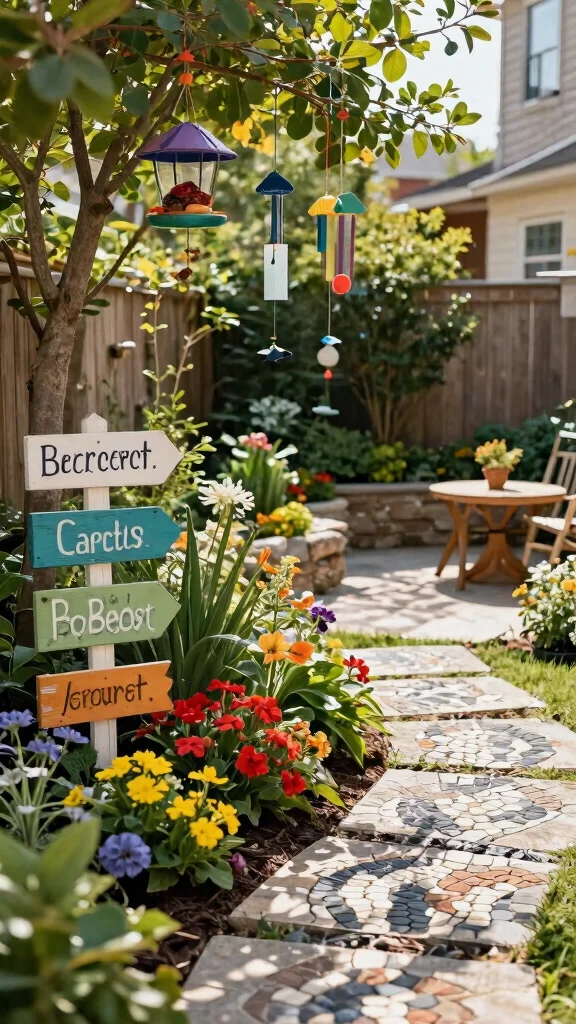
Want to infuse your back garden with personality? Adding decor and accessories can significantly enhance its charm. From whimsical garden signs to elegant wind chimes, decorative elements provide character while enriching your outdoor experience. Think about including unique art pieces like sculptures or mosaics to bring an artistic flair to the space.
Functional accessories like bird feeders, trellises, or decorative stakes also serve practical purposes while enhancing aesthetics. Mixing different styles can create an inviting and eclectic atmosphere, but remember to maintain a cohesive theme for visual harmony.
Outdoor Decor Tips:
– Choose a few statement pieces to avoid overcrowding.
– Use natural materials for an organic feel.
– Vary heights of decorative elements for interest.
– Tie colors of decor to your plants.
With the right touches, your back garden can reflect your personality, becoming a welcoming oasis for relaxation and enjoyment.
Recommended Products

High Quality PP Material -- Constructed from high-quality, BPA-free plastic, which is environmentally safe and can withstand cold winters, perfect for gardens, farmland, yards. Overall Dimensions: 23”Length x 23”Width x 31.6”Height; Door is 22.1”Length x 21.1” Width; Maximum Capacity: up to 80 Gallons. Made of durable BPA free plastic material bin, offers you a stable base and shatter-resistant compost bin which can last for years


You Might Also Like

Charming Garden Decor and Accessories
Editor’s Choice

Garden Decoration – Mosaic Stepping Stone – Patio Decoration Stone 12 In…

Smilelife Plants Gifts Garden Rules Vintage Tin Sign for Garden Patio Po…

Bursvik Large Aluminium Wind Chimes 37″ to Create a Zen Atmosphere Suita…
9. Seasonal Planting for Year-Round Interest
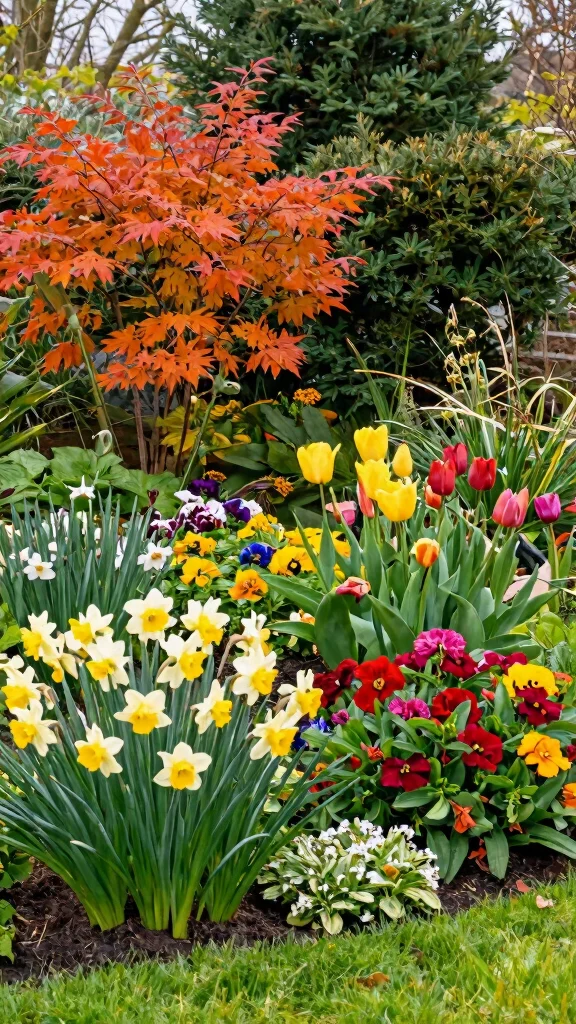
Do you want a garden that dazzles throughout the year? A well-planned seasonal planting strategy can achieve just that. By combining perennials, annuals, and evergreens, you ensure there’s always something blooming or providing visual appeal. Choose plants that flower at different times to maintain color and interest year-round.
Incorporating seasonal vegetables and herbs can also provide fresh produce during their peak. For example, plant spring bulbs like tulips for early blooms, then transition to vibrant summer flowers and autumn foliage.
Landscape Tips:
– Organize your layout based on blooming times.
– Use a color wheel to select complementary colors for each season.
– Incorporate evergreens for winter interest and structure.
– Regularly deadhead flowers to encourage continuous blooms.
Through seasonal planting, your back garden can transform into a lively canvas, changing with the seasons while remaining a beautiful space to enjoy.
Seasonal Planting for Year-Round Interest
Editor’s Choice

Companion Planting for Beginners: Pair Your Plants for a Bountiful, Chem…

185+ Mixed Color Hosta Seeds for Planting Outdoors- Shade/Cold Tolerant …

Meberam 2 Pack 6x3x1FT Galvanized Raised Garden Beds Kit Outdoor Metal G…
10. Eco-Friendly Practices for Sustainable Gardening
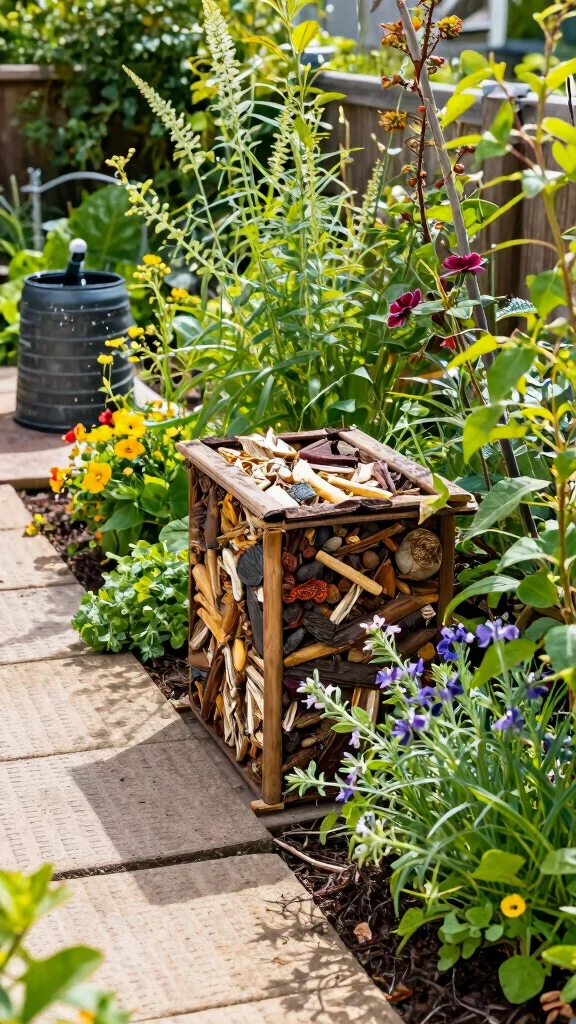
Ready to make your back garden sustainable? Implementing eco-friendly practices is key to achieving this goal. Start composting kitchen scraps and yard waste to enrich your soil, reducing the need for chemical fertilizers. Using rain barrels or drip irrigation systems effectively manages water usage and conservation.
Minimizing lawn areas by replacing them with native or drought-resistant plants creates a beautiful landscape that requires less maintenance. These practices not only enhance your garden’s appearance but also positively impact the environment.
Garden Design Suggestions:
– Create a compost bin from recycled materials.
– Use permeable surfaces to reduce runoff.
– Plant a pollinator garden to support local wildlife.
– Encourage biodiversity with native plants and habitats.
By adopting these eco-friendly practices, your garden becomes a beautiful space that celebrates sustainability and harmony with nature.
Fun fact: If you replace half your lawn with native, drought-tolerant plants, back garden landscaping can cut watering needs by up to 50%. Add a rain barrel and drip irrigation, and you’ll save time, money, and water.
Eco-Friendly Practices for Sustainable Gardening
Editor’s Choice

Rain Bird LNDDRIPKIT Drip Irrigation Landscape/Garden Watering Kit with …

FCMP Outdoor Raincatcher 4000 Rain Barrel, Flat-Back Rainwater Catcher w…

EPICA Countertop Compost Bin Kitchen | 1.3 Gallon | Odorless Composting …
Conclusion
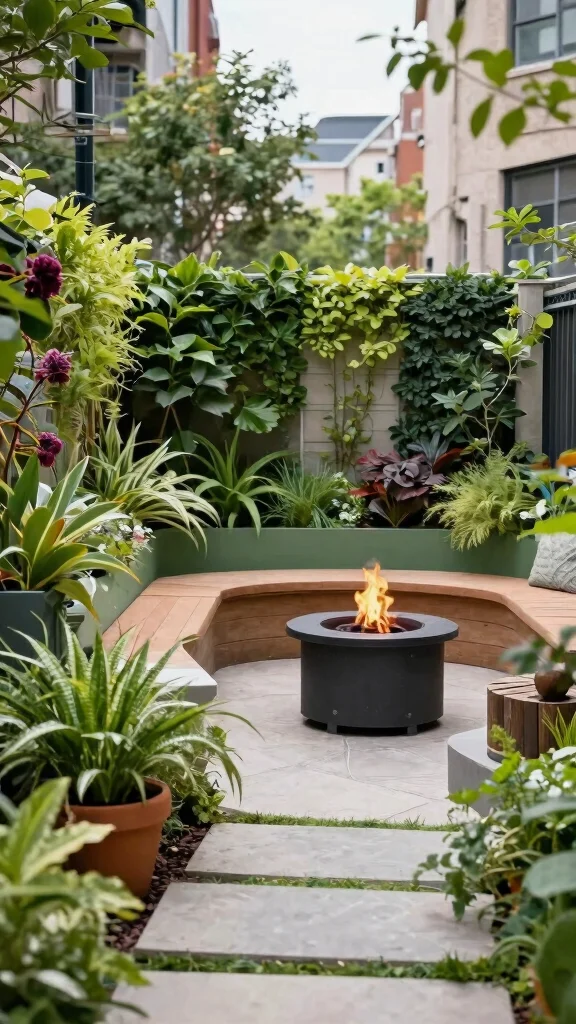
Revamping your back garden is an exciting adventure that allows you to express creativity while embracing sustainability. Each idea presented in this article not only enhances the beauty of your outdoor space but also contributes positively to the environment.
Whether you opt for native plant gardens, vertical displays, or charming decor, let your garden reflect your personality and values. After all, every small step toward sustainable back garden landscaping makes a difference in our urban landscape.
Note: We aim to provide accurate product links, but some may occasionally expire or become unavailable. If this happens, please search directly on Amazon for the product or a suitable alternative.
This post contains Amazon affiliate links, meaning we may earn a small commission if you purchase through our links, at no extra cost to you.
Frequently Asked Questions
What are practical back garden landscaping ideas for small urban spaces?
Turn your tiny yard into a high-impact haven with smart zoning and space-saving tricks.
Start by outlining 2-3 functional zones (seating, growing, and storage) and choose back garden landscaping ideas that fit. Add a vertical garden or trellis for greens without widening the footprint, pick compact or dwarf varieties, and use permeable pavers or gravel to widen the sense of space. Finish with a rain barrel and garden design elements that tie everything together for backyard aesthetics you can enjoy daily.
Tip: keep a cohesive color palette and multi-functional furniture to maximize every square foot while staying sustainable and stylish.
How can I transform a tiny yard into a sustainable green space?
Begin with a simple plan: map sun and shade, choose native plants that thrive with less water, and add a small rain garden to handle runoff.
Incorporate green space transformation techniques like mulch, compost, and a compact drip irrigation system to cut water use. Use recycled materials for planters and pathways, and install low-energy outdoor lighting to extend enjoyment after dark.
Keep landscape tips practical by starting with one or two focal plantings and a container herb garden that boosts outdoor decor without crowding the space.
What budget-friendly ideas boost backyard aesthetics with sustainable materials?
You can elevate backyard aesthetics without breaking the bank by using reclaimed or upcycled elements.
Try pallet planters, repurposed furniture, and a gravel or permeable path to define zones. Add solar-powered lighting for ambience and thrifted containers painted to create a cohesive look. Choose a small palette of plants that complement your space and wind up with a beautiful garden design that also supports a greener lifestyle, all while keeping costs down.
Which plants and planting strategies work best for small back gardens to save water?
Focus on native plants and drought-tolerant varieties that thrive with natural rainfall. Group plants with similar water needs to cut irrigation waste, and layer with groundcovers to reduce weeds and evaporation. Use containers for flexible placement and install a simple drip system to water efficiently. Mulch well to lock in moisture, and choose soft textures and colors that complement garden design and green space transformation for a calm, sustainable look.
What quick, actionable sustainable features can I add to a back garden right away?
Start with a rain barrel and a small compost bin to begin back garden landscaping that pays you back in soil health and reduced waste.
Add a pollinator bed with nectar-rich perennials, install a permeable ground cover or gravel path, and place a few edible elements like herbs in containers for immediate impact. These steps deliver tangible landscape tips and boost backyard aesthetics while keeping things practical and eco-friendly.
Related Topics
back garden landscaping
urban gardening
sustainable design
outdoor decor
landscape tips
green space
backyard aesthetics
easy landscaping
DIY garden
space transformation
beginner friendly
small garden ideas