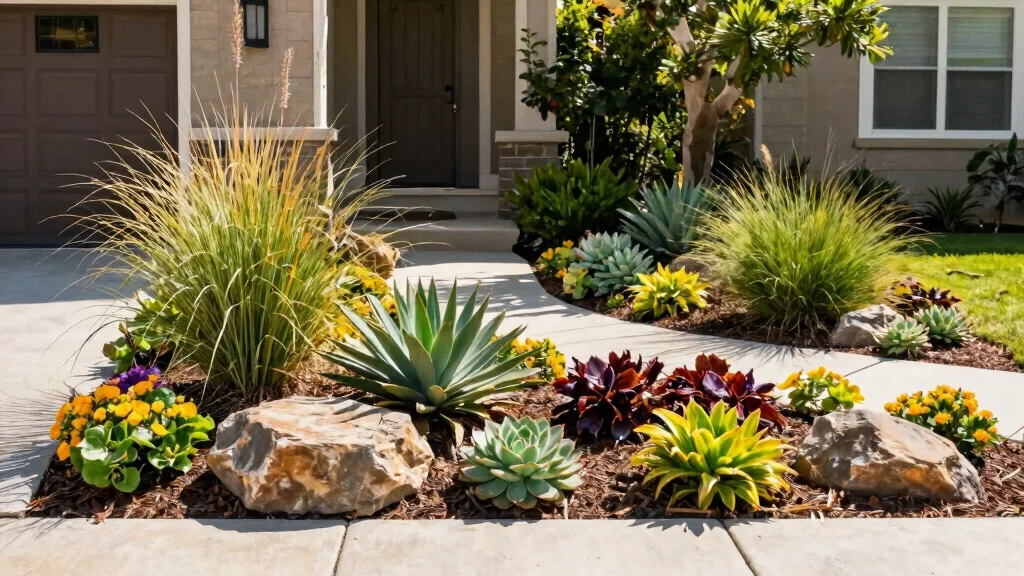
Creating a stunning front yard can feel challenging, especially when you live in a place where the sun blazes down and water is scarce. I decided to compile this guide because I know how hard it can be to find landscaping ideas that not only survive in full sun but also look fantastic. With the increasing importance of water conservation, many gardeners seek ways to create beautiful spaces without relying heavily on irrigation. This post is here to help you navigate those challenges.
If you’re someone who loves gardening but worries about the heat, you’re in the right place. Whether you’re a seasoned pro or just getting into landscaping, these ideas will inspire you. From colorful succulents to low-maintenance pathways, you’ll find inspiration that fits your lifestyle and preferences. I’ve gathered nine full sun landscaping ideas specifically for front yards that are not just practical, but also aesthetically pleasing. These concepts are perfect for anyone looking to bring beauty to their homes without sacrificing too much time or resources.
By the end of this post, you’ll discover how to create a vibrant and drought-tolerant landscape that thrives under the sun. You’ll get insights into heat-resistant plants and practical tips to design a front garden that looks incredible while requiring minimal upkeep. Let’s dive in!
Key Takeaways
– Explore a variety of full sun landscaping ideas that incorporate heat-resistant plants to ensure your garden thrives in sunny conditions.
– Learn about drought-tolerant landscaping techniques that help conserve water while still providing beauty to your front yard.
– Discover practical front yard garden design tips that emphasize low-maintenance options, making it easier to enjoy your space.
– Get inspired by unique style elements, such as colorful succulent gardens and ornamental grasses, that add both texture and flair.
– Find out how to incorporate edible landscaping to create a functional and attractive garden that benefits your home and lifestyle.
Recommended Products

Bold Summer Color: Enjoy double moss rose seeds for planting that produce ruffled, multi-petal flowers in vivid pink, yellow, red, and orange, attracting pollinators all season.
1. Colorful Succulent Gardens
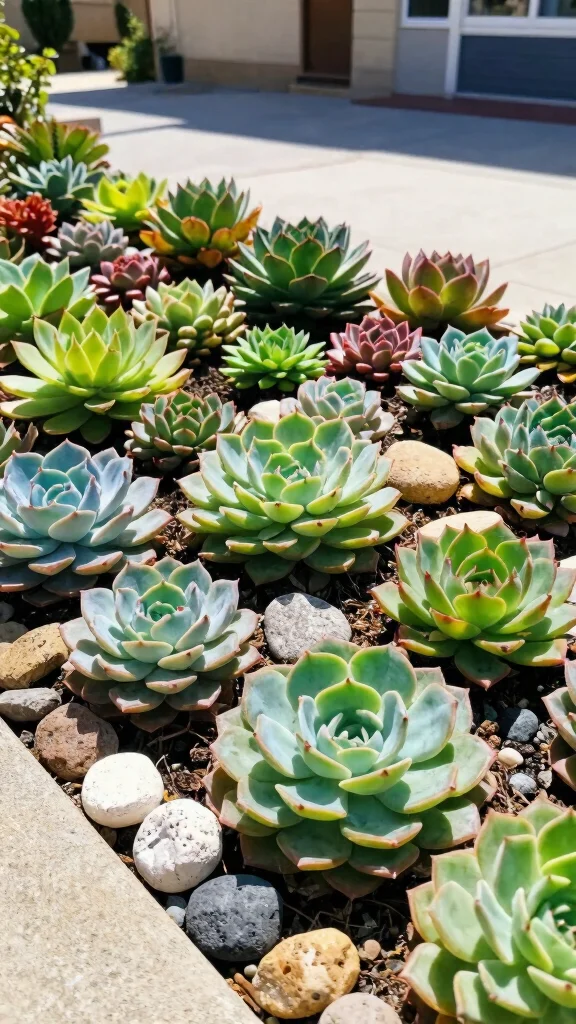
Are you looking for a vibrant, low-maintenance garden? Colorful succulent gardens might just be the answer. These remarkable plants thrive in the glaring sun and require minimal watering. You can create a captivating display by mixing various shapes and sizes, from bold agave to charming echeveria, showcasing a palette of greens and pastels.
Start by selecting a location that receives plenty of sunlight. Arrange your succulents in clusters or geometric patterns for a modern flair. Don’t forget to incorporate decorative stones to enhance the garden’s style while aiding in drainage.
Key steps to design your succulent garden:
– Choose a variety of shapes and colors for visual appeal.
– Position larger succulents as focal points.
– Incorporate gravel for better drainage.
With just a bit of care, your succulent garden will flourish through the summer, offering a stunning visual without the hassle.
Recommended Products

Luminous Edges - Blue-green leaves accented with red and golden margins that appear to glow in sunlight.

Elegance in Miniature - Angular blue-green leaves deliver all the dramatic beauty agaves are known for, but in a petite 3-inch form.

🌱 Rare and Unique Echeveria – This collection features rare Echeveria types. These succulents are perfect for plant collectors or anyone seeking distinctive, exotic greenery that stands out in any collection or decor.
Colorful Succulent Gardens
Editor’s Choice

ZOOFOX 10lb Natural Rocks Stones, Small Washed Gravel for Terrariums, Su…

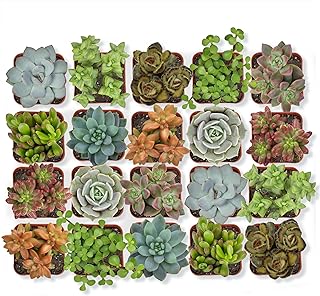
Altman Plants, Live Succulent Plants (20 Pack) Assorted Potted Succulent…

Rosy Soil Cactus and Succulent Organic Potting Soil Mix for House Plants…
2. Ornamental Grasses for Movement and Texture
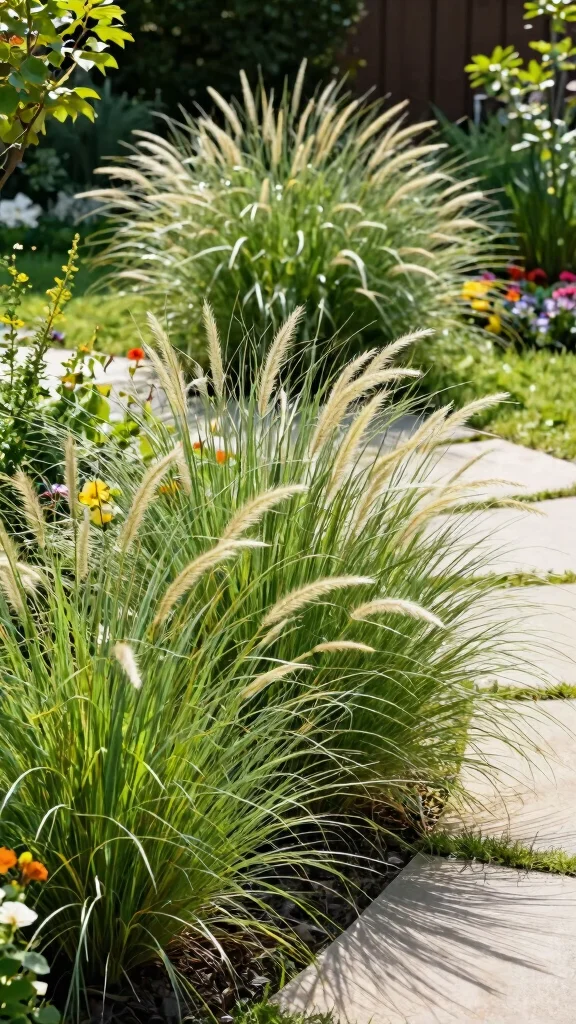
Want to add some dynamic movement to your landscape? Ornamental grasses are an excellent choice. These resilient plants thrive in full sun, offering a beautiful contrast to more rigid garden elements. Varieties like fountain grass and blue fescue can create soft, flowing textures that dance in the breeze, bringing your front yard to life.
Combine different grasses to create layers and add depth. Position them along pathways or around focal points to draw the eye. Mixing in some perennials can maintain interest throughout the seasons.
Explore design ideas with ornamental grasses:
– Group various heights for visual contrast.
– Frame statues or flower beds with grasses.
– Pair with colorful perennials for seasonal appeal.
The gentle rustling of these grasses enhances your garden’s atmosphere, making it feel like a peaceful retreat.
Recommended Products
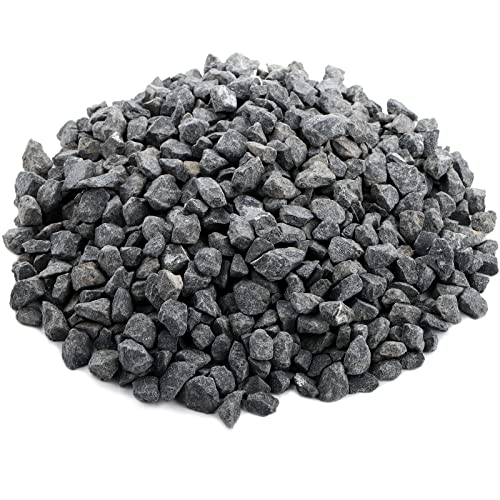
100% Natural Material: ZOOFOX small rocks stones are all natural. Their natural attribute will make them last longer because they will not deteriorate like mulch does.They have been only washed with water several times.

STRONG ADHESION: Our mulch gravel glue offers a strong bonding effect, keeping mulch, wood chips, shells, sand, pine grass, small pebbles, hay and straw, small gravel, and even leaf piles securely in place and preventing shifting or erosion caused by wind or foot traffic. By forming a strong bond with the mulch, our rock pea glue also eliminates the hassle of frequent replacement or reapplication, ensuring a long-lasting and low-maintenance landscape

【Note】Rocks are natural,the surface of the stone has its own powder. Some powders in package from processing and shipping. After receiving it, please clean it with water. The powder will decrease but will not completely disappear. If you receive a product that is missing weight or has quality
Top Varieties for Different Conditions
1. Agave Americana (Century Plant)
– Best conditions: Hot and dry climates, ideal for arid front yards.
– Key features: This majestic succulent features thick, spiky leaves that form a rosette. It requires little water and thrives under scorching sun, making it a perfect choice for low-maintenance gardens.
– Considerations: It can grow quite large, so ensure you give it enough space. Be mindful of its sharp edges when planting nearby other plants.
2. Rudbeckia hirta (Black-Eyed Susan)
– Best conditions: Full sun in temperate areas, suitable for colorful flower beds.
– Key features: Known for its bright yellow petals and dark centers, this perennial attracts pollinators and adds a cheerful glow to your garden. It’s hardy and can withstand drought once established.
– Considerations: While resilient, it can spread aggressively. Regular division will keep it in check while promoting healthier growth.
3. Lavender (Lavandula angustifolia)
– Best conditions: Sunny, well-drained areas in temperate to Mediterranean climates.
– Key features: Lavender not only smells divine but also produces beautiful purple flowers. It thrives on neglect, requiring minimal water and care once established.
– Considerations: It prefers alkaline soil. Heavy clay or overly moist conditions can lead to root rot, so ensure good drainage.
4. Sedum (Stonecrop)
– Best conditions: Drought-prone areas, perfect for rock gardens or as ground cover.
– Key features: Sedum comes in various shapes and colors, providing year-round interest. This hardy succulent requires little maintenance and is perfect for sunny spots.
– Considerations: Some varieties can become invasive, so monitor their spread and trim them back as needed.
5. Salvia (Sage)
– Best conditions: Full sun in well-drained soil, great for both ornamental and culinary gardens.
– Key features: Salvia boasts spikes of colorful flowers that attract bees and butterflies. They are drought-tolerant and can handle high heat well.
– Considerations: Some types can be short-lived, so consider mixing with other perennials for continuous blooms.
6. Echinacea (Coneflower)
– Best conditions: Full sun, suitable for a variety of soils including clay.
– Key features: Echinacea is not only beautiful with its striking flowers, but it’s also a powerhouse for attracting pollinators. It’s drought-resistant and can thrive in poor soil conditions.
– Considerations: It might need staking as it matures, especially in windy areas.
7. Ornamental Grasses (Miscanthus sinensis)
– Best conditions: Full sun or partial shade, ideal for borders or mass plantings.
– Key features: These grasses provide movement and texture to the landscape. They are low-maintenance and create beautiful plumes that catch the light.
– Considerations: Some varieties can grow tall, so place them where they won’t overwhelm smaller plants.
Climate/Condition Guide:
When selecting plants for your front yard, consider your local climate. For hot/dry zones, opt for succulents like Agave and Sedum. If you live in a temperate region, Black-Eyed Susans and Echinacea can brighten up your space. In humid areas, choose heat-tolerant perennials like Salvia, which can thrive despite the moisture. Always check your soil type and drainage before planting to ensure your plants’ success.
Growing Tips:
– Water newly planted items regularly until they establish roots. After that, reduce watering to promote drought resistance.
– Group similar plants together for easier maintenance and to create a cohesive look.
– Use mulch to help retain moisture and suppress weeds.
Avoid:
– Don’t plant water-loving species in dry areas; they will struggle and may die.
– Avoid overcrowding plants, as it can lead to poor air circulation and increase the risk of disease.
Recommended Products

Fragrant Purple Blooms: Elevate your garden aesthetic with Society Garlic's lavender-like, fragrant purple flowers that bloom from late spring to early fall.

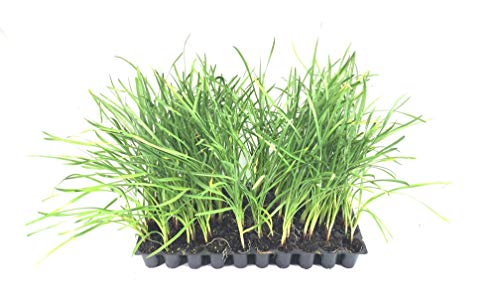
Society Garlic offers elegant, grass-like foliage and delicate purple blooms, making it a beautiful addition to any garden
Ornamental Grasses for Movement and Texture
Editor’s Choice

SVI 5000 Blue Fescue Seeds (Festuca glauca) – Ornamental Blue Fescue G…
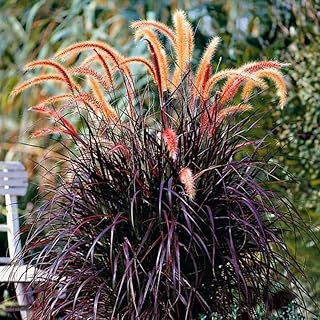
Pack 2 Fountain Grass Plants Live, Ornamental Grasses Live Plants Perenn…

Miracle-Gro Organic Outdoor Potting Mix – Plant Soil for Outdoor Contain…
3. Drought-Resistant Flower Beds
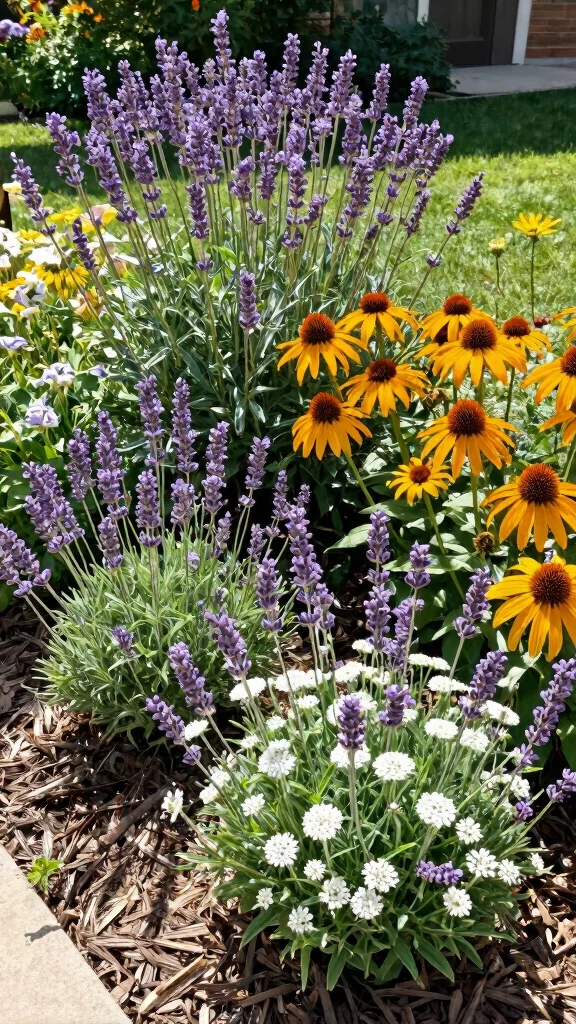
Looking to brighten up your front yard? Drought-resistant flower beds can deliver that burst of color you crave. Plants like lavender, yarrow, and coneflower not only thrive in heat but also attract beneficial pollinators. By planting in varying heights and colors, you can create a joyful, lively display that catches the eye.
To craft the perfect flower bed, consider using native varieties that require less care. Organize taller plants towards the back and shorter ones in front for a layered look. Adding organic mulch can help retain moisture and minimize weeds.
Follow these tips for a vibrant flower bed:
– Select native plants for easy maintenance.
– Layer plants for depth and interest.
– Use mulch to keep moisture in.
With thoughtful choices, your flower beds will bring color and life to your front yard all summer long.
Fun fact: Native, drought-resistant beds can cut watering by 40-60% without sacrificing color. Mix lavender, yarrow, and coneflower at varying heights to boost pollinators and curb appeal for your full sun landscaping ideas front yard.
Recommended Products

BRIGHT & COLORFUL BLOOMS ALL SEASON – Our moss rose seeds for planting outdoors (Portulaca grandiflora) produce vibrant blooms in a variety of colors, including red, pink, orange, yellow, white, and purple. As annual flower seeds, they add a brilliant touch to gardens, containers, and rock beds. Blooming from summer to fall, these flowers seeds for planting outdoors create a continuous display that’s ideal for transforming any outdoor space into a colorful paradise.


Drought-Resistant Flower Beds
Editor’s Choice

Back to the Roots 25.7qt (1 Cubic ft) Organic Premium Mulch

Lavender Seeds for Planting, English Lavender Seeds Indoor & Outdoor, 70…
4. Xeriscaping for Water-Wise Landscaping
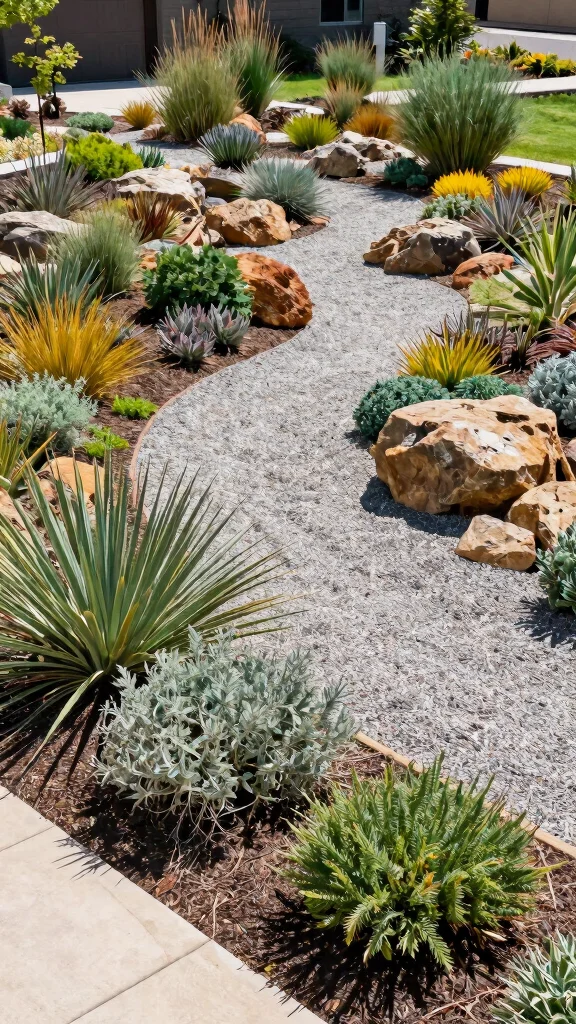
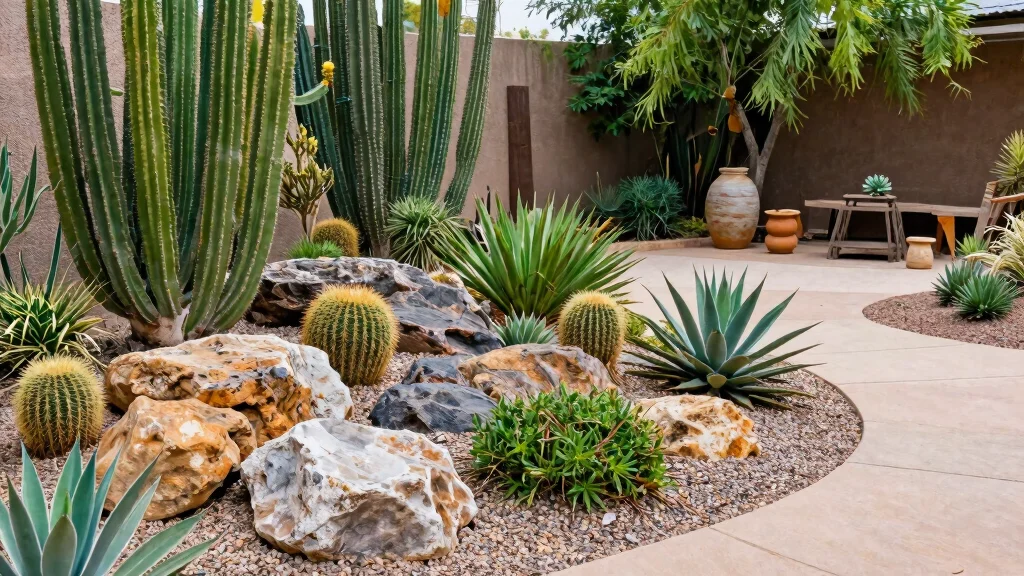
Interested in conserving water while beautifying your yard? Xeriscaping focuses on water-efficient landscaping techniques. By selecting drought-resistant plants and using strategic designs, you can create a stunning front yard that requires minimal water. This approach involves grouping plants with similar water needs and incorporating elements like rock gardens and mulch to reduce evaporation.
Start by choosing native plants that will thrive in your climate. Reduce lawn areas with hardscaping features to save water. Consider installing drip irrigation to provide targeted watering when necessary.
Essential principles of xeriscaping:
– Opt for native plants to ensure resilience.
– Use hardscaping to minimize grassy areas.
– Implement efficient irrigation systems.
Xeriscaping not only enhances your outdoor space but also significantly cuts down on water bills and maintenance, letting you enjoy your garden worry-free.
Fun fact: xeriscaping can cut outdoor water use by up to 50% in hot climates. Group plants by similar water needs, mulch deeply, and choose native, drought-tolerant species for a vibrant front yard. Try full sun landscaping ideas front yard that thrive on less irrigation.
Recommended Products
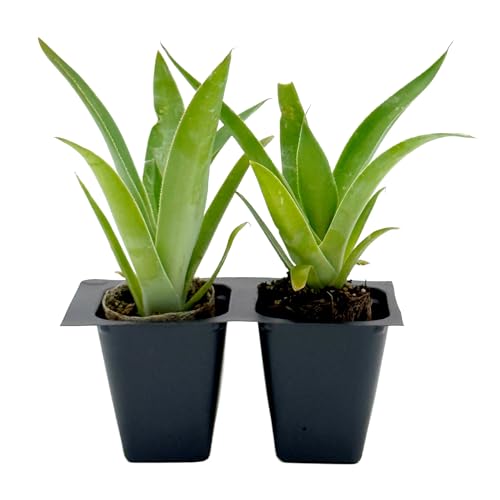
READY TO PLANT: Includes 2 Blue Flame Agave live starter plants (Agave ‘Blue Flame’) in 2.5-inch nursery cubes, fully rooted and ready for your garden beds, borders, and containers. Also known as Lions Tail Agave, Swans Neck Agave, or Foxtail Agave.

Strong Root System - Growing in our California farm, every succulent is carefully nurtured by gardener expert. Each succulent is fully rooted in 2 inch starter planter with succulent & cacti soil mix. They are larger, better established and much more resilient than less-established succulents. The plant container and soil are included

CREATE YOUR PLANT SANCTUARY: Create the Indoor or Outdoor Space of Your Dreams with Relaxing & Peaceful Echeveria Succulent Plants.
📹 Related Video: A Water Efficient Front Yard Landscape Tour | Xeriscape Landscaping Ideas
Xeriscaping for Water-Wise Landscaping
Editor’s Choice
Scotts Nature Scapes Color Enhanced Mulch Deep Forest Brown – Wood Shred…

Pulovin 15 lbs River Rocks for Plants, 1-1/2 inch Decorative Garden Rock…

Moss Rose Seeds Bulk Pack – 50,000+ Heirloom Portulaca Seeds for Plantin…
5. Minimalist Rock Gardens
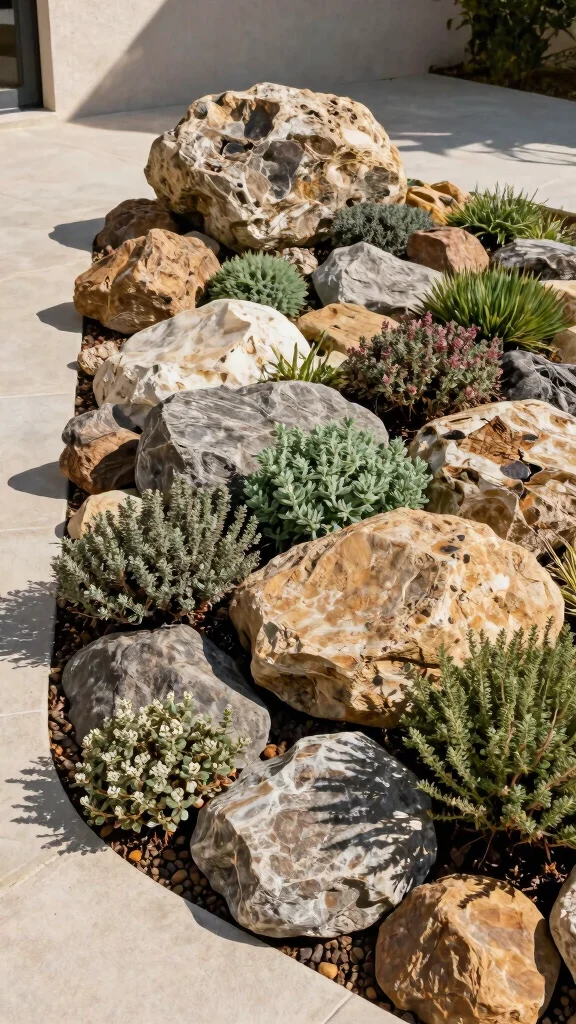
Seeking a modern, low-maintenance garden? A minimalist rock garden could be the perfect solution. This design highlights the beauty of stones alongside select drought-tolerant plants. By using various sizes and colors of rocks, you can create a visually striking focal point that thrives in full sun.
Choose rocks of different sizes to add depth and plant hardy varieties like sedum or thyme between them for texture. Gravel can serve as a base, promoting drainage while enhancing the overall aesthetic.
Tips for creating your rock garden:
– Use assorted rock sizes for visual interest.
– Plant between rocks for a natural look.
– Incorporate gravel for improved drainage.
This style provides a clean, contemporary vibe while effortlessly thriving in sunny conditions.
A minimalist rock garden thrives in full sun and requires almost no maintenance. Mix varied rocks with thyme and sedum, and gravel for drainage, a standout element in full sun landscaping ideas front yard.
Recommended Products


WATER-BASED LANDSCAPE ADHESIVE:Water-based acrylic formula designed to bond gravel, pebbles, decorative rocks and mulch. Dries clear to help maintain the natural appearance of your landscaping without leaving a noticeable residue

UNIVERSAL LANDSCAPING ADHESIVE: This rock glue for landscaping works with mulch, pea gravel, pebbles, small stones, wood chips, shells, sand, pine straw, hay straw, leaf piles, rubber mulch, and decorative ground cover. Ideal for gardens, patios, paths, walkways, borders, and flower beds
You might also like
Minimalist Rock Gardens
Editor’s Choice

Drought Tolerant Wildflower Mix – 20,000+ Seeds – 1 oz Bulk Extra La…
ZOOFOX 10lb Natural Rocks Stones, Small Washed Gravel for Terrariums, Su…

3lb Cactus Pea Gravel Rocks,1/5 Inch Pebbles for Indoor Plants, Natural …
6. Edible Landscaping
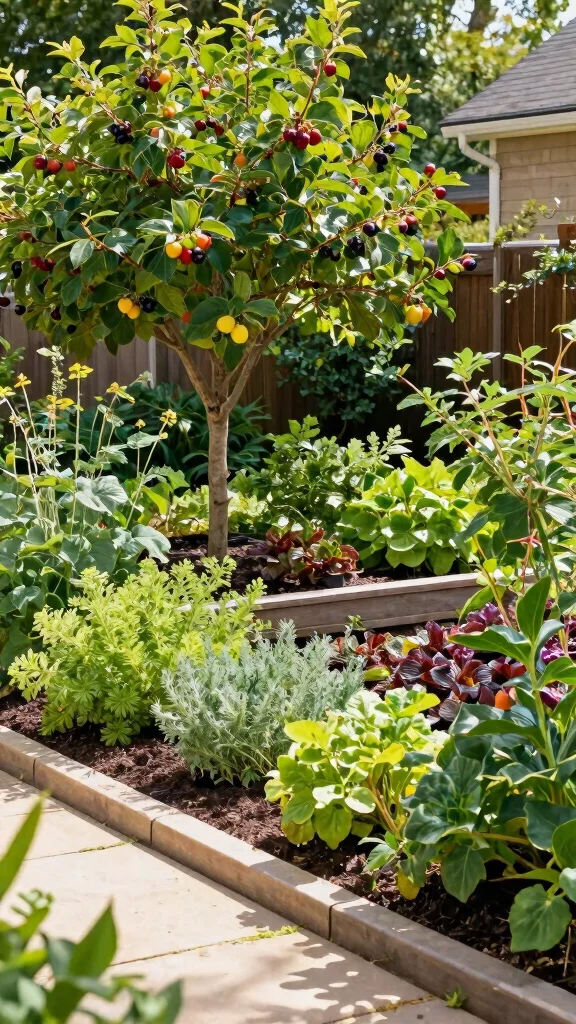
Why not blend beauty and functionality? Edible landscaping allows you to enjoy fresh produce right from your front yard. By incorporating heat-resistant plants like figs, pomegranates, and herbs, you can create a garden that is as practical as it is pleasing to the eye.
Mix ornamental plants with edibles to create a visually stunning garden. Consider raised beds for your vegetables and herbs, making maintenance easier. You can also use trellises for climbing plants such as tomatoes or cucumbers, maximizing your space.
Ideas for edible landscaping:
– Combine ornamental and edible plants for diversity.
– Create raised beds for easy access.
– Use trellises to save space.
This approach enhances your landscape while providing fresh ingredients for your meals, making your garden both beautiful and beneficial.
Recommended Products


High Germination Rate ((Abelmoschus esculentus))- Achieve a lush vegetable garden with our okra seeds, boasting high germination rate for consistent, reliable growth. Perfect for both novice and experienced gardeners, ensuring bountiful harvests with minimal effort.

READY TO PLANT: Includes 2 Bay Laurel live starter plants (Laurus nobilis) in 3.5-inch nursery cubes, fully rooted and ready for your landscape, hedges, privacy screens, containers, and herb gardens. Also known as Sweet Bay, True Laurel, and Grecian Laurel.
Edible Landscaping
Editor’s Choice

Heat & Drought Tolerant Vegetable Seeds Collection – 10 Variety Pack for…

6x2x2FT Galvanized Raised Garden Bed,Planter Raised Beds-Metal Garden Bo…

1 Pack Garden Obelisk Trellis for Climbing Plants Outdoor, 6FT Adjustabl…
7. Perennials for Seasonal Beauty
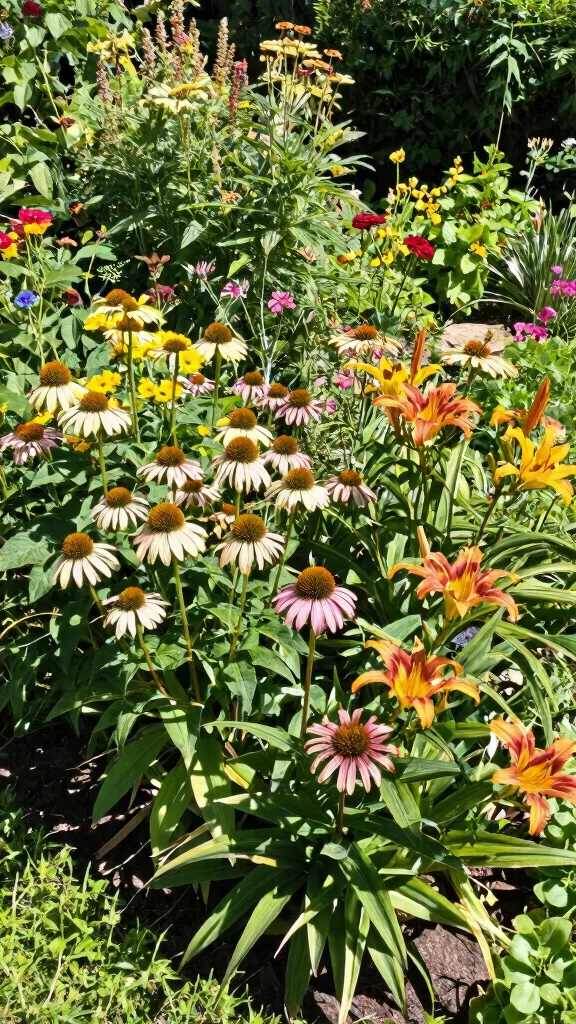
Want a garden that blooms year after year? Perennials are the perfect choice for creating lasting beauty. By selecting heat-tolerant varieties like echinacea, daylilies, and sedum, you can ensure a vibrant yard that thrives in full sun and requires minimal upkeep.
When planting, group perennials with similar water and sunlight needs. Deadheading spent flowers encourages new growth, while mulching helps retain moisture and control weeds.
Care tips for your perennial garden:
– Group plants by their water needs for easier care.
– Deadhead blooms to promote more flowers.
– Apply mulch to keep the soil moist.
With a little planning, your garden will transition beautifully through the seasons, providing a captivating landscape all year long.
Recommended Products

Superfood Edible Green: Purslane seeds for planting grow nutritious edible greens rich in Omega-3, Vitamins A, B & C. Ideal heirloom seeds for herb garden, kitchen gardens, and home garden beds in zones 5–11.


3 Aeonum Sunburst will be Shipped in Cuttings (without Soil) for safe handling and easy planting
Perennials for Seasonal Beauty
Editor’s Choice

Horbäach Echinacea Goldenseal Supplement | 300 Capsules | Traditional H…

Stella D’oro Yellow Daylilies – 10 Bare Root Perennials Re-Bloomer
Back to the Roots 100% Organic Mulch, 58 Quart, Expanding Coconut Husk B…
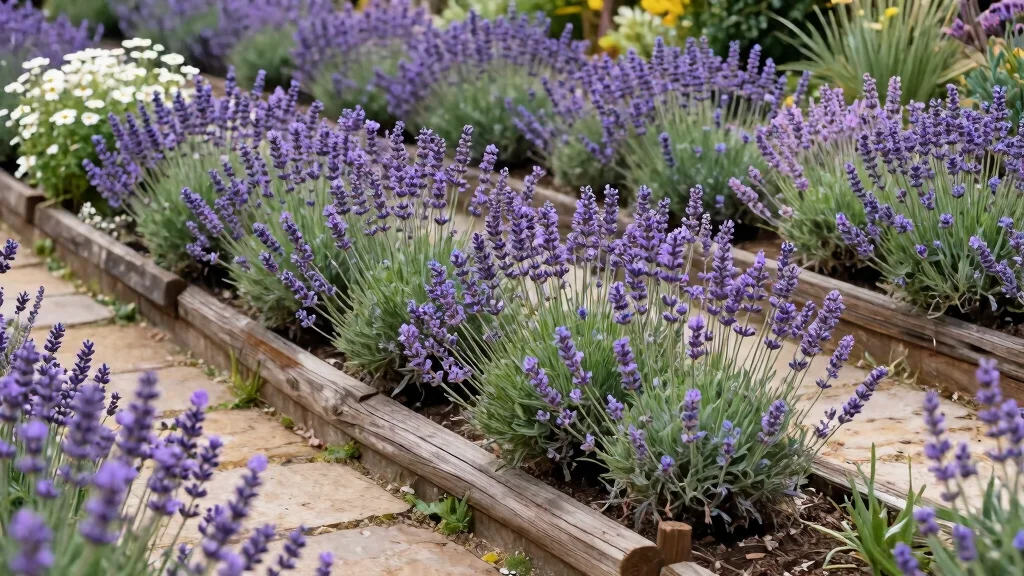
8. Native Plant Landscapes
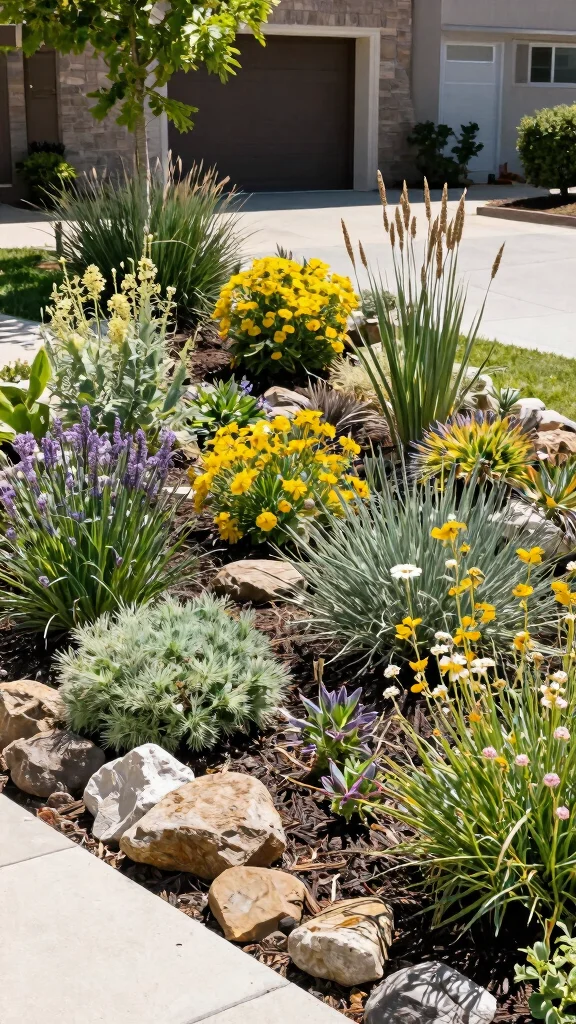
Want to celebrate your local ecosystem? Native plant landscapes offer a unique way to embrace the beauty of your surroundings. These plants are adapted to your climate and soil, making them a low-maintenance choice that excels in sunny conditions.
Incorporating native plants into your front yard creates an inviting aesthetic while supporting local wildlife. They naturally require less water and are less dependent on fertilizers and pesticides.
Benefits of choosing native plants:
– Low water requirements due to natural adaptations.
– Attract beneficial wildlife and pollinators.
– Reduced need for chemical treatments.
Your front yard can flourish with vibrant native plants, contributing to a healthier ecosystem right in your neighborhood.
Recommended Products

Exercise caution and use your best judgment before ordering during unusually hot or cold weather (below 32 degrees F, or in excess of 95F for shipping purposes), as these extremes may leave your plant vulnerable to damage. The optimal time for planting for most of our material is in mid to late spring, past the danger of hard frost. Please refer to our preferred shipping and planting guide for your area below.

Echeveria 'Fiona' - A lovely medium succulent with neat, compact rosettes of thick, obovate, fleshy leaves. The foliage ranges from silvery blue to lavender and soft purple, coated in a fine white farina, blushing bright pink and red at tips and margins in full sun and cool temperatures. This hardy hybrid offsets freely to form beautiful clusters, matures to 12–18 cm wide, and blooms with small orange bell-shaped flowers in late spring to early summer

About this item
You Might Also Like
Native Plant Landscapes
Editor’s Choice
Back to the Roots 100% Organic Mulch, 58 Quart, Expanding Coconut Husk B…

Native Plants of the Northeast: A Guide for Gardening and Conservation
9. Stylish Pathways
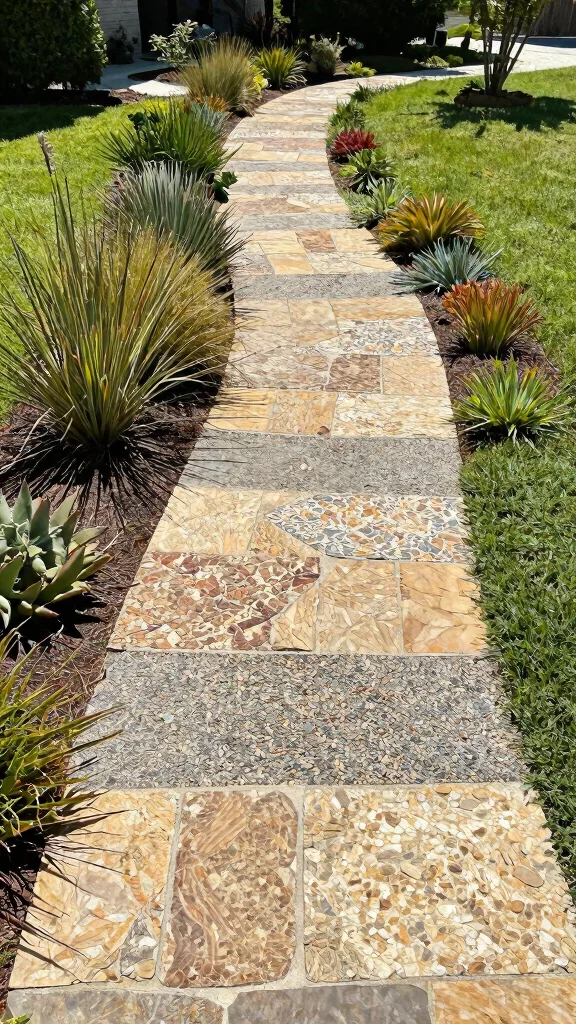
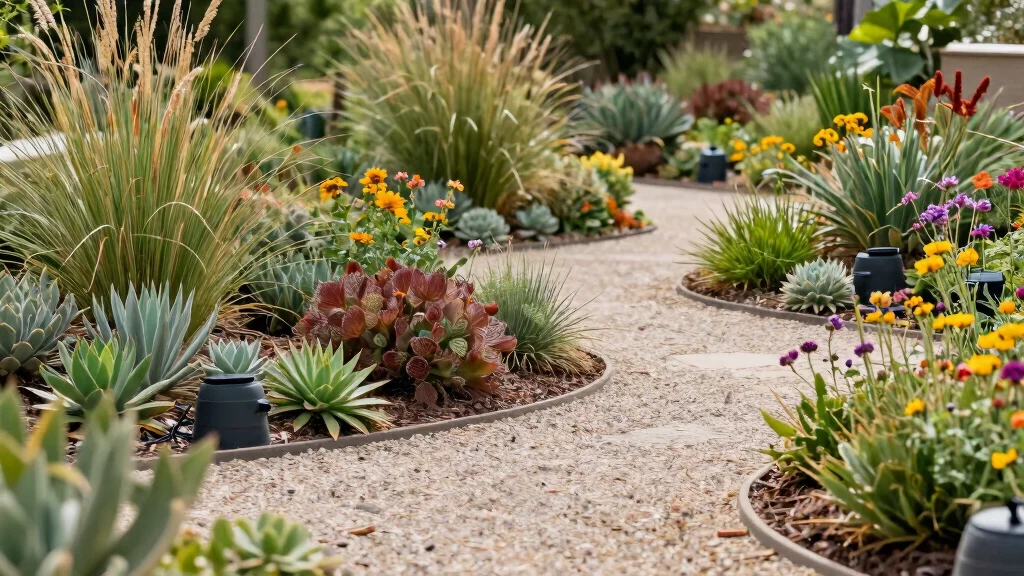
Looking to enhance your garden’s appeal? Stylish pathways can beautifully connect various landscape elements. Using materials like stepping stones, decorative gravel, or concrete pavers creates a functional yet attractive design. Integrate drought-tolerant plants along the edges for a seamless transition between features.
Consider designing pathways with gentle curves for a more natural feel. Adding lighting can create a cozy atmosphere in the evenings, while decorative stones or sculptures can serve as eye-catching focal points along the way.
Pathway design ideas:
– Incorporate curves for natural flow.
– Add lighting for evening ambiance.
– Use decorative elements for added interest.
A well-designed pathway not only enhances your front yard’s beauty but also invites exploration, turning your garden into a delightful journey.
Stylish Pathways
Editor’s Choice

Gravel Riding Made Simple: A technically sound and calm introduction to …

BITPOTT Bright Solar Pathway Lights Outdoor, 8 Pack Solar Powered Garden…

Sekcen 3 Pack Rubber Stepping Stones Outdoor Garden Rubber Pavers Pathwa…
Conclusion
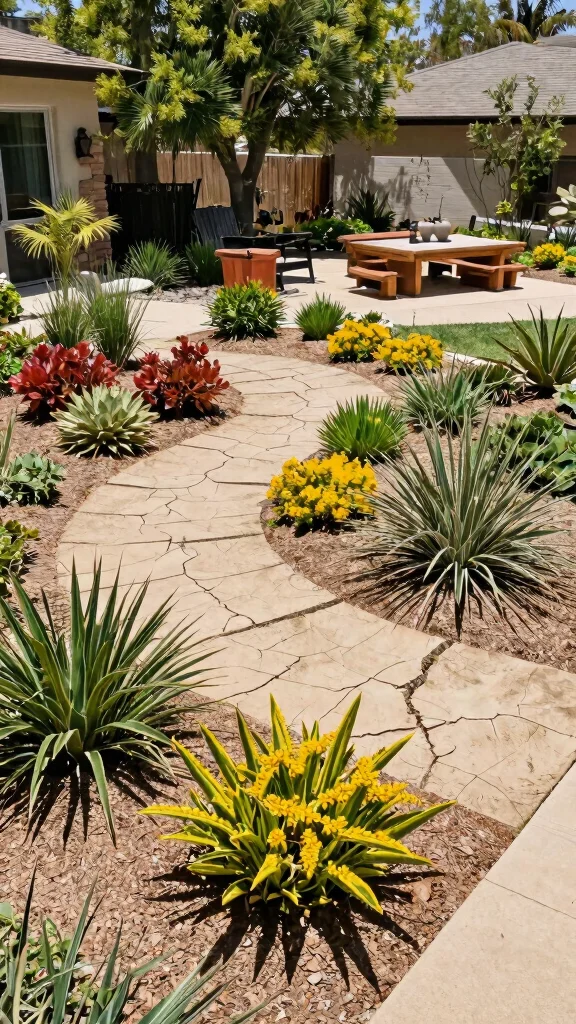
Creating a beautiful, drought-resistant front yard doesn’t have to be a challenge.
With these nine full sun landscaping ideas, you can design an outdoor space that thrives under the heat while also enhancing your home’s curb appeal.
From colorful succulent gardens to stylish pathways, there are plenty of options to inspire your next landscaping project. Don’t forget to incorporate heat-resistant plants and sustainable landscaping practices to keep your yard looking fantastic all summer long!
Note: We aim to provide accurate product links, but some may occasionally expire or become unavailable. If this happens, please search directly on Amazon for the product or a suitable alternative.
This post contains Amazon affiliate links, meaning we may earn a small commission if you purchase through our links, at no extra cost to you.
Frequently Asked Questions
What are the best heat- and drought-tolerant plants for full sun front yards?
For a front yard that handles heat and drought, start with proven heat-resistant plants such as Russian sage, lavender, yarrow, agave, sedum, and blanket flower. Pair taller varieties with low-growing groundcovers like creeping thyme to reduce water use.
Plant in well-drained soil, add a 2-3 inch mulch layer to conserve moisture, and water deeply but infrequently until established. When planning, remember these full sun landscaping ideas front yard that thrive in heat. Monitor for leaf scorch during peak heat and adjust watering accordingly.
Pro tip: group plants with similar water needs to simplify maintenance and create a cohesive look.
How can I design a low-maintenance front yard that still looks incredible in full sun?
Start with a simple structure: a focal point, a clear path, and a limited color palette. Choose drought-tolerant landscaping shrubs and perennials that suit your climate. Use mulch and permeable hardscape to reduce irrigation, and install drip irrigation or smart sprinklers to water deeply in the morning.
Hardscape and mulch cut upkeep dramatically, keeping your front yard garden design manageable.
Tip: pick plants with similar sun and water needs so your irrigation schedule stays simple and efficient.
What practical tips help my sunny front yard survive a hot summer without much watering?
Create microclimates with shade structures like pergolas and strategically placed trees, and choose heat-resistant plants with silver or blue foliage. Water deeply and infrequently using a drip system, and collect rainwater with a barrel to boost drought resilience.
Also group plants by water needs (hydrozoning) and use a light, reflective mulch to reduce soil temperature. This approach is at the heart of sunny garden tips for a full sun landscaping ideas front yard that stay vibrant in heat.
How do I choose plants that will thrive in full sun with high heat in an urban front yard?
Start by evaluating microclimates, sun hours, and soil drainage. Favor drought-tolerant landscaping plants such as agave, ornamental grasses, yarrow, coreopsis, and dyssodia for heat tolerance. Decide whether to plant in-ground or in containers based on soil quality and root competition. Use light colors or reflective leaves to reduce heat absorption, and plan for irrigation that matches sun exposure and rainfall patterns.
What maintenance tips keep a drought-resistant full sun front yard looking great year round?
Prune after flowering to keep shapes tidy, deadhead regularly to encourage continuous blooms, and replace spent annuals with sturdy perennials to reduce workload.
Keep mulch fresh and inspect irrigation lines for leaks. Fertilize sparingly and schedule seasonal checks to adjust watering for seasonal changes. With these low-maintenance landscaping and front yard garden design habits, your sunny space stays vibrant with less effort.
Related Topics
full sun landscaping
drought-tolerant plants
urban gardening
heat-resistant plants
low-maintenance landscaping
front yard design
sunny garden tips
easy landscaping
sustainable gardening
xeriscaping
beginner friendly
summer garden ideas