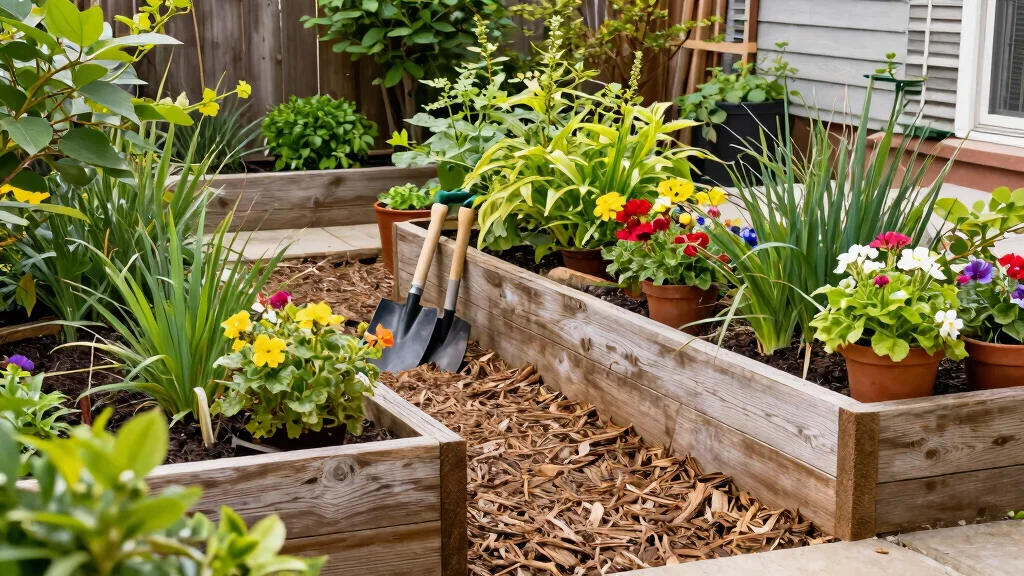
Transforming your yard can be an exciting yet daunting task. You might be craving a fresh outdoor space that reflects your style and supports sustainable living. With urban areas getting smaller, designing a beautiful and functional yard is more important than ever. That’s why I created this guide. I want to help you explore eight creative landscaping plan ideas that will empower you to change your yard from the ground up.
If you are a gardening enthusiast, a busy urbanite, or someone eager for a DIY project, you will find this post valuable. Whether you’re looking to enhance small urban spaces or just want to make your garden more enjoyable, these ideas cater to your desires. You’ll discover not just basic tips, but inspiring yard transformation ideas, practical garden layout concepts, and ways to plan your outdoor space sustainably.
In this post, you’ll get easy-to-follow landscaping plan ideas that are not only beautiful but also eco-friendly. From vertical gardens to seasonal planting, each section will provide you with the confidence and creativity needed to make your yard a delightful retreat. Let’s dig in!
Key Takeaways
– Vertical Gardens: Use vertical space to grow plants and maximize your yard’s green potential, especially in small areas.
– Native Plant Landscaping: Incorporating local plants can add beauty while supporting local ecosystems.
– Container Gardening: Flexible and stylish, container gardening allows you to arrange plants easily and move them as seasons change.
– Edible Landscaping: Combine beauty and functionality by growing fruits and vegetables alongside decorative plants.
– Sustainable Materials: Choosing eco-friendly materials for features like pathways and water elements helps protect the environment while enhancing your yard’s aesthetic.
Recommended Products

Innovative Space-saving Design: maximize your gardening potential with our stackable wall planter system; Each piece measures 9.45" x 5.71" x 5.51" and features two pockets, The overall dimensions are 47.5"x33"x5.5" offering ample growth space for a variety of plants; Nice for Fence Balcony Wall Decor, these vertical wall planters change limited spaces into gardens effortlessly
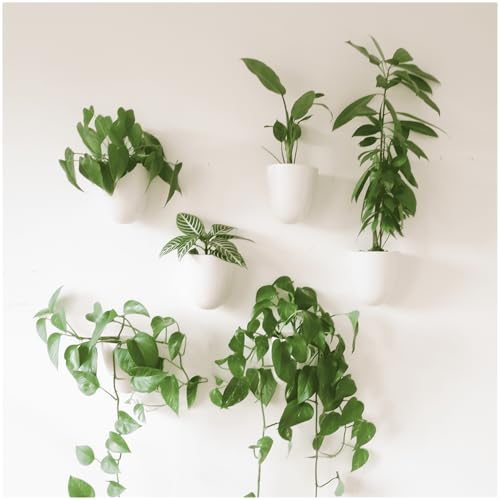
Self-watering system means you can often go weeks without watering plants
1. Vertical Gardens: Going Up for Green Space
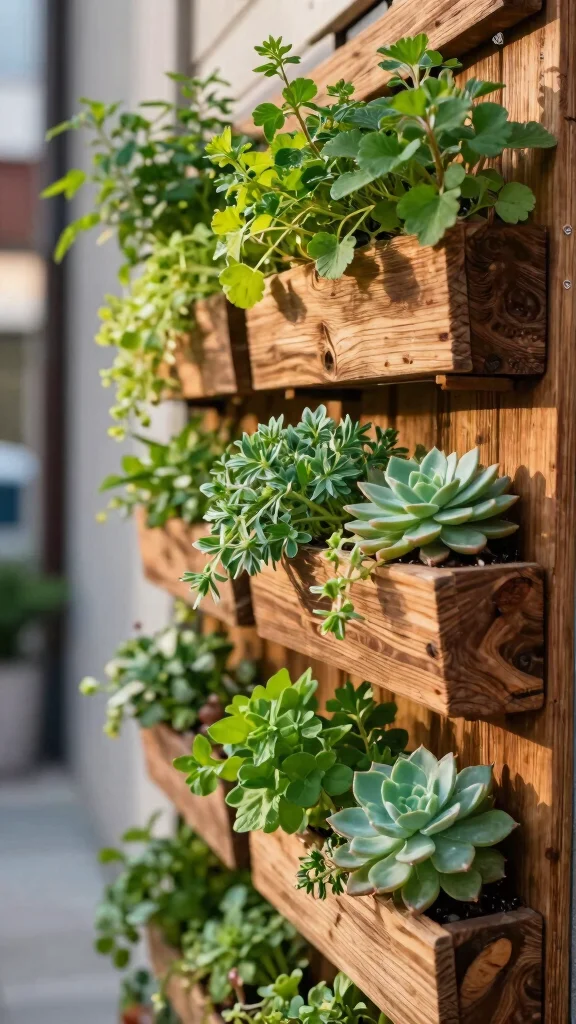
If your outdoor area feels cramped, consider taking your garden vertical! Vertical gardens are an amazing way to create lush greenery without sacrificing precious ground space. By using walls or trellises, you can turn a dull area into a beautiful vertical landscape filled with herbs, flowers, or even ornamental plants that catch the eye.
Start by selecting a mix of plants that thrive in your climate, such as vibrant flowering vines or fragrant herbs. Use wall-mounted planters or hanging pots for easy installation. To simplify care, think about adding a drip irrigation system to keep your plants healthy with minimal effort.
Key benefits of vertical gardens:
– Maximize Space: Ideal for small patios or balconies.
– Visual Interest: Create layers of greenery for added depth.
– Air Quality Boost: Plants help filter and cool the surrounding air.
Taking on this project can be a rewarding DIY experience! Use reclaimed materials to build your structure, and watch as your yard transforms into a stunning green retreat that elevates your outdoor experience.
Did you know vertical gardens can triple your planting area in a small space? A smart landscaping plan uses wall-mounted planters and trellises to grow herbs, flowers, and greens up high—without sacrificing ground space. Start small, climb high, and harvest more.
Recommended Products

【Universal 1/4 Inch Size Set】- Designed for US market compatibility,MIXC new drip irrigation system set uses 1/4 inch (6mm) components to address potential mismatches with standard hoses, unlike some 5/16 inch systems. It includes 2-way connectors, tubing, and 3-way connectors to help users set up DIY garden irrigation more conveniently.

Adjustable Water Flow: The drip emitter can be adjusted to stop, micro-drip, and spray so that you can use the water drip system to water many kinds of plants in your garden. Moreover, the drip emitters have a support stake for easy placement in the soil
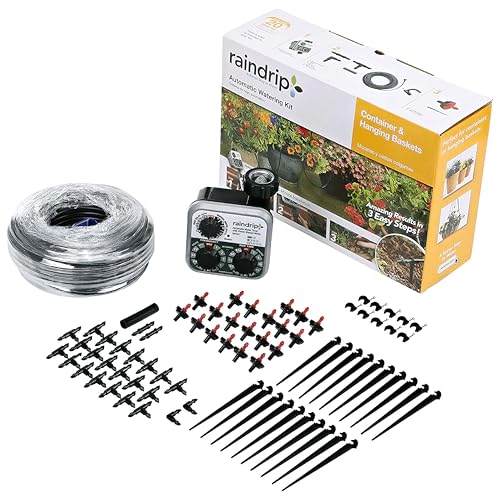
Save Time and Effort: This Raindrip drip irrigation kit includes everything you need to create a drip watering system for potted plants and precisely water up to twenty plants, saving time and effort while keeping your garden healthy
Vertical Gardens: Going Up for Green Space
Editor’s Choice

6 Pack Hanging Planter Wall Planter Self Watering 5 inch Plant Pot with …


2 Pack Cucumber Trellis, 34″×48″ Garden Trellis for Climbing Plants Out…

Make Good PlantPod Luxe – Self-Watering Wall Planters (Set of 6) – Easy …
2. Native Plant Landscaping: A Local Touch

Choosing native plants for your garden is a fantastic way to support local ecosystems while simplifying your gardening routine. These plants are perfectly suited to your local climate and soil, making them easier to care for and more resilient against pests.
By incorporating a variety of native grasses, colorful flowers, and sturdy shrubs, you can create a vibrant, eye-catching garden. Adding mulch made from organic materials helps retain moisture and enhances sustainability, ensuring your plants thrive year-round.
Reasons to love native plants:
– Boost Biodiversity: Attract essential pollinators like bees and butterflies.
– Water-Saving: Minimize irrigation once established.
– Natural Pest Resistance: Reduce reliance on chemical treatments.
Designing a native plant garden is not only fulfilling but also contributes positively to the environment. Visit local nurseries to find a range of native species that will harmonize with your yard’s unique conditions.
Recommended Products

PREMIUM CALIFORNIA WILDFLOWER MIXTURE. Elevate your garden with Sweet Yards California Wildflower Mixture, a bulk 1-ounce packet bursting with over 7,000 native seeds. This open-pollinated and non-GMO mix is thoughtfully curated for maximum beauty and biodiversity.
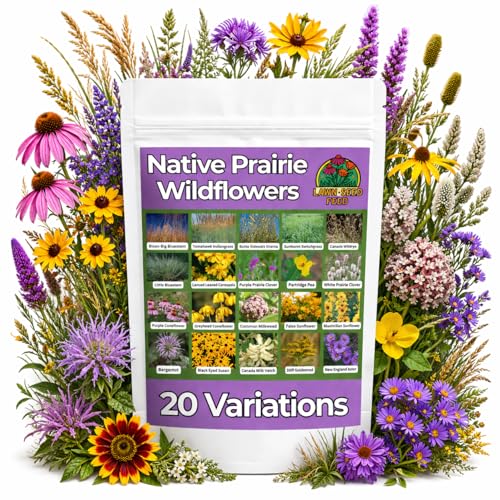
RESEALABLE POUCH FOR MAXIMUM SEED FRESHNESS: Wildflower seeds are packaged in a durable, resealable pouch designed to protect against moisture, air, and light exposure. This prevents mold, premature germination, and seed damage-ensuring long-lasting viability, higher germination rates, and reliable planting results

Used Book in Good Condition
Native Plant Landscaping: A Local Touch
Editor’s Choice

NATIVE PLANTS FOR THE SMALL YARD: Easy, Beautiful Home Gardens that Supp…

Native Wildflower Seeds for Planting 24 Variety Pack – Perennial & Ann…
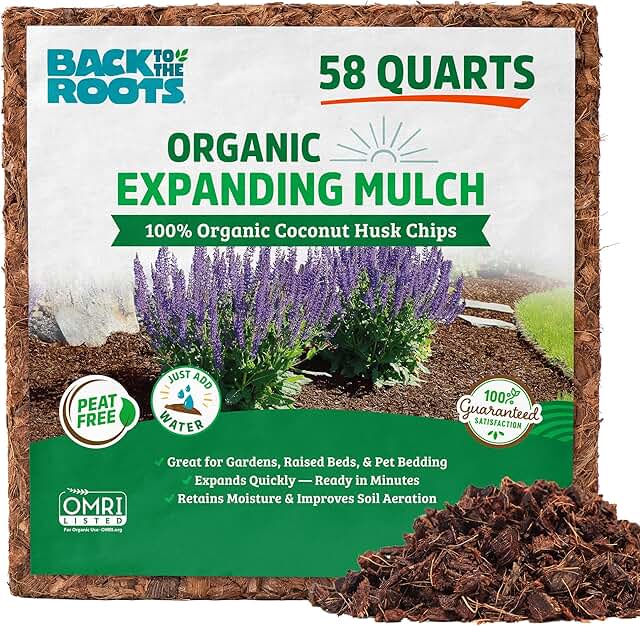
Back to the Roots 100% Organic Mulch, 58 Quart, Expanding Coconut Husk B…
3. Container Gardening: Flexibility and Style
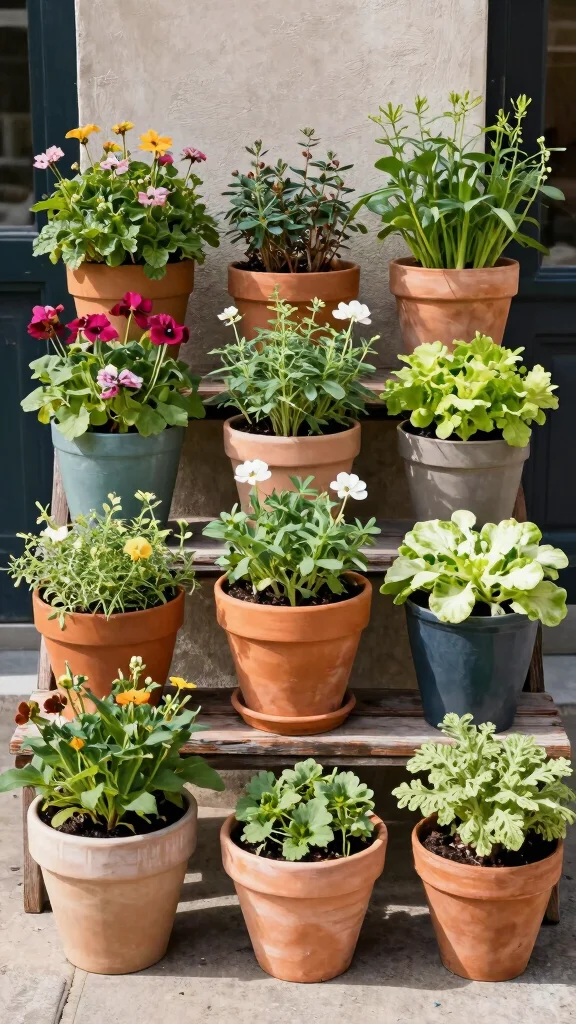
Container gardening offers a perfect blend of creativity and practicality, especially when space is limited. With an array of pots—from eye-catching ceramic to rustic wooden options—you can easily express your personal style while enjoying the flexibility of moving them as needed.
Consider mixing various plants to create a dynamic arrangement. Use cohesive colors or materials to bring a sense of unity to your space. Group containers according to sun exposure for optimal growth and aesthetic appeal.
Container gardening tips to get started:
– Select Suitable Pots: Ensure they have drainage holes to prevent waterlogging.
– Mix it Up: Combine flowers, herbs, and even vegetables for diversity.
– Create a Theme: Designate areas like a cozy herb corner or a vibrant flower cluster.
This gardening approach empowers urban dwellers to claim their outdoor space, regardless of size. Enjoy the process of arranging your containers, and feel free to experiment with stacking or tiered designs for added flair!
Recommended Products


Contains natural ingredients to feed microbes in the soil
Container Gardening: Flexibility and Style
Editor’s Choice

Baotree 5 Tiers Vertical Wooden Raised Garden Bed, Tiered Standing Garde…

INGOFIN 12 Inch Terracotta Pot with Saucer – Ceramic Clay Pot for Plants…

Selamica Ceramic Plant Pots, 5.6 Inch Flower Pots for Indoor Plants, Pla…
4. Edible Landscaping: Beauty Meets Function
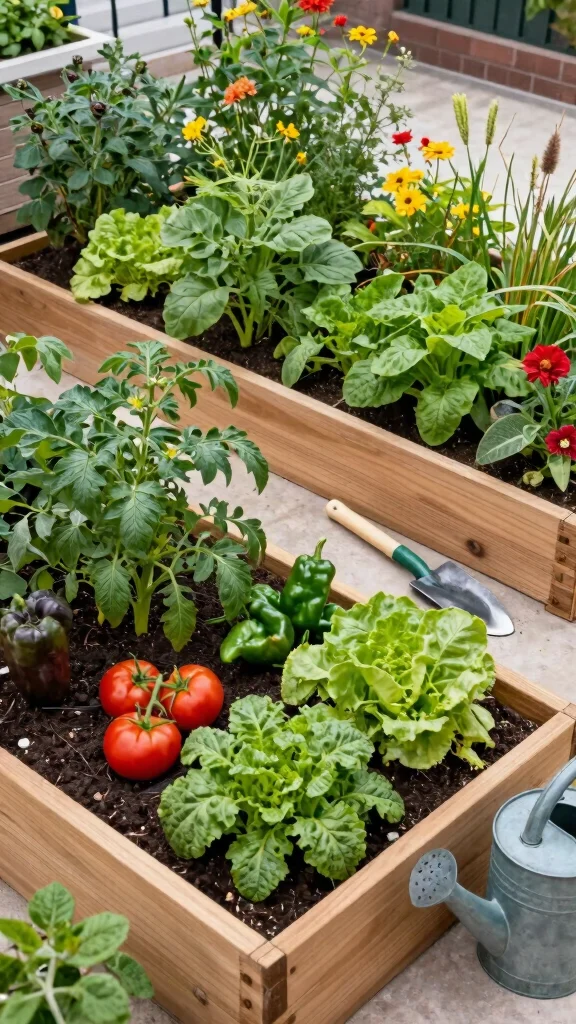
Why not infuse your garden with delicious beauty? Edible landscaping combines the charm of ornamental plants with the functionality of growing your own fruits, vegetables, and herbs. Picture strolling through your yard and plucking fresh ingredients for your meals right from the source!
When designing your edible landscape, think about layering plants, with taller varieties like tomatoes at the back and shorter herbs in front. Choose visually appealing options like colorful peppers to enhance both aesthetics and utility.
Tips for successful edible landscaping:
– Layer Your Garden: Position taller plants behind shorter ones for depth.
– Select Attractive Varieties: Incorporate colorful fruits and vegetables.
– Utilize Borders: Plant herbs along pathways for easy access.
Creating an edible garden not only saves money but also promotes healthier eating habits. Plus, the satisfaction of seeing your plants grow and produce is immensely rewarding. Engage in DIY projects like raised beds to maximize your gardening space effectively!
Recommended Products

𝐅𝐥𝐞𝐱𝐢𝐛𝐥𝐞 & 𝐄𝐚𝐬𝐲 𝐭𝐨 𝐈𝐧𝐬𝐭𝐚𝐥𝐥: Each panel measures 40" (L) × 5" (H), including 3" underground stakes for strong anchoring, leaving 2" visible above ground for a clean, low-profile border. The hammer-in design makes installation fast and effortless—perfect for creating neat, professional-looking edges without digging.

No Digging: These landscape edgings are simple to install. Just hammer these spikes into the ground to reinforce the shape to prevent warping. It's easy to create a beautiful garden by yourself without hiring a professional.

What You Get: Landscape edging kit included a 20ft edging coil 4 inch tall, 30Pcs metal staples. More staples help you design more professional landscape
You might also like

Edible Landscaping: Beauty Meets Function
Editor’s Choice

LEETOLLA Elevate 32″ Tall Raised Garden Bed Outdoor with Wheels & Shelf …

Garden Tools Set, 3 Pack Heavy Duty Gardening Tools Set Include Garden S…
25 Most Popular Herb Seeds Variety Pack – 11,700 Non-GMO Heirloom Seeds …
5. Sustainable Materials: Eco-Friendly Choices
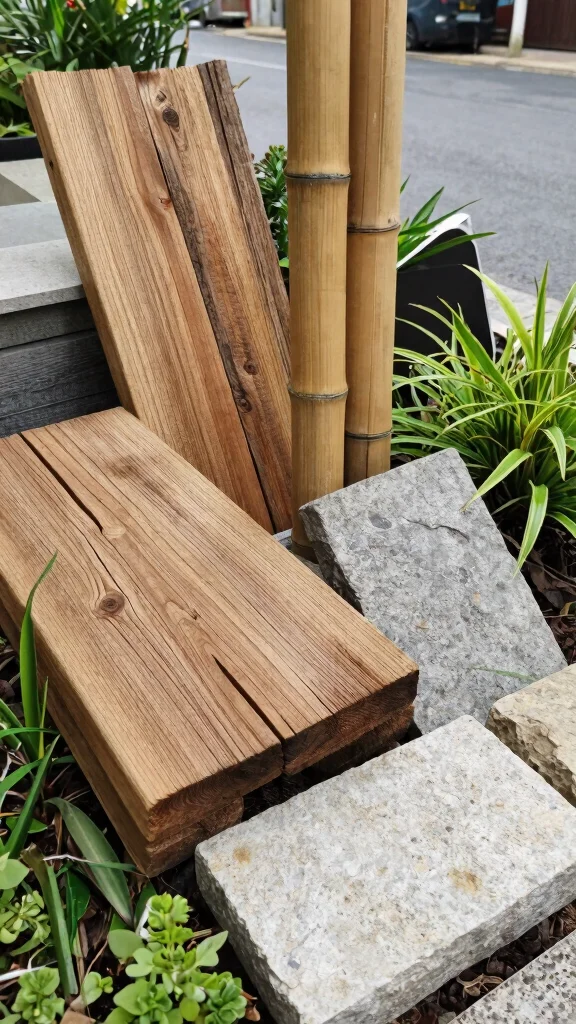
The materials you choose for landscaping can greatly impact the environment. By opting for sustainable options, you enhance your yard’s aesthetics while showing a commitment to nature preservation.
Consider using reclaimed wood for raised beds or bamboo as a renewable fencing solution. Recycled stone or brick can create charming pathways and walls while minimizing waste.
Eco-friendly material ideas:
– Reclaimed Wood: Perfect for garden beds and furniture.
– Bamboo: A versatile, renewable material for structural elements.
– Recycled Stone: Adds character to paths and walls.
Incorporating sustainable materials helps lower your carbon footprint and often contributes to a rustic, inviting garden style. Search local sources for unique reclaimed materials that can elevate your landscaping, and enjoy the journey towards a sustainable garden!
Did you know that up to 40% of urban waste comes from construction materials? Choosing reclaimed wood for beds and recycled stone for paths can dramatically cut waste and slash the embodied energy of your landscaping plan by up to 25%. Go bamboo fencing for a renewable, stylish look!
Recommended Products

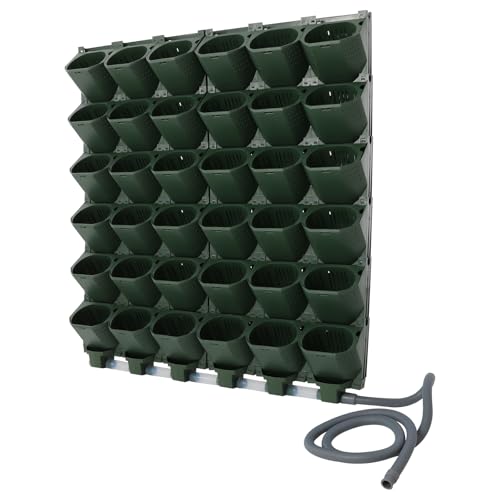
【36 Pocket Vertical Garden】Features 36 individual planting pockets, allowing you to grow herbs, flowers, succulents, strawberries, vegetables, and other plants while maximizing vertical space.
【Smart Timer & Rain Sensor】Equipped with a timer, you can easily set watering intervals (1h-30d) and duration (1s-999m). The intelligent rain sensor (IPX6 water-proof) automatically pauses irrigation on rainy days, preventing overwatering and saving water. Perfect for business trips and holidays.
Sustainable Materials: Eco-Friendly Choices
Editor’s Choice

DearHouse Natural Reed Fencing, Eco-Friendly Bamboo Fence, 5 feet High x…

TierraVerde 4-Pack 18”x22” Natural Rock Rubber Stepping Stones, Grey…

Rockin’ Wood Real Wood Nail Up Application Rustic Reclaimed Naturally We…
6. Water Features: Serenity in Small Spaces
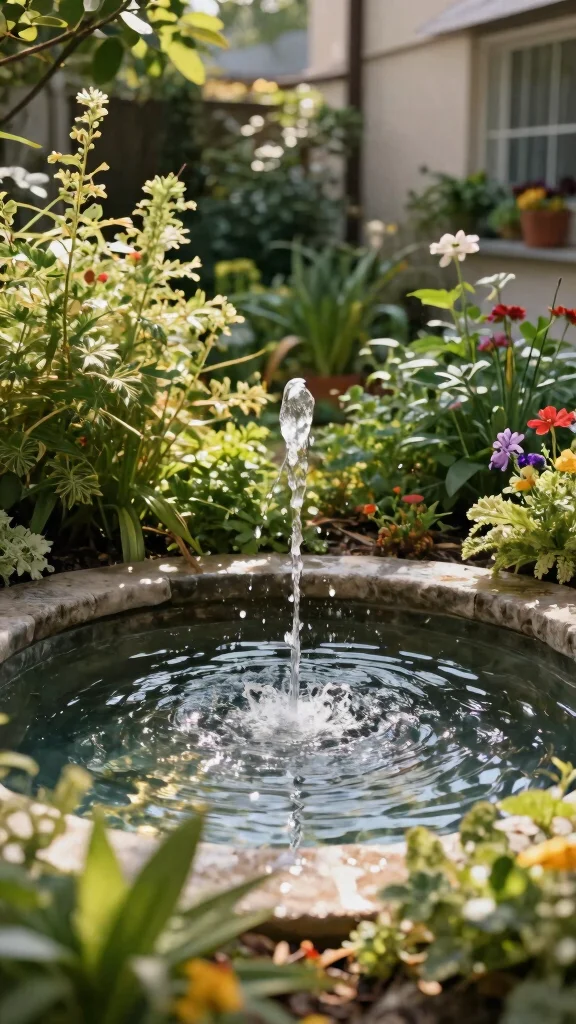
Incorporating a water feature into your garden design can add a soothing touch to your outdoor space. Whether you prefer a small fountain, a tranquil pond, or a charming birdbath, the sound of water creates a serene atmosphere that attracts wildlife.
When choosing a water feature, consider its size to ensure it fits harmoniously with your yard. Opt for low-maintenance solutions like self-circulating fountains to minimize upkeep, while also enhancing your garden’s ecosystem.
Water feature considerations:
– Evaluate Size: Select a feature that complements your space.
– Choose Low-Maintenance Options: Think about self-circulating designs.
– Attract Wildlife: Incorporate elements that invite birds and butterflies.
A well-placed water feature becomes a stunning focal point, enhancing your garden’s ambiance. Imagine unwinding in your outdoor oasis, with the gentle sound of flowing water creating a peaceful escape from the hustle and bustle of city life.
Recommended Products
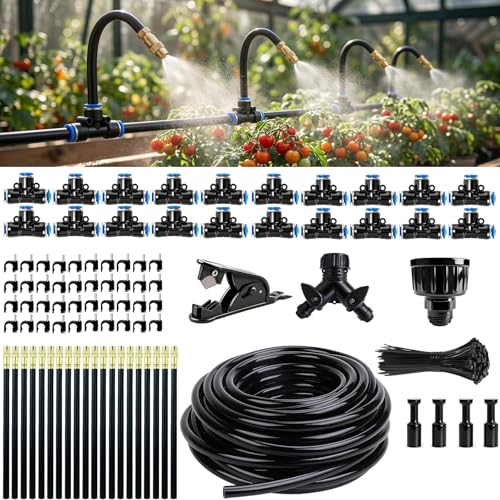
Everything You Need in One Box: This drip irrigation kit comes with a 100-foot 1/4-inch tubing, 20 adjustable brass nozzles, one two-way connector, one one-way connector, 20 T-connectors, 4 end caps, a tubing cutter, and 40 ground stakes with zip ties. It's a complete, compact set that lets you build a custom watering system without hunting for extra parts.

Unique Design: 1/4" drip emitter ensures wide water passages, large deep and wide cross-section that improves clogging resistance for Garden Pots, Trees and Shrubs

Convenient and portable storage kit contains 102 professional grade universal Drip irrigation parts
📹 Related Video: Magical Mini Waterfall in a Bowl (🌿 DIY Nature Scape)
How To Choose the Right Landscaping Plan for Your Urban Space
Choosing the right landscaping plan can be overwhelming, especially in small urban settings. You want a design that suits your space, reflects your style, and is practical. Here’s a guide to help you navigate this process confidently.
1. Assess Your Space
Before diving into a landscaping plan, evaluate your yard’s size, shape, and sunlight exposure. Take measurements to understand how much area you can work with. Consider which parts receive the most light and which areas are shaded. This assessment helps you determine what plants and features will thrive there.
2. Determine Your Style
Think about the aesthetics you want to achieve. Do you prefer a modern look with sleek lines or a more natural, rustic feel? Collect inspiration from magazines, Pinterest, or local gardens. This will help you visualize your desired outcome and communicate your ideas effectively if you’re working with a designer.
3. Set a Budget
Establish a budget before moving forward. Landscaping can range from affordable DIY projects to high-end installations. List potential costs like plants, materials, and labor. Having a clear budget allows you to make informed choices and prevents overspending.
4. Choose Sustainable Options
Urban yards often face challenges like pollution and limited biodiversity. Opt for native plants that require less water and maintenance. Consider using recycled materials for pathways or furniture. Sustainable choices not only enhance your space but also benefit the environment.
5. Plan for Maintenance
Think about how much time you can commit to maintaining your yard. If you have a busy lifestyle, choose low-maintenance plants and features. Incorporate elements like gravel paths or mulch beds that don’t require extensive upkeep. This ensures your yard remains beautiful without overwhelming you with chores.
6. Involve Features That Enhance Functionality
When creating your landscaping plan, think about how you will use your outdoor space. Do you want to entertain guests, grow vegetables, or simply relax? Features like seating areas, raised garden beds, or water features can add functionality while enhancing your design.
Pro Tip: Sketch your ideas on paper or use landscaping design software to visualize your plan. This will help you see how different elements come together and make adjustments before committing to anything.
With these tips, you’re better equipped to choose a landscaping plan that suits your urban space. Whether you go for native plants or sustainable materials, make sure it reflects your personality and enhances your lifestyle. Happy gardening!
Recommended Products

19,000 PREMIUM SEEDS: Revitalize your landscape with 19,000 high-quality wildflower seeds specially selected to thrive in California’s diverse climate zones—from coastal areas to inland valleys.


Water Features: Serenity in Small Spaces
Editor’s Choice

Small Metal Bird Bath for Outdoors, 10″ Dia Bowl with Stake Birdbaths Ga…

Aquascape AquaGarden Pond Kit, Container Water Garden | 78325

LuxenHome Outdoor Water Fountain, 32 Inch Farmhouse Water Fountain Outdo…
7. Pathways: Guiding the Way
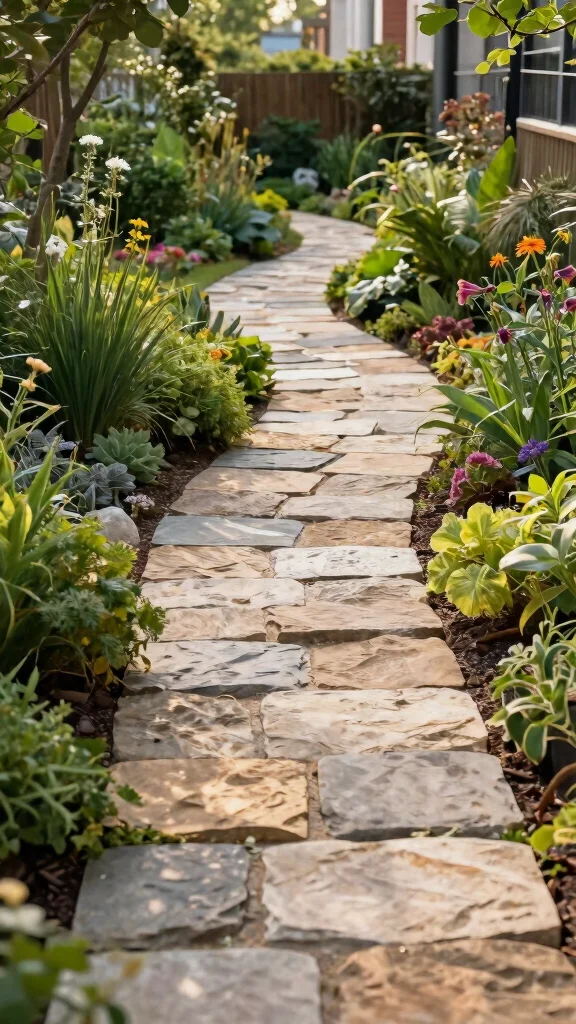
Pathways are vital for any landscaping plan, particularly in smaller urban yards where maximizing space is key. They not only guide visitors through your garden but also add structure and visual appeal to your outdoor area.
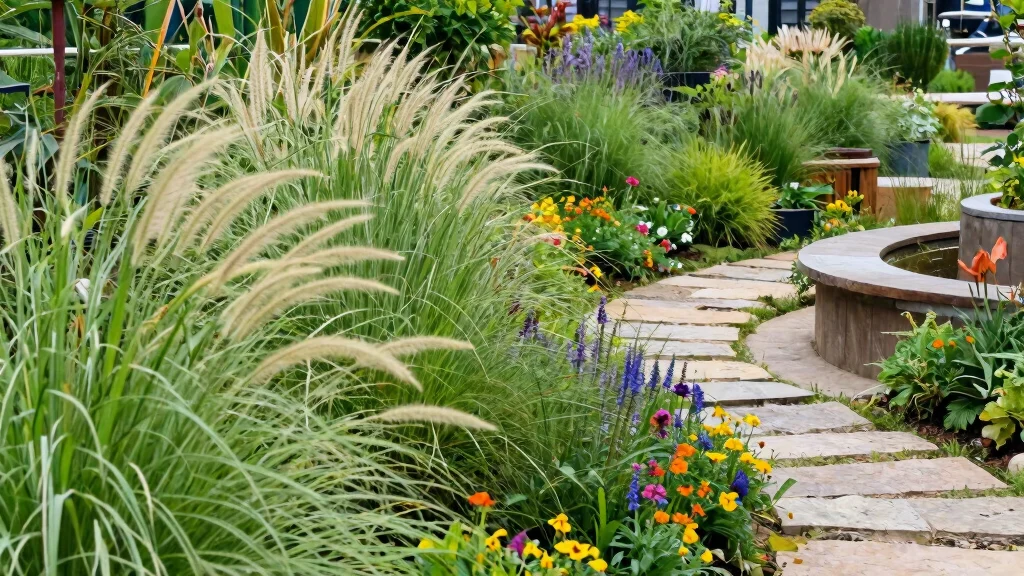
Consider various materials for your pathways, such as natural stone for a rustic feel or gravel for an affordable, easy option. Eco-friendly pavers made from recycled materials can also create a smooth and attractive walkway.
Pathway design ideas:
– Natural Stone: Use irregular shapes for an organic look.
– Gravel Paths: Define areas affordably and easily.
– Recycled Pavers: Create a sustainable and stylish walkway.
Strategically placed pathways lead to different garden zones like seating areas or dining spots, enhancing both function and beauty. They encourage exploration and engagement with the diverse plants and features you’ve carefully curated.
Recommended Products

🍅【PREMIUM MATERIAL】Fabric raised garden bed is made of premium quality thickened non-woven fabric, designed with reinforced stitching, which is reusable and durable for long time use. With the plant grow bags, your plants will grow well in your balconies, backyards, terrance or patios.

What you Will Get-1 pc Approx. 6ft x3ft x1ft 128 Gallon Vol. large fabric plant bags, 1 pc approx. 2ft x1ft 4 Grids Vegetables Planter Raised Bed for outdoor, and Garden Tool Set like Hand Shovel, Transplant Shovel and Hand Rake, Claw Gardening Gloves, offering a large area for your fun gardening in the limited garden space.

You Might Also Like

Pathways: Guiding the Way
Editor’s Choice
TierraVerde 4-Pack 18”x22” Natural Rock Rubber Stepping Stones, Grey…

Gardener’s Supply Company 100% Recycled Rubber Walkway | Natural Looking…

ZOOFOX 10lb Natural Rocks Stones, Small Washed Gravel for Terrariums, Su…
8. Seasonal Planting: A Year-Round Garden
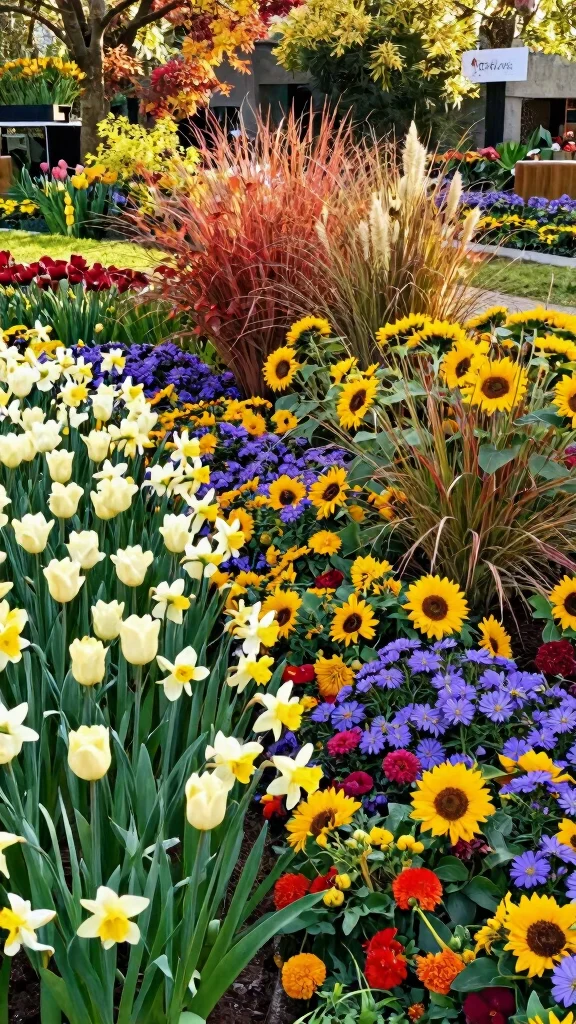
To keep your yard lively all year long, embrace seasonal planting. This method allows your garden to showcase different colors and textures, evolving beautifully with the changing seasons.
Start your seasonal planting with early bloomers like tulips for spring, vibrant sunflowers for summer, and ornamental grasses for fall. Mixing plants that bloom at varied times creates a dynamic and engaging landscape.
Seasonal planting ideas:
– Spring Blooms: Plant tulips and daffodils for early color.
– Summer Vibrance: Add sunflowers and zinnias for a lively display.
– Fall Interest: Choose asters and ornamental grasses for autumn flair.
This approach doesn’t just beautify your garden; it also supports local wildlife with a continuous source of food. Planning for seasonal transitions adds excitement and variety, ensuring your urban garden remains vibrant and delightful throughout the year.
Fun fact: Seasonal planting keeps a yard colorful all year and can boost curb appeal by up to 35%. Start with early bloomers for spring and mix flowering times for continuous interest. With a simple landscaping plan, small urban spaces feel larger and livelier.


Seasonal Planting: A Year-Round Garden
Editor’s Choice

Pink Ornamental Grass Seeds Mix for Planting – 250+ Seeds: Pink Muhly, P…

Rocky Mountain Wildflower Seeds Mix – 1 Lb Seed Pouch – 22 Wild Flower S…

Complete Spring Flower Garden | 50 Fresh Bulbs | Bloom All Spring and Su…
Conclusion
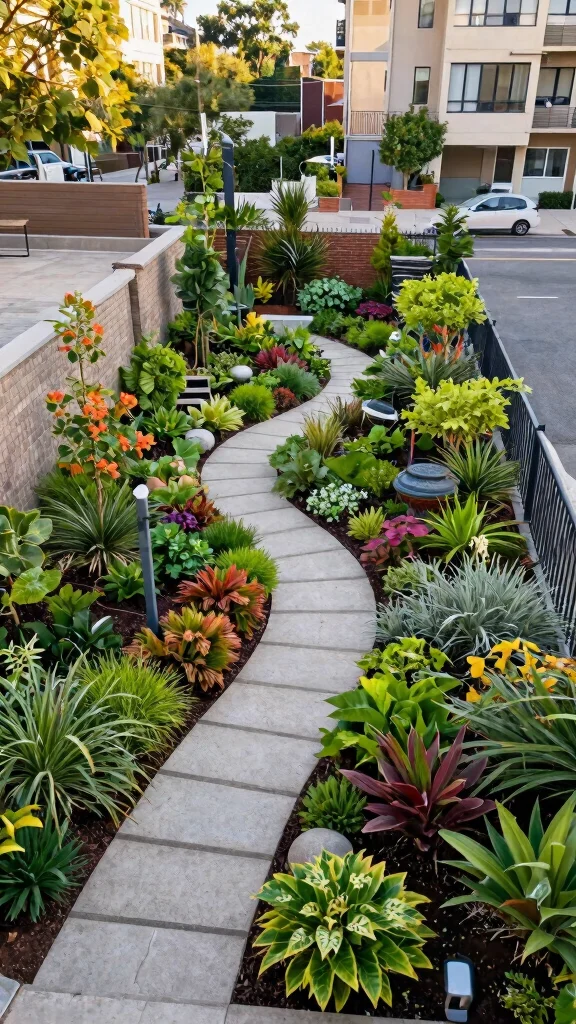
Transforming your yard can be a fulfilling journey that reflects your style and values, especially when focusing on sustainable landscaping in small urban spaces. By implementing the ideas presented, you can create a beautiful, functional outdoor area that enhances your lifestyle.
Don’t hesitate to mix and match these concepts to create a unique space just for you. Remember, every small change contributes to a healthier environment and a more enjoyable living experience.
Note: We aim to provide accurate product links, but some may occasionally expire or become unavailable. If this happens, please search directly on Amazon for the product or a suitable alternative.
This post contains Amazon affiliate links, meaning we may earn a small commission if you purchase through our links, at no extra cost to you.
Frequently Asked Questions
What makes a solid landscaping plan for a small urban yard?
To build a solid landscaping plan for a small urban yard, start with clear goals, map every corner, and note sun and shade throughout the day.
Create distinct zones—like a compact seating area, a low-maintenance planting bed, and a vertical feature—and choose native plants and drought-tolerant varieties to cut upkeep.
Sketch simple garden layout concepts and outline a realistic budget and timeline so your outdoor space planning stays practical. Then tackle DIY landscaping projects in steps you can complete this season, turning your yard transformation ideas into reality.
How can I implement sustainable landscaping practices in a DIY project for a small space?
Start with soil health and water-smart choices: add compost, mulch to conserve moisture, and plant native plants that support local pollinators.
Collect rainwater with a barrel and use permeable surfaces for patios or paths to reduce runoff.
Repurpose materials for planters or trellises and plan your outdoor space planning to minimize waste while maximizing function. This keeps your yard transformation ideas practical and affordable.
What are some garden layout concepts that help maximize a small yard?
Want to know the best garden layout concepts for a small yard? Try zones with clear sightlines, curved paths to create the illusion of space, and vertical layering with tall plants at the back and groundcovers in front.
Use compact or dwarf varieties and add a focal point like a container display to anchor the landscaping plan.
Keep maintenance in mind with a simple irrigation plan, and align decisions with outdoor space planning and yard transformation ideas.
How can I transform my yard on a tight budget with practical landscape design tips?
Start with a clear plan and prioritize the few changes that deliver the biggest impact.
Reuse or repurpose materials for borders and furniture, and tackle DIY landscaping projects in stages to spread costs.
Choose a cohesive plant palette with low-maintenance varieties and sketch a simple garden layout concepts to guide decisions while keeping the budget in check.
Which quick yard transformation ideas can I try this weekend for fast impact?
Define a focal area with a simple border, set up containers with seasonal color, and refresh mulch to instantly tidy beds.
Add a small seating area or a repurposed pallet wall to boost height and interest, then consider a few inexpensive lighting options to extend use after dark.
With a couple of DIY landscaping projects this weekend, you’ll see meaningful progress and build momentum for your landscaping plan.
Related Topics
landscaping plan
sustainable gardening
urban landscaping
yard transformation
DIY landscaping
garden design tips
small space solutions
outdoor planning
easy landscaping
beginner friendly
eco-friendly designs
garden layout concepts