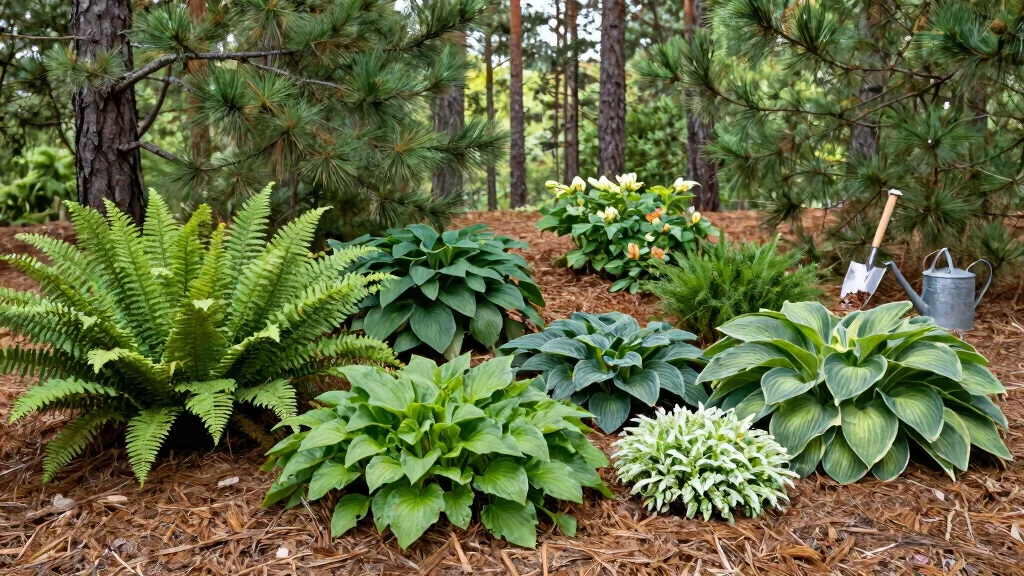
Landscaping under pine trees can be a challenge, but it’s also a fantastic opportunity to create a unique and beautiful space in your yard. Pine trees provide excellent shade, but the ground beneath them often turns into a battle zone, with poor soil and tricky light conditions. As someone who has experienced the struggle of turning that shady spot into something lovely, I felt compelled to share solutions that can transform your pine tree area into a stunning garden.
If you’re a gardening enthusiast or simply someone looking to improve your outdoor space, you’re in the right place. Whether you’re grappling with stubborn shade or trying to choose the right plants that will thrive under the canopy of your pine trees, this guide is tailored for you. You’ll discover practical tips and creative ideas that are not only appealing but also bring out the best in that hard-to-manage area of your yard.
In this post, you’ll find nine innovative landscaping ideas that will breathe new life into your shady spot. From shade-loving plants to charming pathways and even water features, these suggestions are designed to inspire and delight. Get ready to embrace the beauty of your garden, even in the shadiest corners!
Key Takeaways
– Diverse Plant Options: Explore various shade-loving plants like ferns, hostas, and astilbe that thrive under pine trees for vibrant greenery.
– Ground Covers: Discover effective ground cover solutions that can handle the unique soil conditions found beneath pine trees.
– Pathway Ideas: Learn how to create beautiful pathways using natural stones that guide you through your pine tree garden.
– Water Features: Consider adding a small water feature to create a serene atmosphere while complementing the shade.
– Lighting Solutions: Use strategic lighting to enhance your garden’s ambiance and showcase the beauty of shade-loving plants.
Recommended Products

Optimal pH Balance: Expert blend, ideal acidic environment for azaleas, rhododendrons, and blueberries and more, ensures pH balance for growth and vibrant blooms

【Premium Quality Ingredients】Our fern plant nutrition soil is crafted using carefully selected high-quality ingredients to ensure optimal nutrient and moisture retention for your plants
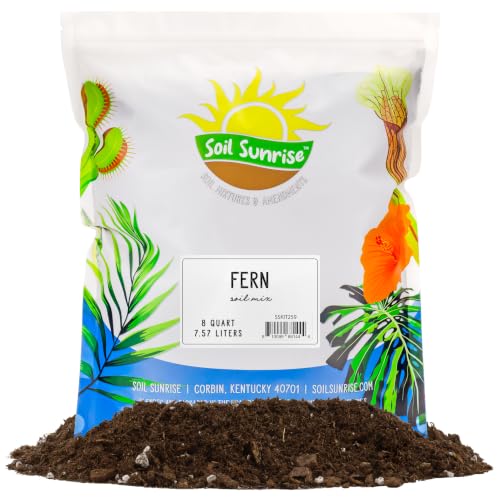
Custom Blend: Hand blended in small batches, no artificial ingredients or fertilizers; regular house plant soil is not designed for ferns!
1. Embrace the Charm of Ferns
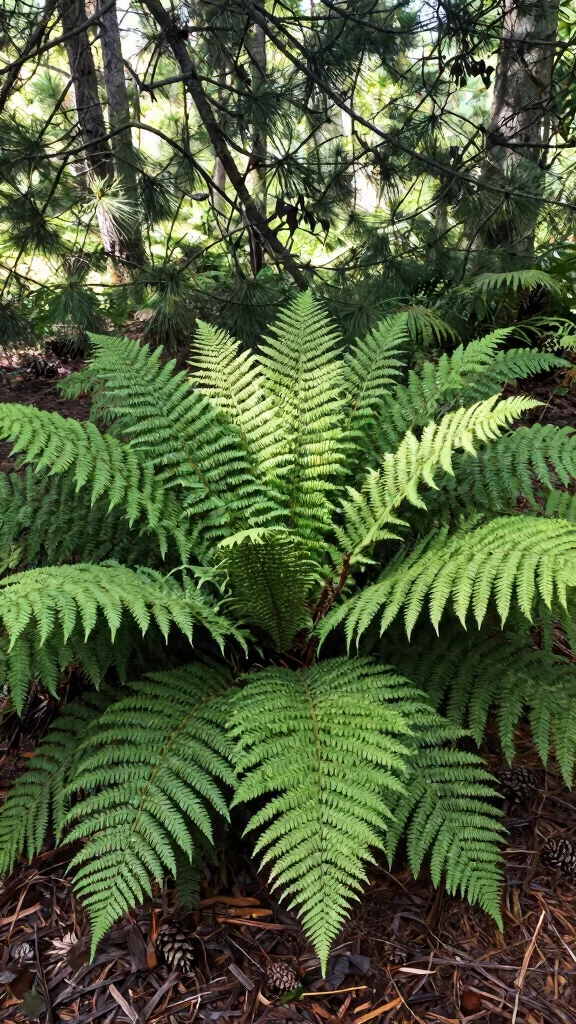
Ferns bring a unique charm to your landscaping under pine trees. Their graceful fronds offer a soft touch, beautifully contrasting with the rugged pine bark. Thriving in the acidic soil typical of pine forests, ferns provide excellent ground cover while adding visual interest. Varieties like the Lady Fern or Japanese Painted Fern not only fill empty spaces but also introduce delightful textures to your garden.
When planting ferns, group them in clusters for a natural look. Mix taller and shorter varieties to create layers and depth. It’s essential to keep the soil consistently moist, especially during hot spells, to prevent wilting and maintain their lush appearance.
Tips for planting ferns:
– Choose healthy plants from a local nursery.
– Enhance soil with compost for better drainage.
– Water thoroughly and use mulch to retain moisture.
With their vibrant foliage, ferns can transform even the shadiest spots into a peaceful retreat.
Recommended Products

CONTRACTOR GRADE SUPERIOR GRIP FOR PROFESSIONAL LANDSCAPING: Formulated for landscapers, landscape contractors, groundskeepers, and property maintenance professionals. The upgraded Superior Grip formula helps lock gravel, mulch, decorative stone, and pine straw firmly in place, creating cleaner, more stable landscapes with reduced material movement.


ORGANIC PROCESSED STRAW With TACKIFIER – Premium Processed Straw with a bonding agent (Tackifier) that gives straw a tackiness which holds it together. This natural bonding agent is biodegradable and helps to protect grass seed from heavy washout and wind.
📹 Related Video: Pine Trees & Ferns from Chris Orser Landscaping
Embrace the Charm of Ferns
Editor’s Choice

3 Japanese Painted Fern-Hardy Shade Lovers in a 4″ Pot. Do not Order in …


24.5 Inch (H) Artificial Cedar Topiary Ball Trees, Set of 4 Fake Shrub B…
2. Ground Covers That Thrive
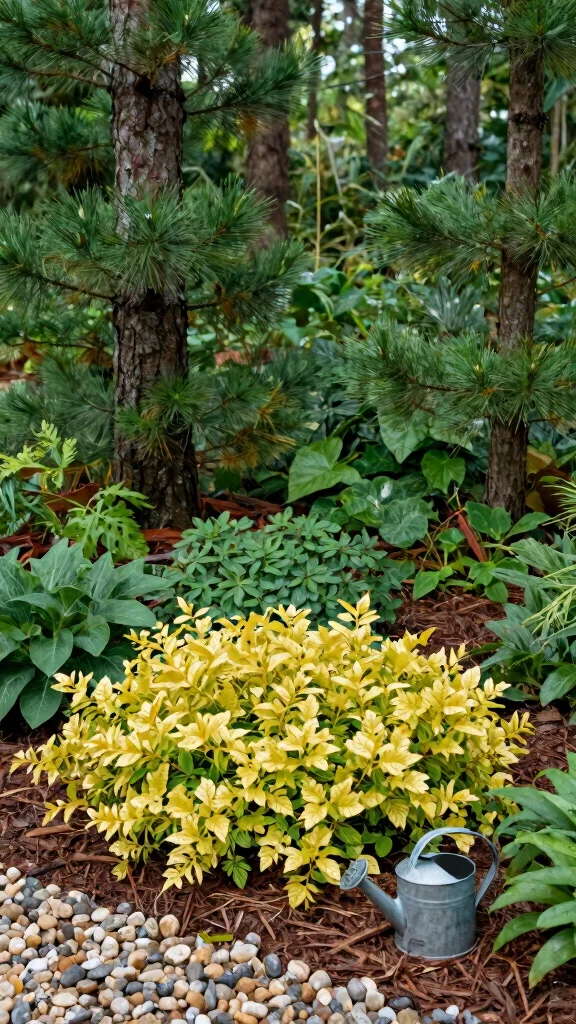
Ground cover plants are perfect for low-maintenance landscaping in shady spots. Options like Creeping Jenny, Lamium, and Creeping Thyme not only survive but thrive under pine trees! These resilient plants spread quickly, filling bare patches and minimizing weeds, making them invaluable in any garden.
Creeping Jenny’s golden leaves add a vibrant contrast to dark pine needles, while Lamium offers striking foliage variations to brighten dull corners. Planting them in patches rather than rows creates a natural, inviting look.
Ground cover tips:
– Mix different ground covers for diverse textures.
– Keep soil consistently moist until established.
– Opt for a variety of colors for visual appeal.
This approach will breathe life into your garden while keeping maintenance low.
Recommended Products

Hand Picked: Every stone is picked out from the river, naturally formed, without polishing, and after being washed away by the river, the surface of the stone is very smooth. Each stone is unique in size and color, with a size of approximately 3-4 inches


Vintage Charm: Natural gray finish features subtle color variation that replicates the look of weathered stone, adding visual texture to gardens, pathways, and outdoor spaces
Ground Covers That Thrive
Editor’s Choice

Perennial Farm Marketplace Lamium maculatum ‘Purple Dragon’ (Dead Ne…

20000+Creeping Thyme Seeds for Planting Outdoor-Heirloom Thymus Serpyllu…

Creeping Jenny Live Plant (Lysimachia nummularia) – 4 Plants Per Pack – …
3. Hostas – The Queen of Shade
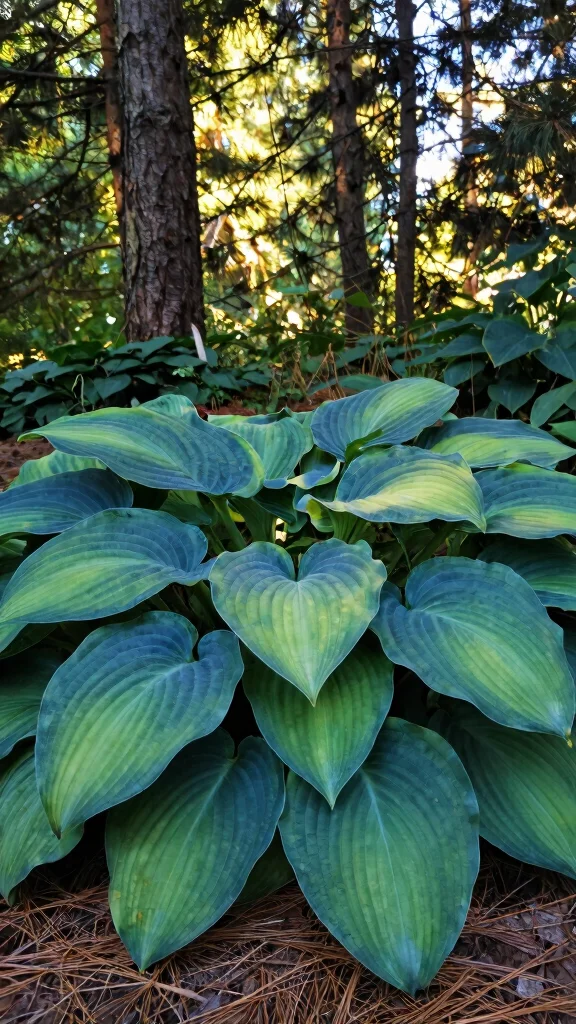
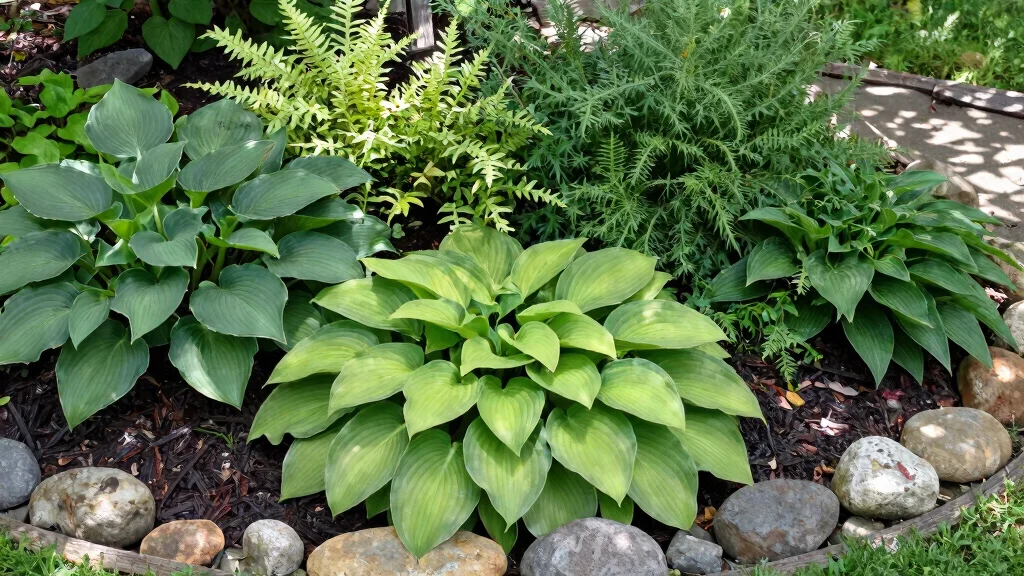
Hostas are iconic shade-loving plants that enhance any pine tree garden. With large, lush leaves in shades of green, blue, and variegated colors, hostas create stunning focal points. They thrive in the moist, acidic soil beneath pines, making them an excellent fit for these conditions.
Plant hostas in groups or varied heights for a striking visual effect. Pair them with contrasting plants like astilbes or ferns for an enchanting display. Remember, hostas also produce lovely flowers that add extra charm during blooming season, but keep an eye out for slugs, which can be problematic.
Best practices for planting hostas:
– Opt for spring or fall planting for best results.
– Prepare soil with compost for nutrition and drainage.
– Water regularly, especially during the initial weeks.
With hostas, even the shadiest corners of your yard can transform into a breathtaking showcase.
Recommended Products
Made for Acid-Loving Plants – Formulated to support blueberries, hydrangeas, and other acid-loving plants.
🌸 Formulated for azaleas, hydrangeas, and rhododendrons

🌺 FERN & PERLITE Potting Mix is a Proffesional Soil Mix for Succulents and Cactuses
Top Varieties for Different Conditions
1. Creeping Thyme (Thymus serpyllum)
– Best conditions: Prefers well-drained soil and is ideal for warmer climates.
– Key features: This low-growing ground cover produces tiny flowers that attract bees and butterflies. It can withstand foot traffic, making it perfect for paths or walkways.
– Considerations: It may struggle in overly moist areas, so ensure good drainage.
2. Japanese Painted Fern (Athyrium niponicum)
– Best conditions: Thrives in shaded areas and cooler climates.
– Key features: With its striking silver and green fronds, it adds an artistic touch to your pine tree garden design. This fern is also deer-resistant, making it a smart choice for woodland settings.
– Considerations: Requires consistent moisture, so regular watering is essential during dry spells.
3. Lungwort (Pulmonaria spp.)
– Best conditions: Does well in rich, moist soil with partial to full shade.
– Key features: This unique plant features spotted leaves and clusters of blue or pink flowers in spring. It’s an excellent choice for adding color early in the season.
– Considerations: The foliage may die back in the summer heat, but it will return next spring.
4. Hellebore (Helleborus spp.)
– Best conditions: Prefers well-drained soil and is perfect for temperate regions.
– Key features: Known as the “Christmas Rose,” this plant blooms in late winter to early spring, providing beauty when other plants are still dormant. It also tolerates drought once established.
– Considerations: Some varieties can be slow to establish, so patience is key.
5. Shade-Tolerant Shrubs (e.g., Mahonia, Boxwood)
– Best conditions: Thrives in partial to full shade, suitable for various climates.
– Key features: These shrubs offer structure and year-round greenery. Mahonia produces yellow flowers that bloom in winter while boxwood can be shaped for a tidy look.
– Considerations: Pruning may be necessary to maintain their shape and health.
6. Sweet Woodruff (Galium odoratum)
– Best conditions: Prefers moist, shaded areas; thrives in temperate climates.
– Key features: This fragrant ground cover produces delicate white flowers in spring and spreads easily, creating a lush carpet under pine trees.
– Considerations: It can become invasive if not managed, so keep an eye on its spread.
7. Wild Ginger (Asarum canadense)
– Best conditions: Prefers rich, moist soil with full to partial shade; ideal for woodland gardens.
– Key features: With heart-shaped leaves and hidden flowers, this plant is a great ground cover that suppresses weeds. It’s also safe for pets, making it family-friendly.
– Considerations: Growth may be slow initially, requiring a bit of patience.
Climate/Condition Guide:
– Temperate: Most varieties listed above thrive here. Focus on moisture retention and soil quality.
– Continental: Look for deep-rooted plants like ferns or hellebores that can withstand temperature fluctuations.
– Coastal: Choose salt-tolerant options like creeping thyme to endure windy conditions.
– Hot/Dry: Opt for drought-resistant varieties like sweet woodruff, ensuring they have some shade from the pines.
– Humid: Focus on moisture-loving plants like lungwort that flourish in damp soil.
Growing Tips:
– Water regularly, especially during dry spells, to establish your plants.
– Mulch around the base of plants to retain moisture and suppress weeds.
– Regularly check for pests and diseases, especially in shaded environments.
Avoid:
– Overwatering, as many shade-loving plants prefer well-drained soil and can suffer from root rot.
– Planting overly aggressive ground covers that can outcompete your chosen varieties and ruin the delicate balance of your garden.
Recommended Products

Packaging May Vary: Same great Seeding Mulch with updated packaging!

Soil Erosion: Prevents soil erosion from rainfall impact and stormwater sheet flow. Our Erosion Control Blankets retain moisture in the soil to enhance seed germination and vegetation growth which will lead to better growing seasons and less Erosion.

100% Biodegradable - The Material and Netting in this Blanket is 100% Biodegradable. Both the agricultural Wheat Straw and Coconut Fibers are 100% Biodegradable and they are held together by a Biodegradable Brown Poly Net that will biodegrade after 90 days. This product comes as a 7.5' Width for shipping purposes.
Hostas – The Queen of Shade
Editor’s Choice
Back to the Roots 100% Organic Mulch, 58 Quart, Expanding Coconut Husk B…

Miracle-Gro Pour & Feed Plant Food – Outdoor and Indoor Plant Fertilizer…

Hosta Seeds for Planting, 200+pcs Rare Perennial Hosta Flower Seeds, Non…
4. The Allure of Astilbe
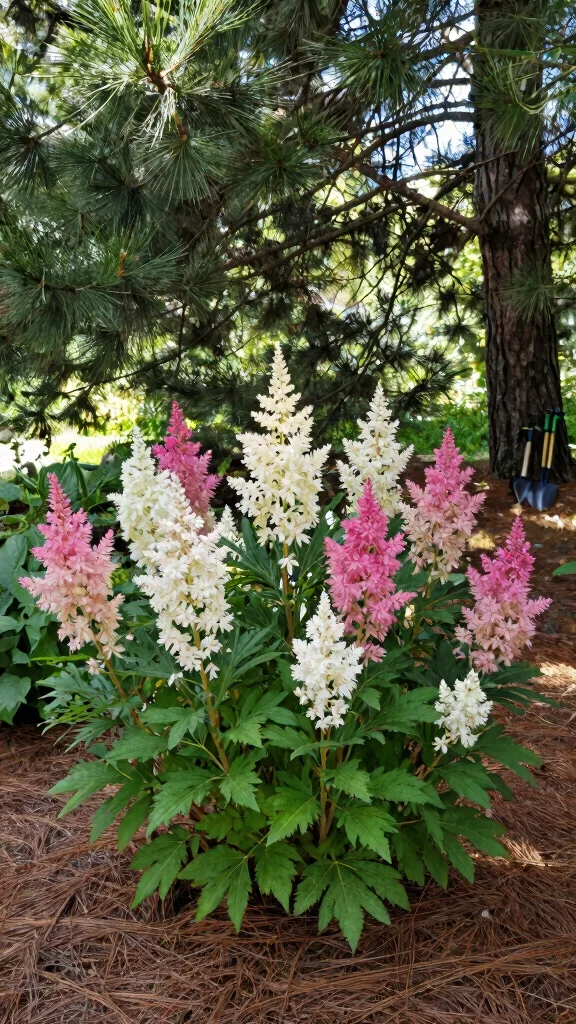
Astilbe adds a vibrant splash of color to shaded areas. Known for its feathery plumes and bright green foliage, astilbe thrives in the rich, moist soil found under pine trees. They bloom in various shades, including white, pink, and red, offering a striking contrast against dark needles.
Astilbe enjoys moist conditions, making it ideal for areas with consistent watering. Group these plants together for a dramatic effect, and remember to deadhead spent blooms to encourage fresh growth! They pair beautifully with hostas and ferns, enhancing your garden’s layered look.
Care tips for astilbe:
– Plant in early spring or fall for optimal growth.
– Maintain consistent moisture, especially in hot weather.
– Use organic mulch to keep soil damp and suppress weeds.
By incorporating astilbe, you can create an eye-catching display that brings your shady areas to life.
Recommended Products

Realistic Faux Stone Texture: Our landscape edging boasts a lifelike stone texture with detailed surface patterns that add depth and a polished look to your outdoor space. It beautifully enhances garden beds, lawns, pathways and flower beds, bringing a natural, decorative touch to any yard.

【Natural River Stone】Our stepping stones, made from river rocks, are naturally stunning. Each stone, crafted from genuine river stones, retains its natural texture to highlight its intrinsic beauty. With their unique natural colors, they can create an eye-catching garden path for your patio.
Hand Picked: Every stone is picked out from the river, naturally formed, without polishing, and after being washed away by the river, the surface of the stone is very smooth. Each stone is unique in size and color, with a size of approximately 3-4 inches
The Allure of Astilbe
Editor’s Choice

apine Soil Moisture Meter,Plants Moisture Meter,Plant Water Meter for In…
1000 Pcs Mixed Astilbe Seeds Perennial-Shade Tolerant Flower Seeds for P…
Back to the Roots 100% Organic Mulch, 58 Quart, Expanding Coconut Husk B…
5. Consider Shade-Tolerant Shrubs
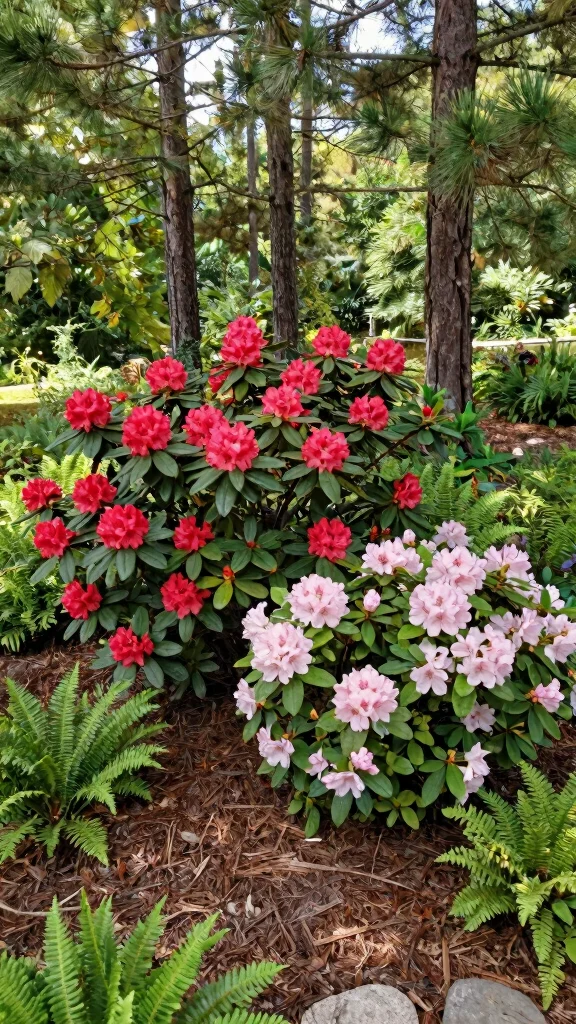
Shade-tolerant shrubs can add structure to your landscaping under pine trees. Varieties like Rhododendrons, Azaleas, and Pieris not only enhance the beauty of your garden but also provide habitats for local wildlife. These shrubs thrive in low light and offer year-round interest with their glossy leaves and seasonal blooms.
Planting these shrubs as a backdrop to smaller plants like ferns and hostas creates a stunning layered effect. Their presence adds depth and richness to your garden design.
Planting tips for shade-tolerant shrubs:
– Select varieties suitable for your local climate.
– Ensure well-draining soil; slightly raised beds can help.
– Prune regularly to maintain shape and health.
Incorporating these shrubs will result in a welcoming, diverse garden thriving beneath your pine trees.
Recommended Products

PREMIUM INGREDIENTS: This specifically crafted organic compost blend has a low pH premium formulation that is naturally lightweight and contains just the right ingredients ensuring healthy growth and beautiful results.

Soil Saver is an OMRI listed, 100% organic soil amendment

Create Indoor Oasis: Elevate your indoor gardening with Jessi Mae's Slightly Acidic Organic Potting Soil, perfect for peace lily potting mix and snake plants. This premium blend ensures well-draining soil, creating a thriving environment for your houseplants
You might also like

Consider Shade-Tolerant Shrubs
Editor’s Choice

Pieris jap. ‘Cavatine’ (Cavatine Dwarf Andromeda) Evergreen, #2 – Size C…


(1) – Holden Red Rhododendron – Starter Plant (7m) (1 Live Plant)
6. Create a Pathway with Natural Stones
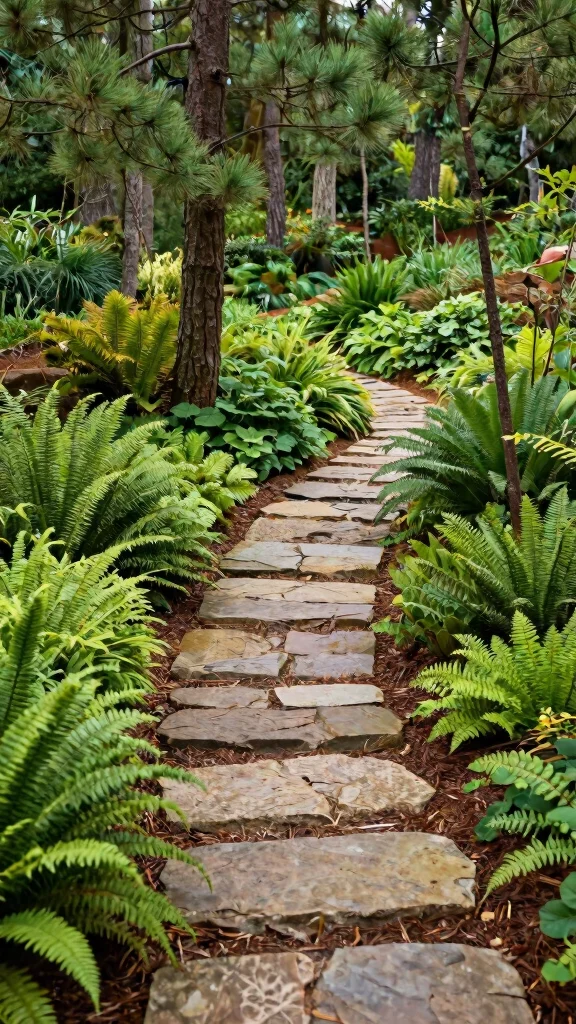
A natural stone pathway can beautifully enhance your pine tree garden. This feature not only serves a practical purpose but also adds visual appeal, guiding visitors through lush greenery and breaking up monotony in your landscape.
Natural stones blend seamlessly with earthy tones, providing a sturdy surface for walking. Consider creating a pathway that leads to cozy seating or a charming garden nook, inviting exploration and relaxation.
Pathway installation tips:
– Use flat stones for easy walking; slate or flagstone works great.
– Leave gaps between stones to plant shade-loving ground covers like thyme or moss.
– Add ambient lighting along edges for a magical evening glow.
This landscaping idea not only organizes your garden but also introduces rustic elegance, enriching the overall experience.
Ever notice how a stone pathway under pine trees invites you to slow down? Lay natural stones with 2-3 inches of sand for a stable, weed-light surface—perfect for landscaping under pine trees. It guides guests to a cozy seating nook and makes the shaded yard feel instantly calmer.
Recommended Products

Soil Erosion: Prevents soil erosion from rainfall impact and stormwater sheet flow. Our Erosion Control Blankets retain moisture in the soil to enhance seed germination and vegetation growth which will lead to better growing seasons and less Erosion. The Dimensions of this product depending on shipping are 7.5' x 112.5'.
100% Biodegradable - The Material and Netting in this Blanket is 100% Biodegradable. Both the agricultural Wheat Straw and Coconut Fibers are 100% Biodegradable and they are held together by a Biodegradable Brown Poly Net that will biodegrade after 90 days.
100% Biodegradable - The Material and Netting in this Blanket is 100% Biodegradable. Both the agricultural Wheat Straw and Coconut Fibers are 100% Biodegradable and they are held together by a Biodegradable Brown Poly Net that will biodegrade after 90 days.
Create a Pathway with Natural Stones
Editor’s Choice

TierraVerde 4-Pack 18”x22” Natural Rock Rubber Stepping Stones, Grey…

Garden Bench,Outdoor Benches,Iron Steel Frame Patio Bench with Mesh Patt…
7. Install a Water Feature
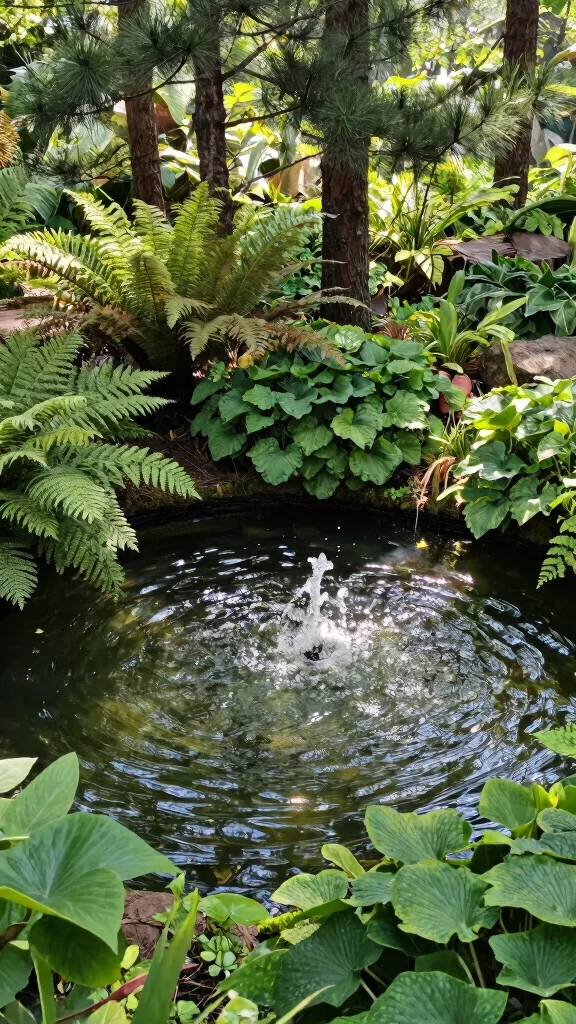
Adding a water feature can create a serene atmosphere under your pine trees. The gentle sound of bubbling water enhances tranquility and attracts birds and wildlife to your garden. A small pond or fountain can serve as a lovely focal point, complementing the natural setting while being easy to maintain.
Surround the water feature with shade-loving plants like Japanese Forest Grass or Hostas to create harmony in your landscape. Choose a design that fits your space and aesthetic.
Water feature tips:
– Select a size that fits your garden proportionately.
– Use outdoor-rated equipment to ensure safety.
– Incorporate native plants for easy maintenance and sustainability.
By integrating a water feature, you can transform your garden into a peaceful oasis that invites relaxation.
Turning shade into sparkle is easier than you think—install a small water feature under pine trees and watch your birds and guests pause in delight. Pick a shallow pond or fountain, then edge it with hostas for instant harmony in landscaping under pine trees.
Recommended Products

Durable & Easy: These 15.5" stepping stones are made of weatherproof resin, so they can withstand rain, hail, UV rays, and cold temperatures. They also feature four ground stakes for secure installation, making them perfect for patios, walkways, and gardens.

Decorative beautification effect: using unique natural pebbles, can be freely spliced and combined to create a personalized patio path or pattern. It can also be separated into single pieces and flexibly embellished in various parts of the yard, adding natural wild fun. It is a unique and practical decorative element for lawn and garden

【Upgraded Larger Solar Panel & Efficient Power Supply】Equipped with newly upgraded larger solar panels, these solar powered outdoor lights enabling faster charging speed and higher energy conversion efficiency. Built-in sensor enables automatic on at dusk and off at dawn—no manual operation needed, making the solar outdoor lights fully energy-efficient and hassle-free.
Install a Water Feature
Editor’s Choice

Complete Shade Perennial Flower Bulb Garden – 30 Bulbs for 50 Days of Co…

Giantex 18″ Round Outdoor Water Fountain with 6 LED Lights, Stone Gray R…

Summit Clear-Water Barley Straw Pond Treatment, 2-Pack, Treats upto 2000…
8. Lighting Ideas for Ambiance
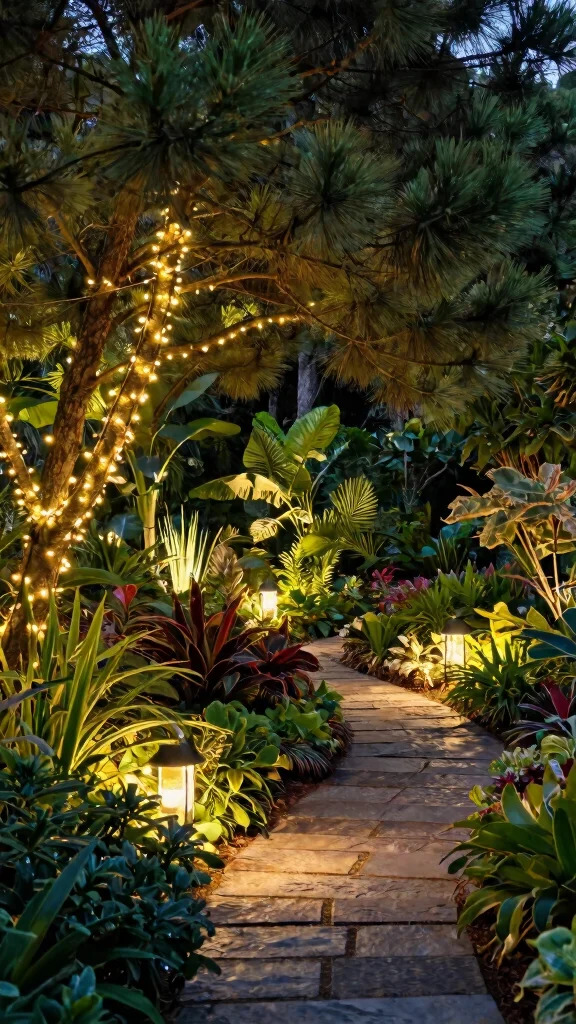
Effective lighting can dramatically highlight your landscaping under pine trees. Soft outdoor lighting adds warmth and charm, transforming your garden from day to night. It beautifully showcases your favorite plants while creating a cozy atmosphere for evening gatherings.
Consider solar-powered garden lights or string lights draped among the trees. Pathway lights can enhance safety and guide visitors, while uplighting draws attention to larger plants or decorative features.
Lighting tips:
– Choose warm white lights for a cozy ambiance.
– Use timers or smart systems for convenience.
– Vary light heights for added depth and interest.
With the right lighting, your pine tree garden becomes a welcoming retreat, even after sunset.
Fun fact: A 40-foot string of warm LED lights can transform a pine-shaded corner into a cozy, magical retreat. Place lights along branches or drape them between trunks, and add solar-powered path lights for safe nighttime strolls. The result: soft ambiance that highlights your best groundcover plants.
Recommended Products

PREMIUM INGREDIENTS: This specifically crafted organic compost blend has a low pH premium formulation that is naturally lightweight and contains just the right ingredients...
You Might Also Like

Lighting Ideas for Ambiance
Editor’s Choice

PARTPHONER Low Voltage Landscape Lighting 12-Pack, Aluminum 12V Pathway …

Greluna Solar Lights Outdoor,12 Pack 3000K Waterproof Auto On/Off Solar …

KSIPZE 100ft Led Strip Lights RGB Music Sync Color Changing Led Lights w…
9. Incorporate Edibles for Unexpected Delight
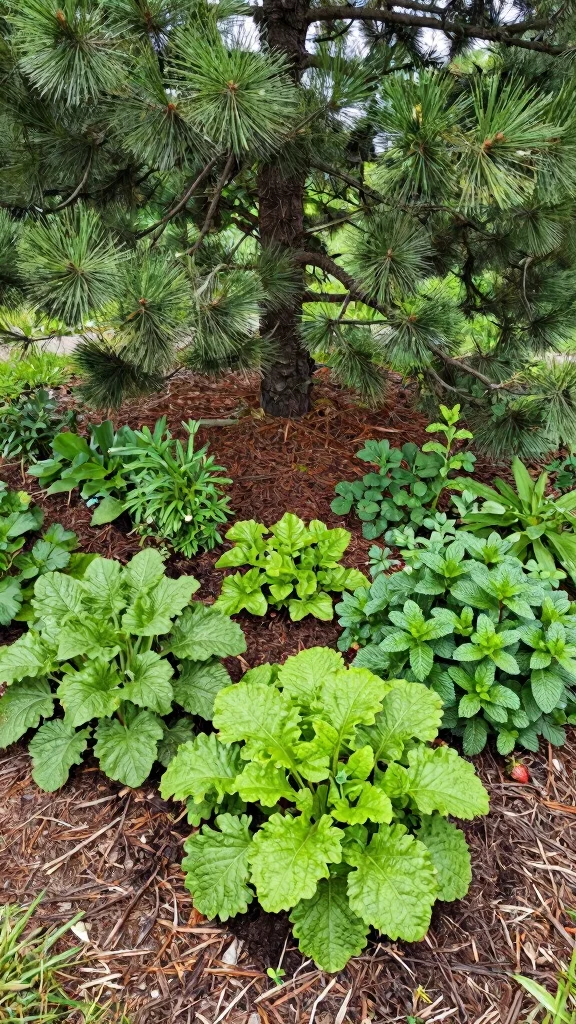
Adding edible plants to your landscaping under pine trees can be surprisingly rewarding. Many shade-tolerant vegetables and herbs thrive in limited sunlight, allowing you to cultivate a productive garden in unexpected spaces. Plants like rhubarb, spinach, and herbs such as mint or chives can flourish under the pines.
Imagine stepping outside to harvest fresh herbs for dinner or picking ripe strawberries! These edible plants not only beautify your garden but also provide delicious rewards.
Edible planting tips:
– Learn about each plant’s light needs, as some require more sun.
– Use companion planting to maximize space and support growth.
– Regularly check for pests, especially in moist soil.
By mixing edibles into your landscape, you’ll create a beautiful, functional, and fulfilling garden.
Incorporate Edibles for Unexpected Delight
Editor’s Choice

LEETOLLA Elevate 32″ Tall Raised Garden Bed Outdoor with Wheels & Shelf …

Partial Shade Wildflower Mix Seed (Potted Plant) – Shade-Loving Wildfl…
Conclusion
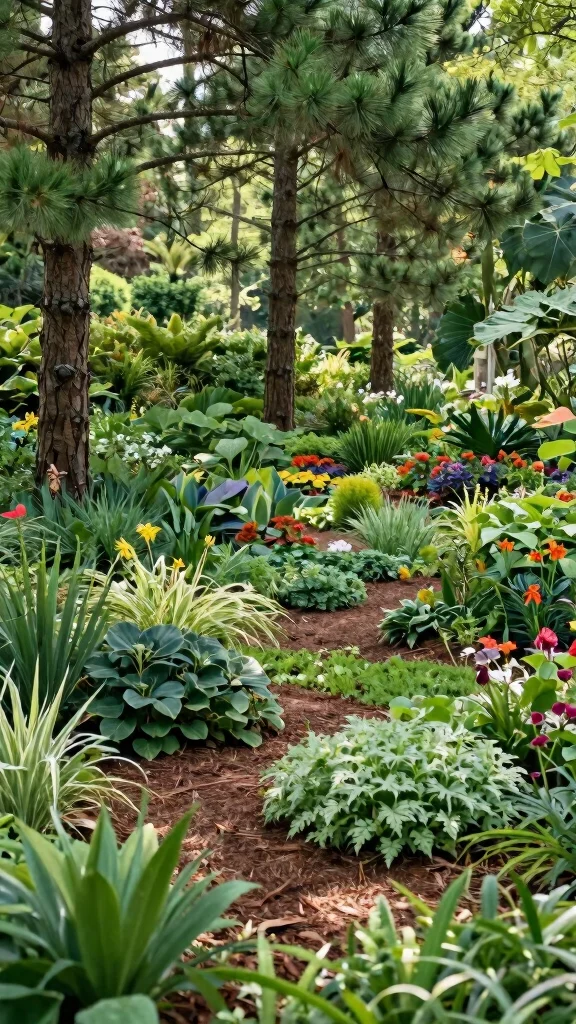
Landscaping under pine trees doesn’t have to be a challenge. With the right selection of shade-loving plants and creative design ideas, you can turn those shady spots into lush, vibrant areas of your garden. Each of these ideas provides unique elements that can enhance the beauty of your landscape while ensuring your plants thrive. Don’t shy away from experimenting with different combinations and designs – let your creativity shine in those shaded areas. Transform your garden today and embrace the beauty and tranquility it can offer!
Note: We aim to provide accurate product links, but some may occasionally expire or become unavailable. If this happens, please search directly on Amazon for the product or a suitable alternative.
This post contains Amazon affiliate links, meaning we may earn a small commission if you purchase through our links, at no extra cost to you.
Frequently Asked Questions
What are the best ground cover options for landscaping under pine trees?
Under pine trees the shade and acidic soil call for low maintenance ground covers that tolerate pine needles.
Great options for a ground cover for pine trees include Pachysandra terminalis (Japanese spurge), Vinca minor (periwinkle), Ajuga reptans (bugleweed), Epimedium, and Lamium maculatum.
For texture and winter interest add ferns like Dryopteris and evergreen mosses in damp, deep shade.
Plant them in the pine root zone with proper spacing, water deeply until established, and mulch with a light layer of pine needles to maintain soil moisture and acidity.
Avoid plants that demand full sun or poor drainage.
Which shade loving plants thrive under pine trees and how should I plant them?
Shade loving plants that tolerate pine litter and low light can transform that dark spot.
Good options include Pachysandra, Vinca minor, Epimedium, Ajuga, and Lamium for color and texture.
Plant them in the humus rich, acidic soil and water well during establishment.
Mulch with a thin layer of pine needles to maintain moisture and discourage weeds, and group plants in blocks to create cohesive pockets of shade.
How can I design a pine tree garden that looks cohesive using landscaping ideas for shade?
Begin with a plan that respects the pine canopy and its root zones.
Use a cohesive color palette and repeat textures to unify the space.
Place taller shade loving plants behind and evergreen ground covers in front to provide year round presence, then layer ferns and mosses where moisture pockets form.
Define borders with a simple edge and mulch with pine needles to tie the bed together.
Following pine tree garden design principles helps keep the shade area feeling intentional, not random.
What low light gardening tips work best under pine trees to keep things healthy year round?
Focus on soil health and consistent moisture.
Test and adjust soil pH toward acidity if needed, enrich with compost, and keep a light mulch layer of pine needles to conserve moisture.
Choose evergreen ground covers and ferns that tolerate low light, and water deeply but infrequently to avoid root rot.
Group plants in clusters to create microclimates that maximize light capture and reduce maintenance.
What are common mistakes to avoid when landscaping under pine trees and how can I fix them?
Mistakes include choosing sun loving plants for shade, ignoring pine root competition, not testing soil acidity, and over mulching or compacting the soil.
Fix by choosing shade-loving plants that tolerate pine needles, plan around root zones, improve drainage and acidity as needed, and keep mulch to a 2-3 inch layer to prevent poor air flow.
Regular maintenance and strategic planting blocks keep landscaping under pine trees looking tidy.
Related Topics
landscaping under pine trees
shade-loving plants
ground cover for pine trees
low-light gardening
pine tree garden design
easy gardening tips
shade garden ideas
beginner-friendly landscaping
drought-tolerant plants
winter gardening
outdoor aesthetics
planting under trees