
Is your front yard in need of a little love? Maybe it feels dull or forgotten while your neighbors’ yards shine bright. This time of year always reminds me of how a well-kept front yard can boost not just your home’s charm but also the joy you feel every time you pull into your driveway. If you’re someone who appreciates the beauty of a vibrant outdoor space, then this post is for you.
I pulled together 9 front yard landscaping ideas that are sustainable, creative, and sure to make your home the most beautiful one on the street. From incorporating native plants to building cozy seating areas, you’ll find options that not only enhance your curb appeal but also respect the environment. By the end of this post, you’ll have practical ideas that transform your front yard into a welcoming oasis, showcasing your personal style while also being mindful of nature.
Let’s dive into these landscaping design ideas and discover how easy it can be to elevate your outdoor aesthetics!
Key Takeaways
– Embracing native plants can create a vibrant garden that needs less maintenance and supports local wildlife.
– Rain gardens are a great way to manage stormwater while adding beauty and biodiversity to your yard.
– Xeriscaping reduces water usage by incorporating drought-tolerant plants, perfect for sustainable landscaping.
– Adding a cozy seating area invites relaxation and enjoyment of your front yard, making it an extension of your home.
– Seasonal changes in color through carefully selected front yard plants can keep your landscape looking fresh and engaging year-round.
Recommended Products

Durable Flag -- Material: 100% burlap. Weatherproof and non-fray durability, Dyrenson home garden's durable indoor, outdoor art flags and banners are made of machine washable polyester burlap material, fade resistant to keep them flying for many seasons
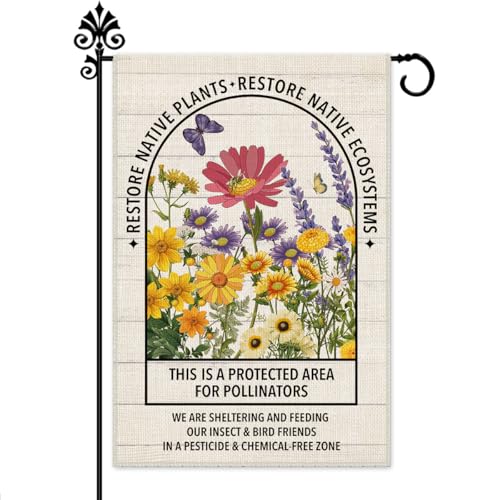
Size: 12.5 x 18 inches, perfectly fits various outdoor scenes such as patios, patios, porches, mailboxes, balconies, backyards, lawns, and flower beds; can be used for everyday home decoration, creating a festive atmosphere, or as a personalized sign for parties, events, and other occasions.
1. Embrace Native Plant Gardens
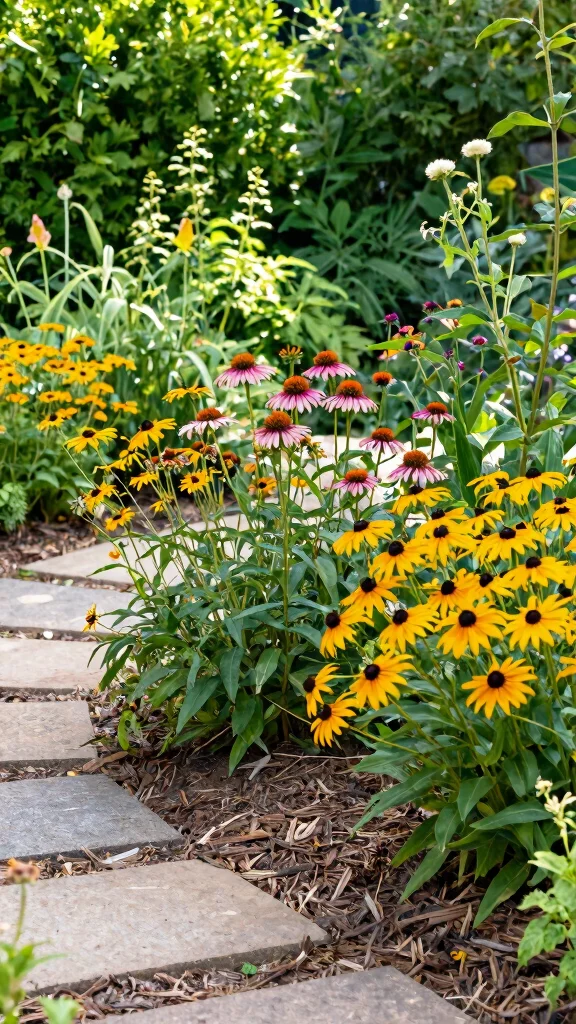
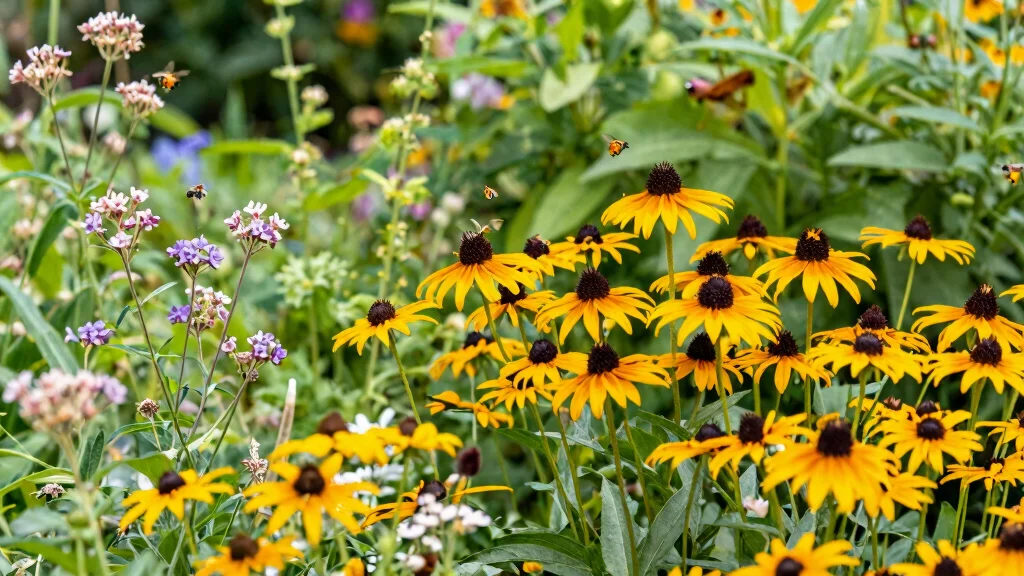
You can elevate your front yard effortlessly by embracing a native plant garden. Not only do these plants thrive in your local climate, but they also require less water and maintenance, making them a practical choice. Picture vibrant coneflowers, cheerful black-eyed Susans, and lovely asters dotting your landscape, providing year-round beauty while supporting local wildlife.
Start by grouping plants with similar sunlight and water needs to create a cohesive and attractive layout. This not only simplifies your care routine but also enhances the overall aesthetic. Layering taller plants behind shorter ones adds depth and visual interest to your garden.
Key benefits of native plant gardens:
– Reduce water usage with drought-resistant plants
– Attract pollinators like bees and butterflies
– Require less maintenance over time
Creating a native plant garden not only beautifies your home but also fosters a sustainable ecosystem. You’ll enjoy a vibrant, low-maintenance space that brings nature right to your doorstep.
Did you know native plant gardens can cut water use by up to 50% in dry regions? Grouping plants by sun and water needs keeps your front yard cohesive and lively.
Recommended Products
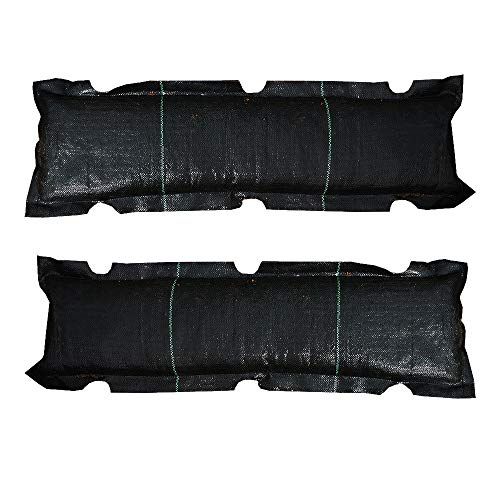
Automatic recharging rain/irrigation water (Almost maintenance free!)


📹 Related Video: How I Turned My Front Lawn into a Native Pollinator Garden
Embrace Native Plant Gardens
Editor’s Choice

Wildflower Seeds Bulk Mix – 10,000+ Perennial & Annual Seeds – Texas, Ca…


Miracle-Gro Moisture Control Potting Mix – Plant Soil For Container Plan…
Back to the Roots 100% Organic Mulch, 58 Quart, Expanding Coconut Husk B…
2. Create a Rain Garden

Transform your front yard into a stunning rain garden that manages stormwater beautifully. These gardens collect rainwater runoff, allowing it to soak into the ground instead of flooding storm drains. Imagine lush plants thriving in a vibrant setting, all while protecting the environment.
Begin by identifying a low area in your yard to collect water. Choose native plants like swamp milkweed or sedges that flourish in wet conditions, grouping them by their height for a dynamic look. Adding decorative stones can help direct water flow and enhance the garden’s visual appeal.
Steps to design your rain garden:
– Pick a low-lying area to capture runoff
– Use native plants for sustainability
– Add decorative stones to guide water flow
Your rain garden will not only look stunning but also help conserve water, creating a functional yet beautiful outdoor space that benefits your home and the environment.
Recommended Products

GRASS TYPES: This grass seed mix contains Tall Fescue grass seed and Kentucky Bluegrass seed WHEN TO APPLY: Use this lawn seed to start a new lawn or overseed an existing...
Create a Rain Garden
Editor’s Choice

Burpee Wildflower 25,000 Bulk, 1 Bag, 18 Varieties of Non-GMO Flower See…

YISZM 5LBS Succulent and Cactus Gravel Pebbles, 1/5 Inch Natural Decorat…

Landscaping Ideas: A Complete Guide to Learn the Basics and Creative Pro…
3. Incorporate Xeriscaping

Xeriscaping is the perfect solution for a gorgeous and sustainable front yard that minimizes water use. This method features drought-resistant plants and natural elements, making it ideal for areas with limited rainfall. Picture a vibrant landscape filled with succulents, ornamental grasses, and colorful perennials thriving without constant watering.
Choose a mix of plants that require minimal irrigation and arrange them for a visually appealing design. Incorporating mulch not only retains moisture but also tidies up your garden’s appearance. Adding decorative rocks or boulders can create focal points that enhance the overall look.
Benefits of xeriscaping:
– Reduce water bills significantly
– Lower maintenance needs over time
– Enhance curb appeal with unique textures
By embracing xeriscaping, your front yard will not only look beautiful but also contribute to a more sustainable lifestyle while saving you money.
Recommended Products

Comfortable Sling Fabric: The ventilating sling fabric surface of this outdoor glider chair offers a wonderful lounging experience. It's water-resistant, quick-drying, and UV-resistant for fantastic comfort in the summertime.

BUILT TO LAST: Made from smooth all-weather rattan with steel frames, the warm sectional sofa set is lightweight, strong, and built to last.

Cushion-Pro Technology: Experience effortless maintenance with the Sophia & William swivel sofa chair. Crafted with premium olefin, our Patent Cushion Pro outdoor fabric boasts exceptional water-repellent, soil-release, and stain-resistant properties. Simply use a cleaning spray and watch the stains vanish, leaving your furniture looking as good as new
Incorporate Xeriscaping
Editor’s Choice
200 pcs Rare Mixed Mini Succulents Seeds for Bonsai & Ornamental Plants …

Back to the Roots 100% Organic Mulch, 58 Quart, Expanding Coconut Husk B…
4. Add a Cozy Seating Area
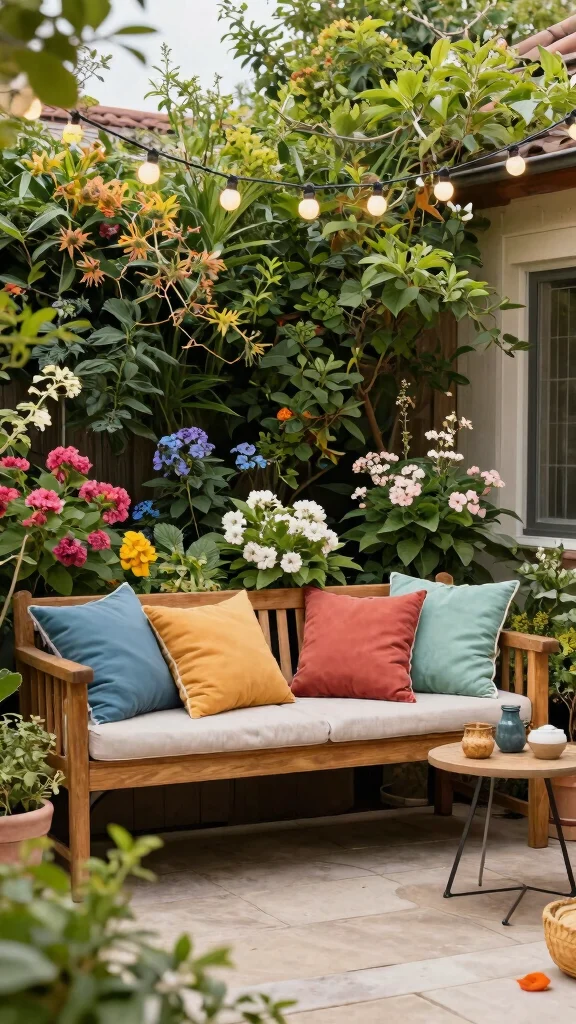
A cozy seating area can turn your front yard into an inviting retreat for family and friends. Imagine weather-resistant furniture nestled among colorful plants, creating a perfect spot to unwind outdoors. Choose a shaded area to enhance comfort and relaxation.
Think about a charming wooden bench surrounded by flowering shrubs or a small bistro set among vibrant blooms. Bright cushions can add a pop of color and comfort, while a side table makes it practical for snacks or drinks.
Ways to enhance your seating area:
– Add string lights for evening ambiance
– Use potted plants for greenery around the space
– Install a trellis for natural shade and beauty
Creating an inviting seating area will encourage outdoor gatherings and elevate your home’s charm, making it the perfect place to enjoy the great outdoors.
Recommended Products

🌼【16 Bundles Vibrant Fall Daisies】 Get 16 bundles of faux daisies (4 branches/bundle) in autumnal rusty orange, golden yellow, and terracotta brown,wine red. Features adjustable stems & realistic foliage for lifelike porch flower arrangements.


Complete 2-Pack Fall Hanging Baskets Set: This set includes 2 hanging baskets, 24 pcs fall mums flowers, and 2 semi-spherical grass bases, giving you everything needed to create two full hanging flower displays.
Add a Cozy Seating Area
Editor’s Choice

Best Choice Products 3-Piece Bistro Set, Space Saving Folding Design, So…

Outdoor Bench Cushion, Tufted Patio Seat Pad for Garden Bench, Porch Swi…

Psilvam 2-Person Outdoor Bench with 700 Lbs Weight Capacity, Poly Lumber…
5. Vertical Gardens for Limited Space
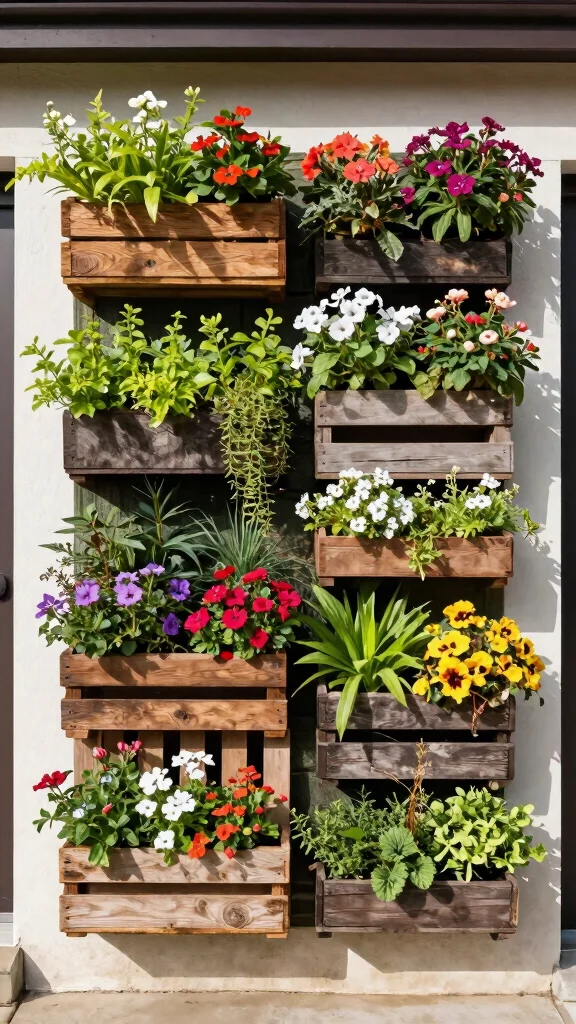
If space is tight, a vertical garden can be your secret weapon! This innovative approach lets you maximize plant options while adding a unique flair to your home’s exterior. Imagine a wall adorned with colorful flowers or fresh herbs, creating an eye-catching display.
Consider using wall-mounted planters or trellises to showcase a variety of plants that thrive in small spaces. You can even repurpose items like old pallets for a rustic touch. Vertical gardens also help insulate your home, keeping it comfortable year-round.
Key tips for creating a vertical garden:
– Install a watering system for easy maintenance
– Use climbing plants for a lush look
– Mix herbs and flowers for a functional garden
With a vertical garden, you’ll enjoy a beautiful, green space that enhances your home’s energy efficiency while showcasing your creativity.
Recommended Products


Size: 12.5 x 18 inches, perfectly fits various outdoor scenes such as patios, patios, porches, mailboxes, balconies, backyards, lawns, and flower beds; can be used for everyday home decoration, creating a festive atmosphere, or as a personalized sign for parties, events, and other occasions.

Flag Size: This Yard Flag is 12 x 18 Inch, Double Sided With the Image Printed, the Image is Vibrant and Vivid On Both Sides, and Text Reads Correctly From Both Sides. Only 1PC Garden Flag (Flag Stand or Pole are Not Included).
You might also like

Vertical Gardens for Limited Space
Editor’s Choice

zaqro Indoor Planter Box Set of 2-17” x 4” Small Acacia Wood Window …

Make Good PlantPod Luxe – Self-Watering Wall Planters (Set of 6) – Easy …
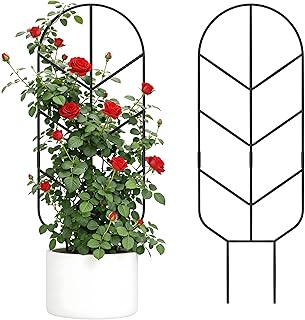
2 Pack 30” Large Metal Plant Trellis for Climbing Plants, Tall Plant Su…
6. Pathways That Lead the Way

A thoughtfully designed pathway enhances both the function and beauty of your front yard. Picture a winding path made from eco-friendly materials, guiding guests right to your door while blending seamlessly into the landscape.
Create a meandering pathway that flows through lush plantings, using natural materials like reclaimed wood or smooth pebbles. Solar-powered lights can illuminate the path at night, adding charm and safety. Pair it with native flowers that bloom in various seasons for a vibrant touch.
Tips for an inviting pathway:
– Use natural materials for a cohesive look
– Keep edges tidy for a polished appearance
– Surround with seasonal blooms for color
A well-designed pathway will not only enhance your home’s curb appeal but also invite exploration and enjoyment of your beautiful outdoor space.
Fun fact: Well-designed pathways can boost curb appeal by up to 30% and guide guests with ease. For front yard landscaping ideas, use a winding mix of reclaimed wood and smooth pebbles, with solar lights that shine along the route at night.
Recommended Products

HOLDS 50 GALLONS: Captures ample rainwater to conserve resources and supports a sustainable lifestyle
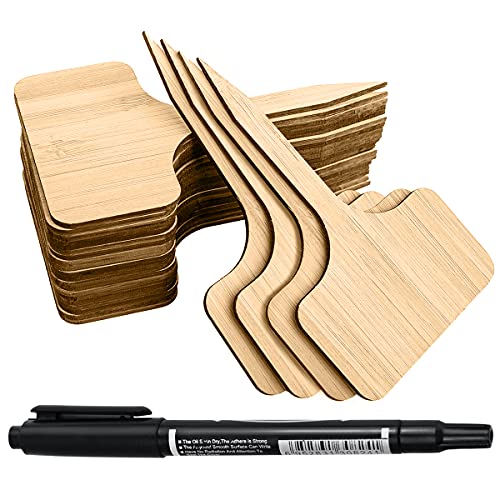
Double-Sided Writing: Measuring 3.9 x 2.4 inches, these labels feature a double-sided design, providing more space for plant information.

PLANT WATERING SYSTEM PERFECTION: Wyndham House's 4 piece Watering Globe Set is a remarkably simple and beautifully decorative way to make sure flowers and plants stay sufficiently hydrated all throughout the year—and especially while you're traveling.
Pathways That Lead the Way
Editor’s Choice

Arcadia Garden Products Set of 4, 16×17” Dark Gray Stepping Stone Fibe…

GIGALUMI 6 Pack Solar Lights Outdoor Waterproof, LED Solar Garden Lights…

Voulosimi 12 LBS River Rock Stones, Natural Decorative Polished Mixed Pe…
7. Eco-Friendly Fencing
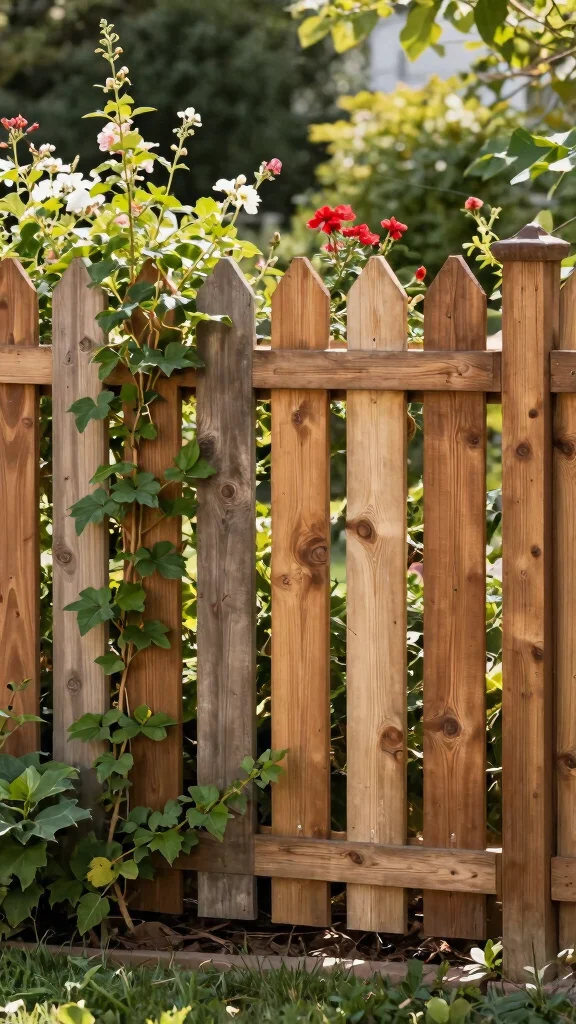
An eco-friendly fence adds privacy and security to your front yard without compromising on style. Opt for sustainable materials like bamboo or reclaimed wood that blend beautifully with nature. Imagine a fence enhanced with climbing plants that creates a soft, inviting boundary.
Consider designs that incorporate built-in planters, allowing flowering vines to flourish and add character. An attractive fence can also serve as a backdrop for seasonal decorations, enriching your outdoor space.
Key features of eco-friendly fencing:
– Use low VOC paints for a greener approach
– Incorporate climbing plants for biodiversity
– Choose durable materials for longevity
An eco-friendly fence not only enhances your yard’s aesthetics but also contributes to a more sustainable environment, making your home a beautiful retreat.
Eco-Friendly Fencing
Editor’s Choice
Raised Garden Bed Planter Boxes with Trellis,61.4″ Self-Watering Trellis…

DearHouse Natural Reed Fencing, Eco-Friendly Bamboo Fence, 5 feet High x…

6ft Dog-Ear Fence Picket 5.9 inch x 0.5 inch Fir Wood Fence Boards 15-Pa…
8. Colorful Garden Décor

Brighten your front yard with colorful garden décor that reflects your unique style. Think about incorporating handmade pottery, decorative stones, or whimsical sculptures that bring life to your landscape. Choose decor that complements your plants and overall design theme for a polished look.
Select earthy tones for a native plant garden or vibrant colors to create cheerful focal points. You can even create themed displays, such as beach-inspired decor with shells or a fairy garden filled with miniature figures. Practical items like decorative rain gauges can also attract wildlife and serve a purpose.
Tips for effective garden décor:
– Choose focal points to avoid overcrowding
– Mix textures for visual interest
– Rotate seasonal decorations for variety
With the right garden décor, your front yard will not only be visually stunning but will also reflect your personality and creativity.
Colorful garden décor is your home’s first hello. Mix earthy tones with bright accents, then swap in a whimsy sculpture or shells to reflect your style. With a few well-placed pieces, your front yard becomes a welcoming story your neighbors won’t forget.
Recommended Products

Cushion-Pro Technology: Experience effortless maintenance with the Sophia & William swivel sofa chair. Crafted with premium olefin, our Patent Cushion Pro outdoor fabric boasts exceptional water-repellent, soil-release, and stain-resistant properties. Simply use a cleaning spray and watch the stains vanish, leaving your furniture looking as good as new

Cushion-Pro Technology: Experience effortless maintenance with the Sophia & William swivel sofa chair. Crafted with premium olefin, our Patent Cushion Pro outdoor fabric boasts exceptional water-repellent, soil-release, and stain-resistant properties. Simply use a cleaning spray and watch the stains vanish, leaving your furniture looking as good as new

Cushion-Pro Technology: Experience effortless maintenance with the Sophia & William swivel sofa chair. Crafted with premium olefin, our Patent Cushion Pro outdoor fabric boasts exceptional water-repellent, soil-release, and stain-resistant properties. Simply use a cleaning spray and watch the stains vanish, leaving your furniture looking as good as new
You Might Also Like
How To Choose Front Yard Plants
Choosing the right plants for your front yard can elevate your home’s curb appeal and enhance its outdoor aesthetics. Here’s a guide to help you select the perfect front yard plants that will thrive in your environment and suit your landscaping design.
1. Assess Your Climate*
Understanding your local climate is crucial. Different plants thrive in different conditions. Check if you live in a warmer or cooler region, and consider how much sun and shade your front yard gets throughout the day. This information will guide you in selecting plants that will not only survive but flourish.
2. Choose Native Plants*
Native plants are adapted to your local soil and climate. They require less water and maintenance compared to non-native species. Look for plants that are native to your area; they will attract local wildlife and promote biodiversity. Examples include wildflowers, shrubs, and grasses that are common in your region.
3. Consider Plant Size and Growth Habit*
Think about how large your chosen plants will grow. Consider mature height and width to prevent overcrowding. This is especially important for front yard plants, as you want a balanced look without blocking windows or walkways. Research the growth habits of your preferred plants to ensure they fit well in your space.
4. Plan for Seasonal Interest*
To maintain visual interest throughout the year, select a mix of plants that bloom in different seasons. Use evergreens for winter structure, spring-blooming perennials, summer annuals for vibrant color, and fall foliage for stunning autumn hues. This diversity keeps your front yard lively and engaging all year long.
5. Evaluate Maintenance Needs*
Different plants have varying maintenance requirements. Some may need regular pruning, special soil, or specific watering schedules. If you prefer a low-maintenance option, choose plants that are drought-tolerant and disease-resistant. Always check if you’re ready to commit to the upkeep your chosen plants need.
6. Incorporate Aesthetic Appeal*
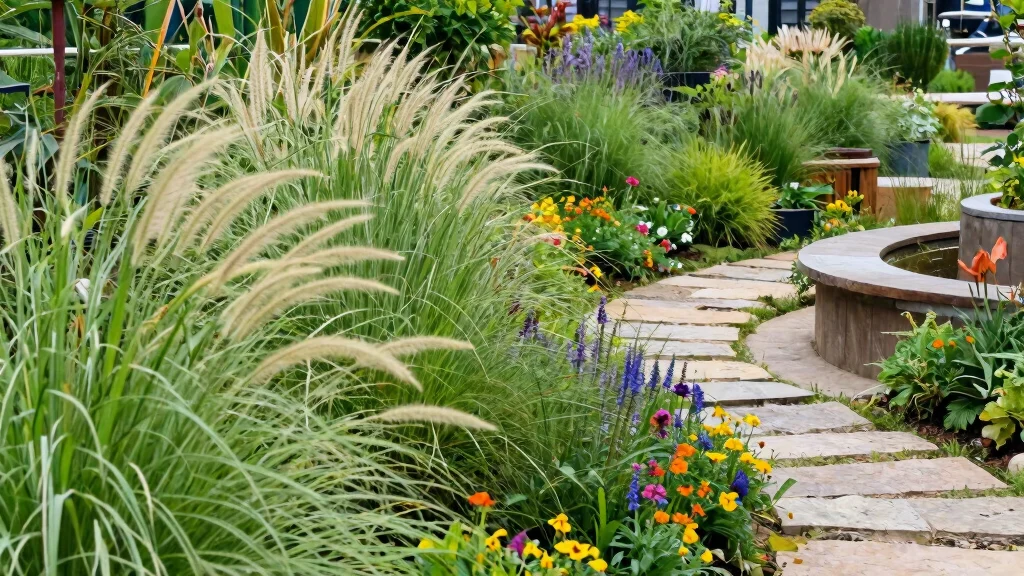
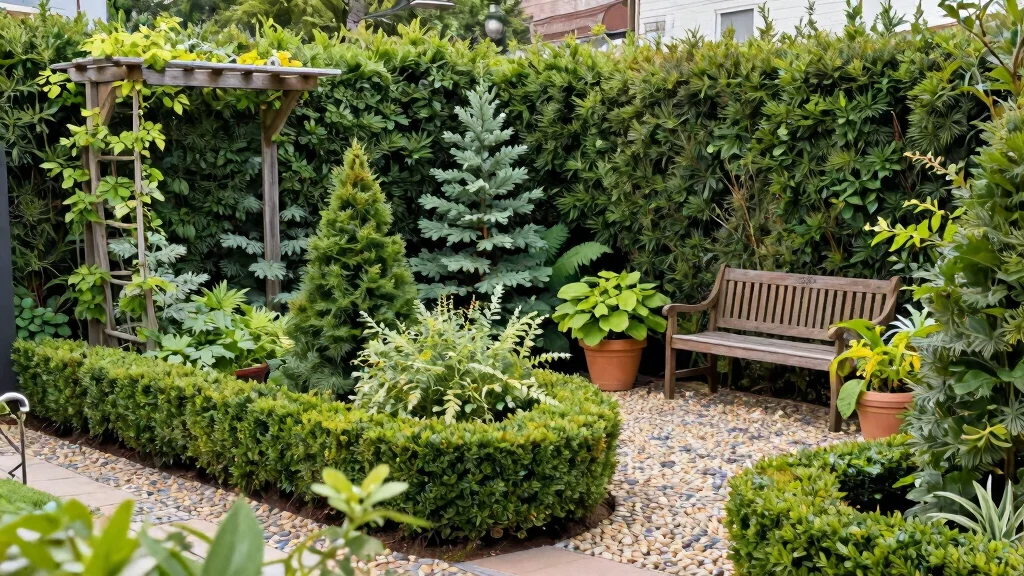
Think about how your plants will complement your home’s style. Consider colors, textures, and forms that enhance the overall look of your house. Group plants with varying heights and shapes to create a visually appealing arrangement. Adding ornamental grasses or colorful flowers can make a striking impact on your front yard’s aesthetics.
Pro Tip:
Before purchasing plants, sketch a simple layout of your front yard. This will help you visualize plant placement and ensure you choose varieties that work well together. Don’t hesitate to consult with a local nursery for recommendations based on your layout and conditions.
By following these steps, you can create a beautiful front yard that not only enhances your home’s curb appeal but also contributes positively to the environment. Choose wisely, and watch your outdoor space thrive!
Recommended Products

Natural Geraniums Look: outdoor fake faux flowers use silk petals, layered green leaves and soft gradients for a fuller hibiscus flower look; add color to table decor, front porch pots and garden beds

【Super Real and Natural】Are you looking for the perfect decor for your garden? Our artificial flowers for outdoors combine high-quality materials with exquisite craftsmanship, achieving an astonishing level of natural realism. The innovative blend of pansy blooms with eucalyptus leaves adds more vivid colors and more natural and authentic texture to outdoor artificial flowers.

Package: Total 4 bundle of artificial geranium flower, Pot not included.
Colorful Garden Décor
Editor’s Choice

Rustic Farmhouse Ceramic Flower Pots, Vintage Antique Planters & Vase wi…

LEGIFO Garden Decor for Outside,Funny Metal & Glass Bird Decor for Indoo…

UNIME Glow in The Dark Garden Pebbles Stones Rocks for Yard and Walkways…
9. Seasonal Color Changes

Keep your front yard fresh and lively all year round by selecting plants that offer seasonal color changes. This strategy allows your landscape to evolve beautifully, with various blossoms and foliage throughout the year.
Plan for stunning spring blooms like tulips and daffodils, summer favorites such as hydrangeas, and vibrant fall colors from maple trees. Incorporating evergreen plants and ornamental grasses ensures beauty even in winter. Mixing annuals and perennials creates a tapestry of colors that change with the seasons.
Ways to ensure seasonal beauty:
– Keep a planting calendar for tracking blooms
– Mix flowering and non-flowering plants for interest
– Use naturalizing bulbs for lasting beauty
This thoughtful approach to plant selection will keep your front yard vibrant and engaging, making it a joy to behold throughout the year.
Seasonal Color Changes
Editor’s Choice

LIGHTSHARE 6FT 120LED Artificial Lighted Maple Tree Warm White Fall Deco…
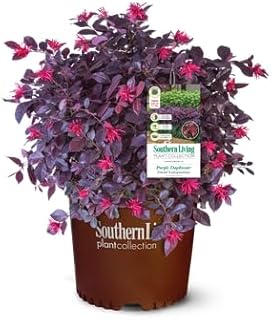
Purple Daydream Loropetalum, 1 Gallon, Compact Evergreen Bush with Pink …

Mixed Color Tulip 1 Pack of 20 Flower Garden Seeds Collection, not Bulbs…
Conclusion

Transforming your front yard with these sustainable landscaping ideas can not only elevate your home’s curb appeal but also contribute positively to the environment. With the right plants and creative designs, you’ll create an inviting space that reflects your personality and welcomes visitors. So, why not start planning your new front yard today? These beautiful ideas can inspire you to make the most of your outdoor aesthetics while promoting sustainability in your community.
Note: We aim to provide accurate product links, but some may occasionally expire or become unavailable. If this happens, please search directly on Amazon for the product or a suitable alternative.
This post contains Amazon affiliate links, meaning we may earn a small commission if you purchase through our links, at no extra cost to you.
Frequently Asked Questions
What are some sustainable front yard landscaping ideas to boost curb appeal?
There are several sustainable front yard landscaping ideas that boost curb appeal while keeping maintenance manageable.
Start with native and drought-tolerant front yard plants that thrive in your climate. Pair them with a lightweight, mulched bed to reduce watering and weed growth.
Use a cohesive landscaping design palette—limit to 2–3 complementary colors and repeat them in flowers, foliage, and planters for a polished look.
Add functional garden decor like a rain barrel, a small seating area, or decorative stones, and install permeable pathways to improve drainage and sustainability.
Opt for low-water irrigation, and consider mulch or groundcover to keep soil temperatures stable and conserve moisture.
How can I choose front yard plants that look great and require less water?
Choosing the right front yard plants is the easiest way to slash water use without sacrificing beauty.
Focus on native and drought-tolerant species that suit your sun exposure and soil. Group plants with similar water needs to minimize overwatering.
Mix texture and color with evergreen leaves and seasonal blooms for continuous outdoor aesthetics all year long.
Mulch 2–3 inches deep to lock in moisture, and install a simple drip irrigation system to target roots where water is needed most.
What are practical ways to incorporate garden decor and hardscaping for better exterior appeal?
Upgrade curb appeal by combining thoughtful garden decor with sustainable hardscaping.
Choose permeable pavers or crushed gravel for driveways and walkways to reduce runoff, and use edging to keep beds tidy without heavy chemicals.
Install a rain barrel or a small water feature to add ambience while saving water.
Use lighting and a small seating area to highlight focal plants and extend usability after dusk.
How do I design a front yard that stays attractive through all seasons using sustainable practices?
Plan with seasons in mind so your front yard landscaping ideas stay appealing year-round.
Include evergreens for winter structure and deciduous trees for shade in summer. Use perennials for dependable bloom and add hardy front yard plants for color across seasons.
Incorporate light-colored mulch and reflective surfaces to brighten spaces in low light months, and maintain soil health with compost to keep plants vigorous.
Revisit irrigation and pruning annually to adapt to growth cycles and weather.
What maintenance routine helps keep a sustainable front yard looking beautiful without wasting water?
A practical maintenance plan keeps your yard beautiful without wasting resources.
Install a simple drip irrigation system to deliver water directly to roots and prune only as needed to maintain shape.
Apply mulch 2–3 inches deep to preserve moisture and suppress weeds, and use rain barrels to collect runoff for irrigation.
Schedule mowing at a higher setting to encourage deep roots, and refresh mulch and soil health each spring to sustain outdoor aesthetics.
Related Topics
front yard landscaping
curb appeal
sustainable design
garden decor
outdoor aesthetics
beginner friendly
low maintenance
native plants
seasonal blooms
DIY landscaping
landscaping tips
eco-friendly gardens