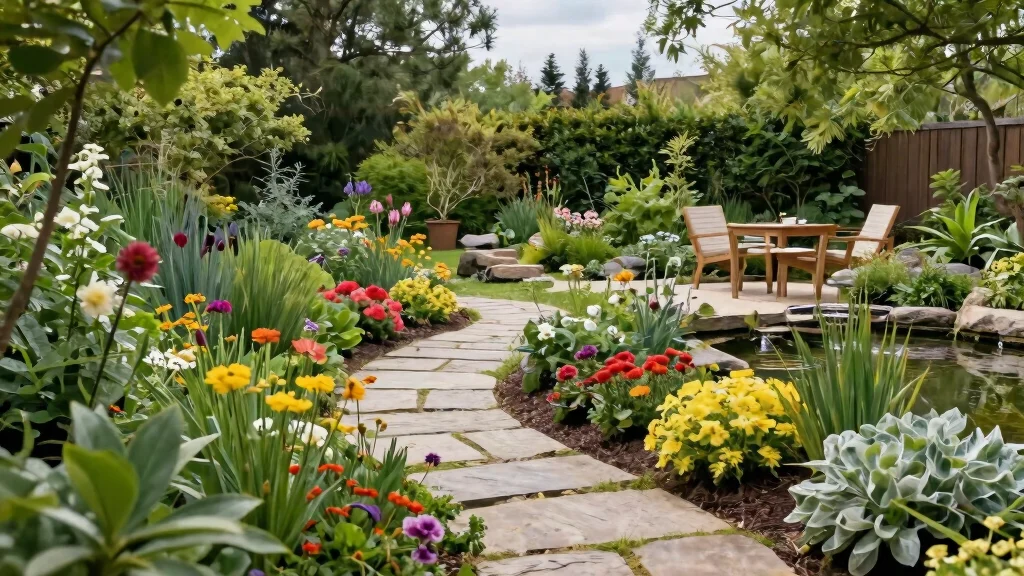
Creating a stunning backyard that reflects nature’s beauty can sometimes seem daunting. You might feel overwhelmed with choices, wondering where to start or how to make your outdoor space truly shine. That’s why I put this together. I wanted to share some simple yet effective ideas for natural backyard landscaping that allow the charm of the outdoors to take center stage.
If you have a love for gardening or want to create an eco-friendly yard, this post is for you. It’s perfect for anyone looking to enhance their outdoor space with sustainable landscaping practices. Whether you’re a novice gardener or have a seasoned green thumb, the ideas here will inspire you to embrace the beauty of nature right in your backyard.
You’ll discover eight natural landscaping ideas that not only improve the aesthetics of your yard but also contribute to a healthier environment. From incorporating native plants to creating cozy outdoor spaces, these suggestions are practical, accessible, and bound to make you fall in love with your backyard all over again. Let’s dive in and explore how you can turn your space into a natural haven!
Key Takeaways
– Embrace Native Plants: Native plants thrive in your local climate, requiring less water and maintenance while supporting local wildlife.
– Create Natural Pathways: Using stones or wood chips can form beautiful, eco-friendly paths that lead visitors through your garden.
– Incorporate Water Features: Adding elements like small ponds or fountains can attract wildlife and enhance your space’s tranquility.
– Use Mulch and Natural Ground Covers: This helps retain moisture in the soil and suppress weeds while giving your garden a finished look.
– Foster Wildlife Habitats: By creating spaces for birds, butterflies, and other wildlife, you’ll contribute to local ecosystems and enjoy natural beauty.
Recommended Products


Wall format spacious grid sizes for easy scheduling and clear monthly organization.

100% Pure, Non-GMO Seeds – No fillers, favorites only! Includes 11 easy-to-grow species: Cornflower Dwarf Mix, Cornflower Tall Mix, Wild Cosmos Sensation Mix, Black Eyed Susan, Purple Coneflower, Daisy Gloriosa Mix, Russell Lupine, Wild Perennial Lupine, Plains Coreopsis, Siberian Wallflower, Perennial Blue Flax, and others, subject to change.
1. Embrace Native Plants
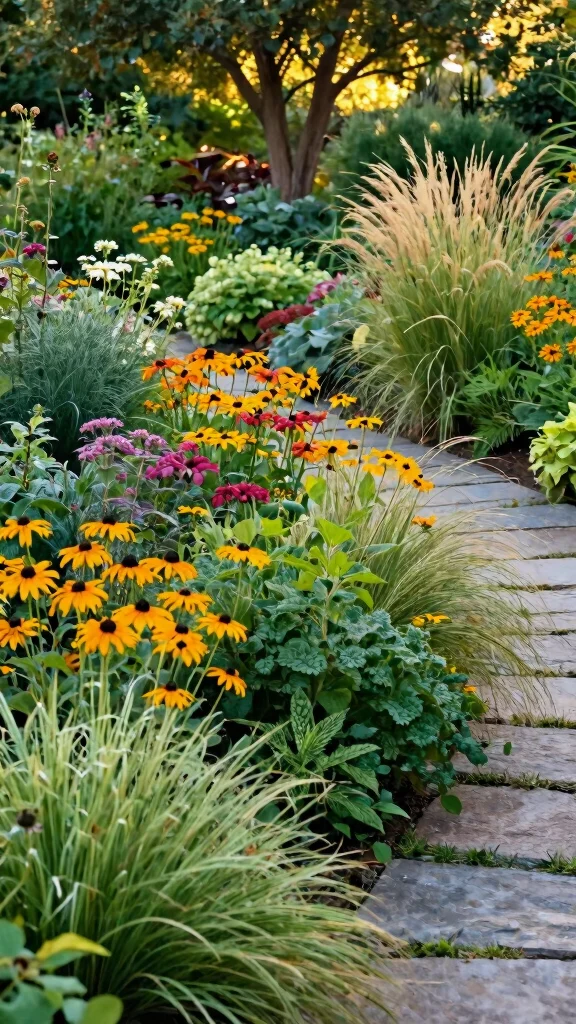
Native plants are essential for a thriving and sustainable backyard. They are specifically adapted to your local climate, which means they require less maintenance and are more resistant to pests. Instead of selecting exotic plants that may struggle, opt for beautiful native varieties like coneflowers or black-eyed Susans in the Midwest, and agave or desert marigolds in the Southwest. By adding these plants, you create a vibrant garden that flourishes with minimal effort.
To effectively integrate native plants into your landscape, start by researching which species thrive in your area. Mix different plants to create a diverse habitat that supports local wildlife, especially pollinators like butterflies and bees. You can even group plants with similar needs to simplify maintenance and enhance visual appeal.
Key steps to embrace native plants:
– Research native species for your region.
– Mix plant varieties to promote biodiversity.
– Choose plants that attract pollinators.
– Group similar plants for easier care.
By incorporating native plants, you enhance your backyard’s beauty while supporting local ecosystems and creating a sustainable outdoor space.
Recommended Products
【HEAVY-DUTY BONDING & LONGEVITY】Stop Rock Shifting Permanently Tired of pebbles scattering over your lawn every time you mow or step on them? Sudale rock glue for landscaping delivers a commercial-grade, heavy-duty bond that locks pea gravel, river rocks, and stones firmly in place. Perfect for high-traffic yard pathways, patio borders, and driveway edges, ensuring your landscaping stays pristine and manicured year-round against wind, foot traffic, and pets.

Instantly Upgrade Your Landscape - Transform muddy or bare areas into a charming rustic scene with this versatile garden pathway. Perfect for creating a clean garden walkway over dirt, gravel, or grass, it serves as functional garden decor for outside spaces. Simply unroll it to create an inviting entry to your patio, vegetable patch, or beach area

Decorative beautification effect: using unique natural pebbles, can be freely spliced and combined to create a personalized patio path or pattern. It can also be separated into single pieces and flexibly embellished in various parts of the yard, adding natural wild fun. It is a unique and practical decorative element for lawn and garden
Embrace Native Plants
Editor’s Choice
GARDENWISE Natural Organic Sea Shell Mulch for Gardens and Landscaping �…


Native Wildflower Seeds for Planting 24 Variety Pack – Perennial & Ann…
Rapitest Soil Test Kit for Gardens, Vegetables, Flowers and Lawns. USA d…
2. Create Natural Pathways
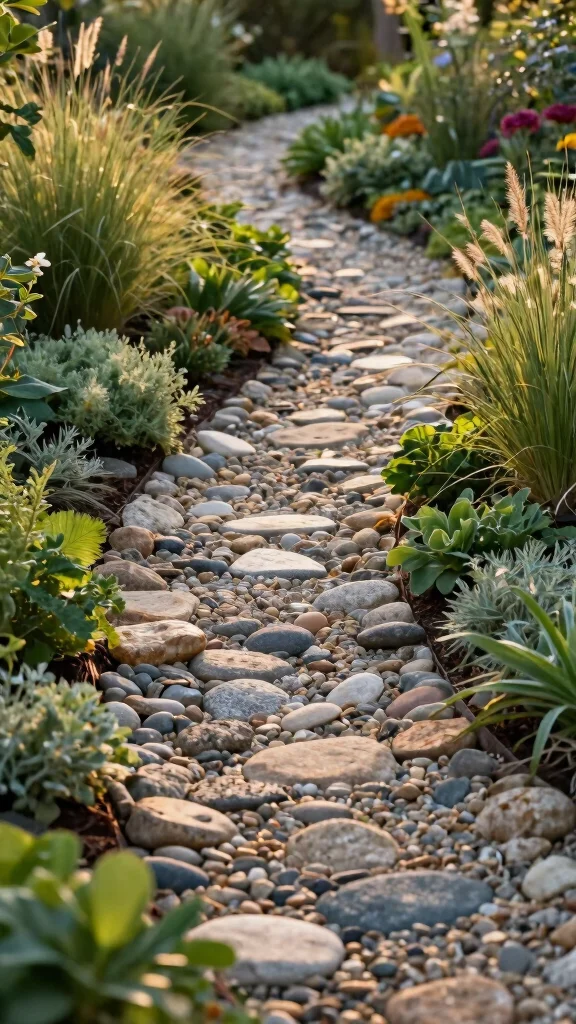
Natural pathways enhance the flow and beauty of your backyard, guiding visitors through lush landscapes. Instead of hard surfaces like concrete, consider using gravel, stepping stones, or wood chips to create an inviting and organic feel. These pathways can lead to cozy seating areas, vibrant flower gardens, or even productive vegetable patches.
When designing your pathways, choose sustainable materials that fit your eco-friendly values. Incorporate gentle curves to mimic the natural landscape, and line your paths with low-growing plants to create definition without obstructing views. Mixing textures, like smooth stones and rough wood, can also add visual interest.
Steps for creating natural pathways:
– Select eco-friendly materials for your paths.
– Use curves for a natural look.
– Line paths with low-growing plants for definition.
– Combine different textures for visual appeal.
Crafting natural pathways beautifies your backyard and makes it more functional, creating spaces for family and friends to connect with nature.
Natural backyard landscaping thrives when paths invite exploration. Swap concrete for gravel or wood chips, and let gentle curves guide visits to cozy seating spots or blooming borders. Small changes, big impact—sustainable materials make your outdoor space feel genuinely alive.
Recommended Products
Gives any landscape a finished look and feel

Multifunction: The felt mulch pathway is mainly used for landscaping and gardening, which can be used as a decorative addition to your outdoor garden and as a weed barrier to help you reduce yard work.

Create Natural Pathways
Editor’s Choice

Arqlite Smart Gravel | Eco-Friendly Plant Drainage for Healthy Roots | P…

Double Tree Incense Cedar Wood Chips for Potting House Plants, Vegetable…

Large DIY Stepping Stone Kit, Handprint Stepping Stone, Mother’s Day Gif…
3. Incorporate Water Features
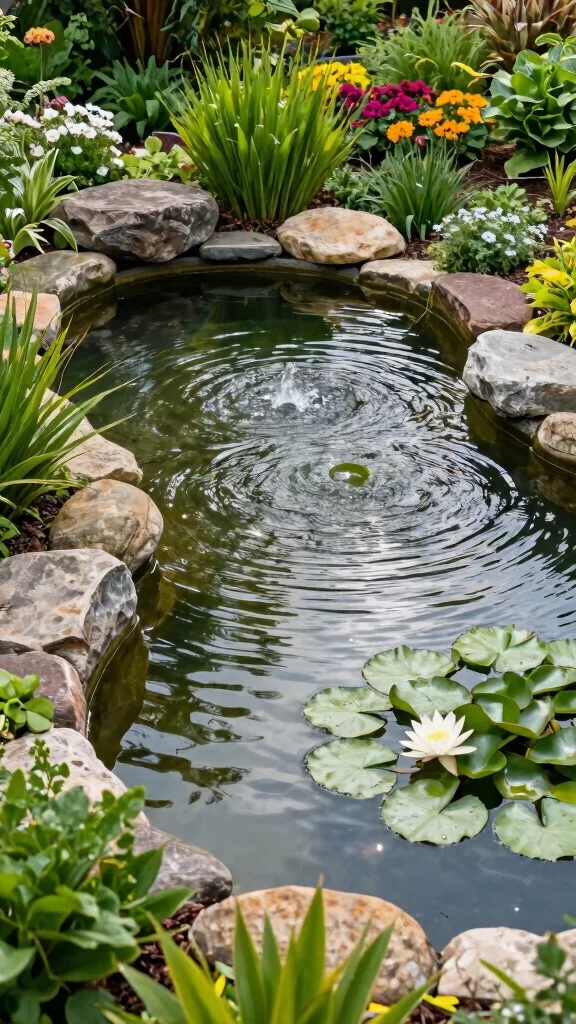
Adding water features to your backyard can elevate its natural beauty and create a tranquil atmosphere. Whether you choose a small pond, a bubbling fountain, or a simple birdbath, these elements draw wildlife and offer a soothing backdrop. Ponds, in particular, can host aquatic plants and provide habitats for frogs and dragonflies.
Consider designing your water features with organic shapes that mimic nature. Use native aquatic plants like water lilies or cattails to create a seamless transition from land to water. Ensure the edges are accessible for wildlife, and think about adding a fountain for gentle sounds that enhance the serene environment.
Ideas for incorporating water features:
– Choose organic shapes for ponds.
– Use native plants around water edges.
– Create gentle slopes for wildlife access.
– Add a fountain for soothing sounds.
By integrating water features, you not only beautify your backyard but also create a peaceful sanctuary that attracts life and nurtures relaxation.
Fun Fact: A simple backyard water feature—even a 12-inch-deep pond or bubbling fountain—draws dragonflies and frogs within days. Use native aquatic plants like water lilies and cattails to keep it natural, low-maintenance, and wildlife-friendly.
Recommended Products

Specs & Dimensions: 4.33*3.5*4.1 inches; Max flow rate: 800 GPH (3000L/H); Max lift height: up to 10 ft.; Wattage: 50W; Voltage: 110-120V

Eradicates yellow and black algae

Ultra Quiet Design : The relible and duarable motor does not produce much noise, giving you quiet environment. This submersible pump is designed for small size aquariums, Fish tanks, Pond, desk fountains, pet cat dog water fountain, water gardens and hydroponic systems. 【AC Powered: 110 - 120 V. Not Solar Pump】
📹 Related Video: Vanishing Waterfalls Easy DIY Planter Pot Fountain
Incorporate Water Features
Editor’s Choice

Virginalis Live Perennial Water Lily Perfect Pond Plant Pre Grown Bare R…

Aquascape DIY Backyard Pond Kit 8 x 11 feet – Complete Water Garden Ec…

GROWNEER 550GPH Submersible Pump 30W Fountain Water Pump, 2000L/H, with …
4. Use Mulch and Natural Ground Covers
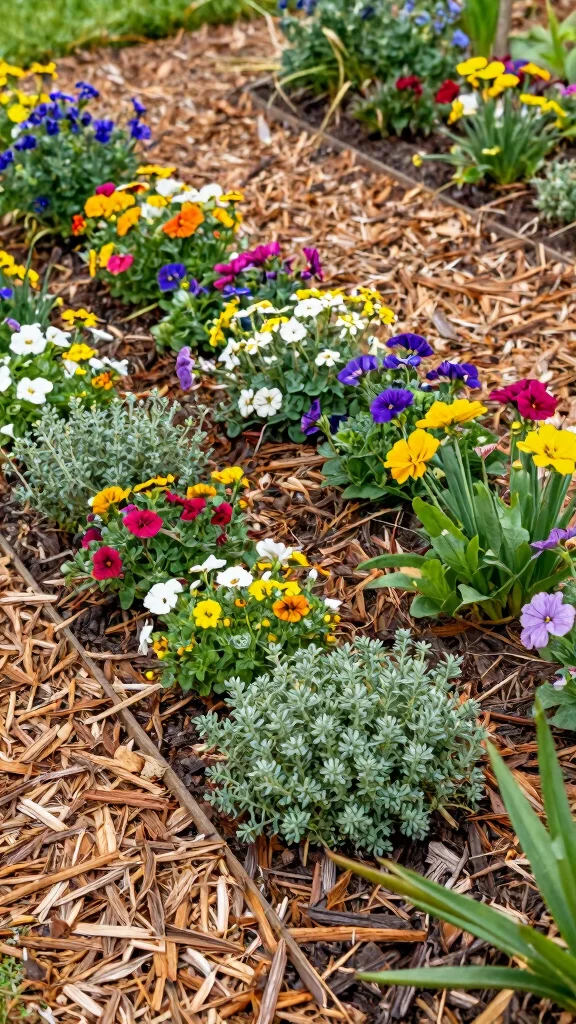
Mulch and natural ground covers are vital for a beautiful and sustainable landscape. Using organic materials like wood chips or shredded leaves as mulch not only enhances your garden’s visual appeal but also helps retain moisture and suppress weeds. Ground covers such as creeping thyme or clover can fill gaps and add texture to your outdoor space.
For effective use, layer mulch to maximize moisture retention and weed prevention. Select native ground covers that thrive in your local climate for a low-maintenance solution. Mixing different types of mulch and ground covers can create depth and keep your garden visually interesting.
Tips for using mulch and ground covers:
– Layer mulch for moisture retention.
– Choose native plants for ground cover.
– Mix textures for added depth.
– Define spaces with mulch for a tidy look.
With the right approach to mulch and natural ground covers, you can create a stunning backyard that requires less maintenance while looking beautiful.
Recommended Products


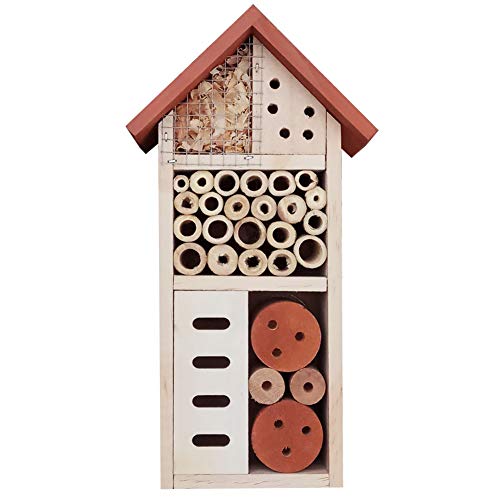
Shelter for Insect: Lulu Home wooden insect house attracts insects to your garden, and provides them with a safe environment to live, lay eggs, pass the winter or just take shelter from the rain.
You might also like


Use Mulch and Natural Ground Covers
Editor’s Choice

20000+Creeping Thyme Seeds for Planting Outdoor-Heirloom Thymus Serpyllu…
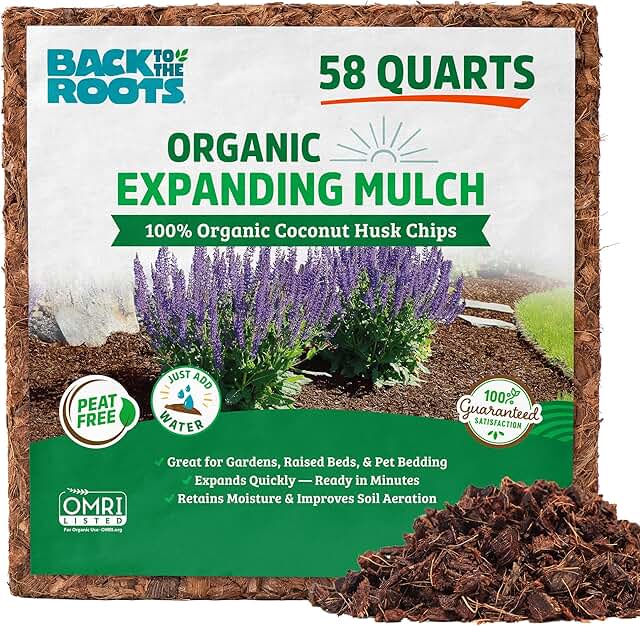
Back to the Roots 100% Organic Mulch, 58 Quart, Expanding Coconut Husk B…

Outsidepride Perennial White Dutch Clover Seed – 2 lbs. Nitrocoated, Ino…
5. Plant a Butterfly Garden
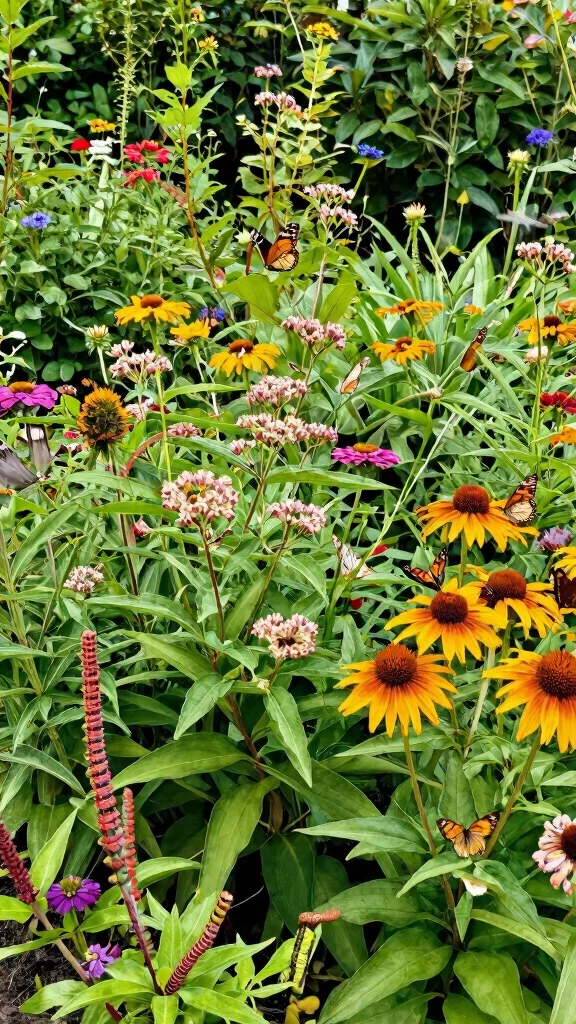
A butterfly garden is a delightful way to enhance your backyard while supporting vital ecosystems. By incorporating plants that attract butterflies, you create a colorful and lively environment. Focus on including host plants for caterpillars and nectar sources for adult butterflies to make your garden thrive.
Start by selecting host plants like milkweed for monarchs and parsley for swallowtails. Mix in a variety of flowering plants that bloom at different times to provide a continuous food source. Providing sunny spots for basking and sheltered areas will also make your garden inviting for butterflies.
Essential tips for your butterfly garden:
– Include host plants for caterpillars.
– Use a variety of flowering plants for continuous blooms.
– Create sunny and sheltered spots for butterflies.
– Avoid pesticides to protect beneficial insects.
By planting a butterfly garden, you’ll create a beautiful space that not only attracts stunning butterflies but also contributes to their preservation, making your backyard a vibrant haven.
Recommended Products

Durable Flag -- Material: 100% burlap. Weatherproof and non-fray durability, Dyrenson home garden's durable indoor, outdoor art flags and banners are made of machine washable polyester burlap material, fade resistant to keep them flying for many seasons

Plant a Butterfly Garden
Editor’s Choice

Monarch Butterfly Rescue Wildflower Seed Packet – 1oz, Open-Pollinated W…

Of The Earth Handmade Paper – Wildflower Seed Paper Butterfly Shape – La…
6. Implement Edible Landscaping
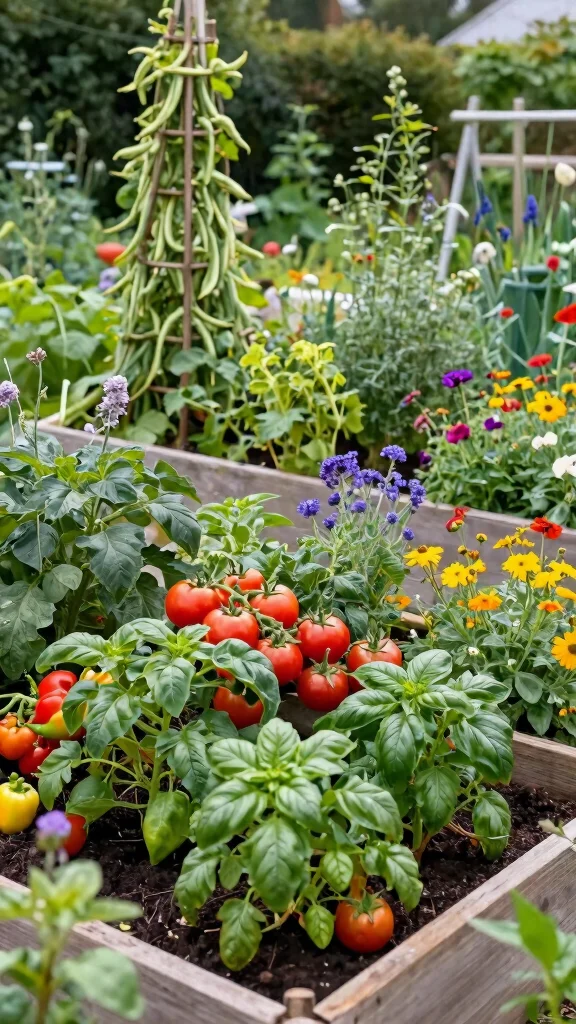
Edible landscaping is a creative way to blend beauty and sustainability in your backyard. By incorporating fruits, vegetables, and herbs into your design, you create an attractive and productive space. This method allows you to grow your own food while enjoying the charm of flowering plants.
To successfully implement edible landscaping, choose visually appealing plants like colorful peppers or fragrant herbs that fit well into flower beds. Consider vertical gardening with trellises for climbing plants to save space and add height. Plan your garden to include plants that bear fruit or bloom at different times for year-round interest.
Tips for successful edible landscaping:
– Choose aesthetically pleasing edible plants.
– Utilize vertical gardening techniques for space.
– Plan for seasonal planting for continuous harvest.
– Mix edible plants with natives for biodiversity.
With edible landscaping, your backyard becomes a feast for both the eyes and the palate, fostering a direct connection between nature and your kitchen while promoting sustainability.
Fun fact: A well-planned edible landscape can cut grocery bills by up to 25% in a standard backyard. It also turns your space into a pollinator-friendly showpiece of natural backyard landscaping.
Recommended Products

PRODUCT DETAILS: Aesthetically Beautiful and Sustainable Garden Stepping Stones Made from 100% recycled rubber, you can feel good about laying these eco-friendly stepping stones in your garden or lawn. Create an attractive pathway with our bad weather resistant stepping stones that resembles real flagstones.

Weight and Size: We offer a wide range of sizes, including 0.5-1", 1.5-2", 2-3.5", 3.5-5", and 5-7". The mixed-color river rocks feature various colors, shades, and shapes. Please note that the rocks are heavier than expected, and their volume and quantity may appear smaller than anticipated. Available in weights ranging from 10 to 40 pounds

【INSTANT GARDEN PATHWAY】Create a beautiful, natural stone walkway in seconds without the hard work. These pre-assembled mats require no digging, mixing cement, or heavy lifting. Simply lay them down on grass, mulch, gravel, or soil to instantly define a path and keep your shoes clean and mud-free.
Implement Edible Landscaping
Editor’s Choice

Yaheetech 8×2ft Wooden Horticulture Raised Garden Bed Divisible Elevate…

TOREVSIOR 5-Tier Vertical Raised Garden Bed, Vertical Garden Planter wit…

Ahopegarden Indoor Garden Hydroponics Growing System: 10 Pods Plant Germ…
7. Create Cozy Outdoor Spaces
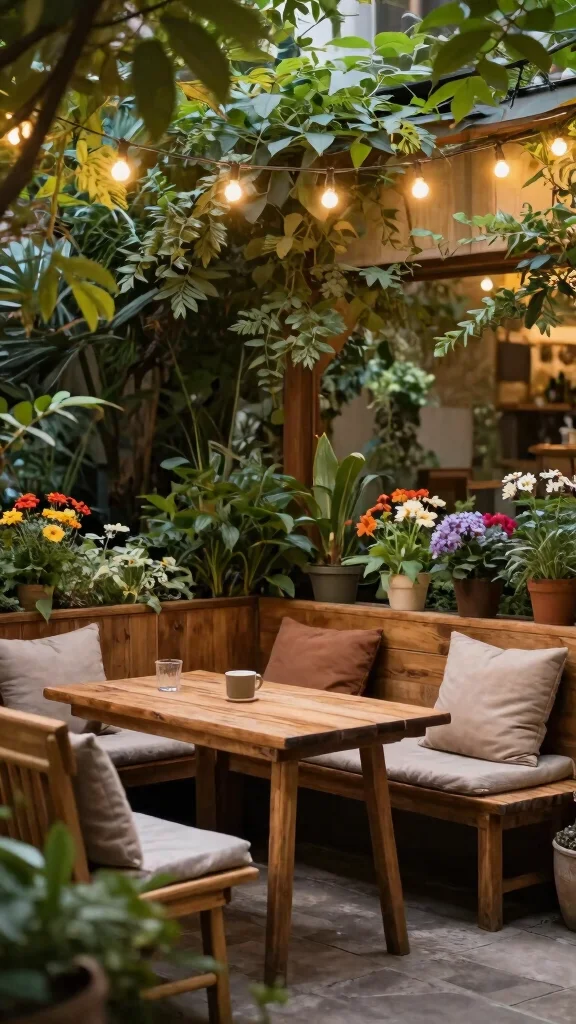
Designing cozy outdoor spaces enhances your backyard’s charm and provides spots for relaxation. Comfortable seating paired with natural elements creates inviting areas for gatherings or peaceful moments. Use materials like wood, stone, or wicker to ensure your space harmonizes with the landscape.
To create cozy areas, select furniture made from sustainable materials that withstand outdoor conditions. Add soft cushions and throws in earthy tones for warmth and comfort. Incorporate lighting, like string lights or lanterns, to create a warm ambiance as the sun sets, and surround your seating with greenery for intimacy.
Ideas for cozy outdoor spaces:
– Choose durable, natural furniture.
– Add soft textiles for comfort.
– Incorporate warm lighting for ambiance.
– Surround seating with plants for intimacy.
By designing cozy outdoor spaces, you invite relaxation and foster a deep connection with nature, making your backyard a cherished retreat for everyone.
Recommended Products

PREMIUM LANDSCAPING LOOK Enhance flower beds, pathways, gardens, and outdoor spaces with rich black rubber mulch designed to create a clean, modern, professional landscape appearance year-round.
Targeted Weed Control for Garden Borders - Designed specifically for edging zones, this 9-inch wide weed mat creates a strong barrier between lawns and flower beds to block grass and weeds from spreading into planting areas.

POWERFUL WEED CONTROL: constructed with heavy duty, 3.2oz woven polypropylene; fabric resists tearing and degradation over time; durable weed barrier fabric offers long lasting use that helps maintain healthy soil by allowing water and air to pass through while providing strong protection
You Might Also Like

How To Choose Native Plants for Natural Backyard Landscaping
Choosing the right native plants is key to creating a beautiful, sustainable backyard. Native plants are well-suited to your local climate and soil, making them easier to care for while also supporting local wildlife. Here’s how you can select the best native plants for your garden.
1. Know Your Zone
Start by identifying your USDA Plant Hardiness Zone. This information helps you understand which plants will thrive in your area’s climate. You can find your zone by checking online charts or local gardening resources. Knowing this will save you time and money, as you won’t waste effort on plants that won’t survive.
2. Soil Type
Understand the type of soil in your yard. Is it sandy, clay, or loamy? Native plants have specific soil preferences. You can test your soil by purchasing a kit or sending samples to a local extension service. This knowledge will guide you in choosing plants that naturally flourish in your existing soil conditions.
3. Sunlight Exposure
Determine how much sunlight your garden gets during the day. Some plants thrive in full sun, while others prefer partial shade. Observe your yard at different times to see where the sun hits. This way, you can match the plants’ light requirements with the areas of your garden.
4. Water Needs
Consider how much water each plant requires. Some native plants are drought-tolerant, while others might need more moisture. Think about how you will water your garden or if it relies on rainfall. Selecting plants with similar water needs helps keep maintenance low.
5. Plant Size
Check the mature size of the plants you’re considering. Some may grow tall and wide, while others stay small. Knowing how big they will get helps you plan your garden layout effectively. Keep in mind that larger plants can shade smaller ones, affecting their growth.
6. Attracting Wildlife
Choose plants that attract local wildlife like butterflies, bees, and birds. These plants support biodiversity and create a lively environment. Research what native species are known to appeal to local pollinators. This not only enhances your garden’s beauty but also contributes to the ecosystem.
Pro Tip: Visit local nurseries or botanical gardens to see native plants in person. This can spark ideas for your landscaping and help you visualize how different plants will look together.
By carefully considering these factors, you can create a stunning natural backyard that thrives with minimal effort. You will enjoy not only the beauty of your garden but also the satisfaction of having a sustainable, eco-friendly outdoor space.
Recommended Products
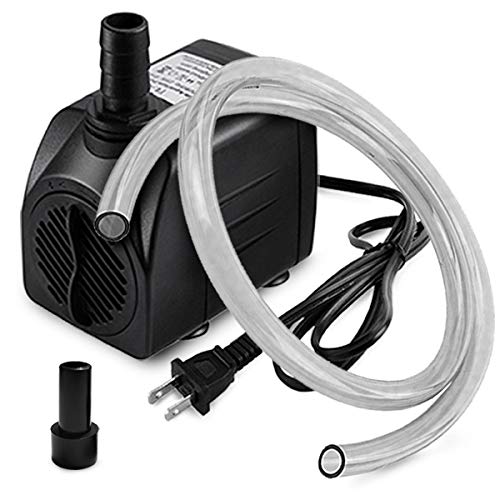
Multi Function: Pumps can help you to circulating your aquarium, and creat a nature aqua world for the fishes. Our pumps can continuously supply stable flow, a good choice for medium fish tanks, small pond, fountains, water spring artworks, garden, aquaponic, aquaculture and many more.

LATEST SOLAR POWERED FOUNTAIN: Mademax bird bath fountain with 100% full solar panel to reach 3.5W power. The solar birdbath fountain only needs 3 seconds to operate automatically in direct sun, with a spray height of 4–27.5 inches (10-70cm). No electricity or battery needed. What an Eco- Friendly and stable product! The most important this will attract a lot of hummingbirds to your garden

【Fountain Pump with Colorful LED Light】: This Fountain pump features 12 energy-saving LED light beads with 4 colors (red, blue, green, yellow), makes a decorative water feature lighting effect for gardens, patio, ponds, aquariums, fish tanks, waterfalls, indoor and outdoor fountains 【 Better lighting effect at night 】
Create Cozy Outdoor Spaces
Editor’s Choice
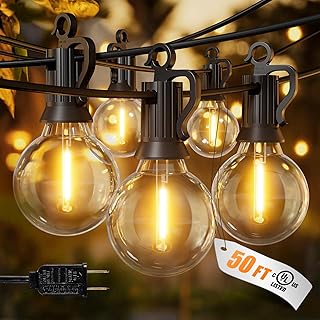
Brightown Outdoor String Lights, 50FT 25 G40 Bulbs Shatterproof Patio Li…

AAAAAcessories Outdoor Deep Seat Cushions with Double Welted Pillow, Wat…

Rattaner Patio Wicker Furniture Set 6 Pieces Outdoor HDPE Wicker Convers…
8. Foster Wildlife Habitats
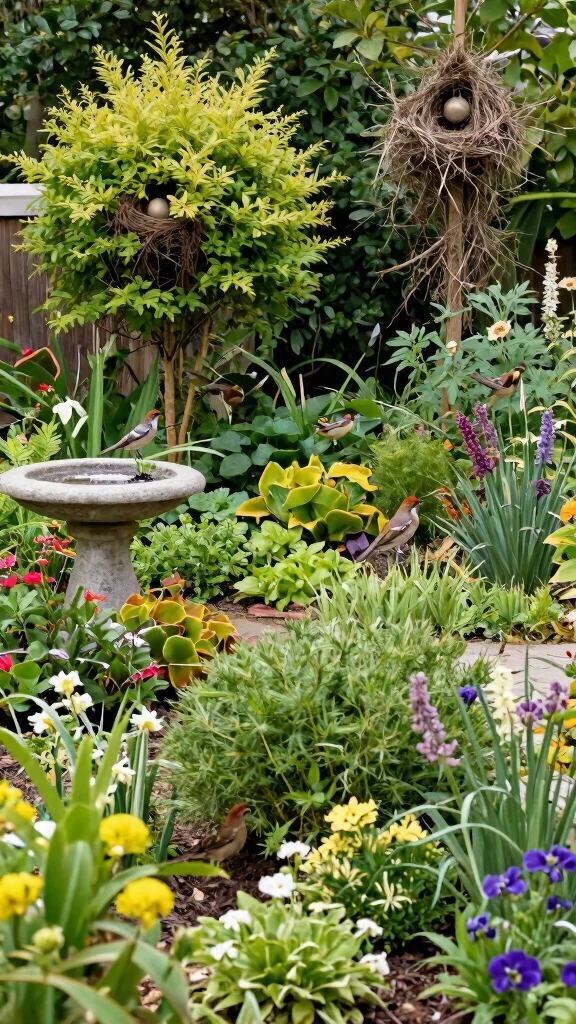
Creating habitats for local wildlife is a rewarding way to boost biodiversity in your backyard. By providing food, water, and shelter, you attract beneficial creatures like birds and pollinators. Simple steps can make your garden a haven for wildlife while being aesthetically pleasing.
Start by planting a variety of native plants that bloom throughout the year, ensuring food sources for wildlife. Incorporate water features like birdbaths or small ponds for drinking spots. Create nesting areas with birdhouses or leave natural spaces undisturbed to support ground-nesting birds.
Steps to foster wildlife habitats:
– Plant diverse native flora for year-round food.
– Include water sources for wildlife.
– Create nesting areas with birdhouses.
– Avoid chemical pesticides for a safe environment.
By fostering wildlife habitats, you not only beautify your backyard but also contribute to a healthier environment, enjoying nature’s wonders right at home.


Foster Wildlife Habitats
Editor’s Choice

Rivajam Beekeeper Pro Mach II Mason Bee House – Strong + Waterproof Bee …

3″ Deep Metal Bird Bath for Outdoors, Removable 13″ Dia Bowl with Stable…

Wildflower Seeds Bulk Mix – 10,000+ Perennial & Annual Seeds – Texas, Ca…
Conclusion
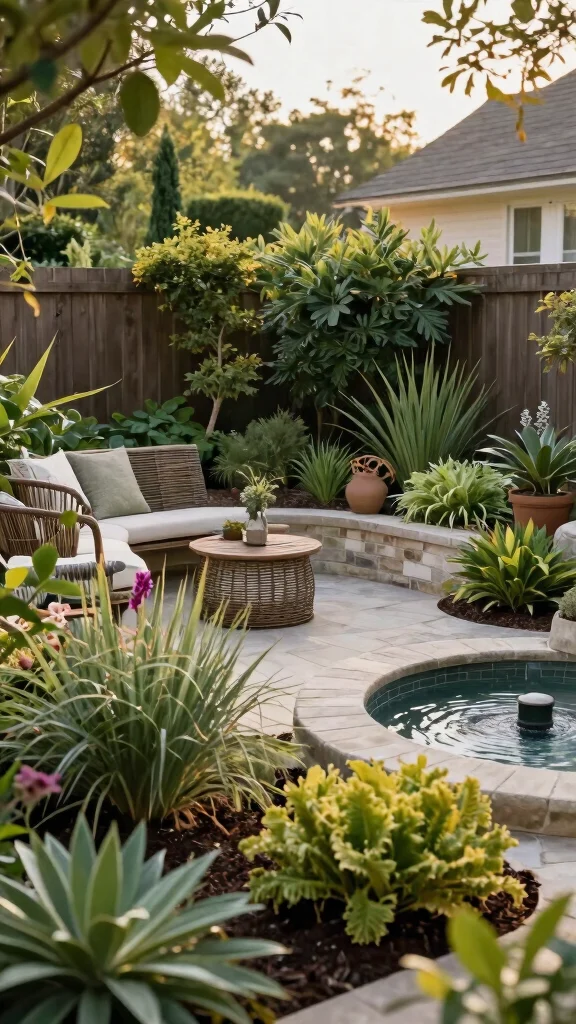
Embarking on these natural backyard landscaping ideas allows you to create a space that celebrates the beauty of the outdoors while promoting sustainability. Each approach not only enhances your backyard aesthetics but also contributes to local ecosystems and wildlife. Whether it’s through planting native flora, incorporating water features, or designing cozy outdoor spaces, every decision you make can lead to a more harmonious relationship with nature. So get started on your backyard transformation today and revel in the beauty that surrounds you!
Note: We aim to provide accurate product links, but some may occasionally expire or become unavailable. If this happens, please search directly on Amazon for the product or a suitable alternative.
This post contains Amazon affiliate links, meaning we may earn a small commission if you purchase through our links, at no extra cost to you.
Frequently Asked Questions
What is natural backyard landscaping and why is it a sustainable choice for my yard?
Natural backyard landscaping means designing and planting with native species and natural features so the outdoors speaks for itself. It emphasizes sustainability, low water use, and minimal chemical inputs.
In practice, start with a simple site assessment and a flexible landscape design that groups plants by sun, moisture, and bloom times. Native plants attract local pollinators and reduce maintenance, enhancing backyard aesthetics and resilience while fitting into sustainable landscaping goals.
Actionable steps: pick a couple of native grasses or perennials for structure, add a pollinator strip along a sunny border, and consider a rain garden to manage runoff.
How can I choose native plants for a landscape design that stays beautiful and low maintenance?
Start with your climate zone and soil type, then pick natives that match sun exposure and drainage. For a cohesive landscape design, choose 3–4 adaptable natives that provide year-round structure and color, and layer them with different heights and textures.
Group plants by water needs to simplify irrigation, add a mulch layer to conserve moisture, and avoid invasive species to protect local ecosystems. With natural backyard landscaping, you get outdoor gardening beauty that lasts with less work.
What are easy, practical ideas for eco-friendly yards that still deliver standout backyard aesthetics?
Try these practical ideas: replace high-water lawn with native groundcovers or clover to cut water use and boost eco-friendly yards.
Add a rain garden to catch runoff, mulch deeply around beds, and install a drip irrigation system to minimize waste. Create a naturalistic meadow or prairie-style planting for ongoing backyard aesthetics, and incorporate evergreen natives for winter structure. Finish with solar lighting to highlight features without energy waste.
How can natural backyard landscaping support local wildlife and pollinators in outdoor gardening?
By choosing native plants that provide nectar, pollen, and berries, you feed local wildlife year-round in outdoor gardening settings.
Include a shallow water source, shelter like dense shrubs and brush piles, and avoid pesticides that harm bees and butterflies. Plan a staggered bloom calendar and connect plantings to form wildlife corridors, so birds, pollinators, and beneficial insects thrive without sacrificing backyard aesthetics.
How can I plan and implement a natural backyard landscaping project on a budget without sacrificing results?
Start with a simple master plan and a realistic timeline, then phase the project to spread costs.
Source native plants from local nurseries, reuse reclaimed materials, and compost at home to cut soil amendments. Replace lawn gradually with native groundcovers or meadow patches, and mulch beds to reduce maintenance. Consider container gardens for tight spaces and shop sales to stretch your budget while maintaining strong landscape design and natural backyard landscaping results.
Related Topics
natural backyard landscaping
sustainable landscaping
native plants
eco-friendly yards
landscape design
outdoor gardening
backyard aesthetics
low maintenance
beginner friendly
seasonal gardening
wildlife friendly
DIY landscaping