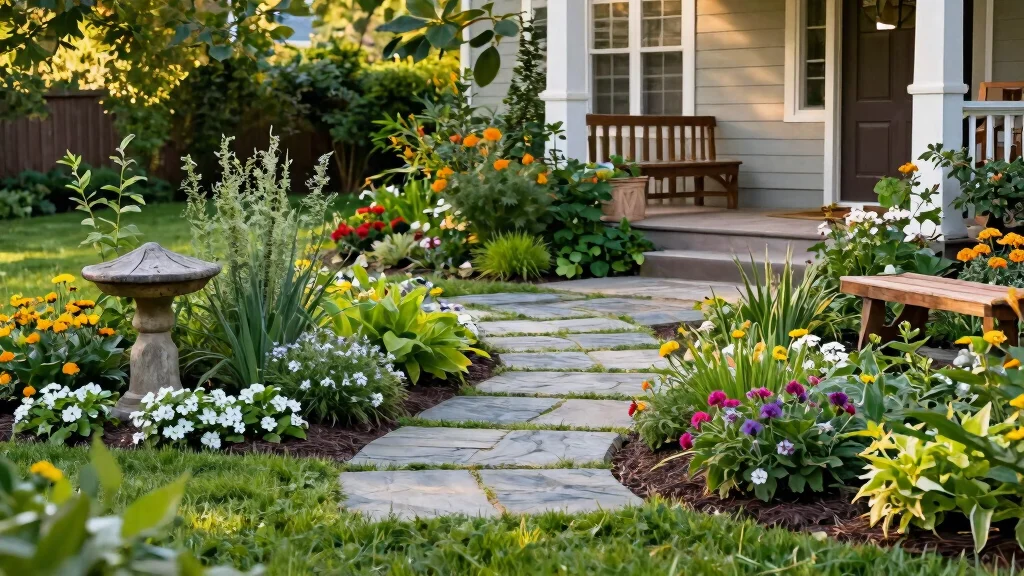
Creating a stunning front yard can feel like a daunting task. But with the right outdoor landscaping ideas, it can be a fun and rewarding project. I made this post because I know how important curb appeal is for homeowners. Your front yard is the first impression of your home. It can reflect your personality, values, and even your commitment to the environment. If you’ve been yearning for a front yard that stands out and showcases your eco-conscious lifestyle, you’re in the right place.
This guide is perfect for eco-friendly homeowners who care about sustainability and beauty. If you love gardening and want your home to shine with charm and character, these landscaping ideas are tailored just for you. I’ve gathered seven creative and sustainable landscaping ideas that will not only enhance your front yard’s appeal but also support our planet. You’ll discover how to incorporate native plants, eco-friendly decor, and even edible landscapes into your design.
By the end of this post, you will have a wealth of inspiration and practical tips to transform your front yard into an inviting space that reflects your eco-friendly values. Whether you want to create a native plant garden or a rain garden, you’ll find actionable insights that make your outdoor space both beautiful and sustainable.
Key Takeaways
– Start with native plant garden beds to attract local wildlife and reduce water needs by selecting plants native to your area.
– Create eco-friendly pathways using sustainable materials like recycled stone or wood, which can enhance your yard’s aesthetic while being kind to the environment.
– Consider adding vertical gardens to maximize space and bring greenery into small areas, turning your front yard into a lush oasis.
– Incorporate sustainable outdoor decor elements, such as upcycled items or solar lights, to add personality while being eco-conscious.
– Explore edible landscaping by integrating fruit and vegetable plants into your design, turning your front yard into a productive and beautiful space.
1. Native Plant Garden Beds

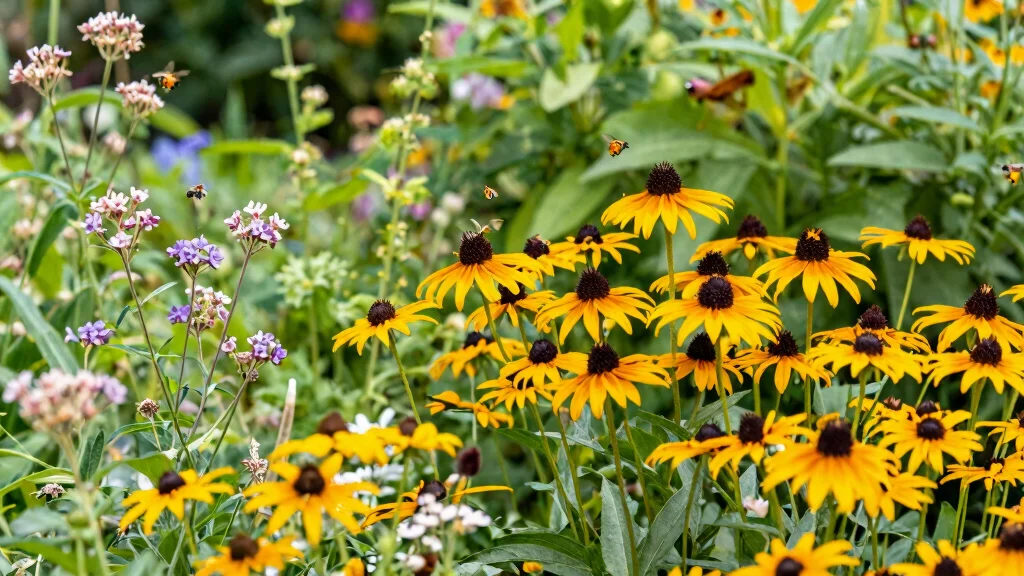
Imagine transforming your front yard into a vibrant sanctuary for local wildlife with native plant garden beds. These plants are perfectly suited for your local climate, requiring minimal water and care while attracting pollinators like butterflies and bees. Picture a lively patch of wildflowers, displaying a palette of colors that shift with the seasons, enhancing both beauty and biodiversity in your yard.
To create your native garden, consult local nurseries for plants that thrive in your area. Opt for a mix of heights and colors to create visual appeal, placing taller plants in the back and shorter ones in front. Instead of rigid rows, cluster your plants for a more natural look and feel.
Key tips to get started:
– Research plants that are native to your area.
– Apply mulch to retain moisture and reduce weeds.
– Regularly inspect for pests or diseases.
– Add a sign to educate passersby about your native garden.
This native plant garden not only boosts your curb appeal but also supports local ecosystems. You’ll enjoy a stunning landscape while making a positive environmental impact.
Native Plant Garden Beds
Editor’s Choice
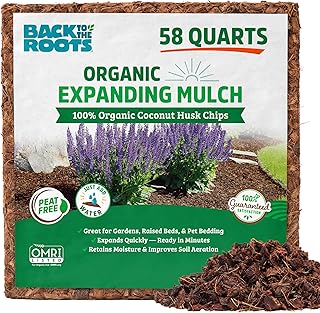
Back to the Roots 100% Organic Mulch, 58 Quart, Expanding Coconut Husk B…

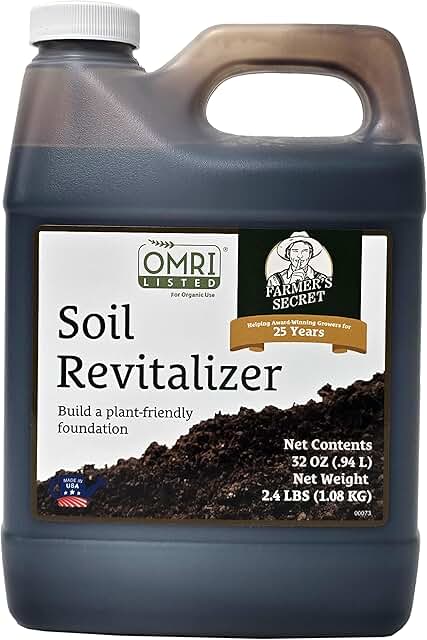
Farmer’s Secret Soil Revitalizer (32oz) – Organic (OMRI Listed) Dirt H…

Outsidepride Indian Native Grass Seed – 1 lb. Perennial, Low Maintenance…
2. Eco-Friendly Pathways

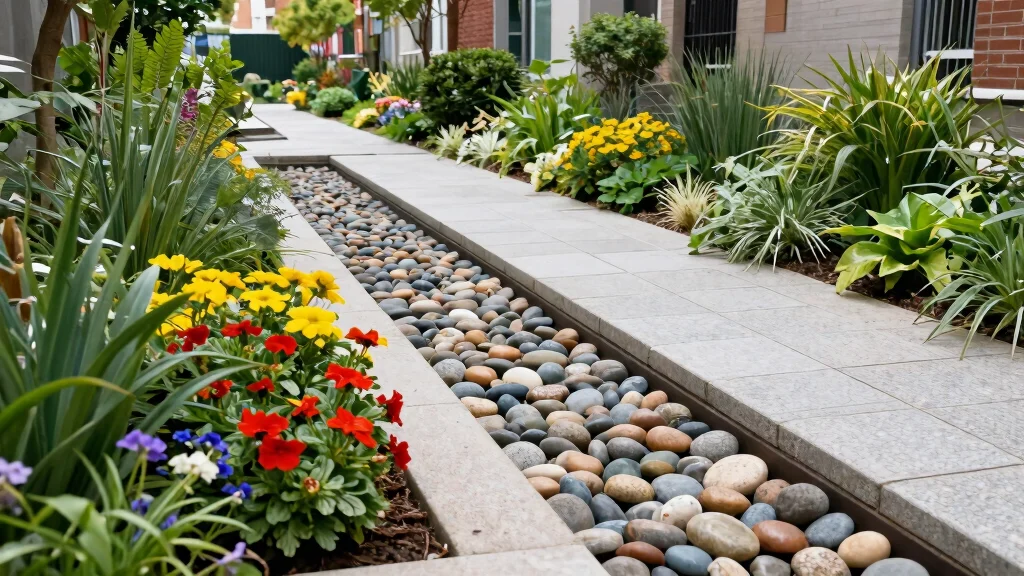
Create a warm and inviting atmosphere in your front yard with an eco-friendly pathway that enhances your home’s curb appeal. You can choose materials like gravel, reclaimed wood, or permeable pavers to make a statement while being kind to the environment. Each of these options helps manage water runoff, keeping your yard healthy and vibrant.
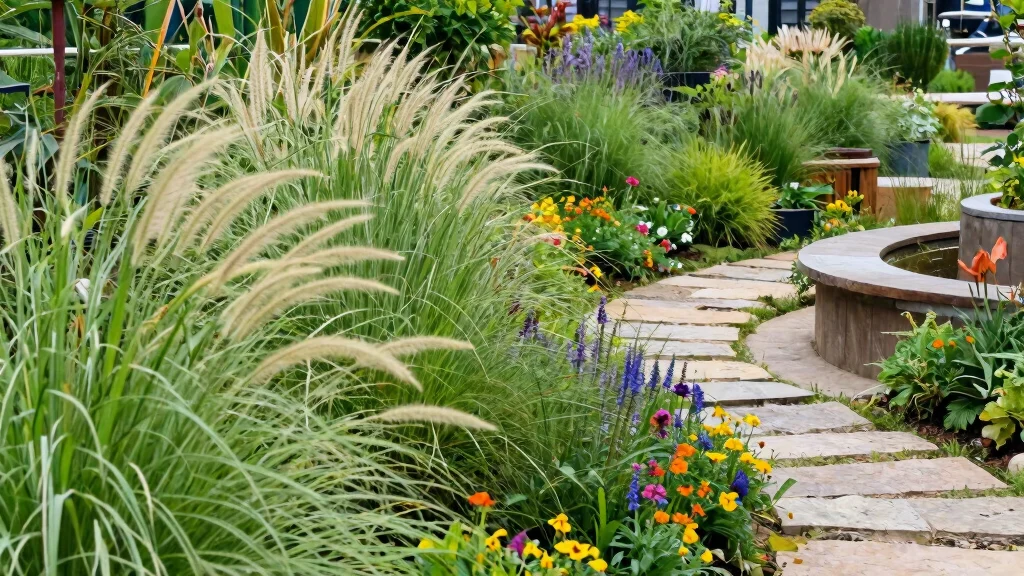
For a rustic charm, use gravel paired with natural stone borders. This allows water to seep through, promoting healthier soil. Alternatively, reclaimed wood can give your path a unique stepping stone feel, guiding visitors through the beauty of your garden.
Essential steps for designing your pathway:
– Create a welcoming path leading to your front door.
– Select materials that harmonize with your home style.
– Add plants or decor along the edges for visual flair.
With thoughtful design, your pathway will not only enhance safety but also highlight your beautiful landscaping. You’ll create a warm welcome for all who visit.
Eco-Friendly Pathways
Editor’s Choice

EasyFlex No-Dig Landscape Edging with Anchoring Spikes, 2.7 in Tall Deco…

Vodaland Permeable HexPave System – Grass & Gravel Pavers – 100% Recycle…

40 LBS Grey Pea Gravel – Landscape Rocks – Drainage Rock – Gardening – A…
3. Vertical Gardens
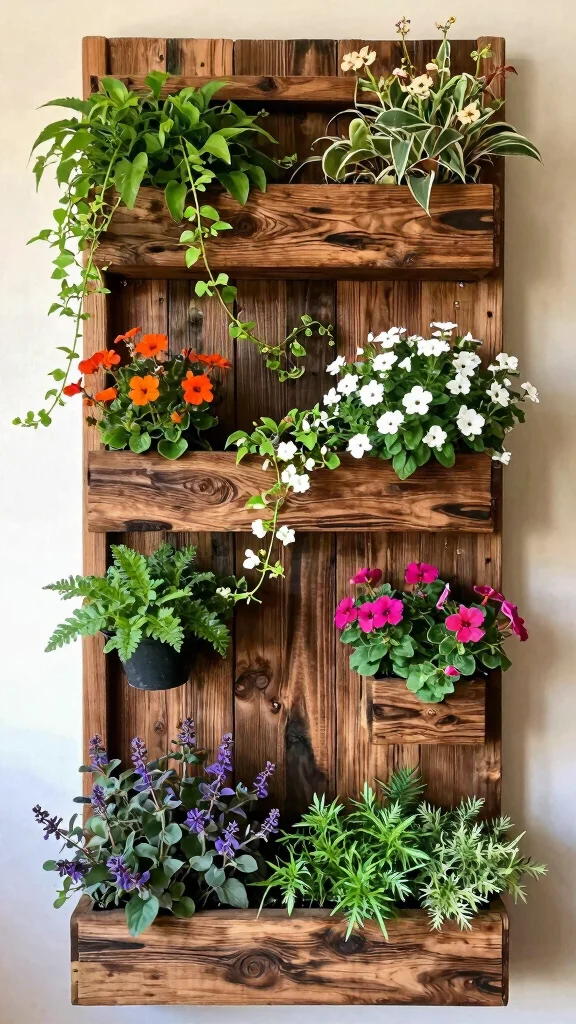
Limited space? A vertical garden can be a stunning focal point that also maximizes your front yard’s potential. These gardens utilize walls or trellises to grow plants upwards, creating a lush tapestry of greenery and blooms. Imagine climbing vines, fragrant herbs, and colorful flowers cascading down, adding depth and beauty to your landscape.
Consider using recycled materials like old pallets to build your vertical garden. Just ensure they provide good drainage and appropriate sunlight for your plants. Herbs such as basil and mint are fantastic choices for both beauty and utility, while flowers can brighten up your space.
Steps to design your vertical garden:
– Choose plants with similar light and water requirements.
– Regularly maintain and trim for optimal growth.
– Implement drip irrigation to simplify watering.
This approach not only beautifies your yard but also improves air quality and provides shade. You’ll enjoy a unique and functional garden feature.
Fun fact: A compact 4×8 vertical garden can grow a surprising variety of herbs and flowers without stealing horizontal space. With a drip irrigation system, you can cut water use by up to 50% while keeping a lush, modern landscaping front yard.
Vertical Gardens
Editor’s Choice

Ahopegarden Indoor Garden Hydroponics Growing System: 10 Pods Plant Germ…

Make Good PlantPod Luxe – Self-Watering Wall Planters (Set of 6) – Easy …

Natural Bamboo Trellis, 4Feet,3Pack,Fan-Shaped Plant Support Trellis for…
4. Sustainable Outdoor Decor
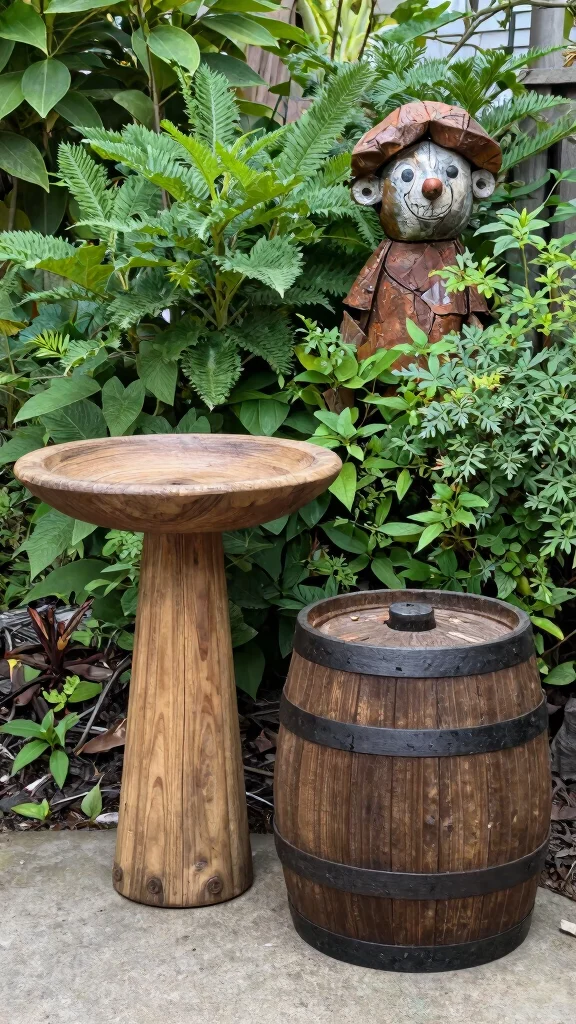
Enhance your front yard with sustainable outdoor decor that combines charm with eco-friendliness. Items like bird baths, rain barrels, or sculptures made from recycled materials can add character while benefiting the environment. These pieces not only beautify your space but also serve practical purposes.
A bird bath created from repurposed stone can invite local birds to your yard, increasing biodiversity and providing enjoyment for your family. Rain barrels can be placed beneath downspouts to collect water for your plants, helping conserve water and lower your bills.
Consider these tips for choosing decor:
– Select items that complement your landscaping design.
– Seek local artisans for unique sustainable art.
– Regularly clean and maintain decor for longevity.
By incorporating thoughtful decor, you’ll create a personalized space that reflects your values while enhancing beauty.
Fun Fact: Sustainable outdoor landscaping ideas front yard decor can trim water bills by up to 40%. A rain barrel and recycled-material sculptures not only boost curb appeal, they cut waste and invite biodiversity—perfect for eco-conscious spaces.
📹 Related Video: 3 Sustainable Lawn Alternatives (for Cold Climates)
You might also like
Sustainable Outdoor Decor
Editor’s Choice

Whimsical Metal Carnivorous Plant Garden Stake, Upgraded 25-Inch Large V…

VIVOHOME Bird Bath for Outside, Polyresin Pedestal Bird Baths for Outdoo…

FCMP Outdoor Raincatcher 4000 Rain Barrel, Flat-Back Rainwater Catcher w…
5. Edible Landscaping
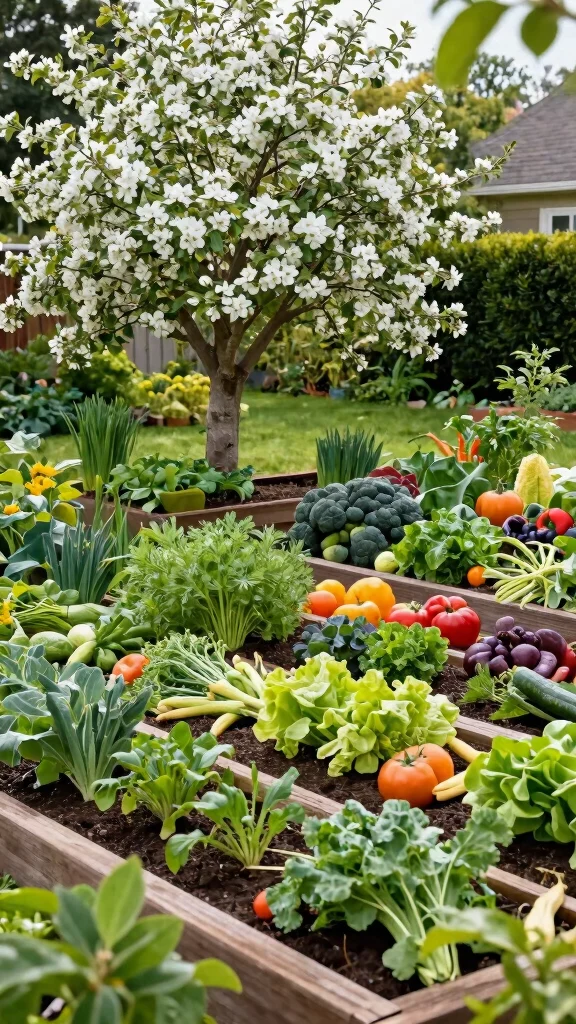
Why not combine beauty and utility with edible landscaping? Integrating fruit trees, vegetable patches, and herb gardens into your front yard allows you to enjoy fresh produce right outside your door. Imagine plucking ripe tomatoes or sweet berries from your garden as you stroll through your yard!
Edible plants can be just as beautiful as traditional landscaping. Fruit trees like flowering cherries provide stunning blooms in spring and delicious fruit in summer. Arrange herb gardens in creative shapes, adding fragrance and visual interest while supplying ingredients for your meals.
To design your edible landscape:
– Use companion planting to enhance growth and deter pests.
– Choose dwarf varieties if space is limited.
– Plan for easy access and maintenance.
This approach not only beautifies your yard but also provides fresh produce for your meals. You’ll enjoy the benefits of a productive and beautiful outdoor space.
Fun fact: edible landscaping in your front yard is both gorgeous and practical. A well-chosen mix of fruit trees, herbs, and veggies can slash seasonal grocery trips by up to 30%, while boosting curb appeal.
Edible Landscaping
Editor’s Choice
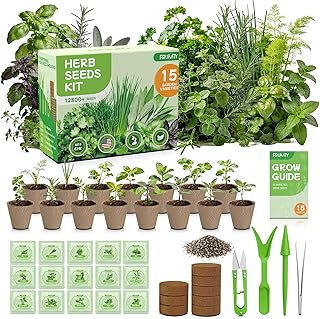
Herb Garden Starter Kit – Fruivity 12800+ 15 in 1 Herb Heirloom Seed K…
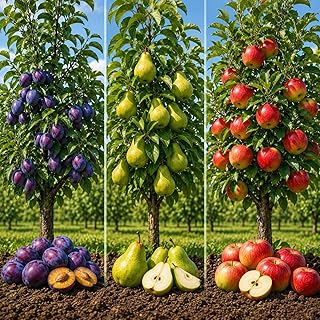
Apple, Plum & Pear Trees (3-Pack) – Dwarf Fruit Trees, Easy Grow Backy…

zunatu 10x2x1ft(2 Pack) Galvanized Raised Garden Bed,Outdoor Planter Box…
6. Rain Gardens
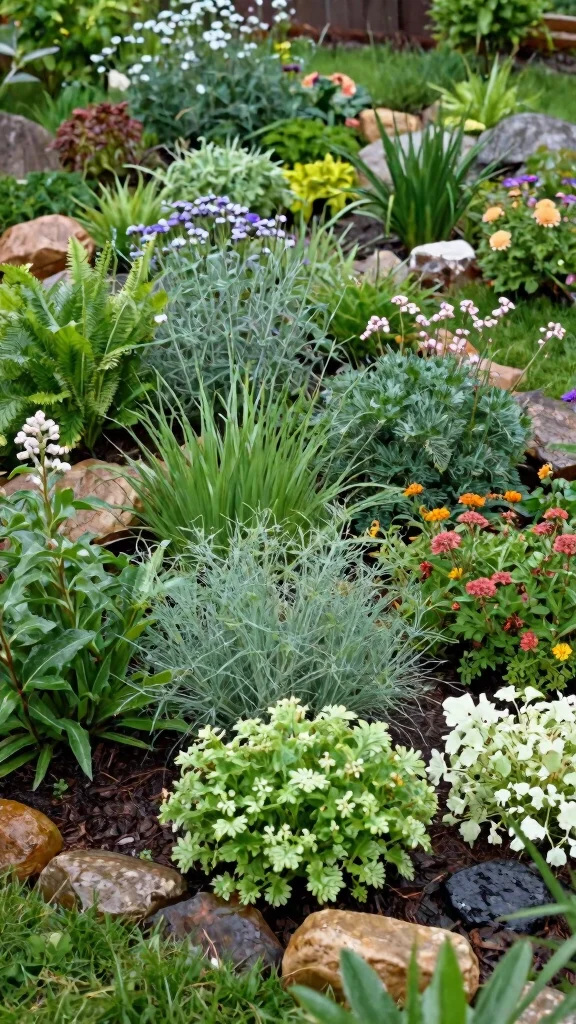
Rain gardens are a beautiful way to manage stormwater runoff while enhancing your front yard. These gardens collect rainwater from surfaces like roofs and driveways, allowing it to soak into the ground naturally. This not only reduces flooding but also filters pollutants before they reach waterways.
When designing a rain garden, choose plants that thrive in wet conditions. Native plants are often the best option, as they require less maintenance and adapt well to local conditions. Arrange your plants by height, with taller varieties in the center and shorter ones around the edges for a natural, flowing design.
Consider adding decorative stones or ornamental grasses to accentuate your garden while serving its purpose. A rain garden can be both a striking visual element and an effective solution for stormwater management.
Practical tips for your rain garden:
– Make it a focal point with surrounding paths or decorative edges.
– Ensure it drains properly to avoid standing water.
– Maintain and refresh plants as needed for a thriving garden.
This approach not only beautifies your yard but also contributes to environmental sustainability.
You Might Also Like
How To Choose Sustainable Landscaping Plants for Your Front Yard
Choosing the right plants for your front yard can make a big difference in both appearance and sustainability. Here’s how to select the best landscaping plants that not only look good but also promote eco-friendliness.
1. Plant Selection Criteria:
Consider native plants first. Native species are adapted to your local climate and soil. They require less water and are less prone to pests and diseases. This means less maintenance and fewer chemical treatments.
2. Climate Compatibility:
Understand your hardiness zone. This ensures your plants will thrive in your specific weather conditions. Check for plants that can endure both summer heat and winter cold in your area.
3. Soil Type Assessment:
Test your soil before planting. Different plants require different soil types, whether sandy, loamy, or clay. Knowing your soil condition helps you choose plants that will flourish without the need for heavy amendments.
4. Water Requirements:
Choose plants based on their water needs. Opt for drought-resistant varieties if you live in an area with limited rainfall. This not only saves water but also lowers your water bill over time.
5. Maintenance Level:
Consider how much time you can dedicate to upkeep. Some plants require more care than others. If you prefer a low-maintenance yard, look for perennials that come back year after year with minimal effort.
6. Aesthetic Appeal:
Think about colors and textures. Select a variety of plants that bloom at different times, providing year-round interest. Mixing heights and foliage types adds depth to your front yard design.
Pro Tip: Create a small sketch of your yard to visualize where plants will go. This can help you plan for sun and shade, as well as spacing requirements, ensuring a balanced look.
When you follow these guidelines, you’ll create a beautiful, sustainable front yard that enhances curb appeal and supports local wildlife. Take your time selecting the right plants, and enjoy watching them grow!
Rain Gardens
Editor’s Choice

Pulovin 15 lbs White Rocks for Landscaping, 1-2 inch Large White Rocks f…
KVITER 1500 Joe Pye Weed Seeds (Eupatorium Maculatum) – Spotted Joe Pye …

VEVOR Trench Drain System with Plastic Grate, 5.9×5.1-Inch HDPE Channel …
7. Xeriscaping

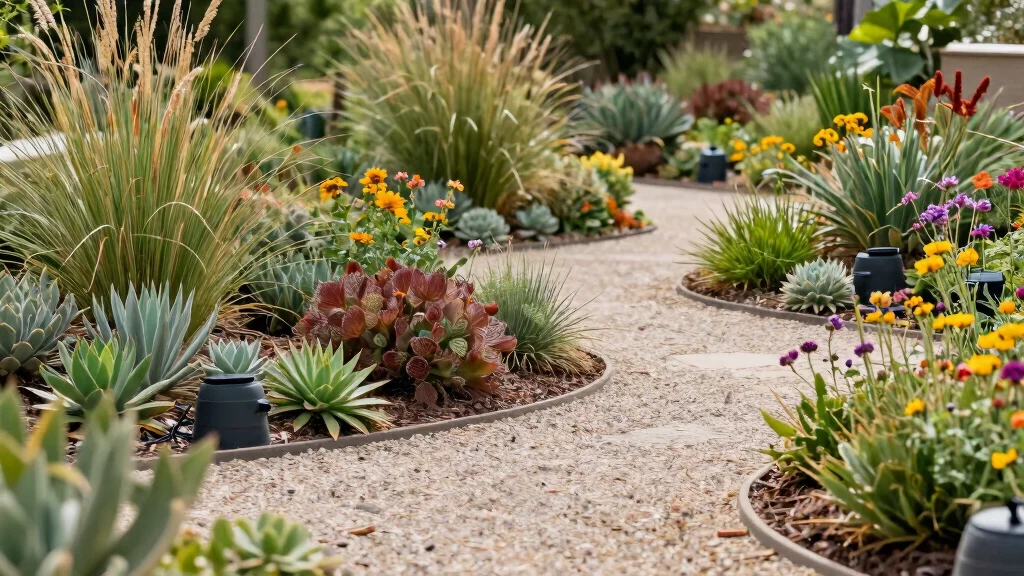
Xeriscaping is a practical landscaping method that focuses on conserving water through efficient planting. This technique is ideal for homeowners who seek low-maintenance solutions while enhancing their curb appeal. By selecting drought-resistant plants and strategically designing your yard, you can create a vibrant landscape without excessive watering.
Consider using succulents, ornamental grasses, and native wildflowers, which thrive with minimal irrigation once established. Group plants with similar water needs together to simplify care and reduce waste. Adding rocks or gravel can help retain moisture and minimize lawn maintenance.
Steps to implement xeriscaping:
– Plan your layout based on sunlight and shade patterns.
– Incorporate hardscape elements like pathways for added interest.
– Use drip irrigation systems for effective watering.
This method not only conserves water but also creates a stunning outdoor space that requires less effort. You’ll enjoy a beautiful, low-maintenance yard that benefits the environment.
Xeriscaping
Editor’s Choice

Outsidepride Hispanicum Sedum Seeds – 1000 Pcs Perennial Ground Cover Se…

ZOOFOX 10lb Natural Rocks Stones, Small Washed Gravel for Terrariums, Su…
Conclusion

Enhancing your front yard’s curb appeal while being environmentally conscious is not just a stylish choice—it’s a smart one. By incorporating these sustainable outdoor landscaping ideas, you can create a vibrant and inviting space that benefits both your home and the planet.
Whether you choose native plants, edible landscaping, or decorative elements, each step you take contributes to a healthier environment. So go on and get inspired to turn your front yard into an eco-friendly paradise that reflects your personality and care for nature!
Note: We aim to provide accurate product links, but some may occasionally expire or become unavailable. If this happens, please search directly on Amazon for the product or a suitable alternative.
This post contains Amazon affiliate links, meaning we may earn a small commission if you purchase through our links, at no extra cost to you.
Frequently Asked Questions
What are practical, eco-friendly front yard landscaping ideas to boost curb appeal?
Think of your front yard as a series of zones rather than a single lawn. Start by swapping thirsty lawn areas for landscaping plants that are native or well-suited to your climate to reduce water use and maintenance.
In the front yard design, create a focal point such as a native tree or a specimen shrub to draw the eye. Choose permeable hardscapes like decomposed granite or porous pavers to improve drainage and reduce runoff.
Add a rain garden or bioswale in low spots to capture rainwater and support pollinators. Mulch with organic material 2–3 inches deep to retain moisture and suppress weeds. Install a simple drip irrigation system or a rain barrel to water efficiently. For decor, select outdoor garden decor made from recycled materials to boost curb appeal tips without clutter.
Which front yard design ideas are best for sustainable landscaping and low water usage?
Eco-friendly front yard design starts with water-smart choices and thoughtful layout. Choose landscaping plants that are native or climate-adapted and group them to maximize shade and soil moisture retention. Replace or reduce turf with groundcovers and low-water grasses to keep maintenance low while preserving outdoor landscaping ideas front yard appeal. Plan the front yard design with layered plantings for year-round color and wildlife habitat. Use permeable surfaces for paths and patios to improve drainage. Install a rain barrel and a drip irrigation system to water only where needed. Finish with practical curb appeal tips like a clean entry path and seasonal container plantings.
What native landscaping plants work well for an eco-conscious front yard?
Native plants are your best friends for a sustainable front yard. Start by matching plants to sun exposure, soil type, and water needs, then group them in natural drifts to create effortless, year-round interest. Great landscaping plants include native daisies, coneflowers, purple asters, little bluestem, and evergreen grasses that bloom across seasons. Arrange a layered layout with tall accents near the back, mid-height flowering perennials, and groundcovers for high-traffic areas. This approach aligns with front yard design and current landscaping trends toward climate-smart, pollinator-friendly gardens. Native plants typically require less fertilizer and water, making maintenance simpler and more sustainable.
How can I incorporate outdoor garden decor and permeable hardscapes in a front yard design?
Decor and hardscapes should enhance sustainability as well as style. Use outdoor garden decor elements crafted from recycled materials—think metal sculptures, ceramic pots, or wooden benches—that add personality without waste.
For pathways and patios, choose permeable options like decomposed granite or porous pavers to let rain soak through. Add vertical elements such as trellises with native climbers to maximize shade and reduce heat around the entry. Consider solar-powered lighting to boost curb appeal tips with minimal energy use. This approach keeps your front yard design practical, sustainable, and welcoming.
What are the latest landscaping trends for sustainable front yards that still enhance curb appeal?
Staying current with landscaping trends means focusing on native plantings, pollinator gardens, and water-wise designs that boost curb appeal tips while reducing maintenance. Embrace front yard design that layers color through seasonal blooms, textures, and evergreen structure, with drought-tolerant grasses and shrubs. Add smart irrigation and rainwater harvesting to keep outdoor landscaping ideas front yard affordable and efficient. Consider a small pollinator garden, a rain garden, and wildlife-friendly features to make your yard feel alive and inviting. These elements align with current landscaping trends and create lasting curb appeal.
Related Topics
outdoor landscaping
curb appeal
sustainable gardening
front yard design
landscaping plants
eco-friendly decor
easy landscaping
garden trends
DIY outdoor projects
beginner gardening
seasonal landscaping
landscaping tips