Rainy seasons can feel overwhelming, especially when water pools in unwanted areas of your yard. This post is crafted to help you tackle that issue head-on, blending practicality with beauty. If you’ve ever found yourself staring at a soggy lawn, wondering how to manage drainage while keeping your outdoor space stylish, you’re in the right place.
Whether you’re a gardening enthusiast or a homeowner simply looking to enhance your curb appeal, these ideas will resonate with you. You care about creating an inviting environment that handles heavy rain without sacrificing aesthetics. With this guide, you will discover seven innovative rain drainage landscaping ideas that not only function well but also elevate the look of your property.
I pulled together these creative concepts that are functional, visually appealing, and perfect for making your outdoor space shine, even during a downpour. From rain gardens to stylish drainage grates, you’ll have a toolkit of ideas ready to transform your yard into a rainwater management masterpiece.
Key Takeaways
– Embrace the Rain Garden: Learn how rain gardens can naturally filter and manage stormwater, providing both beauty and functionality in your landscaping.
– Stylish Permeable Paving: Discover how using permeable materials allows water to drain through surfaces, reducing puddles and enhancing the overall design of your space.
– Dry Creek Beds as a Design Feature: Find out how dry creek beds can guide rainwater while serving as an attractive focal point in your yard.
– Incorporating Rain Chains: Explore the aesthetic and practical advantages of rain chains as an alternative to traditional downspouts, adding charm and functionality.
– Rainwater Harvesting Systems: Understand the benefits of installing systems that collect and store rainwater for future use, promoting sustainable garden water management.
Recommended Products

Convenient Drip irrigation kit has everything needed to water up to a 4’ x 8’ raised bed garden
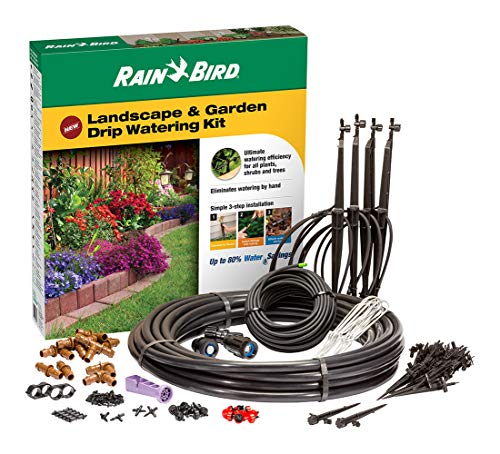
Comprehensive 108-piece kit for flower beds, gardens and landscaped areas; eliminates hand watering, saves time and money
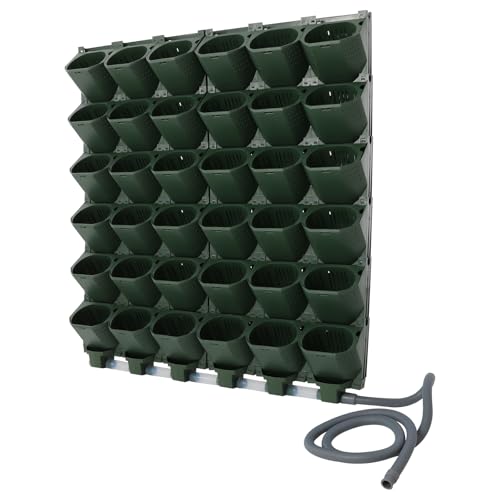
【Smart Timer & Rain Sensor】Equipped with a timer, you can easily set watering intervals (1h-30d) and duration (1s-999m). The intelligent rain sensor (IPX6 water-proof) automatically pauses irrigation on rainy days, preventing overwatering and saving water. Perfect for business trips and holidays.
1. Embrace the Rain Garden
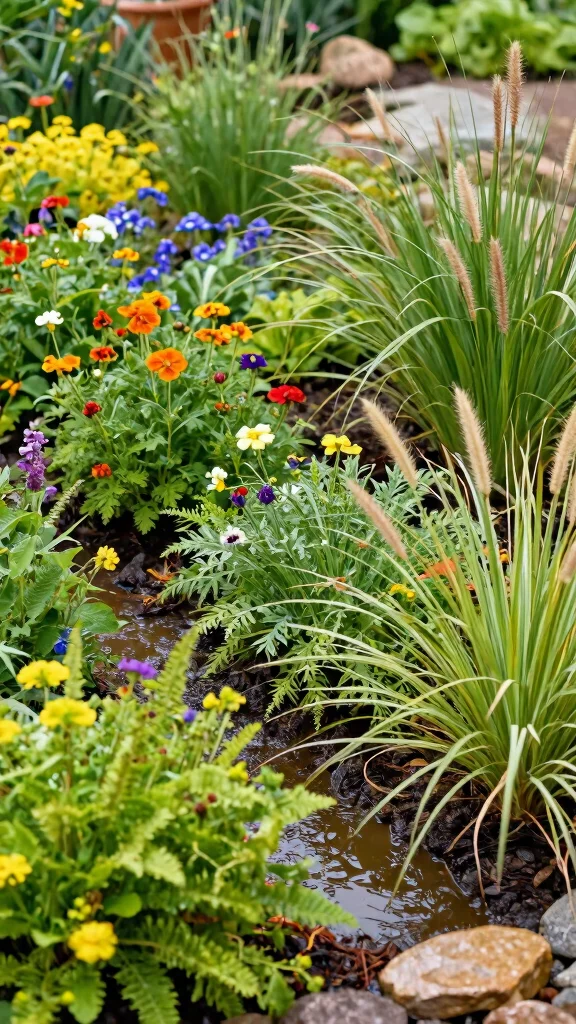
Rain gardens are a creative solution for managing runoff while enhancing your landscape’s beauty. These specially designed gardens capture rainwater, allowing it to percolate into the soil, which helps to combat flooding and soil erosion. By selecting native plants that flourish in wet conditions, you can cultivate a vibrant, thriving environment that attracts local wildlife.
To get started, choose a spot in your yard where water naturally accumulates. Aim for a diverse mix of perennials, shrubs, and ornamental grasses to create depth and visual interest. Consider drought-resistant plants that can thrive during dry spells to minimize maintenance.
Key steps to create your rain garden:
– Determine the best location for water collection
– Select a variety of native plants for biodiversity
– Plan for easy maintenance with drought-resistant options
Not only do rain gardens manage water effectively, but they also serve as stunning focal points in your yard. You’ll create a unique habitat that encourages pollinators and enriches local biodiversity.
Recommended Products

DURABLE AND ECO-FRIENDLY: Crafted from 100% recycled PPE plastic, our gravel paver system delivers exceptional strength and longevity; This set includes 22 units with a 1-inch depth, covering an area of 65 square feet
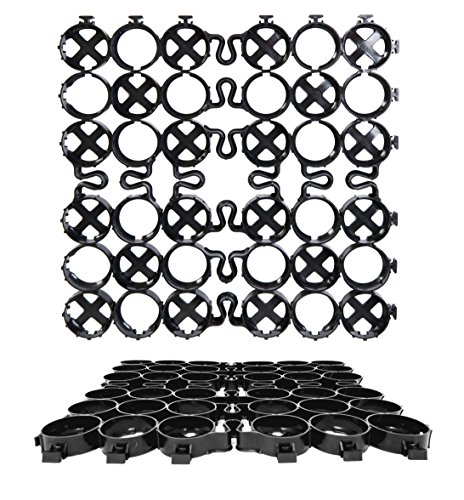
EASY TO USE: Our lightweight permeable pavers are easy for any level of DIYer to install; Feel proud of your own outdoor home improvements!

Package Contents: relish the simplicity of our value pack with 6 pieces of green permeable pavers; Our pavers are complete with snaps to seamlessly fit in with each other, ideal for usage in lawn patios, driveways, sidewalks and shed foundations; It's a value-for-money offering tailored for your exterior spaces
📹 Related Video: How to Build a Rain Garden | This Old House
Embrace the Rain Garden
Editor’s Choice
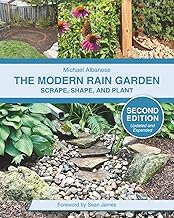
The Modern Rain Garden: Scrape, Shape, and Plant


FANTIAN 5 lbs Large River Rocks for Plants, 2-3 inch Polished Pebbles fo…
2. Stylish Permeable Paving

Permeable paving offers a chic way to handle stormwater while elevating your outdoor space. This smart solution allows rainwater to filter through the surface, replenishing groundwater and reducing surface runoff. With the right design, you can achieve both functionality and style in your landscaping.
Start by exploring materials like permeable concrete, gravel, or porous bricks for your pathways and driveways. Enhance the aesthetics by adding greenery between the stones, creating a softer, more inviting look. You might even think about incorporating stylish rain barrels that match your paving for a coordinated design.
Steps to implement permeable paving:
– Select suitable materials for your design
– Blend plants between stones for added charm
– Use rain barrels for efficient water collection
This stylish approach not only minimizes puddles but also impresses guests with your eco-friendly choices. You’ll enjoy a sophisticated outdoor space that effectively manages rainwater.
Recommended Products

Natural Rock Cluster for Rustic Camouflage: The tall center stone, smaller surrounding rocks, mixed earth-tone colors, and rugged surface texture create the appearance of a naturally gathered rock pile rather than an obvious storage box. Place it near dry creek beds, shrub borders, rockeries, foundation plantings, porch landscaping, garden beds, or rustic yard displays where clustered stones already belong.
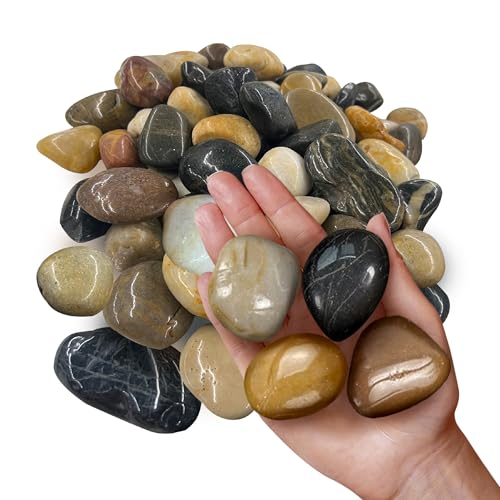
【Perfect Soil Topper for Succulents & Cactus】: These 2-3 inch natural polished pebbles create a beautiful, breathable top layer for potted plants. They improve soil drainage by preventing water from pooling around the stem, effectively reducing the risk of root rot. The pebbles also act as a protective barrier, keeping soil in place during watering and preventing soil splashing on leaves.
Key Trade-offs & Our Top Pick
Option 1: Rain Gardens
– Pros:
– Naturally filters rainwater, improving water quality.
– Attracts beneficial wildlife like butterflies and birds.
– Adds vibrant colors to your landscape with native plants.
– Cons:
– Requires regular maintenance to stay effective.
– Initial setup can be labor-intensive and costly.
– Needs a specific location with adequate sunlight and space.
– Best for: Homeowners looking to create a sustainable garden that supports local ecosystems.
Option 2: Permeable Paving
– Pros:
– Reduces runoff by allowing water to seep through.
– Offers various aesthetic designs, enhancing curb appeal.
– Durable and can withstand heavy traffic areas.
– Cons:
– Installation can be expensive compared to traditional paving.
– May require specialized maintenance to prevent clogging.
– Not ideal for areas with heavy clay soil, which can impede drainage.
– Best for: Driveways or walkways that need to manage heavy rainfall while looking stylish.
Option 3: Dry Creek Beds
– Pros:
– Collects and directs rainwater in a visually appealing way.
– Low maintenance once established, requiring minimal upkeep.
– Provides habitat for wildlife and can be integrated with landscaping.
– Cons:
– May not handle large volumes of water quickly.
– Requires careful planning for proper flow and drainage.
– Can be less effective in drought conditions due to lack of vegetation.
– Best for: Landscapes needing a natural look that channels water without overwhelming the area.
Option 4: Rain Chains
– Pros:
– Decorative alternative to downspouts, enhancing visual appeal.
– Helps slow down water flow and allows it to splash gently into gardens.
– Easy to install and can be a DIY project.
– Cons:
– Less effective in heavy rain; may not manage large volumes of water.
– Could require frequent cleaning to maintain aesthetic and functionality.
– May not be as durable in extreme weather.
– Best for: Homeowners wanting to add charm to their rainwater systems while managing light to moderate rainfall.
Expert Recommendation:
Best Overall: Rain Gardens
Rain gardens are our top pick because they offer a perfect blend of aesthetics, functionality, and environmental benefits. They not only manage stormwater effectively but also provide a beautiful habitat for local wildlife. While the initial setup may take some effort, the long-term benefits of improved water quality and reduced runoff make them a worthy investment. Plus, native plants are often more resilient and require less maintenance over time, giving you more time to enjoy your garden rather than work on it. 🌿💧
Why We Picked This:
Rain gardens are ideal for anyone looking to create a striking yet functional landscape. That said, if you’re after something more visually unique, permeable paving or rain chains might catch your eye. For a low-maintenance solution that blends into the scenery, dry creek beds can be a fantastic choice. Each option has its strengths, so think about your specific needs and preferences before making a decision!
Recommended Products

Enhance Your Home's Aesthetics: The rain chain is a beautiful and functional alternative to traditional gutter systems. It features 12 exquisite copper gird shape cups and a gorgeous acrylic pendant that will add a touch of elegance to your home.

FUNCTIONAL WATER FLOW DESIGN: This rain chain gutter adapter creates a beautiful cascading water feature while efficiently directing rainwater from your gutter into rain chains for gutters. The matte black rain chain adapter helps prevent splashing and overflow, even during heavy rainfall.

FUNCTIONAL DOWNSPOUT DESIGN: The rain chains for gutters have a length of 8.5 feet. Water cascades down each ring creating a beautiful water feature. Cross bar included for installation. Requires no tools and installation guide is included.
Stylish Permeable Paving
Editor’s Choice

Sumloty Gravel Grid 4 x 11FT-2″ Depth HDPE Geo Grid 1885 lbs Per Sq Ft L…

TRUEGRID | PRO LITE Permeable Pavers Designed as Driveway Pavers, Grass …

Rubberific Dual Sided Square Rubber Paver Floor Tiles 16″ X 16″ X 3/4″ T…
3. Dry Creek Beds as a Design Feature

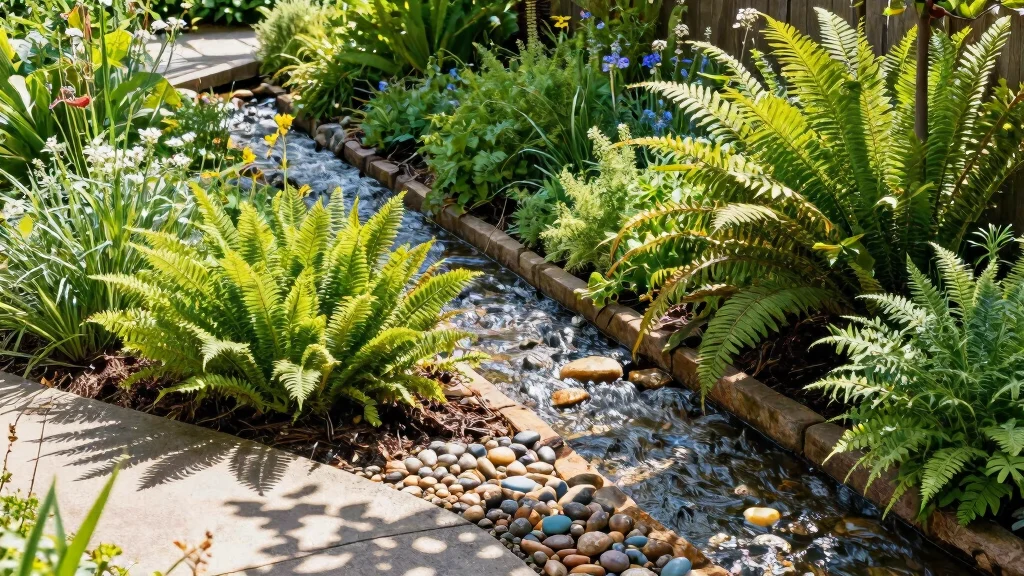
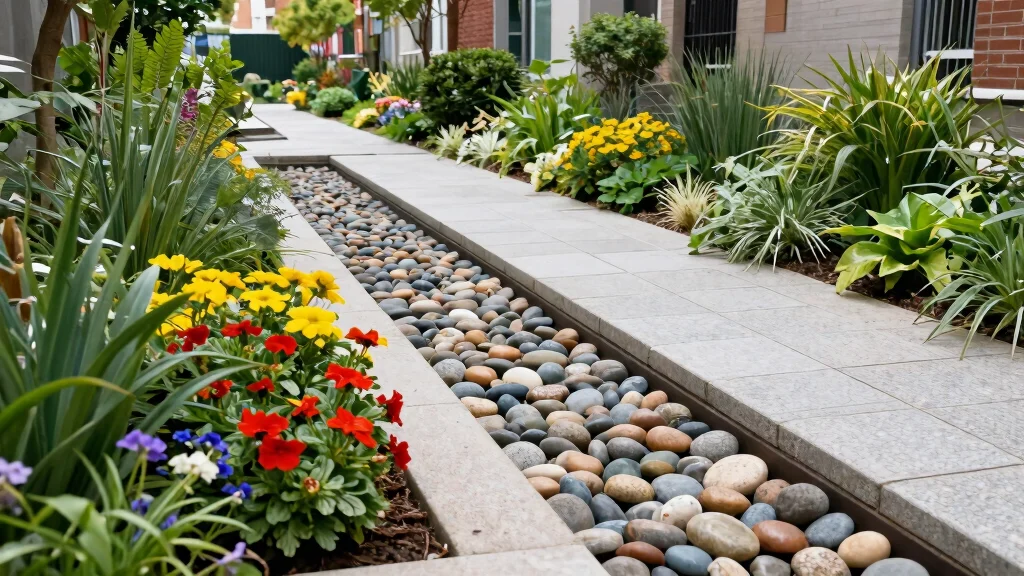
Dry creek beds are an excellent way to manage water while adding a rugged charm to your landscape. These channels effectively redirect excess rainwater, mimicking nature’s own water flow patterns and preventing flooding. They are both functional and visually appealing, making them a great addition to any garden.
To create a dry creek bed, choose a variety of stones and pebbles that suit your landscape style. Surround the creek with drought-resistant plants that thrive in rocky environments to enhance its natural look. Opt for a curved design to create a more organic flow, avoiding straight edges that can look artificial.
Key elements to consider:
– Use a mix of stones for visual interest
– Plant drought-tolerant flora alongside the creek
– Design natural curves for an authentic appearance
This feature not only beautifies your yard but also effectively manages water flow, helping to prevent erosion. You’ll enjoy a unique landscape that combines both practicality and stunning aesthetics.
Recommended Products

Outdoor rain collection water catchers crafted with large openings and a conveniently flat back, which not only enables effortless installation but also enhances their functionality and efficiency


【Designed to Keep Debris Out and Water Flowing】Our rainwater harvesting system features a built-in filter that traps leaves, twigs, and debris. The removable filter panel lets you easily inspect and clear out buildup anytime—so clogs never stand a chance.
Dry Creek Beds as a Design Feature
Editor’s Choice

Bits and Pieces – Stepping Stones Outdoor Walkway – 12″ River Rock Lands…
4. Incorporating Rain Chains
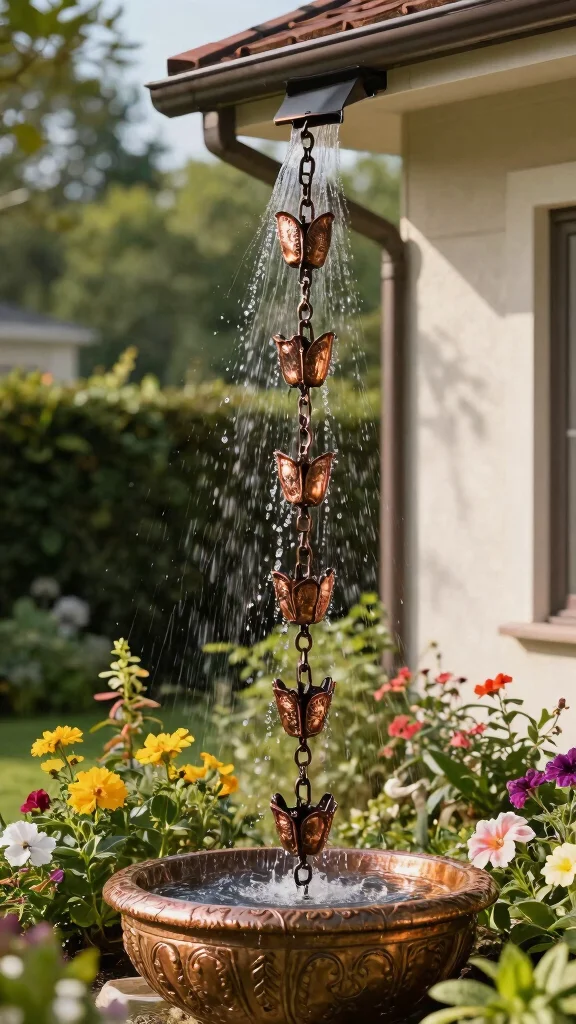
Rain chains are a beautiful and functional alternative to traditional downspouts. They turn the flow of rainwater into a captivating visual and auditory experience, creating a soothing ambiance while directing water away from your foundation. This unique feature can truly enhance your outdoor space.
When choosing a rain chain, consider various materials and designs, such as copper or aluminum, to match your home’s style. Position them near gutters for optimal rainwater capture, and think about adding a decorative basin at the bottom to collect water for your garden.
Tips for installing rain chains:
– Select a style that complements your home
– Properly position them near downspouts
– Add a decorative basin for water collection
These charming elements not only manage drainage effectively but also enhance your landscape’s beauty, making them a striking focal point during rainfall. You’ll love the peaceful sounds they create in your garden.
Recommended Products

What You Get: we have included Galvanized raised garden bed kit with detailed assembly instructions, rubber edge strips, safety gloves , wrench tools and with galvanized nuts and bolts in the box .These essential tools elevate your overall planting and gardening adventure

What You Get: we have included Galvanized raised garden bed kit with detailed assembly instructions, rubber edge strips, safety gloves , wrench tools and with galvanized nuts and bolts in the box .These essential tools elevate your overall planting and gardening adventure

SIZE: 48''(L) x 24''(W) x 12''(H), provide extra large growing space to raise vegetables, herbs, flowers and plants
You might also like
Incorporating Rain Chains
Editor’s Choice
NDS 1200BKITRTL1PK Square Catch Basin Drain Kit with 2-Opening Catch Bas…

Monarch Rain Chains Pure Copper Lotus Cup Rain Chains for Gutters – 8….

Monarch Rain Chains Aluminum Lotus Black Rain Chains for Gutters – 8.5…
5. Native Plant Landscaping
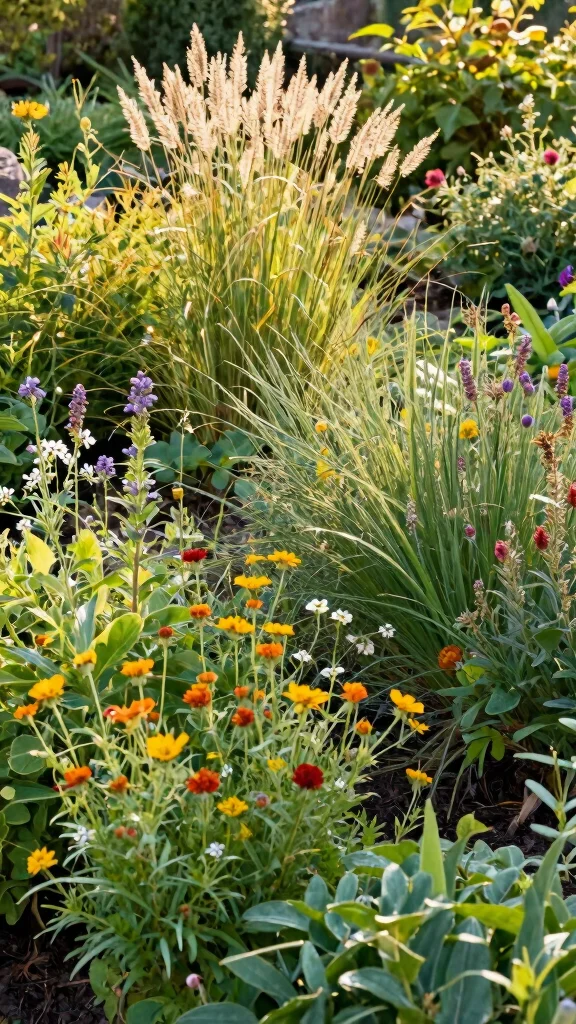
Incorporating native plants into your landscaping is an excellent way to improve rain drainage and reduce maintenance. These plants are naturally adapted to your local climate, making them resilient and sustainable options for your garden. Plus, they thrive with minimal care, allowing you to enjoy your space without excessive effort.
Native plants play a crucial role in controlling erosion, thanks to their deep roots that stabilize soil and prevent runoff. They also provide habitat and nourishment for local wildlife, enhancing the ecosystem in your area. This option is not only practical but also environmentally friendly.
Benefits of using native plants:
– Stabilize soil to prevent erosion
– Support local wildlife and biodiversity
– Require less water and fertilizer
By embracing native plants, you create a garden that is beautiful, sustainable, and beneficial for the environment. Your landscape will flourish while supporting the local ecosystem.
“Native plants boost rain drainage ideas landscaping by building deep roots that anchor soil and slow runoff. They need less water and care, while creating habitat for local wildlife. Plant natives, prune gently, and watch your yard stay resilient after every downpour.”
Recommended Products

HEAVY-DUTY INTERLOCKING PAVER SYSTEM: Strol's reinforced honeycomb cell structure locks gravel securely, supporting up to 600,000kg/m (122,889.6 lbs/f) for driveways, walkways, patios, and erosion-prone areas

Strong Load-bearing Capacity and Wide Applicability: each Lawn Grid can bear about 3 tons/ 6613 lb, and a combination of 15 pcs can easily support heavy vehicles ( such as cars, trucks, etc.); Suitable for scenes that require high load-bearing capacity, such as parking lots, temporary event venues, and outdoor exhibitions; In just a few hours, you can create additional parking space for trailers, boats, and vehicles without spending on concrete or asphalt surface installation
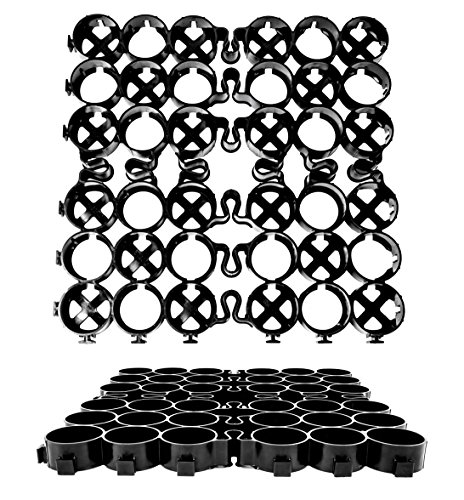
HEAVY DUTY: The PRO PLUS pavers are the industry strongest grid with patented flex joints, never-fail locking tabs handles 250,000+ lb vehicles with 1M psf compression strength
Native Plant Landscaping
Editor’s Choice

Jute Erosion Control, Soil Saver Mesh Blanket – 48″ Wide x 20 Yards (60 …

Rain Bird LNDDRIPKIT Drip Irrigation Landscape/Garden Watering Kit with …
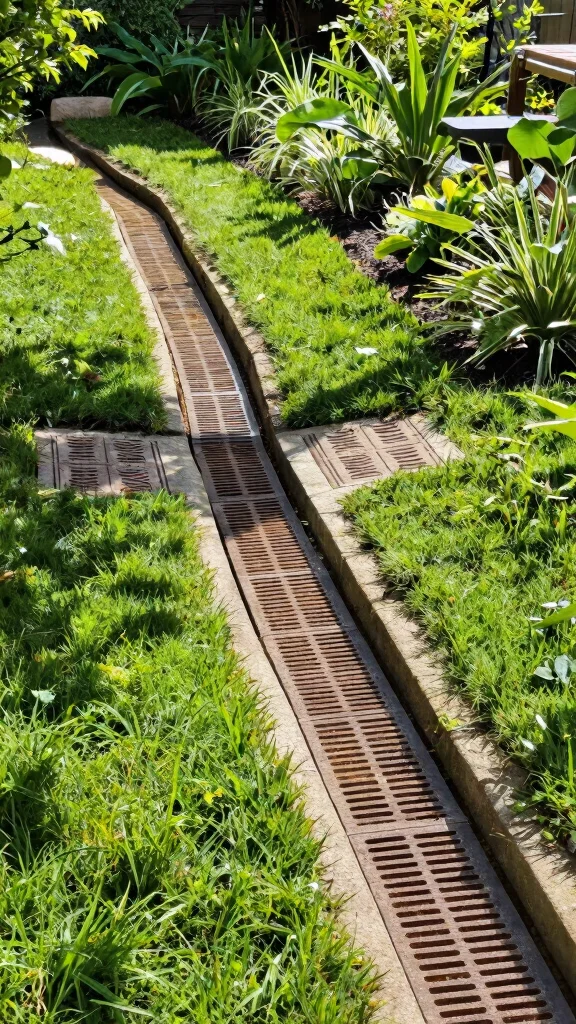
6. Decorative Drainage Grates

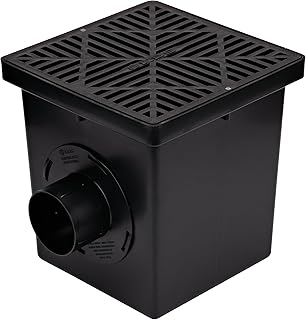
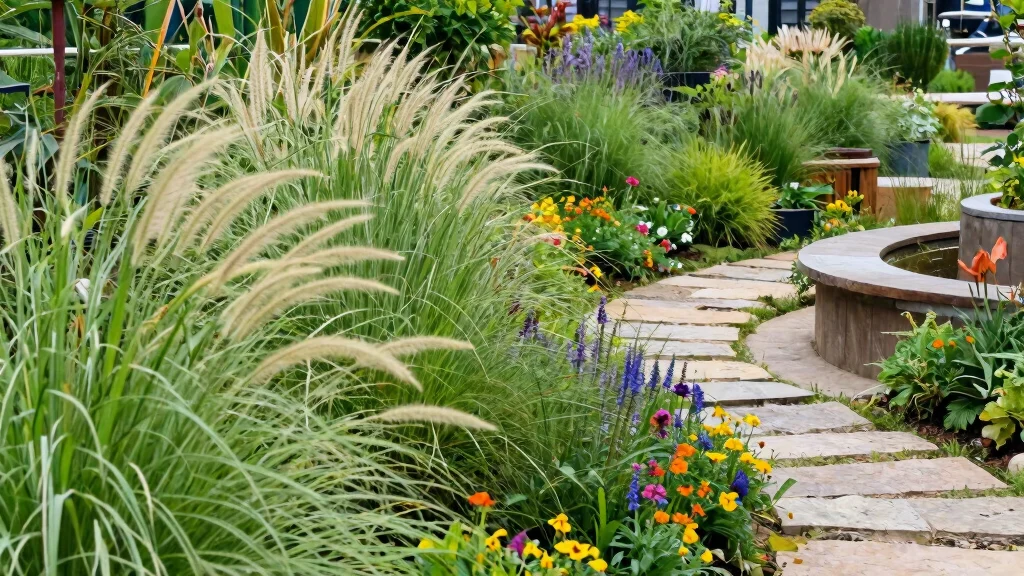
Elevating ordinary drainage grates into decorative features can significantly enhance your landscaping design. These grates can be customized to reflect your garden’s theme, making them not just practical but also visually appealing. With a bit of creativity, they can become a noteworthy aspect of your outdoor space.
Choose unique designs that feature intricate patterns or engravings that harmonize with your garden’s aesthetics. Position them in high-visibility areas, such as patios or walkways, to draw attention and admiration. Matching the materials to your overall landscaping will create a cohesive look.
Creative ideas for drainage grates:
– Select grates with unique designs for flair
– Place them in visible areas for impact
– Ensure materials match your landscaping style
These enhancements not only ensure effective rainwater management but also contribute to the beauty of your outdoor space. They provide a simple yet impactful way to merge functionality with style, leaving a lasting impression on your guests.
Fun fact: decorative drainage grates can be both practical and stylish in rain drainage ideas landscaping. A well-placed grate on a patio can handle up to 1,500 gallons per hour during a downpour, while intricate patterns harmonize with your garden theme for instant curb appeal.
You Might Also Like
Decorative Drainage Grates
Editor’s Choice

NDS 241-1 Spee-D® Channel Drain Grate, Plastic, 4-1/8-Inch wide X 2-Fee…
NDS 241-1 Spee-D® Channel Drain Grate, Plastic, 4-1/8-Inch wide X 2-Fee…

NDS 909B*, 3-Inch Round Grate with Collar, Connects to 2-Inch Drain Pipe…
7. Rainwater Harvesting Systems
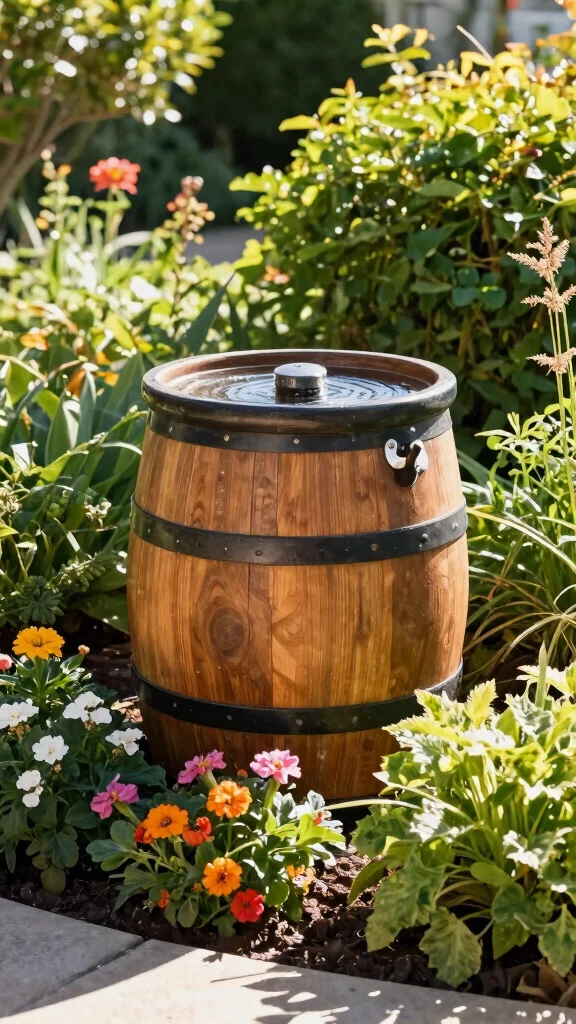
Implementing a rainwater harvesting system is a smart and eco-friendly approach to managing garden water needs. By collecting rainwater, you can lessen your reliance on municipal water sources while providing your plants with pure, chemical-free water. This sustainable practice benefits both your garden and the environment.
Begin by selecting a system that fits your needs, whether it’s a simple rain barrel or a larger cistern. Position your rainwater harvesting system to integrate seamlessly with your landscape design. Remember to keep the system clean and well-maintained for optimal water quality.
Steps for effective rainwater harvesting:
– Choose the right system for your garden
– Integrate it into your landscape design
– Maintain it regularly for best results
This sustainable method conserves water while enhancing your garden’s resilience against drought. You’ll feel accomplished knowing you’re using nature’s resources wisely.
Pro tip: A 50-gallon rain barrel can cut outdoor watering by up to 40%. When you plan rain drainage ideas landscaping, you’re not just saving water—you’re designing a garden that thrives on every storm.


Conclusion
Adopting these rain drainage landscaping ideas not only prepares your garden for any downpour but also enhances its beauty and sustainability. With each feature, you support local ecosystems, manage water effectively, and create a delightful outdoor space that will thrive for years to come. As a gardener, you have the power to design a landscape that is both functional and visually captivating. Why not consider implementing a few of these ideas in your own backyard?
Note: We aim to provide accurate product links, but some may occasionally expire or become unavailable. If this happens, please search directly on Amazon for the product or a suitable alternative.
This post contains Amazon affiliate links, meaning we may earn a small commission if you purchase through our links, at no extra cost to you.
Recommended Products

Large Rain Catcher Barrel: The Raincatcher 4000 holds up to 50 gallons (189L), helping you conserve water and reduce your water bills while supporting resource-efficient gardening practices.

【Universal Fit & Flexible Installation for Downspouts】This downspout diverter is designed to accommodate both standard 2"x3" downspouts and oversize 3"x4" downspouts. It features a reversible spout, allowing for left or right placement to suit your needs. With a generous 4-foot long, 1-1/4" reinforced hose, it easily reaches your rain barrel, no matter where it is located

【 Well-designed 】 Full path, large flow, no limited flow trouble, this is a good choice. Heavy structural design, durable, beautiful and delicate appearance, 1/4 turn stainless steel large metal handle, easy to switch, long service life.
Frequently Asked Questions
What are practical rain drainage ideas landscaping that prevent flooding and still look intentional?
A practical approach starts with mapping where water tends to pool after a storm. Then design with Capture, Slow, and Spread in mind: capture with a small rain garden or bioswale, slow with permeable surfaces, and spread into a native plant bed. Direct downspouts away from the house toward the garden with extensions or a splash block; add a simple French drain if you have heavy clay soil. Choose plants that tolerate wet and dry periods to create a durable garden water management zone. Regular maintenance—removing debris, checking weep holes, re-mulching—keeps it looking intentional and effective. This approach aligns with outdoor drainage ideas, landscape design tips, and effective rainwater solutions while delivering the beauty you want.
How can I design a sustainable rain garden to manage garden water effectively?
Designing a sustainable rain garden starts with choosing a site that receives runoff but isn’t in a flood zone. Plan a planting zone with a shallow depression, about 6-8 inches deep, lined with a well-draining soil mix (topsoil, compost, and sand). Add an underdrain or overflow to handle extreme events, and incorporate native plants that tolerate both wet and dry periods. Mulch to preserve moisture and reduce erosion, and consider a companion rain barrel for supplemental irrigation. This easy setup reduces stormwater runoff, improves garden water management, and provides an attractive focal point—real-world landscape design tips that work with your climate.
What landscaping drainage solutions work best for heavy downpours on a sloped yard?
For a sloped yard, the most reliable landscape drainage solutions are terracing with functional swales, seeded with grasses to slow flow, and a downhill ground cover. Create shallow, elongated swales that capture runoff and infiltrate it gradually, plus check dams if necessary to dissipate energy. Add a French drain or perforated pipe at the base of the slope to intercept subsurface flow, and consider diverting gutter downspouts toward the swale rather than onto the pavement. Use permeable paving on walkways where possible to reduce runoff and keep the slope stable. These strategies align with outdoor drainage ideas and effective rainwater solutions while preserving landscape design aesthetics.
What are easy landscape design tips for integrating rainwater management into existing gardens?
Start small with a single rain garden or permeable path to test how rainwater moves through your space. Use downspout extensions to route roof runoff into a garden bed or a rain barrel, and choose a cohesive plant palette of ornamental grasses and perennials that tolerate wet soils. Permeable materials for paths and stepping stones help reduce runoff, and creating a smooth transition between hardscape and softscape keeps the design intentional. Regular maintenance—clear debris, check the overflow, and re-mulch as needed—will keep things looking fresh and functional. This approach blends outdoor drainage ideas with practical landscape design tips.
How can I choose the right outdoor drainage ideas to create an attractive, functional yard?
First define goals: flood prevention, wildlife-friendly garden water management, or simply less mud after rain. Then assess your site: soil type, slope, and existing drainage. Pick a mix of outdoor drainage ideas such as rain gardens, bioswales, permeable paving, and rain barrels; ensure to connect gutters to the system. Plan for overflow and ongoing maintenance, and stay mindful of local regulations if you live in an HOA or water-use area. Budget-friendly options start with downspout extensions and a small rain barrel, expanding later as you see results. By pairing function with aesthetics, you create a yard that serves effective rainwater solutions and still feels like a designed landscape with solid landscape design tips.
Related Topics
rain drainage ideas
landscaping drainage solutions
sustainable gardening
effective rainwater solutions
garden water management
landscape design tips
outdoor drainage ideas
beginner friendly
eco-friendly landscaping
seasonal gardening
water-efficient design
DIY rain gardens