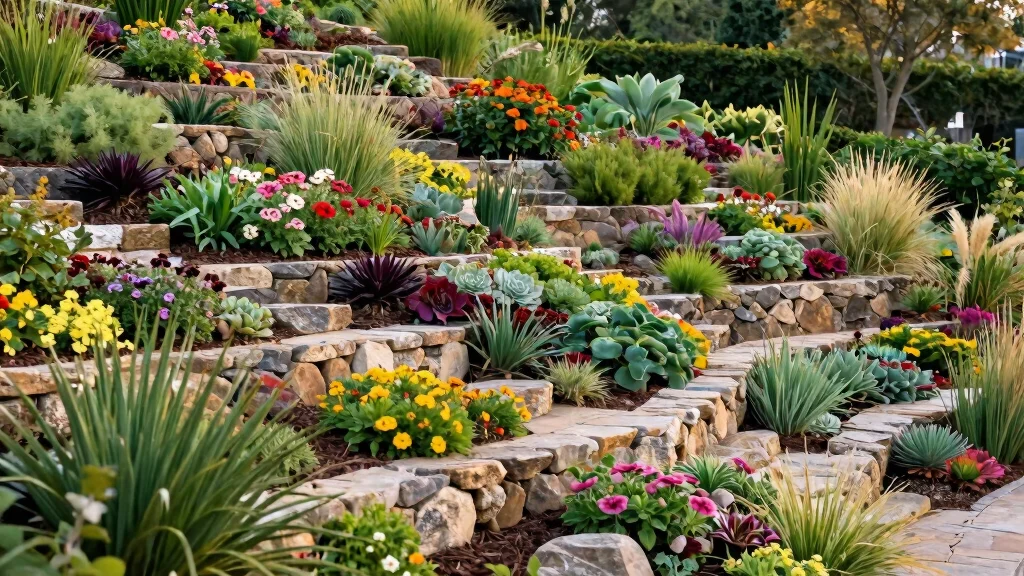
Creating a stunning sloped garden is no small feat, but it can be incredibly rewarding. If you’ve ever gazed at your hilly backyard and felt overwhelmed, you’re not alone. Many homeowners face the challenge of designing gorgeous gardens on sloped terrain. That’s why I put together this post! I want to help you transform that tricky landscape into a breathtaking oasis filled with beauty and functionality.
If you’re passionate about gardening and eager to make the most of your hillside, this guide is for you. Whether you’re a seasoned green thumb or just getting started, you’ll find ideas that will inspire and excite you. From terraced planting beds to creative erosion control solutions, I’ve gathered ten unique sloped garden ideas that will help you embrace the beauty of your land. You’ll not only learn how to make the most of your space but also discover eco-friendly techniques to support the environment.
Get ready to dig into this list of hillside landscaping ideas that can turn your outdoor space into a stunning retreat. You’ll find practical tips and suggestions to create a vibrant garden that thrives on uneven ground. Let’s explore how you can harness the natural beauty of your land to create an amazing garden that is both beautiful and sustainable.
Key Takeaways
– Embrace Terracing: Consider creating terraced planting beds to make the most of your sloped terrain. This not only enhances aesthetics but also reduces soil erosion.
– Incorporate Rock Gardens: Using natural stones can create a striking rock garden that blends seamlessly with the slope, providing a low-maintenance yet stunning feature.
– Water Features for Serenity: Designing a water feature like a small pond or waterfall can add tranquility and attract wildlife, thus enhancing the ecological balance.
– Choose Native Plants: Opting for a native plant palette ensures that your garden thrives with less water and maintenance, making it a sustainable choice for sloped gardening.
– Wildlife Habitats: Create spaces that support local wildlife. This adds life to your garden and helps maintain biodiversity in your area.
Recommended Products

Get a Carefully Trimmed Garden Appearance: 8-piece set with artificial stone edges provides you with the charm of a natural garden view; You no longer need physical labor because the garden no longer requires digging or shoveling, experiencing the ultimate combination of convenience and beauty, maintaining the attractiveness of the garden

Stepping Stone - Spoontiques’ stepping stones and decorative plaques are a lovely way to brighten up your indoor or outdoor space.
1. Create Terraced Planting Beds
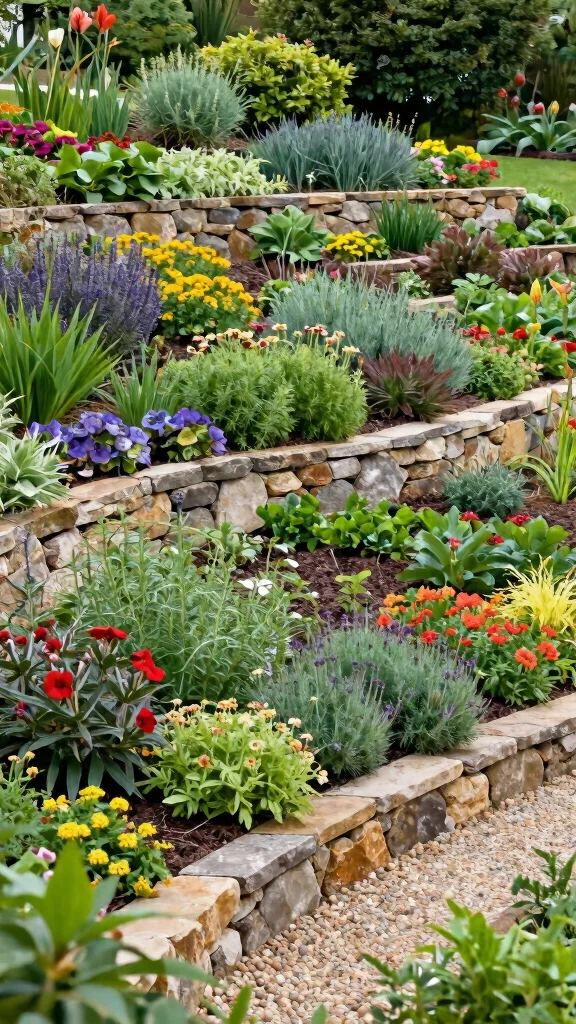
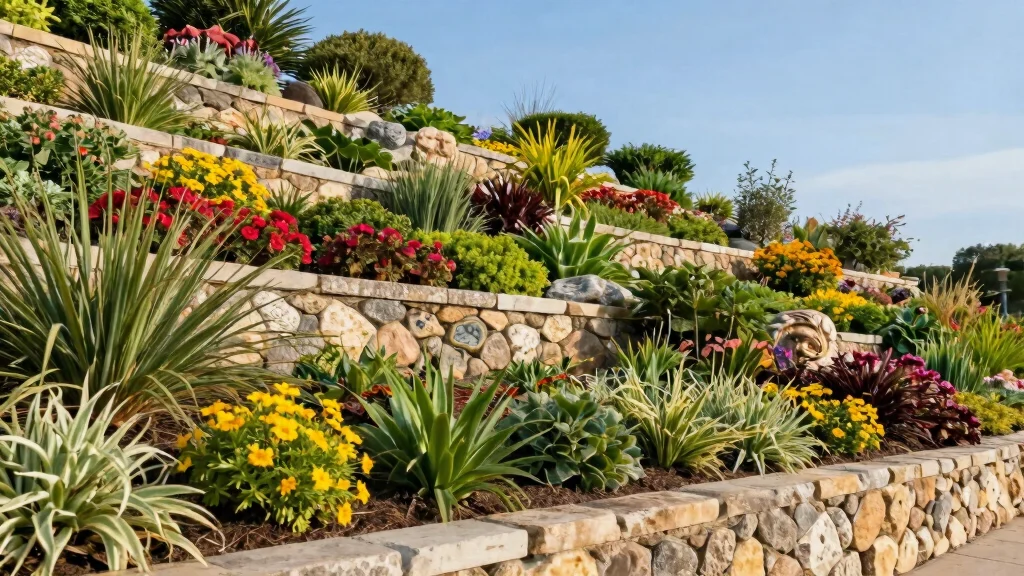
Transform your sloped garden into a stunning visual treat by creating terraced planting beds. With natural stone or timber retaining walls, you can carve out flat areas that serve as perfect homes for vibrant flowers, delicious herbs, or fresh vegetables. This design not only enhances your garden’s aesthetic but also prevents soil erosion, ensuring your plants thrive in a sustainable way.
Start by defining the levels of your terraces, each showcasing a variety of plants for a colorful display. Consider incorporating pathways for easy access and a drip irrigation system to keep your plants hydrated efficiently.
Key steps to implement terraces:
– Choose native plants for low maintenance and ecological benefits.
– Design pathways to connect different terrace levels.
– Install a drip irrigation system for efficient watering.
These terraced beds will not only be eye-catching but can also serve as peaceful retreats in your garden.
Recommended Products

Abundant to Choose: you will receive 3 rolls of burlap erosion control blanket, suitable for beach erosion, shoreline protection, to address erosion near oceans, rivers, streams or lakes, sufficing your daily needs and replacement demands
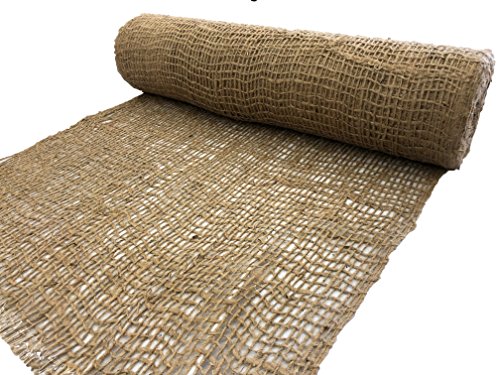
Premium Quality Erosion Control: Constructed from high-grade jute material, our 48-inch wide Soil Saver Erosion Control Fabric is designed to provide superior soil stabilization and erosion prevention for your landscaping and gardening needs.
Premium Jute Construction: Our Soil Saver Erosion Control Fabric is made from premium-quality jute, a natural and biodegradable material renowned for its superior erosion control capabilities. Crafted with meticulous attention to detail, this 48-inch wide and 20-yard long fabric ensures a sturdy, reliable solution for preventing soil erosion.
📹 Related Video: How to Build a Terraced Garden Bed on a Slope
Create Terraced Planting Beds
Editor’s Choice

Jute Erosion Control, Soil Saver Mesh Blanket – 48″ Wide x 20 Yards (60 …


4 Pack Universal Retaining Wall Blocks with French Drain Pipe for Proper…

Wood Garden Edging, Wooden Fence Border Decorative Small Picket Panels f…
2. Install a Rock Garden
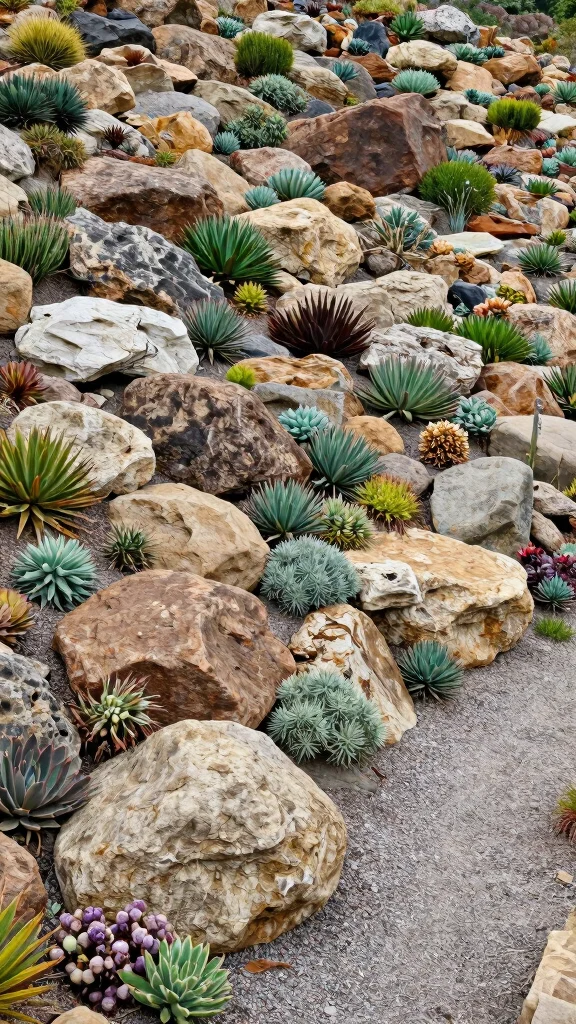
Enhance your sloped landscape with a rock garden, a perfect blend of beauty and practicality. Using a variety of stones and boulders, you can create an eye-catching habitat for hardy, drought-resistant plants. This design is not only visually appealing but also aids in erosion control, making it a smart choice for sloped areas.
Choose succulent and alpine plants that thrive in well-draining soil, layering them around the rocks for a natural look. Make sure to create small pathways for easy navigation, enhancing the garden’s accessibility.
Key elements for your rock garden:
– Combine different stone shapes and sizes for depth.
– Include pebbles or gravel paths for easy access.
– Opt for plants that harmonize with the rocks in color and texture.
A rock garden serves as a sustainable habitat for wildlife, adding both charm and ecological value to your space.
Recommended Products

DROUGHT TOLERANT WILDFLOWER SEEDS: Create a colorful, water-wise garden with a carefully selected mix of heat-tolerant annual and perennial wildflowers that thrive in dry conditions and western landscapes. Ideal for low-water gardens, xeriscapes, and sunny areas.

COLORFUL BLOOMS: Stunning bright-red flowers bloom for months

EXTRA LARGE PACKET contains over 1 full ounce of pure live seeds (7,500+ seeds) - Enough to cover 100 square feet.
Install a Rock Garden
Editor’s Choice
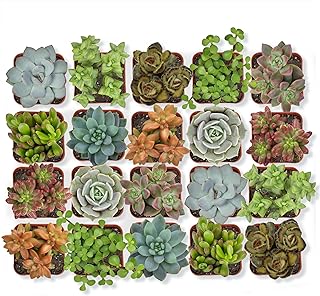
Altman Plants, Live Succulent Plants (20 Pack) Assorted Potted Succulent…

Virekm River Rocks, Decorative Ornamental Pebbles,Garden Landscaping Sto…

40 LBS Grey Pea Gravel – Landscape Rocks – Drainage Rock – Gardening – A…
3. Design a Water Feature
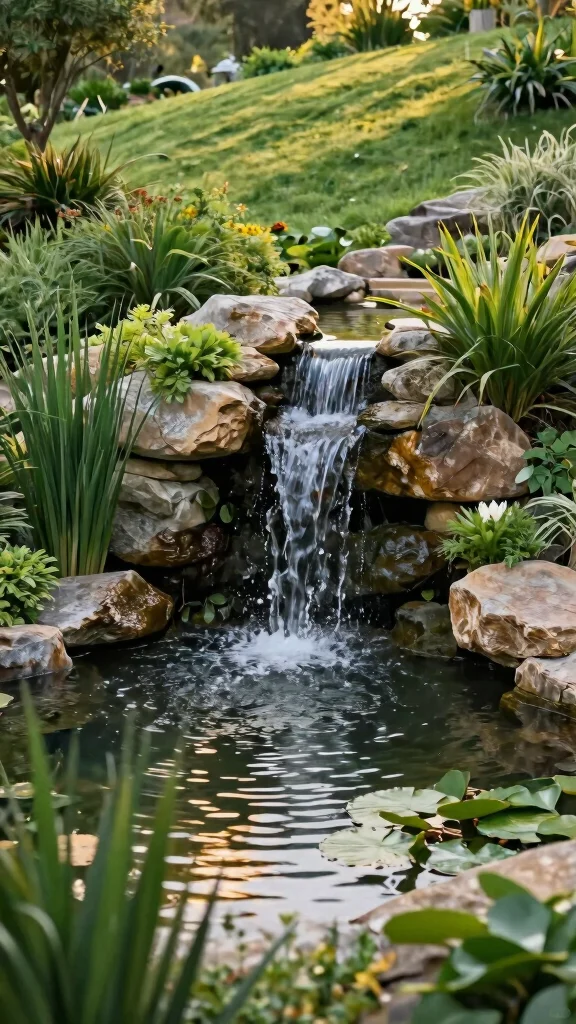
Add a captivating water feature to your sloped garden for a touch of tranquility and beauty. Whether it’s a gentle waterfall, a serene pond, or a stylish fountain, these elements can become stunning focal points while aiding in water management.
Imagine a cascading waterfall that flows gracefully down the slope, creating soothing sounds that invite relaxation. This feature not only beautifies your garden but also attracts various wildlife, enhancing its biodiversity.
Considerations for your water feature:
– Ensure proper drainage to avoid flooding issues.
– Use natural materials to blend seamlessly into your landscape.
– Surround the water with aquatic plants for added beauty.
A well-designed water feature transforms your garden into a serene oasis, making every visit a refreshing experience.
Fun fact: A gentle waterfall on a sloped garden can cut runoff by up to 40% and become a soothing, wildlife-friendly focal point. Plan a small cascade, choose a shallow pond or fountain, and pair it with native plants for lush, practical sloped garden ideas hillside landscaping.
Recommended Products

Be a Gardening Master with the help of our superior and complete Drip Irrigation Kit: 10 Drip Irrigation Emitters Vortex + 20 Drip Emitters Spray + 50ft flexible & durable 5/16 irrigation tubing + 50ft 1/4 inch Drip Irrigation Tubing + 12 tubing coupler + 5 ¼ Tubing Tee Splitter + Tubing End Plugs + Water Connector + 1 x Complete Instructions Guide Hard Copy + 2 Grow your Own Vegetables & Fruits Guide full with pieces of advice and practical tips Digital Format.
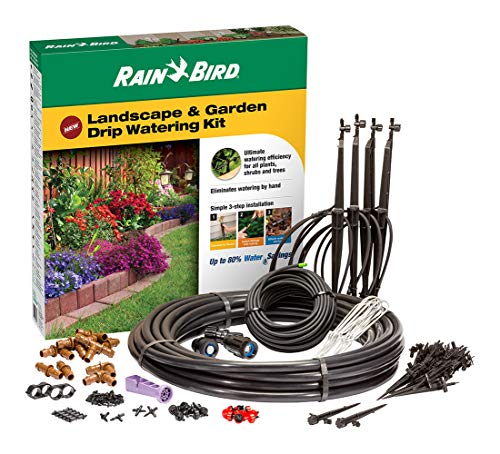
Comprehensive 108-piece kit for flower beds, gardens and landscaped areas; eliminates hand watering, saves time and money

Convenient and portable storage kit contains 102 professional grade universal Drip irrigation parts
Design a Water Feature
Editor’s Choice
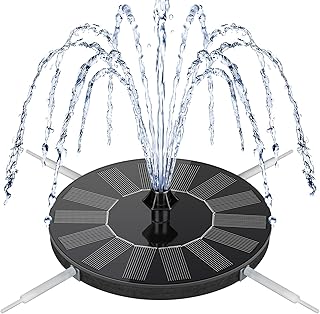
Mademax Solar Bird Bath Fountains, Upgrade 1.4W Solar Fountain Pump with…
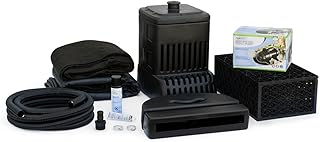

ToLanbbt Pond Liner 7 x 10 Ft, 20 Mil HDPE UV Resistant Preformed Pond L…
4. Choose a Native Plant Palette

Opting for native plants in your sloped garden is not just eco-friendly but also a smart choice for sustainability. These plants are well-adapted to local conditions, requiring less maintenance and water while supporting local wildlife.
Select varieties that provide seasonal interest, such as spring bloomers or those with striking autumn colors. Incorporating native grasses adds texture and movement, enhancing the overall appeal of your landscape.
Benefits of using native plants:
– Lower maintenance and reduced water needs.
– Attract beneficial pollinators like bees and butterflies.
– Strengthen local ecosystems by supporting wildlife.
Creating a garden with native plants not only beautifies your space but also fosters a healthier environment.
Fun fact: Native plants in a sloped garden can cut irrigation needs by up to 40% and slash maintenance time, since they’re adapted to local conditions. Choose varieties that bloom across seasons to keep color year-round.
Recommended Products

⚡ 【All-In-One Complete DIY Waterfall Kit】 Pond Waterfall Spillway Kit Tired of making multiple hardware store trips for matching parts? This complete 8-inch waterfall spillway kit includes an 8" waterfall box, 660 GPH water pump, 9.8ft corrugated hose, filter media, and heavy-duty clamps—everything needed to build a professional sheer descent cascade in minutes.

POND FILTER WITH WATERFALL SYSTEM - This high-performance pond waterfall with filter pump delivers a Power of 35W, a Max Flow of 550GPH, and a Max Height of 8ft. Fitted with a 304 stainless steel waterfall spillway for superior corrosion resistance. It's rugged, weatherproof build that stands up to the elements, delivering lasting durability and enduring outdoor beauty.

DURABLE QUALITY MATERIALS - Our pond waterfall spillway features 304 stainless steel, ensuring excellent corrosion resistance. This pond waterfall kit stands resilient against the elements, offering a sturdy and weatherproof design for enduring beauty.
Choose a Native Plant Palette
Editor’s Choice
Jute Erosion Control, Soil Saver Mesh Blanket – 48″ Wide x 20 Yards (60 …
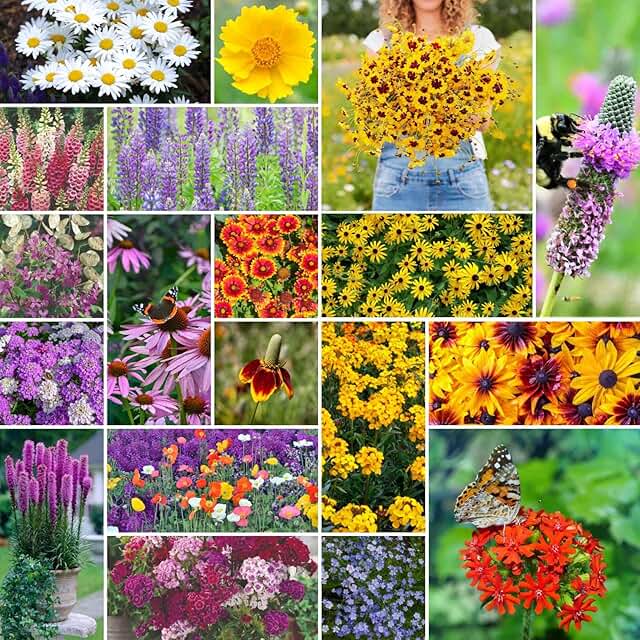
Eden Brothers All Perennial Wildflower Seed Mix for Planting, 1/4 lb, 13…
5. Implement Erosion Control Solutions
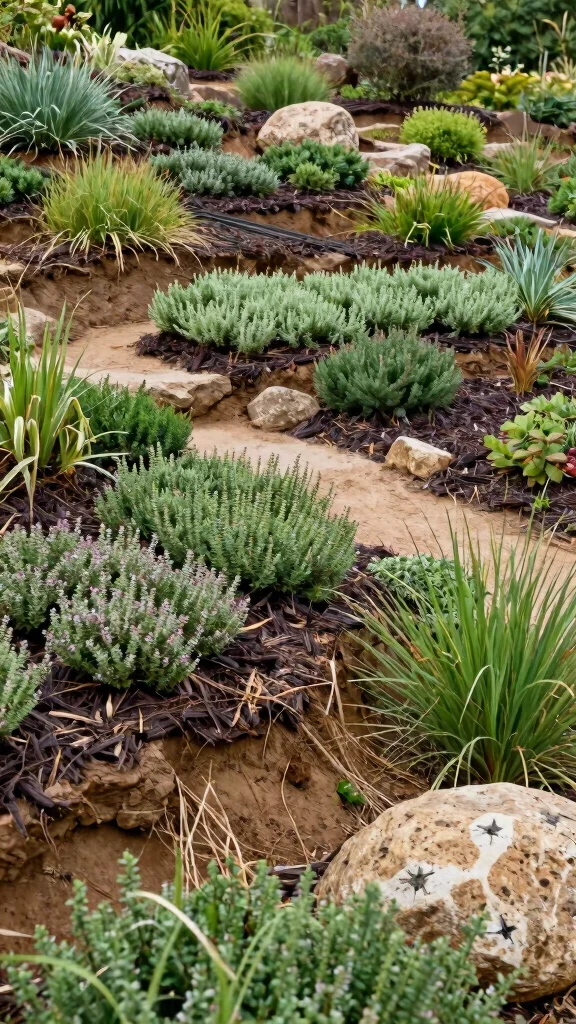
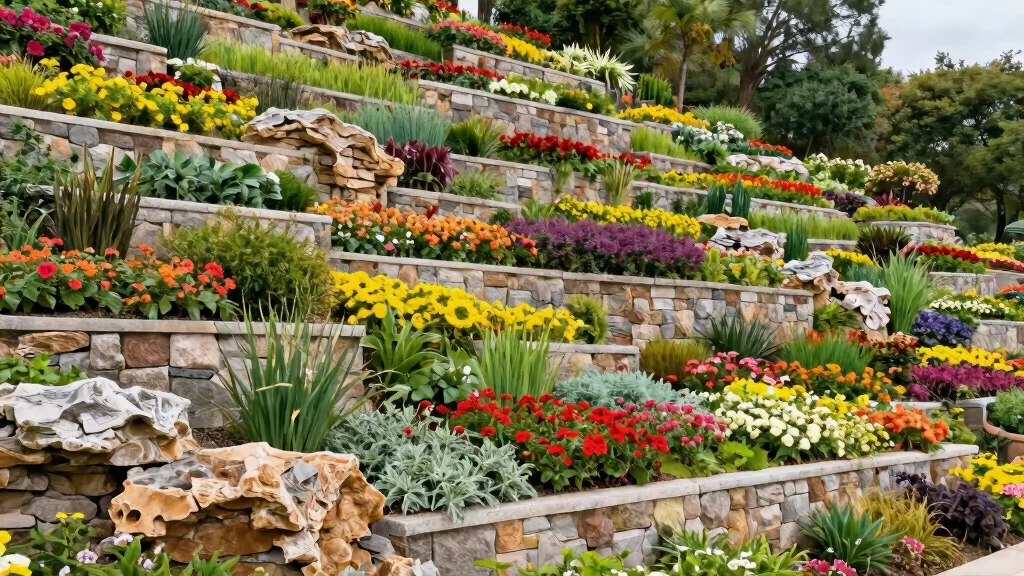
Erosion control is vital for maintaining the integrity of your sloped garden, especially in areas prone to heavy rainfall. By utilizing natural solutions like ground covers and erosion control mats, you can effectively stabilize the soil and protect your landscape.
Ground covers such as creeping thyme can fill bare spots, while strategically placed boulders can slow down water runoff. Introducing deep-rooted plants helps hold the soil in place, ensuring long-term stability.
Key erosion control strategies:
– Layer plantings with a mix of shallow and deep-rooted varieties.
– Apply mulch to protect soil and retain moisture.
– Create swales to redirect water flow and prevent washouts.
Implementing these solutions safeguards your investment while keeping your garden thriving and beautiful.
Recommended Products

Made of quality resin stone

Landscape Design, Stone, Illustrated

RUBBER STEPPING STONES: Elevate your outdoor space with these lightweight simulated flagstone rubber pavers that offer the timeless beauty of real stone without the heavy lifting.
You might also like
Implement Erosion Control Solutions
Editor’s Choice

2 Inch Industrial HDPE Geocell Permeable Soil Stabilization Mat for Grav…

20000+Creeping Thyme Seeds for Planting Outdoor-Heirloom Thymus Serpyllu…

Dirt Locker Erosion Control Hillside Planters, 10-Pack-Black—DIY-Raise…
6. Incorporate Vertical Gardening
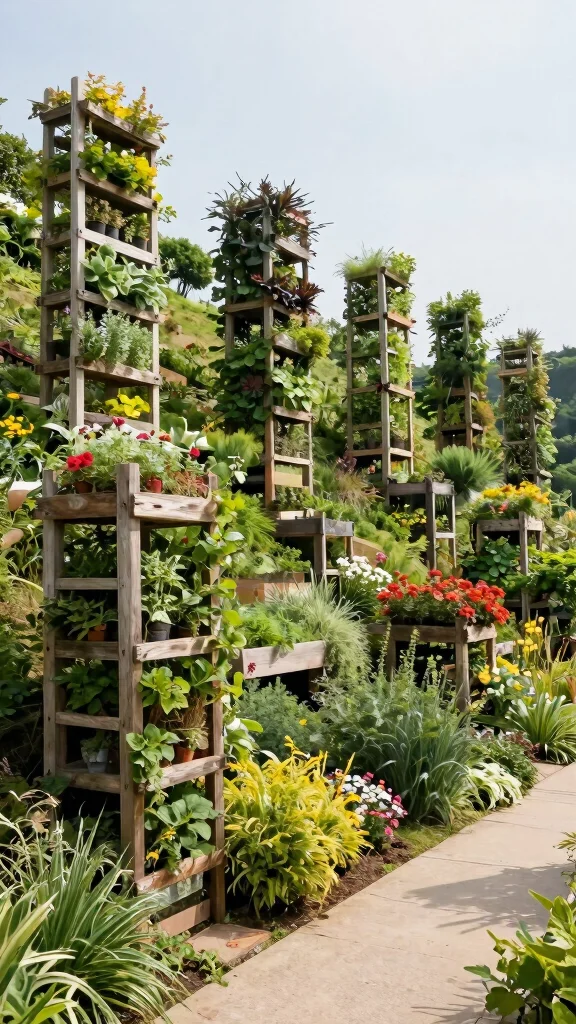
Maximize your planting area on a slope by incorporating vertical gardening techniques. Structures like trellises, wall planters, or vertical pockets allow you to grow climbing plants and herbs, adding both beauty and functionality to your garden.
This innovative approach creates a unique aesthetic while improving air circulation around your plants, enhancing their health.
Vertical gardening ideas to consider:
– Use recycled materials for a rustic, eco-friendly touch.
– Choose climbing plants like peas, beans, or flowering vines.
– Implement drip irrigation to ensure adequate moisture for vertical growth.
Vertical gardens not only beautify your hillside but can also provide privacy and serve as striking focal points.
Fun fact: vertical gardening on slopes can add up to 40% more growing space in a single hillside. For sloped garden ideas hillside landscaping, use trellises, wall planters, or vertical pockets to boost air circulation and help herbs and climbing plants thrive.
Recommended Products

Products made in the USA Since 1888!
【Note 】- Our products are folded packaging,( folded packaging for 3FT width, the product itself size is 6FT wide), you need to open the product and spread out.
Weed Control: Woven polypropylene physically blocks sunlight to prevent weed seed germination, keeps flower beds, vegetable gardens, and landscaping weed-free without chemical herbicides.
How To Choose the Right Features for Your Sloped Garden Hillside Landscaping
When planning your sloped garden, it’s essential to choose the right features that will transform your challenging terrain into a stunning landscape. Here are some key factors to consider to create a beautiful and functional hillside garden.
1. Terrain Assessment
Begin by assessing the specific characteristics of your slope. Is it steep or gently sloping? Does it have rocky outcrops or soft soil? Understanding the terrain will help you choose the right plants and structures that can thrive in those conditions. Make notes about the sun exposure and drainage to guide your design choices.
2. Plant Selection
Select plants that are suitable for hillside conditions. Look for drought-tolerant and native plants that can withstand erosion and poor soil. Incorporating a mix of perennials, shrubs, and ground covers will add visual interest and prevent soil erosion. Remember to choose plants that bloom at different times of the year for ongoing color.
3. Erosion Control
Erosion is a major concern for sloped gardens. Consider installing retaining walls, terraces, or planting ground cover to stabilize the soil. Additionally, using mulch can help hold moisture and reduce runoff. Look into erosion control mats or geo-textiles if your slope is particularly steep. These solutions keep your soil intact while enhancing your garden’s aesthetics.
4. Water Management
Water management is crucial in hillside landscaping. You want to ensure that water drains properly without washing away your plants. Implement features like rain gardens or swales to manage runoff effectively. You can also create small ponds or water features that can help slow down the water flow, giving it a chance to soak into the ground.
5. Pathways and Accessibility
Think about how you will access your garden. Adding pathways not only enhances the design but also makes maintenance easier. Use natural materials, such as stone or gravel, to create durable and visually appealing paths that blend with the environment. Consider wide, gently sloped paths for ease of movement, especially if you plan to carry tools or plants.
6. Aesthetic Elements
Lastly, don’t forget to add aesthetic elements to make your hillside garden inviting. Incorporate features like decorative boulders, sculptures, or art installations. You can also include seating areas where you can enjoy the view. Using natural colors and materials will help create a harmonious look that blends with your surroundings.
Pro Tip: When designing your sloped garden, sketch out your ideas. A rough layout can help you visualize how the elements come together, making it easier to plan and adjust as you go. Don’t hesitate to consult local gardening experts for advice specific to your region.
Recommended Products

NATIVE PRAIRIE INDIANGRASS SEEDS: Heirloom, non-GMO open-pollinated North American native grass seeds with high germination rates; adapted to USDA zones 4-9

14 Pacific Northwest Native Wildflower Seeds - This wildflower seed mix features California Poppy, Bigleaf Lupine, Clarkia, Globe Gilia, Baby Blue Eyes, Lewis Flax, and Oregon Sunshine. Native flower seeds acclimated to Pacific Northwest conditions.

VIBRANT & ADAPTABLE BLOOMS: Our California poppy seeds for planting produce stunning bright orange flowers with delicate petals that thrive in USDA zones 3-9. The adaptable nature of our poppies makes them ideal for various soil types and climates, perfect for wildflower gardens, meadow plantings, and natural landscapes. Their vivid color adds visual appeal to any garden or flower bed.
Incorporate Vertical Gardening
Editor’s Choice

OGIMA 4pcs Hanging Flower Pots, Metal Iron Wall Planter Indoor/Outdoor f…

5 Pack 16″ Bamboo Trellis for Climbing Plants-Natural Garden Ladder Fan …

iPower 2-Pack Hanging Vertical Wall Planter 7 Pockets Upgraded Deeper Wa…
7. Add a Pathway to Connect Levels
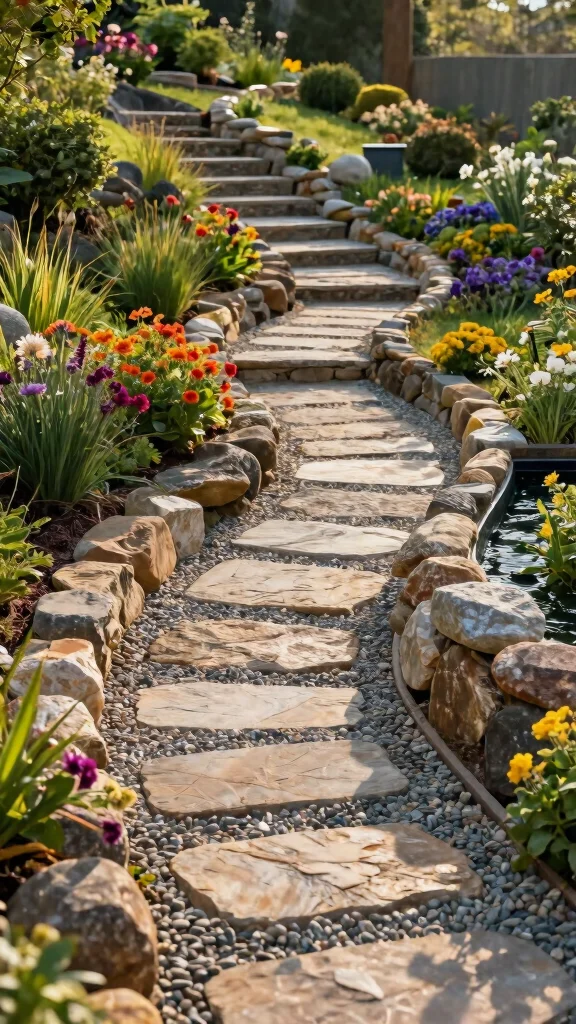
Pathways are essential for navigating sloped gardens, offering both functionality and charm. Using materials like gravel, stepping stones, or wooden planks, you can create inviting paths that guide visitors through your beautiful space.
Think about how the path flows, connecting different garden levels and highlighting features like water elements or seating areas. A meandering path adds intrigue and makes the slope more manageable.
Pathway design tips:
– Use permeable materials for effective drainage.
– Edge paths with flowers or low plants for a seamless look.
– Add benches or resting spots for relaxation.
A thoughtfully designed path enhances accessibility and encourages exploration throughout your garden.
Recommended Products

NO MORE HARD INSTALLATION - SET UP IN MINUTES. Tired of struggling with stiff barbed fittings? This drip irrigation system features quick-connect fittings that let you push, lock, and secure tubing effortlessly. No tools, no leaks, just a smooth setup experience. Enjoy a frustration-free installation and get your garden watering system running in minutes.

✔Comprehensive Drip Irrigation Kit:MIXC drip irrigation system, equipped with a versatile range of components, caters to all your garden watering needs.Includes essential parts such as 197ft 1/4'' irrigation tube, 33ft 1/2'' irrigation tube, 1/2‘’ Lock Barbed Tee connectors, drip emitter streams, vortex emitters, Blue Mist Nozzles, Quick connection tees, Faucet Connector, and more.

Everything in One Box – Everything included: 100FT 1/4" tubing, 24 nozzles, connectors, stakes, ties & end caps. Covers small/medium gardens effortlessly
Add a Pathway to Connect Levels
Editor’s Choice

1 Pc Natural Stepping Stone Outdoor, Irregular Garden Stepping Stone, 12…
40 LBS Grey Pea Gravel – Landscape Rocks – Drainage Rock – Gardening – A…

FEED GARDEN 4FT x 100FT Landscape Fabric Weed Barrier Fabric, Heavy Duty…
8. Use Natural Materials to Enhance Terrain
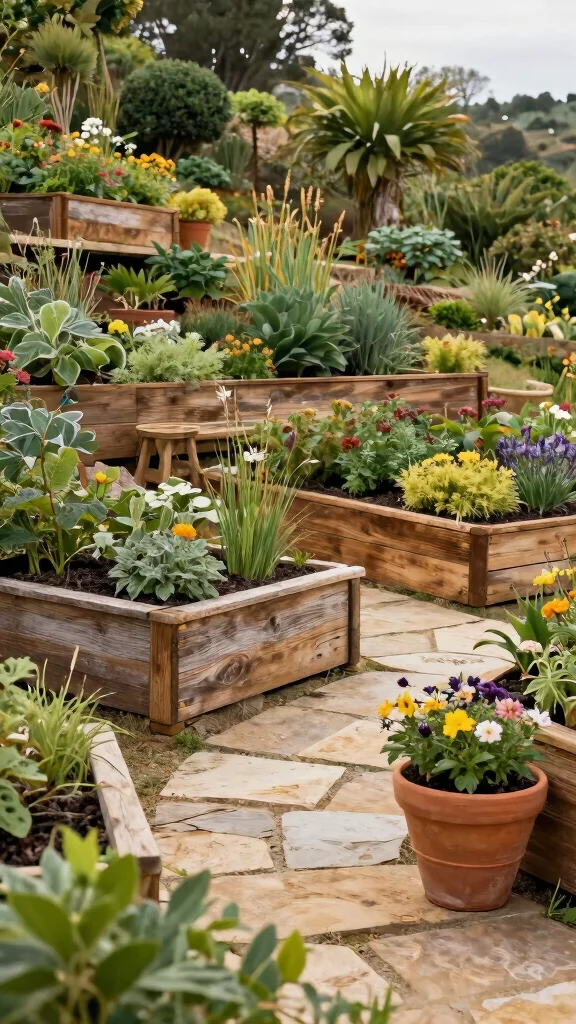
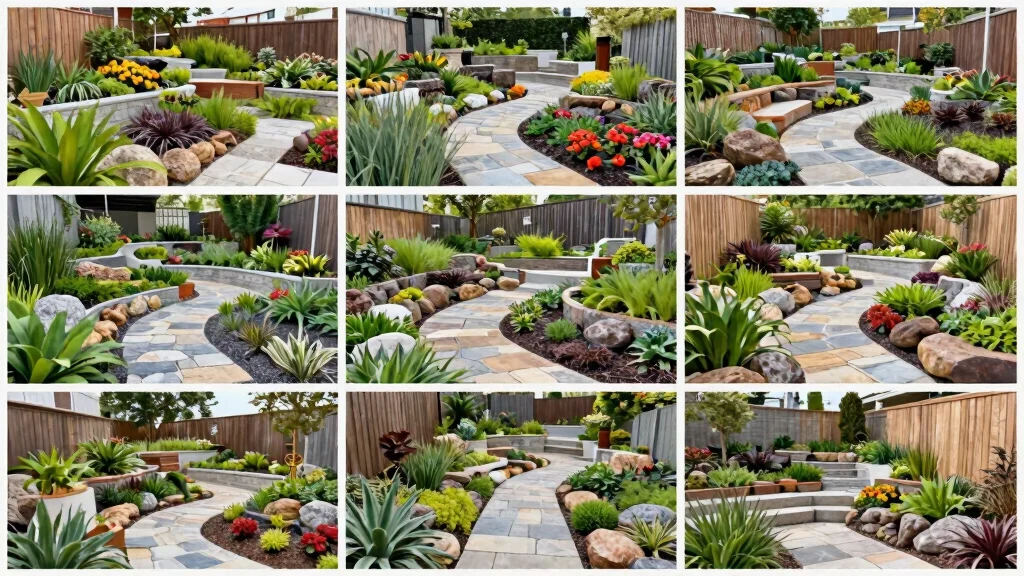
Incorporating natural materials into your hillside landscaping creates an organic and cohesive look. Materials such as reclaimed wood, local stone, or clay pots help your garden blend beautifully with its surroundings while supporting eco-friendly practices.
These elements not only enhance the beauty of your landscape but also contribute to sustainability by reducing your carbon footprint. Choose materials that complement both your design and the local ecosystem.
Natural materials to consider:
– Reclaimed wood for raised beds or fencing.
– Natural stone for pathways and walls.
– Clay pots that age gracefully over time.
Emphasizing natural materials cultivates a timeless aesthetic while fostering a meaningful connection to nature.
Recommended Products

Filtering Waterfall: The ideal filtering waterfall for small ponds, preformed ponds, water gardens, and features up to 4,500 gallons. Includes a 16" Filtering Waterfall with Rock Lid (18" x 10.5") and Lip (16" x 5.5")

⛲[High-quality 304 Stainless Steel ] Pond Waterfall box Adopts 304 stainless steel is carefully crafted to be corrosion-resistant and oxidation-resistant to ensure that it doesn't rust or deform in long-term use, and it is fearless of erosion by wind and rain and lasts for a long time. Its strong and durable characteristics, so that the waterfall bucket can work in the outdoor in a durable and stable, enhance the overall decorative effect.

POWERFUL POND PUMP & WATERFALL COMBO - Built with a 35W high-efficiency motor, this all-in-one pond waterfall spillway generates 550GPH flow and 8ft maximum lift for steady water circulation. The 8-inch spillway is crafted from 304 stainless steel for rust and weather resistance, ensuring long-term durability in any outdoor pond environment.
You Might Also Like

Use Natural Materials to Enhance Terrain
Editor’s Choice

Athens Bee Stepping Stones Rust – Pack of 2 Concrete Garden Path Stones …

INGOFIN Terracotta Pots Set with Saucer – 2-Pack Ceramic Clay Planters w…

Yaheetech 8×2ft Wooden Horticulture Raised Garden Bed Divisible Elevate…
9. Create a Wildlife Habitat

Designing your sloped garden as a wildlife habitat enriches biodiversity and brings vibrancy to your space. By incorporating native plants that attract pollinators and providing shelters, you can establish a thriving ecosystem.
Add features like birdhouses, bee hotels, and butterfly gardens to invite an array of species, enhancing the life and activity in your garden. This not only adds beauty but also aids in natural pest control.
Ways to attract wildlife:
– Plant nectar-rich flowers for butterflies and hummingbirds.
– Create brush piles or leave unmowed grass areas for habitats.
– Install bird baths for drinking and bathing.
A wildlife-friendly garden is both stunning and beneficial, creating a lively space that connects with nature.
Create a Wildlife Habitat
Editor’s Choice
330+ Butterfly Bush Seeds – Perennial Plant | Highly Fragrant Flowers th…

Bird Houses for Outside,Hanging Outdoor BirdHouses,Wood Bird Nesting Box…

Wooden Insect House, Insect Hotel for Bugs, Bees, Butterflys, Ladybirds,…
10. Embrace Seasonal Plantings
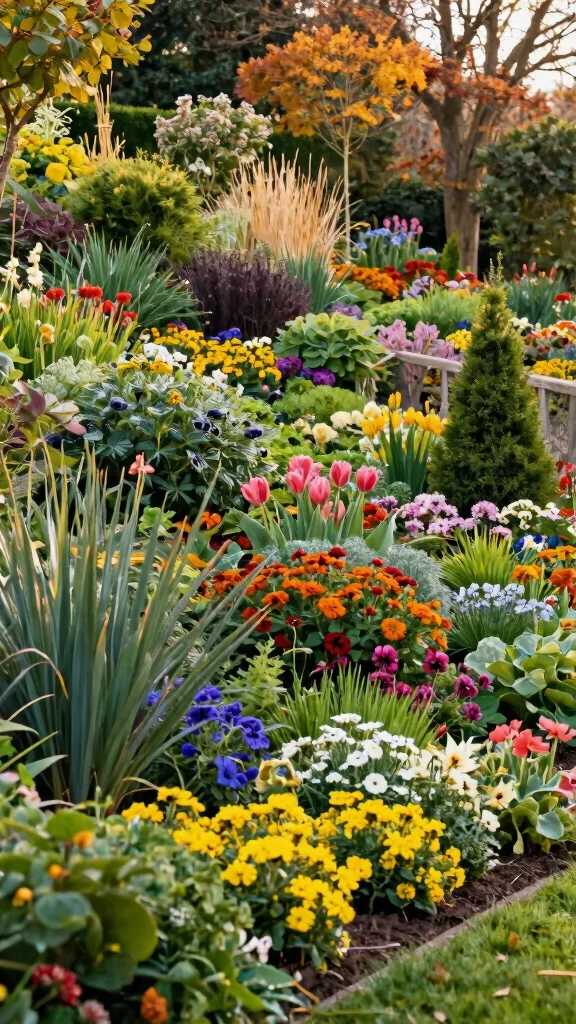
Keep your sloped garden engaging throughout the year by embracing seasonal plantings. Choose plants that bloom at different times or incorporate herbs that can be harvested in various seasons.
This strategy adds visual interest and supports biodiversity, as different plants attract various pollinators. Mixing perennials, annuals, and evergreens creates layers of color and texture, ensuring your garden remains appealing year-round.
For successful seasonal planting:
– Plan your planting schedule for early bloomers, summer favorites, and fall colors.
– Include winter-interest plants to maintain liveliness in colder months.
– Group plants based on their seasonal appeal for a cohesive display.
With thoughtful planning, your sloped garden can gracefully evolve through all seasons.
Embrace Seasonal Plantings
Editor’s Choice
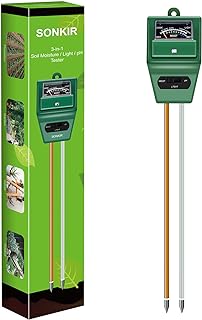
SONKIR Soil pH Meter, MS02 3-in-1 Soil Moisture/Light/pH Tester Gardenin…

Companion Planting for Beginners: Pair Your Plants for a Bountiful, Chem…

KINGLAKE 100 Pcs 6 x10cm Plastic Plant T-Type Tags Nursery Garden Labels
Conclusion

Transforming a sloped garden into a breathtaking landscape is entirely possible with a bit of creativity and planning. From terraced beds to water features, each idea contributes to an eco-friendly environment while enhancing beauty.
By implementing these hillside landscaping ideas, you not only beautify your space but also create a sustainable oasis that nurtures wildlife and supports the ecosystem. So roll up your sleeves, gather your materials, and let your sloped garden become a stunning showcase of nature’s wonders!
Note: We aim to provide accurate product links, but some may occasionally expire or become unavailable. If this happens, please search directly on Amazon for the product or a suitable alternative.
This post contains Amazon affiliate links, meaning we may earn a small commission if you purchase through our links, at no extra cost to you.
Frequently Asked Questions
Question: What Are The Best Sloped Garden Ideas Hillside Landscaping For An Eco-Friendly Hillside Garden Design?
Absolutely—embracing sloped garden ideas hillside landscaping can transform challenging terrain into a living canvas. Start by assessing sun, drainage, and the slope to guide your choices.
Prioritize erosion control landscaping with terraces, stone retaining walls, or living walls to stabilize soil while adding level spaces for planting.
Choose native, drought-tolerant plants and groundcovers to reduce water use and maintenance, weaving in tiered garden ideas to create microclimates and interest.
Finish with a simple irrigation plan and mulching to conserve moisture and keep weeds at bay.
Question: How Can I Prevent Erosion And Manage Water On A Sloped Terrain Landscaping Project?
Erosion control landscaping on a slope is all about guiding water and stabilizing soil. Start with level terraces or supported retaining edges to break up the slope into practical planting zones.
Plant deep-rooted natives and grasses along contours to lock soil in place and reduce runoff.
Add mulch, groundcovers, and a contour-based drainage plan (swales or a French drain) to slow and direct water away from foundations.
Finish with a simple, water-wise irrigation system—drip lines and rain barrels—to conserve moisture while keeping plants thriving.
Question: What Are Practical Tiered Garden Ideas For Steep Slopes That Are Low Maintenance?
Tiered beds are your best friend on steep slopes. They create stable planting zones, reduce erosion, and make maintenance easier.
Start with simple, durable materials like timber sleepers or stone to build shallow steps that follow the slope and maximize usable space.
Use wide, shallow tiers for better soil warmth and drainage; fill with native or drought-tolerant perennials and groundcovers. Pair with a drip irrigation line and a thick mulch to minimize watering and weed growth, keeping your hillside landscape low maintenance while still dramatic.
Question: Which Plants Thrive On Sloped Terrain Landscaping And How Do They Support An Eco-Friendly Hillside Garden Design?
Choose plants with strong root systems and low water needs. Native grasses, creeping thyme, sedum, vinca minor, and ajuga are ideal for slopes because they stabilize soil and require less upkeep.
Plant in contour rows to slow runoff and create natural microclimates across the slope, strengthening your hillside garden design with creative garden solutions that work with the landscape.
Pair groundcovers with woody perennials for year round interest and ensure good drainage so roots stay healthy through seasons.
Question: What Simple Steps Can A Beginner Take To Start Sloped Garden Ideas Hillside Landscaping Without Heavy Equipment?
Start small and build confidence with a plan you can manage. Sketch the slope, map sun exposure, and outline where terraces or raised beds will sit.
If you do not have access to heavy equipment, begin with containers or portable raised beds on the slope to test ideas and control erosion.
Add simple, durable tiers, a drip irrigation line, and generous mulch. Choose native, drought-tolerant plants for quick wins, and adjust as you learn what works in your climate. This approach makes sloped garden ideas hillside landscaping practical for beginners.
Related Topics
sloped garden ideas
hillside landscaping
eco-friendly gardening
creative garden solutions
erosion control
tiered garden design
beginner friendly
advanced landscaping
sustainable gardening
garden aesthetics
outdoor living
seasonal gardening