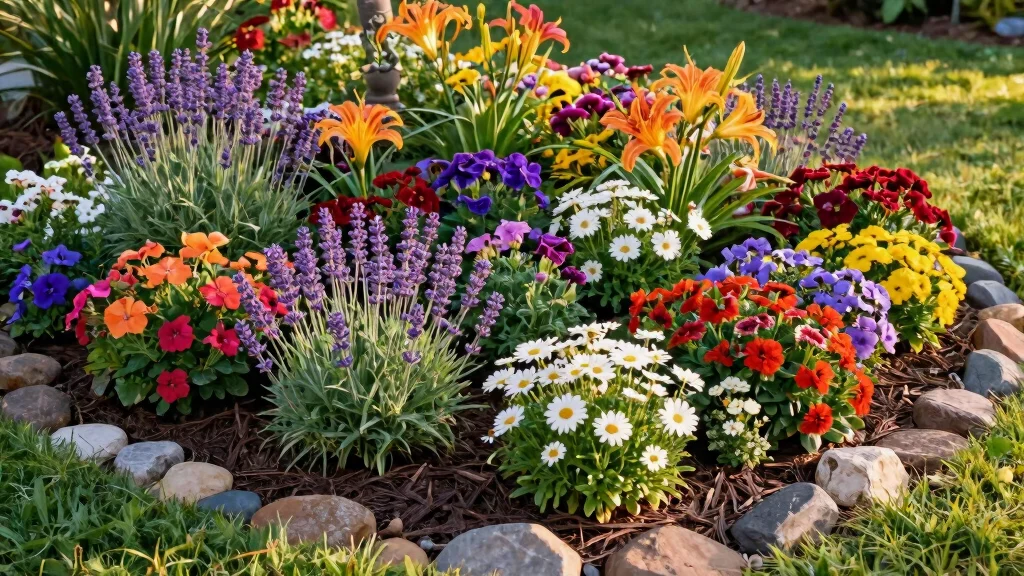
Are you tired of looking at your dull yard and dreaming of something beautiful? The truth is, creating a stunning outdoor space doesn’t have to be complicated or time-consuming. If you crave a yard that not only enhances your home’s curb appeal but also brings joy and relaxation, you’re in the right place. This post is all about easy yard landscaping ideas that will transform your outdoor space into a delightful retreat.
If you love gardening but feel overwhelmed by the thought of complicated designs and high maintenance, this guide is for you. Whether you’re a busy professional, a parent, or someone who just wants a charming garden without the fuss, you’ll find inspiration here. These ideas are not only simple to implement but also promise to make your yard a lovely sight for everyone who passes by.
In this post, I’ve gathered seven easy yard landscaping ideas that anyone can pull off—ideas that are low-maintenance and visually stunning. You’ll discover practical tips for perennial flower beds, rock gardens, and even edible flower beds that add functionality. These suggestions will help you create an inviting outdoor living space where you can unwind or entertain friends, all while boosting your home’s overall appeal.
Key Takeaways
– Use perennial flower beds to enjoy vibrant blooms year-round with minimal upkeep.
– Consider rock gardens for a stylish, low-maintenance option that also conserves water.
– Incorporate edible flower beds into your design to enjoy beauty and functionality in one space.
– Design border gardens to create clear definitions between different areas of your yard, enhancing its overall organization.
– Experiment with colorful container gardens for flexibility in design that can easily change with the seasons.
Recommended Products

Fragrant Blooms: English Lavender seeds to plant of Lavandula angustifolia produce purple flower spikes on slender green stems; late spring–summer color with vigorous growth—ideal for fragrant flowers and classic herbs borders. Common name: English Lavender; Scientific name: Lavandula angustifolia

Imagine the possibilities! This accessible and inviting resource introduces you to bulbs annuals biennials perennials shrubs and vines that will perk up your space and season. Browse the 32 plants profiled in vivid detail (from asters irises and coneflowers to hydrangeas roses and wisteria); for each you’ll find beautiful photos and essential information on planting care disease and pest problems cut-flower harvesting and recommended varieties. There are also helpful chapters on summer-flowering shrubs tiny bulbs flowers for constant color throughout the season and more! |Invite birds to your garden! Discover flowering annuals perennials and shrubs that offer food and shelter to make feathered friends feel right at home.|Go native! Native plants offer many advantages such as requiring little to no maintenance or water once established. They also provide nectar for native pollinators. Read about native flower options for various parts of North America and you’ll get a feel for which ones you might like to grow.|Want to bring the joy indoors? Find out the best ways to cut and preserve your garden’s floral bounty or to dry your blossoms for long-lasting enjoyment.|Don’t have the yard space to grow flowers or just want to keep things simple? Containers to the rescue! Learn the “pot-ticulars” about sizes types and growing mediums and then get ready to pot up your prized petunias!|Nurturing flowers from seeds can be an inexpensive way to fill up a flower bed and offers more options for variety and color than you’ll likely see in transplants available locally. Choose your favorites and then discover how to get your plant babies off to a great start.|Moving to a new location can take it out of us and the same goes for plants. Whether you grow your own or purchase just-the-right flowers at your local garden center find out when they can be safely transplanted to their permanent homes.|True success starts at ground level—or even deeper. Learn about soil structure texture pH nutrients and fertilizers as well as how to improve your existing soil so that your plants grow up healthy and happy.|Water is a precious resource. Gardeners just about everywhere can face periodic drought as well as high water bills and seasonal water restrictions so water-saving practices in the garden not only make good “green” sense but also save time energy and effort. Read about ways in which you can be water-wise!|Diseases and pests like flowers too. The Flower Gardener’s Handbook provides detailed easy-to-understand information on how to identify and control a host of troublemakers. |Write it down! Take advantage of occasional journal pages to jot down important notes such as your soil’s pH seed-starting details planting dates and pest problems and treatment. Record your observations about plant performance bloom times and more to help you keep track of which varieties work well and which you’d like to switch out in the following year.|What’s an Old Farmer’s Almanac guide without a little folklore and fun? Inside you’ll learn how to interpret Latin plant names (Did you know that mirabilis means “wonderful”?) the symbolism in the language of flowers (a peony can express “happy life”) and what your birth flower is (hint: some months have two!).|Plus much more!

High Germination Ease: Sow aubrieta cascade purple aubrieta deltoidea seeds in 60–65°F soil. Aubrieta rockcress sprouts in 10–14 days, ideal as flower seeds for airy borders, walls, rock gardens.
1. Perennial Flower Beds for Year-Round Beauty
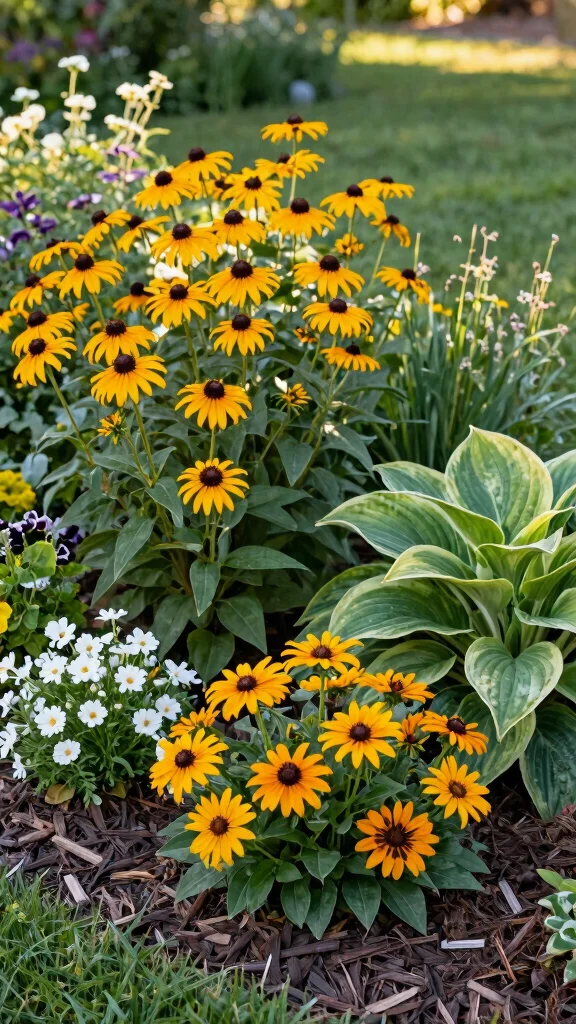
Are you looking for a way to brighten your yard effortlessly? Planting perennial flowers is a fantastic solution. These delightful blooms return each year, offering vibrant colors and lush textures without the hassle of replanting. Imagine coneflowers, black-eyed Susans, and hostas filling your garden, attracting butterflies and adding life to your outdoor space.
Start by choosing a variety of perennials that thrive in your local climate. Group them based on their bloom times to ensure a continuous show of flowers throughout the seasons. Adding mulch not only enhances the beauty of your garden but also helps retain moisture and suppress weeds.
Key tips for a stunning perennial garden:
– Layer plants for depth: Place taller varieties at the back and shorter ones in front.
– Select diverse bloom times: Ensure your garden is colorful all year.
– Use mulch to conserve water: It keeps your plants healthy and reduces weeds.
With this approach, you’ll enjoy a striking display that evolves beautifully with each season.
Recommended Products

Cold stratify: mix butterfly milkweed seeds with moist sand, refrigerate 30 days, then sow native milkweed seeds for planting just below surface. Native wildflower seeds germinate in 10-21 days.
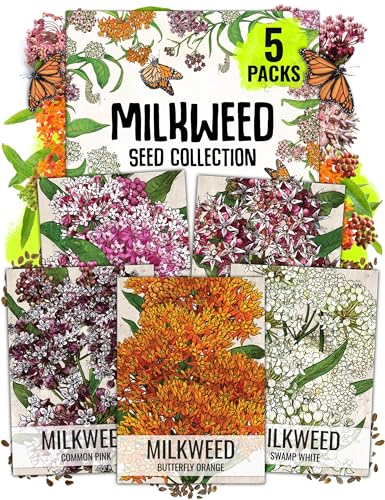
Pollinator Attraction: Milkweed flowers are known for attracting a variety of pollinators, including bees, butterflies, and hummingbirds. They produce a sweet nectar that is particularly enticing to monarch butterflies, which lay their eggs exclusively on milkweed plants.
Perennial Flower Beds for Year-Round Beauty
Editor’s Choice

Garden Tools Set, 3 Pack Heavy Duty Gardening Tools Set Include Garden S…


Back to the Roots 25.7qt (1 Cubic ft) Organic Premium Mulch

Burpee Wildflower 25,000 Bulk, 1 Bag | 18 Varieties of Non-GMO Flower Se…
2. Rock Gardens for Low-Maintenance Charm
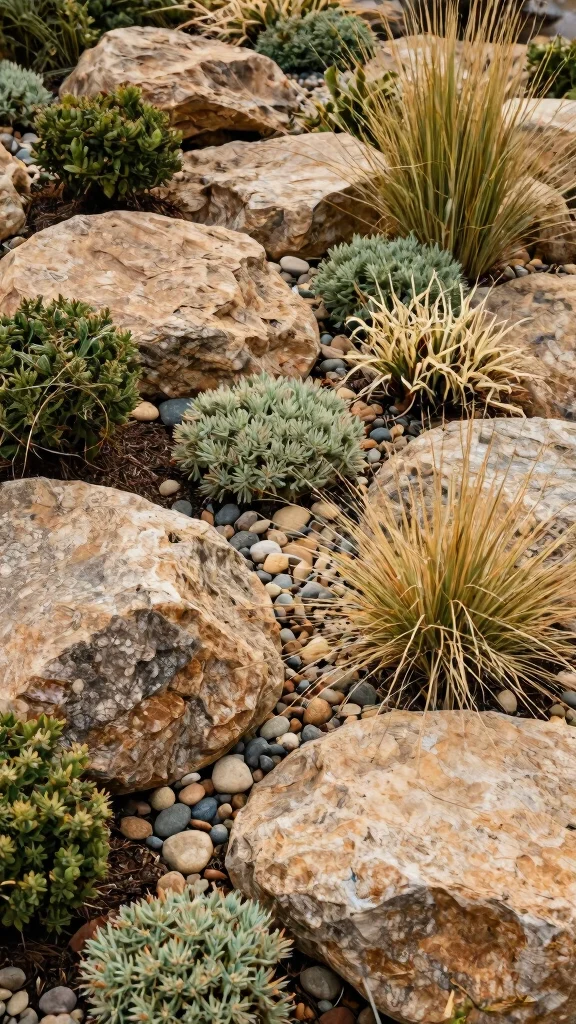
Looking to add some charm to your yard without a lot of upkeep? Rock gardens are a perfect choice! By combining beautiful stones with tough, drought-resistant plants, you create a stunning focal point that requires minimal maintenance. Imagine the tranquility of a garden filled with natural elements.
Begin by selecting a variety of rocks, mixing large boulders with smaller pebbles to create visual interest. Choose plants like sedums or ornamental grasses that thrive in rocky conditions. Arranging your rocks and plants in a naturalistic way mimics the beauty of wild landscapes.
Here’s how to create your rock garden:
– Choose varied rock sizes: This adds depth and character to your space.
– Opt for drought-tolerant plants: They require less water and care.
– Design with natural patterns: Arrange elements to reflect nature’s beauty.
This design not only conserves water but also creates a unique texture that enhances your outdoor space.
Recommended Products

【SIZE and PARAMETERS】Color: White; Material: Natural Stones;Size:1/4"-3/4" on avarage;Weight:45LB
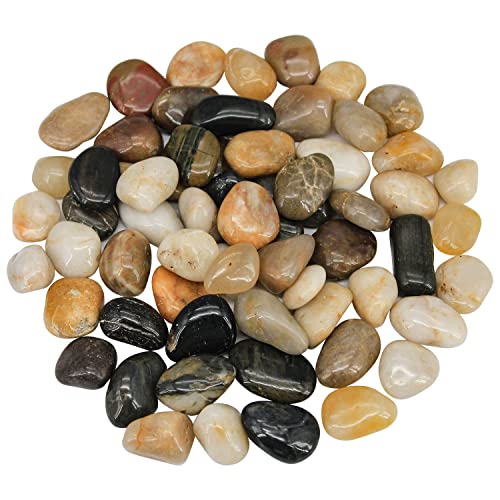
【Natural Decorative Stones】 VIREKM Outdoor/indoor Decorative Stones are natural lightly polished for smooth effect, comes in a variety of natural colors,Resists fading for long-lasting beauty. The color of this Outdoor/indoor Decorative Stones is natural so it may include a variety of different shades of browns, whites and black rocks.

Rock Gardens for Low-Maintenance Charm
Editor’s Choice

Live Succulent Sedum adolphii Shooting Stars, 2 Inch Fully Rooted Potted…

Deckorators 17 in. x 10-1/2 in. x 8 in. Tan Small Landscape Rock
3. Edible Flower Beds for a Functional Garden
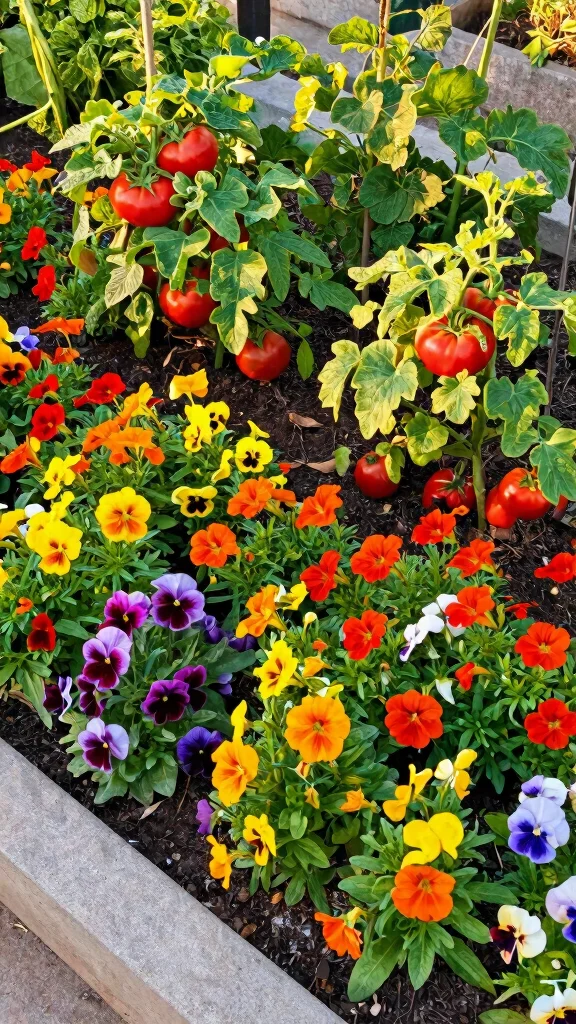
Why not make your garden both beautiful and useful? Edible flower beds are a fantastic way to enjoy fresh produce while adding color to your landscape. Picture a vibrant patch filled with nasturtiums, pansies, and marigolds, all ready to elevate your meals!
Start by mixing edible flowers with vegetables like tomatoes and peppers for a lively garden. Choose easy-to-grow flowers such as calendula and violets to ensure success. Raised beds can make maintenance easier and keep pests away from your plants.
Key ideas for your edible flower garden:
– Combine flowers with vegetables: Create a stunning and functional space.
– Select simple varieties: Grow flowers that are easy to cultivate.
– Utilize raised beds for convenience: They help manage pests and simplify care.
This approach not only enhances the beauty of your garden but also provides fresh ingredients, making it a win-win for any gardener!
Edible flower beds let you slip a little magic into daily cooking. My yard went from neat beds to tasty, low-maintenance color—nasturtiums, calendula, and peppers all thriving with easy yard landscaping. You’ll be picking dinner right from the garden in weeks.
Recommended Products

Quality flower seeds packaged by Seed Needs. Intended for the current and the following growing season. Packets are 3.25" wide by 4.50" tall and come with a full colored illustration on the front side, as well as detailed sowing instructions on the reverse.b1

EFFORTLESS TO GROW – These dandelion seeds for planting thrive reliably in usda zones 3-10, germinate in just 7-21 days with minimal watering, and require very little care, making them a confident choice for beginner gardeners in beds or containers.
📹 Related Video: Edible Landscaping – How to Create a Foodscape
Edible Flower Beds for a Functional Garden
Editor’s Choice

Seed Needs Nasturtium Seeds Jewel Mix Multicolored Edible Flowers | 1.5 …

Land Guard Galvanized Raised Garden Bed Kit, Galvanized Planter Garden B…
Garden Tools Set, 3 Pack Heavy Duty Gardening Tools Set Include Garden S…
4. Border Gardens for Clear Definition
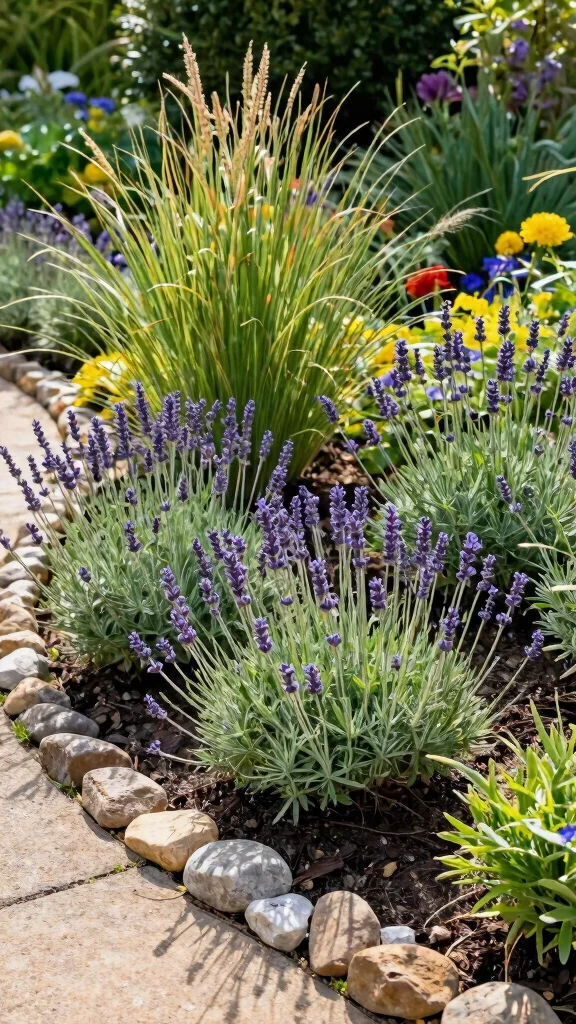
Want to add structure to your yard while boosting its beauty? Border gardens are a great way to define spaces and add color. They help separate different areas, like paths from flower beds, creating an organized and inviting look.
Use low-growing plants like lavender or small ornamental grasses to maintain clear sightlines. Mixing various textures with flowers can further enhance interest. Adding decorative stones creates a clean edge that completes the look.
Here’s how to create effective border gardens:
– Choose low plants for visibility: They won’t block your view.
– Mix different textures: Combine various foliage for visual appeal.
– Incorporate stones for a neat finish: They add elegance to your design.
This technique not only looks fantastic but also helps keep your yard tidy and well-organized.
Fun fact: border gardens with low-growing lavender and grasses can cut up to 40% of yard maintenance time while creating clean edges and color. Add decorative stones for a crisp border and you’ll have an instantly organized, inviting space.
Recommended Products

Packaged:The packaging includes 24 plastic plant pots paired with square pallets.There are 6 colors(white,green,yellow,pink,purple,blue),with four pairs of each color.

SIZE:2.8 x 2.8 x 3 inches / 7 x 7 x 7.7 cm (L x W x H)

You might also like


Border Gardens for Clear Definition
Editor’s Choice

Pink Ornamental Grass Seeds Mix for Planting – 250+ Seeds: Pink Muhly, P…
5. Colorful Container Gardens for Versatility
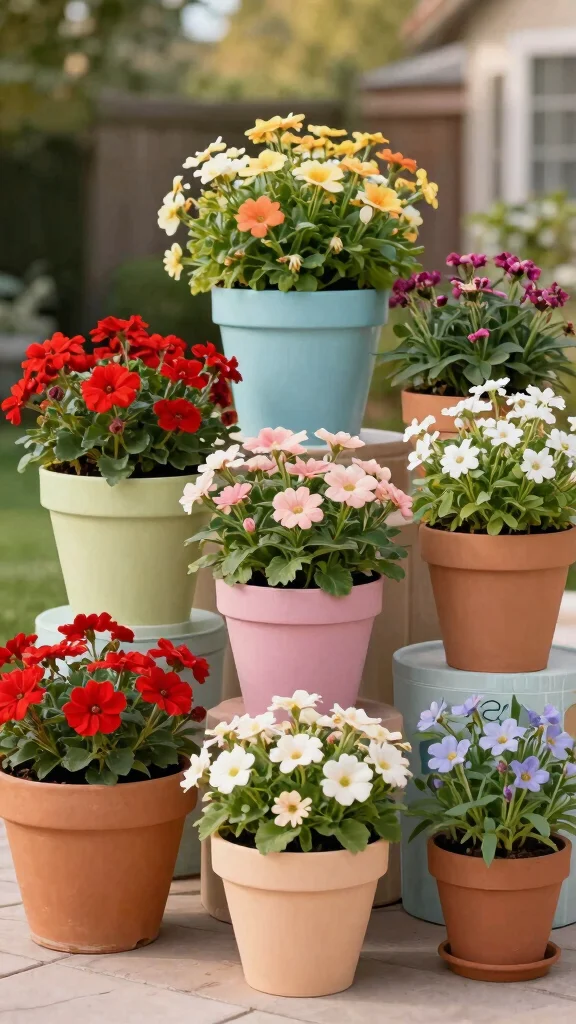
Do you have limited space but still want a colorful garden? Container gardening is your answer! Using vibrant pots filled with flowers allows you to easily add personality to your outdoor space. Picture your backyard bursting with color and life!
Start by selecting a variety of containers in different shapes and sizes. Pair complementary plants, mixing perennials with annuals for year-round blooms. Creating height differences by using tall plants in larger pots adds visual interest.
Steps to create your colorful container garden:
– Mix container styles: Use diverse shapes and colors for fun.
– Choose complementary plants: Combine perennials with annuals for continuous blooms.
– Vary heights for impact: Taller plants in big pots create depth.
This method allows you to transform your space easily, making it ideal for small yards or patios.
Recommended Products


Abundant Blooms: Each packet contains a generous amount of Black Eyed Susan seeds, ensuring a vibrant and colorful garden display

Colorful Container Gardens for Versatility
Editor’s Choice
Garden Tools Set, 3 Pack Heavy Duty Gardening Tools Set Include Garden S…


Burpee, 9 Quarts | Premium Organic Potting Natural Soil Mix Food Ideal f…
6. Seasonal Color Swaps for Continuous Change
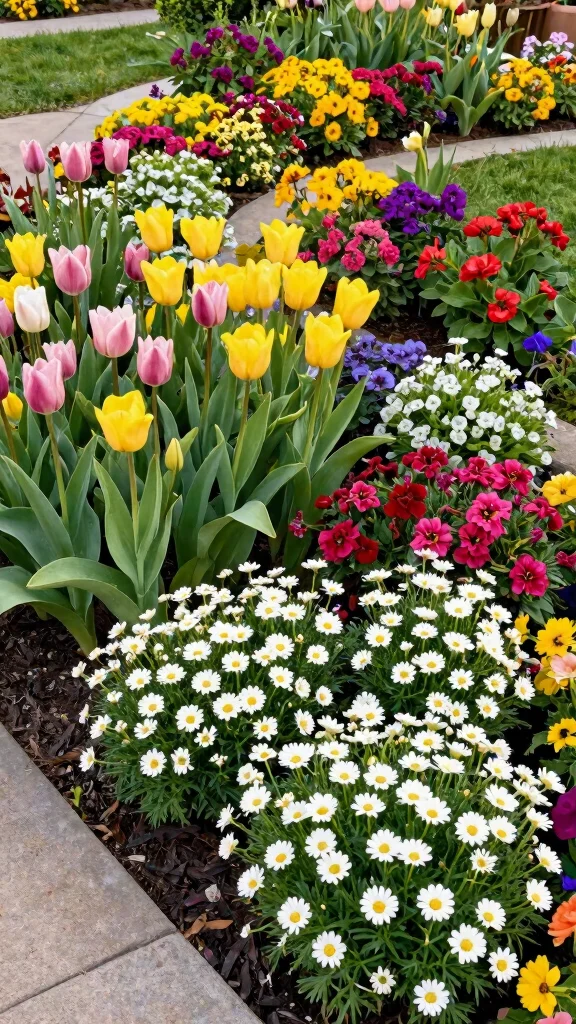
Why settle for one seasonal look when you can switch it up? Seasonal color swaps keep your yard fresh and exciting with different flowers throughout the year. This approach allows you to showcase new blooms while maintaining visual interest.
Start planning ahead by researching which plants thrive in each season to ensure smooth transitions. Keep seasonal bulbs stored until it’s time to plant, and consider foliage that offers texture and color in winter.
Tips for successful seasonal swaps:
– Plan your flower rotations: Research seasonal blooms for a seamless look.
– Store bulbs properly: Keep them cool and dry until planting time.
– Choose winter-friendly plants: Select those that offer beauty in colder months.
With careful planning, your yard can always look its best and reflect the changing seasons beautifully!
Fun fact: By using seasonal color swaps, you can refresh your yard with different blooms each season and boost curb appeal by up to 40%—without a full overhaul. With easy yard landscaping, plan ahead, store bulbs, and choose texture-rich foliage so your garden shines year-round.
Recommended Products

PREMIUM VARIETY: 24 perennial wildflowers seeds; High germination rate with non-GMO wild flower seeds; Creates stunning garden flowers with bold colors and textures; Perfect for butterfly garden seeds and pollinator seed mix

POLLINATOR PARADISE: Over 20000 wildflower seeds create thriving habitats for monarchs, bees and hummingbirds; Perfect blend of milkweed seeds for monarch butterflies and nectar-rich flowers; Creates vibrant meadows and beds while supporting essential biodiversity

ENHANCE YOUR GARDEN — Increase Property Value & Add Visual Interest in Your Garden
You Might Also Like
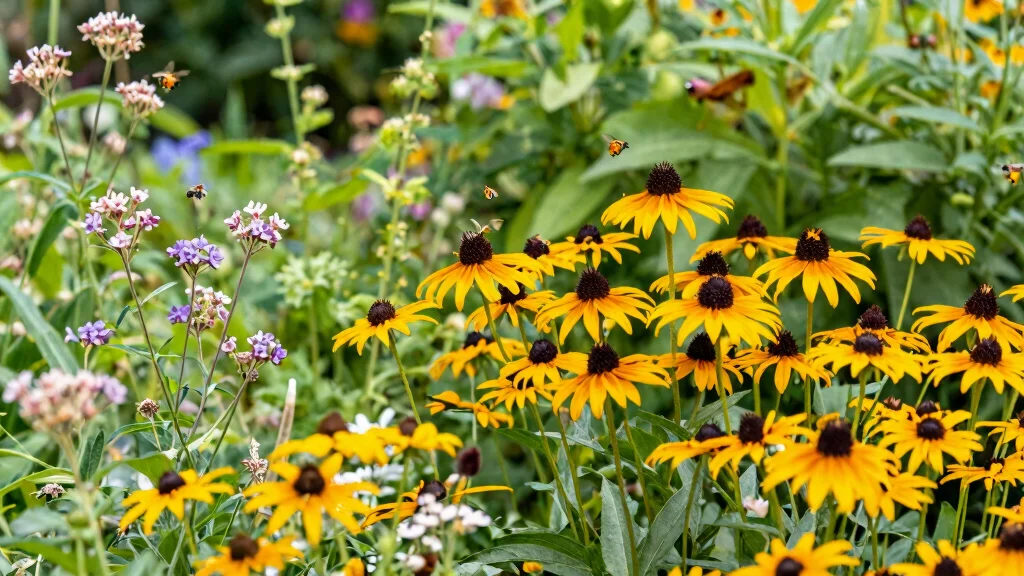

How To Choose Low-Maintenance Flower Beds for Easy Yard Landscaping
Choosing the right flower beds can greatly impact your yard’s beauty and ease of maintenance. Here are some essential factors to consider when selecting low-maintenance flower beds that will keep your outdoor space looking stunning without much effort.
1. Location
Consider where your flower beds will be placed. Look for areas that get adequate sunlight, as most flowers thrive in bright conditions. If you’re planting shade-loving species, find spots that receive filtered light. Also, think about accessibility for watering and maintenance.
2. Soil Quality
Check the soil in your chosen area. Well-draining soil is key for healthy flowers. You can improve your soil by adding compost or organic matter. Test the pH level too; most flowers prefer a neutral pH of around 6.0 to 7.0. Investing in soil quality will reduce the need for extra fertilization later.
3. Plant Selection
Choose perennials that are suited for your climate. Native plants are often low-maintenance and beneficial for local wildlife. Look for hardy varieties that can withstand local weather conditions. Some excellent options include daylilies, coneflowers, and sedums, all of which require minimal care once established.
4. Design Layout
Plan your flower bed layout carefully. Incorporate different heights and colors for visual interest. Use the “thriller, filler, spiller” design technique—tall plants in the back, mid-sized in the middle, and trailing plants at the front. This method not only adds depth but makes it easier to maintain your flower bed.
5. Watering Needs
Ensure that the plants you choose have similar watering needs. This makes caring for your flower bed easier. Opt for drought-resistant plants if you live in a dry area; they require less frequent watering. Consider using drip irrigation systems to save time and water.
6. Mulching
Using mulch can significantly reduce maintenance. Mulch helps retain moisture, suppress weeds, and improve the soil as it breaks down. A layer of 2-3 inches of organic mulch, like wood chips or bark, works well. This means less weeding and watering for you!
Pro Tip: Start with a small flower bed. This way, you can fine-tune your choice of plants and design without overwhelming yourself. Once you feel comfortable, expand your flower beds gradually!
By considering location, soil quality, plant selection, design layout, watering needs, and mulching, you can create beautiful low-maintenance flower beds. With these landscaping tips, enhancing your yard’s curb appeal becomes an enjoyable experience!
Recommended Products

【2 GALLON CONCENTRATE – COVERS UP TO 380 SQ. FT.】 Get more coverage for larger outdoor projects with 256oz concentrated mulch binder. Designed to be diluted with water, this value-size landscape glue helps cover flower beds, tree rings, slopes, garden borders, and decorative stone areas without frequent refills. A practical choice for homeowners who want to treat more space than small ready-to-use spray bottles.
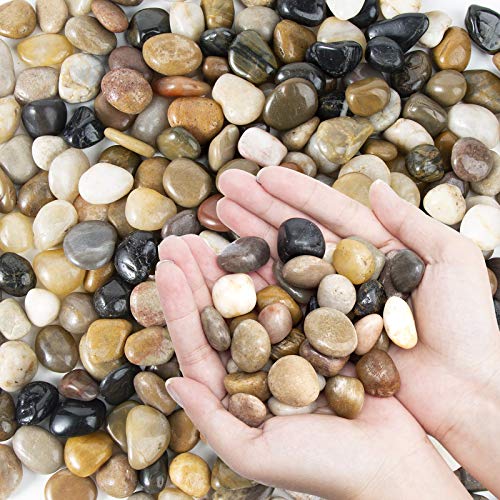
Natural Stones: This river rocks are natural lightly polished for smooth effect, comes in a variety of natural colors, Resists fading for long-lasting beauty. The color of this river rock is natural so it may include a variety of different shades of browns, whites and black rocks. (rocks are natural and as a result some may be broken or out of shape, oval or round, thick or thin.
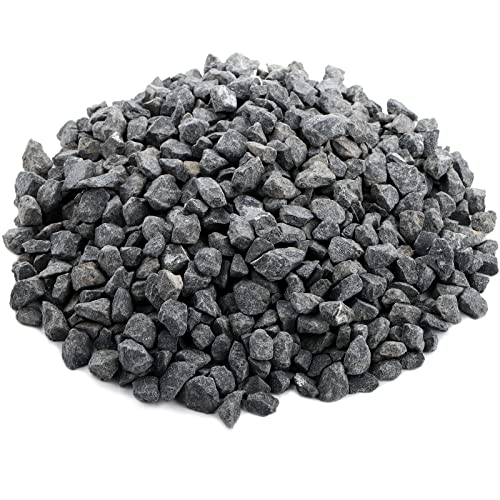
100% Natural Material: ZOOFOX small rocks stones are all natural. Their natural attribute will make them last longer because they will not deteriorate like mulch does.They have been only washed with water several times.
Seasonal Color Swaps for Continuous Change
Editor’s Choice

Complete Shade Perennial Flower Bulb Garden – 30 Bulbs for 50 Days of Co…

Seed to Table: A Seasonal Guide to Organically Growing, Cooking, and Pre…

Miracle-Gro Organic Outdoor Potting Mix – Plant Soil for Outdoor Contain…
7. Garden Art and Decor for Unique Touches
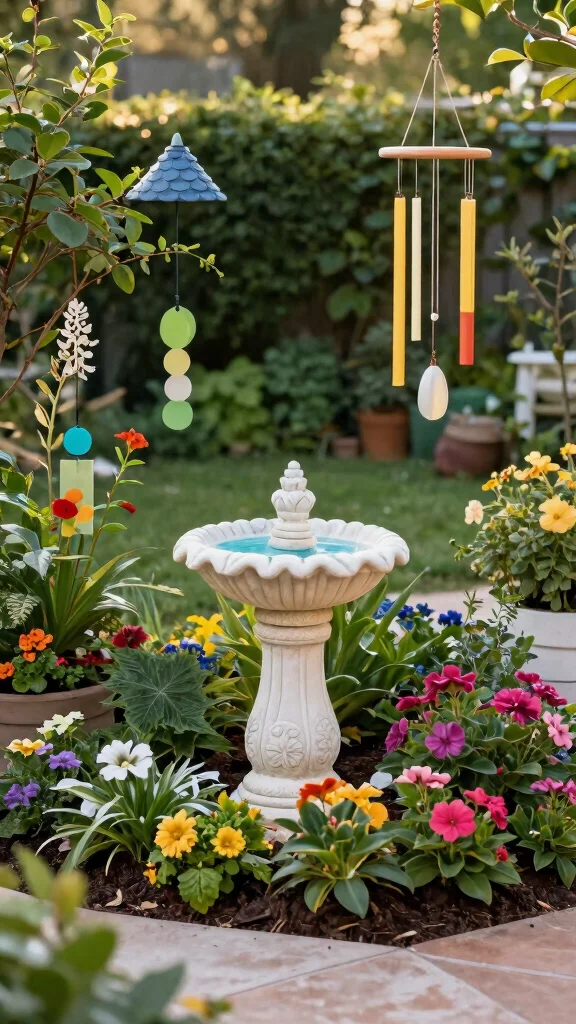
Looking to add personality to your garden? Incorporating art and decor can transform your yard into a personal retreat. From playful garden ornaments to striking wall art, these touches bring character and charm to your space.
Begin by choosing unique pieces that resonate with your style, such as colorful wind chimes or whimsical sculptures. Place your decor strategically, especially near seating areas where it can be appreciated. Mixing various styles can create an eclectic and inviting vibe.
Ways to enhance your garden with art:
– Select unique decor pieces: Look for items that express your personality.
– Position strategically: Place decor where it can be admired.
– Mix styles for an eclectic look: Combine rustic and modern elements for flair.
This approach not only enhances your garden’s beauty but also allows your individuality to shine, making your outdoor space truly memorable!


Garden Art and Decor for Unique Touches
Editor’s Choice

MUMTOP Bird Baths for Outdoors, Antique Outdoor Garden Bird Bath Resin B…

Solar Squirrel Garden Statue Outdoor Decor, Squirrel Sculpture with Lant…

Friendship Thank You Wind Chimes Gifts for Friends, Best Friends Birthda…
Conclusion: Elevate Your Outdoor Space
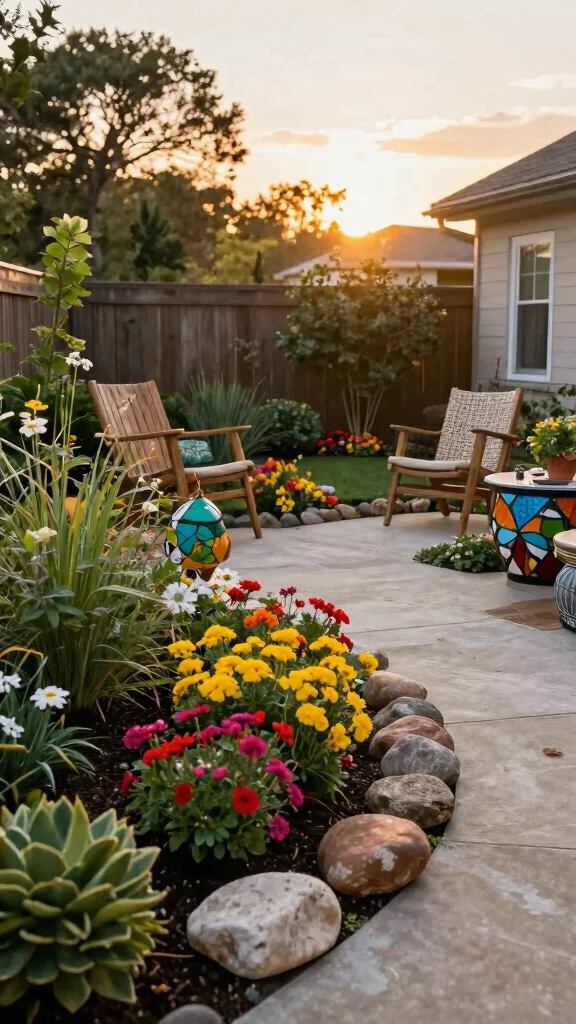
With these seven easy yard landscaping ideas, you are well-equipped to transform your outdoor space into a stunning retreat that requires minimal upkeep. Whether you choose perennial beds, rock gardens, or colorful containers, each method offers unique charm and beauty.
Start small, experiment with different plants and designs, and soon you’ll create a backyard that not only reflects your personality but also becomes the envy of the neighborhood!
Note: We aim to provide accurate product links, but some may occasionally expire or become unavailable. If this happens, please search directly on Amazon for the product or a suitable alternative.
This post contains Amazon affiliate links, meaning we may earn a small commission if you purchase through our links, at no extra cost to you.
Recommended Products

Right Size - The 6-Pack 4-Inch Indoor Plant Pots are ideal for small indoor and outdoor Plants and flowers, such as Orchids, aloe, snake plants, peace lilies, ZZ plants, succulents, mint, cacti, and herbs.
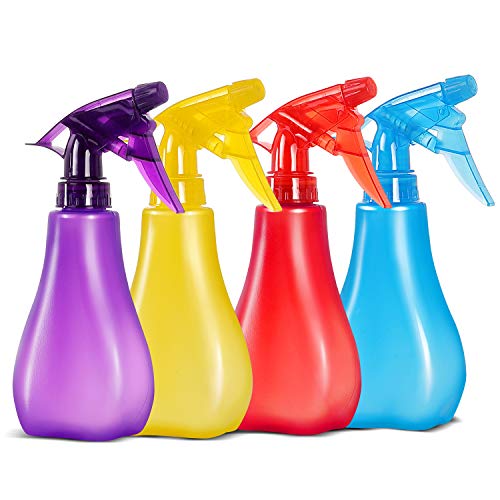
SET INCLUDES - you get a set of 4 multicolor bottles, including 1 of each color; Red, Purple, Blue and Yellow.
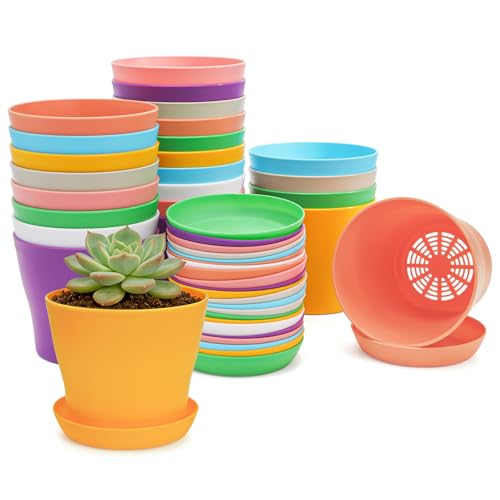
Value Package: Set includes 24 small plastic flower pots and 24 matched saucers, assorted with 8 color, 3 pieces per color. Pink, green, purple, blue, white, orange, beige grey, salmon pink
Frequently Asked Questions
What are some beginner-friendly ideas for easy yard landscaping that still look polished?
Think simple, cohesive, and low-maintenance. Start with a focal point (a standout shrub, statue, or water feature) and repeat 2–3 plants along borders for a cohesive backyard design.
Choose native, low-maintenance perennials and ground covers for ongoing garden decor with less fuss. Mulch deeply to suppress weeds and retain moisture, edge beds for clean lines, and install a basic drip irrigation or soaker hose to keep watering easy.
Limit your color palette to 2–3 hues to boost curb appeal. With these landscaping tips, you can achieve easy yard landscaping that looks polished without taking over your weekend.
Which low-maintenance flower bed designs work best for busy gardeners?
Go for evergreen structure and repeat plantings. A simple design might be a border of compact evergreens, a raised bed with boxwood, and a ribbon of drought-tolerant perennials like sedum, lavender, and daylilies.
Use mulch to a 2–3 inch depth, plant in clusters to minimize weeding, and group plants by sun exposure to keep watering and care straightforward.
Install a basic drip irrigation line to minimize effort, and choose color-coordinated combos that bloom across seasons to maintain garden decor without heavy upkeep. All of these fit the easy yard landscaping approach and boost curb appeal with minimal work.
How can I boost curb appeal with minimal effort using easy yard landscaping?
Front-yard planning starts with a strong border and a focal plant group near the entry, plus keeping lawn area manageable for a clean look. Use a few affordable elements: mulch, edging, a single color accent plant, and garden decor like a bench or solar lights. A well-defined path and a consistent plant palette instantly elevate curb appeal and tie into your backyard design.
Quick wins also include seasonal containers by the door and reclaiming or repurposing materials along the path to add character without a big budget.
What affordable tools and materials help implement these landscaping ideas without a big DIY project?
Grab a sharp spade, hand trowel, garden rake, knee pad, and pruners, plus a few basics: mulch, compost, landscape fabric, edging, and a simple drip irrigation kit. Start by marking borders with string, prepping soil, laying edging, and filling with mulch. Plant natives first, then water in. For budget-friendly updates, reuse containers, repurpose pallets for a vertical garden, and add solar lights along walkways to boost garden decor and outdoor living.
How do I maintain low-maintenance flower beds so they stay vibrant with little effort?
Set a simple routine: mulch 2–3 inches annually to cut weeds and conserve moisture, water with a drip line, and deadhead spent blooms to extend color. Divide overcrowded perennials every couple of years to keep clumps vigorous.
Weed during cooler days to minimize effort, and apply only light fertilizer if growth stalls. Choose drought-tolerant natives where possible to reduce watering. A yearly refresh with a few new color accents can keep beds looking vibrant with very little effort.
Related Topics
easy yard landscaping
low-maintenance gardens
backyard design
flower bed ideas
curb appeal
outdoor living
beginner friendly
quick landscaping
landscaping tips
DIY garden decor
seasonal planting
easy updates