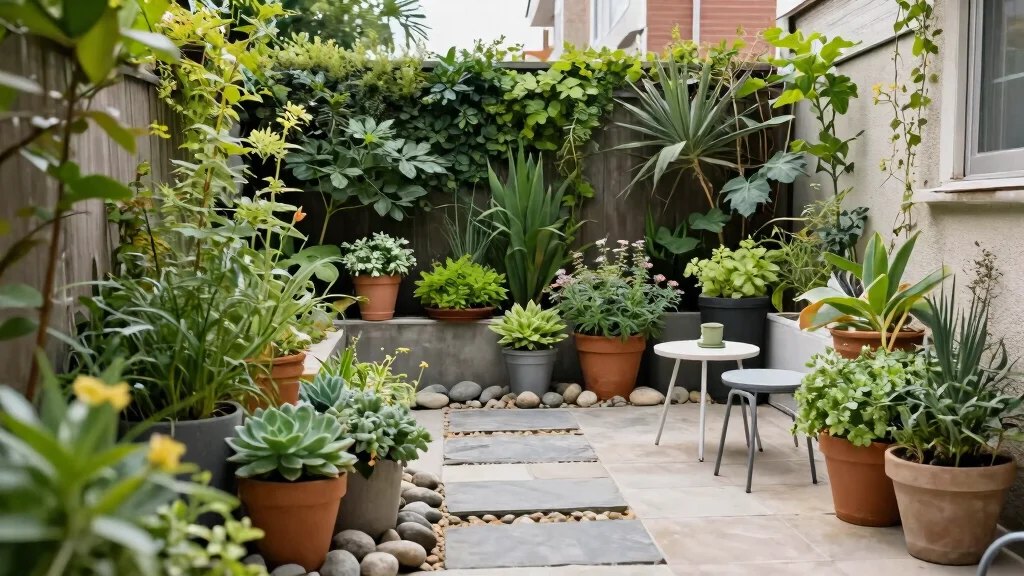
Creating a beautiful backyard doesn’t have to mean sprawling lawns or extensive flower beds. If you’ve been dreaming of a serene oasis but feel limited by space, you’re not alone. Many people find themselves craving a personal retreat right in their small backyards. The good news is that tiny backyard landscaping can be just as enchanting as larger gardens. This post is designed to inspire you, showing how you can turn even the smallest outdoor area into a stunning green sanctuary.
This guide is for anyone who loves to garden, regardless of your experience level. If you’re all about small garden design or simply want to spruce up your outdoor space, you’ll find something valuable here. Whether you’re a city dweller looking for urban gardening solutions or a homeowner aiming for minimalist backyard decor, these nine landscaping ideas will help you maximize your space and add beauty without the clutter.
Inside, you’ll discover creative vertical gardening ideas, compact edible gardens, and clever uses of colors and textures that will transform your tiny backyard into a breathtaking escape. By the end of this post, you’ll have the tools and inspiration you need to create a small garden that not only looks beautiful but also feels like an extension of your home.
Key Takeaways
– Discover vertical gardening techniques that let you use walls and fences to grow plants and flowers, maximizing every inch.
– Learn how layered potted plants can add depth and interest, creating a lush look without taking up much ground space.
– Explore options for compact edible gardens, allowing you to grow vegetables and herbs right outside your door.
– Find out how minimalist furniture can help you achieve a cozy outdoor space, perfect for relaxation without overwhelming your garden.
– Get tips on incorporating creative colors and textures to make your tiny backyard feel vibrant and inviting.
Recommended Products

SPACE-SAVING WALL PLANTER: Create a vertical wall planter display on indoor walls or outdoor fences—perfect for kitchens, patios, terraces, balconies, and entryways (no floor space needed).

10 PACK SET: 5 inch (outer pot); 3.8 inch (inner pot), small size, fit 3-3.5” nursery pot. Check image for detailed dimension and pick the right size for your plants to prevent unpleasant experience and potential wastage on resources
1. Vertical Gardens on Walls
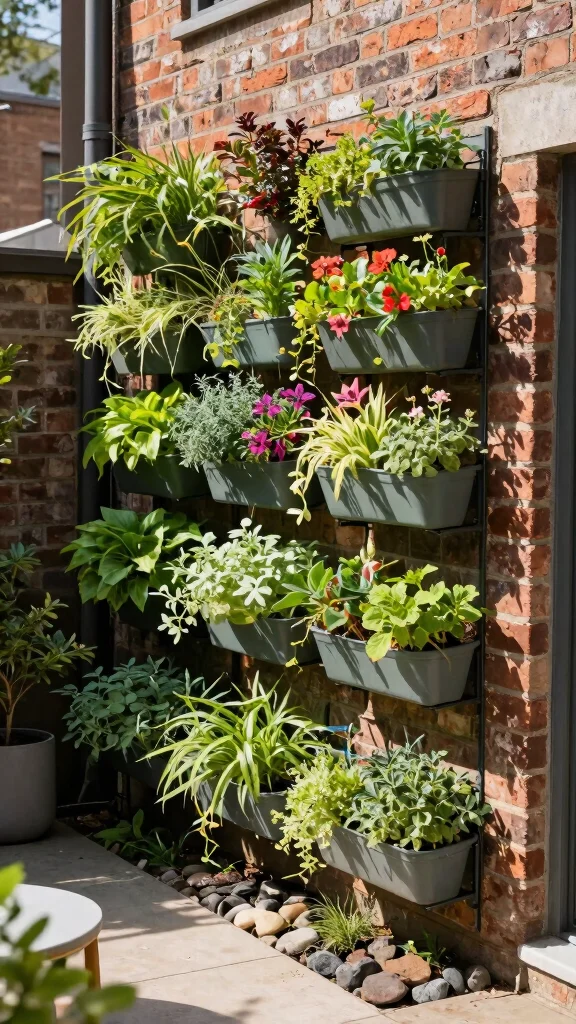
Turn your ordinary walls into stunning vertical gardens! This exciting concept is perfect for maximizing small areas, letting you grow a variety of flowers, herbs, or vegetables without sacrificing valuable ground space. The vibrant colors and lush textures will transform your backyard into a green oasis.
Start by using wall planters or trellises to create a beautiful living wall. Mix different plant types for a colorful display that thrives in a limited area. Herbs like basil and mint not only look great but also offer fresh flavors for your meals.
Key steps to create your vertical garden:
– Select lightweight planters to avoid wall damage.
– Install a drip irrigation system for easy watering.
– Use a mix of plant heights and species to enhance the visual appeal.
With a vertical garden, even the smallest spaces can burst with life and charm, encouraging you to embrace your backyard in new ways.
Fun fact: A vertical garden can add up to 4x more plantable surface on a 6-foot wall. For tiny backyard landscaping, use wall planters and trellises to grow herbs like basil and mint without crowding ground space.
Recommended Products

✅【0.35'' Thickness】 We've reinforced our garden lattice, increasing thickness by 30% to 0.35'' (0.9cm). A sturdier fence that withstands warping, cracking, and weathering, ensuring long-lasting beauty with less maintenance.

✅【0.35“ Thickness】We’ve reinforced our garden lattice with a design that’s 30% thicker, now measuring 0.35” (0.9 cm). This white-painted cedar fence is sturdier than ever, resisting warping, cracking, and weathering. The smooth white finish adds a clean, bright look to your garden while reducing maintenance needs for long-lasting beauty.
How To Choose Vertical Gardening Ideas for Your Tiny Backyard
Vertical gardening is an excellent way to maximize space while enhancing beauty in your tiny backyard. Here are some essential criteria to consider when selecting vertical gardening solutions that will fit perfectly in your small garden design.
1. Assess the Space Available
Before you choose any vertical gardening system, take a close look at your available space. Measure the height and width of the wall or fence where you plan to install your vertical garden. Consider the amount of sunlight the area receives. Some plants thrive in full sun, while others prefer partial shade. Knowing these details helps you select the right plants and structures for your vertical garden.
2. Select the Right Materials
The materials you choose can significantly affect the look and durability of your vertical garden. Options include wood, metal, felt, or even repurposed pallets. If you want a modern look, metal frames work great. For a more natural feel, wood is perfect but may require more maintenance. Ensure that whatever material you choose is weather-resistant to last through the seasons.
3. Choose Space-Saving Plants
Selecting the right plants is crucial for a successful vertical garden. Opt for space-saving plants like herbs, small vegetables, or flowering plants that do well in vertical settings. Consider plants that grow upward rather than outward, such as climbing beans, peas, or even strawberries. This way, you’ll get the best use of your vertical space while adding beauty and utility to your tiny backyard.
4. Consider Watering Systems
Watering can become tricky with vertical gardens. You might need a drip irrigation system or self-watering planters to keep your plants hydrated. If you can’t water daily, consider plants that are tolerant to drought. A proper watering system will make maintaining your garden much easier, ensuring your plants thrive without constant attention.
5. Factor in Maintenance Needs
Maintenance is another vital consideration when choosing your vertical garden. Some plants may need frequent pruning or special care. Decide how much time you’re willing to devote to upkeep. Low-maintenance plants like succulents are great if you’re busy. However, if you love gardening, you might enjoy more involved plants that require regular attention.
6. Set a Realistic Budget
Finally, consider your budget. Vertical gardening doesn’t have to break the bank. Look for DIY options or affordable planters that serve your needs. Calculate the cost of materials, plants, and any additional tools or systems you might need. Setting a budget will help you avoid overspending while still creating a beautiful vertical garden.
Pro Tip: Start small! Choose one vertical gardening idea to implement first. Once you see how it performs in your tiny backyard, you can expand and add more elements gradually. This way, you won’t feel overwhelmed, and you can adjust your garden as you learn what works best for your space.
Vertical Gardens on Walls
Editor’s Choice

Metal Planter Box with Trellis,72″x47″x16″Galvanized Steel Outdoor Raise…


TOREVSIOR 5-Tier Vertical Raised Garden Bed, Vertical Garden Planter wit…
2. Layered Potted Plants
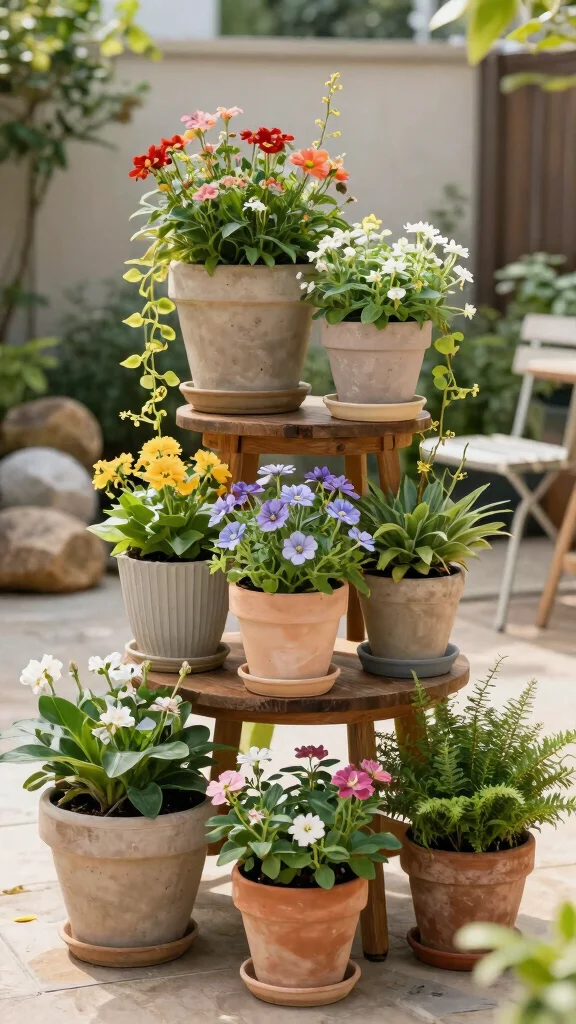
Create a breathtaking display with layered potted plants in your small backyard! Instead of flat arrangements, stack pots of varying heights and sizes to add depth and interest. This technique enhances your space, making it feel more inviting and dynamic.
Use plant stands, shelves, or DIY tiered planters to elevate your plants. Combine flowering plants, herbs, and trailing vines to craft an eye-catching arrangement.
Key benefits of layering:
– Effectively saves ground space.
– Encourages beneficial insects to thrive.
– Allows for creative combinations of different plant types.
Layered arrangements not only enhance your garden’s beauty but also provide easy access to sunlight and maintenance, fostering a lush environment in a compact area.
Recommended Products

DIMENSIONS: 32. 3 in. L x 14. 7 in. W x 30. 7 in. H

Sturdy and Stable: The frame of the vertical garden planter is made of high-quality metal material to create a more stable growing environment for your plants. The drainage hole at the bottom can drain excess water to ensure the soil can breathe.
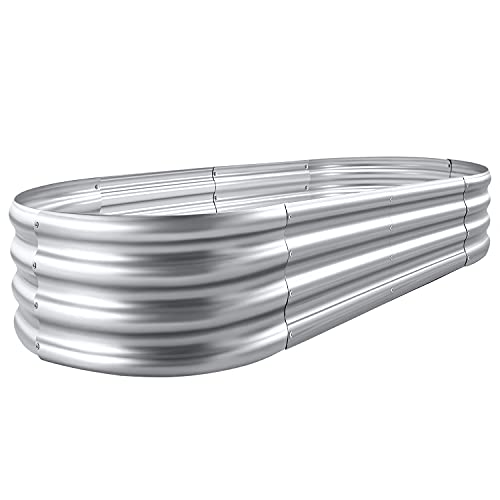
Each raised metal garden bed size: 4×2×1ft ,7.14Cu
Layered Potted Plants
Editor’s Choice

VIVOSUN 5 Tier Vertical Gardening Stackable Planter for Strawberries, Fl…

Linpla 5-Pack Decent Metal Plant Stands, Heavy Duty Flower Pot Stands fo…
3. Compact Edible Gardens
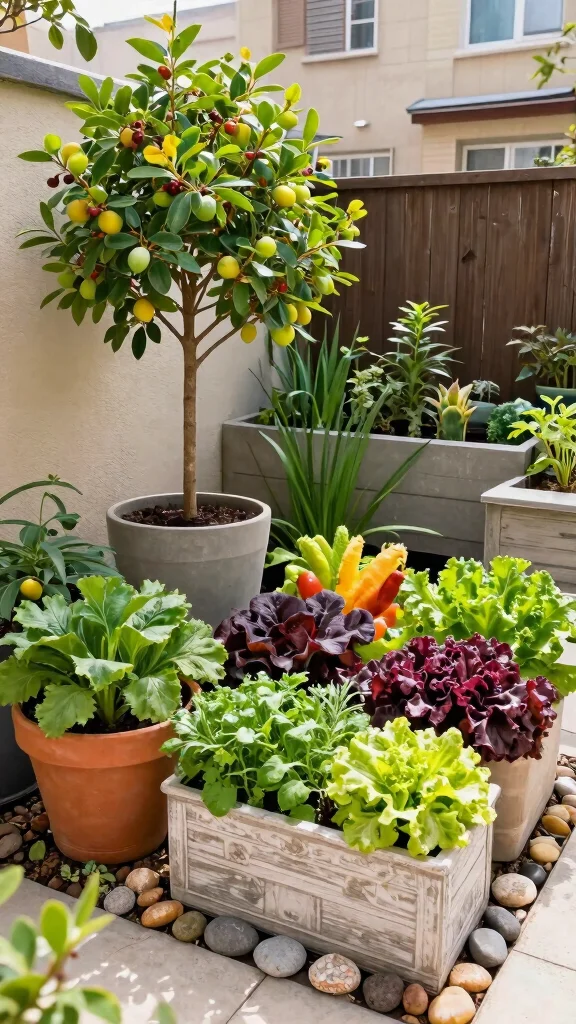
Why not blend beauty with utility? Establish a compact edible garden right in your tiny backyard! By choosing dwarf varieties of fruits and vegetables, you can enjoy a productive garden that respects your space constraints.
Utilize raised planter boxes or vertical stacks to optimize your garden’s yield while maintaining an attractive appearance. Imagine plucking fresh tomatoes or strawberries from your own mini garden!
Best edible plants for limited areas:
– Dwarf fruit trees like mini apple or peach trees.
– Container-friendly veggies such as peas and lettuce.
– Herbs like thyme and rosemary that thrive in small pots.
Your garden will not only look fantastic but also provide you with fresh produce, enhancing your gardening experience and satisfaction.
Recommended Products

DURABLE WOOD:This bistro set is made of real Acacia wood with a natural finish. This chat set is solid, strong and durable.This table chair set is Crafted from solid, weather-resistant natural acacia wood for beauty and long-lasting durability.Acacia wood is strong and durable.No splinter, rust, crack, chip or peel.Chat Set Bistro Set Table Chair Set.
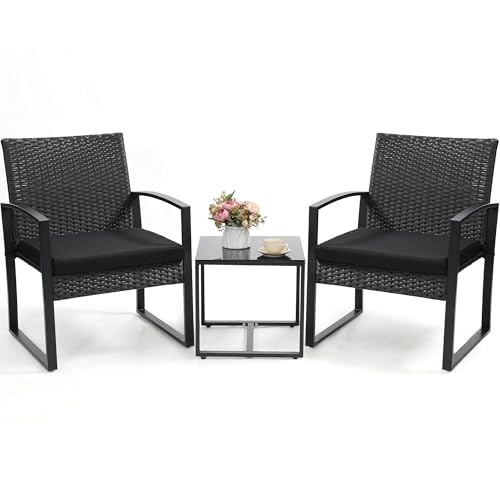
【AESTHETIC AND MINIMALIST DESIGN】The legs connected with seat and armrests. It looks like simple and modern. Each chair has self-adjust feet at the bottom. you can adjust it according to the ground conditions, keep the chair balance.

【Exquisite Handwoven Wicker】 This bistro table and chairs set of 2 is made of premium PE rattan, which gives the look & texture of natural wicker with the durability, weather and UV resistance, woven exquisitely by hand featuring sturdy powder-coated steel frame which offer extra support to stand tough against the elements for years of long-lasting use
Compact Edible Gardens
Editor’s Choice
Mix Dwarf Bonsai Fruit Tree Seeds for Planting, 40+ Apples Tree,40+ Lemo…

LEETOLLA Elevate 32″ Tall Raised Garden Bed Outdoor with Wheels & Shelf …
TOREVSIOR 5-Tier Vertical Raised Garden Bed, Vertical Garden Planter wit…
4. Natural Stone Pathways
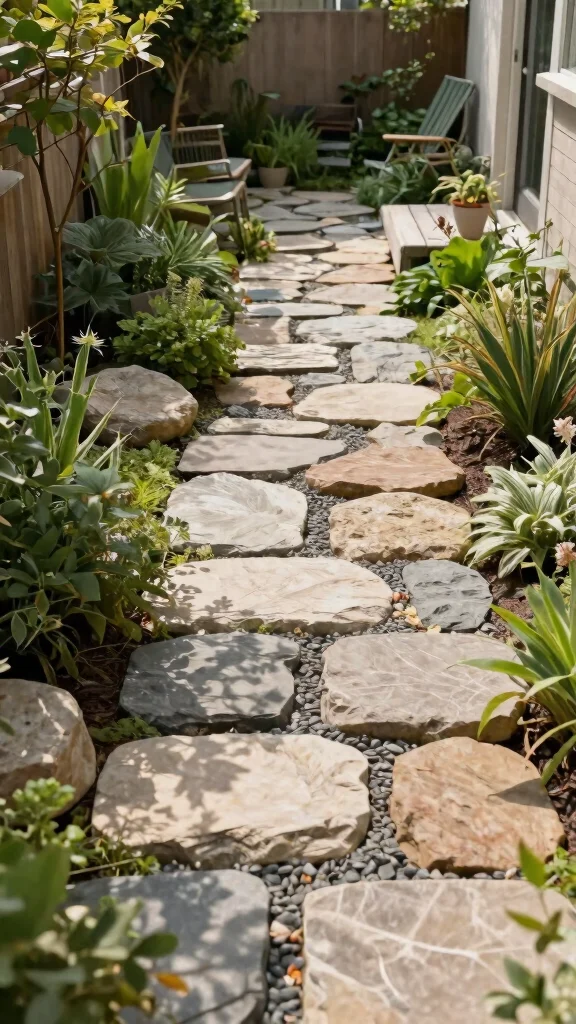
Infuse charm and character into your tiny backyard with natural stone pathways! These inviting paths enhance your garden’s beauty and guide guests through your outdoor space.
By using various stone sizes, you can create a winding path leading to cozy seating areas or unique garden features. This design encourages exploration and makes even the smallest backyard feel more spacious and organized.
Design tips for your pathway:
– Use diverse shapes and colors of stones for a unique look.
– Surround stones with low-growing plants for a softer edge.
– Fill gaps with gravel or sand to create a sturdy walkable surface.
Natural stone pathways elevate your backyard’s overall aesthetic while also ensuring it remains enchanting and easy to navigate.
Fun fact: a winding natural stone path in tiny backyard landscaping can visually add about 20% more space. Use varied shapes and colors to guide guests toward seating and garden features, turning a small yard into a welcoming, practical retreat.
Recommended Products

【36 Pocket Vertical Garden】Features 36 individual planting pockets, allowing you to grow herbs, flowers, succulents, strawberries, vegetables, and other plants while maximizing vertical space.

INSTANT VERTICAL GARDEN: Transform any space into a lush vertical garden with this ready-to-use wall-mounted planter. Enjoy fresh herbs, vibrant succulents, or beautiful flowers effortlessly – no assembly required! Perfect for small apartments, patios, balconies, or any area where floor space is limited. This sleek indoor wall planter lets you maximize your greenery vertically.

Innovative Space-saving Design: maximize your gardening potential with our stackable wall planter system; Each piece measures 9.45" x 5.71" x 5.51" and features two pockets, The overall dimensions are 47.5"x33"x5.5" offering ample growth space for a variety of plants; Nice for Fence Balcony Wall Decor, these vertical wall planters change limited spaces into gardens effortlessly
Natural Stone Pathways
Editor’s Choice

EasyFlex No-Dig Landscape Edging with Anchoring Spikes, 2.7 in Tall Deco…

AirStone Primary Stones: Spring Creek Color Blend, Manufactured Stone Wa…
5. Hanging Gardens and Planters
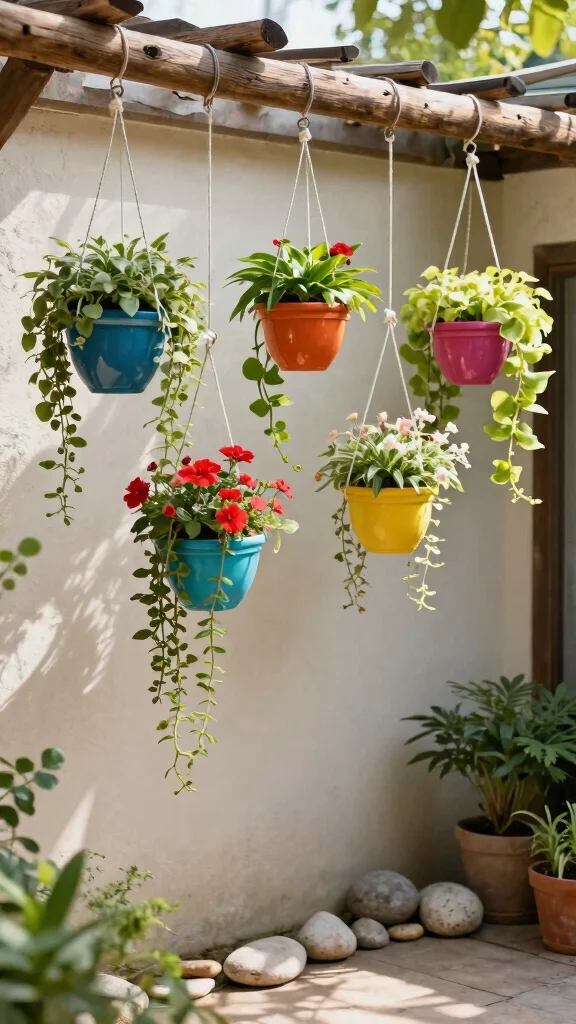
Awaken your backyard with hanging gardens and planters! This creative approach introduces an eye-catching vertical aspect while efficiently using overhead space.
Hang planters on fences, beneath balconies, or from ceilings to showcase trailing flowers and lush greenery. A cascade of draping plants will beautify your area and draw the eye upwards, making your yard appear larger.
Great options for hanging plants:
– Trailing varieties like string of pearls and ivy.
– Colorful flowers that attract pollinators.
– Small herb pots with basil or oregano for easy access.
This method allows you to express your creativity, transforming your tiny backyard into a vibrant space that delights visitors.
Recommended Products


✅【0.35“ Thickness】We’ve reinforced our garden lattice with a design that’s 30% thicker, now measuring 0.35” (0.9 cm). This white-painted cedar fence is sturdier than ever, resisting warping, cracking, and weathering. The smooth white finish adds a clean, bright look to your garden while reducing maintenance needs for long-lasting beauty.
You might also like


Hanging Gardens and Planters
Editor’s Choice

Set of 2-10 Inch Hanging Planters for Indoor Plants with Self-Watering I…

AJART Plant Hanger Bracket Outdoor: 16-Inch Metal Bird Feeder Wall Hook …

Sggvecsy Fake Hanging Plants 2 Pcs Artificial Hanging Plants Fake Ivy Vi…
6. Minimalist Furniture for Cozy Spaces
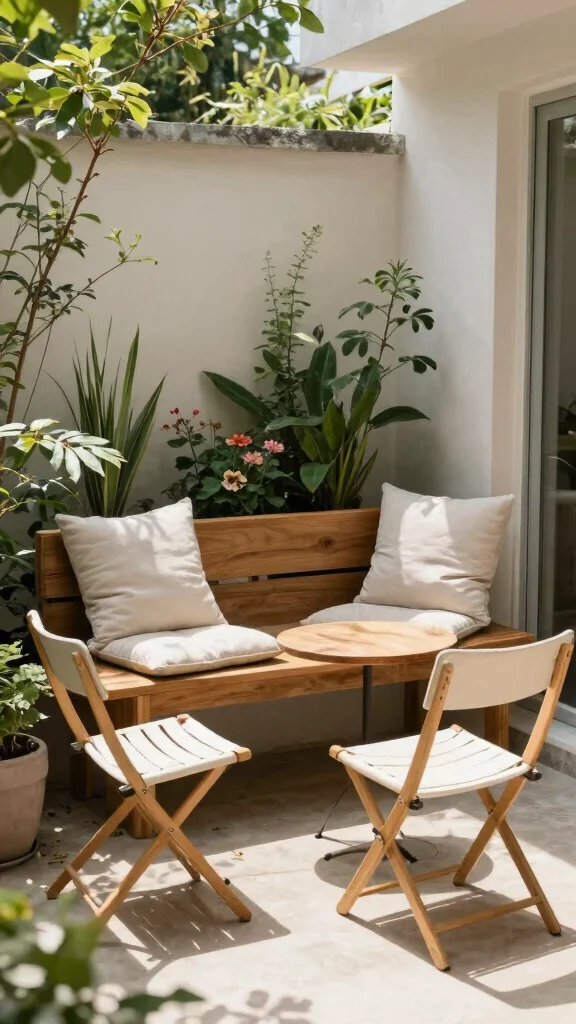
Selecting the right furniture is crucial in a tiny backyard. Minimalist garden furniture can create a cozy retreat without overwhelming the area. Think lightweight, compact designs that seamlessly blend with your natural surroundings.
Consider using folding chairs, small benches, or even a hammock to create a relaxing spot where you can unwind. The goal is to choose pieces that enhance your landscaping while allowing for movement.
Furniture tips to consider:
– Choose natural materials like wood or metal to complement greenery.
– Stick to muted colors or neutral tones for a minimalist look.
– Add fun cushions or throws for comfort and style.
With thoughtful furniture choices, your tiny backyard can become a functional gathering area and a stylish escape for relaxation.
📹 Related Video: DIY Modern Outdoor Chair
Minimalist Furniture for Cozy Spaces
Editor’s Choice
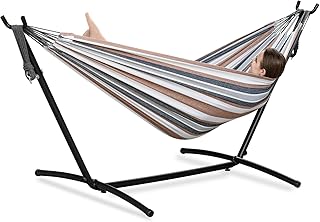
PNAEUT Double Hammocks with Stand for Outside, Portable Space Saving Hea…

35.5″ Outdoor Garden Bench, Weatherproof 2-Person Backless Wooden Bench …
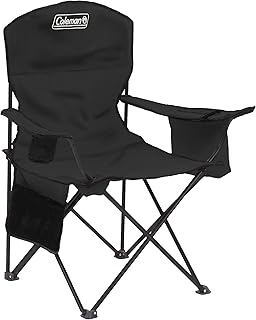
Coleman Portable Camping Chair with 4-Can Cooler, Cushioned Seat & Back …
7. Vertical Fencing with Built-in Planters
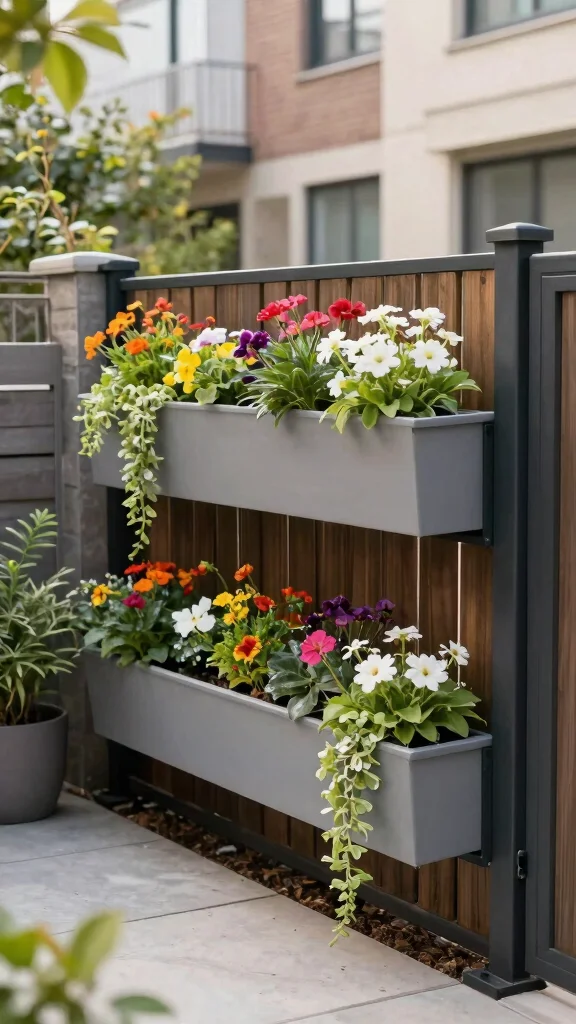
Unlock your backyard’s potential with vertical fencing featuring built-in planters. This stylish option allows you to enjoy privacy while incorporating greenery into your space.
Picture a fence that not only defines your yard but also showcases colorful blooms or trailing plants. This design serves as an attractive backdrop, enhancing both aesthetics and privacy.
Benefits of built-in planters:
– Allows for easy plant maintenance and access.
– Creates a lush environment that softens hardscapes.
– Provides extra planting space without taking up ground area.
Vertical fencing with built-in planters is an excellent way to achieve a modern look while ensuring your small backyard remains a serene sanctuary.
Fun fact: a 6–8 ft vertical fence with built-in planters can add serious privacy without crowding your ground space. Pack each panel with 6–10 compact plants, and you’ll create a lush backdrop that’s easy to maintain and endlessly shareable.
Recommended Products


【Compact Size】: Vertical garden planter size: 16.8*18.3*41.5 inches. Planter box size: 16.8*7.02*5.5 inches. Please check the product size carefully before purchasing.

Begin Your Garden Journey: DUMOS metal raised garden bed offers the perfect foundation for your vegetables, herbs, and flowers. Available in multiple sizes to fit your garden's style and space: compact 4x2x1ft for patios, versatile 6x3x1ft for small yards, and spacious 8x4x1ft for larger growing areas. And there are 2 pack set options, making it easy to start planting right away
Vertical Fencing with Built-in Planters
Editor’s Choice

Strawberry Planter Tower, 4 Tier Stackable Vertical Planter, 16 Plant Si…

72 Inch Metal Outdoor Privacy Screen Panel, Decorative Privacy Fence for…

Keter Urban Bloomer 12.7 Gallon Raised Garden Bed and Outdoor Herb Garde…
8. Water Features for Tranquility
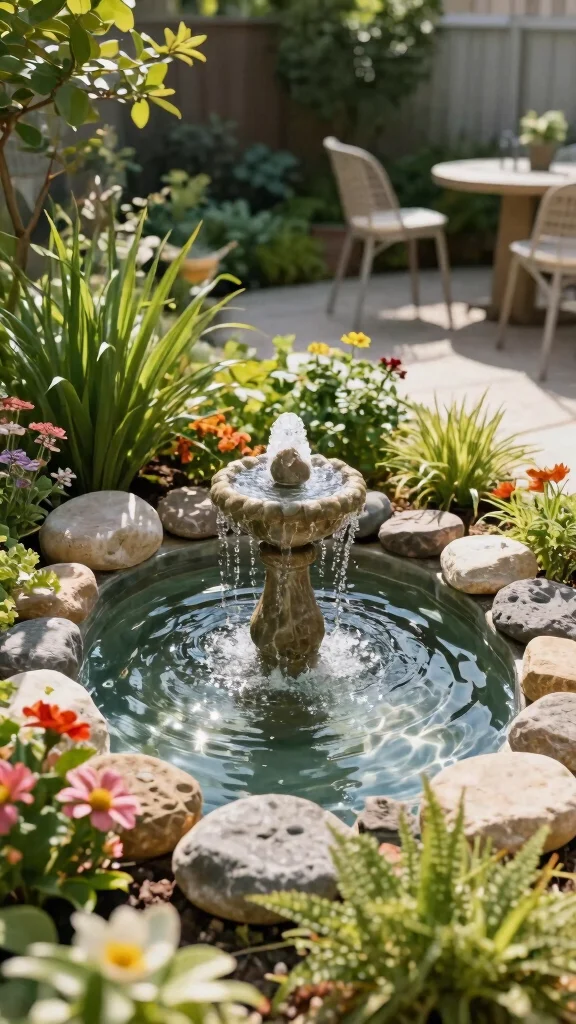
Introducing a small water feature can turn your tiny backyard into a peaceful haven. Whether it’s a mini fountain, a small pond, or a birdbath, the soothing sound and sight of water create a calming atmosphere perfect for relaxation.
Water features not only add tranquility but also serve as beautiful focal points that attract wildlife like birds and butterflies, enriching your garden’s natural vibe.
Tips for implementing water features:
– Select compact designs that fit your space without overwhelming it.
– Consider solar-powered options for eco-friendly energy use.
– Surround the feature with plants to integrate it into the landscape.
With the right water feature, your tiny backyard can become a serene escape, ideal for unwinding after a busy day.
Recommended Products

Modern and Ergonomic Design: The design of our patio furniture set is simple, stylish and Ergonomic. It is perfect to decorate your your yard, poolside, balcony, patio and indoor area. Provide great comfort for you while you are enjoying your leisure time
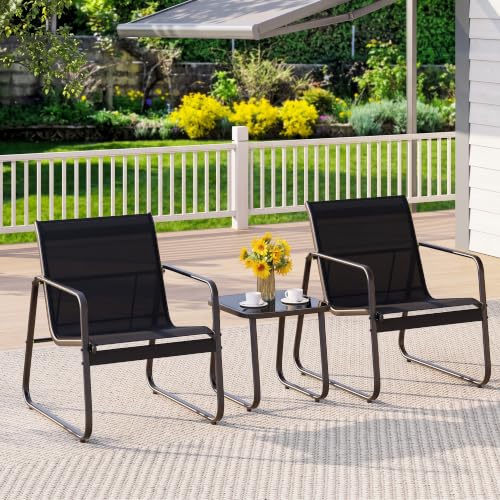
[RCS CERTIFIED & ENVIRONMENTALLY FRIENDLY] Our patio bistro set is certified by Intertek with ≥50% recycled materials, meeting Amazon Climate Pledge Friendly standards. One-piece integrated steel design with rust-resistant coating prevents water seepage and rusting, perfect for long-term outdoor use.

【MODERN COMFORT】 Our handwoven rattan bistro chairs and ottomans are designed to maximize your seating comfort. The contemporary timeless modern design fits almost any decor. Relax and enjoy the day in comfort or enjoy a conversation with friends.
You Might Also Like

Water Features for Tranquility
Editor’s Choice

Homedics Indoor Relaxation Fountain with Light & Natural Sound, Tabletop…

12″ Dia Metal Bird Bath with Solar Fountain – Complete Outdoor Birdbat…

Virekm River Rocks, Decorative Ornamental Pebbles,Garden Landscaping Sto…
9. Creative Use of Colors and Textures
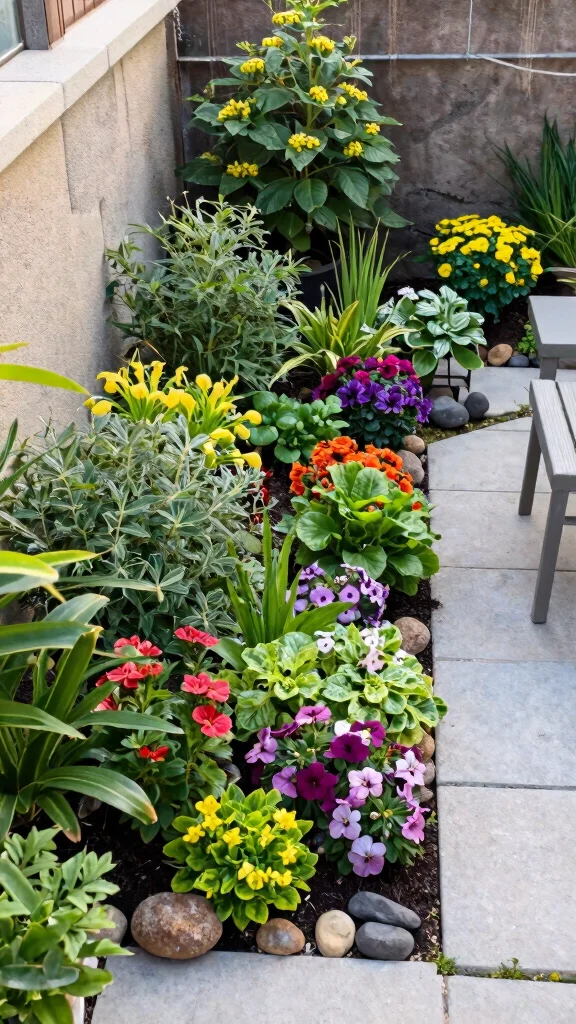
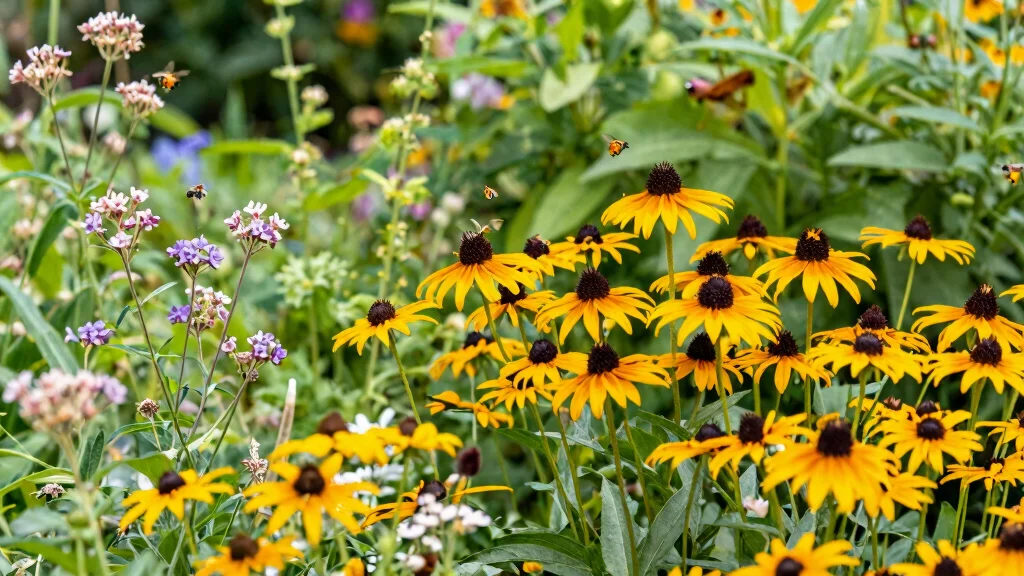
Incorporating a mix of colors and textures into your tiny backyard can create vibrant interest and a sense of depth. Layering plants of varying heights, hues, and foliage types makes your space feel lush and lively.
Choose bright flowers, diverse greenery, and decorative stones to add flair and break up monotony. Create a cohesive theme by selecting colors that complement each other, allowing your small yard to shine.
Tips for color and texture:
– Use contrasting colors to create striking visuals.
– Arrange plants in clusters based on textures for a rich look.
– Include decorative elements like colored stones or mulch to enhance the landscape.
By thoughtfully applying colors and textures, your tiny backyard can display delightful complexity that invites admiration.
Creative Use of Colors and Textures
Editor’s Choice

200,000+ Wildflower Seeds Bulk (4oz) – 16 Varieties Perennial & Annual…
YISZM 5lbs Pebbles for Indoor Plants, 2-3 Inch Mixed Color High Polished…
Conclusion
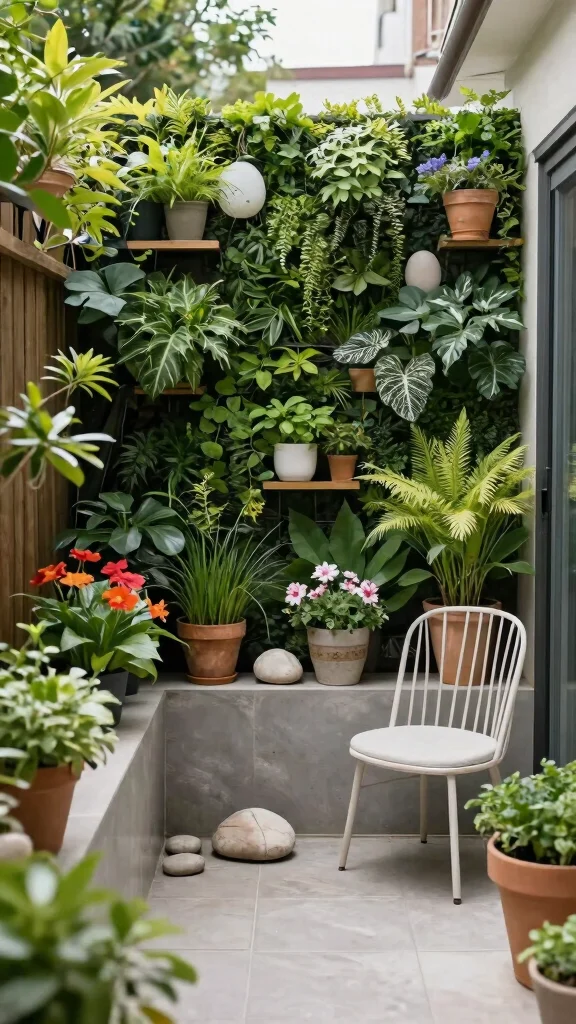
Your tiny backyard can become a stunning oasis with these clever landscaping ideas. Embracing vertical gardening, layering, and minimalist designs allows you to maximize space while creating beauty.
Experiment with these ideas to discover what works best for your little retreat, and enjoy watching your small garden thrive.
Note: We aim to provide accurate product links, but some may occasionally expire or become unavailable. If this happens, please search directly on Amazon for the product or a suitable alternative.
This post contains Amazon affiliate links, meaning we may earn a small commission if you purchase through our links, at no extra cost to you.
Frequently Asked Questions
How can I maximize a tiny backyard landscaping plan with vertical gardening ideas?
To get started, assess sun, wind, and the available walls.
Use vertical gardening ideas like wall-mounted planters, trellises, and railing planters to free ground space for seating—perfect for space-saving landscaping.
Pick a cohesive small garden design with a simple color palette and durable materials to keep your minimalist backyard decor intact.
For urban gardening solutions, tailor the setup to balconies or narrow yards, and choose compact edibles or ornamentals that thrive in containers.
What are beginner-friendly, space-saving landscaping ideas for a minimalist backyard?
A simple starter plan focuses on vertical features such as a living wall, lattice with pots, or railing planters to keep ground clear for seating.
This approach embodies space-saving landscaping and tiny backyard landscaping goals while keeping the look clean with a small garden design and minimalist backyard decor vibe.
Choose compact or dwarf plants and container-friendly varieties that thrive in urban spaces, and group plants with similar sun needs to make maintenance easy and predictable.
For urban gardening solutions, place plants where you will actually use the space, like near a patio or balcony.
Which plants are best for vertical gardening in a confined space?
Choose compact, sun-loving herbs like basil and thyme, leafy greens such as lettuce and spinach, and small fruits like strawberries or dwarf tomatoes in vertical pockets.
These options fit well with vertical gardening ideas and urban gardening solutions, making the most of a vertical wall or railing planter.
Keep in mind light and water needs to prevent overcrowding and ensure easy care.
How do I design a small garden that looks cohesive in a tiny space?
Start with a focal point like a vertical feature, then pick a limited color palette and repeat materials to create continuity in small garden design terms.
Use vertical elements along walls and choose containers that match the style for a unified look, which is key for minimalist backyard decor and space-saving landscaping.
Plan irrigation and drainage early, and keep furniture scaled to the space to avoid clutter and evoke calm.
Are there budget-friendly ways to implement tiny backyard landscaping with vertical gardening ideas?
Absolutely. Start with upcycled pallets as DIY vertical planters, reuse gutter sections for troughs, and repurpose shoe organizers as pocket planters to cut costs on space-saving landscaping and vertical gardening ideas.
Choose fast-growing climbers or herbs to fill the wall quickly, and group plants by sunlight needs to simplify care—a practical path to urban gardening solutions on a budget.
As you grow, you can add more elements without breaking the bank and keep the look cohesive with a simple small garden design mindset.
Related Topics
tiny backyard landscaping
vertical gardening
small garden design
space-saving landscaping
minimalist decor
urban gardening
easy landscaping
beginner friendly
container gardening
floral arrangements
seasonal plants
creative outdoor spaces