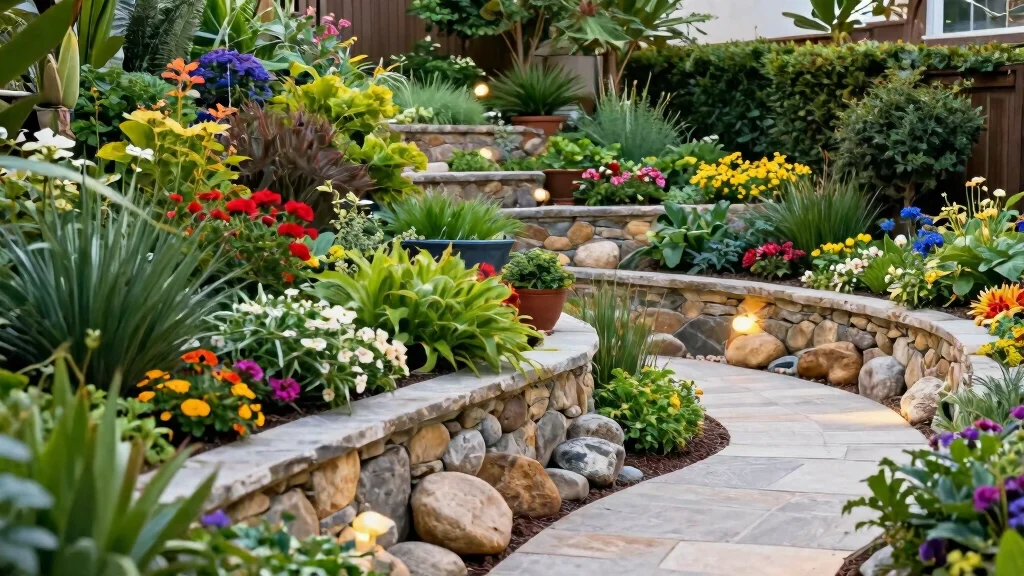
Transforming a sloped side yard into a beautiful feature can feel daunting. If you’ve been staring at that tricky narrow grade and wondering how to make it work for you, you’re not alone. Many homeowners face similar challenges. That’s why I created this post—to provide you with inspiring and practical landscaping ideas specifically designed for sloped side yards.
If you love gardening or just want to elevate your outdoor space, this guide is for you. It’s packed with solutions that cater to a range of tastes and budgets. You’ll discover how to turn your sloped side yard into an eye-catching area that enhances your home’s curb appeal. Get ready to explore nine creative ideas that are not only functional but also bring beauty and life to your garden.
By the end of this post, you’ll have the tools and inspiration you need to tackle your sloped side yard with confidence. From terraced gardens to cozy seating areas, each idea is designed to help you maximize your narrow space while creating a stunning landscape. Let’s dive into these exciting landscaping ideas that will transform your outdoor space into a welcoming retreat.
Key Takeaways
– Terraced Gardens: Create structured levels that not only look beautiful but also help manage water runoff. This method adds visual interest and makes planting easier.
– Vertical Planters: Use vertical gardening solutions to save space and showcase a variety of plants. These planters can be stacked or hung to add greenery without taking up much ground area.
– Native Plant Landscaping: Choose plants that thrive in your local environment. This not only reduces maintenance but also supports local wildlife and promotes sustainability.
– Cozy Seating Areas: Incorporate seating to create inviting spots within your yard. A simple bench or a few chairs can turn your side yard into a lovely gathering place.
– Edible Landscaping: Combine beauty with function by growing fruits and vegetables. This approach turns your garden into a productive space while still looking fantastic.
Recommended Products
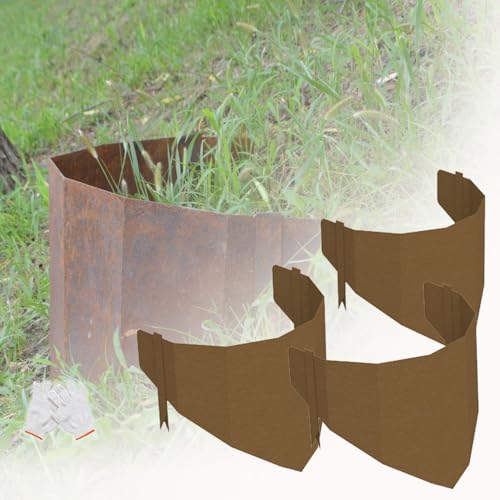
✅ Perfect Size & Easy Installation Each MerxCompro hillside planter measures 40" W x 18" H and comes in a set of 3 with 6 heavy-duty stakes. Designed for quick installation and secure placement on sloped terrain, it’s perfect for any hillside garden layout.

1. Terraced Gardens for Structure and Beauty
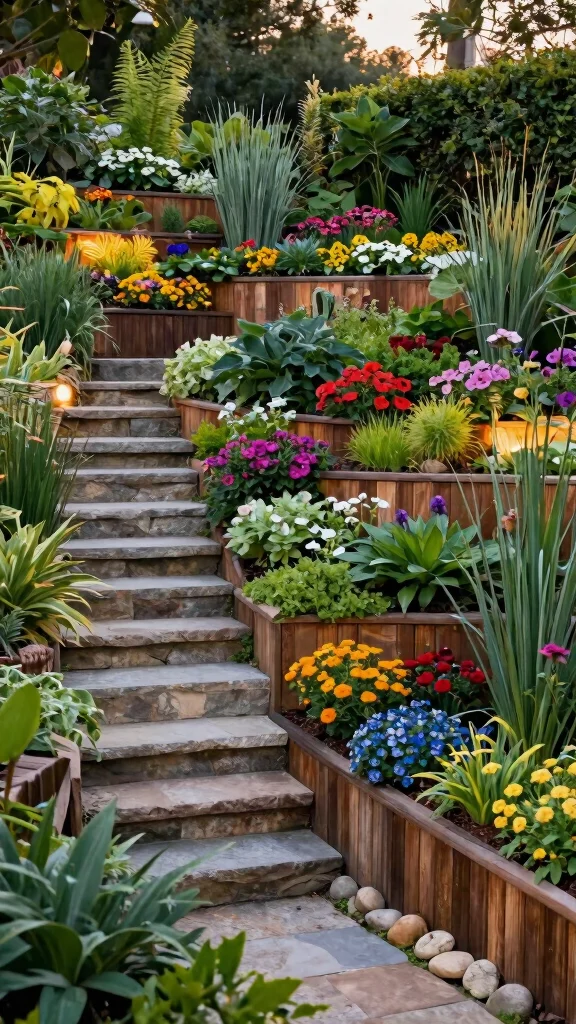
Transform your sloped side yard into a stunning terraced garden that combines functionality with beauty. This design creates flat planting sections at various levels, allowing you to manage water runoff effectively while nurturing your plants. You’ll love how diverse plantings can thrive harmoniously in this structured environment.
When planning your terraces, think about using materials like natural stone or reclaimed wood for a rustic appearance. Mixing different plant types, from low perennials to vibrant flowering shrubs, adds depth and color. Decorative stones or a layer of mulch not only enhance the look but also aid in weed control.
Unique insights: Choose native plants for sustainability and add seasonal blooms for year-round interest. Combine edibles with ornamental plants to create a visually appealing and productive garden space.
Recommended Products

【36 Pocket Vertical Garden】Features 36 individual planting pockets, allowing you to grow herbs, flowers, succulents, strawberries, vegetables, and other plants while maximizing vertical space.

PACKAGE: 8 pack 13 inch dark green vertical planter with screw for wall mount and S hook for rail hanging. Choose the right size for your plant to prevent unpleasant experiences and potential wastage of resources. Flowers and plants are not included.

PREMIUM MATERIAL & WATER-PRESERVING REAR DESIGN - The hanging garden growth bag is made of high-quality and environmentally friendly felt. Practically, this growing bag retain a moderate water level for perfect growing conditions for your plants, such as herbs, strawberries, flowers, vegetables and so on. The rear water-preserving layer of the growing bag effectively protects the wall without stains, and the leakproof design of the bottom does not make your floor dirty.
Terraced Gardens for Structure and Beauty
Editor’s Choice

GameXcel Vertical Planter Tower – 5 Tier Stackable Garden Planters with …


Arcadia Garden Products Set of 4, 16×17” Dark Gray Stepping Stone Fibe…

Edge Right – Hammer-in Landscape Edging – 48-inch Strips – 6-inch Depth …
2. Vertical Planters for Space-Saving Solutions
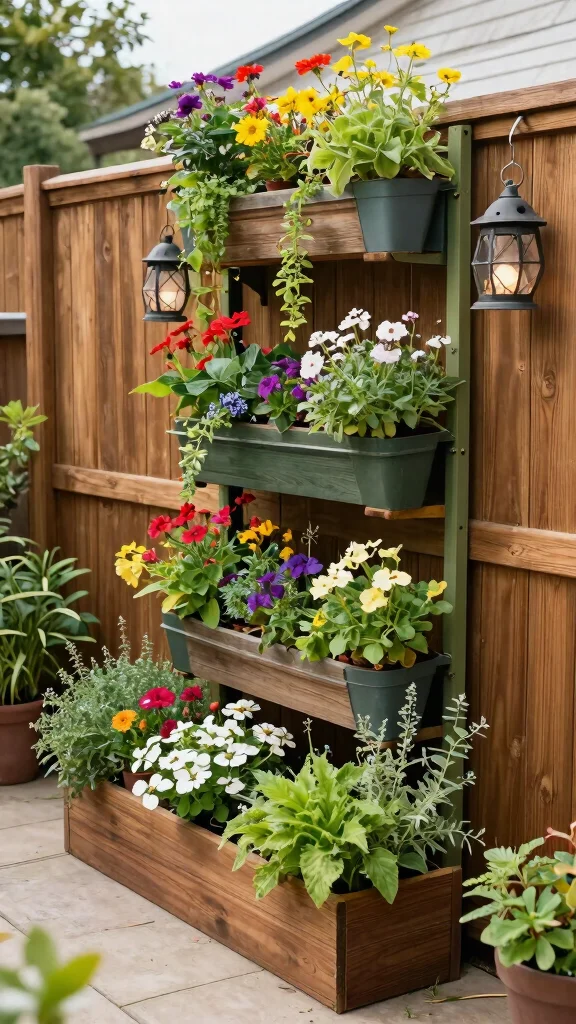
If your side yard is tight on space, vertical planters can be a game-changer. These creative solutions allow you to grow herbs, flowers, and even small vegetables without sacrificing ground space. You’ll appreciate how vertical gardening can add a lively touch to your landscape while being practical.
Get inventive with your planters—consider using old wooden pallets, hanging pots, or tiered stands to create eye-catching displays. Vertical gardens not only save space but also inspire creativity. Picture colorful flowers cascading down from wall-mounted pockets or climbing up a vibrant pallet.
Tips for success: Ensure your vertical garden gets enough sunlight and water, and select plants with similar care needs to simplify maintenance. Add decorative elements like trellises or wall art to enhance the overall design.
Recommended Products
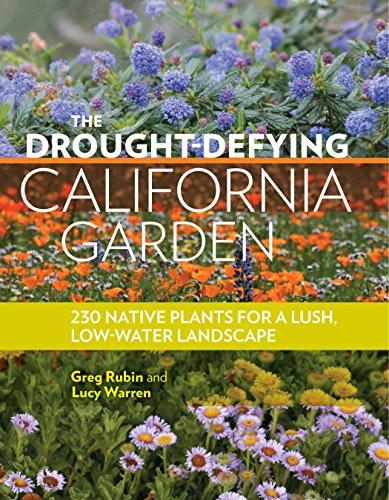

Native Grass: Indiangrass is a warm-season, perennial grass native to North America

Mujlenbergia lindheimeri is a heat- and drought-tolerant southwestern native grass that also performs well in the Southeast. It grows in an erect clump; blue gray, fine-textured foliage reaches four feet, and pink-tinted flowers add another foot.
Vertical Planters for Space-Saving Solutions
Editor’s Choice

Make Good PlantPod Luxe – Self-Watering Wall Planters (Set of 6) – Easy …

TOREVSIOR 5-Tier Vertical Raised Garden Bed, Vertical Garden Planter wit…

Winlyn Rustic Wooden Planter Box 17.3″ L x 3.9″ W x 3.9″ H Brown Rectang…
3. Native Plant Landscaping for Sustainability

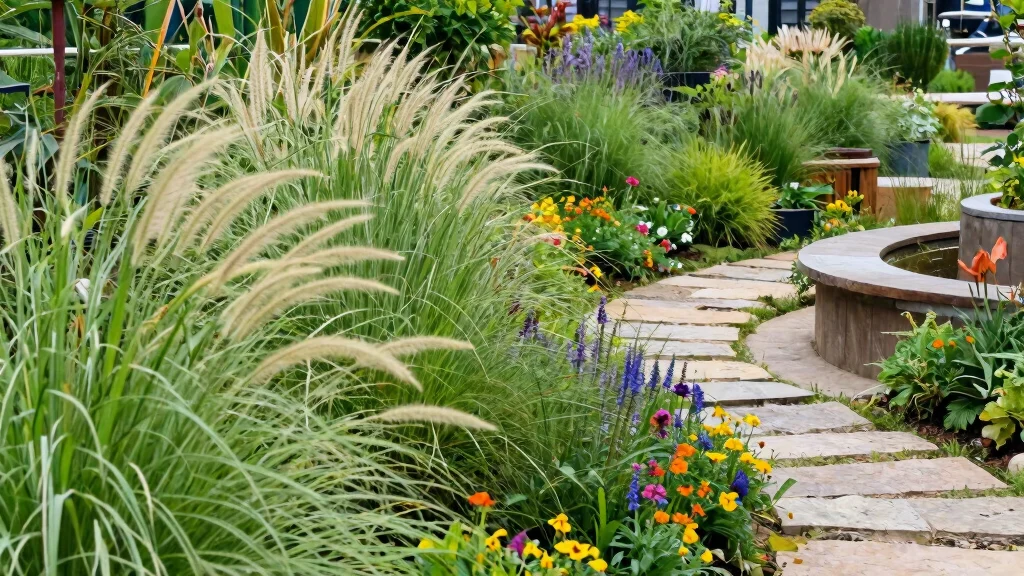
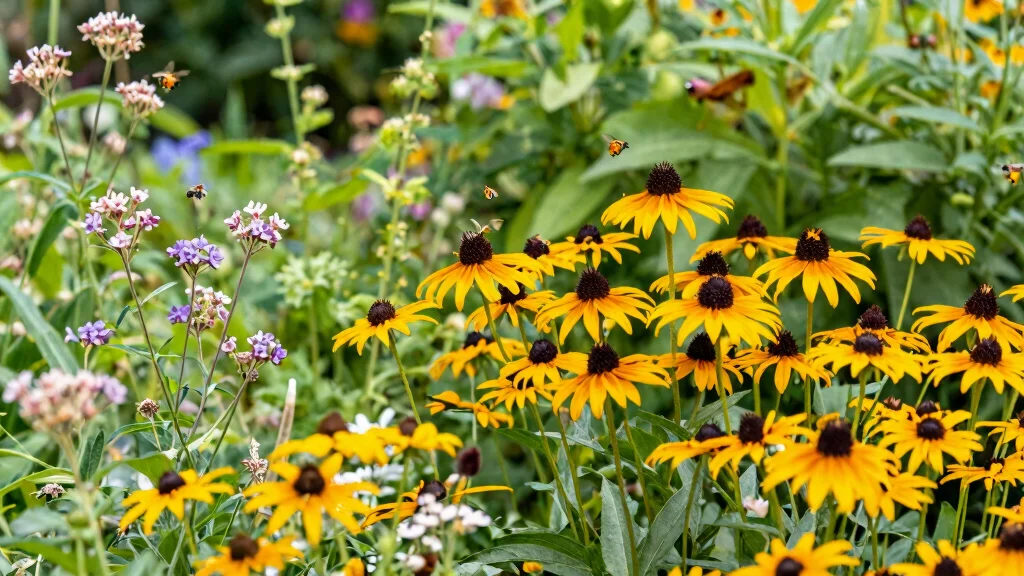
Choosing native plants for your sloped side yard is a smart and eco-friendly choice. These plants thrive in local conditions, requiring less water and care than non-native species. Not only do they contribute to local biodiversity, but they also attract beneficial wildlife like butterflies and birds.
Create a naturalistic garden by combining native grasses, wildflowers, and shrubs. This layered approach not only enhances beauty but also softens the slope’s harsh lines, turning your yard into a peaceful retreat. Adding rocks or boulders can help manage erosion while providing a stunning focal point.
Benefits: By opting for native plants, you’ll reduce maintenance efforts and conserve resources, making your garden both beautiful and environmentally friendly.
Sloped side yard landscaping with native plants reduces water use and maintenance while inviting butterflies and birds. Plant native grasses, wildflowers, and shrubs in a layered design to soften the slope and boost biodiversity. It’s practical, beautiful, and sustainable.
Recommended Products

📐【Product Specifications】: Size: 4ft x 98ft (covers approx. 392 sq.ft), weighs about 15lb, Tensile strength: 50 kN. This universal geogrid for retaining wall and road reinforcement is designed to stabilize and strengthen ground or walls, creating a stronger, more durable, and even hardscape surface.

DESIGNED FOR RETAINING WALL REINFORCEMENT – Engineered as a universal geogrid for retaining wall projects, it interlocks with compacted backfill to help anchor block walls, spread loads and control soil movement. Used according to the wall design, it reduces bulging and settlement and helps segmental retaining walls stay straighter and more stable over time.

HEAVY DUTY – 8 Ounce Heavy Duty Geotextile – Don’t settle for lighter weights, the 8 ounce is tough and durable, non-woven fabrics are produced to be high-strength
📹 Related Video: Turning a Dead Lawn Into a Native Pollinator Habitat 🐝🦋🌻 (how to remove invasive plants & rewild)
Native Plant Landscaping for Sustainability
Editor’s Choice

North Carolina Trees & Wildflowers (Nature Observation North America)

Frelaxy Pocket Picnic Blanket, Waterproof Sandproof Beach Mat, Compact C…
Back to the Roots 100% Organic Mulch, 58 Quart, Expanding Coconut Husk B…
4. Stone Pathways for a Charming Touch
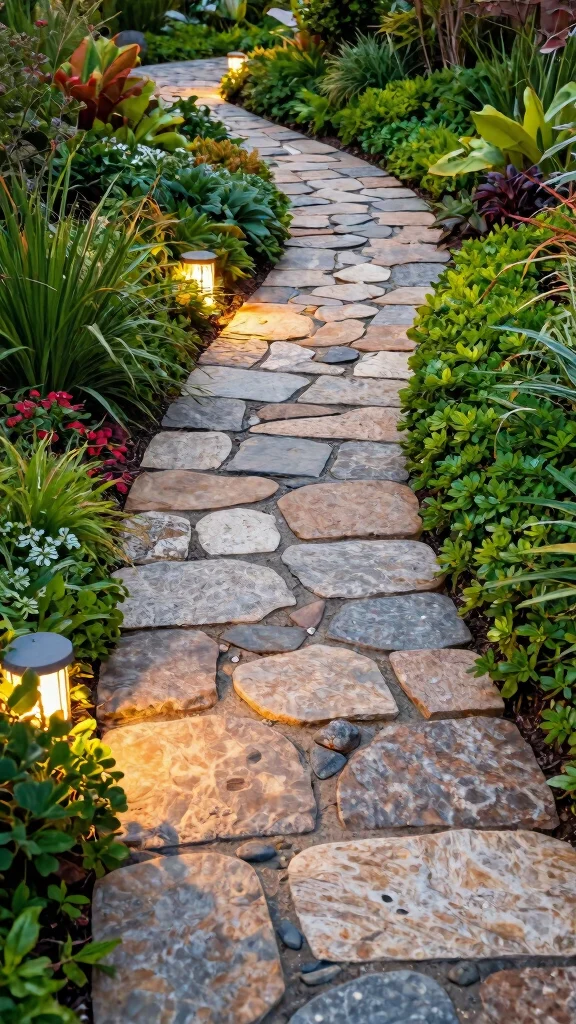
Enhance your sloped side yard with a charming stone pathway that brings both functionality and aesthetic appeal. A well-placed path not only guides visitors but also adds character to your landscaping. Using natural stones helps your pathway blend beautifully with the garden setting.
Opt for a variety of stone sizes and shapes to achieve a more organic look. A winding path invites exploration, leading guests through different garden spots. Line your pathway with low-growing plants or ground covers that spill over the edges, softening the hard lines of the stones.
Design tips: Incorporate lighting along the pathway to create a magical atmosphere at night. Choose permeable materials to aid drainage and minimize puddling, ensuring a safe and charming walking experience.
Recommended Products

Elegant Floral Pattern: This exquisite outdoor metal bench features vintage-inspired floral side panels, transforming it from simple seating into a charming decorative accent for your garden bench collection.

【CAST ALUMINUM 】: Using high-density pure aluminum die-casting, to ensure the strength of the table and chair, no cracking, no deformation, no rust, smooth lines, beautiful appearance.

Durable & Heavy-Duty Construction: Maemttes outdoor bench is crafted from high-quality metal and cast iron, designed to withstand heavy use and support up to 880lbs. Ideal for parks, gardens, and porches, it provides sturdy and reliable seating for years to com
Stone Pathways for a Charming Touch
Editor’s Choice
Arcadia Garden Products Set of 4, 16×17” Dark Gray Stepping Stone Fibe…

Mancra Solar Pathway Lights, 8 Pack LED Solar Lights Outdoor Waterproof,…

21500pcs Creeping Thyme Seeds for Planting Outdoor, Hardy Perennial Grou…
5. Retaining Walls for Structured Appeal
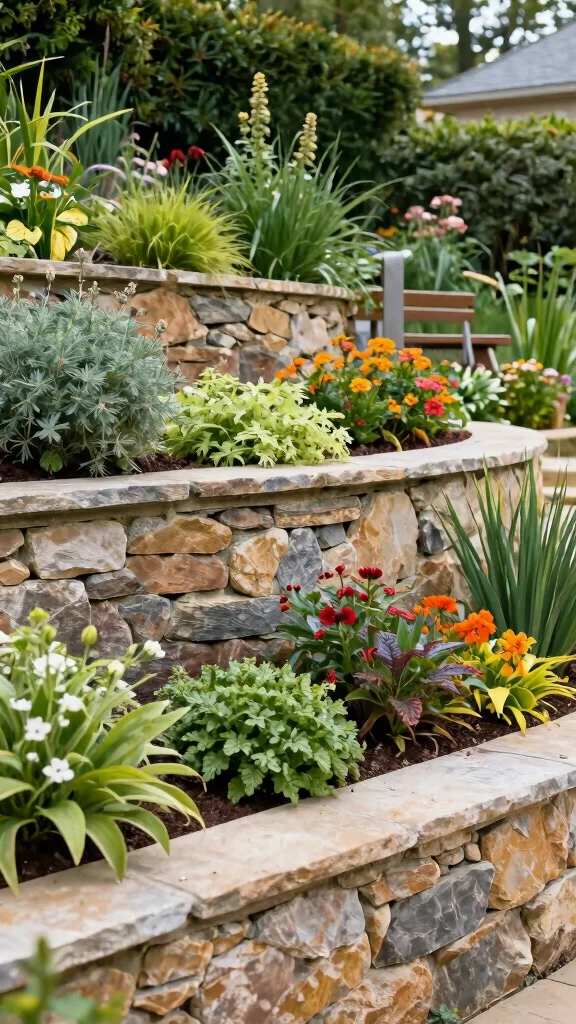
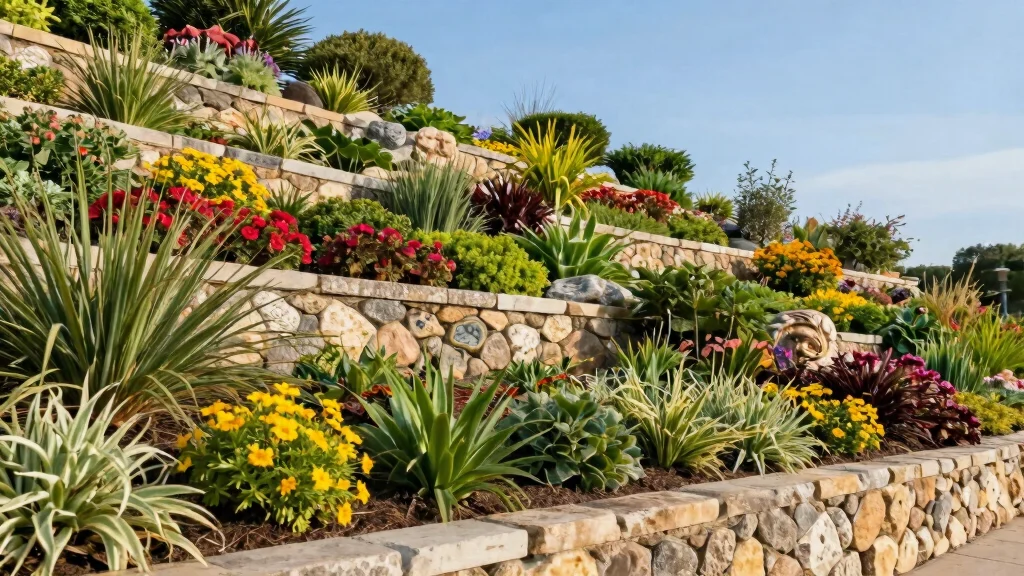
Retaining walls are not just practical for controlling soil erosion; they can also enhance the visual appeal of your sloped side yard. These walls create distinct planting areas, adding depth and dimension to your landscape design.
Select materials that complement your home and surrounding nature. Natural stone offers a timeless look while timber can add rustic charm. By using retaining walls, you can also create raised beds, allowing for a diverse range of planting options.
Creative options: Turn the top of the retaining wall into a seating area for relaxation, and incorporate cascading plants for a lush effect. Use terraced steps for easy access to various planting levels, enhancing both functionality and beauty.
Recommended Products

【4 Tier Vertical Raised Garden Bed】: Vertical garden planter size: 16.8*18.3*41.5 inches. Planter box size: 16.8*7.02*5.5 inches. The compact size enables our raised planter box to fit well in your patio balcony, deck, or backyard. The vertical design with suitable height will not restrict the growth of the lower level plants and keep away from the constant bending plantation work.

【 Vertical Raised Garden Bed with Trellis】Perfect for home gardening lovers, this herb planter outdoor with 4 garden boxes let you plant vegetables, herbs, and flowers in separate plant bed while the 11-inch trellis supports climbing plants like tomatoes, strawberries, vines, and peppers. The balcony raised garden beds outdoor with legs creates an optimal environment for your plants to thrive.

DIMENSIONS: 32. 3 in. L x 14. 7 in. W x 30. 7 in. H
You might also like

Retaining Walls for Structured Appeal
Editor’s Choice

Dirt Locker (MILD Slope; 10°-24° Detached Row – Erosion Control for Hi…

4 Pack Universal Retaining Wall Blocks with French Drain Pipe for Proper…

Yaheetech 8×2ft Wooden Horticulture Raised Garden Bed Divisible Elevate…
6. Cozy Seating Areas for Relaxation
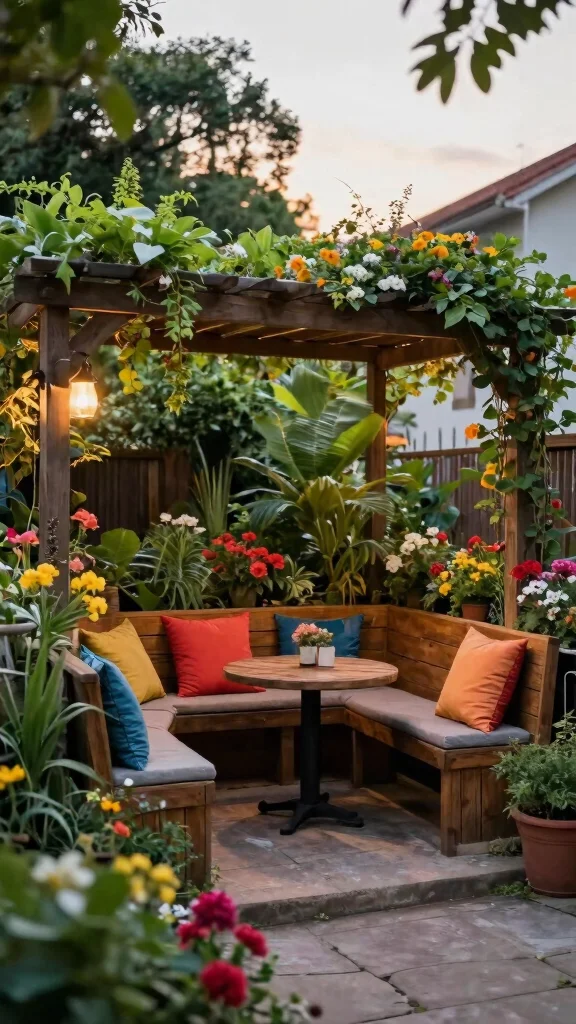
Designing cozy seating areas in your sloped side yard can turn it into a relaxing escape. Create flat spaces for outdoor furniture like bistro sets or swing benches, perfect for unwinding after a busy day.
Consider built-in seating options using retaining walls or wooden structures that harmonize with your landscape. Add colorful cushions or throw pillows to make the area inviting. Surround your seating with fragrant plants and vibrant blooms, enhancing the sensory experience of your garden.
Design tips: Incorporate shade structures like umbrellas or pergolas for comfort on sunny days. Soft lighting can create a warm ambiance in the evenings, making it a delightful spot for gatherings or quiet relaxation.
Sloped side yard landscaping? It’s all about small, flat nooks you’ll actually use. Add built-in seating, cozy cushions, and fragrant plants, and your steps become a welcoming retreat rather than a stretch of hillside.
Recommended Products

{Premium Material}: Our garden wall planters bags choosing high-quality felt materials with good air permeability can better store and release water to promote healthy plant growth. It is lightweight, sturdy, convenient, foldable, durable and anti-aging.

INSTANT VERTICAL GARDEN: Transform any space into a lush vertical garden with this ready-to-use wall-mounted planter. Enjoy fresh herbs, vibrant succulents, or beautiful flowers effortlessly – no assembly required! Perfect for small apartments, patios, balconies, or any area where floor space is limited. This sleek indoor wall planter lets you maximize your greenery vertically.

SPACE-SAVING WALL PLANTER: Create a vertical wall planter display on indoor walls or outdoor fences—perfect for kitchens, patios, terraces, balconies, and entryways (no floor space needed).
Key Trade-offs & Our Top Pick
Option 1: Terraced Gardens
– Pros:
✔ Maximizes space by creating flat areas for planting.
✔ Adds visual interest with layers and different plant heights.
– Cons:
❌ Can be expensive to construct with walls and soil.
❌ May require more maintenance to keep the structure intact.
– Best for: Homeowners who enjoy gardening and want a structured, beautiful landscape.
Option 2: Vertical Planters
– Pros:
✔ Saves space and allows for growing a variety of plants.
✔ Easy to install and can use recycled materials.
– Cons:
❌ Limited growing space if not designed well.
❌ Requires regular watering and maintenance.
– Best for: Those with limited yard space looking for a fun gardening solution.
Option 3: Native Plant Landscaping
– Pros:
✔ Low maintenance and well-suited for local climate.
✔ Supports local wildlife and biodiversity.
– Cons:
❌ May not provide the colorful aesthetic some desire.
❌ Limited selection of plants depending on the region.
– Best for: Eco-conscious gardeners wanting to create a sustainable side yard.
Option 4: Stone Pathways
– Pros:
✔ Adds charm and character to your yard.
✔ Provides a stable walking surface on sloped areas.
– Cons:
❌ Can be labor-intensive and costly to install.
❌ May require upkeep to prevent weed growth.
– Best for: Homeowners looking to create a functional yet attractive path through their garden.
Option 5: Retaining Walls
– Pros:
✔ Stabilizes the slope and prevents erosion.
✔ Offers a strong design element to your landscaping.
– Cons:
❌ Can be expensive and requires professional installation.
❌ May not fit every aesthetic, depending on materials used.
– Best for: Properties with significant slope issues needing structural solutions.
Expert Recommendation:
Best Overall: Terraced Gardens
Terraced gardens stand out as the best overall option for most people. They provide maximum use of space while allowing for various plant types and designs. Although the initial build might be pricier, the long-term benefits in aesthetics and functionality make it worthwhile. You can create a stunning visual experience and enjoy gardening on easy-to-manage flat areas.
Why We Picked This:
We chose terraced gardens as the top pick because they balance beauty and practicality well. If you prefer a simpler option, vertical planters or native plants might suit your needs better. For those focusing on durability and structure, retaining walls or stone pathways could be ideal. Each choice has its advantages, but terraced gardens deliver a perfect blend for creating a stunning sloped side yard.
Recommended Products

Includes 15 carefully selected native grasses and wildflowers chosen for strong root systems and reliable establishment
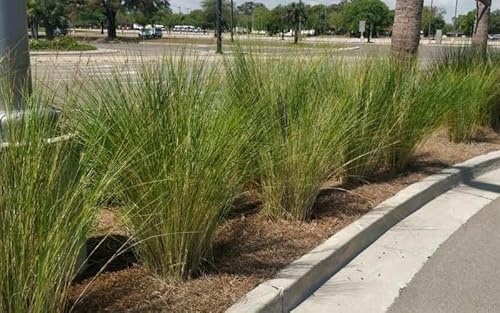
Exceptional Salt Tolerance: Specifically designed for coastal and saline conditions, Sand Cord Grass I thrives where other plants struggle, making it perfect for beachside gardens and landscapes.
Exceptional Salt Tolerance: Specifically designed for coastal and saline conditions, Sand Cord Grass I thrives where other plants struggle, making it perfect for beachside gardens and landscapes.
Cozy Seating Areas for Relaxation
Editor’s Choice

Yaheetech 3-Piece Outdoor Bistro Set w/Leaf Design, Rust-Resistant Cast …

Retaining Walls That Work: Design, Drainage, and Construction Methods Th…

Outdoor Chair Cushions Set of 4: Waterproof & Fade Resistant Seat Cushio…
7. Incorporating Water Features for Serenity
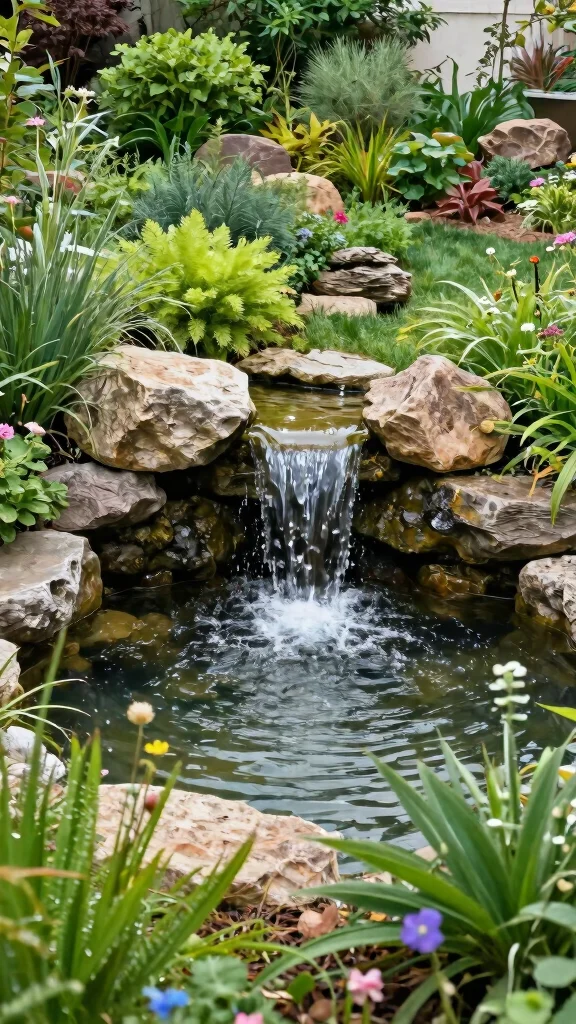
Introducing a water feature to your sloped side yard can create a serene atmosphere. Whether it’s a small pond, fountain, or waterfall, the sound of flowing water adds tranquility and attracts local wildlife, making your garden a peaceful retreat.
Design your water feature to complement the slope, such as a waterfall that cascades down through pools. Surrounding the area with lush plants and natural stones enhances the feeling of a secluded oasis. You’ll appreciate how the soothing sounds of water help you unwind and reflect.
Tips for success: Keep your water feature well-maintained and consider a solar-powered pump for eco-friendliness. Place seating nearby to fully enjoy the calming sights and sounds of your garden.
Recommended Products
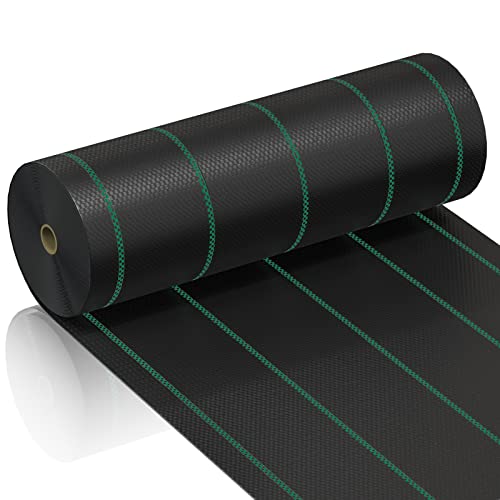
EXTRA WIDE 6FT WIDTH, 1,800 SQ FT COVERAGE - This 6ft x 300ft weed barrier landscape fabric covers 1,800 sq ft. The wide 6ft width reduces the number of seam overlaps needed...
Incorporating Water Features for Serenity
Editor’s Choice

Floating Plants for Water Gardens and Ponds (Water Lettuce)

Pulovin 20 lbs River Rocks for Plants, 2-3 Inch Decorative Garden Rocks …

Water-Rebirth Variable Speed Controller for Asynchronous Garden Pond Wat…
8. Outdoor Lighting for Atmosphere
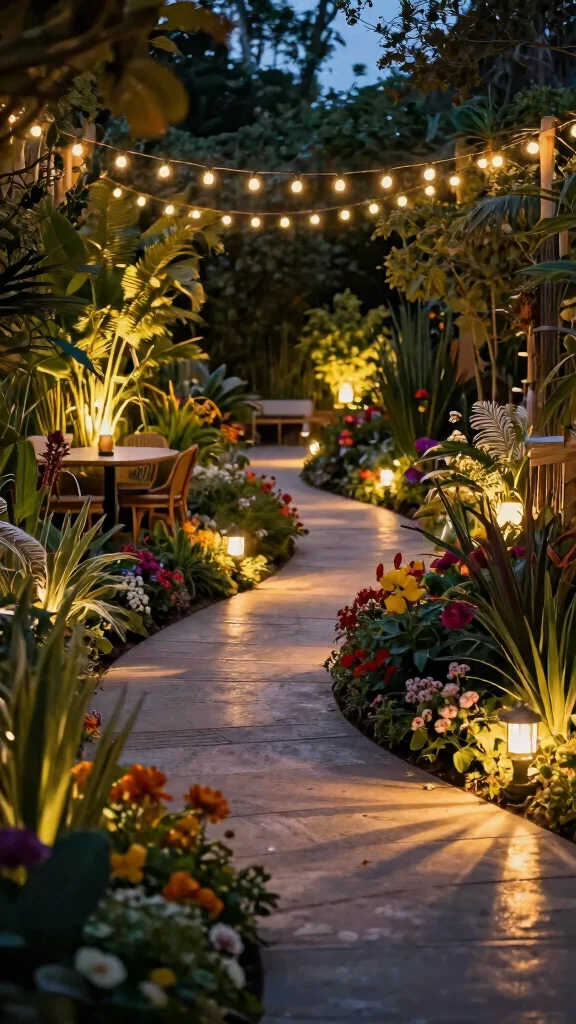
Outdoor lighting can dramatically enhance your sloped side yard, improving both its beauty and usability. Strategically placed lights can illuminate pathways, highlight plants, and create a warm atmosphere for evening gatherings.
Think about using solar-powered lights along paths, in flower beds, or integrated into retaining walls to brighten your landscape efficiently. String lights can add a playful touch, draping above seating areas or along walkways.
Key ideas: Use uplighting to showcase trees or larger plants, creating captivating shadows. Include lanterns or candle holders for cozy charm. The right lighting can transform your outdoor space into a magical retreat, extending its use into the night.
Outdoor lighting is the secret weapon of sloped side yard landscaping. Place solar lights along paths to guide the way, highlight plants, and string lights over seating for a cozy, usable space after dark.
Recommended Products

100% Fir Wood: Crafted from 100% solid fir wood, this wooden bench outdoor boasts natural weather resistance. Enhanced stability is achieved through thickened legs and reinforced underside wood strips

【CAST ALUMINUM 】: Using high-density pure aluminum die-casting, to ensure the strength of the table and chair, no cracking, no deformation, no rust, smooth lines, beautiful appearance.

Sturdy and Rust-Resistant Construction: The Garden Bench is powder coated with rust-resistant finish, super smooth. Made of reinforced steel to ensure sturdiness and stability, durable for use for years. The outdoor bench can hold up to 480LBS
You Might Also Like
Outdoor Lighting for Atmosphere
Editor’s Choice

Outdoor Decorative Patio String Lights, Beaded Copper Wire Ball Style La…

GIGALUMI 6 Pack Solar Lights Outdoor Waterproof, LED Solar Garden Lights…

Rechargeable Battery LED Spotlight Indoor: Wireless Mini Art Accent Spot…
9. Edible Landscaping for a Beautiful and Functional Garden
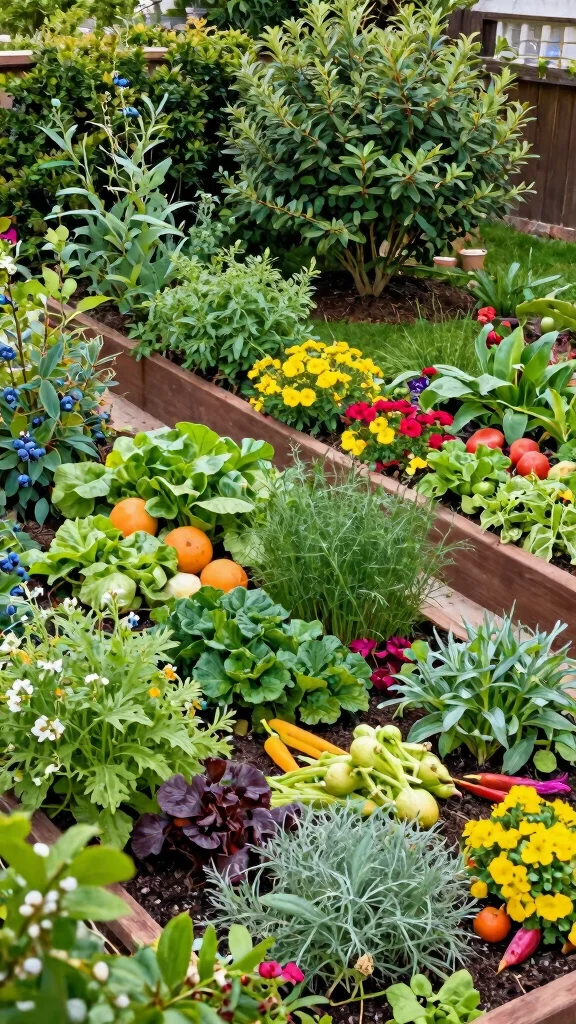
Blend beauty with practicality by incorporating edible plants into your sloped side yard. Edible landscaping lets you grow fruits, vegetables, and herbs alongside ornamental plants, adding unique textures and colors to your garden.
Create raised beds or vertical gardens specifically for your edible plants. Integrate herbs like basil and rosemary with colorful flowers for a stunning display. Fruit-bearing shrubs like blueberries can add height and interest to your landscape.
Benefits: Edible landscaping promotes sustainability and encourages healthier eating. Plus, the vibrant colors of fruits and vegetables create an eye-catching garden that guests will admire. Don’t forget to add signage to educate visitors about your plants.
Edible Landscaping for a Beautiful and Function…
Editor’s Choice

LEETOLLA Elevate 32″ Tall Raised Garden Bed Outdoor with Wheels & Shelf …

Illinois Everbearing Mulberry Tree 6-10″ Tall, Sweet Fruit to Enjoy Year…

VIVOSUN 2-Pack 5 Tier Vertical Gardening Stackable Planter for Strawberr…
Conclusion

Transforming a sloped side yard into a stunning garden feature is entirely possible with thoughtful landscaping. From terraced gardens to cozy seating areas and edible landscapes, the possibilities are endless. These ideas not only enhance the beauty of your home but also provide functional outdoor spaces that you’ll love to spend time in.
So why not embrace those tricky slopes and bring your gardening dreams to life? Your ideal sloped side yard is just a few creative ideas away!
Note: We aim to provide accurate product links, but some may occasionally expire or become unavailable. If this happens, please search directly on Amazon for the product or a suitable alternative.
This post contains Amazon affiliate links, meaning we may earn a small commission if you purchase through our links, at no extra cost to you.
Frequently Asked Questions
What are the best sloped side yard landscaping ideas to turn a tricky narrow grade into a beautiful feature?
Turn a tricky narrow grade into a beautiful feature with practical ideas like terracing, vertical gardening, and thoughtful plant selection. Start with a simple site map to plan zones for sun, shade, and access. Use sloped side yard landscaping tactics such as terraced planting shelves or stepped planters to create level spaces without heavy excavation, a classic sloped yard design solution. Add vertical elements—pocket planters, a living wall, or a slim trellis—to maximize growing space in a narrow footprint. Choose groundcovers and grasses to stabilize the slope and reduce maintenance, a core part of garden slope solutions. Finish with a water-wise drip irrigation plan and clean edging, so your narrow yard landscaping remains tidy and beautiful. These ideas also work well for hillside garden features you’re aiming to create.
How can I incorporate vertical gardening in a sloped side yard to maximize space and curb appeal?
Vertical gardening is a game-changer for sloped side yards. Start by assessing sun exposure and choosing a mix of pocket planters, wall-mounted panels, or a slim trellis. Securely anchor the containers to a sturdy surface and use lightweight, well-draining media in the pockets. Layer plants by height and water needs, and install a simple drip irrigation line to keep maintenance low. Repeat textures or colors across vertical and ground beds to visually unite the hillside garden. This approach is a classic example of smart vertical gardening within sloped yard design and garden slope solutions for narrow yard landscaping.
What are practical garden slope solutions for erosion control and drainage in a sloped side yard?
Start with solid drainage to prevent erosion: a gentle trench or French drain along the upslope, directing water away from planting beds. Add terraces or retaining features to slow runoff and create level planting zones. Cover exposed soil with mulch and drought-tolerant groundcovers (like sedum or creeping thyme) to stabilize the slope. Use geotextile fabric where needed and keep irrigation efficient with drip lines to avoid washing soil away. These steps embody practical garden slope solutions that pair well with sloped side yard landscaping and sloped yard design principles.
Which plants work best for a low-maintenance hillside garden feature in a sloped yard?
Choose low-maintenance, deep-rooted plants that thrive on slopes and require minimal care. Groundcovers like sedum, Ajuga, and Vinca minor stabilize soil; ornamental grasses add texture and movement; drought-tolerant perennials such as lavender and salvia provide color with little effort. For shaded sections, consider ferns and hostas. Group plants by sun exposure and water needs to simplify care, and mulch generously to conserve moisture and reduce erosion. This approach aligns with practical garden slope solutions and keeps sloped side yard landscaping looking cohesive with minimal upkeep.
How can I design a budget-friendly sloped yard using terracing, containers, and simple features?
You can achieve a polished look on a budget with a few smart moves: map the grade and identify practical terrace locations, then build low-cost terraces with modular blocks or timber sleepers. Use existing materials or inexpensive containers along a narrow path to create vertical interest without major excavation. Fill beds with affordable soil-alike blends and mulch to improve moisture retention. Implement a simple drip irrigation line to reduce waste, and choose hardy plants that suit sun exposure and soil type. With careful planning, this sloped yard design stays budget-friendly while delivering impactful narrow yard landscaping and hillside garden features.
Related Topics
sloped side yard landscaping
narrow yard landscaping
hillside garden features
vertical gardening
landscaping solutions
garden design
beginner friendly
easy landscaping
outdoor aesthetics
DIY garden projects
sustainable landscaping
seasonal gardening