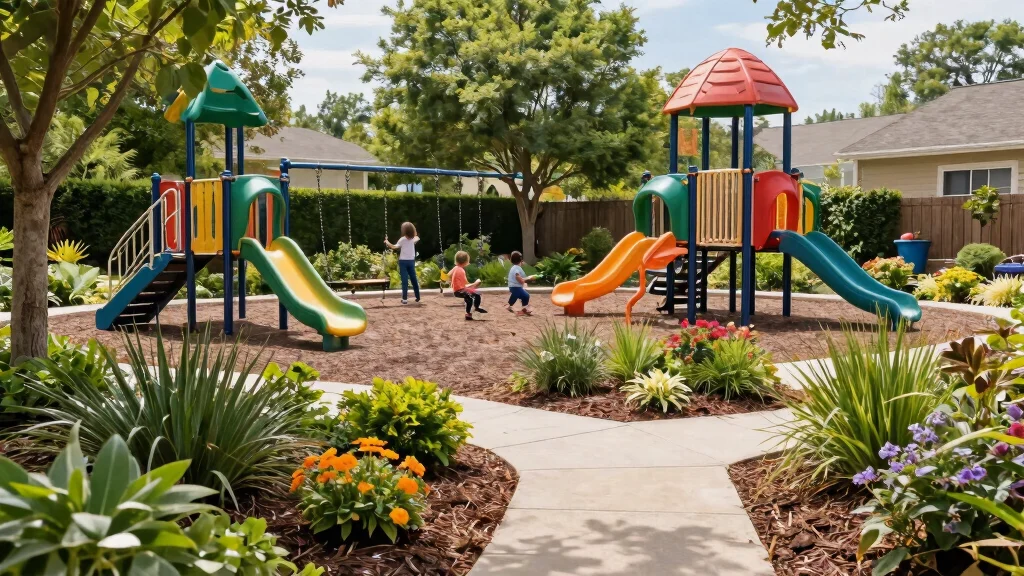
Creating a backyard playground for your family can be one of the most rewarding projects you undertake. If you’ve been dreaming about turning your outdoor space into a fun and inviting area, you’re not alone. This post is inspired by countless families looking for ways to enhance their yards into vibrant play zones. You want your kids to spend more time outside, and what better way to encourage that than with a beautifully designed outdoor play area?
This guide is for parents, guardians, and anyone who loves to entertain kids outdoors. You care about creating safe, engaging, and eco-friendly spaces where your family can connect with nature while having fun. In this post, I’ve pulled together nine creative backyard playground landscaping ideas. Each one is family-friendly, sustainable, and designed to make your outdoor space not just appealing, but also a haven for fun-filled activities. Get ready to transform your backyard into a delightful playground that makes everyone want to step outside!
Key Takeaways
– Nature-Inspired Play Zones: Create areas that mimic natural habitats, incorporating logs, boulders, and native plants to stimulate imagination and play.
– Eco-Friendly Garden Beds: Use raised beds filled with organic soil to grow flowers and vegetables. This not only beautifies the yard but also provides a great learning experience for kids.
– Playful Pathways: Design walking paths made from natural stones or recycled materials. These paths can lead to different play areas, making exploration exciting.
– Multifunctional Play Structures: Invest in play structures that combine climbing, sliding, and even gardening spots. This way, children can enjoy diverse activities without needing multiple setups.
– Sensory Gardens: Include plants that engage the senses, such as fragrant herbs, colorful flowers, and textured leaves. This promotes sensory exploration and learning opportunities for kids.
Recommended Products

Sunlit Play Space: Wide windows allow plenty of natural light and fresh air while offering visibility for parents
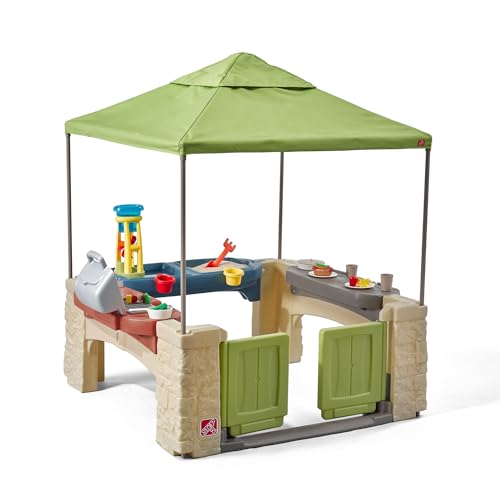
FUN PLAYTIME: Entertain your little children for hours with pretend grill, large countertop, water and sand table, supports role play, develops social skills in children, makes sense of real-life situations

1. Nature-Inspired Play Zones
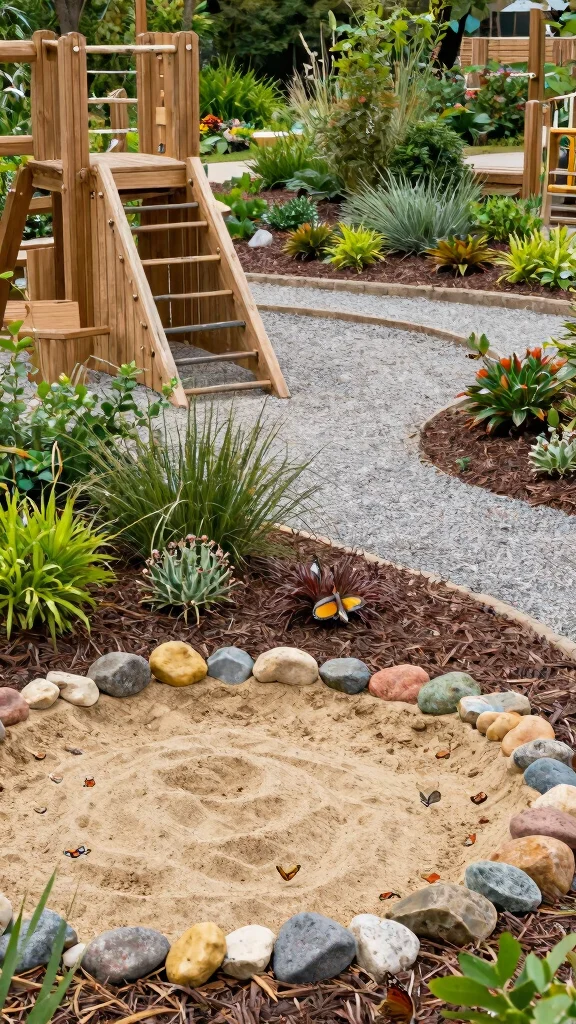
Transform your backyard into a natural playground that sparks imagination. Nature-inspired play zones utilize organic shapes and earthy materials, creating a seamless blend with the environment. Picture play equipment crafted from locally sourced wood, surrounded by vibrant greenery and native flowers. Such a setting encourages children to engage with nature while having fun outdoors.
Start by incorporating elements like a sandpit adorned with colorful stones or a climbing wall made of natural rock formations. Use logs as balance beams and create pathways of mulch to guide little adventurers through their enchanted garden. This design nurtures creativity and a love for the natural world.
Key steps to create your play zone:
– Select eco-friendly play equipment made from sustainable materials.
– Plant native flora to draw in butterflies and birds.
– Design shaded spots for relaxation after play.
– Use natural materials to define play areas with charm.
By embracing a nature-inspired design, you foster both playful experiences and a deep connection to the outdoors.
Recommended Products

Product Include: kits includes 25 packs of multi-colored rock climbing holds, a 8.5ft long climbing rope, mounting hardware -54 bolts(1.9"), 54 weld nuts, 108 washers, and 1 installation instruction. Comes in 5 bright colors including red, orange, yellow, green, and blue and feature multi shapes, this rock climbing set provides children with enjoyable climbing experience.

【Sturdy Material & Anti-Slip Grip】Made of high-quality plastic resin, these climbing holds are sturdy, durable, and weather-proof, resisting cracking, fading and deformation for long-term indoor and outdoor use. The textured non-slip surface delivers firm hand and foot grip, ensuring safe and stable climbing for kids and adults
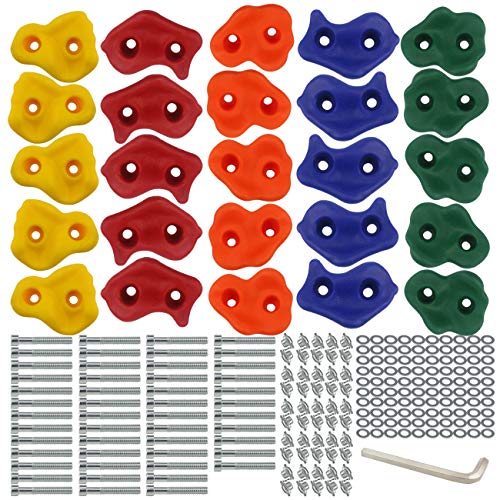
【Colorful Rock Climbing Holds Set】This set comes in five vibrant colors including green,blue,red, orange and yellow,and feature a variety of shapes for a unique climbing environment to make playtime
Nature-Inspired Play Zones
Editor’s Choice

Native Wildflower Seeds for Planting 24 Variety Pack – Perennial & Ann…


Best Choice Products Large Outdoor Wooden Sand Box for Kids, Sandbox wit…

Acadia Outdoor Balance Beam for Kids: Set of 2 Acacia Wood Montessori To…
2. Eco-Friendly Garden Beds
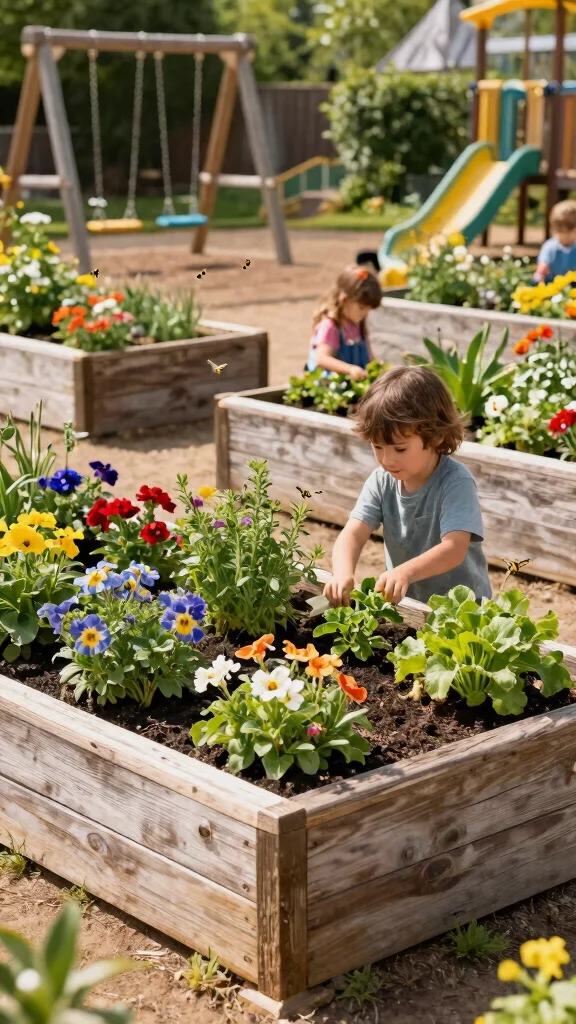
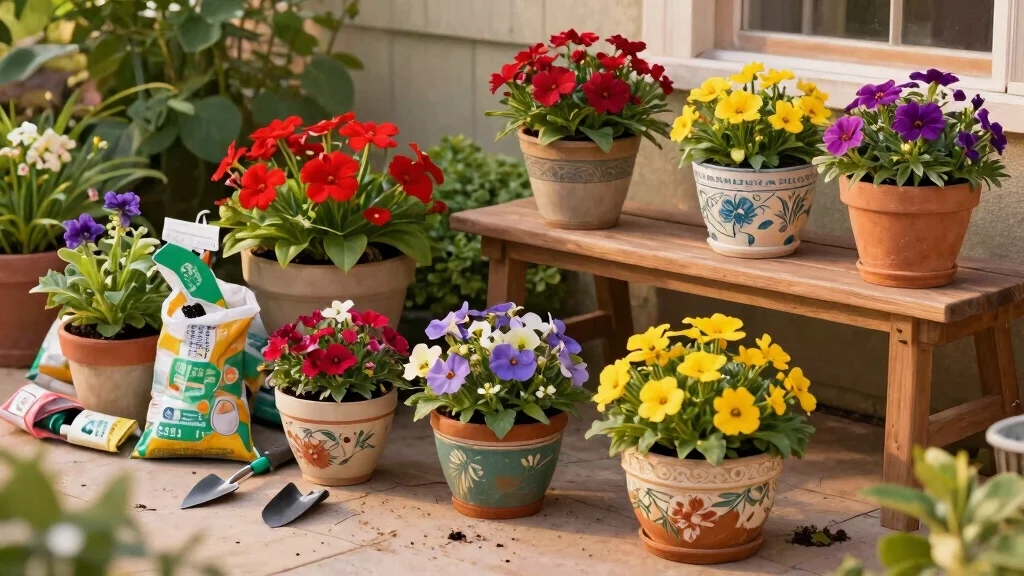
Why not merge playtime with gardening? Eco-friendly garden beds can transform your backyard into a lush, educational space. Construct raised beds using reclaimed wood, providing children with a vibrant space to learn about plants and sustainability. Fill these beds with colorful vegetables, herbs, and flowers, encouraging kids to get their hands dirty and connect with nature.
Arrange the garden beds close to play areas for easy access, and incorporate plants that attract pollinators, creating a lively environment. Vertical gardens can maximize your space while offering a delightful visual appeal. Use mulch to keep the soil moist and weeds at bay, ensuring a thriving garden.
Implementation tips for your garden beds:
– Position beds for easy reach from play zones.
– Choose pollinator-friendly plants to enhance biodiversity.
– Add trellises or vertical elements for creativity.
– Use organic mulch to maintain soil health.
These garden beds not only beautify your space but also turn every moment outside into a fun and educational adventure.
Recommended Products

Extra Firm Pad Make Balance Beam More Safe: This folding balance beam pad is one hundred percent high density EVA, extra firm to offer stable landing and act as cushioning to reduce impact on joint of your kids

LONG PRO QUALITY FLOOR BEAM: PU Leather Extra-long folding balance beam with 4 inch top that is the same as competition beams! 6 inch base firmly holds the beam so it wont topple over and ensures safety for the gymnast

Ideal for Everyday Practice: Let your kids dive into a world of endless active fun with the Zelus 8 ft. floor balance beam and watch as they master handstands, cartwheels, and backflips
Eco-Friendly Garden Beds
Editor’s Choice

Wildflower Seeds Bulk, 2 Oz. 80,000+ Seeds – Save the Bees Mix with 19…
8×3×1.4FT Galvanized Raised Garden Bed Outdoor, Metal Raised Garden Be…

5000+ Petunia Seeds – Mixed Rainbow Color, Bonsai, Grandiflora Flowers, …
3. Playful Pathways
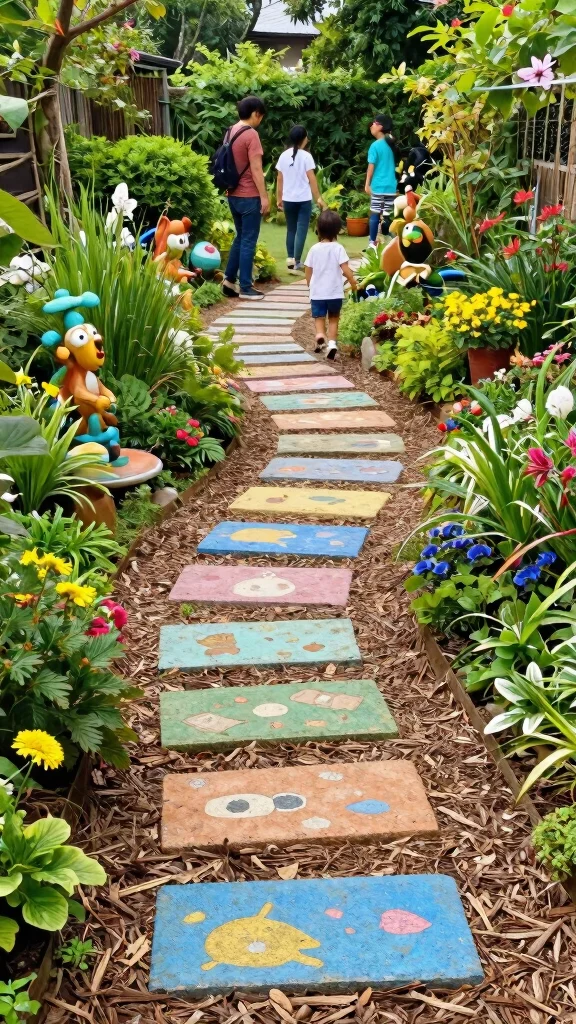
Enhance your backyard with playful pathways that invite exploration. Use organic materials like mulch or pebbles to create winding trails connecting different play areas. This design encourages kids to discover new corners of their outdoor sanctuary, making every outing feel like a new adventure.
Consider adding fun elements like painted stepping stones or natural boulders for hopping. Adorn the pathways with whimsical garden art to ignite children’s imaginations and curiosity. Each twist and turn along the path can lead to a new discovery, making outdoor play even more exciting.
Pathway design ideas:
– Create paths that lead to unique activities like reading nooks or art corners.
– Choose eco-friendly materials that blend with nature.
– Ensure pathways are wide enough for easy movement.
– Incorporate lighting for safety and a magical ambiance.
With playful pathways, your backyard becomes a landscape of adventure, where curiosity flourishes and every step is filled with wonder.
Recommended Products

【Mini Garden Experience: Build, Plant, and Observe】Our kid gardening kit allows children to experience the entire plant growth cycle—from planting and growing to flowering and fruiting.
GROW YOUR OWN GARDEN - With this complete set, kids will have fun decorating their pots, then planting cosmos, nasturtium, and basil seeds. The included materials make growing an herb and flower garden easy!

🌱 6 Unique Seed Varieties for Endless Fun: Spark curiosity with 6 different seed types—Kidney Bean, Pea, Soya-Bean, Radish, Chili, and Carrot! Watch kids compare growth speeds, colors, and root shapes, turning each planter into a mini science experiment.
Playful Pathways
Editor’s Choice

EggSun 8Pcs Stepping Stones Painting Crafts Kit for Kids 4 8 6, DIY Gard…

HOOSUN 12 Pack Rainbow Pinwheels for Yard and Garden,Rainbow Party Decor…

Miracle-Gro Organic All Natural Mulch for Landscaping – Bagged and Shred…
4. Multifunctional Play Structures
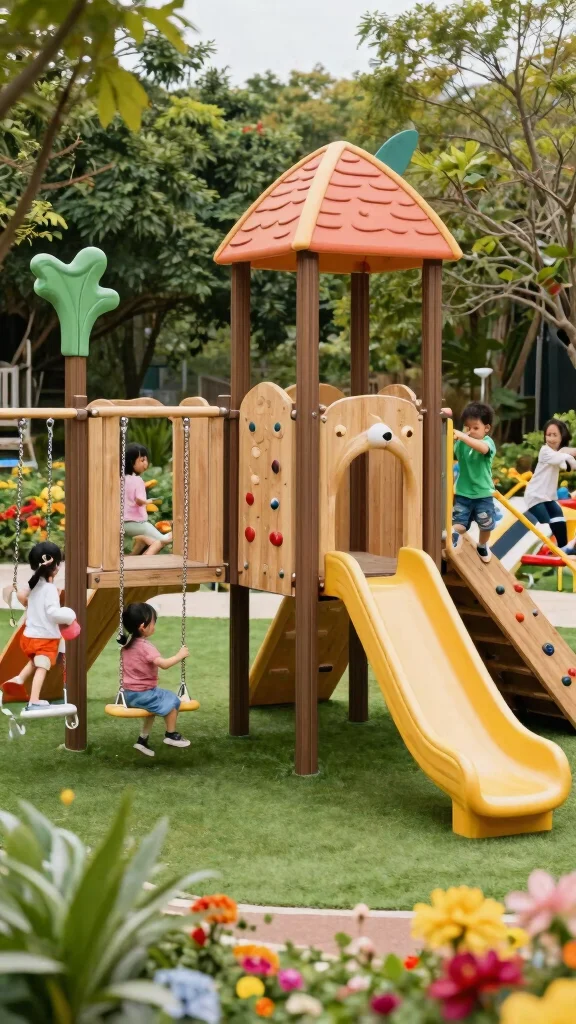
Maximize fun and creativity with multifunctional play structures that cater to various activities. These clever designs can incorporate swings, slides, climbing walls, and even mini-gardens, all in one compact area. By opting for these versatile structures, you can ensure kids have diverse play options without overcrowding your backyard.
Look for eco-friendly materials, such as bamboo or reclaimed wood, to build these structures sustainably. The combination of play and nature fosters imaginative games, allowing children to invent their own fun. Incorporating gardens around the play area promotes biodiversity and teaches kids the value of nature.
Benefits of multifunctional structures:
– Save space while offering multiple play options.
– Inspire imaginative play with endless possibilities.
– Integrate plants to enhance the structure’s beauty and sustainability.
This approach transforms your backyard into an engaging play zone, ensuring your children always have something exciting to do.
Recommended Products

RUBBER MULCH: Rubber mulch mat deters weed growth, but allows air, nutrients and water to pass through, making your garden look tidy and gorgeous. Upgraded backing fabric included for extra weed blocking.

Upgraded Durable Construction: This 2-pack 96 x 22 in/2440 x 590 mm rubber mulch for landscaping is made from 100% recycled rubber fiber with green-energy adhesive. Wear-resistant, weatherproof, and reinforced with backing to avoid tearing. No special maintenance required

PERMANENT MULCH: Harmiden recycled rubber mulch roll provides the beauty and look of natural mulch PLUS the superior weed control benefits. Moreover, it is a soft cushion to kneel down and walk on.
Multifunctional Play Structures
Editor’s Choice
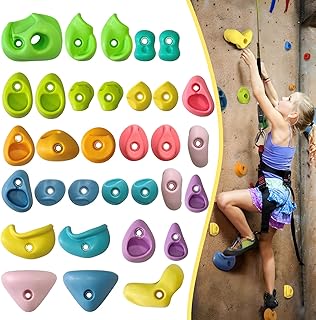
32 PCS Rock Climbing Wall for Kids,Rock Wall Climbing Holds,Adults Climb…
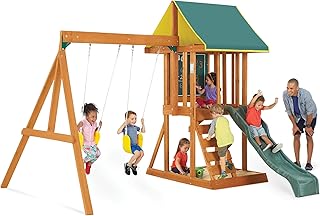
KidKraft Appleton Wooden Swing Set, (Amazon Exclusive)
Lifemaster Eco Friendly Plant Pot Set -5-Pack Home Decor Flower Indoor a…
5. Water Play Features
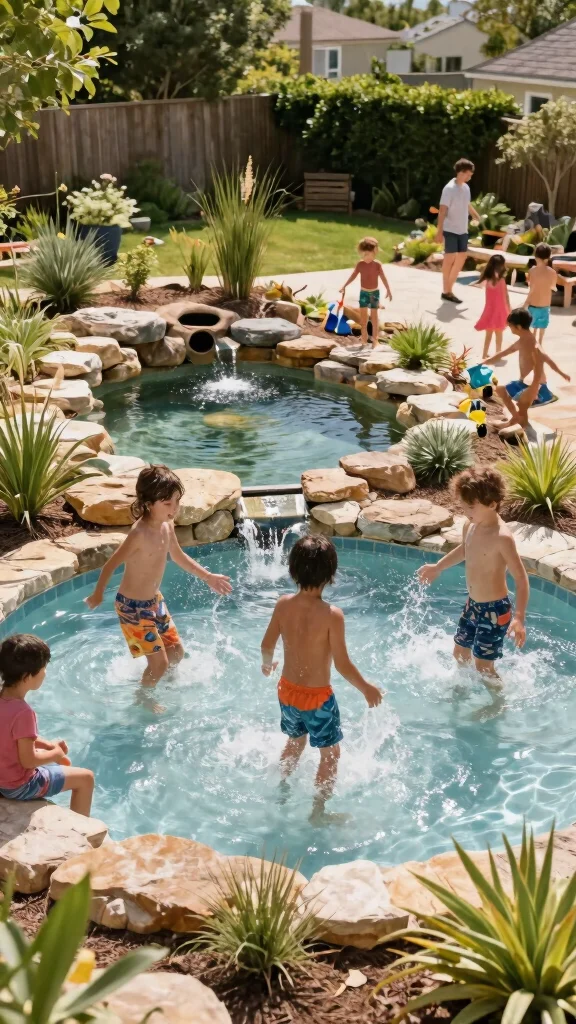
Add a splash of fun with water play features in your backyard. Elements like splash pads, water tables, or even small ponds offer endless joy, especially on warm sunny days. Using natural stones and eco-friendly materials, you can create a delightful water experience that blends beautifully with nature.
Consider features that allow water to flow naturally, such as a small waterfall or fountain. These additions not only provide a cooling retreat but also engage children’s senses and creativity during play. The sound of flowing water can create a serene atmosphere, enhancing the overall experience.
Key considerations for water features:
– Minimize water waste and incorporate recycling methods.
– Surround with native plants to attract local wildlife.
– Use natural filtration for ponds to ensure cleanliness.
Water play features offer both a refreshing escape and an opportunity for sensory exploration, fostering curiosity and creativity in every child.
Recommended Products

UNIQUE COTTAGE STYLE: This kids playhouse features a rustic cottage look with a magnetic Dutch door, charming windows, and a fenced area with two wooden flower pots, creating an inviting space for imaginative outdoor play

Kids Outdoor Playhouse: Give your kids a place to play outside with this outdoor play house. It includes a door, windows, an open serving station, and flowerpot holders.

Sunlit Play Space: Wide windows allow plenty of natural light and fresh air while offering visibility for parents
You might also like
Water Play Features
Editor’s Choice

Step2 Rain Showers Splash Pond Water Table, Kids Water and Sand Activity…

Intex 96″ x 78″ x 28″ Inflatable Jungle Adventure Play Center Spray Kidd…

Alpine Corporation 27″ Tall Rustic Outdoor 2-Tier Barrel Pump Water Foun…
6. Eco-Friendly Seating Areas
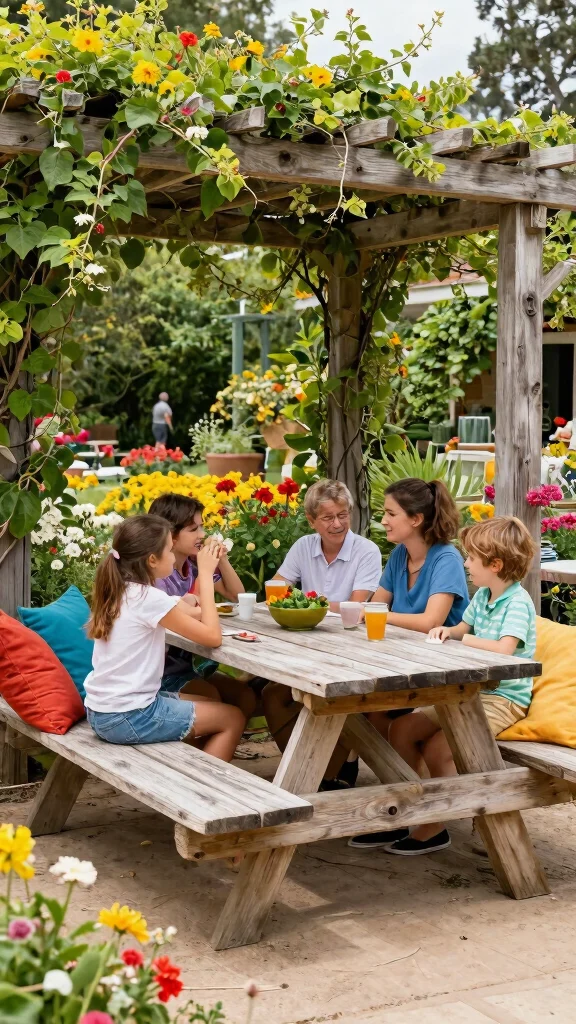
Design cozy, eco-friendly seating areas to create a relaxing retreat in your backyard. Use sustainable materials like reclaimed wood or upcycled furniture to blend with the natural surroundings. Imagine picnic tables or benches nestled among colorful blooms, perfect for family meals or storytelling under the stars.
Incorporate shade solutions like canopies or pergolas draped with climbing vines to enhance comfort during warm days. This creates an inviting atmosphere where families can unwind and enjoy nature together. Thoughtfully placed seating encourages interaction and bonding over outdoor activities.
Seating area tips:
– Choose durable, low-maintenance furniture for longevity.
– Arrange seating around natural focal points for added charm.
– Add soft cushions made from recycled fabrics for comfort.
These seating spaces not only provide comfort but also strengthen family connections, making outdoor time even more enjoyable.
Kids love stories under vines, and so do we. Create cozy, eco-friendly seating areas with reclaimed wood, and watch the backyard playground landscaping become the family’s favorite story nook.
Recommended Products

Large and Durable Climbing Holds for Tree: Made of high quality plastic resin, weather resistant, won't crack or fade, textured foot and hand grips make it easier for kids to grip and climb up

【32 Multi-Shaped Rock Wall Climbing Holds】Features 32 climbing holds in various sizes and shapes that can be combined to create custom rock walls.

【SUPPORT WEIGHT UP TO 230LBS】- These rock climbing holds are molded with quality plastic resin, with each holding weight up to 230 lbs, safely supporting kids or adults to climb up and down
📹 Related Video: DIY Eco-Friendly Patio Chair – Upcycling Tires into Outdoor Seating
Eco-Friendly Seating Areas
Editor’s Choice

Pergola Canopy Replacement Cover for Lowe’s Allen + Roth 10×10 Ft Freest…
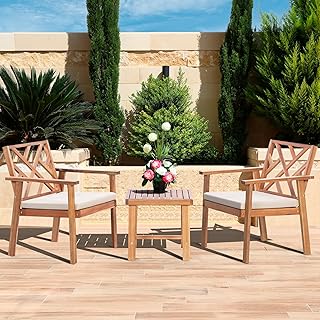
Werph 3 Piece Outdoor Patio Furniture Set, Wooden Conversation Patio Set…

Adirondack Square Outdoor Side Table,2-Tier Storage Patio Side Table, HD…
7. Edible Landscaping
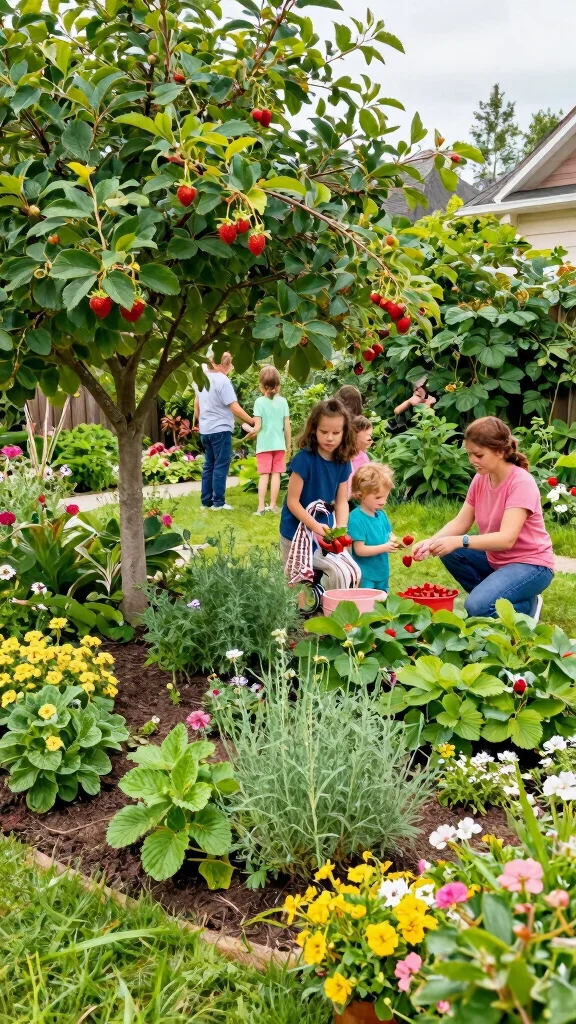
Combine aesthetics with functionality through edible landscaping. Integrating fruit trees, berry bushes, and herb gardens into your backyard design not only enhances beauty but also provides fresh produce. This approach encourages kids to learn about gardening and where their food comes from, creating a hands-on educational experience.
Imagine children picking strawberries or snipping fresh herbs for dinner right from your backyard! Designing edible gardens close to play areas invites kids to engage with the plants. Utilize companion planting to naturally deter pests and promote healthy growth, making gardening a fun activity.
Key elements to consider:
– Choose fruit trees and plants suited to your climate.
– Position edible gardens near play zones for easy access.
– Implement companion planting techniques for pest control.
Edible landscaping transforms your backyard into a vibrant ecosystem, making outdoor time not only enjoyable but also nutritious.
Recommended Products

ENCOURAGE ACTIVE PLAY -- Step into fun with these three colorful logs! Empower your children to explore and imagine as they build balance and coordination.

Extra Firm Foam & Non-slip Surface: This low gymnastics beam bar is filled with dense EPE foam that won’t sink or lose its shape with frequent use, super firm to support kids or adults. Comfortable PVC surface keeps feet from slipping and softens hard landings during cartwheels, handsprings and leaps

Extra Firm Pad Make Balance Beam More Safe: This folding balance beam pad is one hundred percent high density EVA, extra firm to offer stable landing and act as cushioning to reduce impact on joint of your kids
Edible Landscaping
Editor’s Choice

Live Berry Starter Plant Variety Pack – 1 Year Seedlings BlackBerry, R…

zunatu 10x2x1ft(2 Pack) Galvanized Raised Garden Bed,Outdoor Planter Box…

Ahopegarden Indoor Garden Hydroponics Growing System: 10 Pods Plant Germ…
8. Sensory Gardens
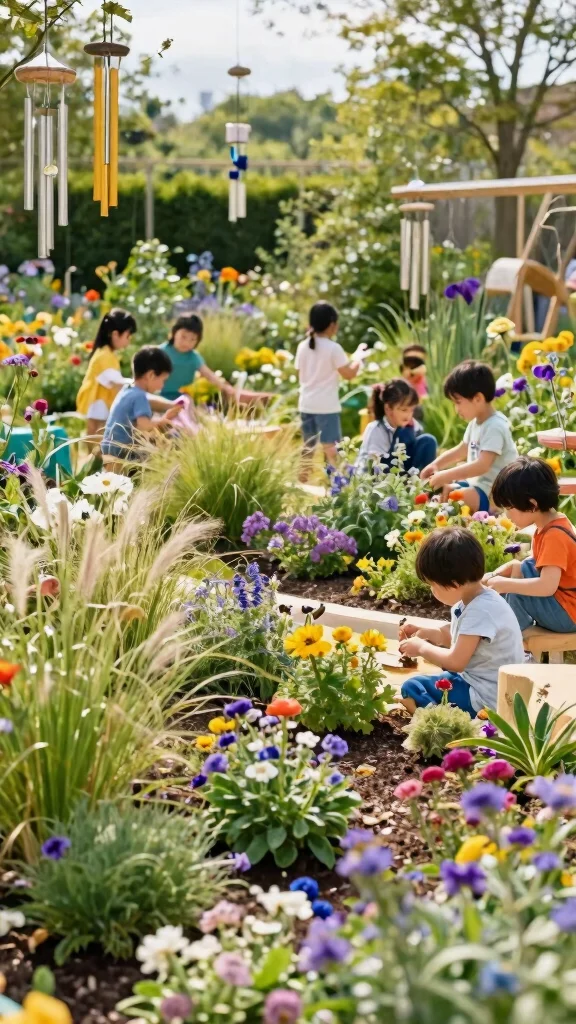
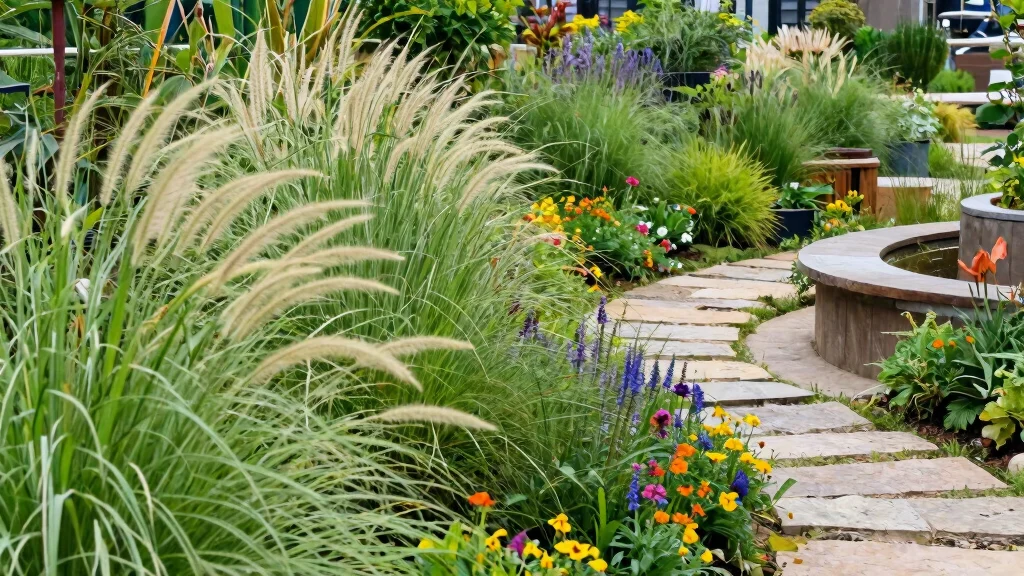
Engage your children’s senses with a sensory garden designed for exploration. This space can feature a variety of plants that offer unique textures, colors, scents, and sounds. Incorporate fragrant flowers, soft grasses, and even natural musical instruments to create a rich sensory experience.
Encouraging tactile exploration with materials like sand and water stimulates creativity and curiosity during outdoor play. Each element in the garden can offer a new discovery, making it an engaging environment for children. This sensory-rich atmosphere invites imaginative adventures and learning opportunities.
Implementation ideas:
– Include plants with varied textures for touch, like lamb’s ear.
– Use aromatic herbs to engage the sense of smell.
– Add interactive elements like wind chimes for delightful sounds.
With a sensory garden, your backyard becomes a canvas for exploration and imaginative play, making outdoor experiences truly unforgettable.
Create a sensory garden that invites kids to explore textures, scents, and sounds. From fragrant flowers to sand and water play, it’s eco-friendly backyard playground landscaping that makes outdoor time genuinely magical for the whole family.
Recommended Products

Unique & thoughtful Easter Gifts for Kids Girls Boys, Ages 5, 6, 7, 8-12 Years Old

Exciting Dual Growing Options: With the HopeTiger Kids Root Viewer, your child can experience the wonder of plant growth in two exciting ways. Choose the soil method for a natural approach that supports healthy root development, or opt for the hydroponic method, which is faster, cleaner, and provides an up-close view of how roots and shoots grow. Both methods offer an interactive, educational journey in gardening, planting, and growing that will spark your child’s curiosity and imagination.

CRAFT AND GROW DINOSAUR GARDEN: Paint, decorate, and grow your own dinosaur garden with an easy to care for plant pet! Vibrant paint, stickers, wiggly eyes and quick growing chia seeds will bring your fierce dino pet to life with an engaging kids craft kit, just add imagination!
Sensory Gardens
Editor’s Choice
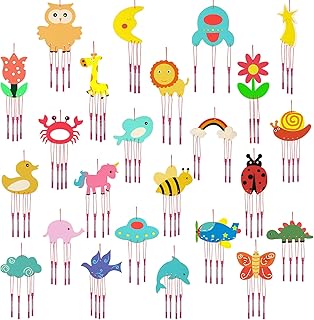
Tuanse 24 Pcs Wind Chime Kit for Kids DIY Wooden Animal Fruit Wind Chime…
Step2 Rain Showers Splash Pond Water Table, Kids Water and Sand Activity…

Live Lavender 2-Pack – Purple – Fragrant Sun Perennial Herb, Pollina…
9. Creative Outdoor Art Spaces
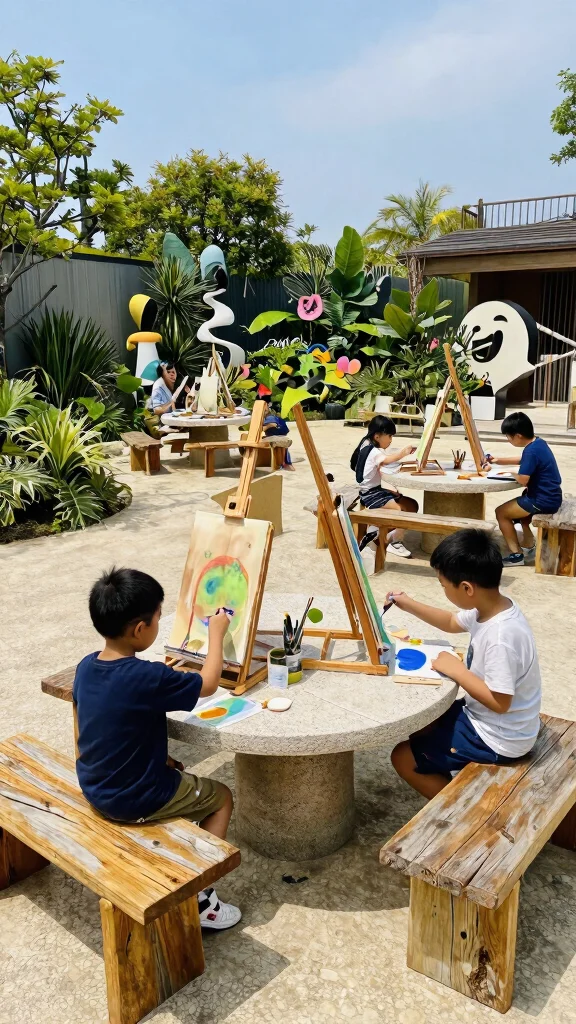
Nurture creativity in your backyard by creating a dedicated outdoor art space. This area can include easels, chalkboards, and supplies for painting or crafting, allowing children to express themselves artistically. Use natural materials like stone tables and reclaimed wood benches to connect creativity with the environment.
Surround this art space with inspiring plants or sculptures to stimulate imagination and encourage artistic exploration. Providing a designated area for creativity fosters a love for the arts while enjoying nature. This setup allows for hands-on projects that can be enjoyed in the fresh air.
Suggestions for art spaces:
– Create shaded areas to protect from the sun.
– Use eco-friendly storage for art supplies.
– Incorporate outdoor displays to celebrate children’s creations.
This creative nook can significantly impact family bonding and artistic expression, making outdoor time both enriching and enjoyable.
❝ Create a dedicated outdoor art space, and your yard becomes a living gallery. Kids paint, chalk, and craft while you sip coffee nearby—it’s the heartbeat of backyard playground landscaping in action.
Recommended Products

PREMIUM LANDSCAPING LOOK Enhance flower beds, pathways, gardens, and outdoor spaces with rich black rubber mulch designed to create a clean, modern, professional landscape appearance year-round.
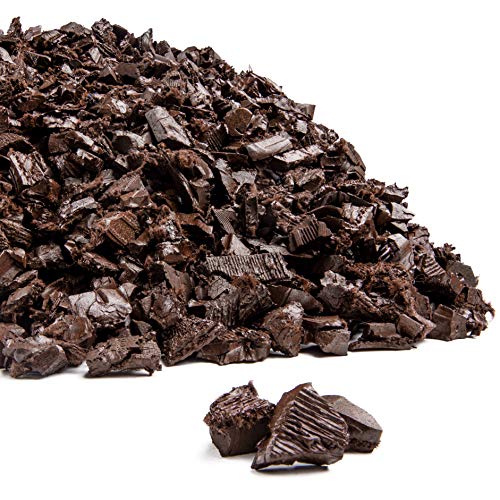
CREATE A SAFER PLAY AREA - Playsafer rubber mulch is IPEMA Certified and helps reduce the risk of injury on playgrounds and play areas

WEED CONTROL & NUTRIENT FLOW: Our Permanent Mulch Recycled Rubber Pathway deters weeds while allowing air, nutrients, and water to reach your plants, simplifying your landscaping efforts.
How To Choose The Right Backyard Playground Landscaping
Choosing the right backyard playground landscaping is essential for creating a fun and safe environment for your family. Here are some key points to consider while planning your outdoor play areas:
1. Size of the Space
Before you start designing, measure your backyard area. Knowing the dimensions will help you decide what features to include. A larger space may allow for more amenities like play structures or gardens, while a smaller yard may benefit from compact, multifunctional elements. Aim for at least 20-30 square feet per play structure for safety.
2. Safety Features
Safety should be your top priority. Look for soft surfaces like rubber mulch or grass around play areas to cushion falls. Incorporate barriers or fences if your yard is near a road or pool. Make sure there are no sharp edges on play equipment and that all materials used are non-toxic and weather-resistant.
3. Eco-Friendly Materials
Choose eco-friendly materials for your landscaping. Reclaimed wood, recycled plastic, and organic soils are great options. These not only help the environment but can also be safer for kids. Look for locally sourced plants to minimize your carbon footprint and support local ecosystems.
4. Functionality
Think about how your family will use the space. Will it be primarily for play, or do you want areas for relaxation and family gatherings? Consider multifunctional structures, like a playscape that includes a seating area or an edible garden that kids can help tend. This makes the space both fun and practical.
5. Age-Appropriate Features
Consider the ages of your children when selecting playground features. Toddlers need different equipment than older children. Include a variety of play structures that cater to different developmental stages. Climbing walls, swings, and sandboxes can be great for children of various ages.
6. Aesthetic Appeal
Finally, ensure that the playground complements your overall garden design ideas. Use colors and themes that blend well with your house and existing landscaping. Think about incorporating fun artwork, pathways, and plants to create an inviting atmosphere. A visually appealing area will encourage your family to spend more time outside.
Pro Tip: Involve your children in the planning process. Let them share ideas about what they want in their playground. This engagement can make them more excited about outdoor activities and help you create a space they will truly enjoy.
Creative Outdoor Art Spaces
Editor’s Choice
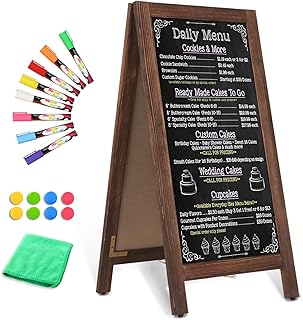
Wooden A-Frame Sign, Magnetic 40″ x 20″ Brown Chalk Board Sign Board, Do…

vidaXL Bench Solid Reclaimed Wood Dining Seats Outdoor Home Hall Chair L…
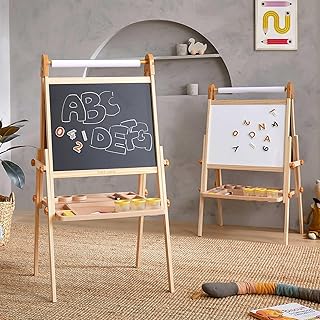
Tiny Land Foldable & Adjustable Double-Sided Magnetic Kids Easel, Wooden…
Conclusion
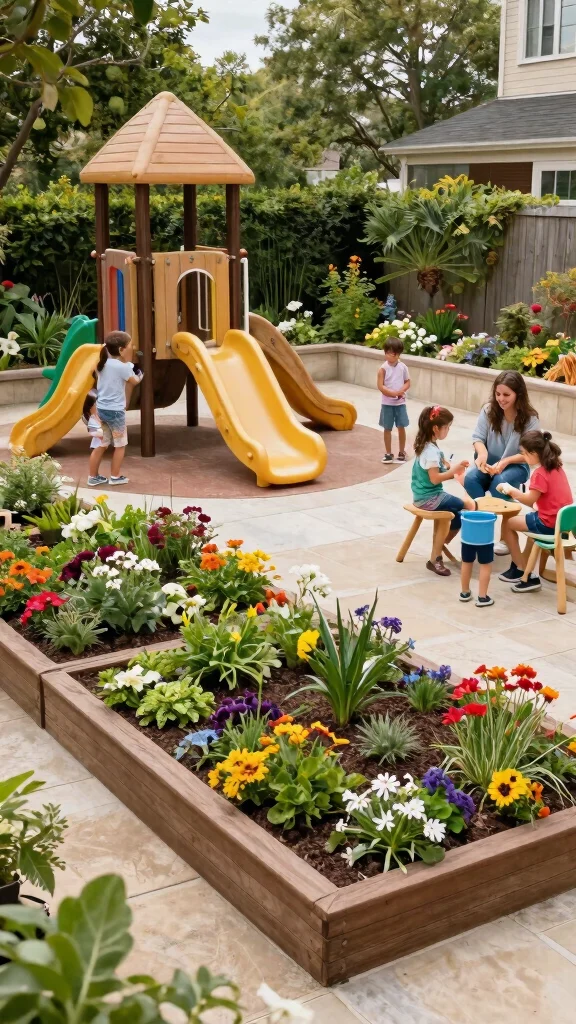
Creating an eco-friendly backyard playground can transform your family’s outdoor experience into a joyful adventure.
With these landscaping ideas, your backyard can be a place of excitement, learning, and creativity, nurturing both play and a love for nature.
Integrating sustainable practices not only enhances your outdoor space but also encourages future generations to appreciate and protect our environment.
Note: We aim to provide accurate product links, but some may occasionally expire or become unavailable. If this happens, please search directly on Amazon for the product or a suitable alternative.
This post contains Amazon affiliate links, meaning we may earn a small commission if you purchase through our links, at no extra cost to you.
Frequently Asked Questions
What are the core elements of backyard playground landscaping that make it eco-friendly?
Start with a plan that prioritizes eco-friendly materials and safety. Choose native plants to reduce water use and support local wildlife, install permeable surfaces to cut down runoff, and repurpose reclaimed materials for features like a swing frame or stepping stones. Include shaded zones for hot days, a rain garden or bioswale to manage water, and clearly define outdoor play areas that fit with your garden design ideas. Finish with a low-maintenance irrigation system and organic mulch to keep kids safe and the yard sustainable.
How can I design outdoor play areas that are safe and engaging using sustainable materials?
Prioritize low-toxicity materials and durable construction. Use FSC-certified wood for structures, non-toxic paints or sealants, and recycled plastic or upcycled elements for slides or benches. Ground cover with impact-absorbing safety surfacing helps prevent injuries. Plan sight lines so you can supervise from multiple angles, and create flexible zones that adapt as kids grow. Incorporate natural elements like logs, boulders, and a small dirt area for backyard activities that spark imagination.
What are budget-friendly garden design ideas to create a family-friendly landscaping backyard playground?
Think multifunctional and low-cost: use native plant beds with hedges as windbreaks, create a DIY climbing structure from reclaimed pallets, build a sandbox from recycled materials, and use mulch or shredded bark for soft ground cover. Add simple fences and gates for safety. Use planters for vegetables and flowers to combine garden design ideas with play spaces. Recycle rainwater with a simple barrel system to cut watering costs. Keep it scalable so you can expand as the family grows.
How can I incorporate natural features to enhance backyard activities and learning?
Include a small pollinator garden, a pocket meadow with native grasses, a rain garden for water education, and a composting corner for kids to learn about waste. A sensory path with different textures (stone, mulch, sand) invites exploration. A shallow wildlife pond or bird bath connects kids with nature without heavy maintenance. Use wildlife-friendly plants and provide shade and seating to enjoy the space together.
How do I maintain and adapt my backyard playground landscaping as kids grow?
Plan for growth: mix tall and short shrubs, create adjustable climbing features, and keep pathways clear. Use modular play structures that can be reconfigured, add storage for toys, and rotate plantings to keep things interesting. Schedule seasonal maintenance: prune trees, check irrigation, refresh mulch, and replace worn surfaces with safe, eco-friendly alternatives. Revisit the layout every year to ensure it still supports backyard activities for all ages.
Related Topics
backyard playground landscaping
family-friendly landscaping
eco-friendly design
outdoor play areas
garden design ideas
landscaping for kids
playful gardens
sustainable landscaping
backyard activities
creative outdoor spaces
easy landscaping projects
family bonding outdoors