
Creating a stunning sloped backyard can be a thrilling challenge. Elevation has a unique charm that can transform an ordinary outdoor space into an extraordinary sanctuary. If you’ve been dreaming about turning your sloped backyard into a breathtaking landscape, you’re in the right place. This post is designed to inspire and guide you through the world of tiered landscaping for sloped backyards.
If you’re a homeowner eager to make the most of your outdoor space, or someone who loves gardening but feels limited by a hill or slope, these ideas are tailored just for you. You might care about aesthetics, functionality, or both. Whatever your motivation, you’ll discover creative solutions that will help you embrace that elevation instead of avoiding it. We’ve compiled nine unique tiered landscaping ideas that not only enhance beauty but also promote sustainability in your garden.
By the end of this guide, you’ll have practical tips and inspiring concepts that can turn your sloped backyard into a multi-dimensional space. From rustic stone terracing to colorful flower beds, each idea is designed to help you maximize your yard’s potential while making it a welcoming retreat. Let’s dive into these concepts that are sure to elevate your gardening game!
Key Takeaways
– Explore rustic stone terracing for a natural, elegant look that blends with your environment while providing functional garden beds.
– Consider elevated vegetable gardens to create a practical and beautiful space for growing fresh produce, enhancing accessibility and aesthetics.
– Multi-level patios offer a fantastic way to enjoy different outdoor living areas while improving your backyard’s functionality.
– Incorporate water features across various tiers for a calming atmosphere; think fountains or small ponds that catch the eye.
– Use creative pathways connecting different tiers to enhance accessibility and guide guests through your lush, tiered garden design.
Recommended Products

MADE IN THE USA – SUPPORTS 3 SMALL BUSINESSES Proudly manufactured in the United States. Every Smart Spring planter purchased directly supports three small U.S. businesses, helping keep jobs and production local.

【Perfect Design】: The 3-tier planter box design will not take up too much floor space, which can separate and organize the sections as well as grow different kinds of plants. In addition, the trapezoidal design allows all plants to enjoy full sunlight for better growth. The box bottom of each tier is equipped with drainage holes to help drain excess water and prevent root rot.
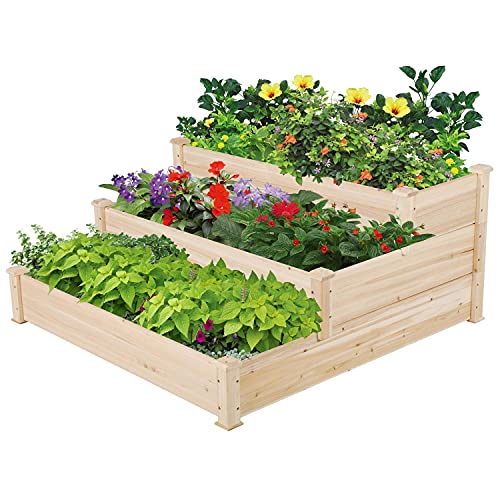
【Selected Materials】Made of natural fir wood without painting, this garden bed for horticulture is well sanded to ensure safe use. The 0.6" thick solid wood boards fixed by metal hardware are ready for long-term use.
1. Rustic Stone Terracing
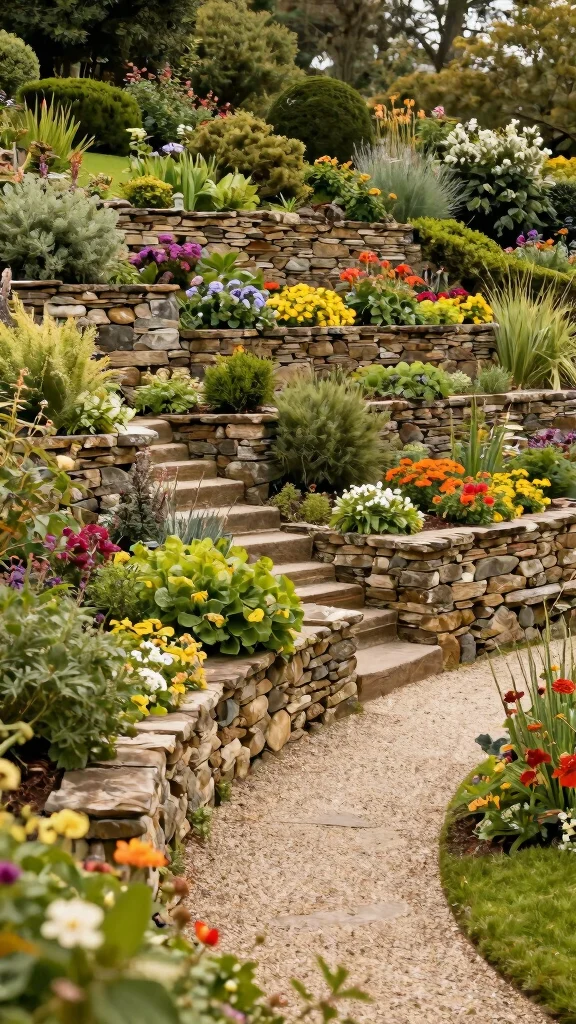
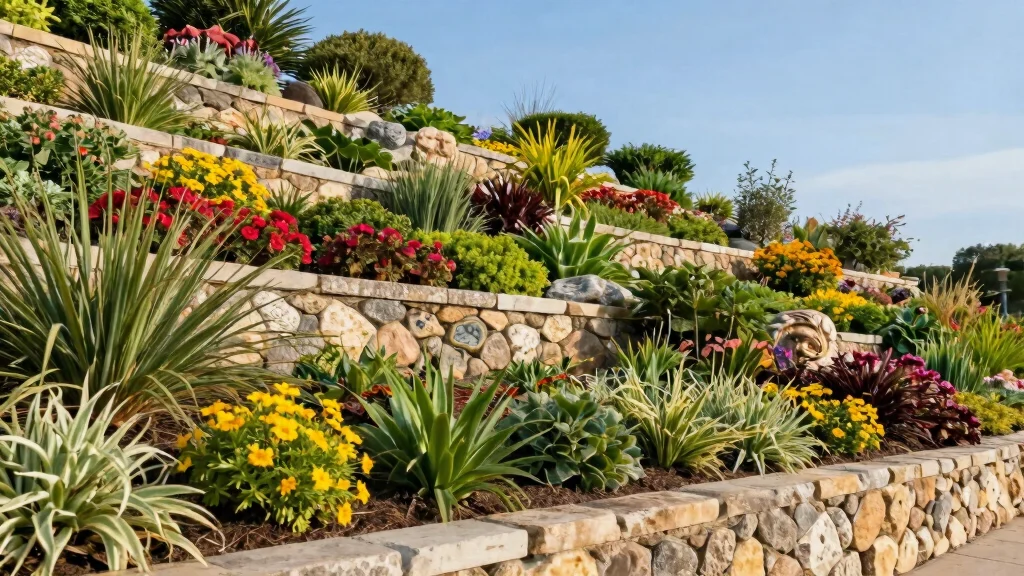
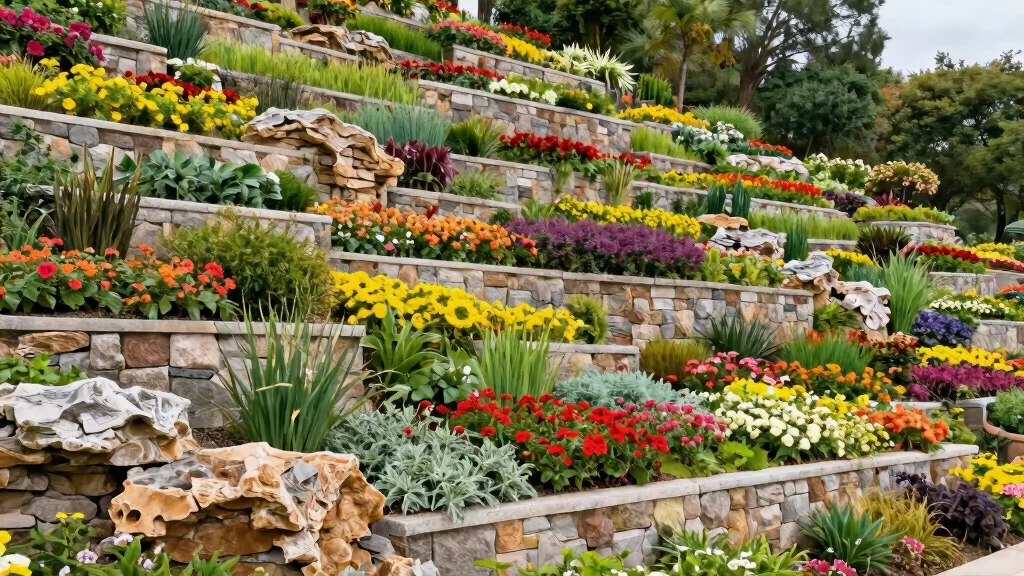
Bring a touch of rustic charm to your sloped backyard with stone terracing. By using locally sourced stones, you can create sturdy retaining walls that not only hold back the soil but also define beautiful tiers in your landscape. This method enhances visual appeal while preventing erosion, allowing your plants to flourish. Imagine vibrant shrubs and perennial flowers spilling over the edges, creating a stunning display each season.
To get started, think about your stone selection and how it fits into your natural surroundings. Add gravel paths between the tiers for texture and easy access. Opt for drought-resistant native plants to keep maintenance low while helping the environment.
Key steps to create your rustic stone terrace:
– Choose stones that harmonize with your landscape.
– Incorporate gravel paths for added texture.
– Plant drought-resistant native species for sustainability.
This design not only beautifies your space but also supports a thriving garden ecosystem.
Recommended Products
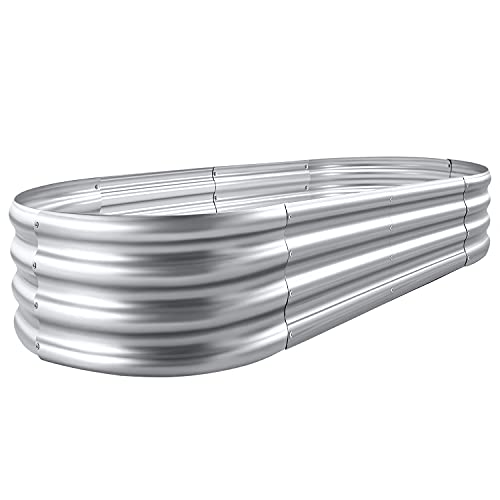
Each raised metal garden bed size: 4×2×1ft ,7.14Cu

Raised Garden Bed - Add a new level of convenience to your gardening experience with the Galvanized Raised Garden Bed. Enjoy expanded yield and a more assembled garden layout with this garden accessory, each sized at 120 cm X 60 cm x 30 cm.

High-Quality PE Material with Drainage Hole: Crafted from durable and flexible PE material, these grow bags are built to withstand outdoor conditions without cracking. The bottom drainage hole provides essential airflow to roots and prevent overwatering and root rot, ensuring your plants thrive in a well-aerated environment.
Rustic Stone Terracing
Editor’s Choice

4oz Non-Woven Geotextile Weed Barrier Fabric, 3FTx50FT Heavy Duty Durabl…


GASPRO 15lb Natural River Rocks Decorative Rocks for Plants and Garden L…
RTS Home Accents Rock Lock Interlocking Landscape Edging and Border Syst…
2. Elevated Vegetable Gardens
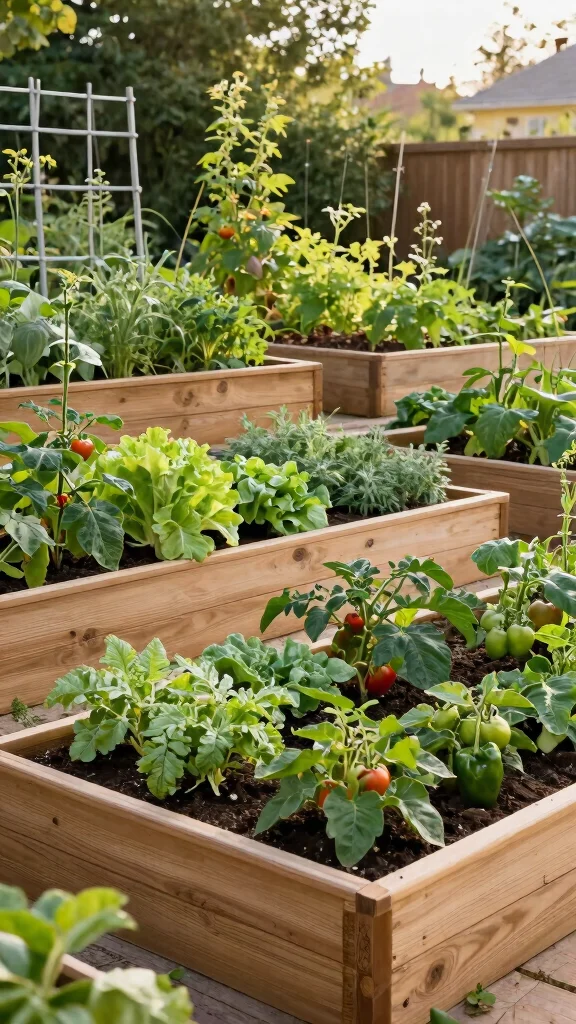
Transform your sloped backyard into a sustainable food source with elevated vegetable gardens. These gardens are not just practical; they can also be visually appealing. By building raised beds along the slope, you can enhance soil quality and drainage while making gardening easier on your body. Layered beds constructed from timber or stone create distinct planting areas, ensuring all plants receive ample sunlight.
Consider planting a variety of vegetables that grow well together, such as tomatoes, peppers, and herbs. Use companion planting to naturally boost growth and deter pests. Adding trellises allows vining plants to flourish while saving space.
Backyard gardening tips:
– Select a mix of compatible vegetables for better yields.
– Implement companion planting for natural pest control.
– Add trellises for vertical growth and interest.
Your elevated vegetable garden can become a striking centerpiece, providing fresh produce right from your backyard.
Recommended Products

HANGING CUPS TIER DESIGN: Features 6 cascading cups that create a stunning waterfall effect for your home or garden. The soothing movement of water provides a peaceful ambiance, making it perfect for patios, entryways, yards, or indoor spaces.

RELAXING WATERFALL FEATURE: This tabletop fountain creates a soothing atmosphere with gently cascading water. Perfect for desks, bedrooms, or offices, it promotes relaxation and reduces stress while adding a peaceful decorative accent to your space.

RELAXING WATER FLOW: This 4 Tier Rock Water Fountain features a soothing waterfall cascade, where water flows from tier to tier, mimicking the sound of a real waterfall. Ideal for creating a tranquil atmosphere in your garden, patio, backyard, or porch. With its consistent water flow powered by a reliable pump, this outdoor fountain adds a calming element to your outdoor décor, making it perfect for relaxation and stress relief.
Elevated Vegetable Gardens
Editor’s Choice

Yaheetech 8×2ft Wooden Horticulture Raised Garden Bed Divisible Elevate…

2 Pack Cucumber Trellis, 34″×48″ Garden Trellis for Climbing Plants Out…
Farmer’s Secret Soil Revitalizer (32oz) – Organic (OMRI Listed) Dirt H…
3. Multi-Level Patios
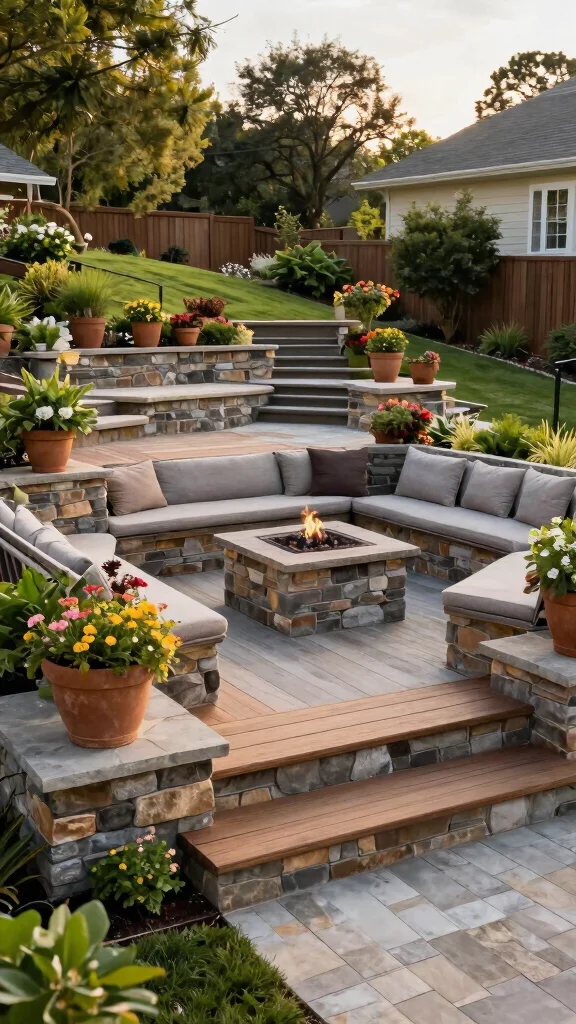
Create a welcoming outdoor living space with multi-level patios designed for your sloped backyard. These patios offer functional areas for relaxation and entertaining, beautifully blending with the surrounding landscape. Use materials like flagstone or composite decking to build each level, ensuring both durability and beauty. Features like built-in seating and fire pits transform your patio into a cozy gathering spot for friends and family.
Incorporate planters filled with vibrant flowers along the edges to soften hard surfaces. Make sure to include steps between levels for easy movement. Position the upper patio to take advantage of stunning views of your garden and surroundings.
Landscape design ideas:
– Add planters with flowering plants to enhance aesthetics.
– Include steps for safe and easy transitions.
– Ensure upper patios offer great garden views.
These multi-level patios will become your favorite retreat, perfect for outdoor gatherings with loved ones.
Recommended Products

【Perfect Design】The perfect solution for any gardening enthusiast who wants to save space and grow plants in style! Our vertical garden planter is not only functional but also aesthetically pleasing, adding a touch of elegance to any outdoor or indoor space.

Open Tiered Design for Optimal Sunlight: This tiered raised garden beds outdoor features an open, layered structure that ensures flowers, vegetables, and cherry tomatoes receive even, natural sunlight-eliminating shading and promoting healthier growth

Space-Saving : This strawberry planter maximizes your gardening space by stacking 5 layers to grow more plants in a compact area. The strawberry tower planter is ideal for patios, balconies, or indoor use
Key Trade-offs & Our Top Pick
1. Rustic Stone Terracing
– Pros:
– Offers a natural look that blends well with the environment.
– Durable and can withstand weather changes.
– Cons:
– Can be expensive due to material costs.
– Heavy stones require professional installation.
– Best for: Homeowners looking for an organic, aesthetic appeal that lasts.
2. Elevated Vegetable Gardens
– Pros:
– Provides easier access for gardening without bending over.
– Keeps plants safe from pests that live in the ground.
– Cons:
– Requires more planning and maintenance than traditional gardens.
– Initial setup can be labor-intensive.
– Best for: Garden enthusiasts who want to grow their own food in style.
3. Multi-Level Patios
– Pros:
– Creates distinct outdoor living areas for different activities.
– Can enhance your home’s value with stylish design.
– Cons:
– Installation can be costly and time-consuming.
– Requires good drainage to prevent water pooling.
– Best for: Families who love entertaining and need versatile spaces.
4. Water Features on Different Tiers
– Pros:
– Adds soothing sounds and a serene atmosphere to your backyard.
– Attracts wildlife like birds and butterflies.
– Cons:
– Regular maintenance is needed to keep water clean.
– Can be expensive to install, especially with pumps and plumbing.
– Best for: Those looking to create a peaceful outdoor retreat.
5. Creative Pathways Connecting Tiers
– Pros:
– Guides visitors through your yard, showcasing various features.
– Can be crafted from different materials for a unique look.
– Cons:
– May require regular upkeep to prevent overgrowth.
– Can become slippery when wet if not constructed properly.
– Best for: Homeowners wanting to add functional beauty to their landscape.
Expert Recommendation:
Best Overall: Rustic Stone Terracing
Rustic stone terracing is our top choice for most people due to its blend of aesthetic appeal and durability. It enhances the natural beauty of your sloped backyard while providing solid support for various plants. While the initial costs might be higher, the long-term value and minimal maintenance make it a wise investment. You can enjoy your beautiful landscape for years to come without much worry.
Why We Picked This:
We recognize that not everyone may prefer rustic stone terracing. If you’re a gardening enthusiast, elevated vegetable gardens might suit you better for their accessibility. For families, multi-level patios can provide a perfect gathering spot. Consider your lifestyle and the specific use case that best fits your needs when choosing the right option. Each feature offers unique benefits and limitations, so choose what aligns best with your vision for your sloped backyard.
Recommended Products

Perfect planting choice: The absence of a bottom panel simplifies installation while enhancing drainage and aeration. This design facilitates rapid water runoff and promotes air circulation around the roots, creating a healthier growing environment.

Large capacity: Provide enough growth space for deep-rooted plants like potatoes, tomatoes, broccoli, etc. Tall enough to keep pets away from the garden planter and give you easy access!

Practicality: Measuring 4 x 2 x 1 ft, this planter lets you grow your favorite plants and flowers, overflowing with happiness.
Multi-Level Patios
Editor’s Choice

Suncast 7 Pack Quick Edge Resin Material 35 Inch Single Strip Natural St…

RELIANCER 35.5” Fire Pit Ring,Outdoor Smokeless Fire Pit Liner,Heavy Du…

Polymer Composite Interlocking Deck Tiles Outdoor,12×12 Thick Composite …
4. Water Features on Different Tiers

Enhance your landscape with tiered water features that bring tranquility to your backyard. A cascading fountain or pond can serve as a captivating focal point, drawing attention to your yard’s elevation. By placing water elements at various levels, you create visual interest while providing a peaceful ambiance that attracts beneficial wildlife.
Select natural stones for a seamless integration with your landscaping. Include aquatic plants to elevate the beauty and function of your water feature. Don’t forget to set up proper filtration to keep your feature sustainable and easy to maintain.
Water feature integration tips:
– Use natural stones for a cohesive landscape.
– Add aquatic plants for beauty and function.
– Ensure proper maintenance systems for sustainability.
Water features not only enhance aesthetics but also create a serene retreat for relaxation.
Did you know tiered water features can visually multiply elevation by up to 30% in a tiered landscaping sloped backyard? Place cascading elements on different levels to create tranquil focal points and invite wildlife. Start with natural stones and aquatic plants for a seamless, sustainable touch.
Recommended Products

MODERN FOUNTAIN: Sphere pedestal fountain is the ideal addition to your decor, and features an interior pump that keeps the water flowing - just plug it in.

Outdoor Water Fountain: With its modern design, the waterfall fountain is perfect for your outdoor home and interior decoration. Especially in the evening, the lighting creates a visually appealing and tranquil atmosphere

ELEGANT TIERED DESIGN: Features a beautiful pedestal with three cascading tiers and fish accents, creating a striking focal point for your garden or backyard. The flowing water adds movement, charm, and a relaxing visual appeal to any outdoor space.
Water Features on Different Tiers
Editor’s Choice

Floating Plants for Water Gardens and Ponds (Water Lettuce)

Sunset Landscaping with Stone: Natural-Looking Paths, Steps, Walls, Wate…

Alpine Corporation WCT202 Indoor Tabletop Tiered Water Fountain Featurin…
5. Creative Pathways Connecting Tiers

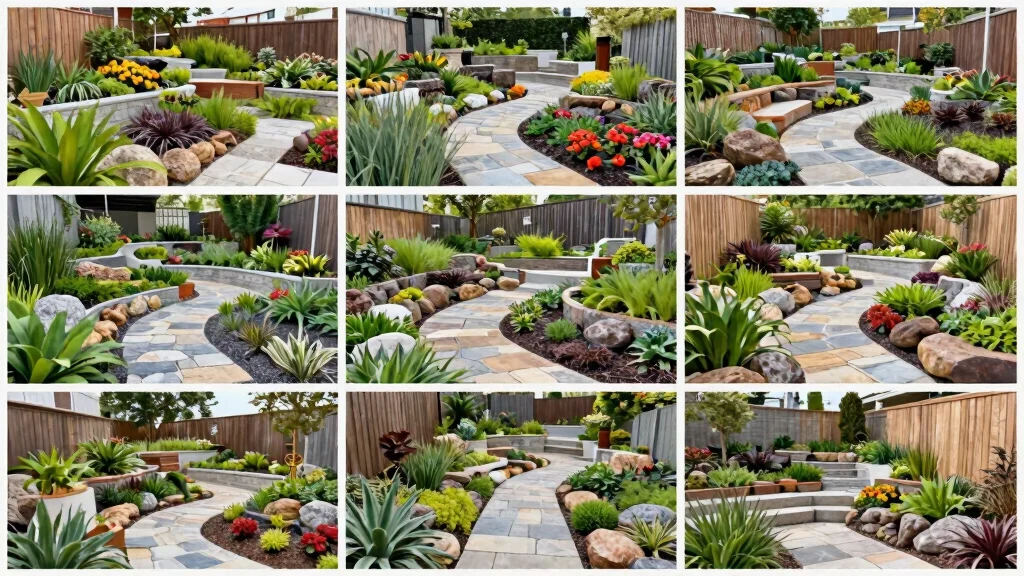
Pathways are vital in a tiered landscape, offering safe passage between different levels. Choose creative designs that incorporate materials like cobblestones, gravel, or wooden steps to add visual interest. These pathways serve a practical purpose while guiding visitors through your garden, showcasing a variety of plants and features.
Mix different materials for a unique look that reflects your style. Incorporate curves in your pathways to create a sense of flow. Add lighting along the paths for safety and a warm ambiance during the evening.
Pathway design ideas:
– Combine materials for a personalized appearance.
– Use curves to enhance movement and flow.
– Install lighting for safety and atmosphere.
Thoughtfully designed pathways can transform your backyard into a magical journey, inviting exploration at every turn.
Recommended Products

【Tiered Vertical Raised Garden Bed】Split-level and ladder design can offer ample spce for plants to grow and plant on each tier can receive enough sunshine. In addition, the triangular design of the base legs makes the planter stand more stable when bearing weight.

【4 Tier Vertical Raised Garden Bed】: Overall Dimensions: 16.8*18.3*41.5 inches. Each planter box size: 16.8*7.02*5.5 inches. This raised planter box works great on patios, balconies, decks and backyards. Designed vertically with proper height, it leaves ample growing space for lower-layer plants and saves you from frequent bending while gardening.

Sturdy and Durable-The vertical garden planter is made with a sturdy all-metal frame to ensure durability and longevity. The stable triangular design provides reliable support for your herbs, flowers, vegetables and more
You might also like
Creative Pathways Connecting Tiers
Editor’s Choice

Natural Pebble Stepping Stones for Garden & Outdoor Walkways – 9 Inch Ro…

40 LBS Grey Pea Gravel – Landscape Rocks – Drainage Rock – Gardening – A…

Greluna Solar Lights Outdoor,12 Pack 3000K Waterproof Auto On/Off Solar …
6. Colorful Flower Beds Across Levels
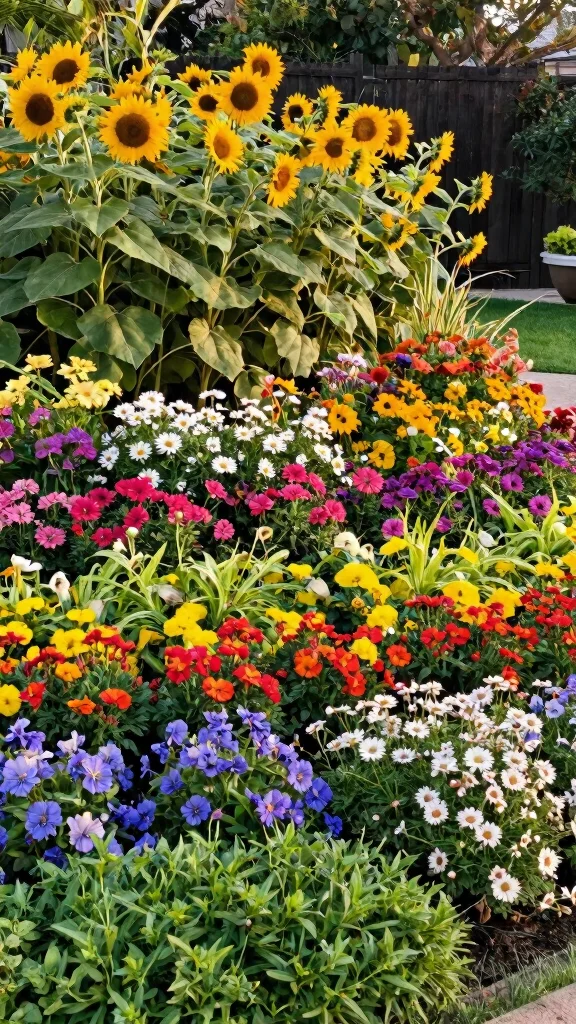
Introduce vibrant flower beds across the tiers of your sloped backyard for a striking visual effect. By selecting flowers that bloom at different times throughout the year, your garden will remain colorful in every season. Layer plants by height, placing taller varieties at the back and shorter ones in front to create depth and ensure sunlight reaches all flowers.
Choose a mix of perennial and annual flowers for continuous blooms. Incorporate ground cover plants to prevent erosion and add greenery between tiers. Seasonal color schemes can keep your garden fresh and dynamic.
Tiered garden ideas:
– Mix perennials and annuals for year-round color.
– Use ground cover to prevent erosion and enhance greenery.
– Plan seasonal color schemes for a vibrant display.
Your layered flower beds can showcase your gardening creativity, making your backyard a stunning display of nature’s beauty.
Recommended Products

2 feet height: Compared with the ordinary 1-foot garden bed, this raised garden box has been improved in all aspects in terms of aesthetics, stable performance, and soil volume. It is time to replace the previous small planter box with a large raised planter box Now, it must be your better choice! ! !

【18’’ Growing Depth】Measuring 48"(L) x 24"(W) x 18"(H), the metal raised garden bed holds 89 gallons of soil and provides extra large growing space for vegetables, fruits, flowers and other plants.
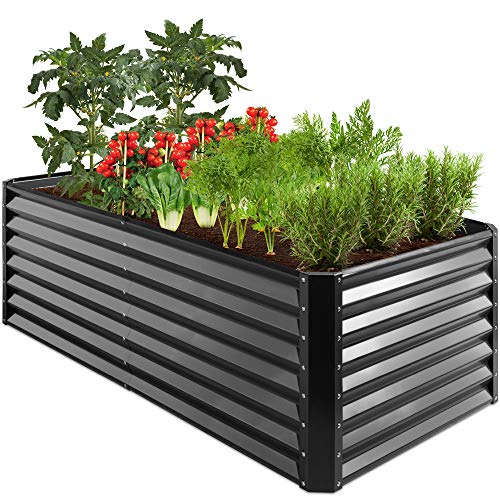
2FT GROWING DEPTH: 24 inches of depth holds up to 269 gallons of soil-great for medium to deep rooting plants and vegetables like broccoli, beans, and more; Note: This product does not include a bottom panel
📹 Related Video: How to Build a Terraced Garden Bed on a Slope
Colorful Flower Beds Across Levels
Editor’s Choice

Miracle-Gro Organic Outdoor Potting Mix – Plant Soil for Outdoor Contain…

Garden Tools Set, 3 Pack Heavy Duty Gardening Tools Set Include Garden S…

21500pcs Creeping Thyme Seeds for Planting Outdoor, Hardy Perennial Grou…
7. Cozy Fire Pits on Elevated Platforms
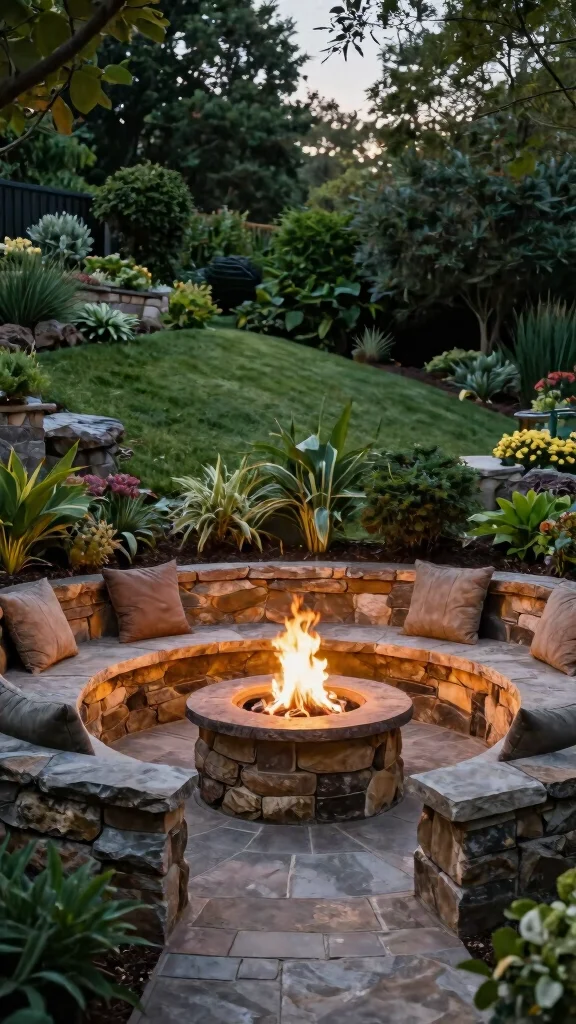
Picture gathering around a warm fire pit on an elevated platform in your sloped backyard. This feature not only serves as a gathering spot during cool evenings but also adds a beautiful visual element to your landscaping. Build a circular seating area using natural stones or timber around the fire pit for an inviting atmosphere. Elevating this area enhances aesthetics and offers a unique vantage point for enjoying views.
Select fire-resistant materials for the seating and pit construction. Surround the area with greenery to soften hardscapes. Use decorative stones or mulch around the fire pit to boost visual appeal.
Backyard fire pit tips:
– Choose fire-resistant materials for safety.
– Integrate greenery to soften hard surfaces.
– Add decorative elements around the fire pit.
A fire pit surrounded by tiered landscaping creates cherished memories, blending warmth and beauty perfectly.
Recommended Products

BARREL FOUNTAIN: This rustic tiered garden water fountain features an interior pump that circulates water through three barrel layers, creating a soothing waterfall effect, adding charm, movement, and relaxing ambiance to your outdoor patio, deck, or garden.

RELAXING WATER FLOW: Enhance your outdoor space with the Alpine Corporation 2 Tier Barrel and Pump Water Fountain. Water gently cascades from the pump spout into the rustic barrel tiers, creating a soothing and peaceful ambiance. Perfect for relaxing in your garden, patio, or yard, this fountain adds a tranquil touch to your outdoor oasis, helping you unwind and enjoy nature’s calming sounds.

6-TIER CASCADING WATERFALL DESIGN: Designed with a classic top faucet and 6 stacked metal cups connected by elegant hanging chains, water gracefully drops from tier to tier into the large base reservoir. This creates a captivating visual centerpiece that mimics the soothing beauty of a natural waterfall.
Cozy Fire Pits on Elevated Platforms
Editor’s Choice
Arcadia Garden Products Outdoor Fiberclay Garden Bench for Patio, Porch,…

THOEOE Stackable Adirondack Chair Set of 4, HDPE All-Weather Adirondack …

Portable Outdoor Fire Pit 22 Inch – New Upgraded Camping Fire Pit Collap…
8. Vertical Gardens on Sloped Walls
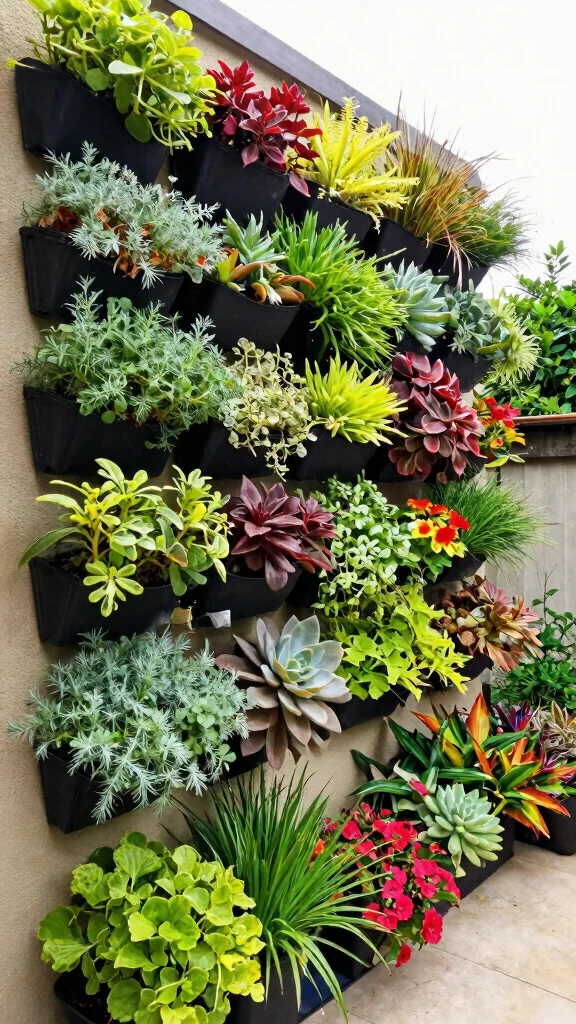
Maximize your planting area by creating vertical gardens on the walls of your sloped backyard. These gardens efficiently use space while adding a striking design element to your landscape. With wall planters or trellises, you can grow various plants vertically, increasing visual impact and providing natural insulation to your walls.
Select plants that thrive in your climate and adapt to vertical growth. Incorporate diverse textures and colors for a visually engaging display. Ensure proper irrigation and maintenance for healthy plants.
Vertical garden tips:
– Choose plants suited to your climate and vertical conditions.
– Mix textures and colors for visual interest.
– Plan for irrigation and maintenance for thriving plants.
Vertical gardens can become a focal point, showcasing your gardening skills while maximizing available space.
Vertical gardens can add up to 2x the planting area on sloped walls. Use wall planters or trellises to boost visual impact and efficiency, a smart move for tiered landscaping sloped backyard needs.
You Might Also Like

Vertical Gardens on Sloped Walls
Editor’s Choice

Legigo 6 Pack Square Tomato Cages- 60 Inch Heavy Duty Tomato Trellis for…

Make Good PlantPod Luxe – Self-Watering Wall Planters (Set of 6) – Easy …
9. Sustainable Native Plant Landscaping
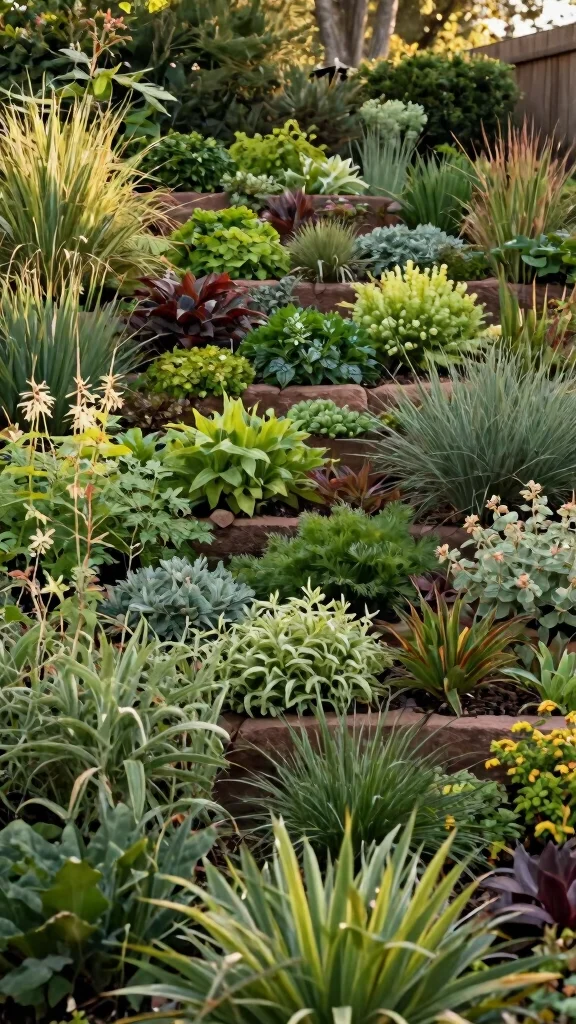
Choosing native plants for your tiered landscaping not only enhances your backyard’s beauty but also supports the local ecosystem. Native plants are well-adapted to their environment, requiring less water and maintenance while providing essential habitats for wildlife. Layer native species across your tiers to create a cohesive look that blends seamlessly with nature.
Research local plants that are drought-tolerant yet beautiful. Group plants with similar water and sunlight needs for easier care. Encourage wildlife by including indigenous flowers that attract pollinators.
Native landscaping tips:
– Investigate local, drought-tolerant plants for your garden.
– Group plants by care requirements for simplicity.
– Attract pollinators with native flowers.
Opting for native plants creates a beautiful landscape while promoting environmental responsibility.
Fun fact: Native plants can cut irrigation needs by up to 50% in a tiered landscaping sloped backyard. They attract pollinators and require less maintenance, turning elevation into a sustainable feature you can enjoy.
Sustainable Native Plant Landscaping
Editor’s Choice

XLUX Long Probe Deep Use Soil Moisture Meter, Water Monitor Indicator Se…
Back to the Roots 100% Organic Mulch, 58 Quart, Expanding Coconut Husk B…

Native Plants for Wildlife Habitat and Conservation Landscaping (Color P…
Conclusion
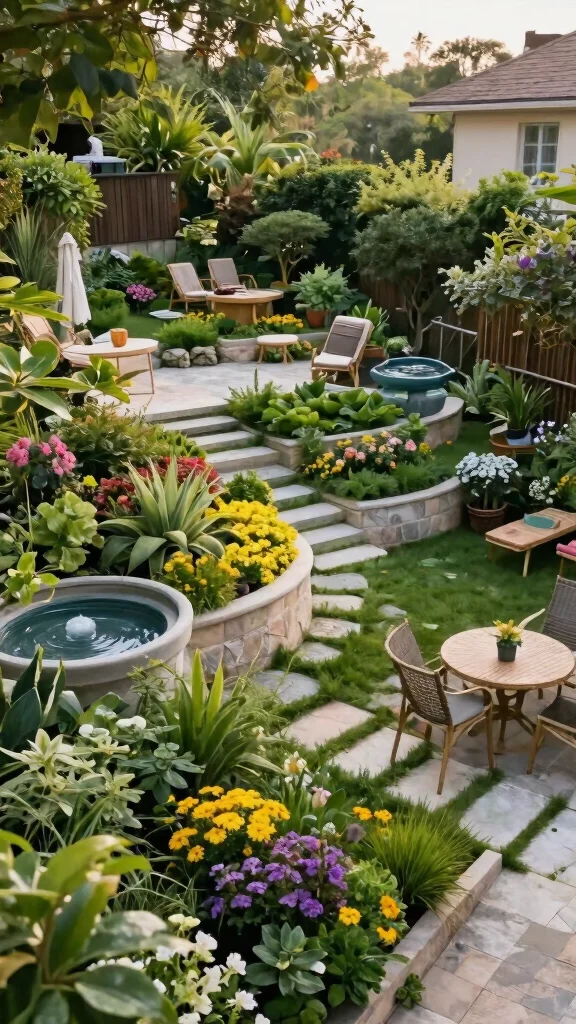
Tiered landscaping in a sloped backyard has the potential to turn challenging elevation into a stunning feature of your outdoor space. From rustic stone terraces to vibrant flower beds and cozy fire pits, the possibilities are endless. By embracing sustainable practices and incorporating native plants, you can create a garden that’s not just visually appealing but also environmentally friendly.
Let these ideas inspire you to elevate your sloped backyard into a dramatic and beautiful retreat where every tier tells a story.
Note: We aim to provide accurate product links, but some may occasionally expire or become unavailable. If this happens, please search directly on Amazon for the product or a suitable alternative.
This post contains Amazon affiliate links, meaning we may earn a small commission if you purchase through our links, at no extra cost to you.
Frequently Asked Questions
What are the key benefits of tiered landscaping sloped backyard designs for elevation and sustainability?
Tiered landscaping sloped backyard designs turn elevation into dramatic focal points while delivering practical benefits like better soil health and water efficiency.
By splitting a slope into level planting zones, you reduce runoff, prevent erosion, and improve irrigation efficiency, which makes your garden more sustainable.
This approach also creates microclimates for diverse plant choices and allows for accessible paths and seating areas.
Best of all, properly planned tiers can simplify maintenance and create multiple personalized garden rooms that feel cohesive and intentional.
How can I design a sloped garden using tiered garden ideas that are sustainable?
Start with a site assessment of the slope and drainage, then pick a tiered garden idea that fits your space and climate.
Use simple, durable materials and landscape terracing techniques to build sturdy levels, while choosing native plants for a sloped garden design.
Plan an efficient irrigation strategy and soil amendments to promote healthy root systems without waste, and keep edging clean to preserve the look of your tiers.
This yields elevated landscaping solutions that are both beautiful and sustainable.
What backyard elevation tips help maximize drama with tiered garden ideas?
Start by identifying your focal point and the path that connects tiers, then place seating and lighting to draw the eye across the levels.
Use varying plant heights and color to create depth, and keep a simple, layered planting plan that aligns with sustainable practices like mulch and drought-tolerant natives.
These backyard elevation tips help you achieve dramatic, cohesive garden scenes that feel larger than the space.
Which landscape terracing techniques work best for sloped backyards while staying environmentally friendly?
Common techniques like dry-stone retaining walls, gabions, and reinforced timber terraces anchor soil on slopes.
Pair them with proper drainage—French drains or perforated pipes—to manage runoff and soil moisture.
Choose native or drought-tolerant plants to stabilize soil and minimize maintenance, making these landscape terracing techniques both practical and sustainable.
How do I maintain and care for a tiered landscaping sloped backyard to keep it thriving year after year?
Create a simple yearly care schedule: water management checks, seasonal pruning, and compost/top-dress in spring.
Mulch to conserve moisture, control weeds, and protect soil structure, and use native plants that require fewer inputs.
Regularly inspect drainage after heavy rains and adjust irrigation to match rainfall and temperature. With a little routine, your tiered landscaping sloped backyard stays vibrant and sustainable.
Related Topics
tiered landscaping
sloped backyard
sustainable gardening
backyard design
landscape terracing
elevated gardens
creative slopes
beginner friendly
diy landscaping
outdoor aesthetics
landscape techniques
seasonal gardening