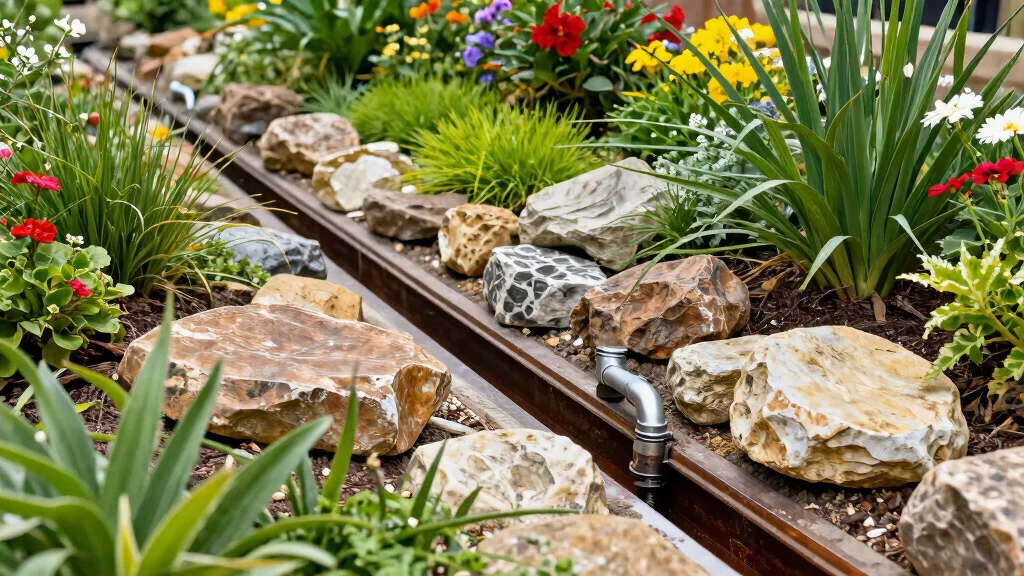
Gardening in urban spaces can come with its unique challenges, especially when it comes to managing water. With heavy rainfalls, improper drainage can lead to muddy patches and water pooling, which can spoil the beauty of your garden. That’s why I created this post to help you tackle those pesky water problems while still keeping your outdoor space looking stunning. You don’t have to sacrifice aesthetics for functionality. With the right french drain landscaping ideas, these two elements can actually work hand in hand.
If you’re a gardening enthusiast or a homeowner looking to enhance your outdoor environment, this guide is tailored just for you. Maybe you’re tired of soggy spots in your yard or fed up with mud ruining your plants. Perhaps you want to create a visually appealing landscape that also serves as an effective water management system. Whatever your motivation, you’ll find practical tips and creative solutions here that prioritize both form and function.
You can look forward to discovering ten innovative ideas that incorporate french drain landscaping into your garden design. From decorative drainage grates to beautiful rain gardens, you’ll see how easy it is to create a visually appealing environment that handles water issues like a pro. Get ready to transform your space into a sustainable urban oasis that’s both practical and gorgeous.
Key Takeaways
– Rock Gardens: Use rock gardens as a natural drainage solution that adds texture and beauty to your yard while managing water flow.
– Water Features: Incorporate overflow French drains with charming water features, creating a serene atmosphere while addressing drainage challenges.
– Decorative Drain Covers: Elevate your garden’s aesthetics with decorative drain covers that blend functionality with artistic design.
– Layered Planting Techniques: Implement layered planting techniques to enhance drainage while creating visual interest and biodiversity in your garden.
– Rain Gardens: Plant rain gardens to promote eco-friendly drainage solutions, turning water management into a vibrant display of native plants.
Recommended Products

Professional-Grade Heavy Duty PET Fabric: Made from premium needle-punched PET fibers, this non woven geotextile fabric is thicker, stronger, and more durable than standard landscape fabrics. Built for demanding drainage, filtration, and soil separation applications, it provides long-lasting performance for residential and commercial landscaping projects.

HEAVY DUTY – 5 Ounce heavy duty garden weed barrier fabric – Don’t settle for lighter weights, ours is a true 5 oz; One side is PP woven landscape fabric for strength and the other side is needle punched for to help filter a retain water

【5OZ Driveway Fabric】-Our 5 Ounce Heavy Duty Geotextile made from High-Quality Polyethylene Material,tear-resistant, sturdy and durable.
1. Rock Gardens That Double as Drainage Solutions
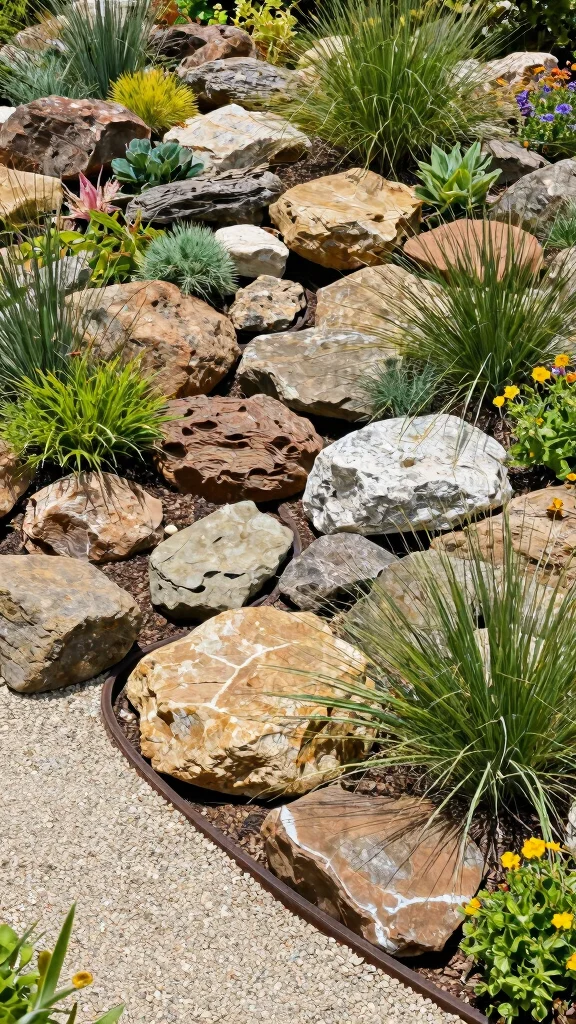
You want a beautiful garden that also tackles water issues, right? Rock gardens are the ideal choice, combining stunning visuals with effective drainage. By using a mix of gravel and stones, you can create unique landscapes that support drought-resistant plants while managing excess water efficiently.
Start by choosing plants that are suited for dry conditions, like succulents and ornamental grasses. Strategically place rocks around your French drains to enhance both their function and your garden’s beauty. Varying the size of the stones adds depth and intrigue, making your landscape even more appealing.
Key features of a rock garden:
– Use drought-tolerant plants for easy care
– Incorporate French drains for effective water management
– Arrange varied rock sizes for visual interest
This combination not only elevates your garden’s aesthetic but also ensures it thrives, even during dry spells.
Recommended Products

Reinforced Fiberglass Structure: Made from polyethylene reinforced with 20% fiberglass, creating a stronger storm drain grate compared with standard plastic grates. The reinforced structure improves durability and helps the grate maintain shape under regular outdoor use.

Versatility: Highly valued by customers for its adaptability, fitting seamlessly with various types of 4-inch pipes, including sewer, drain, single-wall corrugated, and triple-wall pipes.

IMPORTANT: Made for 4" Sewer, Drain, Single Wall Corrugated, and Triple Wall Pipes. Measure the inside of your pipe and if it is 4" then this will fit. If it is smaller or larger then it will not fit.
Rock Gardens That Double as Drainage Solutions
Editor’s Choice

Virekm River Rocks, Decorative Ornamental Pebbles,Garden Landscaping Sto…


Airmax CrystalClear TrueRock Outdoor Faux Rock Cover, Artificial Landsca…

Mountain Crest Gardens Hardy Succulent Variety Pack – 12 Frost-Tolerant …
2. Incorporating Water Features with Overflow French Drains

Are you dreaming of a serene water feature in your garden? Fountains and ponds can be breathtaking, but they also require smart drainage solutions. By incorporating overflow French drains, you can create a stunning and functional space that handles excess water beautifully.
When planning your water feature, think about positioning it on a slope for natural drainage. Ensure that the overflow drain directs water to a dry creek bed, allowing for absorption and preventing flooding. Choosing stones that complement both your feature and the surrounding landscape ties everything together harmoniously.
Benefits of water features:
– Create a soothing ambiance with the sound of flowing water
– Attract wildlife to enhance your garden ecosystem
– Utilize overflow drains for effective water management
This thoughtful design not only beautifies your garden but also keeps it healthy and vibrant.
Recommended Products

【HIGH QUALITY RESIN】Our flower pots are made of robust and durable resin. High-quality thick materials and special procedures ensure that the planters do not crack or fade over time. Such flower pots can be placed indoors or outdoors for a very long time, no need worry about rain or sun.

【GIFT FROM NATURE】 - These stones are non-toxic, environmentally friendly and high-quality stones. These river rocks are formed naturally over a long period of time, so there will be no problems such as fading. These river rocks are round and have some special shapes. Every stone is different. Reminder: If you want to put these stones in the water, please wash these stones with warm soapy water beforehand

Cute Face Planter on Rocking Chair: this head flower pot has a smiley face,looks like a small guy reading on a rocking chair. when you put plants in it, just like this little guy has grown hair. if you flick the rocking chair, it will sway back and forth, how cute is that! Get one for yourslef, or as a gift for your friends and relatives!
Incorporating Water Features with Overflow Fren…
Editor’s Choice

Alpine Corporation 35″ Tall 3-Tier Outdoor Pedestal Water Fountain – D…
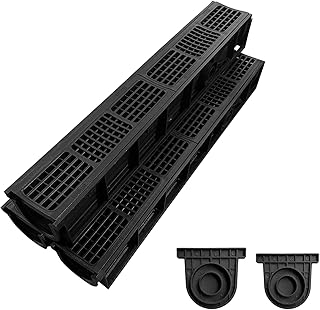
Driveway Channel Drain with HDPE Grate-39.4×6.1×5.5in Deep Profile Trenc…
Virekm River Rocks, Decorative Ornamental Pebbles,Garden Landscaping Sto…
3. Decorative Drain Covers for Enhanced Garden Aesthetics
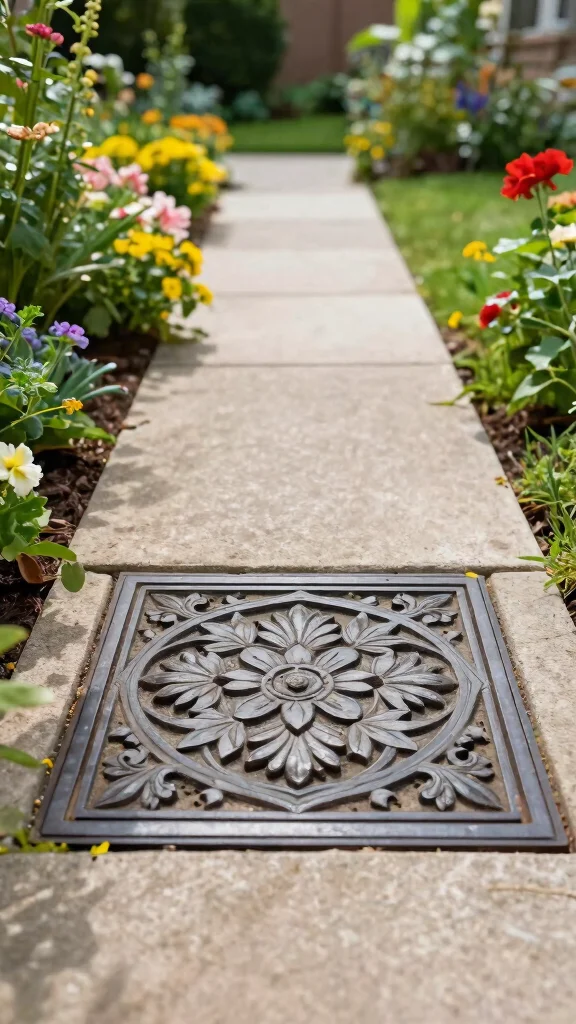
Do you think drainage has to be boring? Think again! Decorative drain covers can add a touch of elegance to your garden while serving a practical purpose. With artistic designs, these covers can turn ordinary drains into stylish elements that complement your garden’s theme.
When selecting covers, consider materials that suit your style. Metal options provide a rustic feel, while stone or concrete offers a modern touch. Position these covers in visible areas to enhance both functionality and the overall beauty of your garden.
Advantages of decorative drain covers:
– Add visual interest to your garden
– Ensure easy access for maintenance
– Allow for personalization with unique designs
This simple change can elevate your garden’s appearance while maintaining effective drainage.
Recommended Products

No internal linkages, reducing the chance of clogs in the overflow pipe.

Drain/Overflow Pipe Kit

T&S Brass has set the quality standard in the industry for almost 50 years
Decorative Drain Covers for Enhanced Garden Aes…
Editor’s Choice

Rubberific Premium Rubber Downspout Splash Block, Rain Guard, Stone Text…
4. French Drains as Garden Borders

Want to add structure to your garden while managing water? French drains can function as beautiful garden borders that define spaces and control drainage. This innovative approach enhances your landscape while ensuring efficient water management.
Use these drains to create clear boundaries between different garden areas, like lawns and flower beds. You can complement the drains with decorative stones or plants, turning them into a focal point of your garden design.
Why choose French drains as borders?
– Define spaces for a well-organized look
– Direct excess water away from sensitive plants
– Enhance visual appeal with decorative elements
This method not only keeps your garden tidy but also promotes healthy plant growth.
Recommended Products
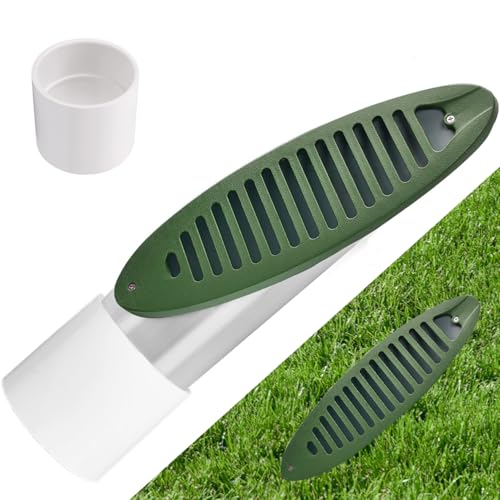
【 Easy to install 】 The Yard Drain Emitter is combined with a 4-inch connector, eliminating the hassle of finding an adapter. This combination is suitable for 4-inch drainage pipes and provides a perfect connection. Please check if your drainage pipe has an inner diameter of 4 inches/outer diameter of 4.5 inches

Stainless Steel Drain: Slotted Sewers are made of stainless steel to ensure durability without rusting in a variety of environmental conditions. This choice of material ensures longevity and consistent performance
📹 Related Video: DIY French Drain & Landscaping | River Rock | Yard Drainage Solution
French Drains as Garden Borders
Editor’s Choice

Wood Garden Edging, Wooden Fence Border Decorative Small Picket Panels f…

EasyFlex No-Dig Landscape Edging with Anchoring Spikes, 2.7 in Tall Deco…

Prestantious Low Profile Catch Basin Drain Kit Downspout Extender, 12″×…
5. Layered Planting Techniques for Optimal Drainage
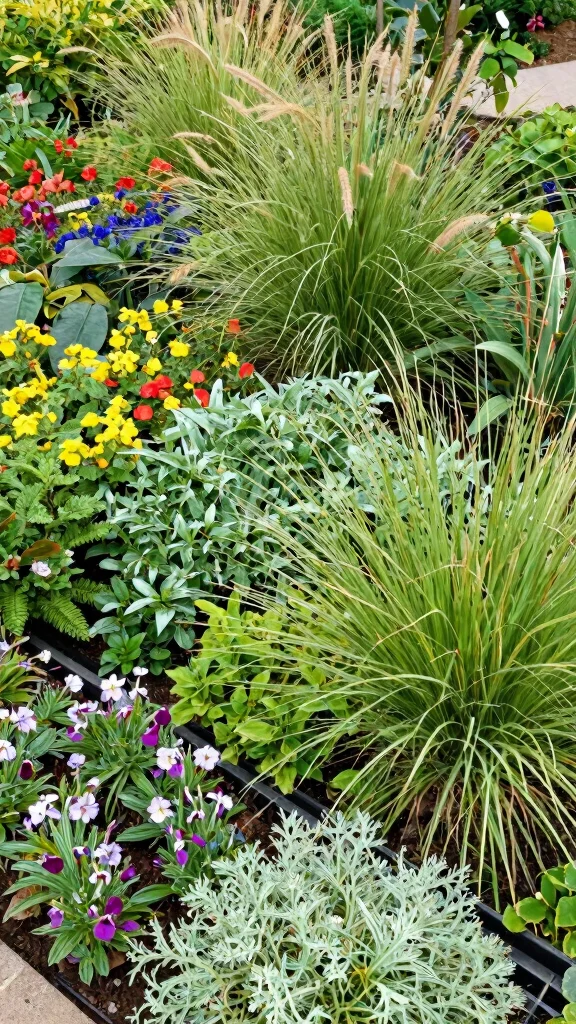
Are you looking to improve both aesthetics and drainage in your garden? Layered planting techniques can help you achieve both goals! By grouping plants with different water needs, you create a thriving ecosystem that naturally manages excess moisture.
Position taller plants at the back of your beds and shorter ones in front to create dimension. This arrangement helps absorb excess water while allowing drought-tolerant species to flourish. Monitor water patterns in your garden to adjust as needed for a sustainable planting scheme.
Benefits of layered planting:
– Promote water efficiency through strategic grouping
– Create visual depth for a dynamic landscape
– Enhance natural drainage with varied plant heights
This approach not only beautifies your garden but also ensures it remains healthy and balanced.
Layered planting can reduce surface runoff by up to 40% in urban gardens. Mix tall-back and short-front plants with varied water needs, and you create a natural french drain landscaping that looks stunning while handling excess moisture.
Recommended Products

HEAVY DUTY 8 OZ GEOTEXTILE FABRIC: Heavy duty non woven polypropylene drainage and filter fabric for French drains, retaining walls, road stabilization, erosion control, landscaping, rip rap, geocell, and construction projects.
【5OZ Driveway Fabric】-Our 5 Ounce Heavy Duty Geotextile made from High-Quality Polyethylene Material,tear-resistant, sturdy and durable.
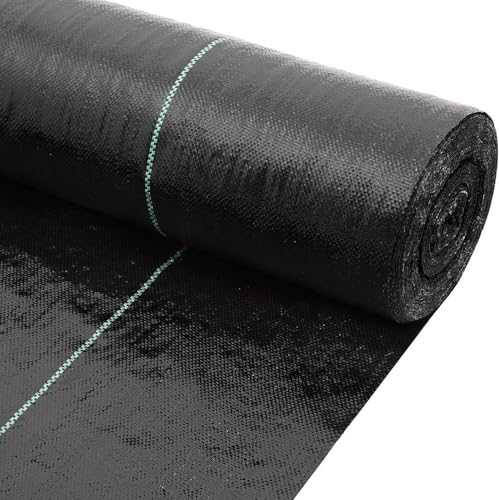
【3.5OZ Driveway Fabric】-Our 3.5 Ounce Heavy Duty Geotextile made from High-Quality Polyethylene Material,tear-resistant, sturdy and durable
You might also like
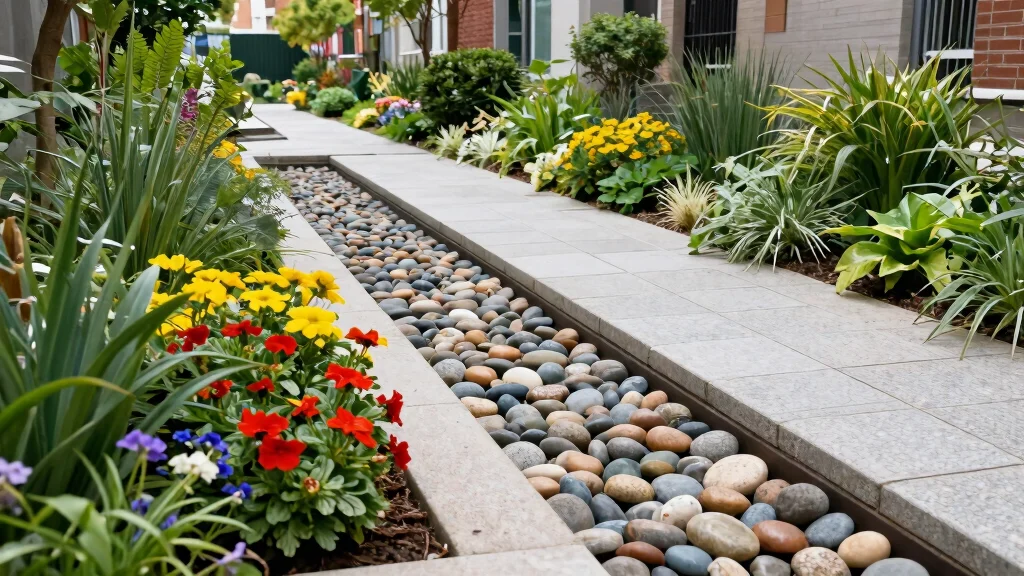

Layered Planting Techniques for Optimal Drainage
Editor’s Choice
Prestantious Low Profile Catch Basin Drain Kit Downspout Extender, 12″×…

YAMRON 4-in-1 Soil Moisture Meter, Digital Plant Temperature/Soil Moistu…

FEED GARDEN 4FT x 100FT Landscape Fabric Weed Barrier Fabric, Heavy Duty…
6. Creative Use of Pavers and Gravel Paths
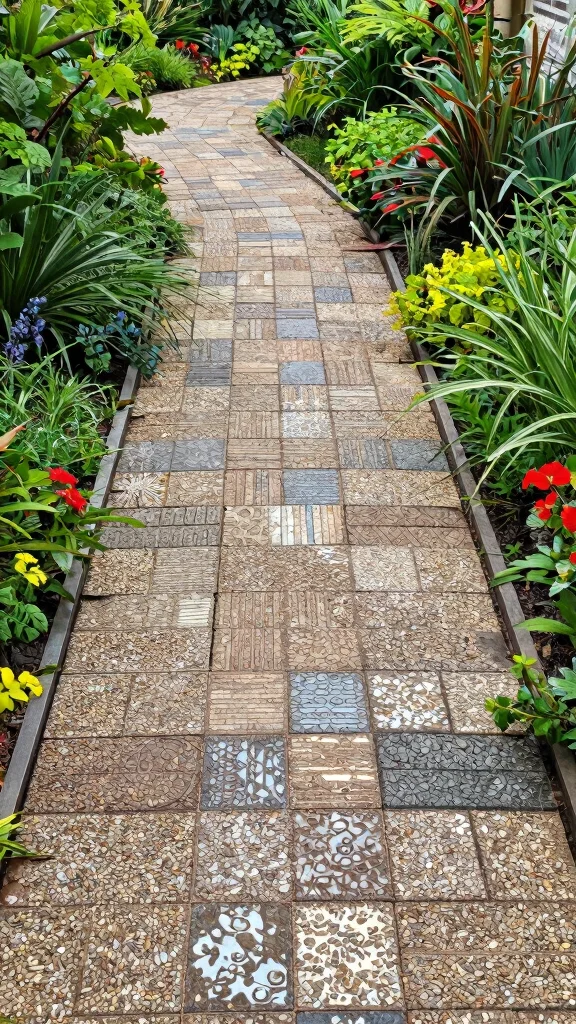
Looking for a way to beautify your garden while managing drainage? Pavers and gravel paths can do just that! These features not only enhance aesthetic appeal but also allow rainwater to percolate, improving absorption and reducing runoff.
Make sure to choose decorative gravel or textured pavers that align with your garden’s style. Integrate planting pockets next to the paths for added greenery and charm, while ensuring easy access for maintenance.
Advantages of paver and gravel paths:
– Encourage natural drainage while providing solid pathways
– Allow for flexible layouts to match your style
– Create a rustic appeal that enhances beauty
Regular maintenance will keep these paths looking great and functioning properly.
Recommended Products
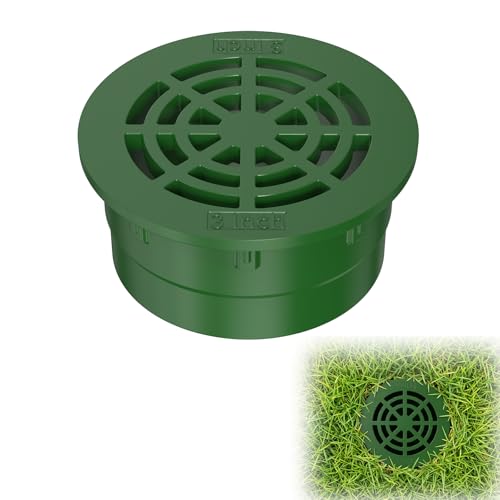
【Clear 3" Pipe Compatibility】Fits 3" SDR 35 sewer and drain pipe/fittings and 3" corrugated landscape pipe. For PVC fittings, a belled end / hub opening is required for proper fit.

Blocks Leaves & Debris: Keep your drainage system clear by preventing leaves and debris from clogging the pipeline while letting excess surface water flow freely. It fits a variety of 4-inch pipes, including sewer, drain, single-wall corrugated, and triple-wall types

Package Include: You will receive 2pcs 3" black grate drain covers
Creative Use of Pavers and Gravel Paths
Editor’s Choice
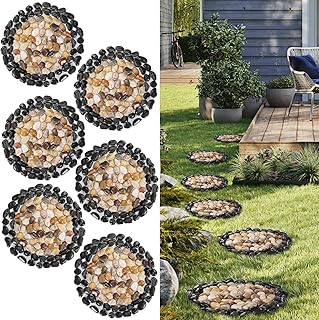
Garden Stepping Stones Outdoor,Pebble Stepping Stones for Garden Walkway…

DAIM Flip-Washer Staples, Garden Stakes, 6″ Metal Landscape Staples, Yar…

Mulctun 45LB Natural White Rocks, 1/4″-3/4″ Garden River Rock,Decorative…
7. Water-Saving Bioswales for Urban Gardens
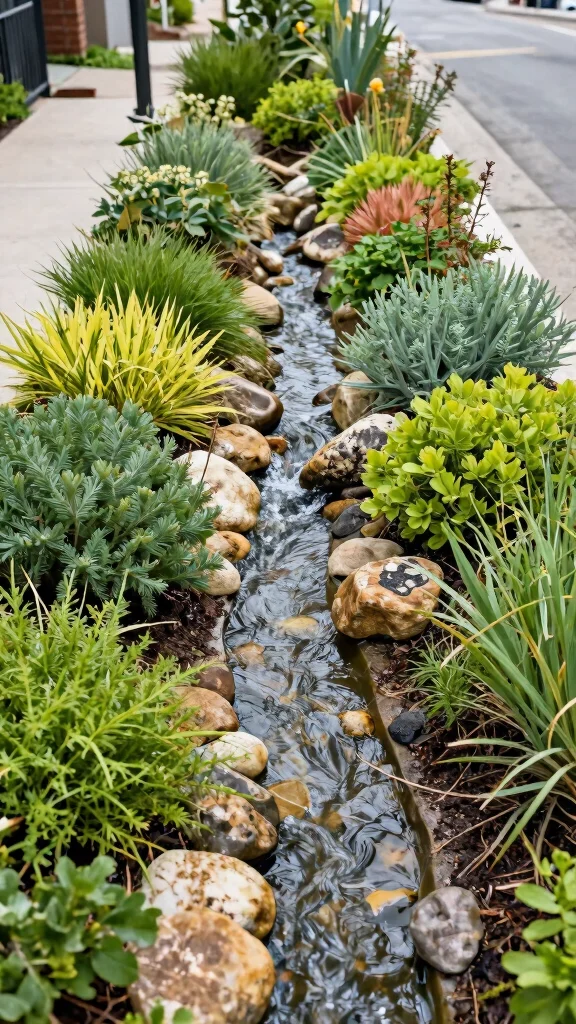
Are you seeking an eco-friendly solution for your urban garden? Bioswales are a fantastic option that effectively directs water to where it’s needed while minimizing runoff. These shallow, vegetated channels not only capture rainwater but also enhance drainage.
To create a bioswale, dig a channel filled with native plants and mulch, allowing for effective water absorption. Incorporate a variety of plants that thrive in wet conditions for both visual appeal and functionality.
Key benefits of bioswales:
– Improve water quality by filtering pollutants
– Attract wildlife for a sustainable ecosystem
– Fit seamlessly into various designs
This method not only addresses drainage issues but also enriches your garden’s overall health.
Recommended Products

【Modern Elegant Hanging Planters】Our hanging pots for indoor plants can create a healthy living environment for your plants. These vibrant and colorful indoor outdoor hanging planter are perfect for displaying most plants and well matching any home decorative styles. Ideal for most living flower, grass, succulent, cactus’ planting.

Durable Resin Construction: Made from sturdy resin that is lightweight, heat-resistant, and resistant to deformation or breakage.

How To Choose the Right French Drain Landscaping Solutions
Choosing the right French drain landscaping solutions can transform your garden while effectively managing water runoff. Here are some key factors to consider:
1. Assess Your Water Issues
Before you dive into landscaping, identify the specific water problems in your area. Is water pooling in certain spots? Do you have a soggy yard after rain? Knowing this helps you select the right type of drainage solution that meets your needs. Each issue might require a different approach, from simple French drains to more complex systems.
2. Consider Size and Layout
The size of your garden and the layout play a huge role in selecting a French drain system. Measure the areas where water accumulates and the overall size of your garden. This way, you can decide how many drains you need and where to place them for maximum effectiveness. Matching the scale of your drainage system to your garden is vital for preventing future water problems.
3. Choose the Right Materials
French drains can be made from various materials like gravel, perforated pipe, or concrete. Gravel is a popular choice because it allows water to flow easily while filtering out debris. Perforated pipes are efficient for directing water flow. Think about the aesthetics too—using decorative materials can enhance your garden’s look while serving drainage purposes.
4. Evaluate Drainage Solutions
Not all drainage solutions are created equal. Research different types, such as trench drains, catch basins, or dry wells. Some may work better for your specific garden conditions than others. Look for systems that are easy to maintain and won’t disrupt your landscape design.
5. Budget Wisely
Costs can vary widely depending on the complexity of the drainage system and materials used. Prepare a budget that includes installation costs, materials, and any ongoing maintenance you might need. Sometimes, investing more upfront in high-quality products can save you money in the long run by reducing repairs and maintenance.
6. Seek Professional Advice
If you’re unsure about how to proceed, consulting a landscaping professional can be beneficial. They can offer tailored advice based on your garden’s specific needs and conditions. Plus, they can help you design an effective drainage layout that complements your garden aesthetics.
Pro Tip:
Always check local regulations about drainage systems and landscaping. Some areas may have specific requirements or restrictions that could impact your project. Make sure you’re compliant to avoid future headaches!
By following these guidelines, you can select a French drain landscaping solution that not only resolves water issues but also enhances the beauty of your garden!
Recommended Products

PATENTED two-piece filter. Pull it straight from the box and place it over your existing drain. Protects round drains up to 8.5" diameter, square drains 6" per side.
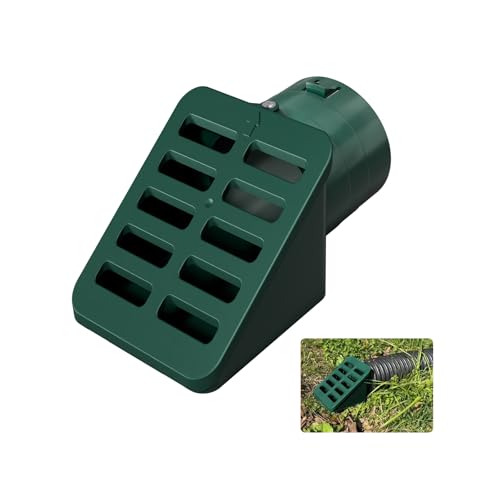
Universal Compatibility: This innovative drain grate cover is designed for 4" SCH 40, 4" SDR 35, 4" Corrugated Pipe. It provide a stable and quick connection for most drainage systems while ensuring a seamless fit during water draining

Durable Construction: Made from high-quality PVC plastic and rubber for long-lasting use in bath drain replacements
Water-Saving Bioswales for Urban Gardens
Editor’s Choice

FCMP Outdoor Raincatcher 4000 Rain Barrel, Flat-Back Rainwater Catcher w…

Wildflower Seeds Bulk Mix – 10,000+ Perennial & Annual Seeds – Texas, Ca…
Back to the Roots 100% Organic Mulch, 58 Quart, Expanding Coconut Husk B…
8. Attractive Drainage Grates in Patios and Decks
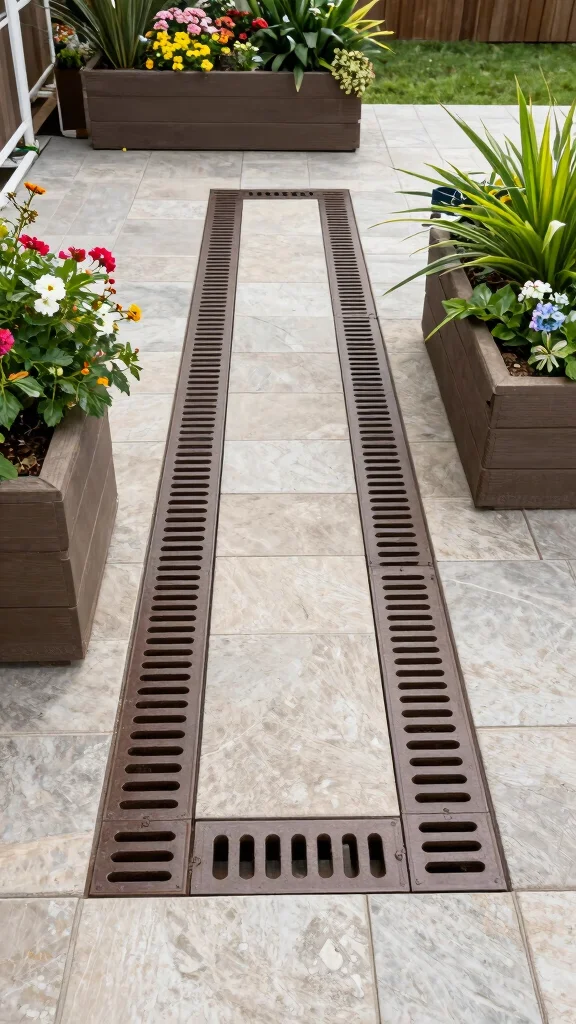
Do you want to enhance your patio or deck while managing drainage? Installing decorative drainage grates can help! These grates ensure proper water flow while complementing the beauty of your outdoor living spaces.
Look for grates that blend well with your patio materials to make them less noticeable. Position them in areas where water tends to accumulate, like under overhangs or near plants. Regular cleaning will keep them functioning efficiently.
Why choose decorative grates?
– Achieve seamless integration with your design
– Select from various styles to reflect your taste
– Ensure functional drainage to prevent damage
This simple enhancement keeps your outdoor areas looking great while effectively managing water flow.
Fun fact: decorative drainage grates in patios can cut puddling by up to 40% when paired with smart french drain landscaping. They blend with materials while keeping water moving. Place grates where water tends to collect, like under overhangs.
You Might Also Like


Attractive Drainage Grates in Patios and Decks
Editor’s Choice

NDS 70* 3-Inch Atrium Grate, Connects to 3-Inch Drain Pipes and Fittings…
Weber Outdoor Grill Spray Bottle Cleaner & Degreaser, 16 oz – Safe, No…

Goovilla Plastic Interlocking Deck Tiles, 9 Pack Outdoor Patio Flooring,…
9. Integrating French Drains with Terraced Gardens

Are you looking for a stunning way to manage water in your garden? Terraced gardens provide an attractive solution while incorporating French drains to control runoff. This design not only prevents erosion but also beautifies your outdoor space.
Ensure that each terrace has proper drainage with well-installed French drains. Use a variety of plants at different heights for visual interest, and ensure each level is well-watered to promote healthy growth.
Benefits of terraced gardens:
– Control soil erosion for a stable landscape
– Direct excess water effectively
– Create visual appeal with depth and dimension
This approach enhances both functionality and aesthetics, making your garden a true delight.
Integrating French Drains with Terraced Gardens
Editor’s Choice

LEETOLLA Elevate 32″ Tall Raised Garden Bed Outdoor with Wheels & Shelf …
FEED GARDEN 4FT x 100FT Landscape Fabric Weed Barrier Fabric, Heavy Duty…

Extra Long French Drain Pipe with Steel Wire – Perforated Landscaping Dr…
10. Planting Rain Gardens for Eco-Friendly Drainage Solutions

Want to manage stormwater runoff sustainably? Rain gardens offer a beautiful solution! By planting native vegetation in low areas, you can create a vibrant garden that effectively handles excess water.
Choose plants that thrive in wet conditions and position your rain garden where water naturally collects. Use mulch and decorative stones to enhance the design while retaining moisture.
Advantages of rain gardens:
– Enhance biodiversity by attracting wildlife
– Prevent erosion and filter stormwater
– Create a colorful landscape feature
This eco-friendly approach not only improves drainage but also adds beauty and sustainability to your garden.
Rain gardens turn runoff into beauty—and with simple french drain landscaping ideas, you can guide water where it’s needed. Plant native species in damp zones, mulch thoughtfully, and watch biodiversity flourish while you protect your yard from soggy spots.
Planting Rain Gardens for Eco-Friendly Drainage…
Editor’s Choice
Back to the Roots 100% Organic Mulch, 58 Quart, Expanding Coconut Husk B…
Wildflower Seeds Bulk Mix – 10,000+ Perennial & Annual Seeds – Texas, Ca…

Pulovin 15 lbs River Rocks for Plants, 1-1/2 inch Decorative Garden Rock…
Conclusion
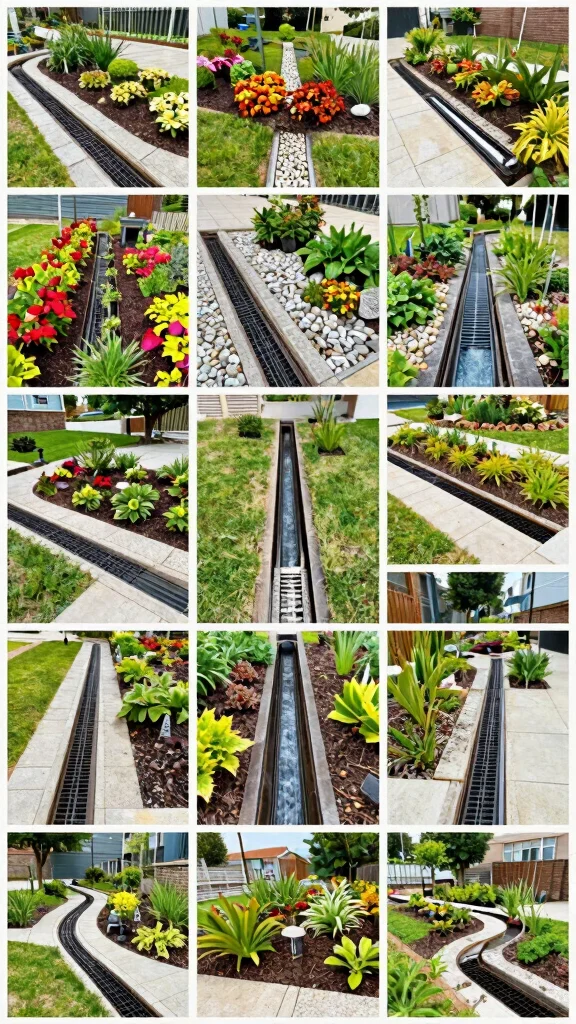
Incorporating French drain landscaping into your urban garden not only addresses water management issues but also elevates the visual appeal of your outdoor spaces. From creative rock gardens to vibrant rain gardens, these ideas showcase how functionality and beauty can coexist harmoniously.
As you plan your next landscaping project, consider these ten innovative approaches to enhance both the aesthetics and sustainability of your garden. Happy gardening!
Note: We aim to provide accurate product links, but some may occasionally expire or become unavailable. If this happens, please search directly on Amazon for the product or a suitable alternative.
This post contains Amazon affiliate links, meaning we may earn a small commission if you purchase through our links, at no extra cost to you.
Frequently Asked Questions
What is french drain landscaping and how can it solve water problems in urban gardens?
French drain landscaping is a proactive outdoor drainage system that channels excess water away from problem areas using a perforated pipe wrapped in fabric and surrounded by gravel in a shallow trench.
This outdoor drainage system helps with standing water, soggy soil, erosion, and basement dampness, all while blending into your landscaping design rather than looking like an afterthought.
To plan: map water flow after a rain, design a trench with a gentle slope (about 1–2%), lay the perforated pipe, surround with gravel, wrap in geotextile, and connect to a safe discharge area.
For urban gardens, consider integrating the trench into borders, paths, or raised beds so it stays aesthetically pleasing and functional.
Maintenance is simple—check for clogs, flush the line after heavy rains, and re-fill or widen gravel if you notice reduced drainage.
How do I choose the right outdoor drainage system for a small garden?
Start with your site: soil type, slope, and where water pools.
If you want a subtle, effective solution that fits tight spaces, a french drain landscaping option is often ideal, but you may also consider trench drain or dry wells depending on your drainage goals.
Look for systems that fit your drainage solutions and water management aims, align with your landscaping design, and connect safely to a discharge area.
Plan with gravity flow in mind, keep the trench shallow enough to avoid tree roots, and hide the installation with garden beds or decorative gravel to preserve garden aesthetics.
Can I install a french drain myself or should I hire a professional?
DIY is possible if you’re comfortable with a shovel, basic trenching, and laying perforated pipe, but there are common pitfalls. A mis-rated slope, clogged pipe, or poor connections can turn a bargain project into ongoing headaches.
If your garden is near a foundation, has heavy clay soil, or needs tying into existing drainage or municipal lines, it’s smart to hire a professional. They’ll ensure proper outdoor drainage systems, local codes, and a seamless fit with your landscaping design while preserving water management goals.
What plants look best with French drains and still keep my garden looking gorgeous?
Pair your french drain landscaping with plants that tolerate wetter soil without crowding the drainage. Think native grasses and sedges (Carex, Calamagrostis), hostas, ferns, and moisture-loving perennials. For edges, use low-growing groundcovers that hide the trench while maintaining garden aesthetics. You can also feature a small rain garden with native wildflowers to celebrate water management while keeping your yard lush and inviting.
What maintenance is required to keep a French drain effective year after year?
Keep drains flowing by performing regular checks after heavy rain. Clear debris from the trench cover, flush the perforated pipe to remove sediment, and inspect for signs of clogging or silt buildup. Refill or replace surface gravel if you notice reduced drainage, and trim nearby roots that might intrude on the line. Ensure the discharge area remains unobstructed, and re-check the slope if your yard settles. With these simple steps, your drainage solutions stay reliable and your garden continues to look gorgeous.
Related Topics
french drain landscaping
urban gardens
drainage solutions
garden aesthetics
outdoor drainage systems
sustainable landscaping
water management
landscaping design
beginner friendly
DIY landscaping
seasonal gardens
easy drainage tips