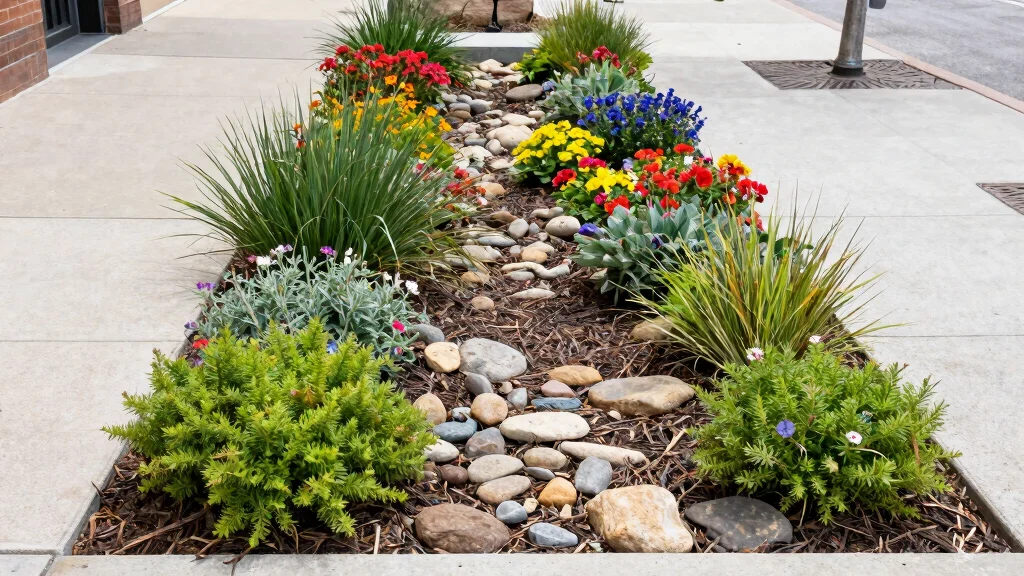
If you’ve ever strolled down your street and noticed that narrow strip of land between the sidewalk and the road, you might have thought, “What a wasted space.” That’s the hellstrip, and it often gets overlooked when it comes to gardening. But with a little creativity and effort, you can transform this neglected area into a stunning feature of your home. I crafted this post because I believe that every inch of land can be beautiful and functional, even in urban environments where space is at a premium.
Whether you’re an urban gardening enthusiast or simply someone looking to boost your curb appeal, this guide is for you. You care about making your home inviting, and you want easy, low-maintenance solutions that not only look good but also support sustainability. In this post, I pulled together nine hellstrip landscaping ideas that are practical, beautiful, and perfect for urban settings. You will find solutions that incorporate drought-resistant plants, artistic arrangements, and even edible options. Let’s dive into the world of hellstrip landscaping and explore how you can turn that bland strip of land into a flourishing oasis.
Key Takeaways
– Drought-resistant plants are ideal for hellstrips as they require less water and thrive in urban conditions. Consider native species that are both beautiful and sustainable.
– Creative garden design can make your hellstrip stand out. Use artistic planting arrangements to add visual interest and charm to your home’s exterior.
– Low-maintenance landscaping options are available, ensuring your hellstrip remains stunning without constant upkeep. Look for plants that naturally thrive in your climate.
– Edible plants can transform your hellstrip into a mini urban farm. Incorporating fruits, vegetables, or herbs adds practicality to your garden while enhancing its beauty.
– Eco-friendly hardscaping elements, like permeable pavers or recycled materials, can add structure to your hellstrip while being sustainable and aesthetically pleasing.
Recommended Products

1. Xeriscaping Wonderland
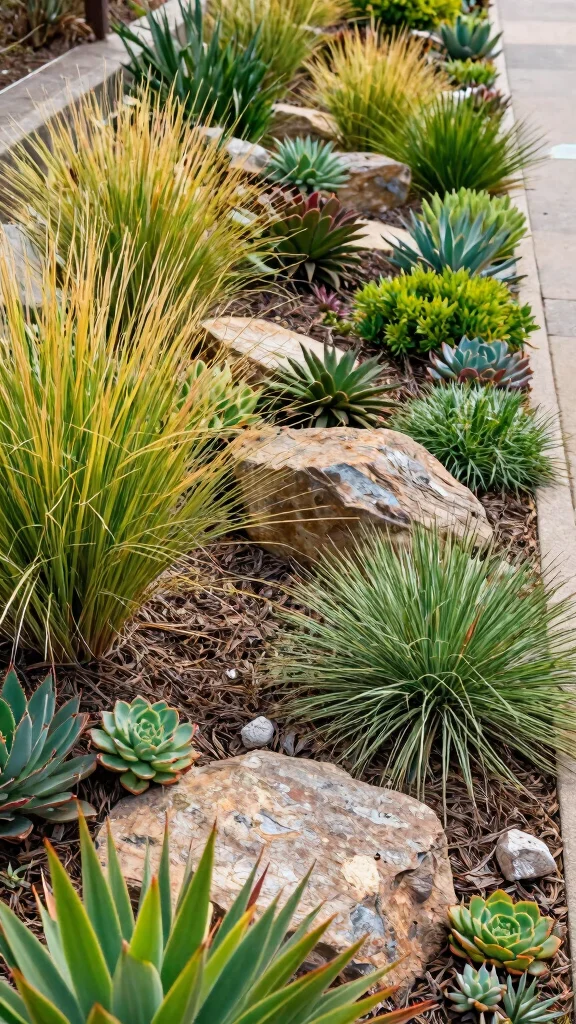
Imagine transforming your hellstrip into a vibrant xeriscape filled with resilient plants that flourish in urban settings. Choosing native species not only conserves water but also invites local wildlife to your garden. Picture an array of succulents, agave, and ornamental grasses that create a stunning yet low-maintenance display.When planning your xeriscape, group plants by their water needs and use decorative stones or mulch to retain moisture. This thoughtful arrangement will yield a captivating landscape that highlights sustainable gardening practices.Pro Tips:– Select native plants for optimal growth and sustainability.
– Mix textures and heights for visual interest.
– Utilize decorative stones to outline pathways or clusters.With creativity and planning, your xeriscape can become the envy of your neighborhood!
Recommended Products

DURABLE AND ECO-FRIENDLY: Crafted from 100% recycled PPE plastic, our gravel paver system delivers exceptional strength and longevity; This set includes 11 units with a 2" depth, covering an area of 37 square feet

HEAVY-DUTY INTERLOCKING PAVER SYSTEM: Strol's reinforced honeycomb cell structure locks gravel securely, supporting up to 600,000kg/m (122,889.6 lbs/f) for driveways, walkways, patios, and erosion-prone areas

Package Contents: relish the simplicity of our value pack with 6 pieces of green permeable pavers; Our pavers are complete with snaps to seamlessly fit in with each other, ideal for usage in lawn patios, driveways, sidewalks and shed foundations; It's a value-for-money offering tailored for your exterior spaces
Xeriscaping Wonderland
Editor’s Choice

15 lbs White Rocks for Landscaping, 1-2 inch Decorative Rocks for Plants…

Back to the Roots 100% Organic Mulch, 58 Quart, Expanding Coconut Husk B…

Shop Succulents Endless Summer Succulent Pack Collection – Live Mini Suc…
2. Pollinator Paradise
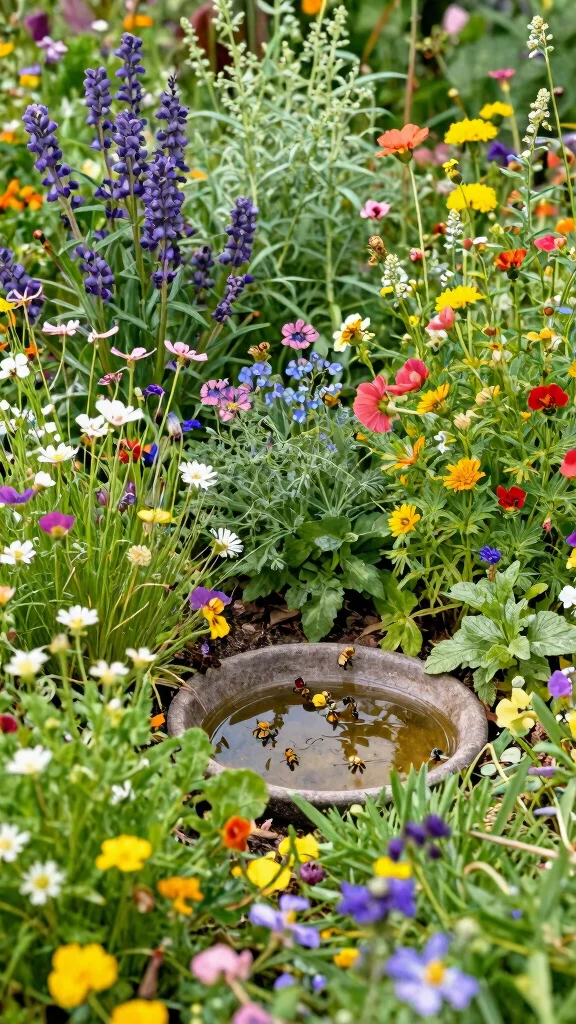
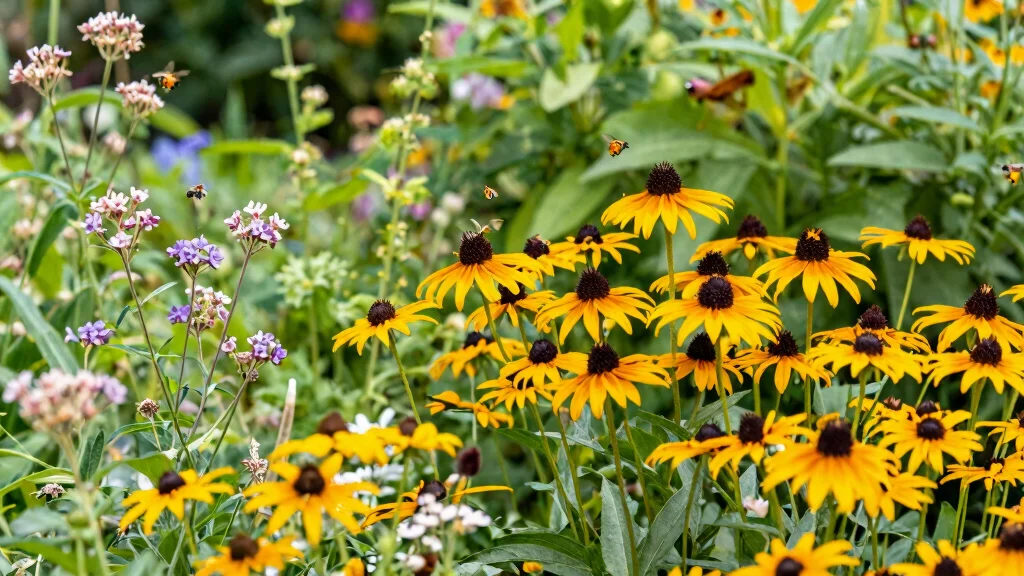
Create a welcoming oasis for bees, butterflies, and other pollinators right in your hellstrip. By planting a diverse array of pollinator-friendly flora, you’ll not only enhance your landscape but also nurture local ecosystems. Think about adding wildflowers, native shrubs, and herbs that draw these vital creatures!Design your pollinator paradise with colorful blooms that flourish at different times of the year, ensuring a steady food supply for pollinators. A shallow dish of water can also attract these creatures while serving as a delightful focal point.Key Plants to Include:– Coneflowers
– Milkweed
– LavenderA lively hellstrip not only beautifies your home but also contributes to a thriving urban environment, buzzing with activity!
Recommended Products

ORGANIZED 10 GRID PLANTING: Modular raised garden bed planter with 10 individual growing compartments keeps herbs vegetables flowers separated for easier crop rotation gardening includes plant markers liners ideal for patio balcony backyard herb garden
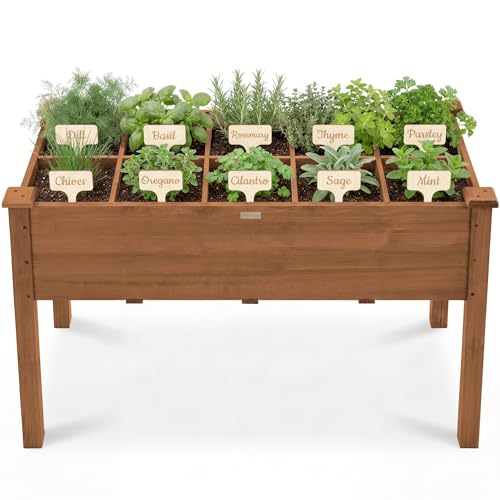
ORGANIZED 10 GRID PLANTING: Modular raised garden bed planter with 10 individual growing compartments keeps herbs vegetables flowers separated for easier crop rotation gardening includes plant markers liners ideal for patio balcony backyard herb garden

Custom Multi-Size Herb Planting System: Comes with 8 small, 2 medium, and 1 large liner so you can mix and match your favorite herbs, giving each plant the exact space and care it needs to thrive.
Pollinator Paradise
Editor’s Choice

100 Plants to Feed the Bees: Provide a Healthy Habitat to Help Pollinato…
Zoo Med Laboratories SZMFD20 Repti-Rock Food Dish, Small

Wildflower Seeds Bulk Mix – 10,000+ Perennial & Annual Seeds – Texas, Ca…
3. Edible Urban Oasis
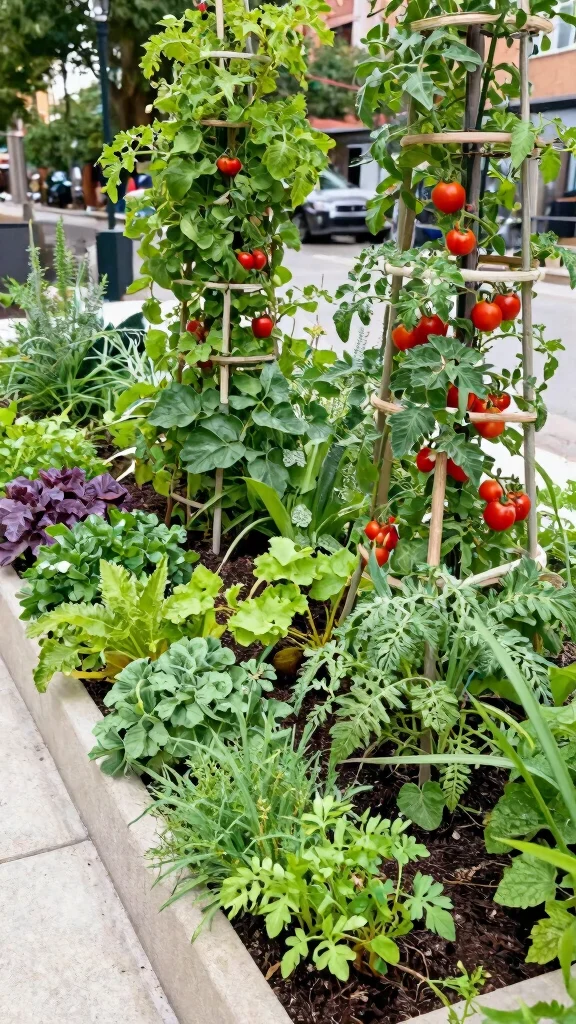
Why not convert your hellstrip into a delightful edible garden? With a mix of herbs, vegetables, and small fruit plants, you can create a sustainable and picturesque space. Edible plants can be both functional and beautiful, offering fresh ingredients right from your doorstep!Consider easy-to-grow herbs like rosemary and basil, which flourish in compact areas. Small varieties of tomatoes and peppers can add splashes of color along the sidewalk, while trellises maximize vertical space for climbing plants to drape elegantly.Fresh Picks for Edible Gardens:– Cherry tomatoes
– Strawberries
– ChivesAn edible oasis enhances your home’s curb appeal and promotes sustainable living by reducing the need for store-bought produce!
📹 Related Video: 6 Things to Consider When Planting Edibles in Your Hell Strip
Edible Urban Oasis
Editor’s Choice
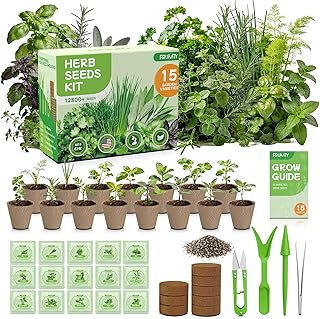
Herb Garden Starter Kit – Fruivity 12800+ 15 in 1 Herb Heirloom Seed K…

TOREVSIOR 5-Tier Vertical Raised Garden Bed, Vertical Garden Planter wit…
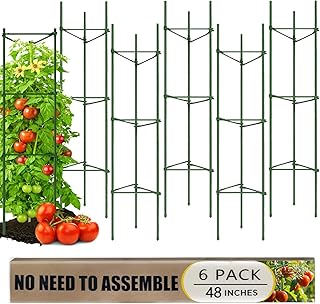
6 Pack Tomato Cage for Garden, 48 Inches Metal Garden Stakes, Plant Supp…
4. Textured Serenity
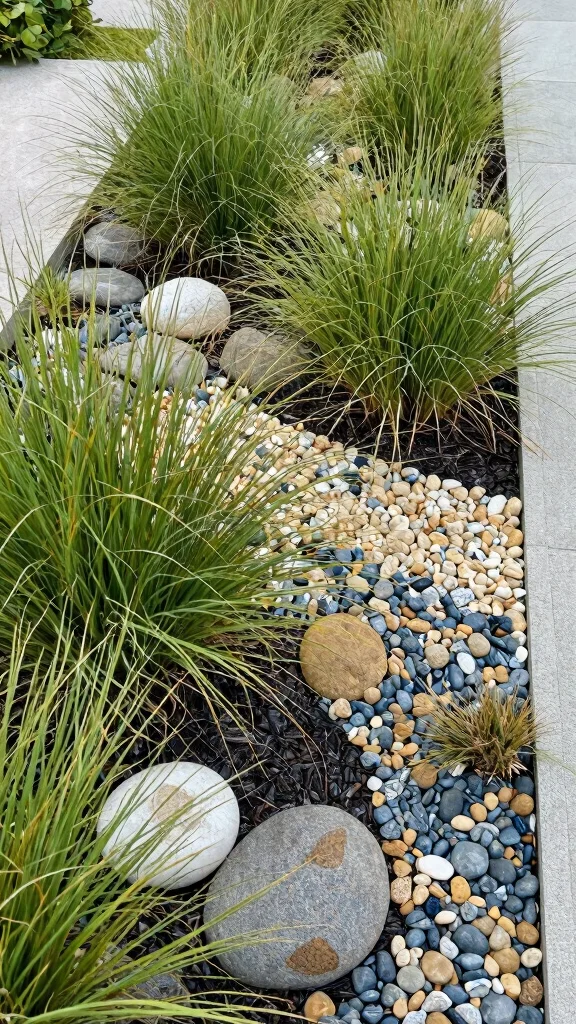
Design a tranquil landscape in your hellstrip using a variety of textures and materials. Picture ornamental grasses, pebbles, and decorative stones that combine to create a peaceful retreat amid the urban bustle. By blending soft foliage with hardscape elements, you can craft a visually engaging space.Incorporate varied plant heights, pairing tall grasses with low-growing succulents for depth. Using different textures can keep your hellstrip captivating throughout the seasons. Consider adding a small bench or a decorative pathway for a place to unwind among the greenery.Design Tips:– Select plants with diverse foliage textures and colors.
– Use rocks and pebbles for added interest.
– Create pathways to guide the eye through the design.Focusing on texture can transform your hellstrip into a serene space that enhances your neighborhood’s charm.
Recommended Products
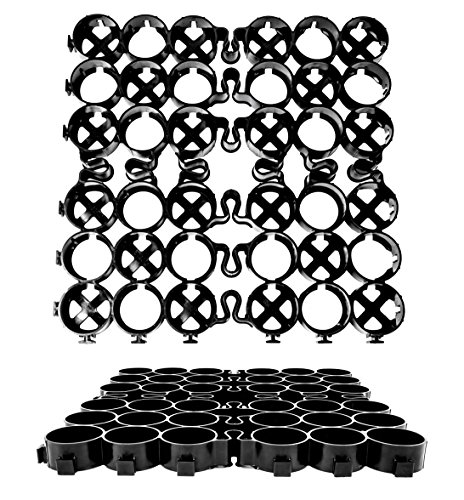
HEAVY DUTY: The PRO PLUS pavers are the industry strongest grid with patented flex joints, never-fail locking tabs handles 250,000+ lb vehicles with 1M psf compression strength


BENEFITS: TRUEGRID DECO permeable pavers will stabilize walkways or ribbon driveways, prevent gravel migration, and create a decorative walkway between parking spaces
Textured Serenity
Editor’s Choice

Pack 3 Pampas Grass Plants Live, Ornamental Pampas Grass Live Plants, in…

Shop Succulents Unique Succulent Plant Pack Collection – Live Mini Succu…

Quibbay 45 LB Mexican Beach Pebbles, 0.4-1 Inch Natural Unpolished Bulk …
5. Seasonal Vibrance
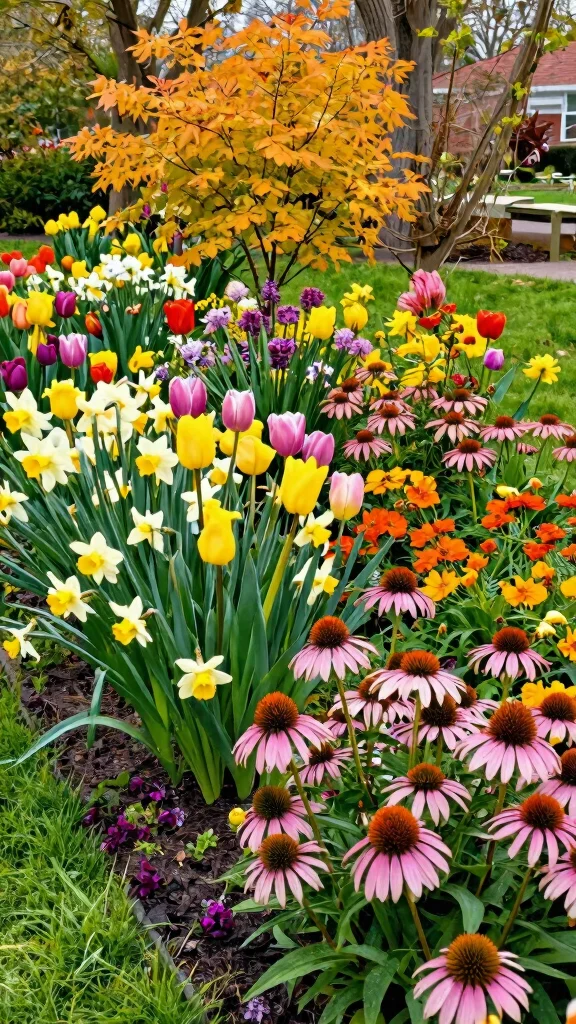
Craft a hellstrip that celebrates seasonal changes with thoughtfully chosen plants that bloom at various times of the year. This strategy ensures your hellstrip remains visually appealing and vibrant year-round. Select a blend of early spring flowers, summer perennials, autumn foliage, and winter-interest plants!By planting a mix of blooms, there’s always something to admire. Include tulips and daffodils for spring, vibrant summer flowers like echinacea and black-eyed Susans, and beautiful fall plants for stunning foliage.Seasonal Plant Suggestions:– Spring: Tulips, Daffodils
– Summer: Echinacea, Black-eyed Susans
– Fall: Ornamental grasses, AstersA hellstrip that beautifully transitions through the seasons not only boosts curb appeal but also brings joy to everyone who passes by!
Recommended Products

LARGE ELEVATED PLANTER BOX-By considering your gardening needs of growing herbs and vegetables with care, we are proud to have this oversized raised garden bed introduced...
You might also like

How To Choose The Right Plants for Hellstrip Landscaping
Tools You’ll Need:
– Shovel
– Rake
– Gloves
– Tape measure
– Plant catalog or app
– Watering can or hose
Step 1: Assess Your Space
Before you select any plants, take a close look at your hellstrip. Measure the width and length of the strip. This helps you understand how many plants you can fit. Make note of sunlight exposure—does it get full sun, partial shade, or is it mostly shaded? Knowing these details will guide your plant choices. ✔ Check the soil type as well to see if it drains well or is more compact.
Step 2: Consider Your Climate
Different regions have different climates, and your plant selection should reflect that. Research drought-resistant plants if you live in a dry area. For cooler climates, look for hardy varieties that can withstand frost. Use local gardening resources or apps to find plants that thrive in your specific climate zone. ✔ Local gardening centers can also provide valuable advice on what works best.
Step 3: Prioritize Low-Maintenance Options
Since hellstrip landscaping often requires minimal upkeep, choose low-maintenance plants. Native plants are usually a great option as they adapt well to local conditions. Look for perennials that return each year without much fuss. Plants like sedum, lavender, or ornamental grasses can be good choices. ✔ Make sure to check if they require specific care like pruning or deadheading to maintain their appearance.
Step 4: Plan for Visual Interest
Your hellstrip can be both functional and beautiful! Aim for a mix of textures, colors, and heights to create a visually appealing design. Combine flowering plants with foliage varieties to draw the eye. Think about seasonal changes too—choosing plants that bloom at different times can keep your strip lively throughout the year. ✔ Create a small sketch to visualize your arrangement before planting.
Step 5: Factor in Curb Appeal
This is the first thing passersby will see, so make it count! Choose plants that enhance your home’s aesthetic. If your house is modern, consider sleek, architectural plants. For a more traditional look, opt for softer, flowing plants. Use your home’s color scheme as a guide. ✔ Remember, your hellstrip is a reflection of your style, so have fun with it!
Step 6: Plan for Watering
Think about how you will water your hellstrip, especially during dry spells. A good idea is to group plants with similar water needs together. This can make watering more efficient. Consider adding a drip irrigation system for even better moisture management. ✔ Install the system before planting to avoid disturbing your new plants later.
Pro Tip: Don’t be afraid to experiment! Start with a few plants and add more over time as you learn what works best in your hellstrip. Keep records of what thrives and what doesn’t. This will help you make better decisions in the future. Happy gardening!
Seasonal Vibrance
Editor’s Choice

Wildflower Seeds Bulk 10000+, 1.06oz Butterfly Hummingbird Mix, 21 Varie…

Burpee Wildflower 25,000 Bulk, 1 Bag | 18 Varieties of Non-GMO Flower Se…

6. Eco-Friendly Hardscaping
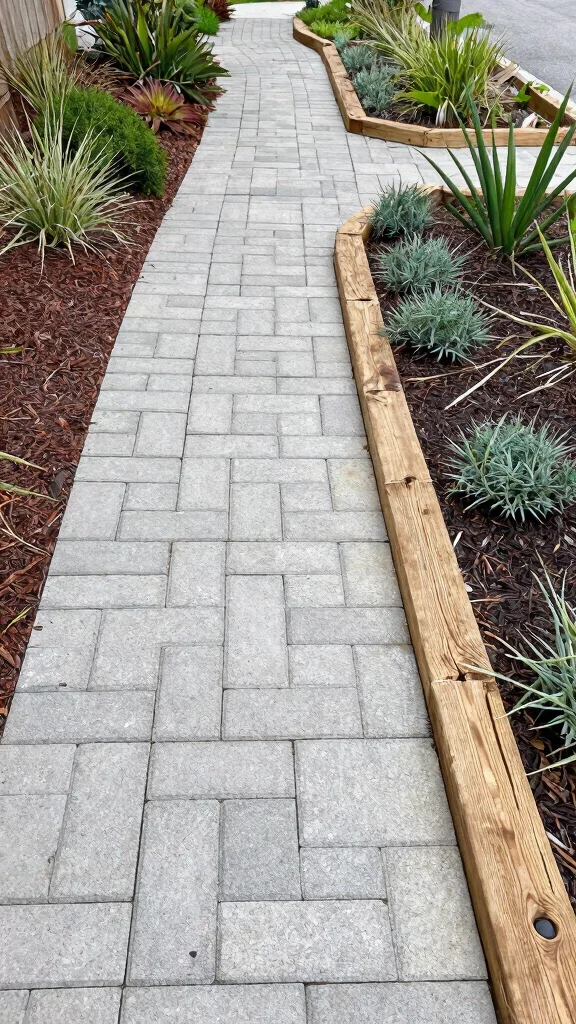
Integrate eco-friendly hardscaping into your hellstrip for both low-maintenance and visually appealing designs. Use permeable pavers, reclaimed wood, and recycled materials for paths that complement your plants. This method minimizes water runoff while adding unique charm to your landscaping.Consider gravel paths or wooden borders that cut down on maintenance while enhancing the overall design. Thoughtfully chosen materials can turn your hellstrip into a sustainable masterpiece that merges beauty with functionality.Hardscaping Ideas:– Use permeable pavers for effective water absorption.
– Incorporate recycled materials like bricks or stones.
– Add wooden features for warmth and texture.Choosing eco-friendly hardscaping can make your hellstrip attractive and environmentally responsible!
Did you know that permeable pavers in hellstrip landscaping can cut runoff by up to 50% while letting rain soak through to the soil? Pair them with reclaimed wood borders for a low-maintenance, stylish eco-friendly hardscape you’ll actually love.
Recommended Products

BENEFITS: TRUEGRID DECO permeable pavers will stabilize walkways or ribbon driveways, prevent gravel migration, and create a decorative walkway between parking spaces

Strong permeable pavers are structured with 19.7 in. x 19.7 in.x 1.9 in. height (500x500x48 mm), cover 11 sf.(1 sm)
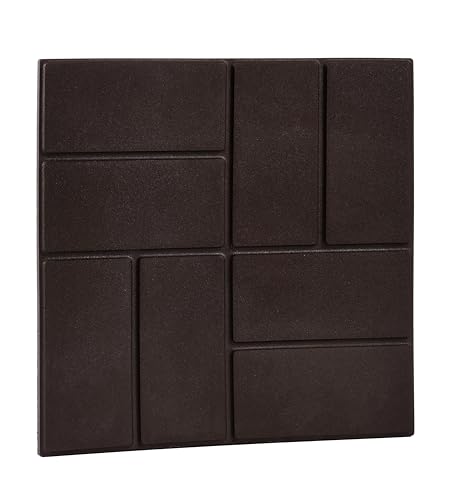
Reversible: Cobblestone and brick design
Eco-Friendly Hardscaping
Editor’s Choice

Vodaland Permeable HexPave System – Grass & Gravel Pavers – 100% Recycle…

YISZM 2LB Succulent and Cactus Gravel Pebbles, 1/5 Inch Natural Decorati…

Landscaping with Wood: The Practical Guide to Building Outdoors
7. Artistic Planting Arrangements
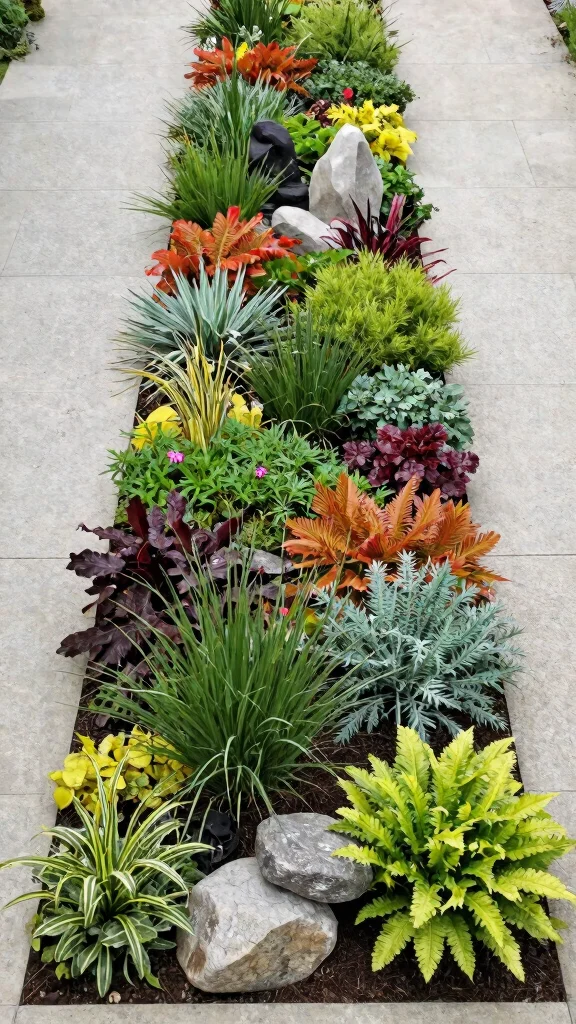
Transform your hellstrip into a captivating outdoor art installation with imaginative planting arrangements! Combining varying heights, colors, and shapes can infuse your urban landscape with creativity. Consider using containers or raised beds to create depth and allow viewers to appreciate the beauty from multiple angles.Play with asymmetry to generate interest or cluster striking plants together for focal points. You might add sculptures, decorative stones, or vertical gardens to boost the artistic flair of your hellstrip, making it feel like a curated gallery celebrating nature’s beauty.Creative Ideas:– Cluster plants for a dramatic effect.
– Use containers to vary height.
– Add artistic decor as eye-catching focal points.With a touch of creativity, your hellstrip can become a stunning display of nature and art, enriching your neighborhood’s visual landscape!
Artistic Planting Arrangements
Editor’s Choice

Ton Sin Pink Gold Ceramic Flower Pots, 4″+5″+6″ Inch Small Glazed Succul…

Yaheetech 8×2ft Wooden Horticulture Raised Garden Bed Divisible Elevate…

LEGIFO Garden Decor for Outside,Funny Metal & Glass Bird Decor for Indoo…
8. Native Plant Showcase
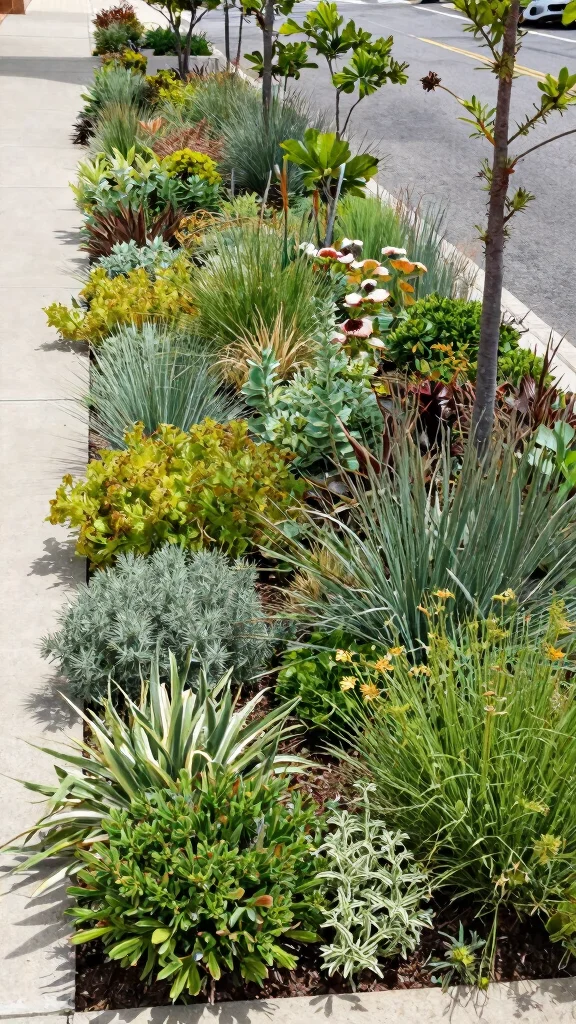
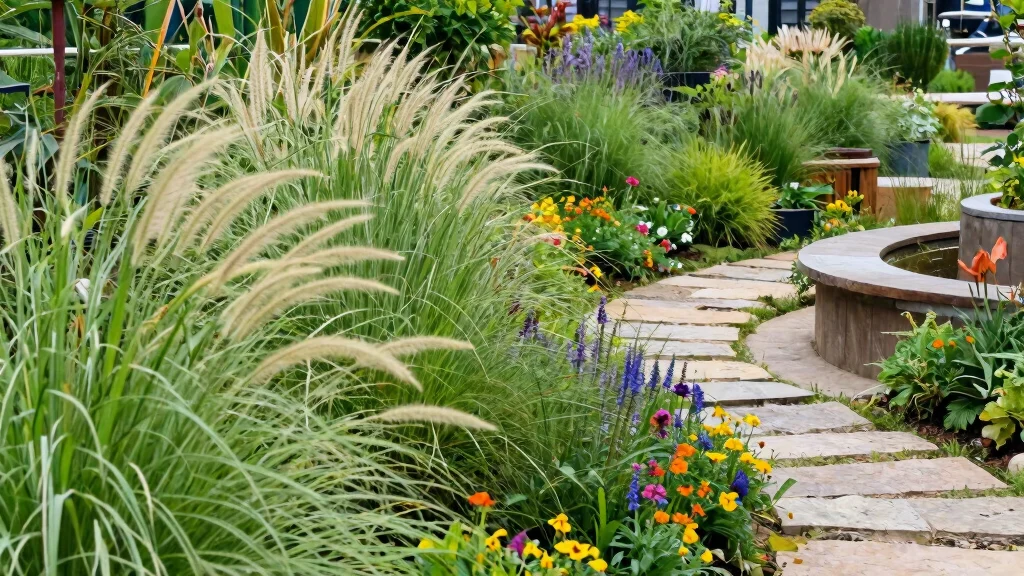
Highlight local ecosystems by creating a native plant showcase in your hellstrip. Native plants are naturally suited to local conditions, making them easier to care for and beneficial for local wildlife. By featuring these plants, you’ll beautify your hellstrip while helping preserve native species.Design plant communities that reflect the local landscape, using species that grow together naturally. This approach promotes biodiversity and fosters a resilient garden that requires less water and maintenance.Benefits of Native Plants:– Low maintenance and drought-resistant.
– Attract local pollinators and wildlife.
– Support the local ecosystem.A native plant showcase allows your hellstrip to thrive naturally while enhancing your neighborhood’s beauty and ecological balance!
In hellstrip landscaping, native plants aren’t just pretty—we slash water use by up to 50% and boost local wildlife. Build a native plant showcase by layering species that tolerate similar conditions; you’ll get a resilient, low-water landscape that thrives season after season.
You Might Also Like
Native Plant Showcase
Editor’s Choice

Farmer’s Secret Soil Revitalizer (32oz) – Organic (OMRI Listed) Dirt H…

Northeast Wildflower Seeds – Extra Large 1 Ounce Packet – Over 7,500 Nat…

Rain Bird LNDDRIPKIT Drip Irrigation Landscape/Garden Watering Kit with …
9. Maintenance-Free Beauty
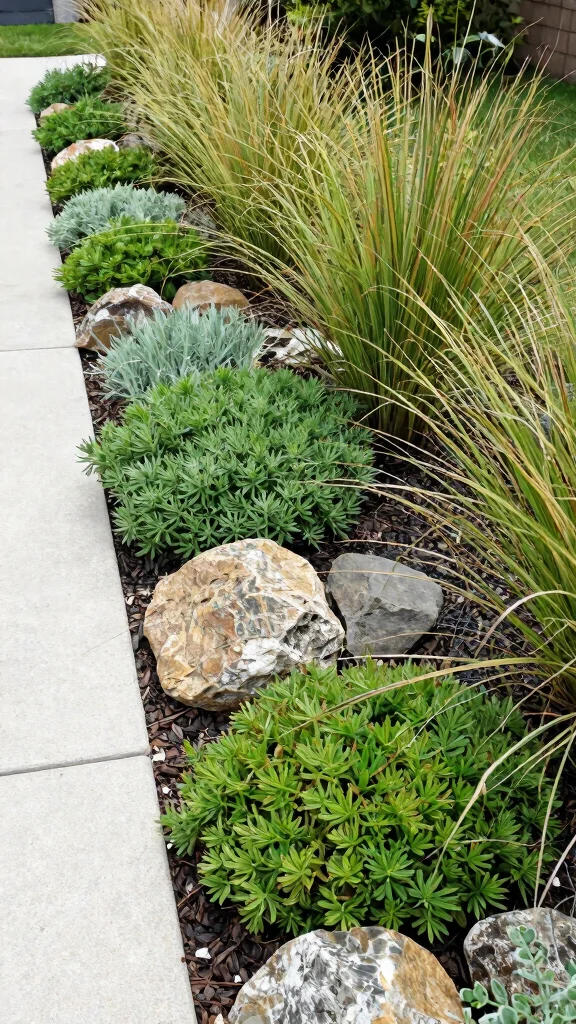
If you love the idea of a beautiful hellstrip but want to keep maintenance to a minimum, consider a maintenance-free approach. Opt for low-maintenance plants that need little watering and pruning, such as sedums and ornamental grasses. Pair these plants with decorative rocks and landscaping fabric to suppress weeds and retain moisture.By focusing on hardy plants and strategic design, you can achieve a stunning landscape that thrives with minimal effort. Incorporate hardscaping elements to further reduce upkeep while enhancing visual appeal.Low-Maintenance Plant Suggestions:– Sedums
– Ornamental grasses
– Drought-resistant succulentsWith thoughtful planning, a low-maintenance hellstrip can be both beautiful and practical, allowing you to enjoy a lovely landscape without the hassle!
Fun fact: A well-planned maintenance-free hellstrip landscaping with sedums and ornamental grasses can cut water use by up to 40% in drought-prone cities. Minimal irrigation, weed suppression, and simple hardscaping keep your curb appeal high with little effort.
Maintenance-Free Beauty
Editor’s Choice

iropro 4ftx300ft Weed Barrier Fabric 3.2oz Landscape Fabric Heavy Duty, …

Clovers Garden Sedum Autumn Fire Plants – Two (2) Live Plants – Non-…

GASPRO 15lb Natural River Rocks Decorative Rocks for Plants and Garden L…
Conclusion
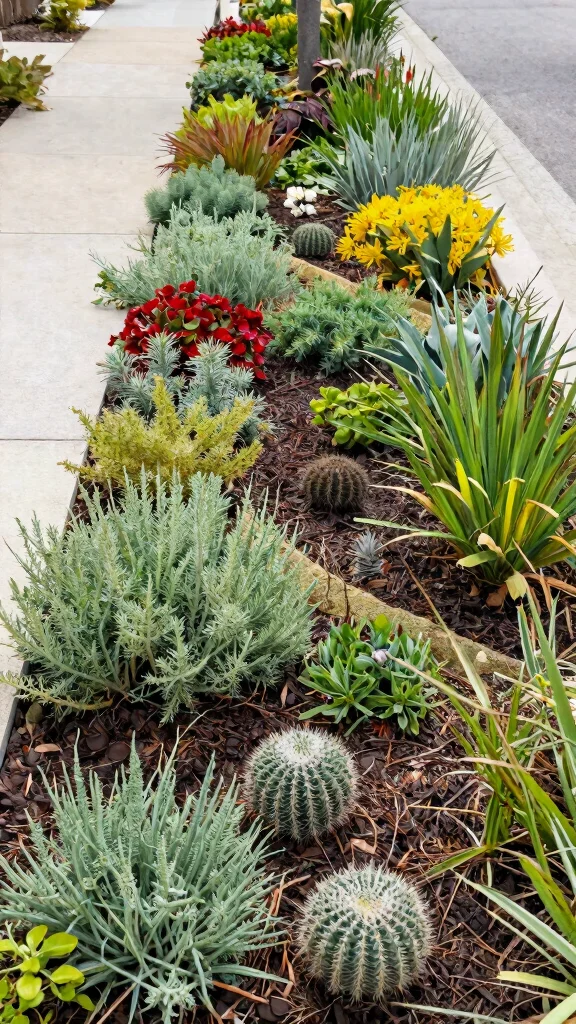
Transforming your hellstrip can truly make a difference in your urban environment, providing both beauty and sustainability.
With these nine landscaping ideas, you can create a stunning showcase that enhances your curb appeal and supports local ecosystems. Explore these creative approaches and start planning your own hellstrip transformation today!
Note: We aim to provide accurate product links, but some may occasionally expire or become unavailable. If this happens, please search directly on Amazon for the product or a suitable alternative.
This post contains Amazon affiliate links, meaning we may earn a small commission if you purchase through our links, at no extra cost to you.
Frequently Asked Questions
What are the best drought-resistant plants for hellstrip landscaping in urban environments?
For urban hellstrips, prioritize native, drought-tolerant options that tolerate heat, sun, and neglect. Good picks include Echinacea, Sedum, Lavender, Nepeta, Little Bluestem, Muhly Grass, and Penstemon. Plant in drifts to improve moisture retention and curb appeal. Mulch to reduce evaporation and weeds. A simple drip irrigation line under mulch keeps plants hydrated with less water. Keep the color palette cohesive with two to three colors and varying textures to maintain low-maintenance landscaping while still delivering strong curb appeal through hellstrip landscaping.
How can I boost curb appeal with sustainable hellstrip landscaping without turning it into a maintenance nightmare?
Start with a simple, cohesive plan using native drought-tolerant plants. Use a two to three-layer approach: tall backs, mid-height, and groundcover. Mulch heavily (two to three inches) to suppress weeds and conserve moisture. Choose permeable ground covers or gravel for texture with minimal upkeep. Add durable edging to keep the strip neat and prevent grass from creeping into the sidewalk. Install a small drip system or soaker hose to water efficiently while staying low-maintenance landscaping. This approach enhances curb appeal and supports urban gardening goals without becoming a full-time project.
What are budget-friendly, creative garden design ideas for hellstrip landscaping?
A budget-friendly approach can be done with DIY design and repurposed materials. Use a simple planting plan with two to three native drought-tolerant species in repeated drifts for visual cohesion. Add low-cost groundcovers like creeping thyme or sedum to fill space. Reuse salvaged pavers or leftover gravel to create a path. Introduce color with a few well-chosen perennials and use planters or a seating-friendly feature if space allows. This aligns with creative garden design and urban gardening while keeping low-maintenance landscaping. Finish with a mulch layer and a basic drip line to ease watering.
Are there safety or city regulations I should know before starting hellstrip landscaping in a city?
Yes. Hellstrips are typically in the public right-of-way, so check local rules about plant height, visibility at intersections, and whether the strip is city property. Some cities require maintenance standards or permits; contact your city planning department or HOA. Always call 811 before digging to locate underground utilities. Ensure drainage is not blocked and that the design doesn’t create tripping hazards or obstruct walkways. Opt for sustainable, street-friendly choices and coordinate with neighbors to keep the project compliant and friendly with urban gardening norms.
How can I design and maintain a vibrant, wildlife-supportive hellstrip year-round?
Plan with year-round interest: mix early, mid, and late-season bloomers with evergreen structure. Native, pollinator-friendly selections like Echinacea, Sedum, Salvia, and Little Bluestem provide nectar for bees and birds while needing minimal water. Layer plants from tall back to groundcover to reduce erosion and create habitat. Mulch deeply to improve soil health, and use a drip irrigation system to water efficiently. Keep some evergreen specimens for winter interest and avoid overwatering. This approach supports urban gardening, creative garden design, and low-maintenance landscaping while boosting curb appeal.
Related Topics
hellstrip landscaping
urban gardening
curb appeal
drought-resistant plants
low-maintenance landscaping
creative garden design
sustainable landscaping
beginner friendly
easy gardening
seasonal plants
eco-friendly solutions
small space gardens